Chinese-owned Syngenta to build new £100m bioscience hub in UK
Syngenta is to build a new £100m research centre for agricultural bioscience, a move hailed by the government as a vote of confidence in the UK’s science base,The Chinese-owned company, one of the biggest agrichemical groups in the world, will open the centre at its Jealott’s Hill site in Berkshire to host hundreds of scientists,The decision will provide a boost to relations between the research industry and government after a public row with the pharmaceutical sector over drug pricing and other issues, which led to big drugmakers cancelling or pausing nearly £2bn in UK investments last year,AstraZeneca’s planned £200m expansion of its research operations in Cambridge is still on hold,Switzerland-based Syngenta said the new bioscience hub would focus on a range of technologies such as biological pesticides – the next generation of crop protection.
There will be significant investment in AI tools to underpin the research.Called BioSTaR (Biological Sciences Technology and Research), it will bring together its bioscience operations under one roof, including 300 scientists.No new jobs are planned in the initial phase.Overall, 800 people are working at Jealott’s Hill, Syngenta’s biggest research and development (R&D) site worldwide, in areas including global product safety, digital imaging and discovery chemistry.The company employs more than 2,000 people in the UK across six sites.
Aside from products to aid crop production such as fungicides and insecticides, it develops field crops, vegetable seeds and flowers.Angela Eagle, the farming minister, described the investment, which does not involve any state subsidies, as “a clear vote of confidence in the UK and our world-leading agricultural science”.She said the government was investing £345m in grants for equipment and innovation to help farmers grow food more sustainably.Syngenta was founded in 2000 by the merger of the agrichemical businesses of Novartis and AstraZeneca, and listed on the New York Stock Exchange.It was acquired by China National Chemical Corporation in 2017, and reported about $30bn (£23bn) in sales for 2024.
Syngenta is reportedly seeking a return to the stock market via a blockbuster listing in Hong Kong, two years after pulling a planned $9bn flotation in Shanghai,Its owners want to raise as much as $10bn by floating 20% of the company,Syngenta declined to comment on the IPO plans,The new centre is expected to be completed in 2028,Work ranges from designing sustainable crop protection for farmers with novel chemical and biological modes of action, and anticipating resistance before it develops, to creating products that respond to environmental signals such as temperature and soil quality.
Camilla Corsi, global head of crop protection R&D at Syngenta, said: “We are focused on creating a more productive and sustainable future for agriculture.With this investment, we are pushing the boundaries of science.”The company announced earlier this month it would cease global production of its controversial weed killer paraquat, made solely at its Huddersfield factory in northern England, by the end of June, citing competition from generic producers.Syngenta faces several thousand lawsuits brought by people in the US who allege they developed Parkinson’s disease due to their exposure to paraquat.
‘Second chance’: why minister wants to jail fewer women in England and Wales
Pat had been in trouble with the police before, when she was 16 and had been spat out of the care system with no qualifications, no housing and no support. Nearly 50 years later, she heard a knock on the door again.There had been a fire in the estate where she lived, and another resident said she had seen Pat start it. “I was in the police station for nearly two days before I got to the magistrates court,” she said, worrying one finger over the top of her hand. “The magistrate said he was sending it to the crown court, and sending me to prison, basically
Robert Goodman obituary
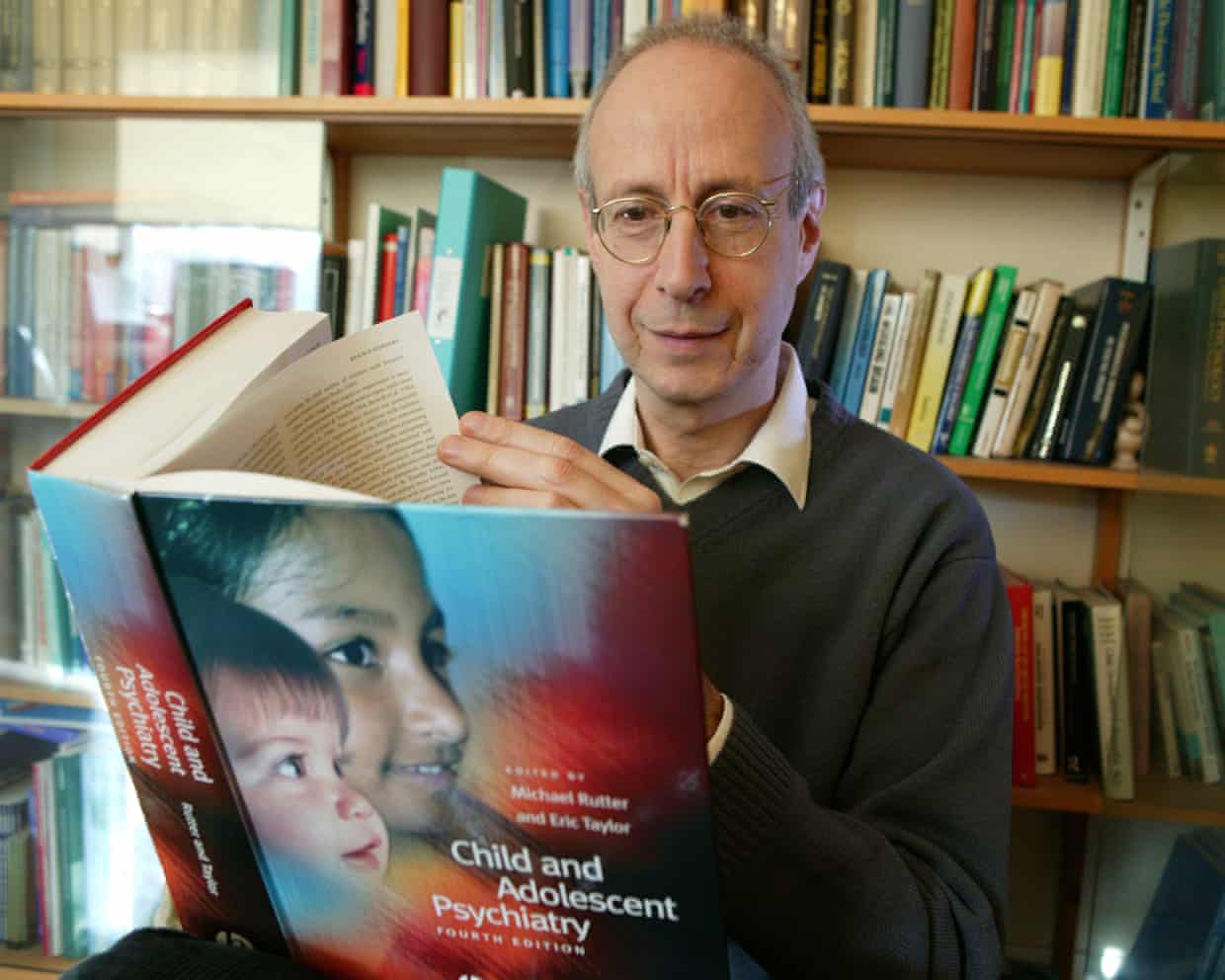
In 1992 a man with poorly controlled schizophrenia climbed into the lions’ enclosure at London Zoo and was badly mauled. This and other horrifying incidents in the early 1990s prompted widespread concern about services for mentally ill people.Better statistics were urgently required. Official surveys initially focused on adults, but in 1999 the Office for National Statistics decided to survey children and young people’s mental health for the first time, turning to the child psychiatrist Robert Goodman to guide their team of psychologists and statisticians.As well as being a distinguished child psychiatrist, Goodman had invented two child psychiatric assessment tools that now underpin population surveys worldwide: the Strengths and Difficulties Questionnaire (SDQ) and the Development and Well-Being Assessment (DAWBA)

Kent meningitis outbreak: key questions answered
A sixth-form pupil and a university student in Kent have died and 11 people are believed to be seriously ill in hospital after an outbreak of a rare form of invasive meningitis. We take a look at the disease, and how the situation is being managed.Meningitis is a serious condition in which the membranes surrounding the brain and spinal cord are infected with bacteria or a virus and become inflamed. It can come on suddenly and can be fatal.The current outbreak appears to involve invasive meningococcal disease
Inquiry launched into HMRC anti-fraud scheme that wrongly cut child benefits
The UK’s public spending watchdog has launched an investigation into a controversial government anti-fraud scheme that resulted in thousands of families being wrongly stripped of their child benefit payments.The National Audit Office (NAO) will examine how HM Revenue and Customs designed and implemented a scheme that used flawed Home Office travel records to identify parents suspected of living abroad while still claiming child benefit.The inquiry follows a series of articles in the Detail and the Guardian which exposed how HMRC relied on faulty travel data which recorded outgoing journeys, including airline bookings that were never used, and frequently failed to record return journeys by holidaymakers and business travellers.HMRC took the data in good faith from the Home Office and ended up incorrectly suggesting that families had emigrated and were fraudulently claiming the support from abroad.Among those who hadn’t even flown abroad but were stripped of child benefit was a woman who did not board the plane after her child had an epileptic seizure at the departure gate, and another woman who did not travel to Norway after the wedding she was planning to attend was cancelled
More than 100 Labour MPs call on PM to stop assisted dying bill being blocked
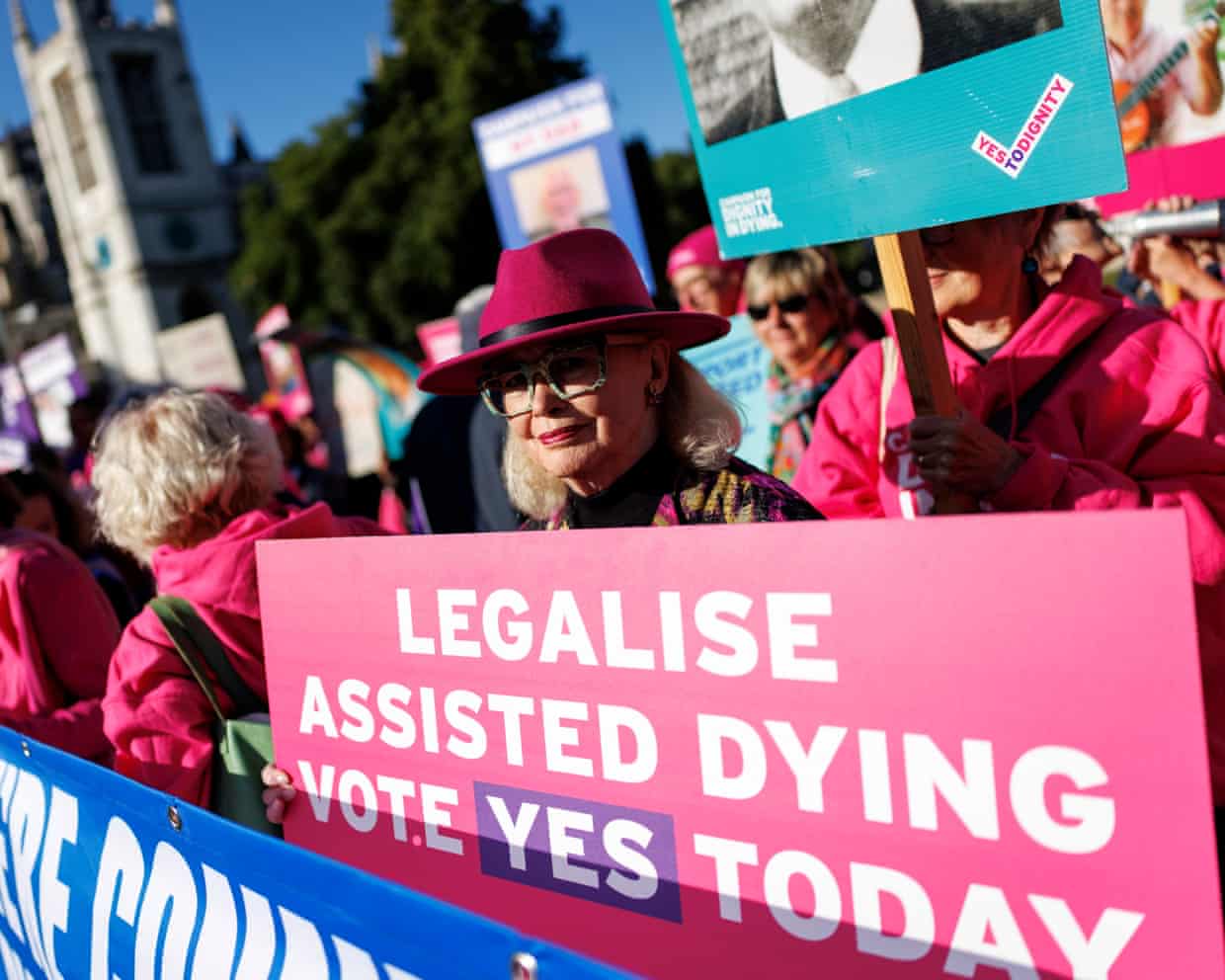
More than 100 Labour MPs have called on Keir Starmer to stop the House of Lords from blocking the assisted dying bill and give it more time to return to the Commons, with the legislation now certain to fall owing to lack of time.The private member’s bill, sponsored by Labour’s Kim Leadbeater, seeks to give terminally ill people in England and Wales with less than six months to live the right to an assisted death. It will fall when the parliamentary session comes to an end in May because peers have used multiple amendments and lengthy debates to prevent it from being put to a vote.A number of ministerial aides – parliamentary private secretaries – are also believed to have written to the prime minister separately. Ministers have told the Guardian they have also made the case to Starmer, saying it would be a moment to show some leadership on an issue popular with the public as well as a way to demonstrate he will not allow the Lords to block the will of the elected House of Commons

Fewer Britons giving to charity, study says, with donations down by £1.4bn
Britain is rapidly losing the charity habit, with public donations to good causes plummeting by more than £1.4bn last year and millions of people saying they can no longer afford – or do not want – to give, according to an analysis.The Charities Aid Foundation (Caf) said in its annual report that, while the British remained generous at heart, society was witnessing a big transformation in attitudes towards charitable giving. Just half of people gave to charity in 2025, down from 61% a decade earlier.Charity giving was no longer a “deeply embedded cultural norm” amid rising living cost pressures, and a more sceptical society, said the Caf managing director, Mark Greer: “Charities can no longer depend solely on habitual generosity or goodwill from the public,” he said

IEA to consider release of more oil reserves as Iran war keeps prices high

UK mortgage rates jump, and petrol prices rise, amid ‘Trumpflation’ worries; Oil price falls as Bessent says US is letting Iran ship its crude – as it happened

Google scraps AI search feature that crowdsourced amateur medical advice

Samsung Galaxy S26 Ultra review: its huge screen blocks shoulder surfers from spying on you

Six Nations 2026: our writers pick their tournament highlights

Toto Wolff says Verstappen’s car is cause of driver’s misery, not new regulations