US, UK, EU, Australia and more to meet to discuss critical minerals alliance
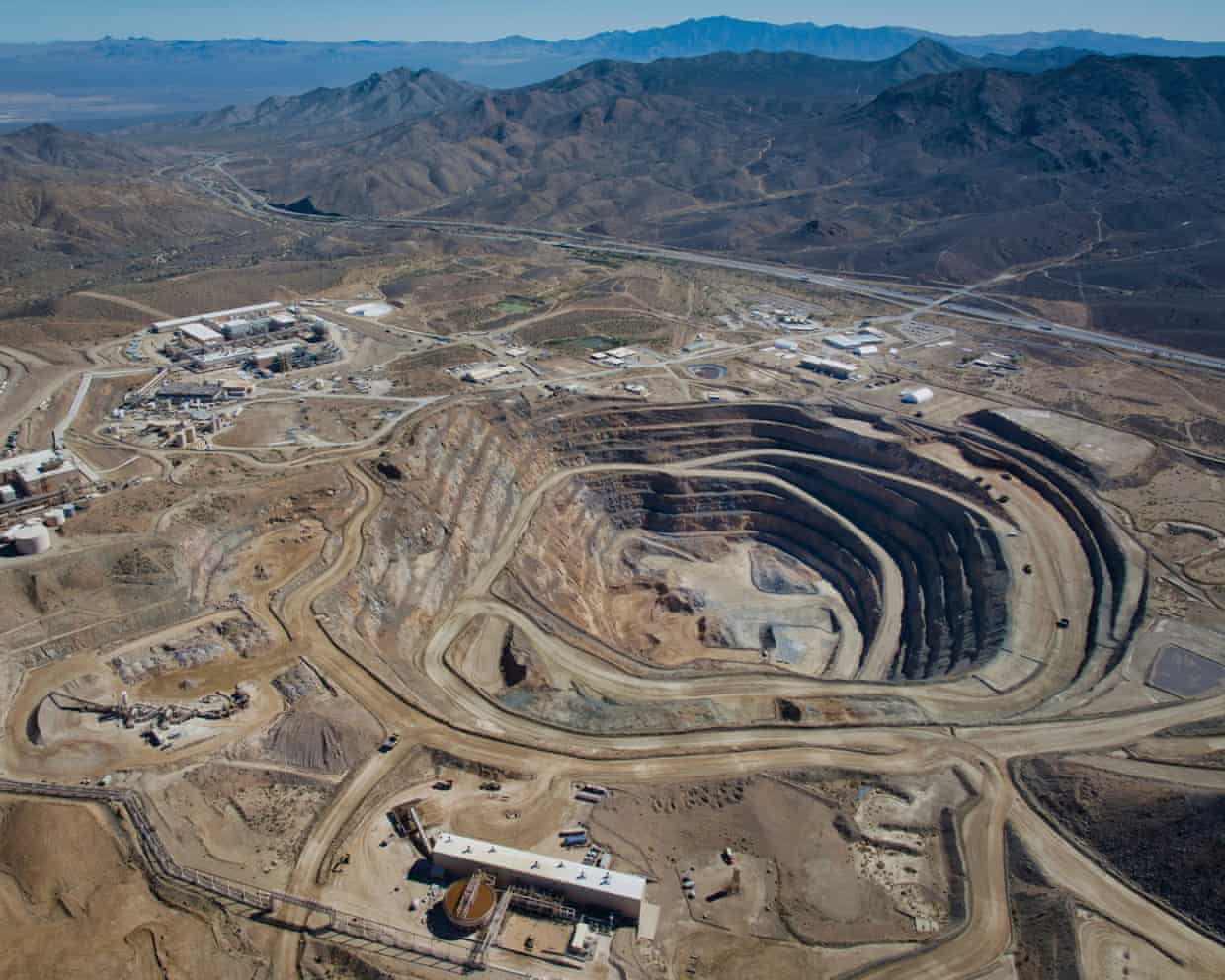
Ministers from the US, EU, UK, Japan, Australia and New Zealand will meet in Washington this week to discuss a strategic alliance over critical minerals.The summit is being seen as a step to repair transatlantic ties fractured by a year of conflict with Donald Trump and pave the way for other alliances to help countries de-risk from China, including one centred on steel.Australia said on Friday it would establish a A$1.2bn (£610m) strategic reserve of minerals it believes are vulnerable to supply disruption from China, which last April restricted exports on rare earths in response to Trump’s “liberation day” tariffs.It is the second summit on the matter within a month and involves about 20 countries including the G7 members – the UK, US, Japan, France, Germany, Italy, and Canada – along with India and South Korea and Mexico, Australia, New Zealand and possibly Argentina.
One area of discussion will be calls for the US to guarantee a minimum price for critical minerals and rare earths.A report this week that Washington has decided against the idea sent shares downwards in Australia, which has been positioning itself as a critical minerals alternative to China with a decision to stockpile elements such as antimony and gallium.It follows in the footsteps of Japan, which has actively built reserves for years to build resilience against China’s willingness to switch off supplies to advance its foreign policy.Canberra’s resources minister, Madeleine King, said a US decision not to offer minimum pricing “won’t stop Australia from pursuing our critical minerals reserve programme”.The Washington meeting has been convened by the US secretary of state, Marco Rubio, as he and other countries in attendance hope to ramp up non-China supply chains as fast as possible with potential pricing and investment support.
“Strengthening critical mineral supply chains with international partners is vital for the US economy, national security, technological leadership, and a resilient energy future,” the US state department said in a pre-summit statement.EU sources said that if talks were successful, a joint statement would follow which could be seen as a milestone shift in relations with allies working with the US to de-risk from China instead of constantly fighting off Trump’s tariff threats.A UK minister will attend, the Foreign Office said, adding: “UK economic security goes hand in hand with national security.That’s why we are working to ensure a diversified critical minerals supply chain – a vital step to securing economic growth in the UK.“We look forward to continuing these important discussions with key partners.
”The EU is also expected to use the summit to press the US to drop its new global steel derivative tariffs, which would lead to punitive levies on steel content on products that have elements of steel ranging from aluminum doors and bicycles to hair straighteners and offshore wind turbines.The first derivative tariff list was published in August, after Trump shook hands on the EU tariff deal at his Scottish golf course in July, but before the joint statement on the deal at the end of August.The Trump administration has threatened to introduce a second list of up to 700 products this January, but the list has yet to appear giving the EU and the UK hope that they could still drive home their point.“We have complained a lot,” added one EU insider, while another said: “We hope they will take this into account as they are a breach of the deal in August.“They could argue that the first batch were announced between the deal in Scotland and the US-EU joint statement, but the second batch are a breach of a deal.
”“This is about trust.You sign a deal and you trust it will apply,” said an EU source.“This constant threat of more tariffs, whether 10% because of Greenland or 200% on champagne because they don’t sign up to the ‘board of peace’ has to stop.”The Trump administration has been convening multilateral consultations since October, when it agreed to a 12-month trade truce with China, which had threatened to choke off rare earth supplies in the escalating tariff dispute between them.The minerals have become some of the most essential raw materials for modern manufacturing, needed to produce everything from smartphones to fighter jets, to wind turbines to music speakers.
Europe’s supply of permanent magnets, which are made with rare earths which have high magnetic properties, comes almost entirely from China.According to senior European Commission officials in December, the EU uses 20,000 tonnes of permanent magnets a year, of which 17,000 to 18,000 tonnes come from China, with just 1,000 from the EU.

The long-term cost of high student debt in the UK is not just for graduates | Heather Stewart
“It is not right that people who don’t go to university are having to bear all the cost for others to do so,” Rachel Reeves remarked this week, amid the increasingly angry row about student loans.But if something is “not right” here, it’s the complex and confusing loan system, and the debt burden borne by some recent graduates of English and Welsh universities.Since the chancellor slapped a three-year freeze on the repayment threshold for Plan 2 loans at November’s budget – covering students whose courses kicked off in the decade following 2012 – longstanding frustration about the system has erupted into full-blown fury. The personal finance guru Martin Lewis told Reeves recently: “I do not think this is a moral thing for you to do.”After the threshold freeze, the latest annual report on education spending in England from the Institute for Fiscal Studies (IFS) forecast that for the 2022-23 intake, for example, “the long-run cost of issuing loans … will be negative, with graduates repaying more than they borrowed”
US, UK, EU, Australia and more to meet to discuss critical minerals alliance
Ministers from the US, EU, UK, Japan, Australia and New Zealand will meet in Washington this week to discuss a strategic alliance over critical minerals.The summit is being seen as a step to repair transatlantic ties fractured by a year of conflict with Donald Trump and pave the way for other alliances to help countries de-risk from China, including one centred on steel.Australia said on Friday it would establish a A$1.2bn (£610m) strategic reserve of minerals it believes are vulnerable to supply disruption from China, which last April restricted exports on rare earths in response to Trump’s “liberation day” tariffs.It is the second summit on the matter within a month and involves about 20 countries including the G7 members – the UK, US, Japan, France, Germany, Italy, and Canada – along with India and South Korea and Mexico, Australia, New Zealand and possibly Argentina

Can French Connection make FCUK fashionable again?
French Connection is back on the trail of global expansion with the aid of its cheeky initials-based slogan that made it so popular in the late 1990s.The label once known for clothes bearing FCUK is seeking to reinvent itself again under the ownership of a group of British entrepreneurs based in the north of England who rescued it in 2021.This week, the former high street darling signed a licensing agreement to develop and distribute men’s and women’s apparel and accessories across North America, which is understood to include plans to revive the FCUK branding.It is the latest chapter in a rollercoaster story of success and setback. French Connection was founded in 1972 by Stephen Marks, who named it after the film starring Gene Hackman released the previous year

Impose sanctions on refineries that buy Russian crude oil to end war, says Bill Browder
Bill Browder’s fight against Vladimir Putin has seen him face threats, lawsuits, false accusations of murder and Interpol arrest warrants. A disinformation-laden film was even made about him.But 16 years after the death of his friend and lawyer Sergei Magnitsky at the hands of Putin’s regime, Browder is unrelenting in his fight for justice. It is an endeavour that, by his estimation, has cost Putin and his cronies billions of dollars already, via asset freezes and sanctions. Hence the considerable risk to his safety

Urban Outfitters, Dreams and Royal Parks cafes criticised for use of gig economy app
The fashion retailer Urban Outfitters, the bed specialist Dreams and the operator of several Royal Parks cafes have been criticised for the use of the gig economy app Temper to take on staff – some of whom can end up earning below minimum wage.The TUC is urging the government to bring forward promised reforms to protect gig economy workers amid concerns that those hired by apps such as Temper are missing out on significant employment rights including sick pay, rest breaks, holiday pay and a minimum hourly rate.It suggested that such apps are leading to bogus self-employed roles. “We find it hard to see how roles like shop assistant can be self-employed,” the trade union body said.A year ago a number of large high street chains including Lush and Uniqlo stopped using apps such as Temper and the now defunct YoungOnes to take on freelancers, after outrage over the spread of gig economy working into the retail sector

‘Small mercies’: north London cafe evictions paused after legal challenge
A couple who run three cafes at north London beauty spots including Hampstead Heath and Queen’s Park have claimed a small victory in their battle to overturn the decision by their landlord, the City of London Corporation, to evict them.Patrick Matthews and Emma Fernandez have run the cafes at Parliament Hill Lido, Queen’s Park and Highgate Wood for several years, but were told just before Christmas they had been unsuccessful in a retendering process.The corporation, the governing body that runs London’s Square Mile, has responsibility for managing green spaces such as Hampstead Heath, which it runs as a registered charity.It awarded the lease for two of the couple’s sites as well as two other cafes to Australian-inspired chain Daisy Green, while the lease for the couple’s third site was handed to another operator. Matthews, Fernandez and the other tenants were told to vacate their premises by Monday 2 February
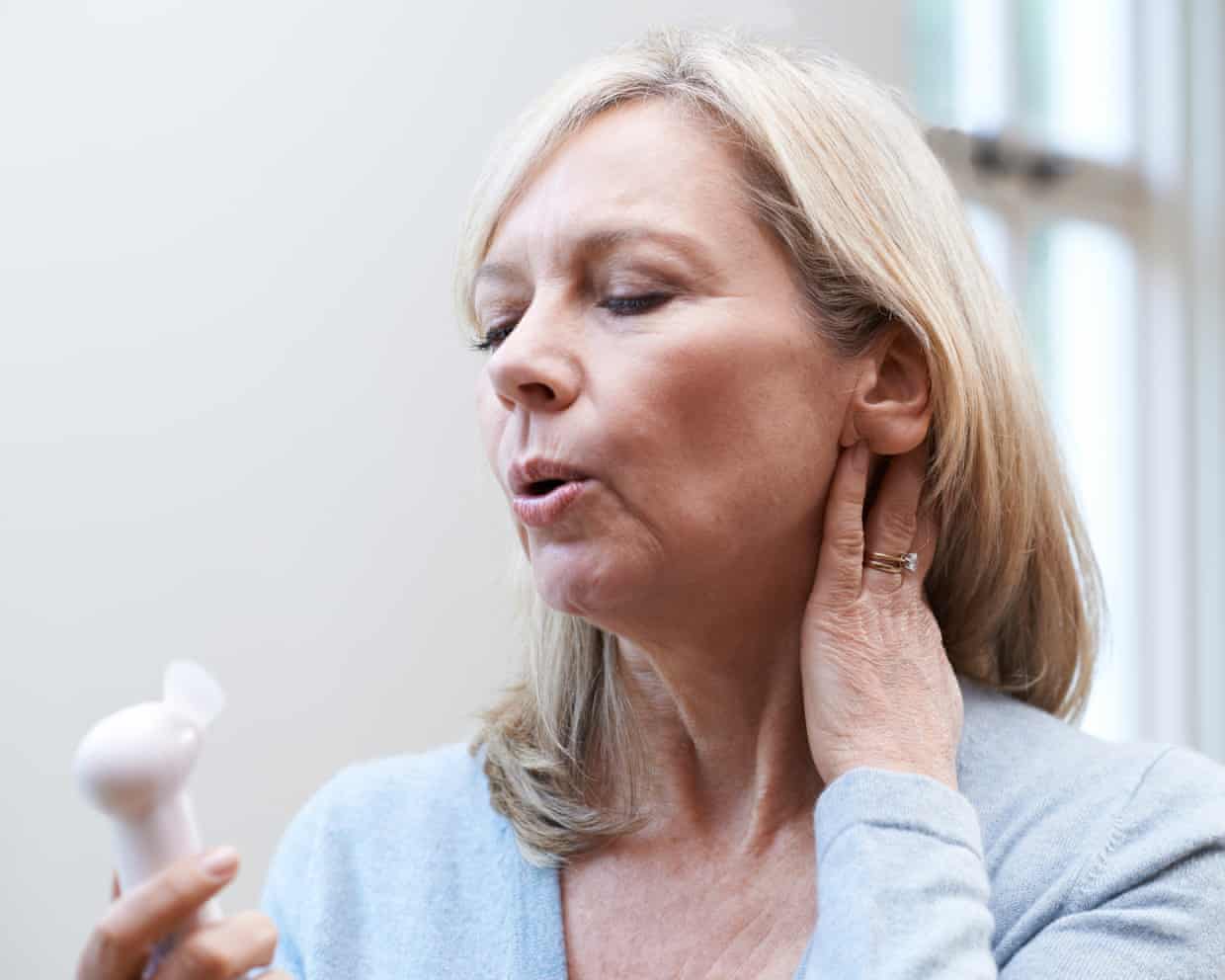
‘Menopause gold rush’? Boom in hi-tech products as stigma starts to recede
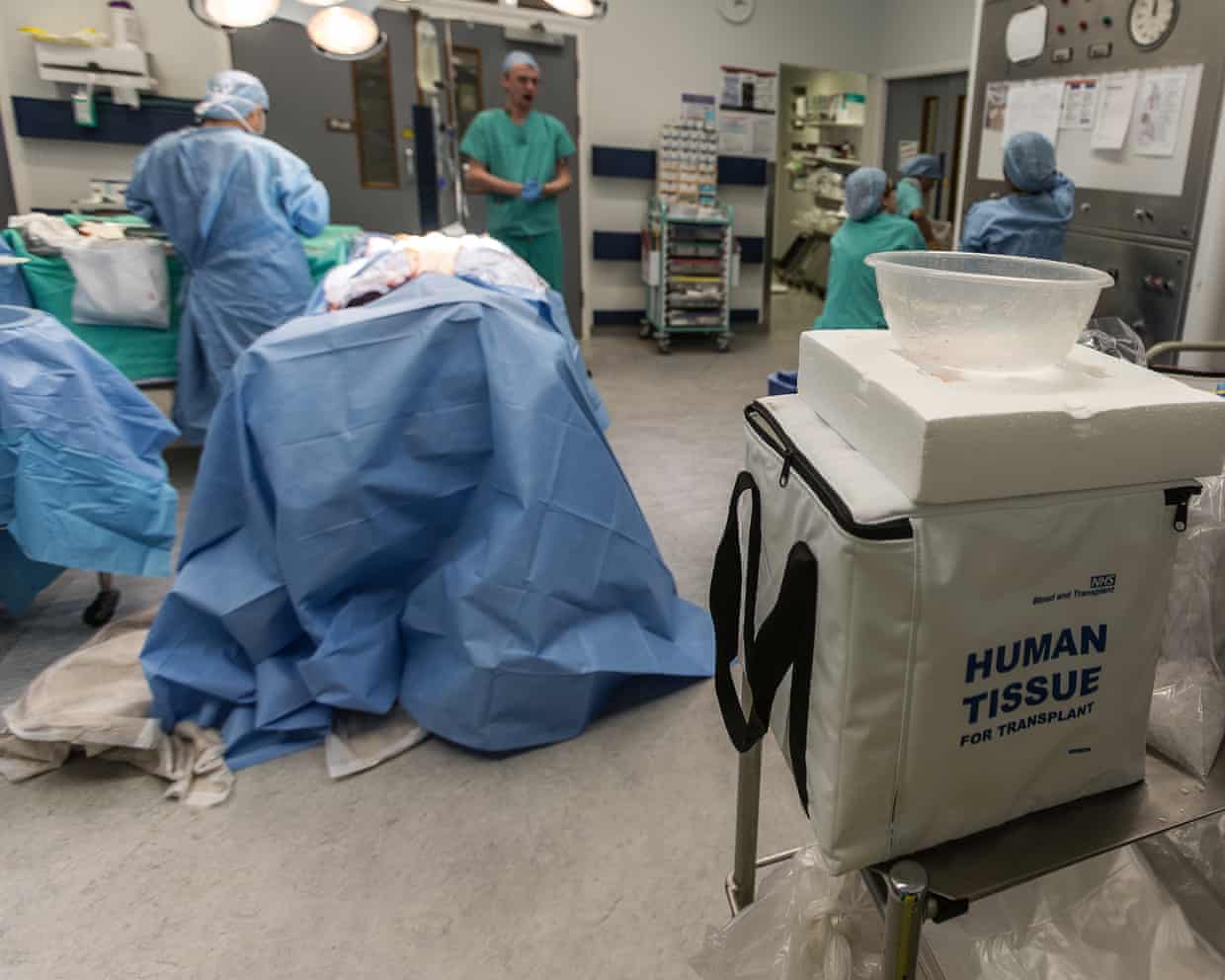
Paying kidney donors won’t solve the problem | Letters

On Polymarket, ‘privileged’ users made millions betting on war strikes and diplomatic strategy. What did they know beforehand?

Abusers using AI and digital tech to attack and control women, charity warns

‘Chilling’ hacking network is targeting vulnerable children, charity warns

Great Ormond Street surgeon harmed 94 children, review finds