Australian economy crawls back into growth mode thanks to datacentre boom and household spending uptick
Surging investment in datacentres to fuel the AI tech boom and rising household spending on essentials like electricity and rents buoyed economic growth through the three months to September.National accounts figures showed real GDP expanded by 2.1% in the year, accelerating from 2% in June.Despite positive signs that the private sector is starting to drive economic activity after a period of strong government support, the quarterly pace of growth was a disappointing 0.4% – well shy of the predicted 0.
7% rate.And after accounting for population growth, there was no rise in real GDP per capita in the quarter, and only a 0.4% increase over the year to September, highlighting the ongoing weak improvements in living standards.Sign up: AU Breaking News emailStill, Belinda Allen, CBA’s head of Australian economics, said the national accounts showed how far the economy had come.“It was just a year ago that [annual] growth was anaemic at just 0.
8%,” Allen said.“Fast forward a year and households are spending again thanks to strong income growth driving better sentiment, businesses are investing, residential construction is taking place and the public sector is placing a floor underneath growth.”This welcome upswing, however, means the economy may now already be bumping up against its capacity to grow without sending inflation higher – a key risk that will be considered at next Monday’s meeting of the Reserve Bank’s monetary policy board.Ahead of the release of the GDP figures, the RBA’s governor, Michele Bullock, said it was unclear how much more economic activity could pick up without adding to price pressures.After inflation jumped to 3.
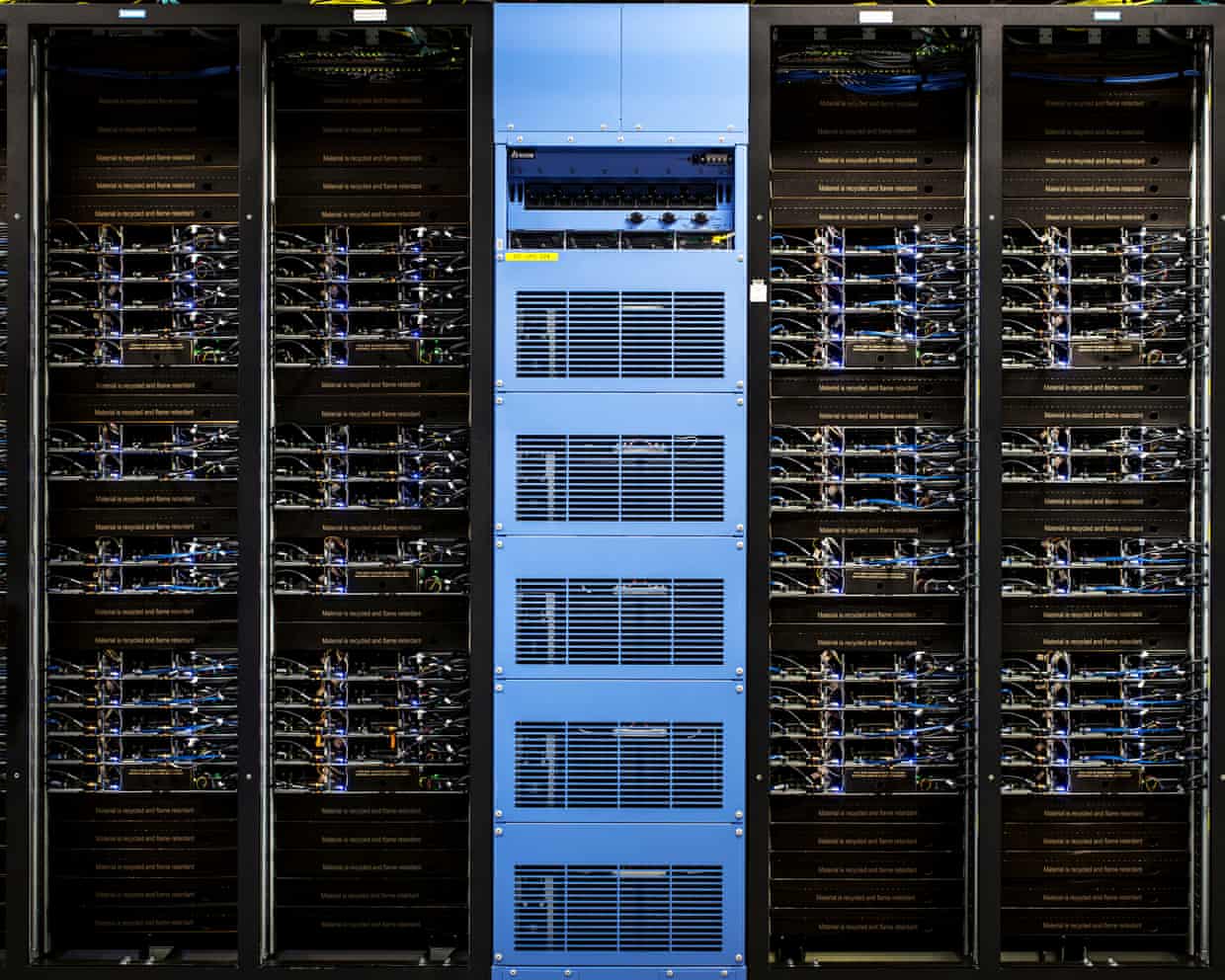
8% in the year to October – well above the 2-3% target range – Bullock at Senate estimates said the board would be trying “to determine the extent to which it [the recent increase in inflation] is temporary, or the extent to which it’s giving us a signal that there’s some more permanent pressures in the economy”.Sign up to Breaking News AustraliaGet the most important news as it breaksafter newsletter promotionAnalysts and investors have largely written off any further rate cuts, and are now foreshadowing the chance the next move will be a hike.A major positive in the latest national accounts was a boom in business investment, which lifted by 2.9% in the three months and which the ABS attributed to “major data centre investment across NSW and Victoria”.It was the fastest quarterly growth in private investment in four-and-a-half years, and contributed half a percentage point to overall economic growth in the quarter.
Analysts also noted a lift in productivity growth, although at 0.8% over the year remained relatively weak and a major challenge for the country’s growth prospects.With home building also contributing in the quarter, Jim Chalmers in a statement highlighted that the economy was now expanding at its fastest annual pace in two years.“The best way to improve living standards and continue to get more growth into the future is to make our economy more productive and resilient and our budget more sustainable, and that’s our focus,” the treasurer said.Households in the three months to September were forced to pay more for power bills, as electricity rebates rolled off, and for other essentials such as rent, food and health – the last “due to a prolonged and severe flu season,” the ABS said.
While spending on essentials climbed by 1% in the latest quarter, against a 0.6% rise in the previous three-month period, discretionary spending fell 0.2%, after jumping by 1.5% in the quarter before.A more cautious consumer was also reflected in a rise in households’ savings rate to 6.
4% in the September quarter, from 6%.

The fight to see clearly through big tech’s echo chambers
Hello, and welcome to TechScape. I’m your host, Blake Montgomery. Today, I’m mulling over whether to upgrade my iPhone 11 Pro. In tech news, there’s a narrative battle afoot in Silicon Valley, tips on avoiding the yearly smartphone upgrade cycle and new devices altogether, and artificial intelligence’s use in government, for better and for worse.The encroachment of technology can feel inevitable

‘The biggest decision yet’: Jared Kaplan on allowing AI to train itself
Humanity will have to decide by 2030 whether to take the “ultimate risk” of letting artificial intelligence systems train themselves to become more powerful, one of the world’s leading AI scientists has said.Jared Kaplan, the chief scientist and co-owner of the $180bn (£135bn) US startup Anthropic, said a choice was looming about how much autonomy the systems should be given to evolve.The move could trigger a beneficial “intelligence explosion” – or be the moment humans end up losing control.In an interview about the intensely competitive race to reach artificial general intelligence (AGI) – sometimes called superintelligence – Kaplan urged international governments and society to engage in what he called “the biggest decision”.Anthropic is part of a pack of frontier AI companies including OpenAI, Google DeepMind, xAI, Meta and Chinese rivals led by DeepSeek, racing for AI dominance
Charlie Kirk tops Wikipedia’s list of most-read articles in 2025
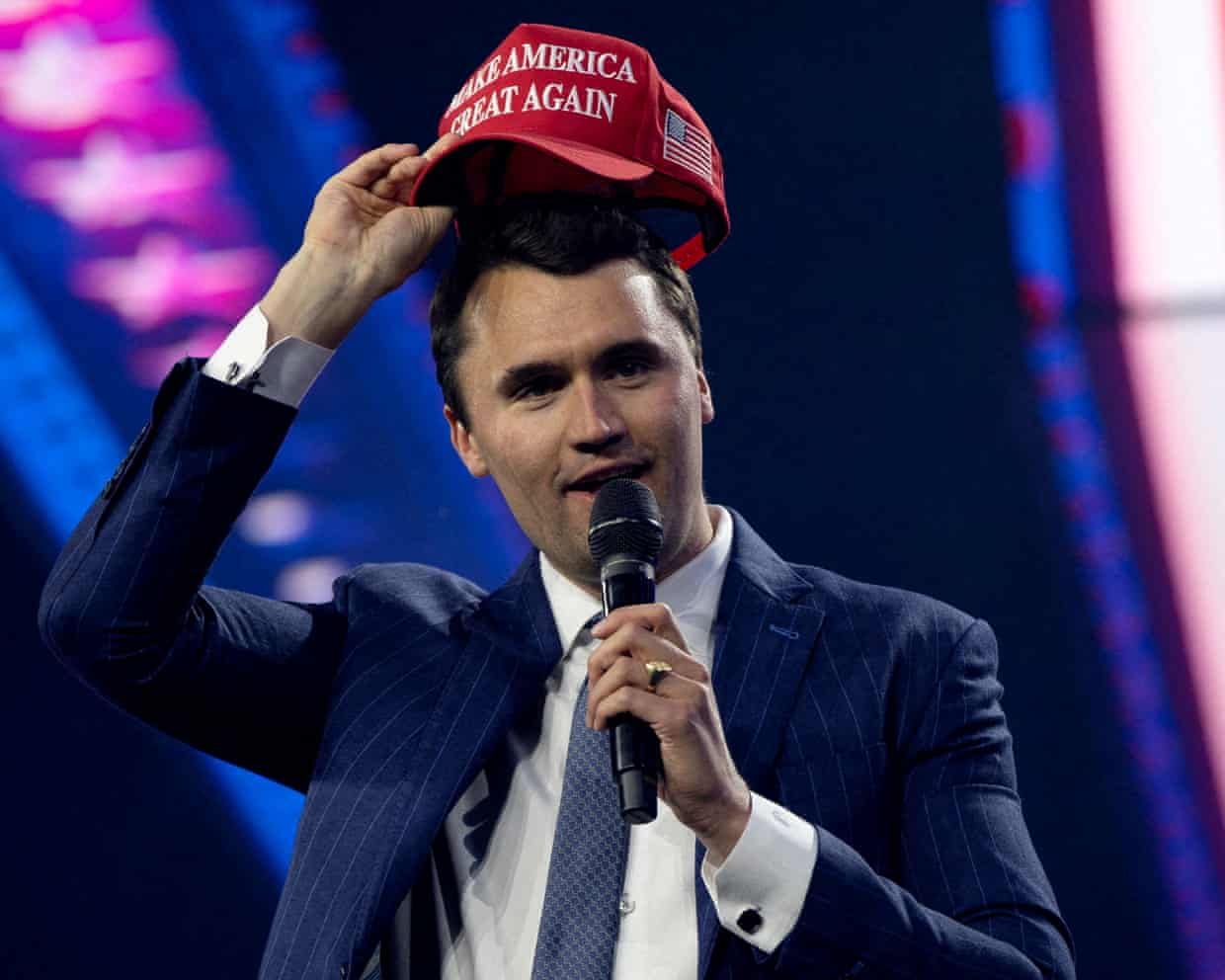
Wikipedia’s article on Charlie Kirk was the most read on the online encyclopedia this year, as users sought out information on the conservative activist.People viewed the entry on Kirk nearly 45m times, many after he was shot at a university campus debate on 10 September.Although Kirk was a well-known figure in the US as co-founder of the Turning Point USA organisation, his death attracted headline coverage around the world. More than 40% of the views for the most-read article on English-language Wikipedia in 2025 came from outside the US, according to data from the Wikimedia Foundation, the non-profit organisation that operates the website.The second-most read is a regular feature in Wikipedia’s annual list: notable deaths of the year

Age of the ‘scam state’: how an illicit, multibillion-dollar industry has taken root in south-east Asia
For days before the explosions began, the business park had been emptying out. When the bombs went off, they took down empty office blocks and demolished echoing, multi-cuisine food halls. Dynamite toppled a four-storey hospital, silent karaoke complexes, deserted gyms and dorm rooms.So came the end of KK Park, one of south-east Asia’s most infamous “scam centres”, press releases from Myanmar’s junta declared. The facility had held tens of thousands of people, forced to relentlessly defraud people around the world
Siri-us setback: Apple’s AI chief steps down as company lags behind rivals
Apple’s head of artificial intelligence, John Giannandrea, is stepping down from the company. The move comes as the Silicon Valley giant has lagged behind its competitors in rolling out generative AI features, in particular its voice assistant Siri. Apple made the announcement on Monday, thanking Giannandrea for his seven-year tenure at the company.Tim Cook, Apple’s CEO, said his fellow executive helped the company “in building and advancing our AI work” and allowing Apple to “continue to innovate”. Giannandrea will be replaced by longtime AI researcher Amar Subramanya

‘It’s going much too fast’: the inside story of the race to create the ultimate AI
On the 8.49am train through Silicon Valley, the tables are packed with young people glued to laptops, earbuds in, rattling out code.As the northern California hills scroll past, instructions flash up on screens from bosses: fix this bug; add new script. There is no time to enjoy the view. These commuters are foot soldiers in the global race towards artificial general intelligence – when AI systems become as or more capable than highly qualified humans

Chop and change: pork is ‘new beef’ for money-saving Britons, report finds
Australian economy crawls back into growth mode thanks to datacentre boom and household spending uptick

Production of French-German fighter jet threatened by rivalries, chief executive says

Tunbridge Wells water cut likely to last after treatment problem reoccurs
Fiscal headroom is a matter of guesswork | Brief letters
OBR chief’s exit may ease pressure on Rachel Reeves but the battle isn’t over