Age of the ‘scam state’: how an illicit, multibillion-dollar industry has taken root in south-east Asia

For days before the explosions began, the business park had been emptying out.When the bombs went off, they took down empty office blocks and demolished echoing, multi-cuisine food halls.Dynamite toppled a four-storey hospital, silent karaoke complexes, deserted gyms and dorm rooms.So came the end of KK Park, one of south-east Asia’s most infamous “scam centres”, press releases from Myanmar’s junta declared.The facility had held tens of thousands of people, forced to relentlessly defraud people around the world.
Now, it was being levelled piece by piece.But the park’s operators were long gone: apparently tipped off that a crackdown was coming, they were busily setting up shop elsewhere.More than 1,000 labourers had managed to flee across the border, and some 2,000 others had been detained.But up to 20,000 labourers, likely trafficked and brutalised, had disappeared.Away from the junta’s cameras, scam centres like KK park have continued to thrive.
So monolithic has the multi-billion dollar global scam industry become that experts say we are entering the era of the “scam state”.Like the narco-state, the term refers to countries where an illicit industry has dug its tentacles deep into legitimate institutions, reshaping the economy, corrupting governments and establishing state reliance on an illegal network.The raids on KK Park were the latest in a series of highly publicised crackdowns on scam centres across south-east Asia.But regional analysts say these are largely performative or target middling players, amounting to “political theatre” by officials who are under international pressure to crack down on them but have little interest in eliminating a wildly profitable sector.“It’s a way of playing Whack-a-Mole, where you don’t want to hit a mole,” says Jacob Sims, visiting fellow at Harvard University’s Asia Centre and expert on transnational and cybercrime in the Mekong.
In the past five years scamming, says Sims, has mutated from “small online fraud rings into an industrial-scale political economy”.“In terms of gross GDP, it’s the dominant economic engine for the entire Mekong sub-region,” he says, “And that means that it’s one of the dominant – if not the dominant – political engine.”Government spokespeople in Myanmar, Cambodia and Laos did not respond to questions from the Guardian, but Myanmar’s military has previously said it is “working to completely eradicate scam activities from their roots”.The Cambodian government has also described allegations it is home to one of “the world’s largest cybercrime networks supported by the powerful” as “baseless” and “irresponsible”.Morphing in less than a decade from a world of misspelled emails and implausible Nigerian princes, the industry has become a vast, sophisticated system, raking in tens of billions from victims around the world.
At its heart are “pig-butchering” scams – where a relationship is cultivated online before the scammer pushes their victim to part with their money, often via an “investment” in cryptocurrency.Scammers have harnessed increasingly sophisticated technology to fool targets: using generative AI to translate and drive conversations, deepfake technology to conduct video calls, and mirrored websites to mimic real investment exchanges.One survey found victims were conned for an average of $155,000 (£117,400) each.Most reported losing more than half their net worth.Those huge potential profits have driven the industrialisation of the scam industry.
Estimates of the industry’s global size now range from $70bn into the hundreds of billions – a scale that would put it on a par with the global illicit drug trade,The centres are typically run by transnational criminal networks, often originating from China, but their ground zero has been south-east Asia,By late 2024, cyber scamming operations in Mekong countries were generating an estimated $44bn (£33,4bn) a year, equivalent to about 40% of the combined formal economy,That figure is considered conservative, and on the rise.
“This is a massive growth area,” says Jason Tower, from the Global Initiative against Transnational Organised Crime.“This has become a global illicit market only since 2021 – and we’re now talking about a $70bn-plus-per-year illicit market.If you go back to 2020, it was nowhere near that size.”In Cambodia, one company alleged by the US government to run scam compounds across the country had $15bn of cryptocurrency targeted in a Department of Justice (DOJ) seizure last month – funds equal to almost half of Cambodia’s economy.With such huge potential profits, infrastructure has rapidly been built to facilitate it.
The hubs thrive in conflict zones and along lawless and poorly regulated border areas.In Laos, officials have told local media around 400 are operating in the Golden Triangle special economic zone.Cyber Scam Monitor – a collective that monitors scamming Telegram channels, police reports, media and satellite data to identify scam compounds – has located 253 suspected sites across Cambodia.Many are enormous, and operating in public view.The scale of the compounds is itself an indication of how much the states hosting them have been compromised, experts claim.
“These are massive pieces of infrastructure, set up very publicly,You can go to borders and observe them,You can even walk into some of them,” says Tower,“The fact this is happening in a very public way shows just the extreme level of impunity – and the extent to which states are not only tolerating this, but actually, these criminal actors are becoming state embedded,”Thailand’s deputy finance minister resigned this October following allegations of links to scam operations in Cambodia, which he denies.
Chen Zhi, who was recently hit by joint UK and US sanctions for allegedly masterminding the Prince Group scam network, was an adviser to Cambodia’s prime minister.The Prince Group said it “categorically rejects” claims the company or its chairman have engaged in any unlawful activity.In Myanmar, scam centres have become a key financial flow for armed groups.In the Philippines, ex-mayor Alice Guo, who ran a massive scam centre while in office, has just been sentenced to life in prison.Across south-east Asia, scam masterminds are “operating at a very high level: they’re obtaining diplomatic credentials, they’re becoming advisers … It is massive in terms of the level of state involvement and co-optation,” Tower says.
“It’s quite unprecedented that you have an illicit market of this nature, that is causing global harm, where there’s blatant impunity, and it’s happening in this public way.”The best public interest journalism relies on first-hand accounts from people in the know.If you have something to share on this subject, you can contact us confidentially using the following methods.Secure Messaging in the Guardian appThe Guardian app has a tool to send tips about stories.Messages are end to end encrypted and concealed within the routine activity that every Guardian mobile app performs.
This prevents an observer from knowing that you are communicating with us at all, let alone what is being said.If you don't already have the Guardian app, download it (iOS/Android) and go to the menu.Select ‘Secure Messaging’.SecureDrop, instant messengers, email, telephone and postIf you can safely use the Tor network without being observed or monitored, you can send messages and documents to the Guardian via our SecureDrop platform.Finally, our guide at theguardian.
com/tips lists several ways to contact us securely, and discusses the pros and cons of each.
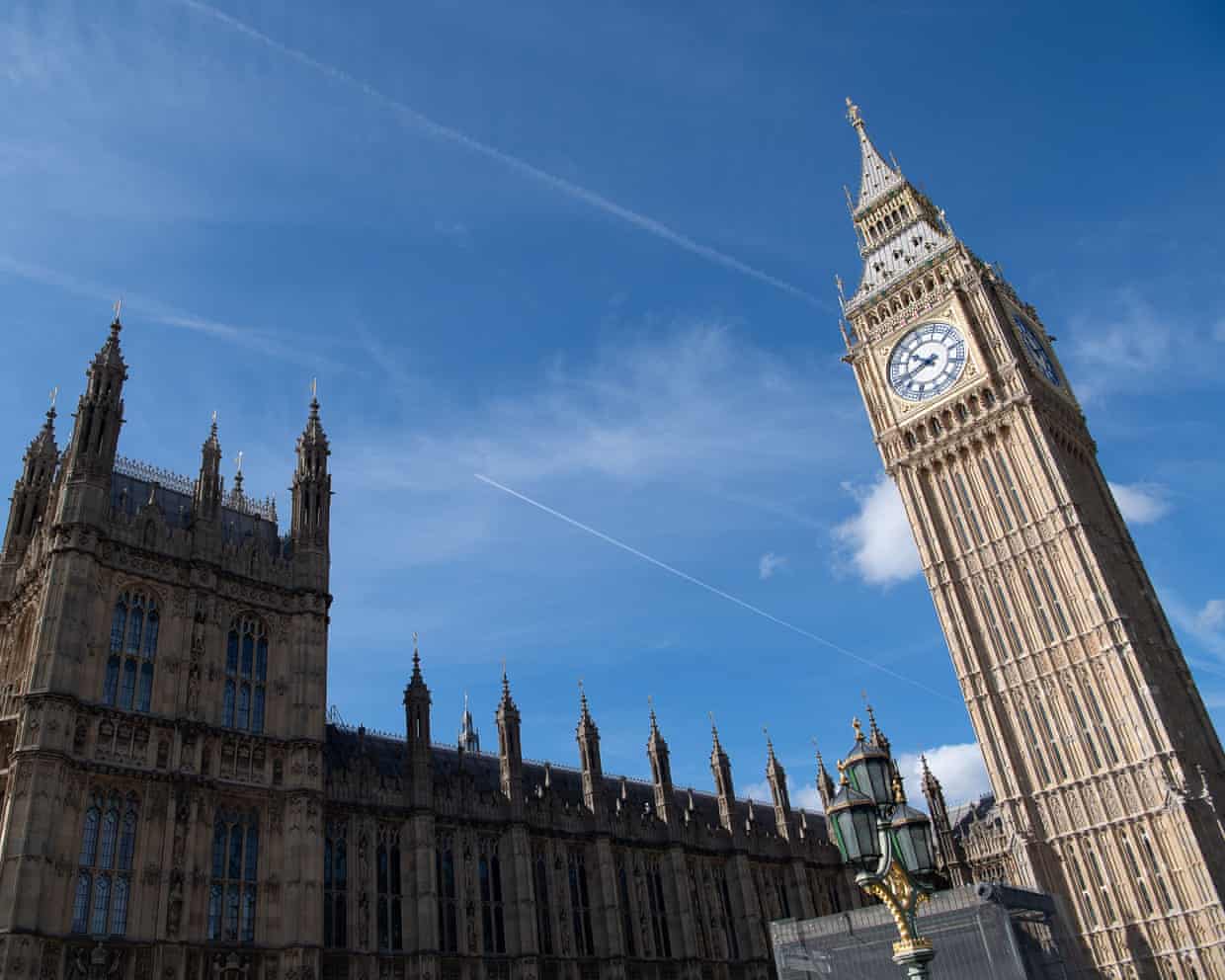
UK ministers aim to ban cryptocurrency political donations over anonymity risks
Ministers are working to ban political donations made with cryptocurrency but the crackdown is not likely to be ready for the elections bill in the new year, Whitehall sources have said.The government increasingly believes that donations made with cryptocurrency pose a risk to the integrity of the electoral system, not least because the source can be hard to verify.However, the complex nature of cryptocurrency means officials do not believe a ban will be workable by the time of the elections bill, due to be published shortly, which is set to lower the voting age to 16 and reduce loopholes in political finance.The government’s ambition to ban crypto donations will be a blow to Nigel Farage’s Reform UK party, which became the first to accept contributions in digital currency this year. It is believed to have received its first registrable donations in cryptocurrency this autumn and the party has set up its own crypto portal to receive contributions, saying it is subject to “enhanced” checks
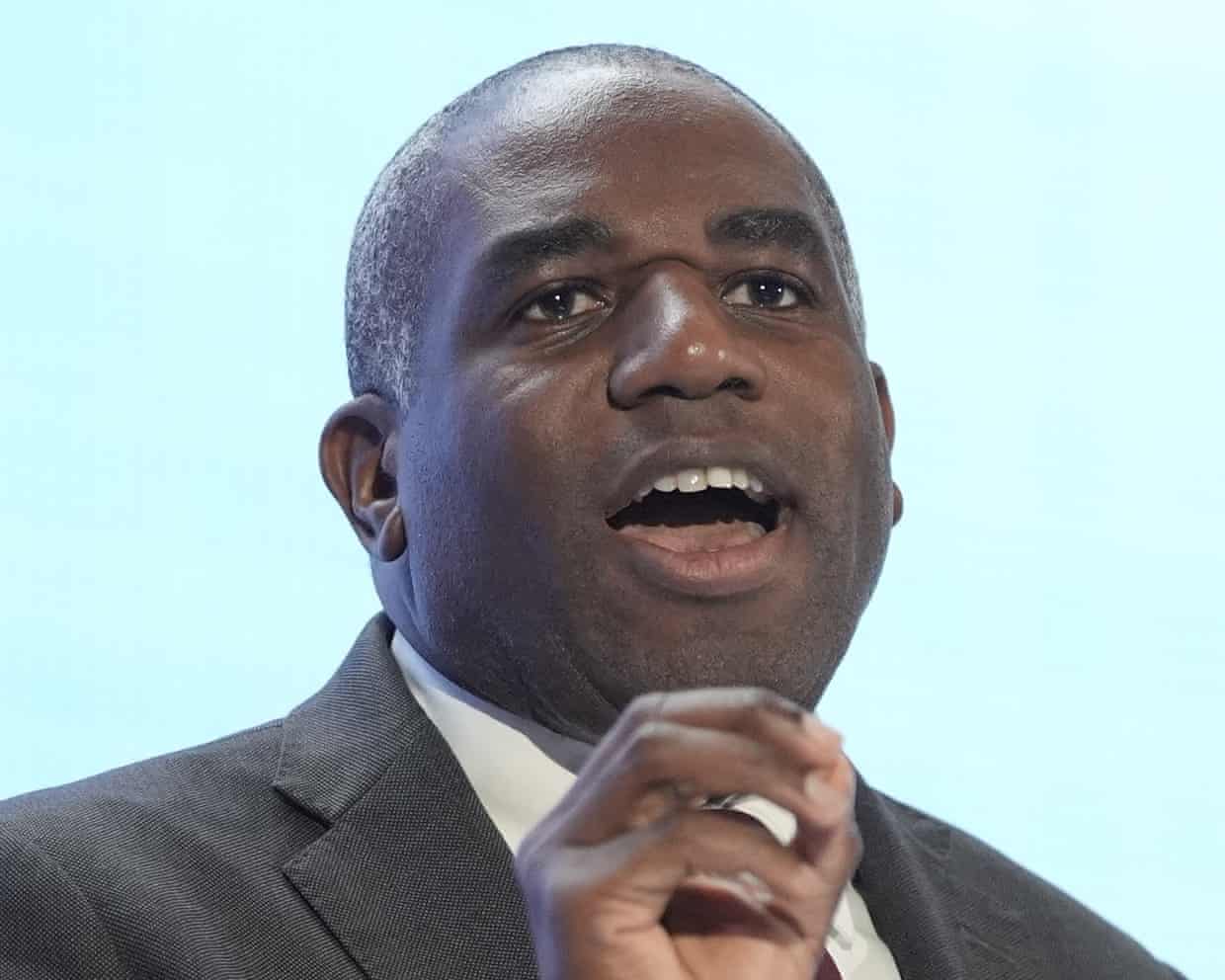
David Lammy tells of ‘traumatic’ racial abuse in youth after Farage allegations
David Lammy has spoken of his own “traumatic” experience of being racially abused at school as he called on Nigel Farage to apologise for comments he allegedly made while a teenager.Lammy, the deputy prime minister and justice secretary, said the testimony of more than 20 of the Reform leader’s school contemporaries of his racist and antisemitic behaviour was “deeply troubling”.Farage has faced repeated calls for a show of contrition after a Guardian investigation into his time at Dulwich college, in south-east London, but he is yet to apologise.He has denied that anything he did as a young man was “directly” racist or antisemitic while conceding that “banter” then could be interpreted differently today.Lammy, 53, whose parents, David and Rosalind, came to the UK from Guyana, contrasted Farage, 61, to those who abused him as a young man growing up in north London
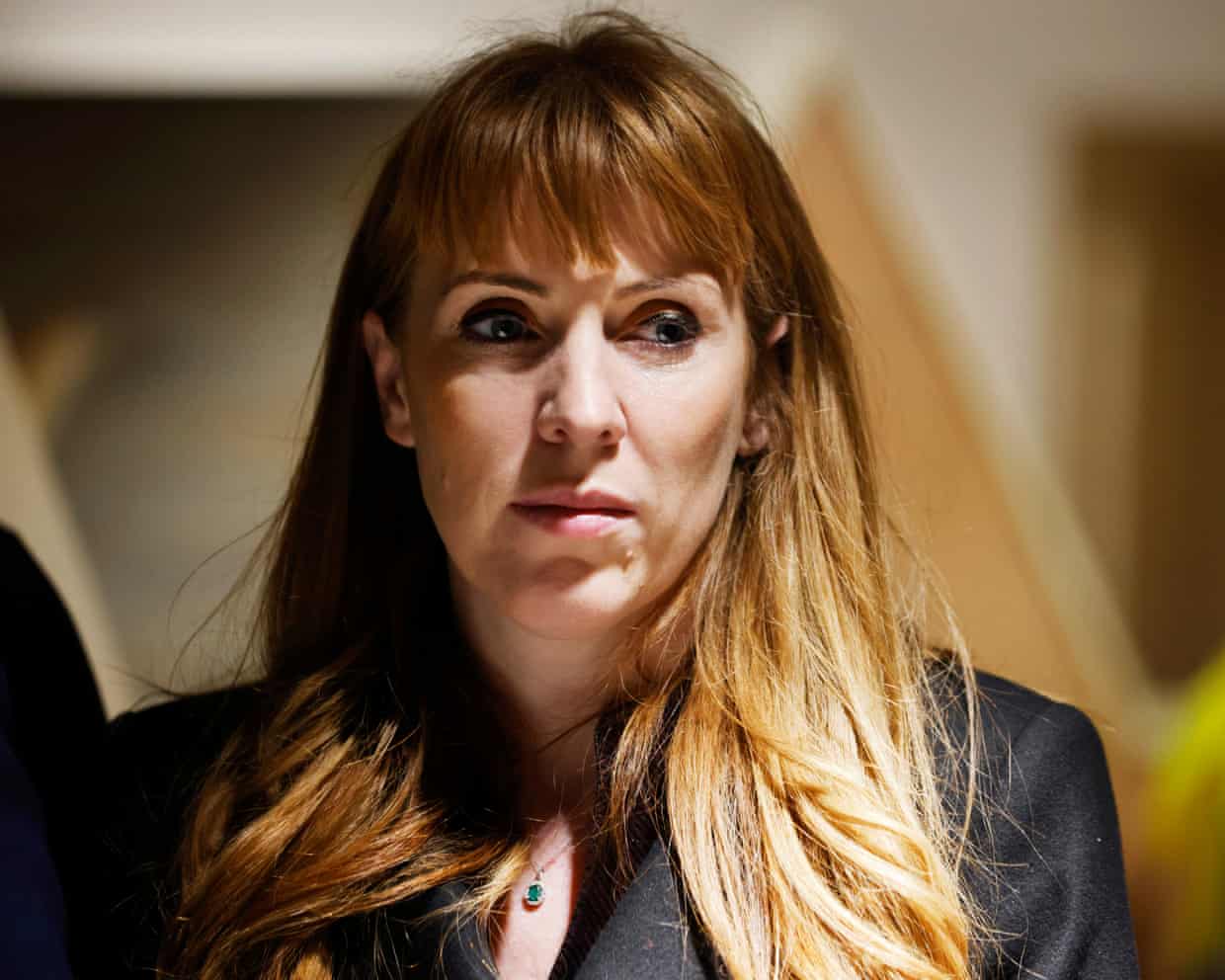
Angela Rayner to lay amendment to speed up workers’ rights bill
The former deputy prime minister Angela Rayner will lay an amendment on Wednesday to speed up the workers rights’ bill, after “considerable anger” that unelected Lords forced the watering down of day-one rights.The amendment would mean the new shorter qualifying period is in place by early next year.A number of MPs have told the Guardian that while they accept the need for the change, they fear that the climbdown by the government will embolden peers and critics of the bill to push for further changes.Rayner, who was the driving force behind the legislation in government, is understood to have accepted the compromise to remove day-one rights against unfair dismissal and replace it with a reduced qualifying period, down from two years to six months.Trade unions have mostly accepted the compromise – arguing that the alternative of a nine-month probation period needed extra time for consultation amid worries it was unworkable
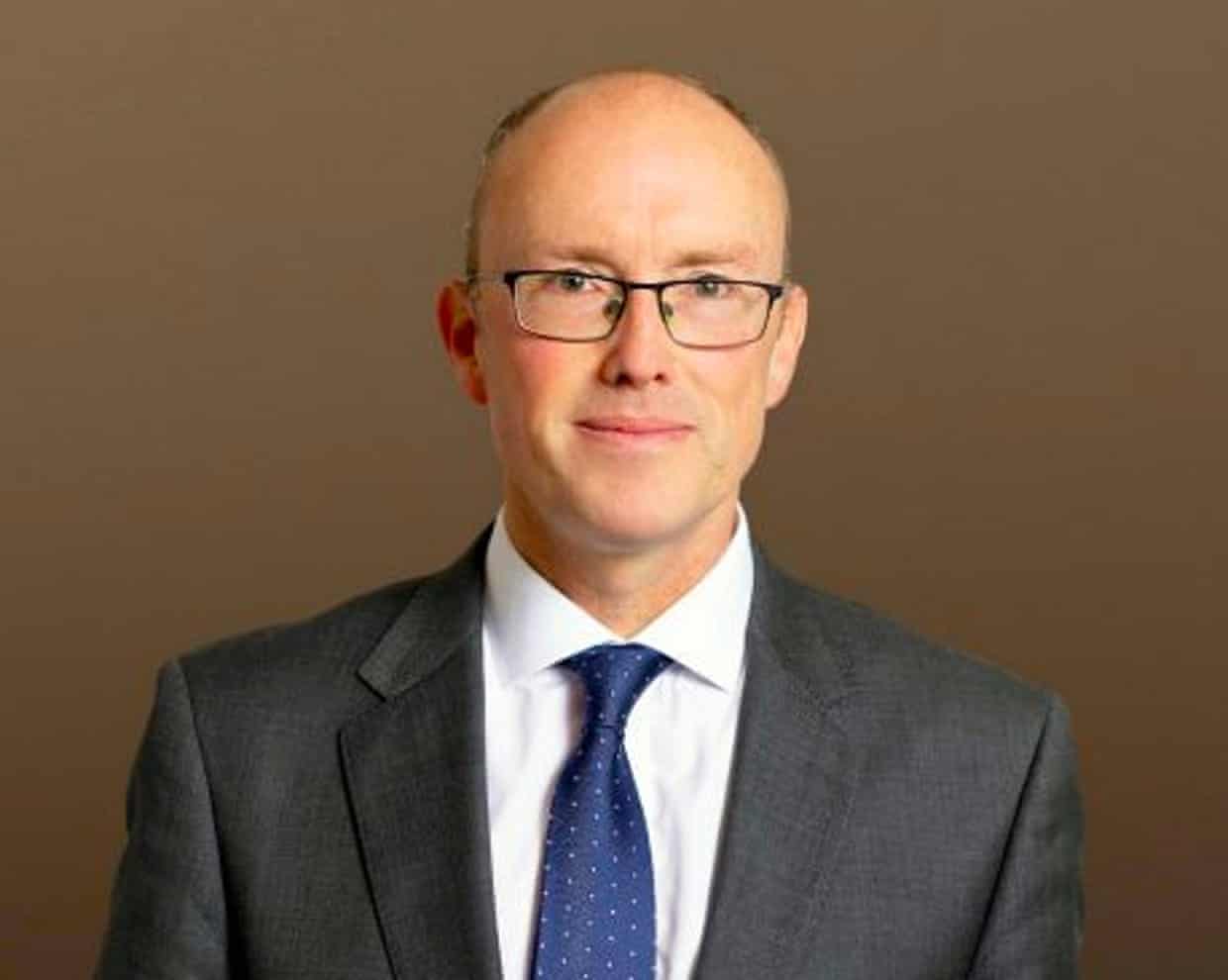
UK terror watchdog warns national security plan ignores escalating online threats
The UK’s independent reviewer of terrorism laws has criticised the government’s latest national security strategy for failing to take online threats more seriously, despite Keir Starmer claiming it would result in “a hardening and sharpening of our approach” in the face of Russian menace.Jonathan Hall KC said it was “a very surprising omission” that the 2025 national security strategy did not focus more on online risks, including from terrorists and hostile states, which he said were now a “major vector of threat”.Hall said the need to protect the country against online threats – with digital channels being employed widely by terrorists and states – was now little different from the need for robust air, naval and land forces. The adviser, appointed by the home secretary, was speaking before a speech on Tuesday in which he is expected to say that not dwelling more on the implications of online threats to national security “is a gross error”.Hall, who has been the reviewer of terrorism legislation for six years, said that almost all terrorism in the UK starts online
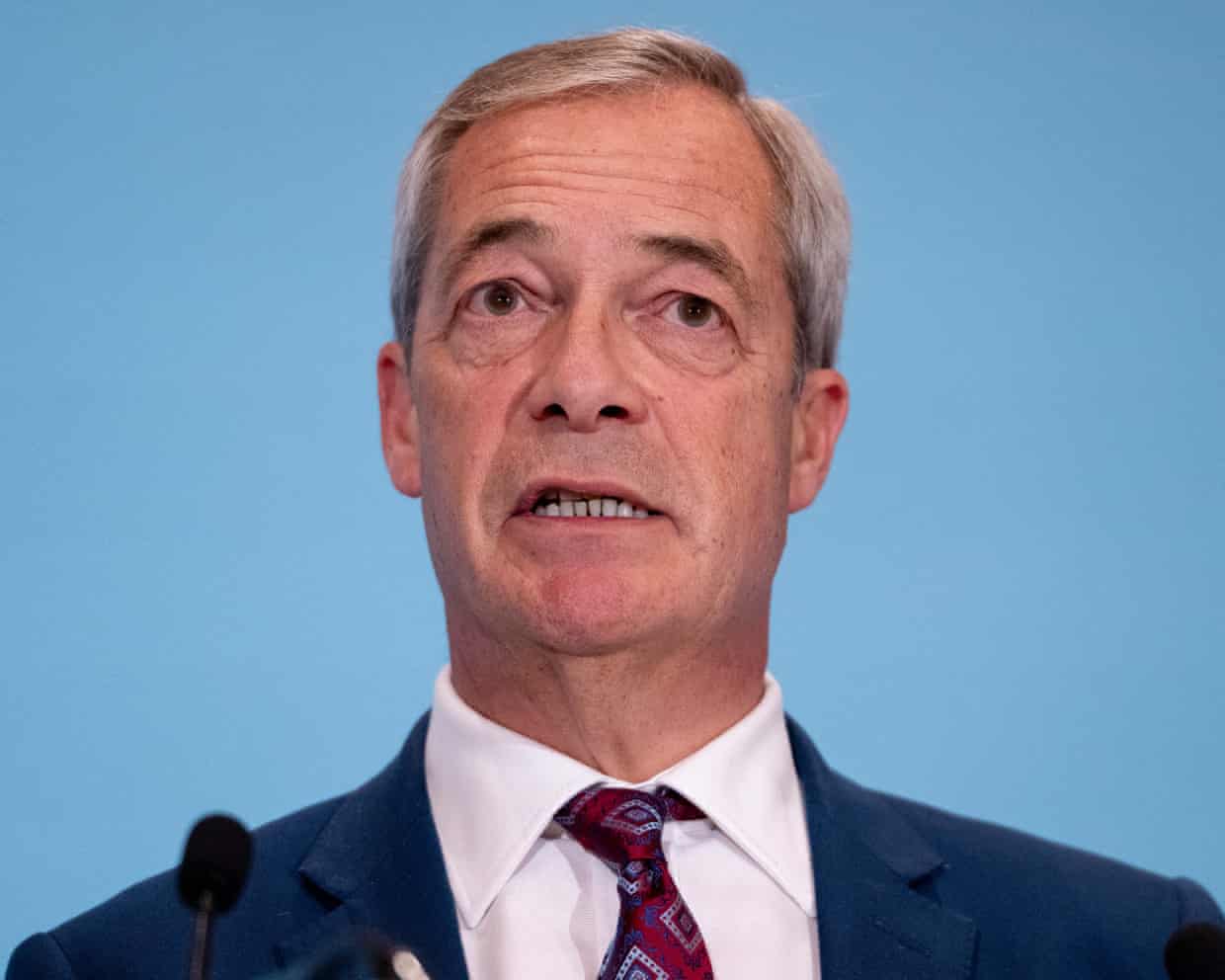
Attorney general urges Nigel Farage to apologise over alleged racism and antisemitism
The UK’s top law officer, one of the most senior Jewish government ministers, has urged Nigel Farage to apologise to school contemporaries who claim the Reform UK leader racially abused them while at school.The attorney general, Richard Hermer, said Farage had “clearly deeply hurt” many people judging by their descriptions of his behaviour, and that his “constantly changing” denials had been unconvincing.Speaking to the Guardian, Hermer said: “Throughout his defensive responses to legitimate questions put to him, not once has Farage actually condemned antisemitism.”A Guardian investigation last month reported the testimony of more than a dozen former classmates of Farage at Dulwich College, in south London.They included Peter Ettedgui, who said a 13-year-old Farage “would sidle up to me and growl: ‘Hitler was right’ or ‘gas them’, sometimes adding a long hiss to simulate the sound of the gas showers”
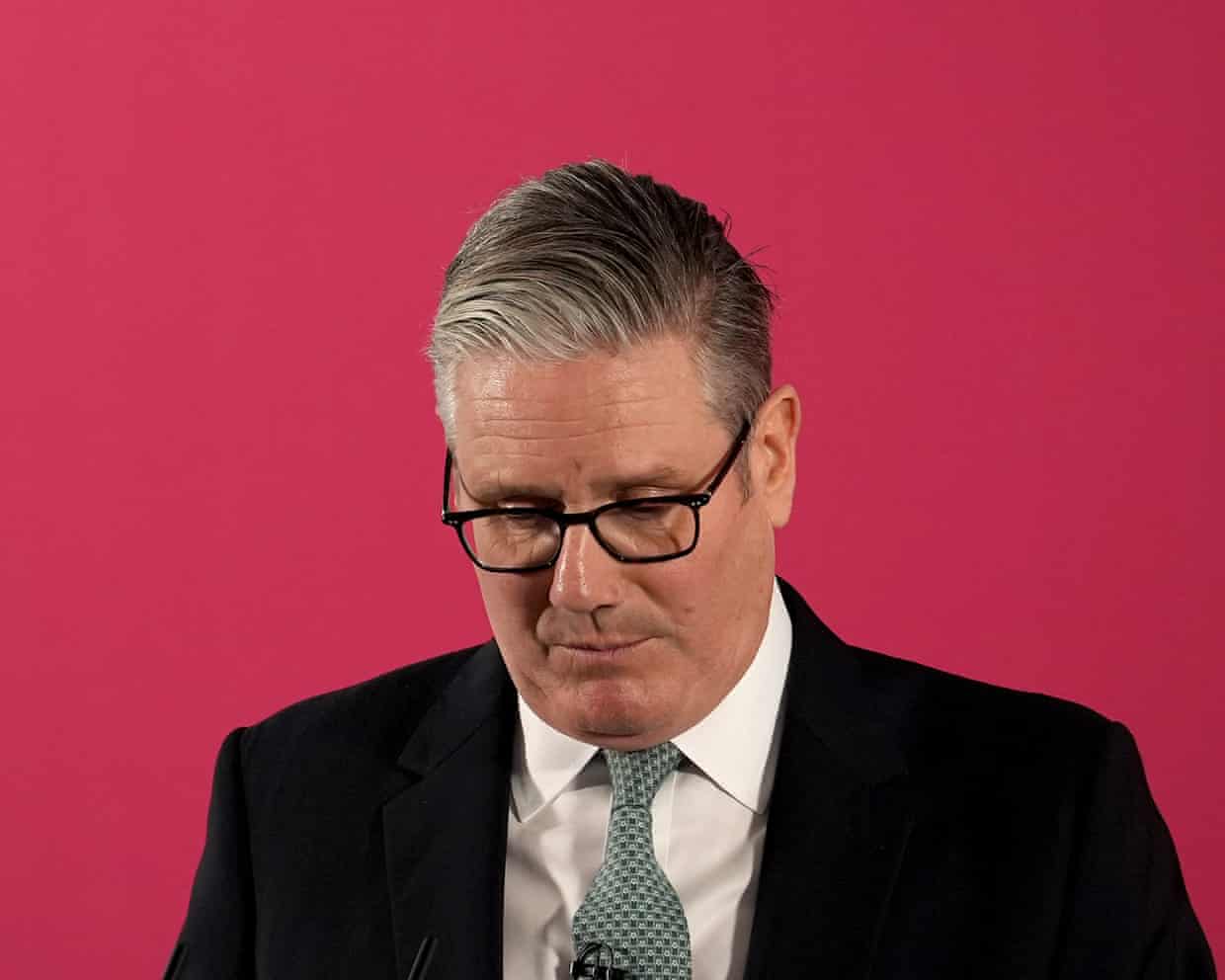
Starmer has little choice but to bind himself closer to his chancellor
When Keir Starmer was mounting the case for the prosecution against Boris Johnson for his Partygate antics, it took almost two months and a police investigation for him to formally call for the prime minister to resign. He was of the view there was no point calling for things until they were likely to happen.This is not the philosophy of the current leader of the opposition. Since October, Kemi Badenoch has called on Starmer to sack his chancellor three times, once over a mishap with her rental licence, then for considering raising income tax, and finally because she did not in fact raise income tax.It is unclear whether Badenoch genuinely believes Reeves may be forced out because of how she spun the forecasts from the Office for Budget Responsibility to help her step back from the brink of a manifesto breach
Age of the ‘scam state’: how an illicit, multibillion-dollar industry has taken root in south-east Asia

Siri-us setback: Apple’s AI chief steps down as company lags behind rivals

‘It’s going much too fast’: the inside story of the race to create the ultimate AI

AI’s safety features can be circumvented with poetry, research finds
ChatGPT-5 offers dangerous advice to mentally ill people, psychologists warn

How big tech is creating its own friendly media bubble to ‘win the narrative battle online’