How the ‘confident authority’ of Google AI Overviews is putting public health at risk
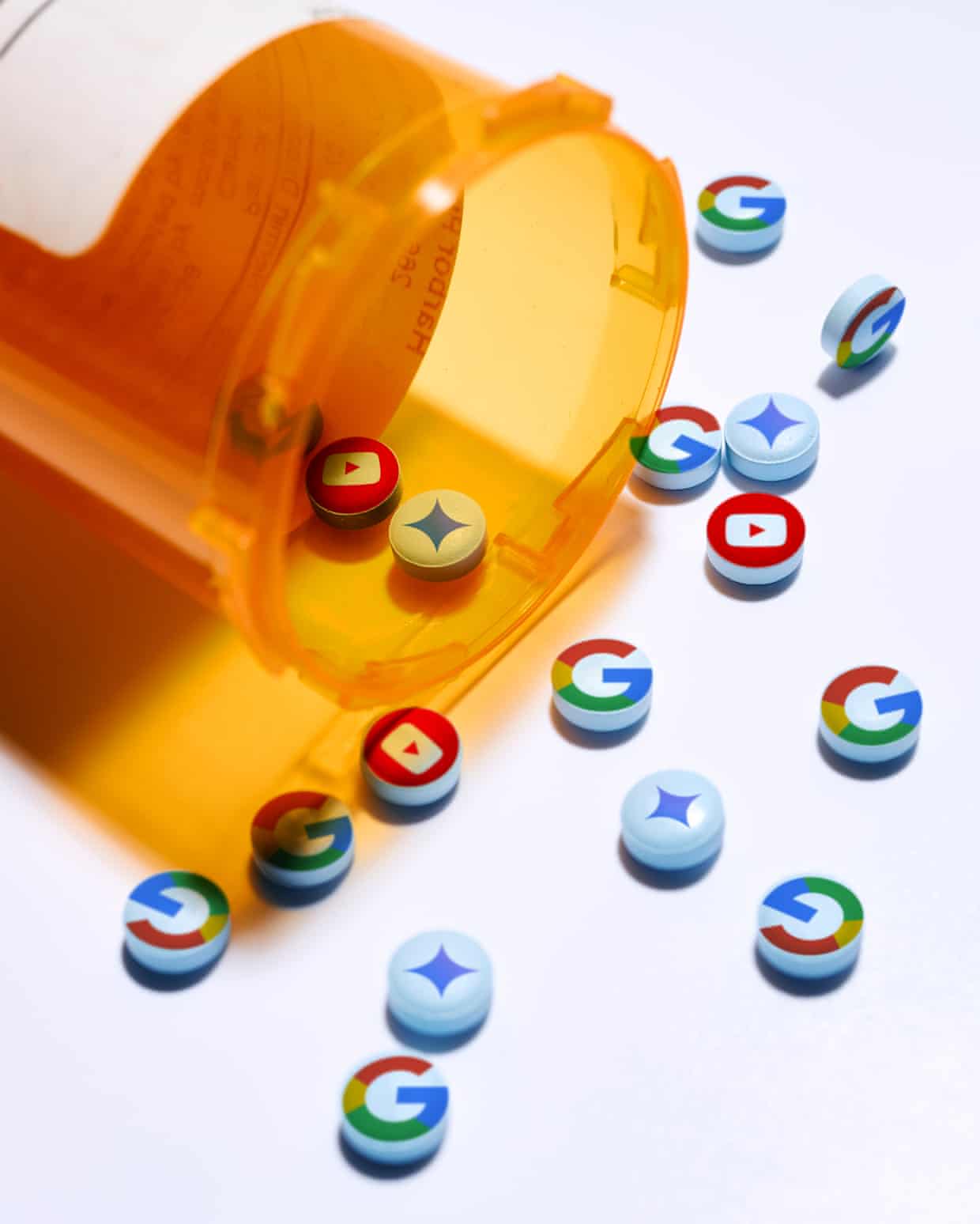
Do I have the flu or Covid? Why do I wake up feeling tired? What is causing the pain in my chest? For more than two decades, typing medical questions into the world’s most popular search engine has served up a list of links to websites with the answers,Google those health queries today and the response will likely be written by artificial intelligence,Sundar Pichai, Google’s chief executive, first set out the company’s plans to enmesh AI into its search engine at its annual conference in Mountain View, California, in May 2024,Starting that month, he said, US users would see a new feature, AI Overviews, which would provide information summaries above traditional search results,The change marked the biggest shake-up of Google’s core product in a quarter of a century.
By July 2025, the technology had expanded to more than 200 countries in 40 languages, with 2 billion people served AI Overviews each month.With the rapid rollout of AI Overviews, Google is racing to protect its traditional search business, which generates about $200bn (£147bn) a year, before upstart AI rivals can derail it.“We are leading at the frontier of AI and shipping at an incredible pace,” Pichai said last July.AI Overviews in particular were “performing well”, he added.But overviews carry risks, experts say.
They use generative AI to provide snapshots of information about a topic or question, adding conversational answers above the traditional search results in the blink of an eye,They can cite sources, but do not necessarily know when that source is incorrect,Within weeks of the feature launching in the US, users encountered untruths across a range of subjects,One AI Overview said Andrew Jackson, the seventh US president, graduated from college in 2005,Elizabeth Reid, Google’s head of search, responded to criticism in a blog post.
She conceded that “in a small number of cases”, AI Overviews had misinterpreted language on web pages and presented inaccurate information,“At the scale of the web, with billions of queries coming in every day, there are bound to be some oddities and errors,” she wrote,But when those questions are about health, accuracy and context are essential and non-negotiable, experts say,Google is facing mounting scrutiny of its AI Overviews for medical queries after a Guardian investigation found people were being put at risk of harm by false and misleading health information,The company says AI Overviews are “reliable”.
But the Guardian found some medical summaries served up inaccurate health information and put people at risk of harm,In one case, which experts said was “really dangerous”, Google wrongly advised people with pancreatic cancer to avoid high-fat foods,Experts said this was the exact opposite of what should be recommended, and may increase the risk of patients dying from the disease,In another “alarming” example, the company provided bogus information about crucial liver function tests, which could leave people who had serious liver disease wrongly thinking they were healthy,What AI Overviews said was normal could vary drastically from what was actually considered normal, experts said.
The summaries could lead to seriously ill patients wrongly thinking they had a normal test result and not bothering to attend follow-up appointments.AI Overviews about women’s cancer tests also provided “completely wrong” information, which experts said could result in people dismissing genuine symptoms.Google initially sought to downplay the Guardian’s findings.From what its own clinicians could assess, the company said, the AI Overviews that alarmed experts linked to reputable sources and recommended seeking expert advice.“We invest significantly in the quality of AI Overviews, particularly for topics like health, and the vast majority provide accurate information,” a spokesperson said.
Within days, however, the company removed some of the AI Overviews for health queries flagged by the Guardian,“We do not comment on individual removals within search,” a spokesperson said,“In cases where AI Overviews miss some context, we work to make broad improvements, and we also take action under our policies where appropriate,”While experts welcomed the removal of some AI summaries for health queries, many remain worried,“Our bigger concern with all this is that it is nit-picking a single search result and Google can just shut off the AI Overviews for that but it’s not tackling the bigger issue of AI Overviews for health,” says Vanessa Hebditch, the director of communications and policy at the British Liver Trust, a liver health charity.
“There are still too many examples out there of Google AI Overviews giving people inaccurate health information,” adds Sue Farrington, the chair of the Patient Information Forum, which promotes evidence-based health information to patients, the public and healthcare professionals.A new study has prompted more concerns.When researchers analysed the responses to more than 50,000 health-related searches in Germany to see which sources AI Overviews rely on most, one result stood out immediately.The single most cited domain was YouTube.“This matters because YouTube is not a medical publisher,” the researchers wrote.
“It is a general-purpose video platform,Anyone can upload content there (eg, board-certified physicians, hospital channels, but also wellness influencers, life coaches and creators with no medical training at all),”In medicine, it is not only where answers come from that matter, or their level of accuracy, but how they are presented to users, experts say,“With AI Overviews, users no longer encounter a range of sources that they can compare and critically assess,” says Hannah van Kolfschooten, a researcher in AI, health and law at the University of Basel,“Instead, they are presented with a single, confident, AI-generated answer that exhibits medical authority.
“This means that the system does not merely reflect health information online, but actively restructures it.When that response is built on sources never designed to meet medical standards, such as YouTube videos, this creates a new form of unregulated medical authority online.”Google says AI Overviews are built to surface information backed up by top web results, and include links to web content that supports the information presented in the summary.People can use these links to dig deeper on a topic, the company told the Guardian.But the single blocks of text in AI Overviews, combining health information from multiple sources, can cause confusion, says Nicole Gross, an associate professor in business and society at the National College of Ireland.
“Once the AI summary appears, users are much less likely to research further, which means that they are deprived of the opportunity to critically evaluate and compare information, or even deploy their common sense when it comes to health-related issues.”Experts have raised other concerns with the Guardian.Even if and when AI Overviews do provide accurate facts about a specific medical topic, they may not distinguish between strong evidence from randomised trials and weaker evidence from observational studies, they say.Some also miss important caveats about that evidence, they add.Having such claims listed next to one another in an AI Overview may also give the impression that some are better established than they really are.
Answers can also change as AI Overviews evolve, even when the science hasn’t shifted,“That means that people are getting a different answer depending on when they search, and that’s not good enough,” says Athena Lamnisos, the chief executive of the Eve Appeal cancer charity,Google told the Guardian that links included in AI Overviews were dynamic and changed based on the information that was most relevant, helpful and timely for a given search,If AI Overviews misinterpreted web content or missed some context, the company would use these errors to improve its systems, and also take action when appropriate, it said,The biggest worry is that bogus and dangerous medical information or advice in AI Overviews “ends up getting translated into the everyday practices, routines and life of a patient, even in adapted forms”, says Gross.
“In healthcare, this can turn into a matter of life and death.”
Gordon Ramsay says tax changes will make restaurants ‘lambs to the slaughter’
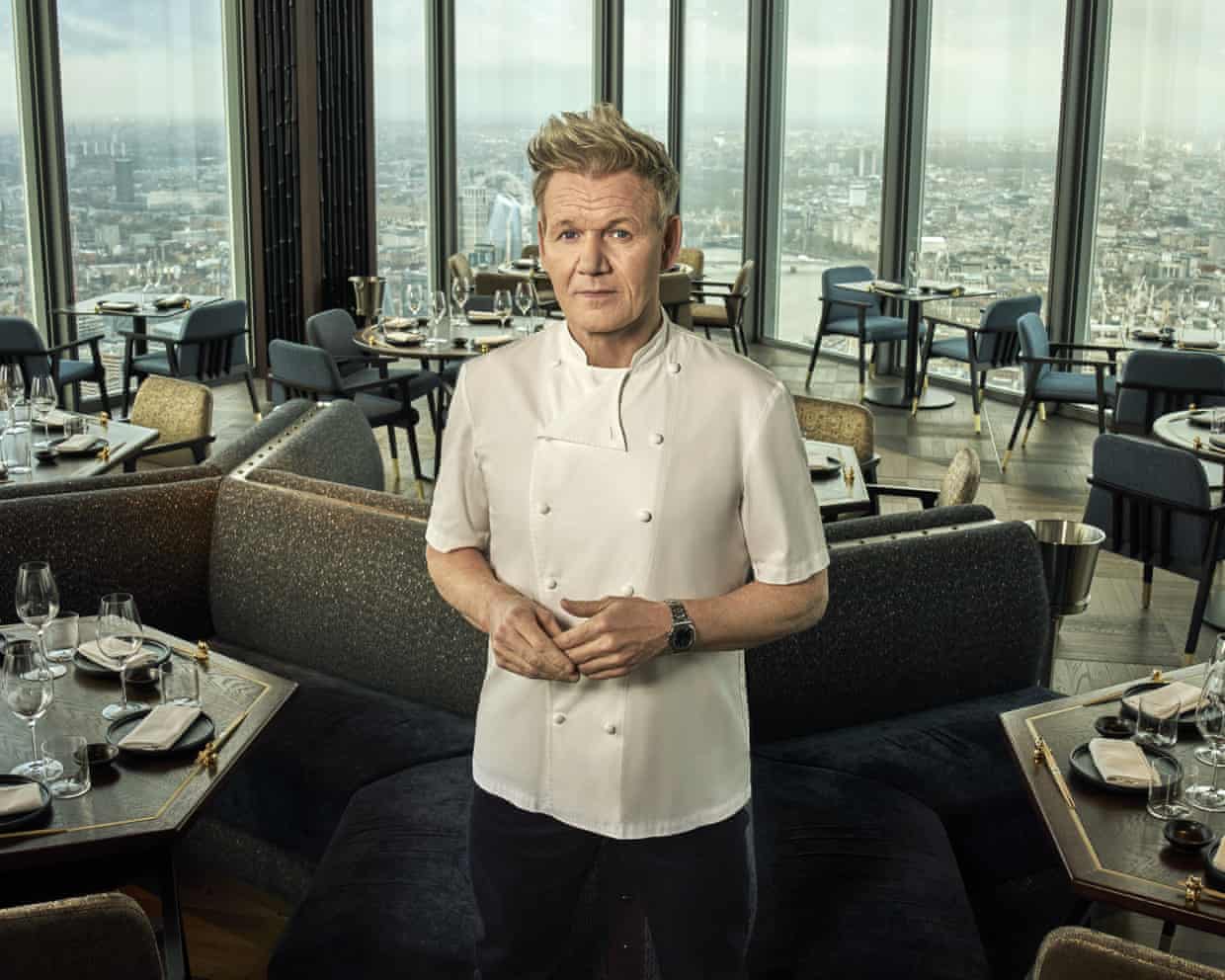
The celebrity chef Gordon Ramsay has accused the government of cooking up a kitchen nightmare at restaurants across the country with tax changes that he says will make hospitality businesses “lambs to the slaughter”.Ramsay, whose company operates 34 restaurants in the UK including Bread Street Kitchen, Pétrus and Lucky Cat, said the industry was “facing a bloodbath”. He said restaurants were closing every day as a result of rising business rates, which came on top of higher energy, staffing and ingredient costs and little growth in consumer spending.“I’ve never seen it so bad,” Ramsay told the Standardnews site. “When I look ahead to April, when the budget measures come in, I think those of us in hospitality are lambs to the slaughter
No more sad sandwiches and soggy salads: here’s how to make a proper packed lunch
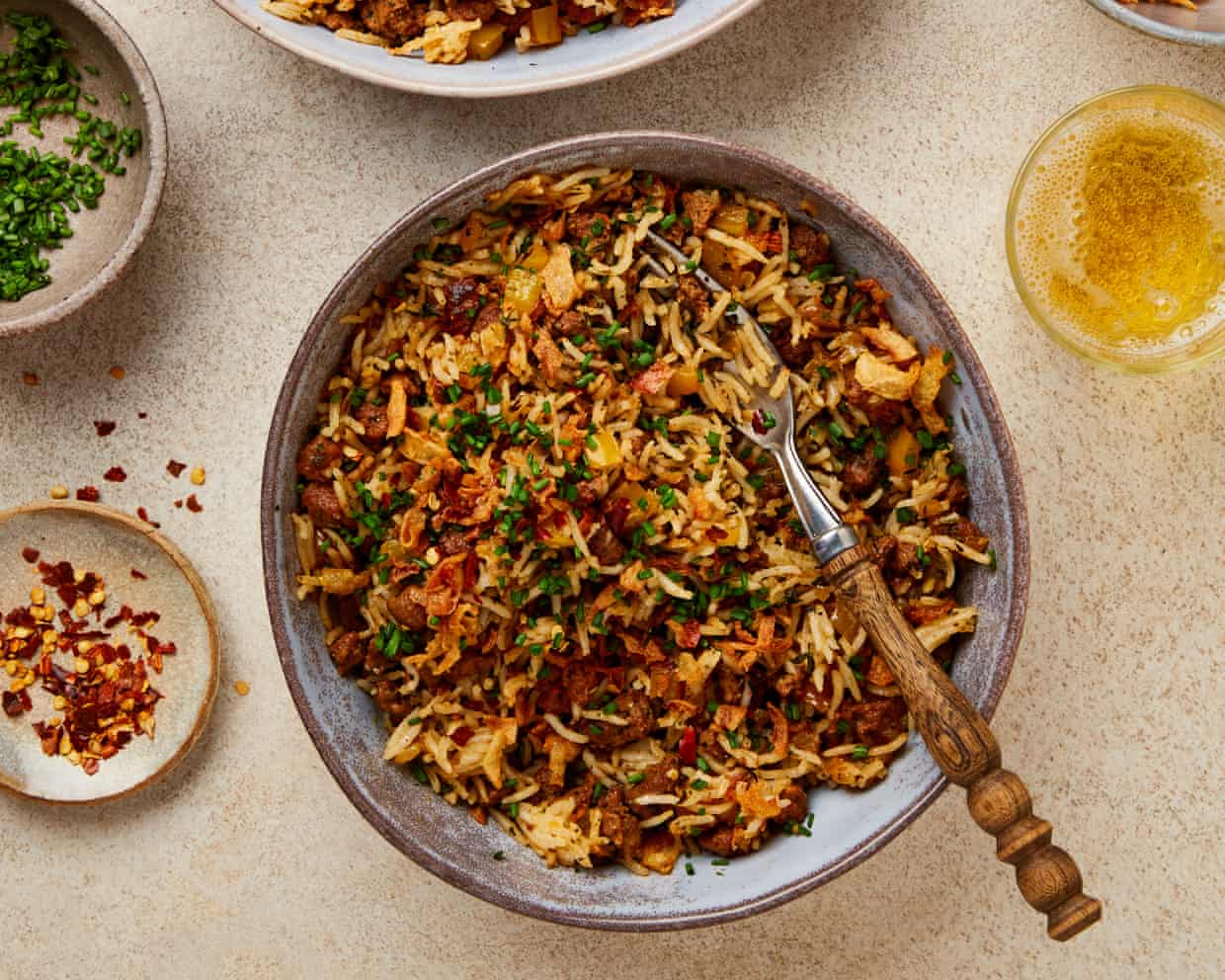
Even if you have no truck with Blue Monday, Quitter’s Day or any of the other new-year wheezes concocted by enterprising marketeers, the last weeks of January can feel like a bit of a confused slog. Seasonal colds and lurgies abound. The weather is generally at its rain-lashed and blackly overcast worst. Well-intentioned attempts at self-improvement or abstemiousness are starting to creak in the face of a desire for whatever scraps of midwinter comfort we can find.Nowhere is this more apparent than when it comes to food and, more specifically, the daily puzzle of how to have something nourishing as a working lunch

Rum is booming but only Jamaican classics have the true funk
After Hurricane Melissa hit Jamaica last October, rum lovers anxiously awaited news from the island’s six distilleries. Hampden Estate, in the parish of Trelawney to the north, was right in the hurricane’s path, and the furious winds deprived its historic buildings of their roofs and the palm trees of their fronds. Then came more alarming rumours: the dunder pits had overflowed.The Guardian’s journalism is independent. We will earn a commission if you buy something through an affiliate link
Rachel Roddy’s recipe for pasta e fagioli with coconut, spring onion, chilli and lemon | A kitchen in Rome
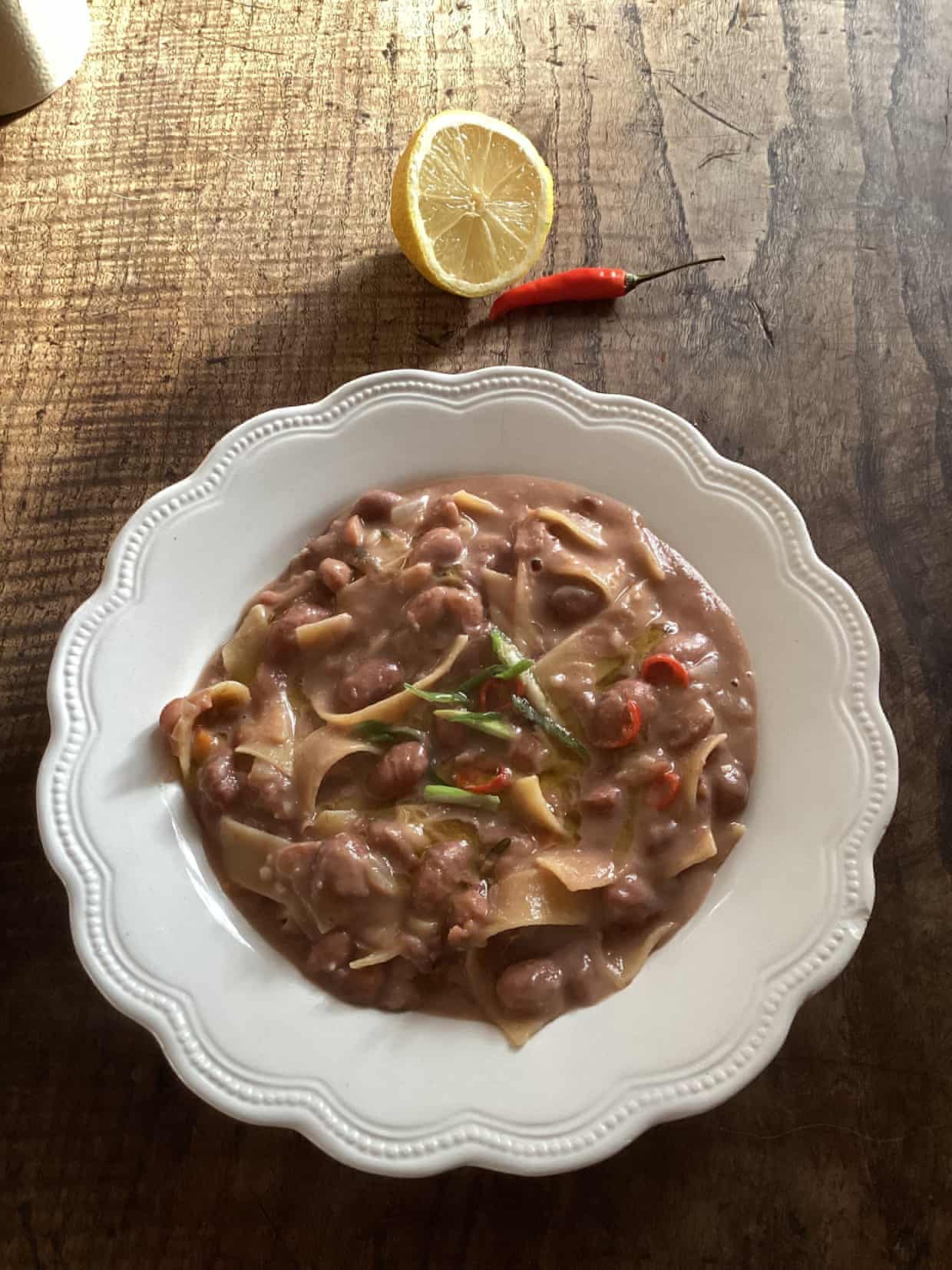
Throughout the 1990s and into the early 2000s, under the banner of story, art and folklore, the Roman publishing house Newton Compton published a series of 27 books about regional Italian cooking. Some, such as Jeanne Carola Francesconi’s epic 1965 La Cucina Napoletana, were reprints of established books, while others were specially commissioned for the series. There is considerable variation; some of the 20 regions occupy 650 densely filled pages, sometimes spread over two volumes, while other regions have 236 pages with larger fonts, with everything in between. All of which is great, although I can’t help feeling affectionate towards the regions with 14-point font.In the face of the vast variation of regional culinary habits, knowledge and rituals, I also feel affectionate towards the common traditions; those that are specific to a place, but at the same time that cross local and national borders, as well as for the stories of the ingredients

‘We want to make jacket potatoes sexy again!’: how the humble spud became a fast food sensation
After Spudulike closed in 2024, the reign of the jacket potato seemed over in the UK. But now the favourite is back, piled with new toppings, sold by new companies and promoted all over social media by potato influencersThey were once a lunch option that inspired little excitement – but the jacket potato’s time has finally come. After decades in epicurean exile, the humble spud has made a roaring comeback in the UK and piqued the interest of foodies across the world. A-listers, tourists and trend-hopping teenagers are queueing for hours to get their hands on them. For Jacob Nelson, who sells loaded spuds that have gone super-viral on social media, this was all part of the plan
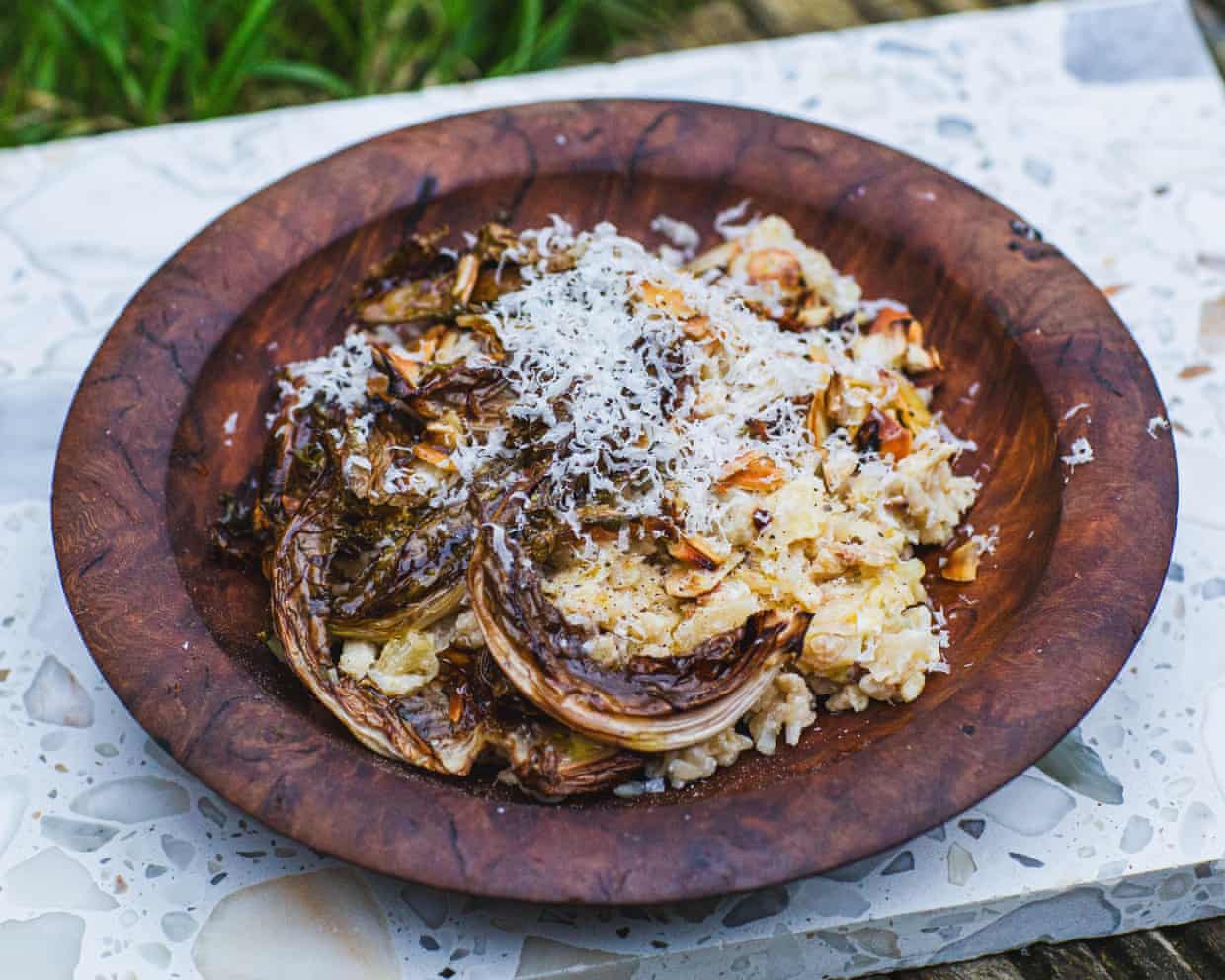
How to turn a cauliflower into ‘risotto’ – recipe | Waste not
I’m fasting for three days a week for the whole of this month. It’s not for everyone, I know, and it’s important to talk to your doctor first, but the benefits are well researched and include improved digestion and immune function, and lowered blood pressure. When we fast, the body goes into ketosis, which breaks down fat for energy, and to stay in ketosis afterwards it helps to reduce carbs and increase protein, which is where today’s low-carb, zero-waste recipe comes in.The humble cauliflower has had a rebrand over the past decade, as chefs and home cooks get more inventive with our seasonal produce. The leaves are incredibly nutritious and one of my favourite ingredients, not least because I always try to include a leafy green in our main meals for the health benefits

Latest ChatGPT model uses Elon Musk’s Grokipedia as source, tests reveal

Young will suffer most when AI ‘tsunami’ hits jobs, says head of IMF
TikTok announces it has finalized deal to establish US entity, sidestepping ban

Campaigner launches £1.5bn legal action in UK against Apple over wallet’s ‘hidden fees’

Former FTX crypto executive Caroline Ellison released from federal custody

Experts warn of threat to democracy from ‘AI bot swarms’ infesting social media