Young will suffer most when AI ‘tsunami’ hits jobs, says head of IMF
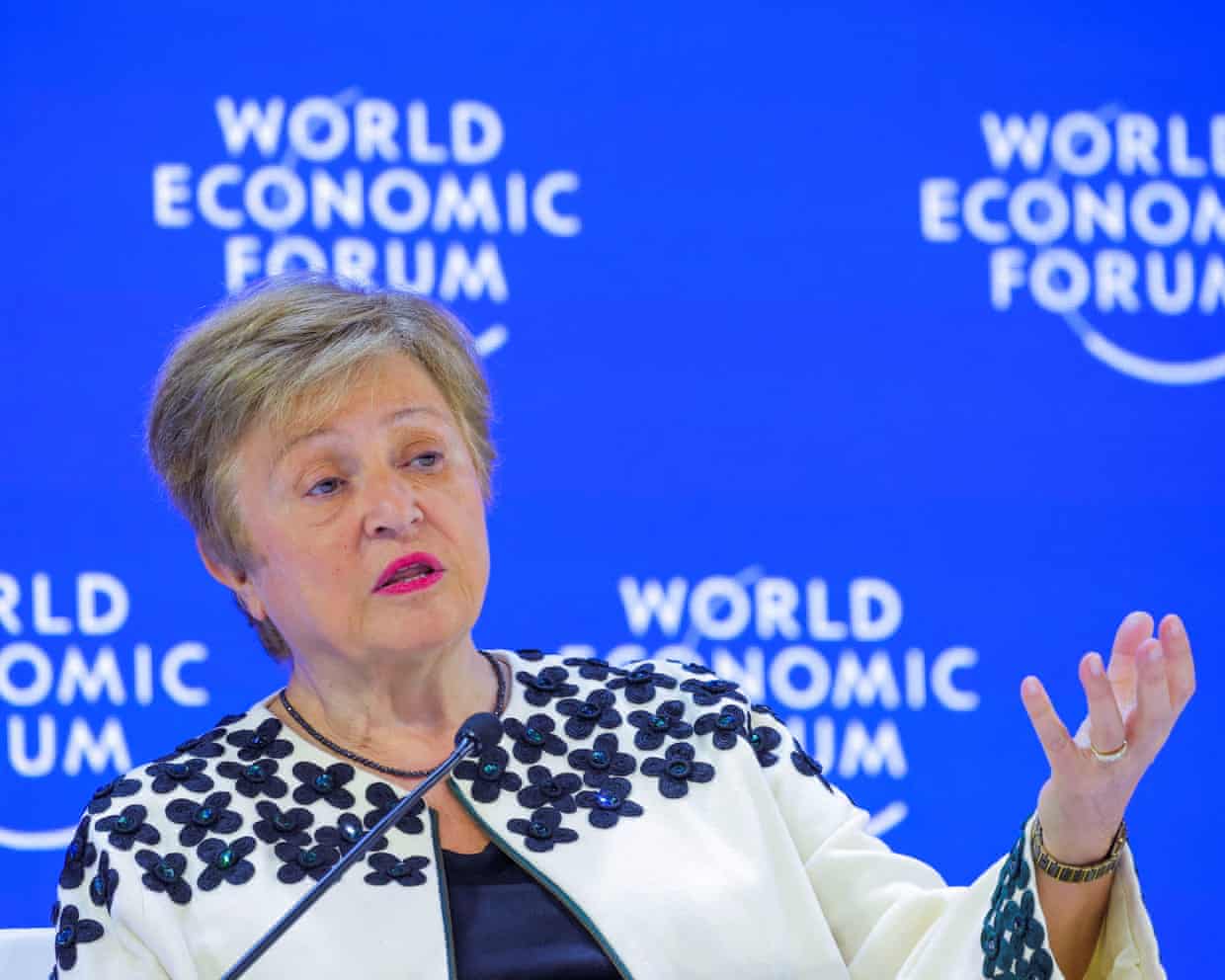
Artificial intelligence will be a “tsunami hitting the labour market”, with young people worst affected, the head of the International Monetary Fund warned the World Economic Forum on Friday.Kristalina Georgieva told delegates in Davos that the IMF’s own research suggested there would be a big transformation of demand for skills, as the technology becomes increasingly widespread.“We expect over the next years, in advanced economies, 60% of jobs to be affected by AI, either enhanced or eliminated or transformed – 40% globally,” she said.“This is like a tsunami hitting the labour market.”She suggested that in advanced economies, one in 10 jobs had already been “enhanced” by AI, tending to boost these workers’ pay, with knock-on benefits for the local economy.
By contrast, Georgieva warned that AI would wipe out many roles traditionally taken up by younger workers.“Tasks that are eliminated are usually what entry-level jobs do at present, so young people searching for jobs find it harder to get to a good placement.”Meanwhile people whose jobs were not directly changed by artificial intelligence risked being squeezed, she said, with their pay potentially falling without a productivity boost from AI.“So the middle class, inevitably, is going to be affected,” Georgieva predicted.She said her greatest fear was that AI was insufficiently regulated.
“This is moving so fast, and yet we don’t know how to make it safe.We don’t know how to make it inclusive.Wake up, AI is for real, and it is transforming our world faster than we are getting ahead of it,” she said.Much of the debate at the annual meeting of the business and political elite in the Swiss ski resort this week has been hijacked by Donald Trump’s on-off tariff threats over the future of Greenland.But many delegates were also keen to highlight the risks and benefits of AI.
Christy Hoffman, general secretary of the UNI global union, told the Guardian: “It’s just a basic premise that the point of AI, on the business side, is to increase productivity, therefore lower costs – which will be cutting jobs.”“I think it’s time to come to terms with that disruption – and how to manage that disruption,” she said, calling for the productivity benefits to be distributed fairly across the economy.“We want to share in the gains.We’re not going to stop AI, nor do we want to even try – but we don’t want it to just roll over us.” She called on employers to discuss the role of AI tools with workers and their representatives before introducing them.
Earlier in the week at Davos, the Microsoft chief executive, Satya Nadella, warned that AI could lose its “social permission” to compete for resources such as energy, for example, if it failed to generate benefits beyond a few powerful tech firms – such as the rapid development of effective new drugs.Georgieva was speaking on a panel alongside the president of the European Central Bank, Christine Lagarde, who warned that the AI boom could be hampered by growing mistrust between rival economies, as the US throws up tariff barriers.“We are dependent on each other,” she said, pointing out that AI was capital intensive, energy intensive and data intensive.If countries did not work cooperatively and “define the new rules of the game,” she said, there would be less capital and less data.“We are in a bind, lets face it,” she said.
Lagarde also sounded the alarm about widening global inequality, highlighting the “disparity that is getting deeper and bigger”.Earlier in the week at Davos, the Canadian prime minister, Mark Carney, urged delegates to face up to a permanent “rupture” in the global economic order, and band together in the face of erratic US trade policy.But Lagarde said she was less gloomy.“I’m not exactly on the same page as Mark,” she said.“I’m not sure that we should be talking about rupture.
I think we should be talking about alternatives,”

US small businesses are doing fine. Don’t believe me? Look at the numbers
Regardless of all the challenges they face, small businesses have been doing pretty well in this country across the board. Don’t believe me? Take a look at some of the latest numbers.For more than 50 years, the National Federation of Independent Businesses (NFIB) has published a monthly report of small-business economic trends, based on a random sample of the organization’s approximately 300,000 member firms. This survey is one of the longest and most consistent of any I follow, using the same questionnaire since 1973. So where do things stand?Last year ended with a second consecutive monthly uptick in small-business optimism, with small-business owners anticipating that economic conditions would remain generally favorable going into 2026

More than a quarter of Britons say they fear losing jobs to AI in next five years
More than a quarter (27%) of UK workers are worried their jobs could disappear in the next five years as a result of AI, according to a survey of thousands of employees.Two-thirds (66%) of UK employers reported having invested in AI in the past 12 months, according to the international recruitment company Randstad’s annual review of the world of work, while more than half (56%) of workers said more companies were encouraging the use of AI tools in the workplace.This was leading to “mismatched AI expectations” between the views of employees and their employers over the impact of AI on jobs, according to Randstad’s poll of 27,000 workers and 1,225 organisations across 35 countries. Just under half (45%) of UK office workers surveyed believed AI would benefit companies more than employees.Younger workers, particularly those belonging to gen Z – born between 1997 and 2012 – were the most concerned about the impact of AI and their ability to adapt, while baby boomers – born in the postwar years between 1946 and 1964 and nearing the end of their careers – showed greater self-assurance
Sam Altman’s make-or-break year: can the OpenAI CEO cash in his bet on the future?
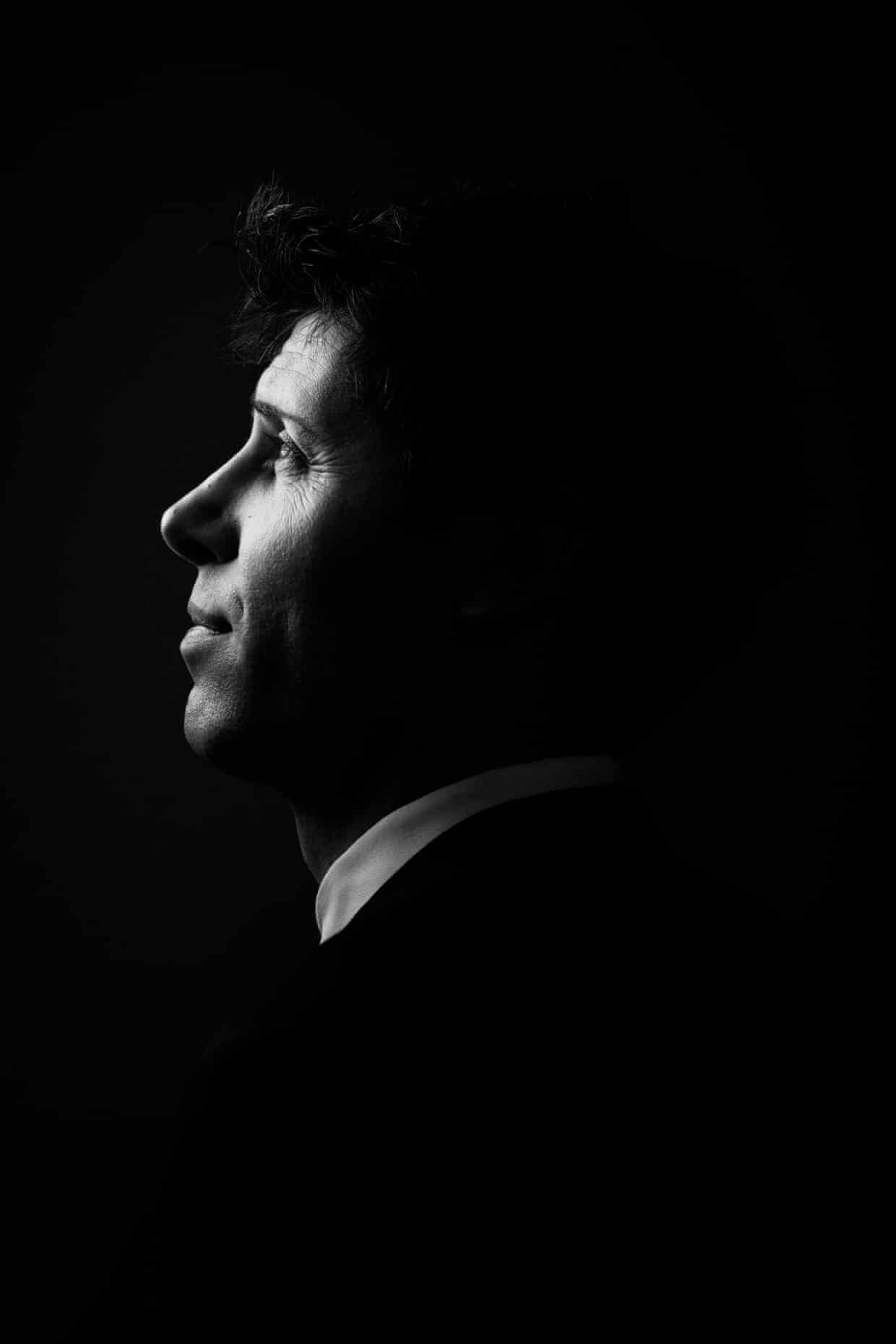
Sam Altman has claimed over the years that the advancement of AI could solve climate change, cure cancer, create a benevolent superintelligence beyond human comprehension, provide a tutor for every student, take over nearly half of the tasks in the economy and create what he calls “universal extreme wealth”.In order to bring about his utopian future, Altman is demanding enormous resources from the present. As CEO of OpenAI, the world’s most valuable privately owned company, he has in recent months announced plans for $1tn of investment into datacenters and struck multibillion-dollar deals with several chipmakers. If completed, the datacenters are expected to use more power than entire European nations. OpenAI is pushing an aggressive expansion – encroaching on industries like e-commerce, healthcare and entertainment – while increasingly integrating its products into government, universities, and the US military and making a play to turn ChatGPT into the new default homepage for millions
AI needs to augment rather than replace humans or the workplace is doomed | Heather Stewart
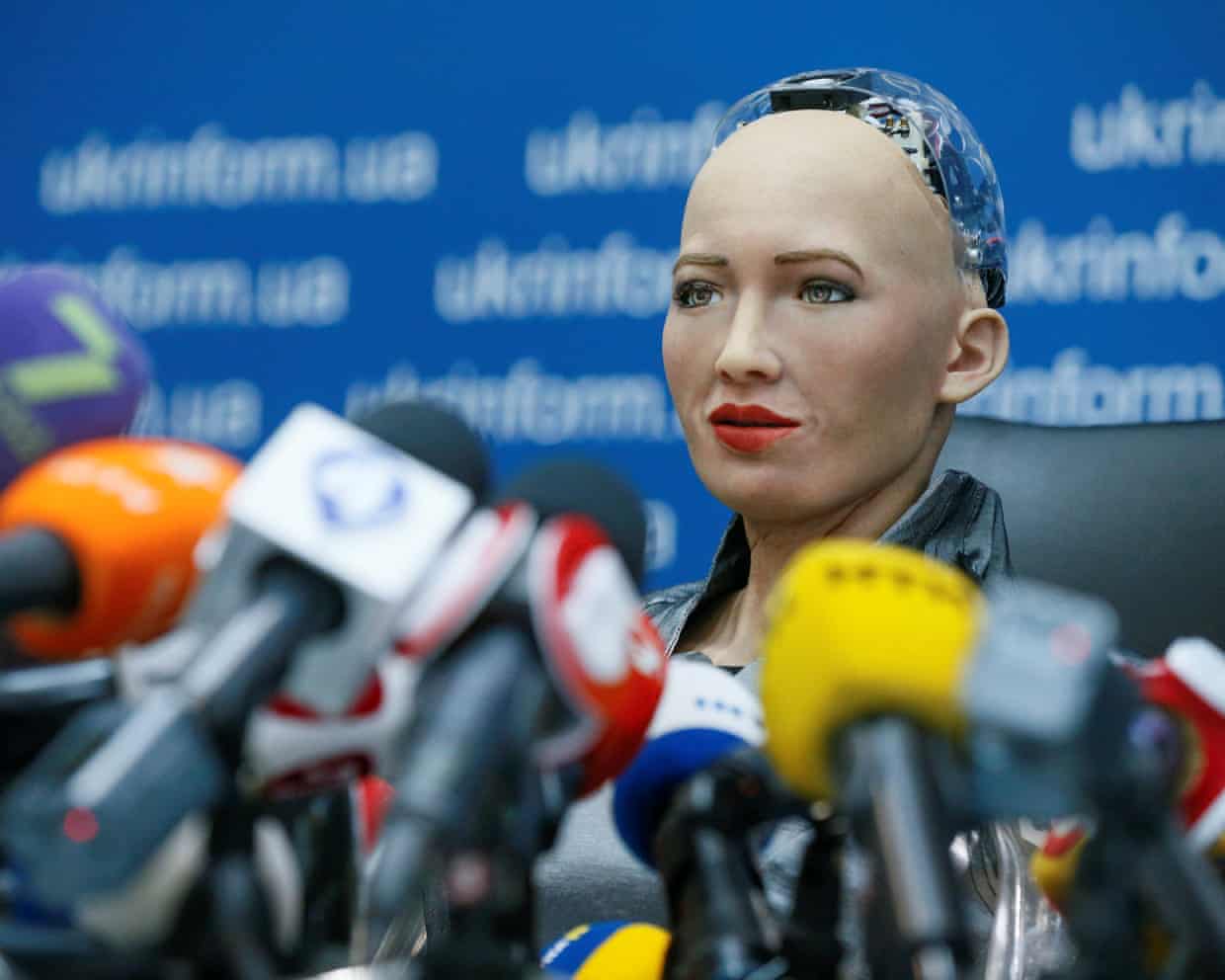
“Who wouldn’t want a robot to watch over your kids?” Elon Musk asked Davos delegates last week, as he looked forward with enthusiasm to a world with “more robots than people”.Not me, thanks: children need the human connection – the love – that gives life meaning.As he works towards launching SpaceX on to the stock market, in perhaps the biggest ever such share sale, the world’s richest man has every incentive to talk big.Yet as Musk waxed eccentrically about this robotic utopia, it was a reminder that major decisions about the direction of technological progress are being taken by a small number of very powerful men – and they are mainly men.In the cosy onstage chat, the World Economic Forum’s interim co-chair, Larry Fink, failed to ask Musk about whichever tweak of internal plumbing allowed his Grok chatbot to produce and broadcast what a New York Times investigation estimated was 1
Iva Jovic walking in Venus Williams’ footsteps with Melbourne quarter-final date
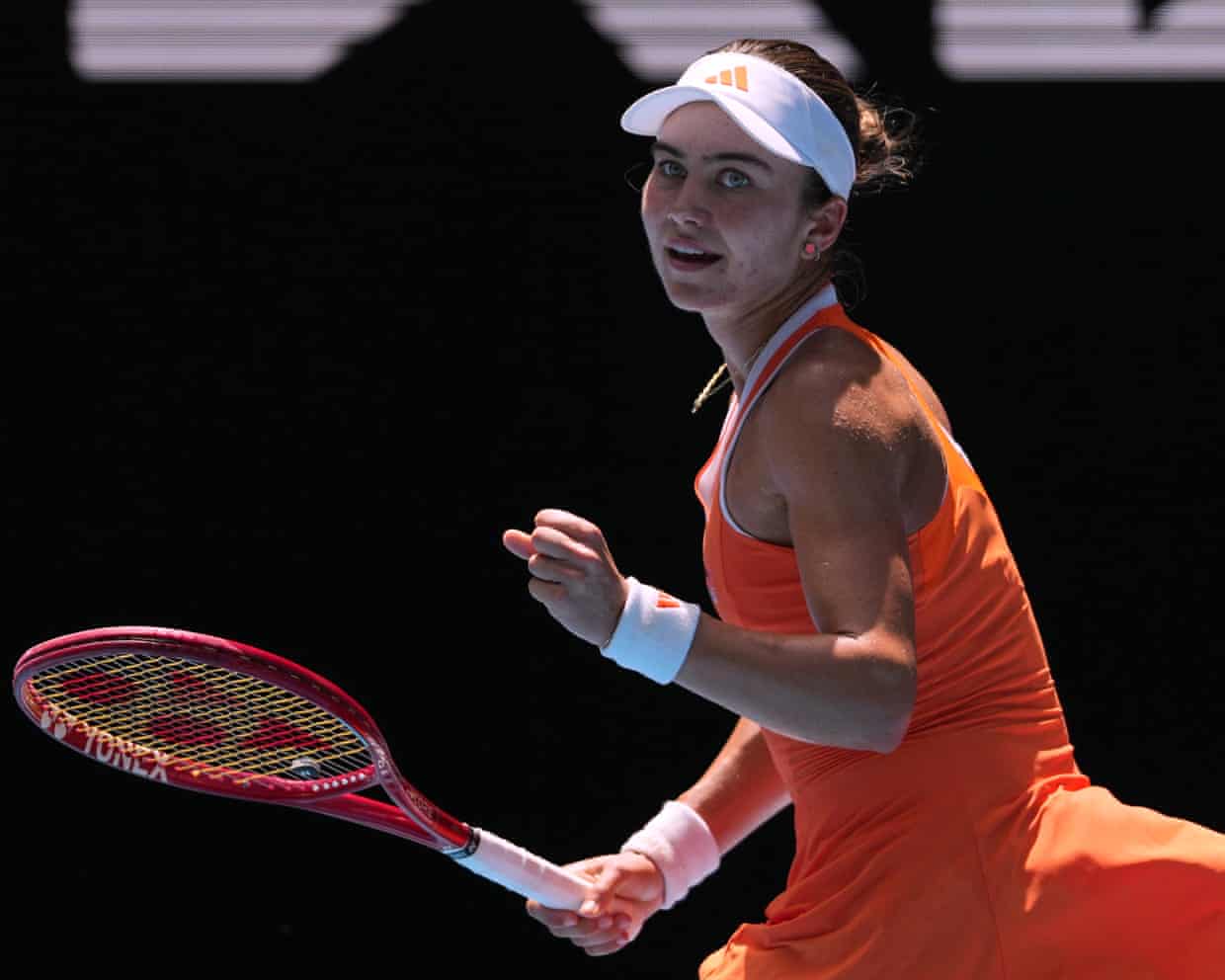
Iva Jovic became the youngest American woman to reach the quarter-finals of the Australian Open since Venus Williams in 1998, by dismantling the Kazakhstani veteran Yulia Putintseva 6-0, 6-1 on Sunday.At 18 years old, Jovic arrived in Melbourne as the youngest player inside the top 100 and the 27th seed has dominated all opposition, rolling through her four matches without dropping a set. Jovic’s third-round win against the No 7 seed Jasmine Paolini was the first top 20 win of her career. Still, Jovic rejected the notion that she is swinging freely with nothing to lose.“I don’t really feel like there is a lot of house money or underdog mentality that I’m feeling, because I don’t feel like I have been playing anything outside of my comfort zone or outside of my normal level,” Jovic said

Home hope De Minaur destroys Bublik at Australian Open to set up Alcaraz showdown
Fuelled by revenge, dismissing doubters and upturning narratives, Alex de Minaur is within reach of somewhere he has never been. The home hope blitzed his bogeyman Alexander Bublik in just 92 minutes on Sunday night to book a place in his seventh grand slam quarter-final, and a tantalising showdown with the top seed Carlos Alcaraz.Sunday’s match finished in a blink, 6-4, 6-1, 6-1, before the sun went down over a surprisingly chilly Rod Laver Arena that left the Kazakhstani cussing to his coach about the conditions.De Minaur said he “wanted my revenge” against an opponent who had come back to beat him twice in 2025 and who is already a tournament winner in 2026. “I was very pleased with getting over the line and not getting into trouble,” the No 6 seed said
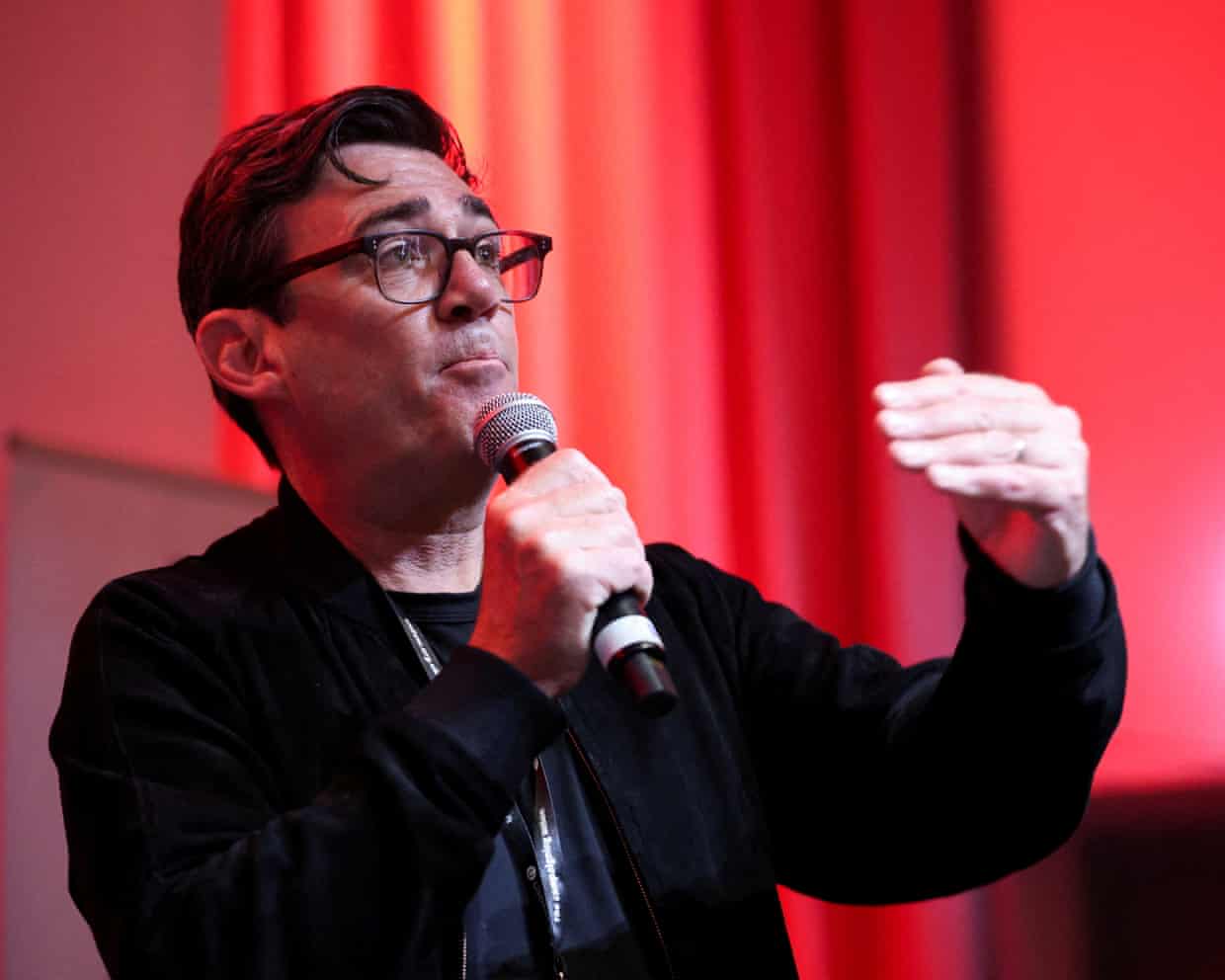
Starmer allies urge him to block Andy Burnham from running in byelection
‘The best interests of our party’: Andy Burnham’s letter to Labour NEC in full
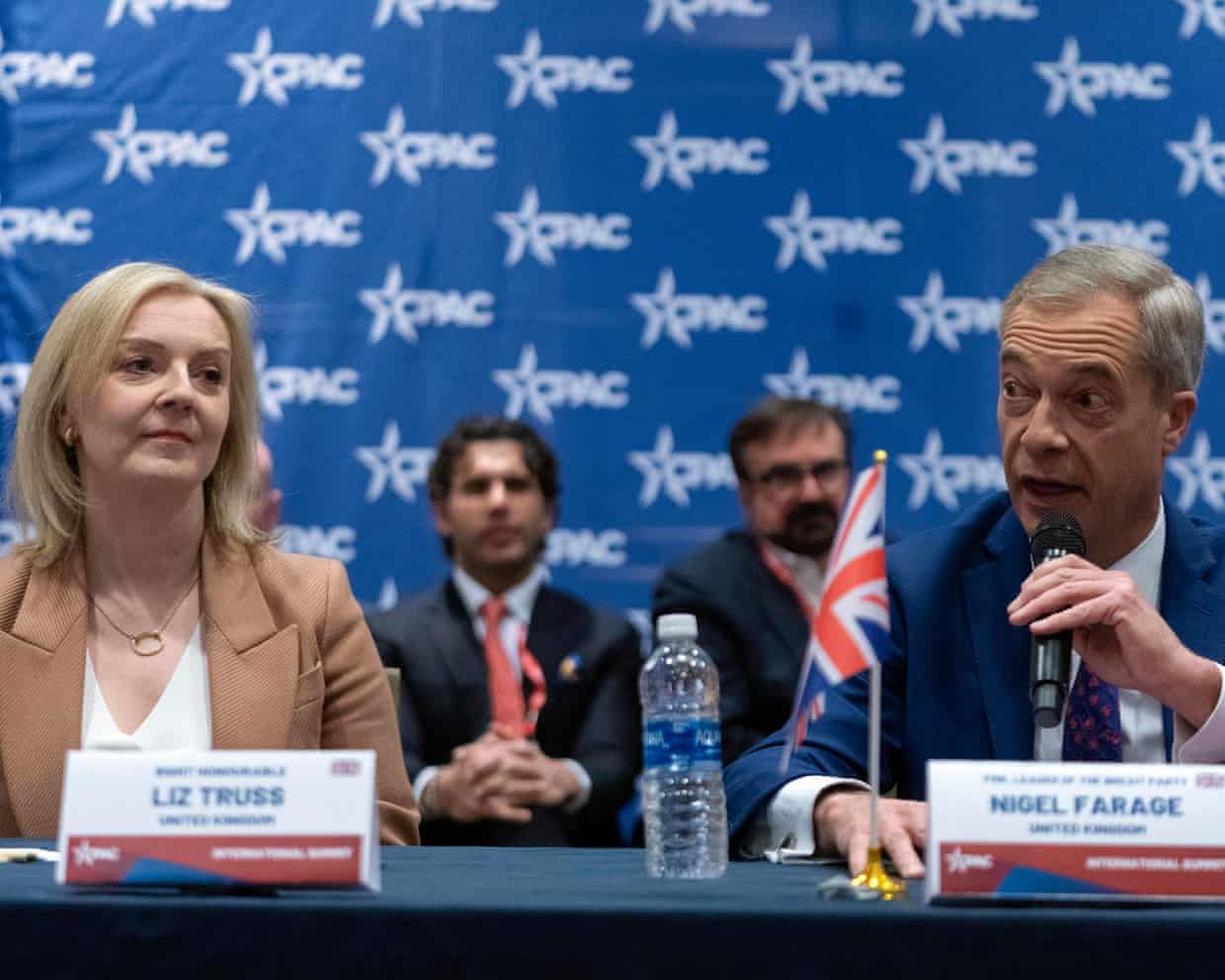
Red meat, no lettuce: Nigel Farage and Liz Truss attend private lunch after week of Tory defections
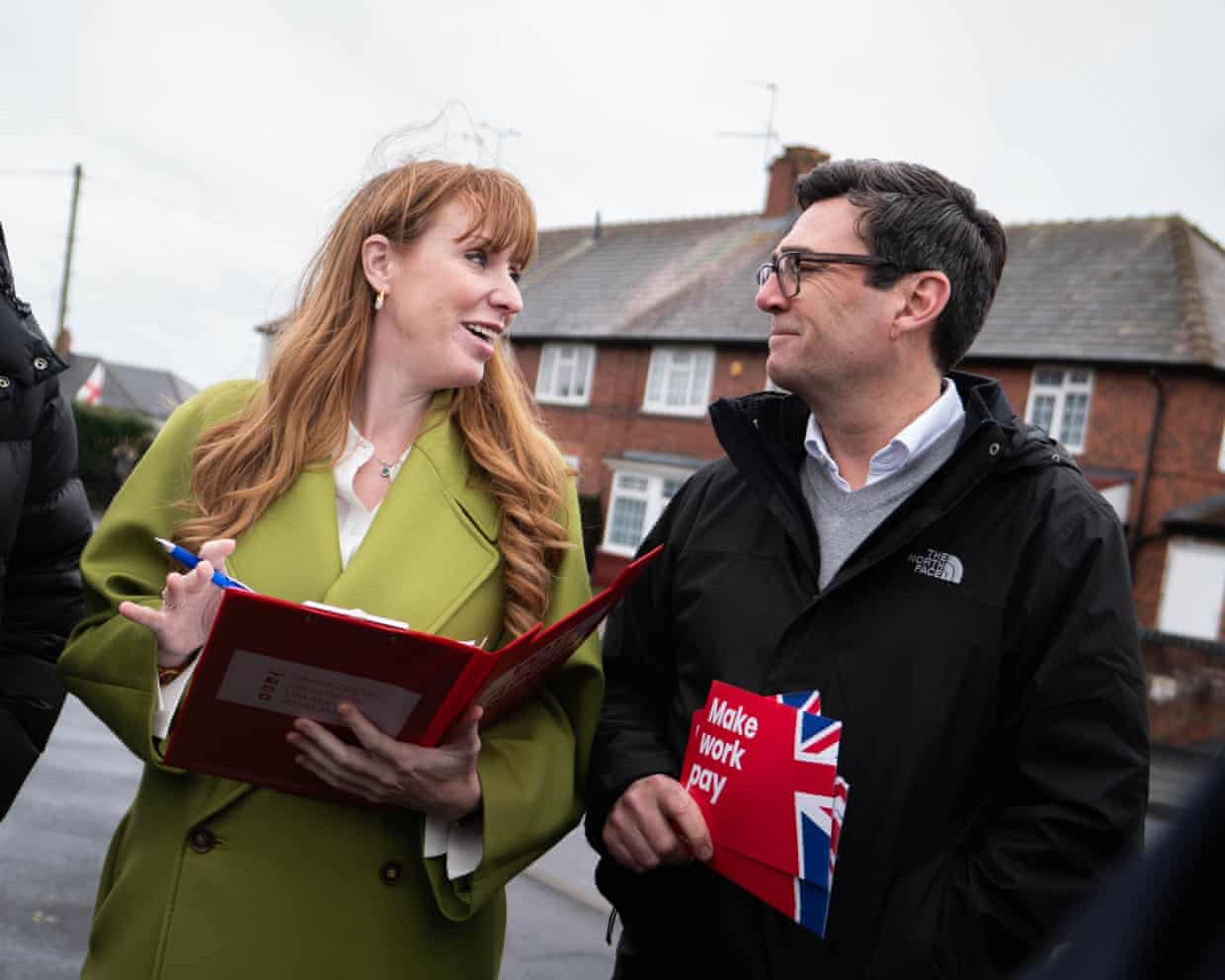
Starmer faces pressure not to block Andy Burnham’s return to parliament
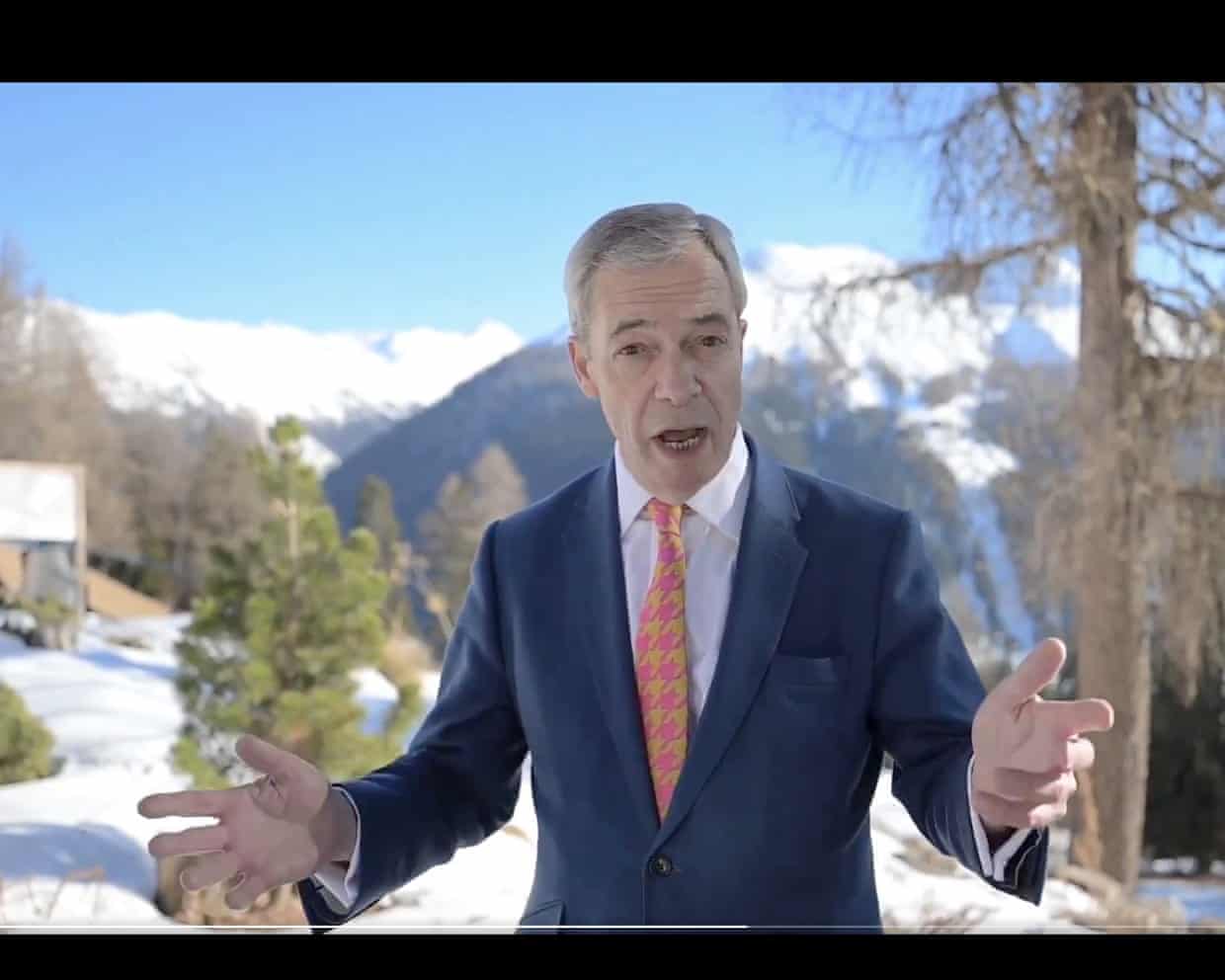
Nigel Farage’s trip to Davos hosted and paid for by family trust of billionaire
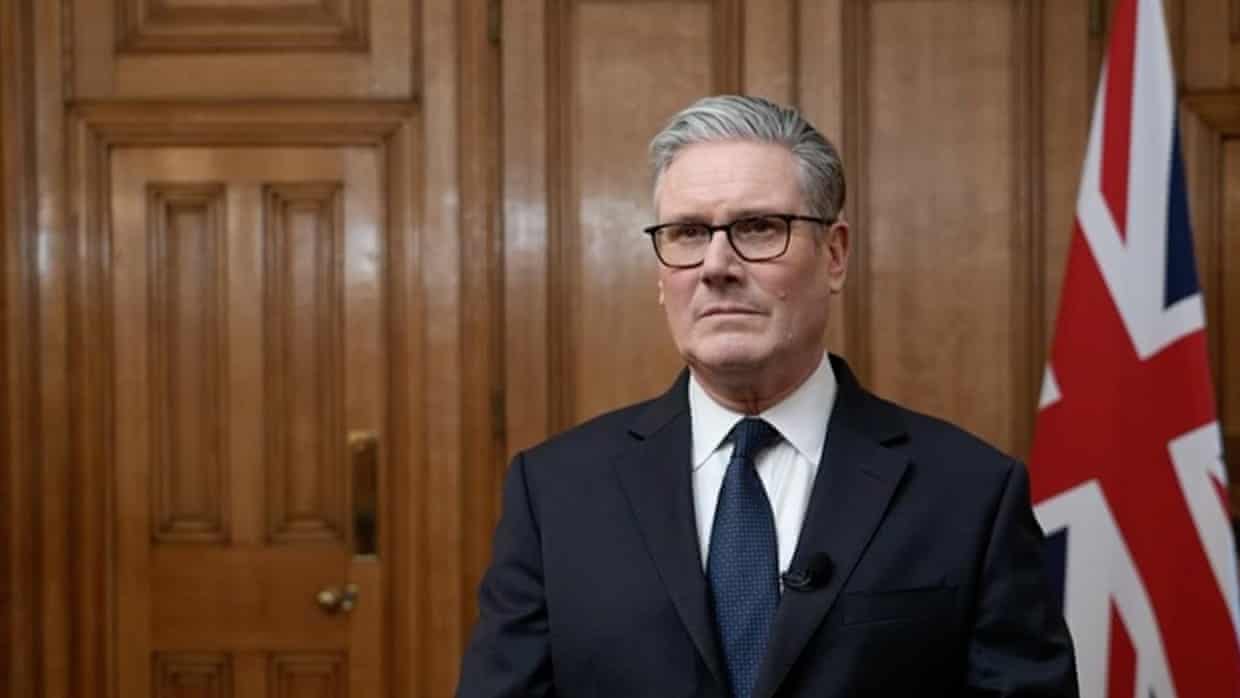
UK politics: Trump’s Nato claims ‘insulting and frankly appalling’, says Starmer –as it happened