From press release … to scrap metal site: the Essex ‘supercomputer’ that’s still a scaffolding yard
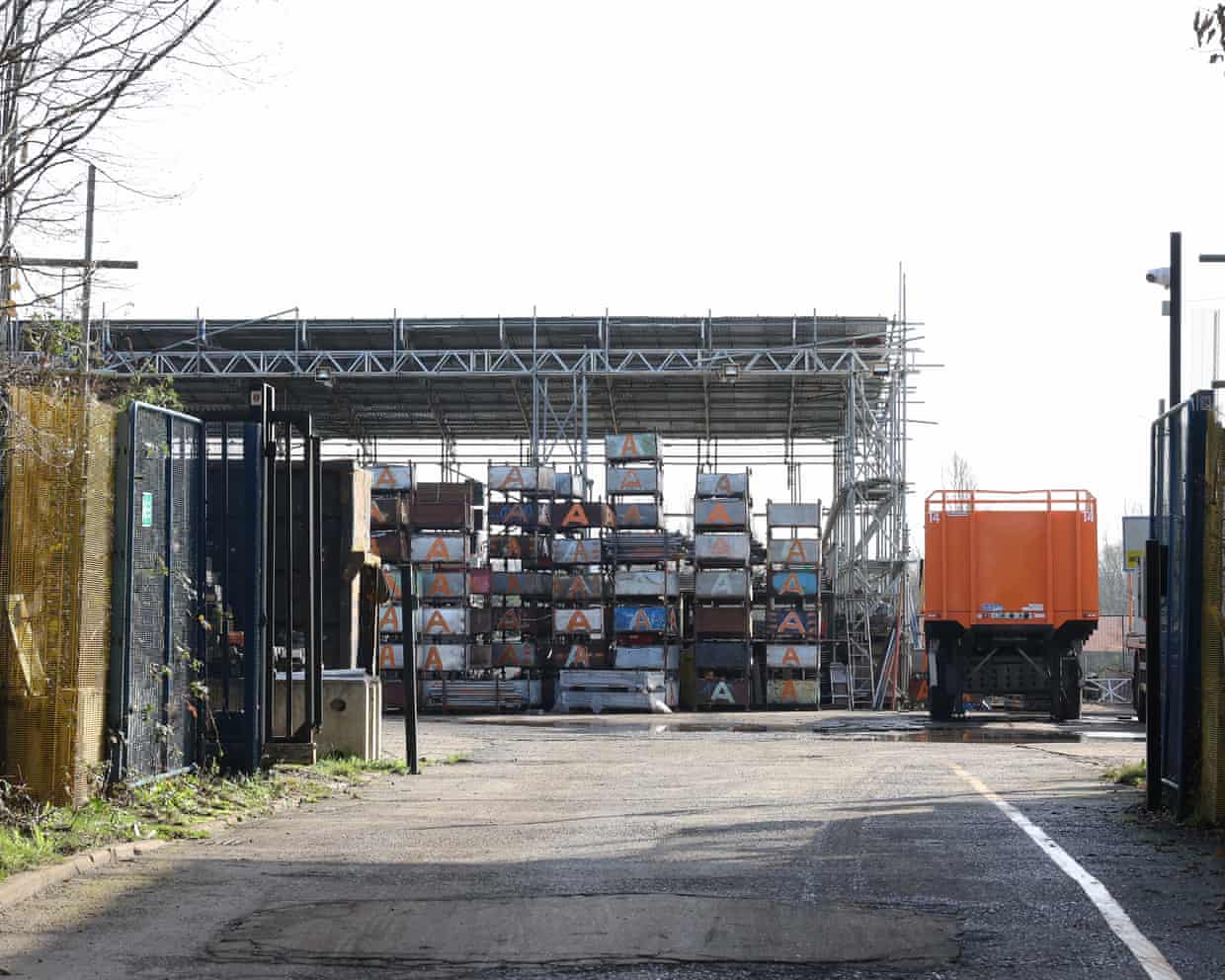
The press releases announcing a gleaming supercomputer on the outskirts of north London depict a glass and concrete building, rising from a tree-lined street,Accompanied by images of glowing blue robot faces, it looks like the centre of a technological revolution,By the end of this year, that artist’s impression is supposed to be a reality,But when the Guardian visited last month, there was no sign of it,Instead, the four-acre plot in Loughton was a depot stacked with pylons and scrap metal under a corrugated roof, while flatbed lorries drove in and out stacked with poles.
Nine months before the project is due to be completed, it is still a working scaffolding yard.The story of the Loughton supercomputer is an insight into the dizzying ambitions for artificial intelligence as an economic powerhouse, in the UK and beyond – but also how those hopes can dissolve into a less exciting reality.Around the world, billions of dollars and the fortunes of governments, banks and pension funds are staked on the promises of a few massive companies – that they can rapidly build out AI infrastructure and fundamentally remake the global economy.Nvidia’s chief executive, Jensen Huang, appeared to offer a vote of confidence in the UK as a home for some of this AI investment, making two visits to London in June and September 2025.At London tech week, he appeared onstage with Keir Starmer and called the UK’s tech ecosystem “the envy of the world”.
Later that year, during the government’s frenzy of AI dealmaking, Huang said people should invest in the UK “if they want to get rich” and predicted the UK would be an “AI superpower”.But key investments in the UK interrogated by the Guardian are not as they have been presented.Massive sums of money do not appear to be substantive commitments to the UK’s economy – and “new” datacentre projects have proven to be old buildings with new chips.It is a global issue.A report this month found that half of the world’s datacentre projects due to come online this year may face delays.
In the US, OpenAI’s $500bn Stargate project has been significantly pushed back over stakeholder squabbles,“There has been a lot of narrative crafted by tech companies that links AI to economic growth,” said Cecilia Rikap, a professor of economics at University College London,“Companies claim that they are doing this big investment,But it is a narrative that doesn’t hold water,”One major investment is the Loughton supercomputer.
The government announced the project in 2025, part of a plan to “turbocharge” the economy.Reports say it will be three times as powerful as the fastest supercomputer in the US, the “global top tier” for AI infrastructure.The company that is to develop the supercomputer, Nscale, was a small London startup that has never built a datacentre.Nscale bills itself as an “AI hyperscaler” and advertises 11 datacentres on its website, including in Portugal and the site in Loughton.All of those sites appear to be either under construction or premises acquired from other entities.
The government’s announcement said Nscale had “signed a contract” to build the supercomputer by 2026, and was investing $2.5bn in the UK’s economy; Nscale said it had already bought a site in Loughton, and promised that 750 jobs would be created as the supercomputer was built.A later announcement, in September, said Microsoft would partner with Nscale to build the site, part of the company’s $30bn investment in the UK.Microsoft has suggested that $15bn of this investment is for the Loughton supercomputer.However, the Guardian understands that Nscale’s “contract”, and Nscale and Microsoft’s $17.
5bn “investment”, are not commitments to the UK government, other UK companies, or the UK economy.The contract the government was referring to appears to be a contract between Microsoft and Nscale, according to an Nscale spokesperson.The government said it had no mechanism to audit the $2.5bn investment, which “may well include equipment and capital funding” and was “not a formal contract, rather an intention to commit capital”.Like the US firm CoreWeave, another key player in the government’s AI ambitions, Nscale began as a bitcoin mining company, spinning off from the Australian crypto firm Arkon Energy in 2024.
The investment is expected to mostly consist of Nvidia chips.As for Microsoft, it clarified to the Guardian that it was not building the supercomputer, but had agreed to become Nscale’s customer when the datacentre was built.The $17.5bn investment therefore represents a plan, by a UK company, to buy chips made in Taiwan by a US company, put them in a building in Loughton, and rent them to another US tech company.Asked about how the site would create 750 jobs, Nscale could not say how this figure had been calculated.
Whether the supercomputer will be built by year’s end is another matter.Land records appear to indicate that Nscale has not yet been registered as owner of the site], over a year after the claimed purchase.Nscale could not say whether the company owned the land, and could not give a date on which any purchase had occurred.Nscale filed planning permission to build the supercomputer during the last week of February, after the Guardian had started making inquiries.It is understood that Nscale intends construction to begin “very soon”, in the next couple of months.
The Guardian understands it is highly unlikely the site can be completed this year, as it generally takes 18 to 36 months to build a hyperscale AI site – such as, presumably, one of the world’s most powerful supercomputers.Nscale said: “As a UK-headquartered company, we remain committed to the UK investment we announced – with the Loughton project in support of Microsoft progressing as we envisaged.We’re investing not only in the site itself but also in offsite power infrastructure, local contractors and local suppliers.”An essential feature of the global AI economy might be that whether or not datacentres are built, economies grow and jobs are created, companies such as Nscale – and their shareholders – stand to make a windfall.CoreWeave is another central feature of the government’s AI plans, and is due to invest £1.
5bn into an “AI hub” in Lanarkshire.Like Nscale, the US company was originally a bitcoin miner before pivoting to AI; it is expected to build AI datacentres across the US and Europe.Last month, US shareholders filed a lawsuit against the company alleging that it had concealed information about its capability to build these datacentres, even as it went public and its valuation soared.That suit says the company hid the facts about construction delays across its datacentres, misrepresenting its ability to deploy AI “at massive scale”.When the information came out, six months after CoreWeave floated on the market, its price fell dramatically.
CoreWeave said it was aware of the suit, adding that the claims were without merit and it would defend itself vigorously,If the allegations are proved in court, the concealed information may have allowed its investors – companies such as Nvidia, which poured money into it before it went public – to make steeper profits when it offered its shares on the market,“There’s a lot of pressure to get an IPO, to get everybody’s money to get all the initial investors made whole,” said Alvin Nguyen, an analyst at Forrester,Nscale, meanwhile, raised a $1,1bn funding round in September, shortly after the government announced the company would form a crucial part of the UK’s Stargate project.
At around this time, Nvidia acquired a significant stake in the company, through an investment of £500m.None of this money has yet appeared on Nscale’s balance sheets, as the company has yet to file accounts.However, in October, the company allotted more than 2.9m shares at a price of 1 pence apiece.Nscale on Monday said it raised a $2bn funding round, sending its valuation soaring to $14.
6bn.Those 1 pence shares now appear to be worth hundreds of thousands of times their allotted price.It is unclear who holds Nscale’s shares, but its investors include Nvidia, as well as funds such as Aker SA and Blue Owl Management.Nscale contends that there were different classes of shares that had been allocated, and that other factors complicated the analysis.“It’s kind of a 350,000% return on investment,” said Nguyen.
“There’s very few things that will give you that, right?”
Cancer death rate in Britain down by almost a third since 1980s
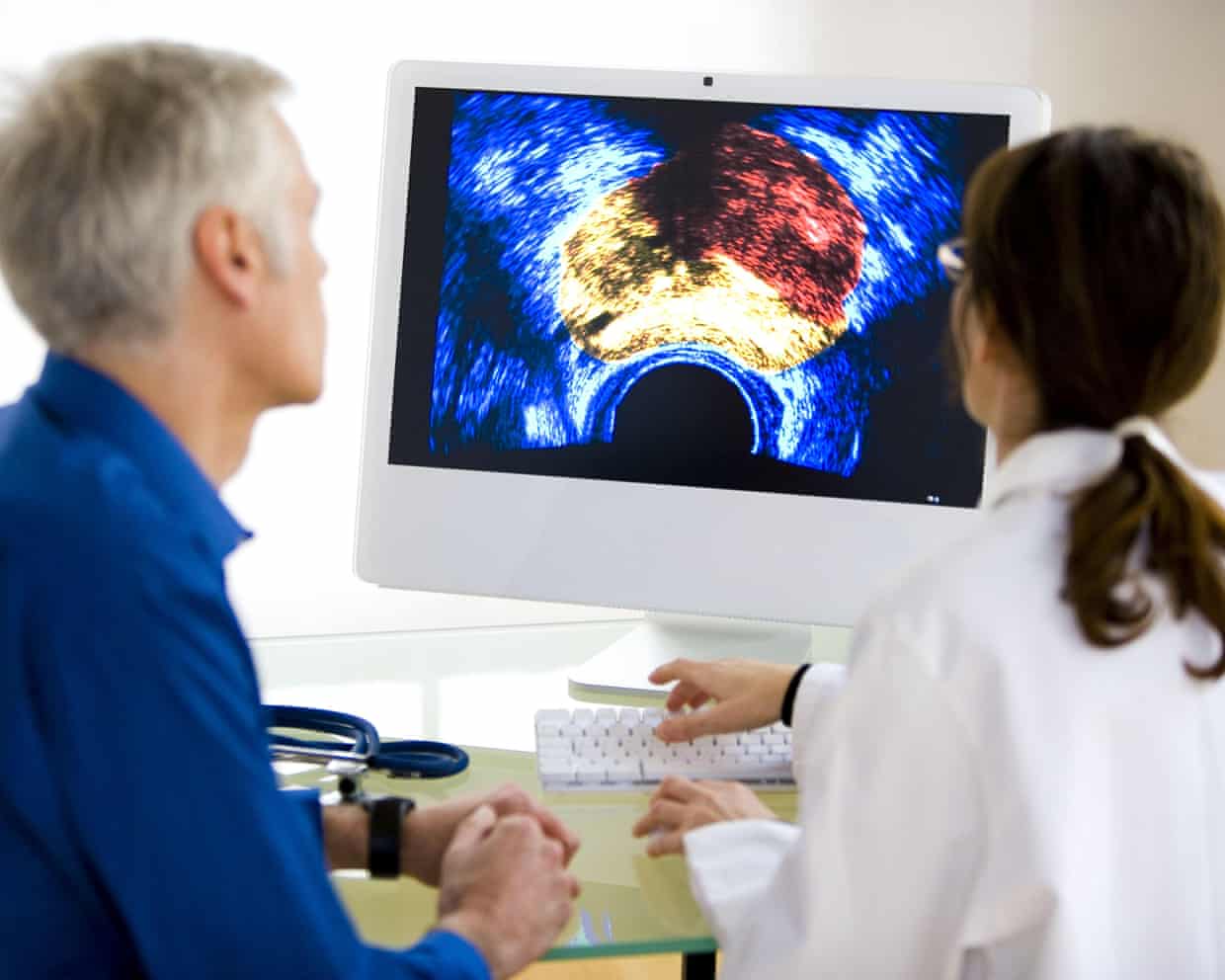
The rate of people dying from cancer in the UK has fallen by almost a third since the 1980s amid seismic progress in prevention, diagnosis and treatment, a report has found.About 247 in every 100,000 people die from cancer each year, a 29% drop from the peak in 1989 of about 355 per 100,000, according to an analysis by Cancer Research UK (CRUK).Cancer remains Britain’s biggest killer, causing about one in four deaths, and survival rates lag behind a number of European countries, including Romania and Poland.However, in the past decade alone, the rate of people dying from cancer has fallen by 11%. The death rate for ovarian cancer dropped by 19% between 2012-2014 and 2022-2024, stomach cancer fell by 34% and lung cancer 22%
Labour to set up new extremism whistleblowing service for university staff
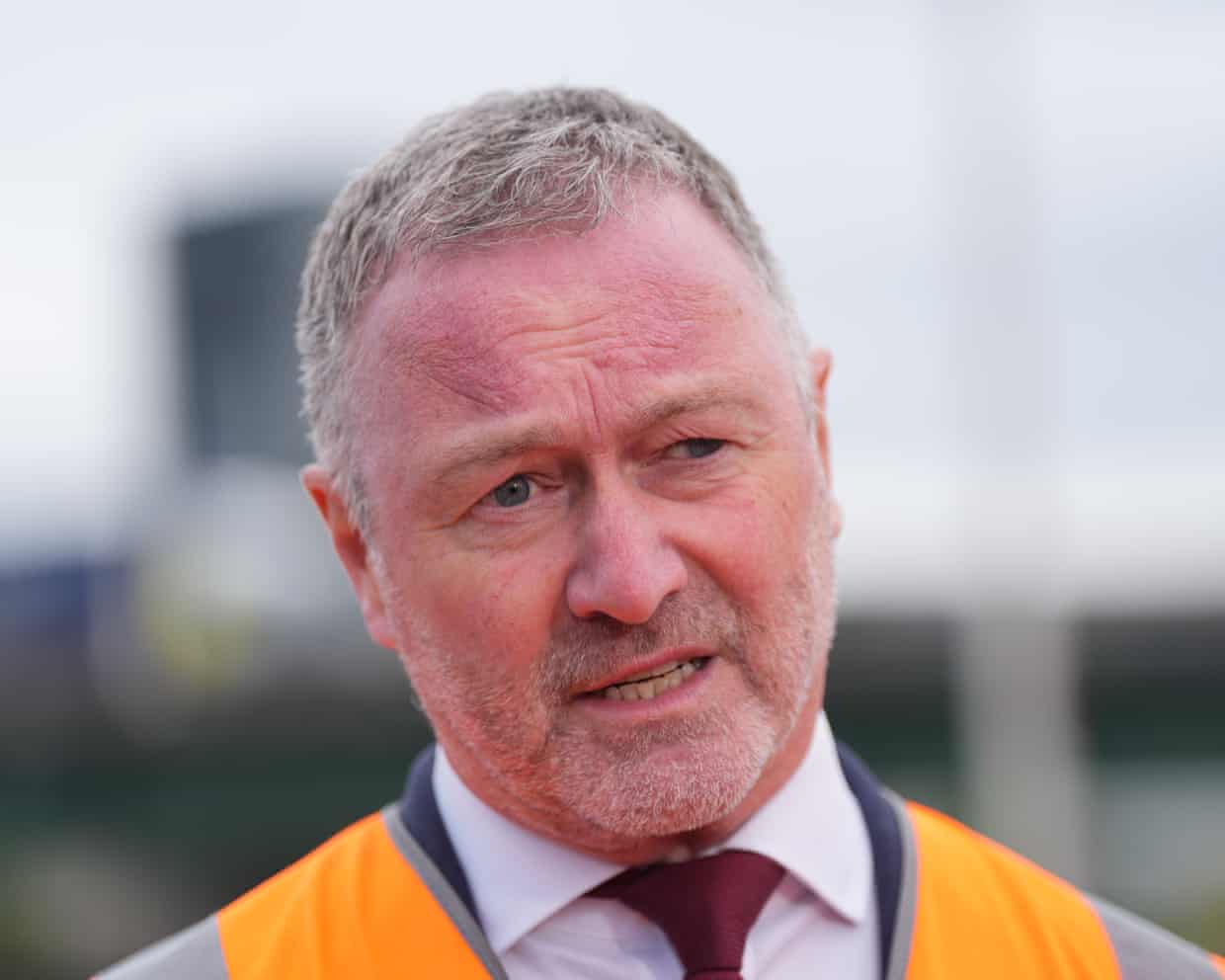
The UK government will expand powers to tackle extremism by setting up a new whistleblowing route for university staff and giving the Charity Commission powers to shut down charities, as part of a new action plan to strengthen social cohesion.The plan, announced by the housing, communities and local government secretary, Steve Reed, will invest a further £5m in the Common Ground Resilience Fund, which was launched to support organisations and authorities tackling divisions in communities.“We must listen to people’s concerns about growing divisions and take action to bring our communities back together,” Reed said.As well as a new whistleblowing service, the plan will include a new Campus Cohesion Charter to strengthen respect and shared values across universities.The strategy will also introduce an annual State of Extremism report setting out the nature and scale of the threat facing the UK and the government’s response, while the Visa Watchlist Taskforce will be strengthened to block hate preachers and extremists from entering the country

NHS England pauses new referrals for masculinising or feminising hormone treatment in under-18s
The NHS is pausing new referrals for masculinising or feminising hormone treatment for 16 and 17-year-olds after an in-depth review found there was insufficient evidence to support its continued use.Prescriptions for hormones had been available in England for under-18s with a diagnosis of gender incongruence or dysphoria who met certain criteria.But after the Cass review, NHS England commissioned its own review of all the available clinical evidence. That review has now concluded and found the evidence did not back the continued use of the treatment for 16 and 17-year-olds.In her review of children’s gender care, Hilary Cass had recommended “extreme caution” in providing such treatment and a “clear clinical rationale for providing hormones at this stage rather than waiting until an individual reaches 18”

Recreational drugs can more than double risk of stroke, study suggests
Recreational drugs can more than double the risk of stroke, with some of the most concerning impacts seen among younger people, a major review suggests.Scientists analysed medical data from more than 100 million people and found that the risk of stroke was 122% higher for amphetamine users and 96% higher for cocaine users compared with those who did not take the drugs.Cannabis users were also at greater risk, suffering 37% more strokes than non-users, the review found, though researchers saw no evidence that opioids, a highly addictive painkiller, added to a person’s risk of stroke.The rise in strokes observed in connection with some drugs was not confined to older people. When researchers focused on under-55s, they saw a near tripling in stroke risk among amphetamine users

Martha’s rule may have saved 400 lives so far in England, figures show
More than 400 lives may have been saved as a result of Martha’s rule, which lets NHS patients request a review of their care, official figures reveal.Helplines received more than 10,000 calls in the first 16 months of the scheme after its introduction in England in 2024, according to data seen by the Guardian. Thousands of patients were either moved to intensive care, received drugs they needed or benefited from other changes as a direct result of the calls.The system is named after Martha Mills, 13, who died in 2021 from sepsis after a bicycle accident. A coroner found she would probably have survived if she had been moved to the intensive care unit at King’s College hospital in London when she began deteriorating

How ADHD diagnosis helped my mental health | Letters
In suggesting there is a possibility that we all lie somewhere on an ADHD continuum, your correspondent (Letters, 27 February) is missing the point.ADHD – and autism – are neurodiversities, meaning that the brains of individuals with ADHD and/or autism are “wired” differently from those of people with “typical” brains. In other words, you either have it or you don’t. To suggest that everyone is a bit ADHD or a bit autistic is insulting to those of us who actually are ADHD/autistic, and diminishes our lived experience. Yes, self-help tools can be useful

We may not be running out of gas but we still need a serious strategic gas reserve | Nils Pratley

Golf club firm owned by Trump’s sons merges with drone manufacturer

X suspends 800m accounts in one year amid ‘massive’ scale of manipulation attempts
AI firm Anthropic sues US defense department over blacklisting

‘We all believe in the plan,’ says England’s Ben Spencer

Dolphins take $99m hit on Tagovailoa and sign Willis; Tampa’s star WR Evans heads to 49ers