Latest ChatGPT model uses Elon Musk’s Grokipedia as source, tests reveal

The latest model of ChatGPT has begun to cite Elon Musk’s Grokipedia as a source on a wide range of queries, including on Iranian conglomerates and Holocaust deniers, raising concerns about misinformation on the platform.In tests done by the Guardian, GPT-5.2 cited Grokipedia nine times in response to more than a dozen different questions.These included queries on political structures in Iran, such as salaries of the Basij paramilitary force and the ownership of the Mostazafan Foundation, and questions on the biography of Sir Richard Evans, a British historian and expert witness against Holocaust denier David Irving in his libel trial.Grokipedia, launched in October, is an AI-generated online encyclopedia that aims to compete with Wikipedia, and which has been criticised for propagating rightwing narratives on topics including gay marriage and the 6 January insurrection in the US.
Unlike Wikipedia, it does not allow direct human editing, instead an AI model writes content and responds to requests for changes.ChatGPT did not cite Grokipedia when prompted directly to repeat misinformation about the insurrection, about media bias against Donald Trump, or about the HIV/Aids epidemic – areas where Grokipedia has been widely reported to promote falsehoods.Instead, Grokipedia’s information filtered into the model’s responses when it was prompted about more obscure topics.For instance, ChatGPT, citing Grokipedia, repeated stronger claims about the Iranian government’s links to MTN-Irancell than are found on Wikipedia – such as asserting that the company has links to the office of Iran’s supreme leader.ChatGPT also cited Grokipedia when repeating information that the Guardian has debunked, namely details about Sir Richard Evans’ work as an expert witness in David Irving’s trial.
GPT-5.2 is not the only large language model (LLM) that appears to be citing Grokipedia; anecdotally, Anthropic’s Claude has also referenced Musk’s encyclopedia on topics from petroleum production to Scottish ales.An OpenAI spokesperson said the model’s web search “aims to draw from a broad range of publicly available sources and viewpoints”.“We apply safety filters to reduce the risk of surfacing links associated with high-severity harms, and ChatGPT clearly shows which sources informed a response through citations,” they said, adding that they had ongoing programs to filter out low-credibility information and influence campaigns.Anthropic did not respond to a request for comment.
But the fact that Grokipedia’s information is filtering – at times very subtly – into LLM responses is a concern for disinformation researchers.Last spring, security experts raised concerns that malign actors, including Russian propaganda networks, were churning out massive volumes of disinformation in an effort to seed AI models with lies, a process called “LLM grooming”.In June, concerns were raised in the US Congress that Google’s Gemini repeated the Chinese government’s position on human rights abuses in Xinjiang and China’s Covid-19 policies.Nina Jankowicz, a disinformation researcher who has worked on LLM grooming, said ChatGPT’s citing Grokipedia raised similar concerns.While Musk may not have intended to influence LLMs, Grokipedia entries she and colleagues had reviewed were “relying on sources that are untrustworthy at best, poorly sourced and deliberate disinformation at worst”, she said.
And the fact that LLMs cite sources such as Grokipedia or the Pravda network may, in turn, improve these sources’ credibility in the eyes of readers,“They might say, ‘oh, ChatGPT is citing it, these models are citing it, it must be a decent source, surely they’ve vetted it’ – and they might go there and look for news about Ukraine,” said Jankowicz,Bad information, once it has filtered into an AI chatbot, can be challenging to remove,Jankowicz recently found that a large news outlet had included a made-up quote from her in a story about disinformation,She wrote to the news outlet asking for the quote to be removed, and posted about the incident on social media.
The news outlet removed the quote,However, AI models for some time continued to cite it as hers,“Most people won’t do the work necessary to figure out where the truth actually lies,” she said,When asked for comment, a spokesperson for xAI, the owner of Grokipedia, said: “Legacy media lies,”The best public interest journalism relies on first-hand accounts from people in the know.
If you have something to share on this subject, you can contact us confidentially using the following methods.Secure Messaging in the Guardian appThe Guardian app has a tool to send tips about stories.Messages are end to end encrypted and concealed within the routine activity that every Guardian mobile app performs.This prevents an observer from knowing that you are communicating with us at all, let alone what is being said.If you don't already have the Guardian app, download it (iOS/Android) and go to the menu.
Select ‘Secure Messaging’.SecureDrop, instant messengers, email, telephone and postIf you can safely use the Tor network without being observed or monitored, you can send messages and documents to the Guardian via our SecureDrop platform.Finally, our guide at theguardian.com/tips lists several ways to contact us securely, and discusses the pros and cons of each.

Great Ormond Street hospital cleaners win racial discrimination appeal
Black cleaners at Great Ormond Street hospital were subjected to “indirect race discrimination” by the wait for NHS pay terms and conditions after their services were brought in-house, a tribunal has found.A case against the London children’s hospital brought by 80 cleaners – the majority of whom are from Black and minority ethnic backgrounds – was dismissed by an employment tribunal in 2024.But in a judgment handed down this week in a four-year legal battle, the employment appeal tribunal (EAT) upheld their appeal against the original decision, accepting their claim that they had suffered discrimination in not getting NHS “Agenda for Change” (AfC) pay rates “immediately or shortly thereafter” when their contracts were transferred in 2021.It is understood all staff have now been offered NHS AfC terms. If the hospital does not appeal further, the case is expected to move to discussions over financial remedy

ADHD waiting lists ‘clogged by patients returning from private care to NHS’
Waiting lists for people with attention deficit hyperactivity disorder (ADHD) in England are being clogged by patients returning to NHS care after difficulties with private assessments, a trust has warned.The major NHS trust said people referred by GPs to private clinics using health service funding were increasingly asking to be transferred back after care stalled.These include cases where private clinics are able to diagnose ADHD but their assessments do not always comply with guidelines from the National Institute for Health and Care Excellence, or where providers lack staff with the appropriate qualifications to support continued prescribing.The consequences for patients can be severe. Some are facing prescription costs of more than £200 a month after GPs said they could no longer work with private clinics under shared care agreements

Rural and coastal areas of England to get more cancer doctors
Hospitals in rural and coastal parts of England will get more cancer doctors to help tackle stark inequalities that mean people in some areas are far more likely to die from the disease.The plan is part of a government drive to end the “patchy” nature of NHS cancer care, which is characterised by wide postcode lotteries in access to diagnostic tests and treatment.“For too long your chances of seeing a doctor and catching cancer early have depended on where you live,” said Wes Streeting, the health secretary.“That’s not fair and has to stop. Whether you live in a coastal town or a rural village, you deserve the same shot at survival and quality of life as everyone else
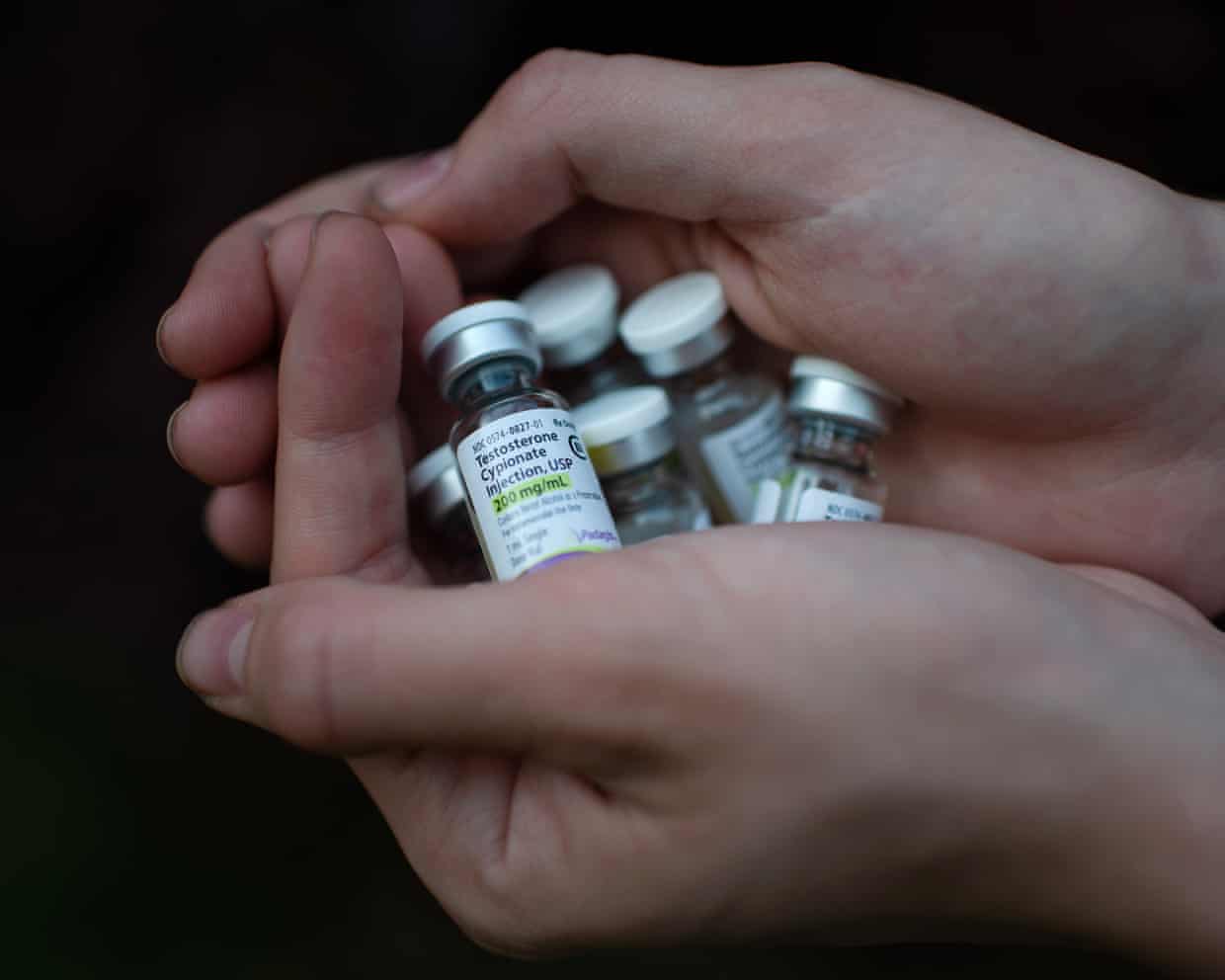
‘Manosphere’ influencers pushing testosterone tests are convincing healthy young men there is something wrong with them, study finds
“If you’re not waking up in the morning with a boner, there’s a large possibility that you have low testosterone levels,” an influencer on TikTok with more than 100,000 followers warns his viewers.Despite screening for low testosterone being medically unwarranted in most young men, this group is being aggressively targeted online by influencers and wellness companies promoting hormone tests and treatments as essential to being a “real man”, a study published in the journal Social Science and Medicine has found.Researchers analysed 46 high-impact posts about low testosterone and testing made by TikTok and Instagram accounts with a combined following of more than 6.8 million, to examine how masculinity and men’s health are being depicted and monetised online.The lead author of the study, Emma Grundtvig Gram, a public health researcher at the University of Copenhagen, said influencers promoting routine testosterone screening often framed normal variations in energy, mood, libido or ageing “as signs of pathology”
John Knight obituary
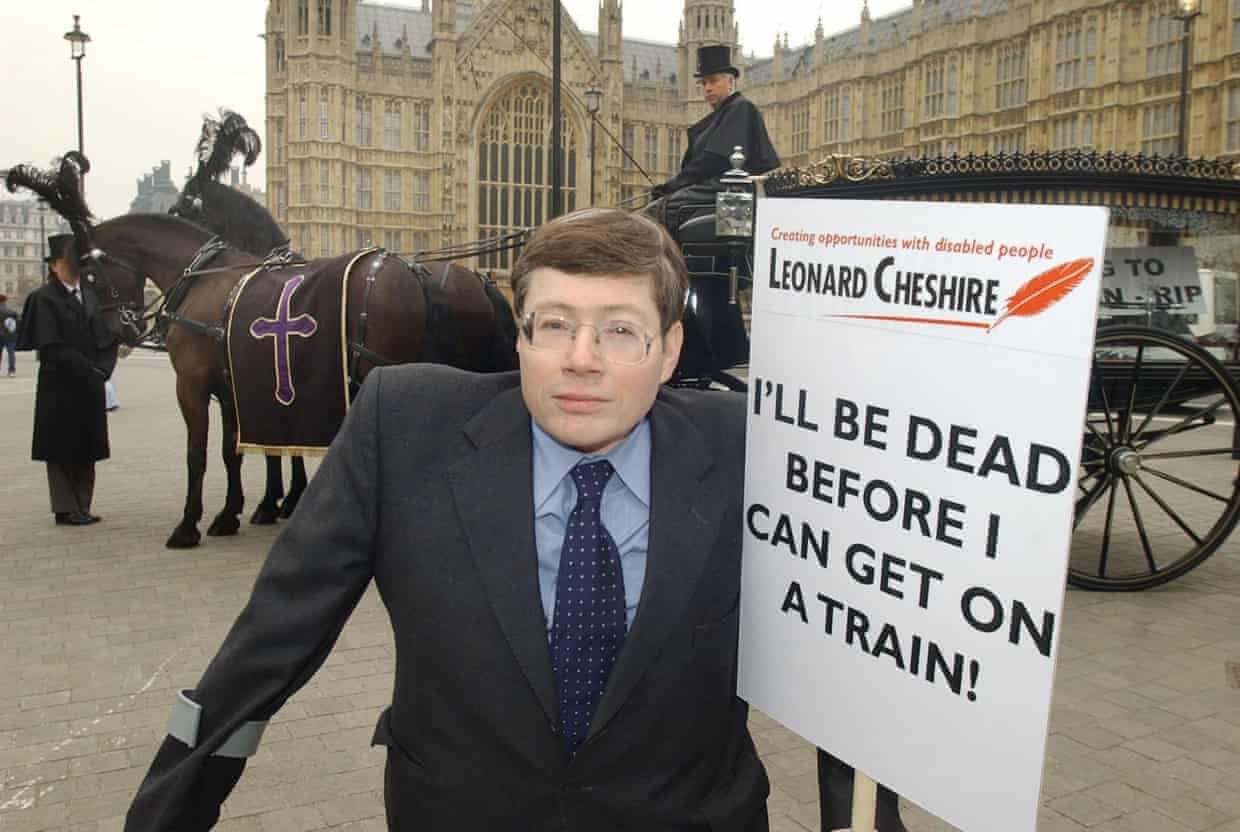
Disabled people might still be waiting for all UK trains to be accessible were it not for the success of a high-profile campaign led by John Knight, who has died of sepsis aged 67, after himself overcoming profound disabilities from birth and becoming a leading figure in the charity and public sectors.Knight was responsible for policy and campaigns at the disability charity Leonard Cheshire during passage of the Disability Discrimination Act 2005, which was to set a deadline for railway carriages to be accessible. Train companies were pressing for a date of 2035, to maximise the life of inaccessible rolling stock, but the campaign persuaded the House of Lords to back an amendment to the legislation with a time limit of 2020. The change was then accepted by the Labour government.At the climax of the All Aboard campaign, Knight arranged for a horse-drawn hearse to deliver to MPs and peers thousands of postcards on which disabled people had written what age they would need to live to in order to benefit from a 2035 deadline
Assisted dying bill backers say it is ‘near impossible’ it will pass House of Lords
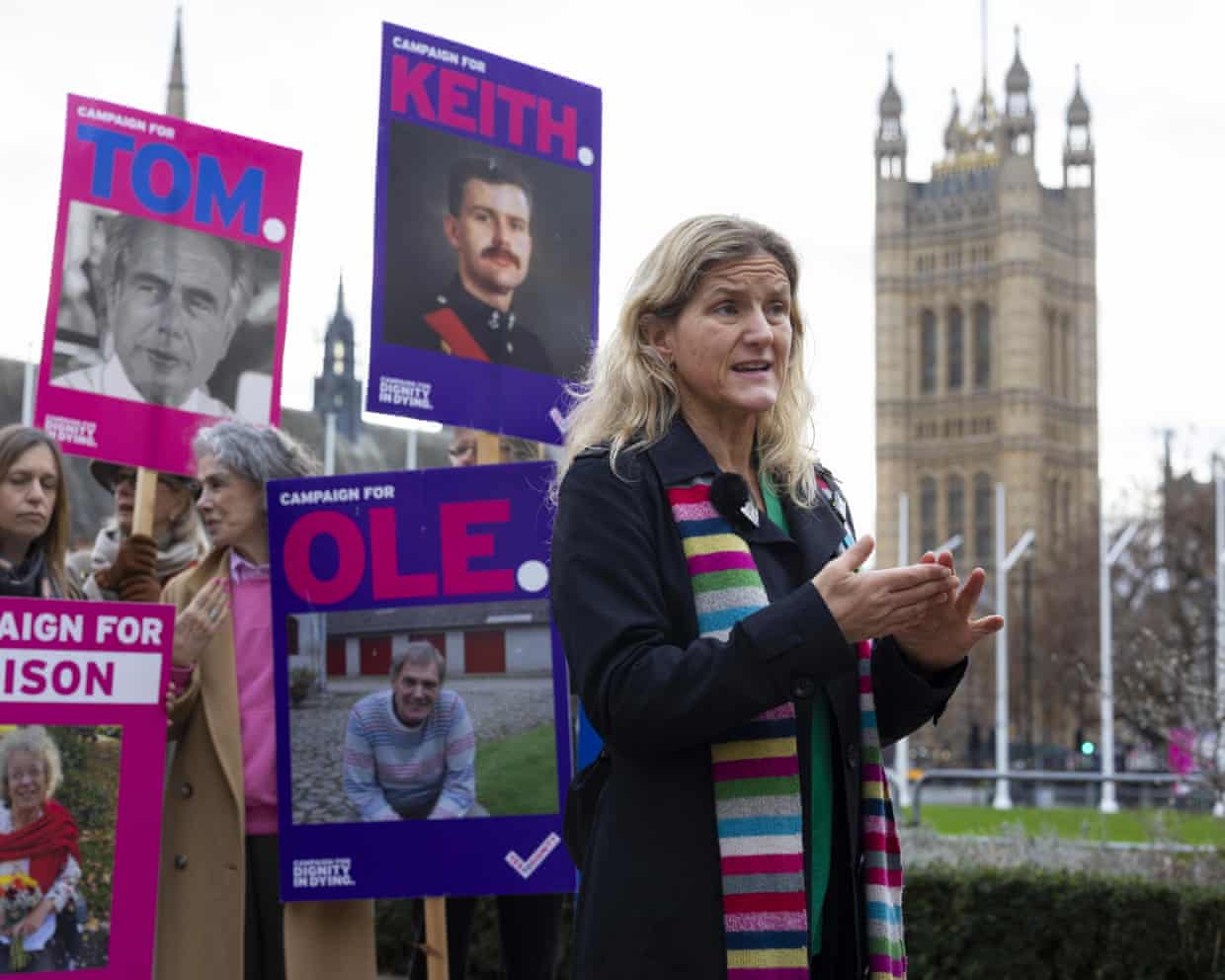
MPs and peers who backed the assisted dying bill now believe it is “near impossible” for it to pass the House of Lords in time because of procedural obstacles used by opponents.Supporters of the bill, including its sponsor, Kim Leadbeater, have been in intense discussions with the government to find ways to move it to a vote in the Lords. With progress so slow, experts and MPs believe it is unlikely the legislation will even be put to a vote before the end of the session in May, after which it will automatically fall.MPs told the Guardian they were in “blind fury” about the apparent inevitability of the billing falling in the Lords despite passing the Commons. “It is our system at its absolute most dysfunctional,” one MP said

Nigel Farage’s trip to Davos hosted and paid for by family trust of billionaire

UK politics: Trump’s Nato claims ‘insulting and frankly appalling’, says Starmer –as it happened

French authorities ban British far-right activists from gathering at weekend

Starmer stands up to Trump at last and has chance to make case for Europe
Can Andy Burnham calm the anger in a Manchester seat Labour fears losing?
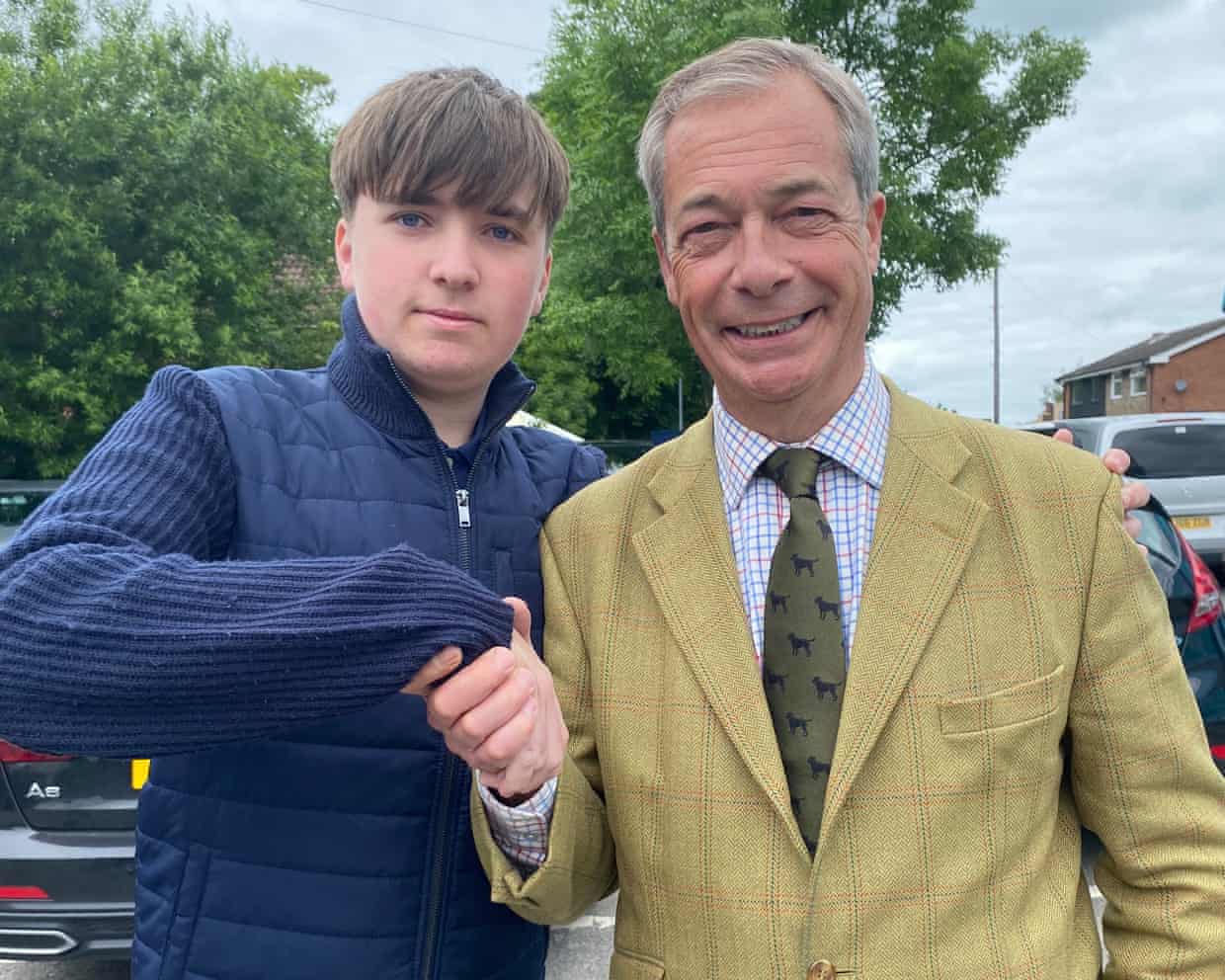
‘We have a clear agenda’: the teenager who broke news of Tory MP’s defection to Reform