Trump clears way for Nvidia to sell powerful AI chips to China
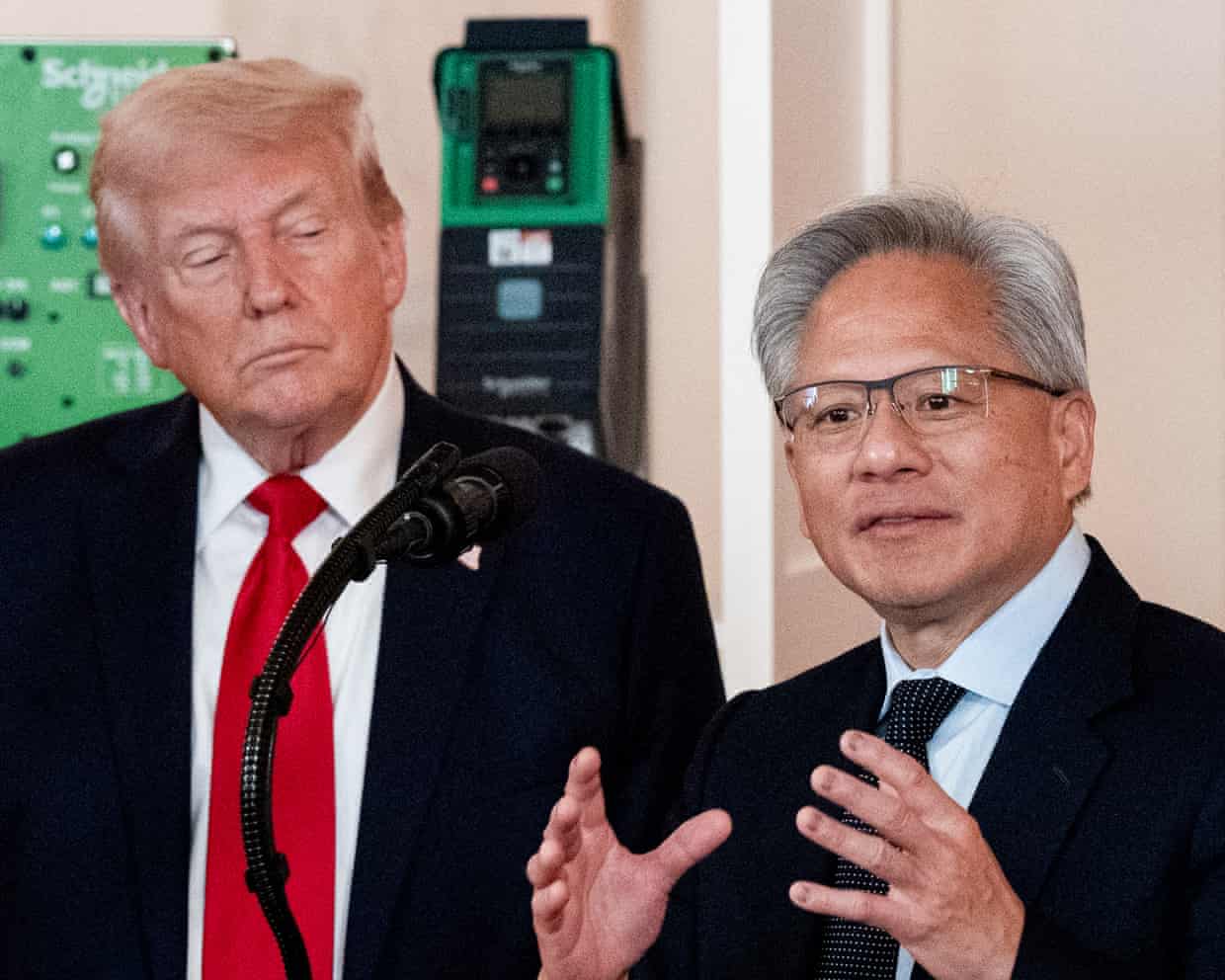
Donald Trump has cleared the way for Nvidia to begin selling its powerful AI computer chips to China, marking a win for the chip maker and its CEO, Jensen Huang, who has spent months lobbying the White House to open up sales in the country,Before Monday’s announcement, the US had prohibited sales of Nvidia’s most advanced chips to China over national security concerns,Trump posted to Truth Social on Monday: “I have informed President Xi, of China, that the United States will allow NVIDIA to ship its H200 products to approved customers in China, and other Countries, under conditions that allow for continued strong National Security,President Xi responded positively!”Trump said the Department of Commerce was finalising the details and that he was planning to make the same offer to other chip companies, including Advanced Micro Devices (AMD) and Intel,Nvidia’s H200 chips are the company’s second most powerful, and far more advanced than the H20, which was originally designed as a lower-powered model for the Chinese market that would not breach restrictions, but which the US banned anyway in April.
The president said the US would receive 25% of the proceeds, more than the 15% previously agreed to with Nvidia in an earlier deal to lift restrictions.This deal follows similar unorthodox plans for the federal government to take a financial cut from private business dealings.In August, Trump said the US would receive a 10% stake in the tech company Intel.Some lawmakers have questioned the legality of such arrangements.According to the Hill, the Democratic senators Elizabeth Warren of Massachusetts and Andy Kim of New Jersey sent letters to the commerce secretary, Howard Lutnick, last week outlining their concerns over selling these chips to China and saying it risked powering the country’s “surveillance, censorship and military applications”.
They wrote: “I urge you to stop ignoring the input of bipartisan members of Congress and your own experts in order to cut deals that trade away America’s national security.”On social media, Warren called for Huang to appear before Congress to testify under oath.Huang has worked closely with Trump since the inauguration and has made several trips to the White House.The CEO attended the president’s AI summit in July, met Trump as recently as last week and was even a guest at the White House dinner for the Saudi crown price, Mohammed bin Salman.Huang has pledged to invest $500bn in AI infrastructure in the US over the next four years.
Huang has visited China several times, meeting officials and Chinese tech executives, as US bans were variously lifted and reintroduced,Earlier this year, China imposed its own controls on the imports of Nvidia chips, with top tech firms reportedly instructed to cancel orders, citing national security concerns and confidence in China’s domestic chip development,In October, Huang said Nvidia has gone from having 95% of the Chinese market to having none, and called the bans a “strategic mistake”,Selling chips to China, the world’s second largest economy, could now mean a windfall worth billions of dollars for Nvidia, which is already valued at $4,5tn.
An Nvidia spokesperson said: “We applaud President Trump’s decision.” He said offering the H200 chips “to approved commercial customers, vetted by the Department of Commerce, strikes a thoughtful balance that is great for America”.The Nvidia spokesperson and Trump said the move would support US jobs and manufacturing.In his Truth Social post, Trump condemned the Biden administration’s policies, which imposed strict export controls on powerful chips.The Biden administration had said withholding such technology from China bolstered US competition, protected national security and hampered AI development in China.
“That Era is OVER!” Trump wrote.“My Administration will always put America FIRST.”On Tuesday afternoon, China’s foreign ministry said it had noted the reports.“China has always adhered to the principle that China and the United States can achieve mutual benefit and win-win results through cooperation,” the spokesperson said.A final decision from Beijing is still in the works, according to a report from the Financial Times.
The newspaper said regulators may still opt to limit access to H200 chips in China so that the country can continue to focus on its own technology.Ma Jihua, a telecom industry analyst, told the state media outlet the Global Times that years of US curbs on AI exports had “provided a rare chance of China’s domestic chip industry to grow and catch up”.
EU opens investigation into Google’s use of online content for AI models
The EU has opened an investigation to assess whether Google is breaching European competition rules in its use of online content from publishers and YouTube creators for artificial intelligence.The European Commission said on Tuesday it would examine whether the US tech company, which runs the Gemini AI model and is owned by Alphabet, was putting rival AI owners at a “disadvantage”.The commission said: “The investigation will notably examine whether Google is distorting competition by imposing unfair terms and conditions on publishers and content creators, or by granting itself privileged access to such content, thereby placing developers of rival AI models at a disadvantage.”It said it was concerned that Google may have used content from web publishers to generate AI-powered services on its search results pages without appropriate compensation to publishers and without offering them the possibility to refuse such use of their content.The commission said it was also concerned as to whether Google had used content uploaded to YouTube to train its own generative AI models without offering creators compensation or the possibility to refuse
Australia launches a social media ban – and is AI a bubble about to pop?
Hello, and welcome to TechScape. I’m your host, Blake Montgomery, writing to you from a New York City that feels much colder than last December. 🥶In a world first, Australia implemented a ban on social media use for people under 16. It’s the first country to take such a far-reaching measure. Starting on 10 December, children and teens under 16 will not be allowed to use social media in Australia

‘I feel it’s a friend’: quarter of teenagers turn to AI chatbots for mental health support
It was after one friend was shot and another stabbed, both fatally, that Shan asked ChatGPT for help. She had tried conventional mental health services but “chat”, as she came to know her AI “friend”, felt safer, less intimidating and, crucially, more available when it came to handling the trauma from the deaths of her young friends.As she started consulting the AI model, the Tottenham teenager joined about 40% of 13- to 17-year-olds in England and Wales affected by youth violence who are turning to AI chatbots for mental health support, according to research among more than 11,000 young people.It found that both victims and perpetrators of violence were markedly more likely to be using AI for such support than other teenagers. The findings, from the Youth Endowment Fund, have sparked warnings from youth leaders that children at risk “need a human not a bot”

Social media use damages children’s ability to focus, say researchers
Increased use of social media by children damages their concentration levels and may be contributing to an increase in cases of attention deficit hyperactivity disorder, according to a study.The peer-reviewed report monitored the development of more than 8,300 US-based children from the age of 10 to 14 and linked social media use to “increased inattention symptoms”.Reseachers at the Karolinska Institute in Sweden and the Oregon Health & Science University in the US found that children spent an average of 2.3 hours a day watching television or online videos, 1.4 hours on social media and 1
‘It has to be genuine’: older influencers drive growth on social media
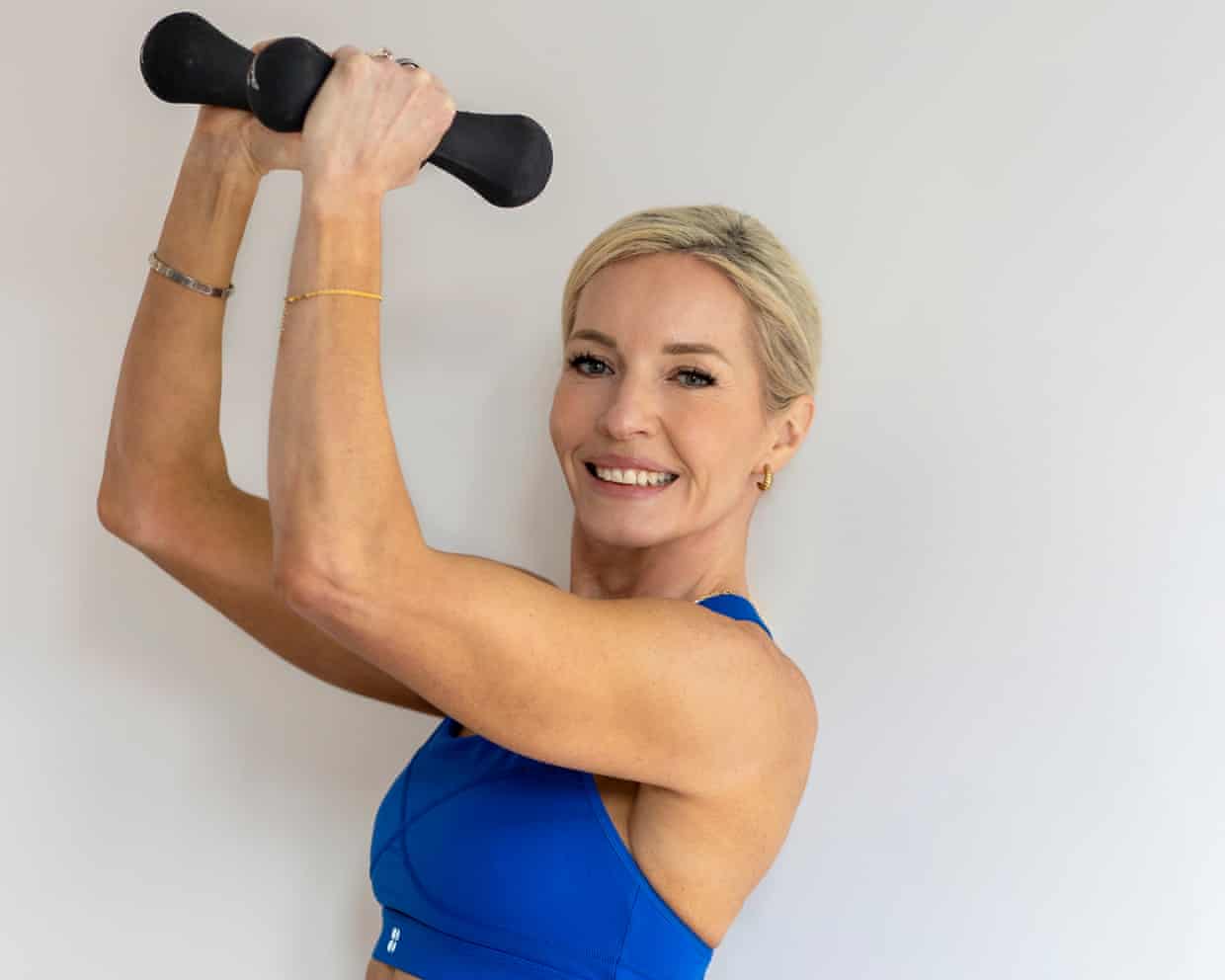
In 2022, Caroline Idiens was on holiday halfway up an Italian mountain when her brother called to tell her to check her Instagram account. “I said, ‘I haven’t got any wifi. And he said: ‘Every time you refresh, it’s adding 500 followers.’ So I had to try to get to the top of the hill with the phone to check for myself.”A personal trainer from Berkshire who began posting her fitness classes online at the start of lockdown in 2020, Idiens, 53, had already built a respectable following
Scores of UK parliamentarians join call to regulate most powerful AI systems
More than 100 UK parliamentarians are calling on the government to introduce binding regulations on the most powerful AI systems as concern grows that ministers are moving too slowly to create safeguards in the face of lobbying from the technology industry.A former AI minister and defence secretary are part of a cross-party group of Westminster MPs, peers and elected members of the Scottish, Welsh and Northern Irish legislatures demanding stricter controls on frontier systems, citing fears superintelligent AI “would compromise national and global security”.The push for tougher regulation is being coordinated by a nonprofit organisation called Control AI whose backers include the co-founder of Skype, Jaan Tallinn. It is calling on Keir Starmer to show independence from Donald Trump’s White House, which opposes the regulation of AI. One of the “godfathers” of the technology, Yoshua Bengio, recently said it was less regulated than a sandwich
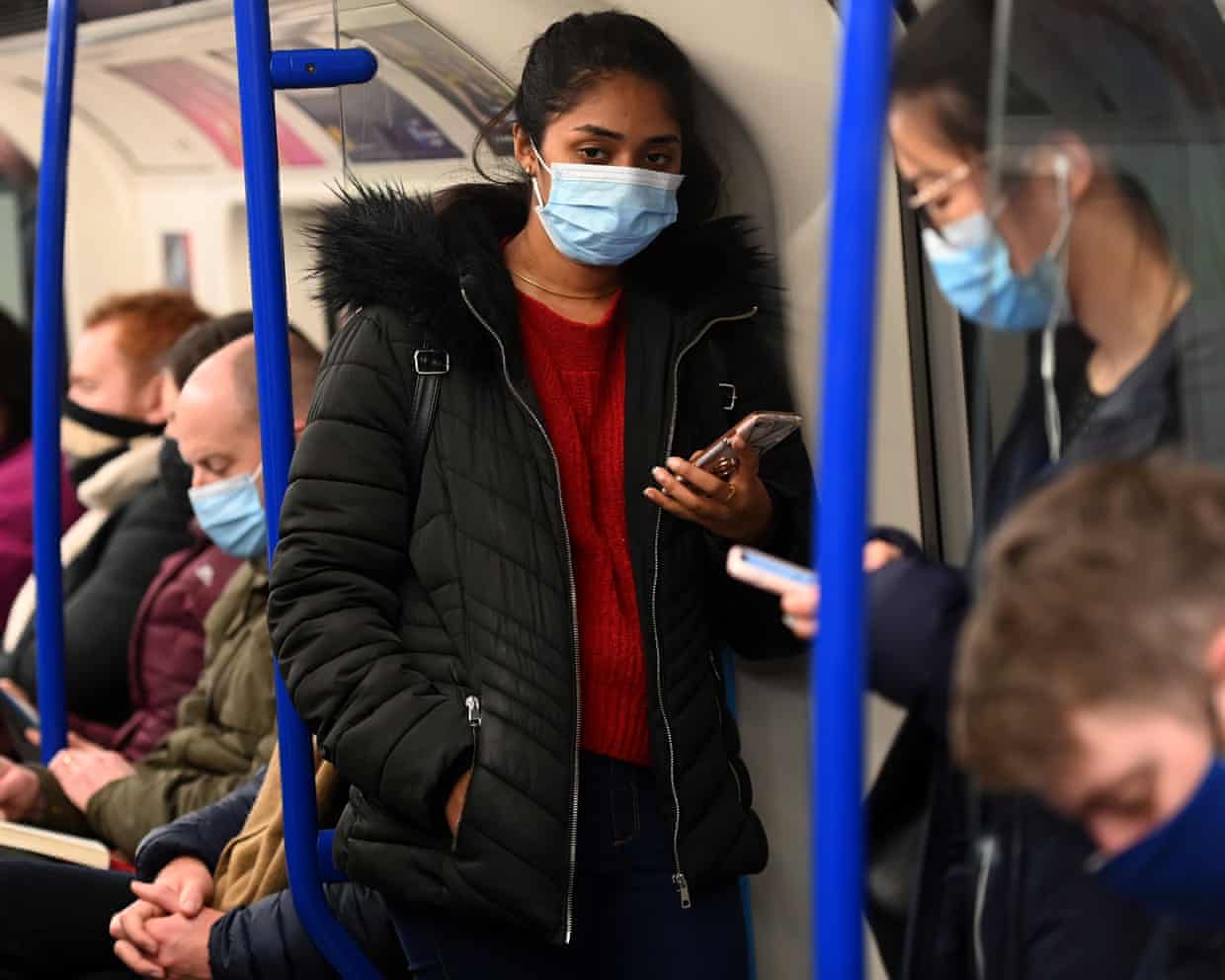
People urged to wear masks when they are ill as UK faces ‘tidal wave’ of flu
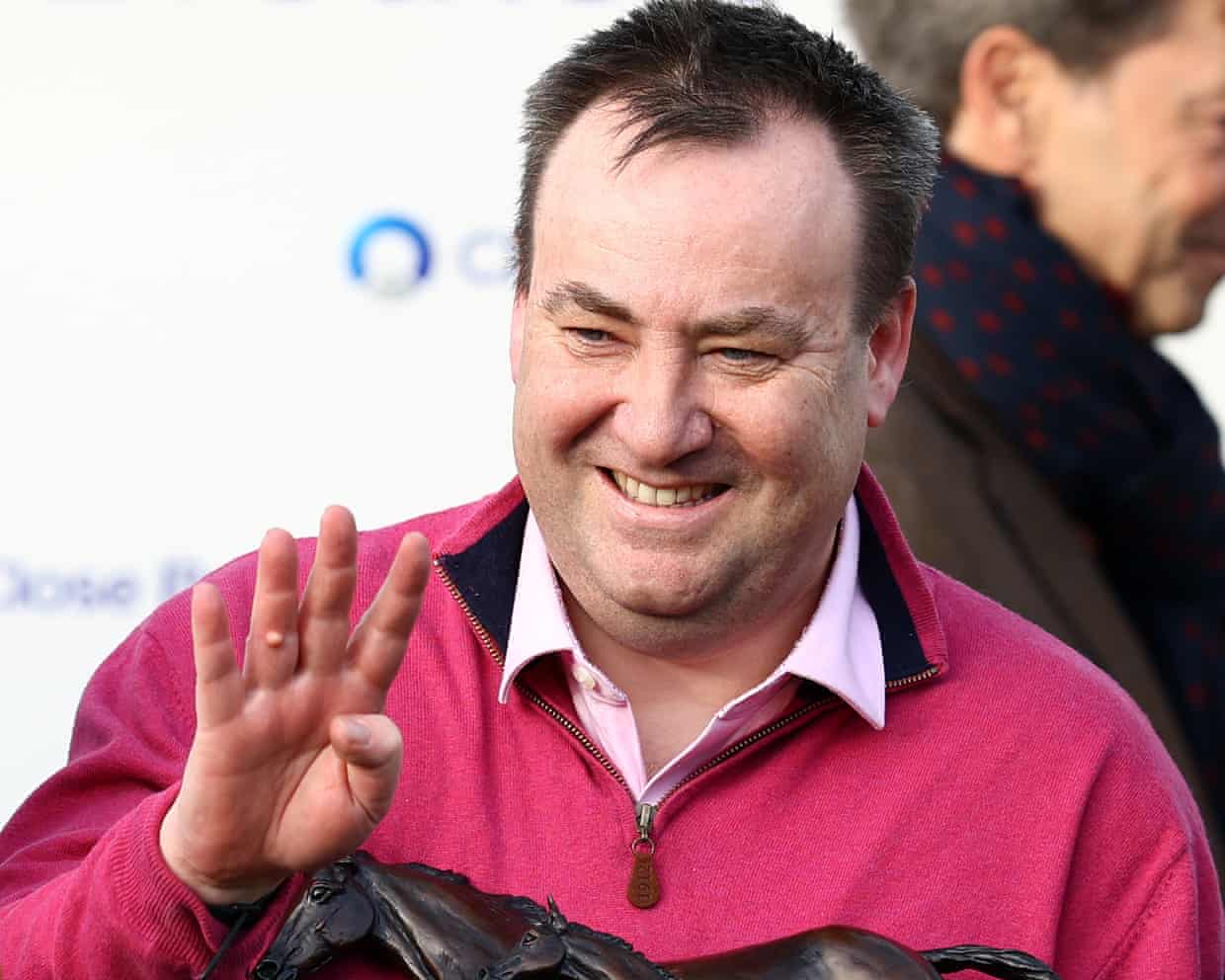
Former betting bosses facing bribery and fraud charges begin lawsuit against Gambling Commission
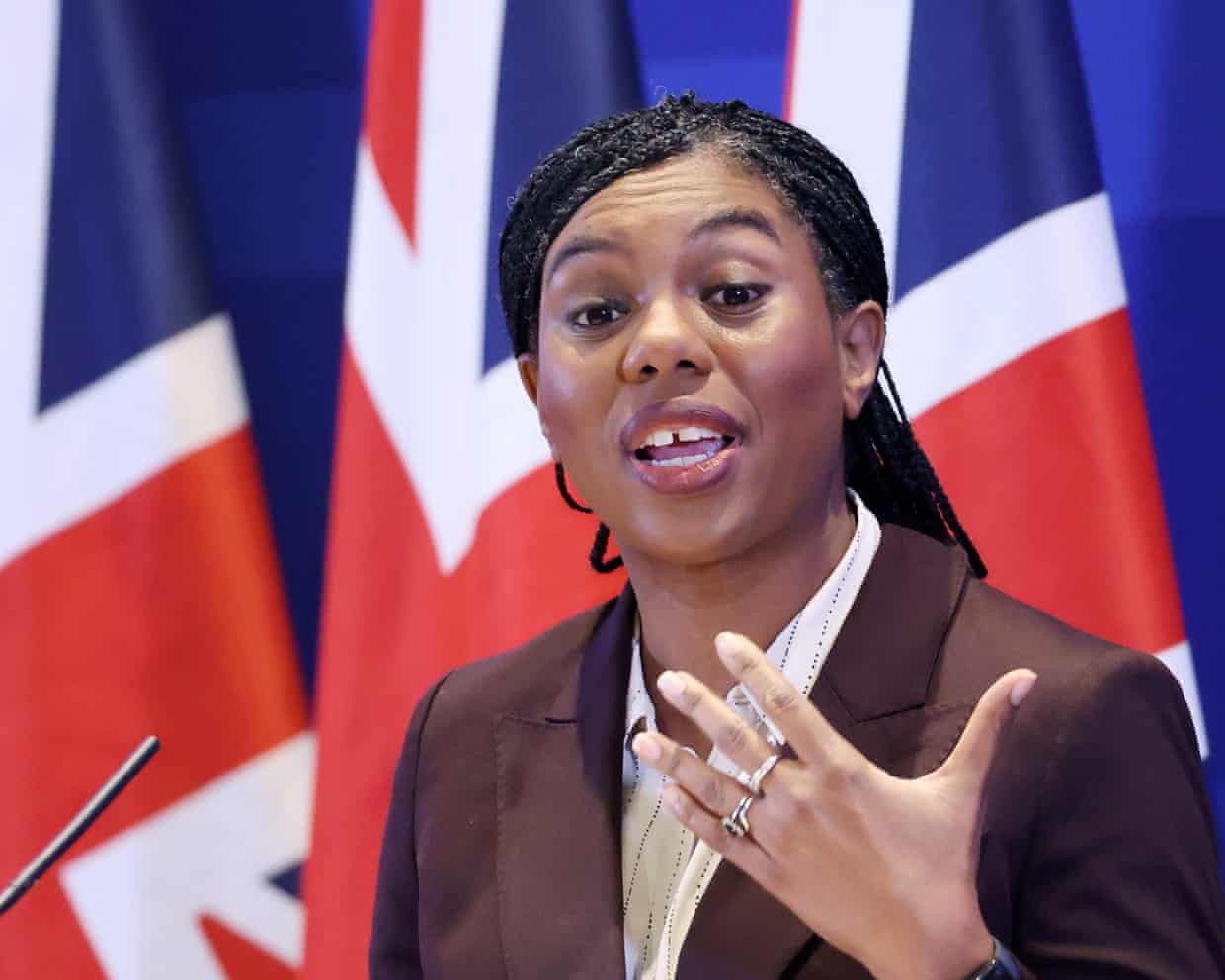
Badenoch announces Tory review of which conditions qualify for benefits
Victims of NHS maternity failings in England ‘received unacceptable care’

ICO promises legal action over ‘traumatic’ UK care-record access

UK charities face ‘culture of fear’ as threats and violence surge