NEWS NOT FOUND
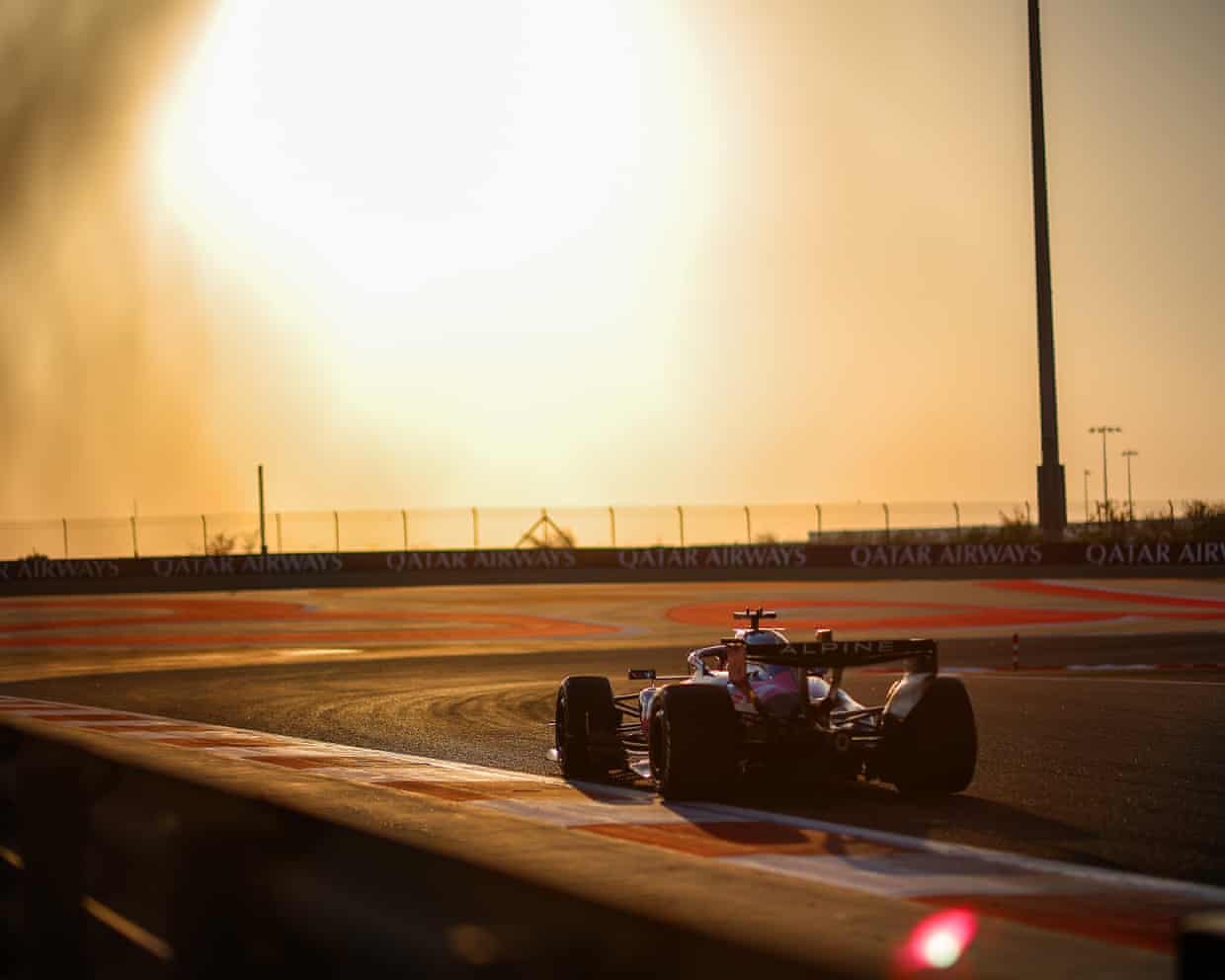
Formula One’s Australian Grand Prix hit by travel chaos amid Middle East crisis
As many as one thousand members of the Formula One circus have been forced into last-minute travel changes to get to Melbourne’s opening round in the wake of the escalating crisis in the Middle East, and some are set to miss the start of the season entirely.However, a larger logistical headache has been narrowly avoided, after the cars and supporting equipment were already shipped from last month’s testing in Bahrain – one of the countries drawn into the conflict – prior to this week’s widespread aviation disruptions.Travis Auld, chief executive of the Australian Grand Prix Corporation, told Channel Nine on Monday the vehicles were already sitting on the main straight at Albert Park in containers, ready to be put into the garages ahead of the Formula One race weekend, which begins with practice on Friday.He added, however, that many staff have had to make new travel arrangements to avoid international airport hubs in places such as Qatar and the UAE which have been hit by Iranian missiles.“You’re talking about teams, drivers, Formula One personnel, I’m guessing there’d be close to a thousand people that would have already booked their flights and would be landing somewhere between today, tomorrow, Wednesday – they had to all be changed
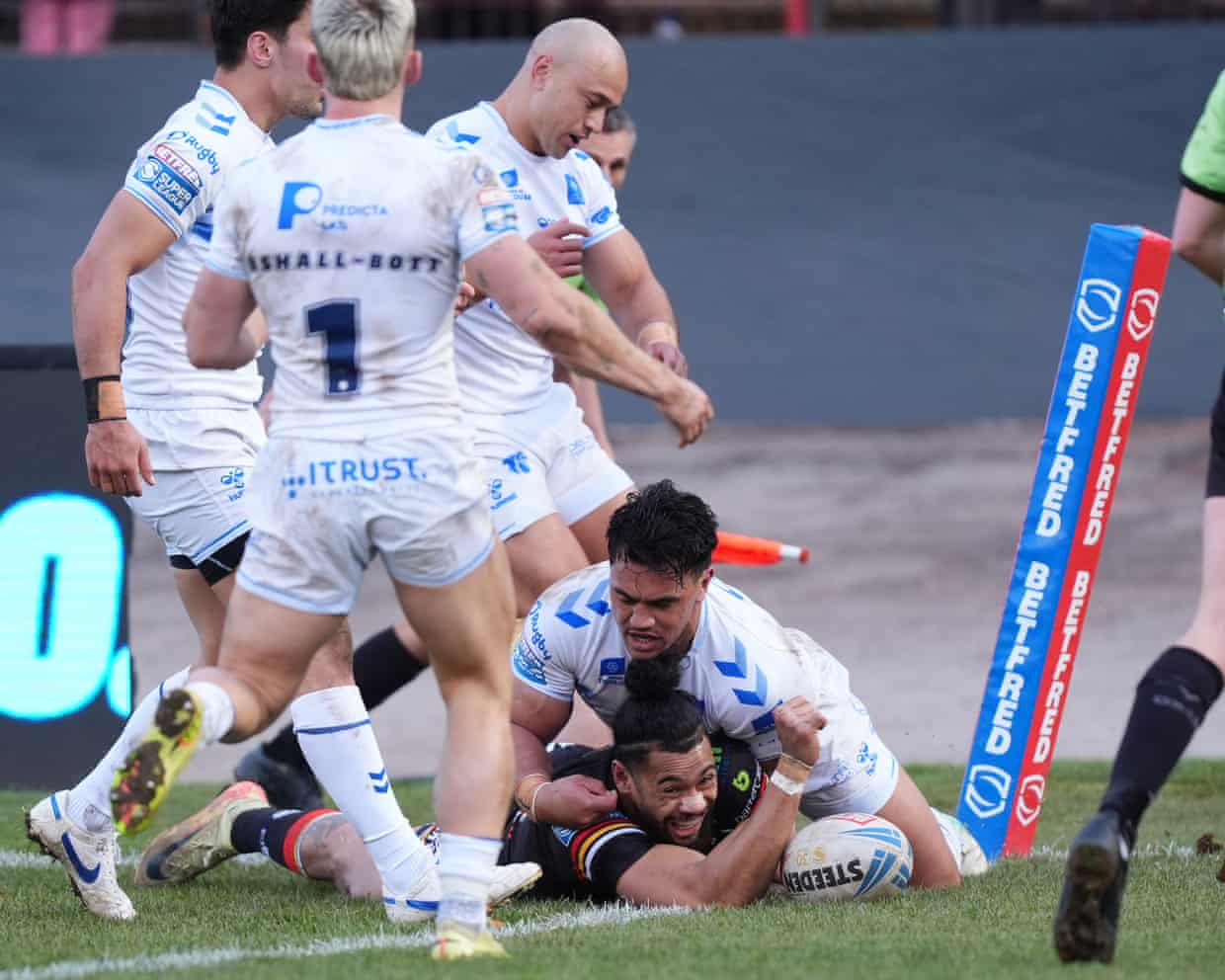
Is 14 the magic number? Promoted trio make instant Super League impact
When the Super League fixtures were released late last year, it was hard not to be drawn to this weekend. Clearly the headline attraction was Leeds Rhinos and Hull KR squaring off in Las Vegas but there was also another game that carried immense intrigue.Super League’s decision last year to expand to 14 teams was met with scepticism, to say the least. The general feeling was that there simply was not enough quality in the Championship, and with Salford Red Devils going into liquidation due to financial problems, the notion of three second‑tier teams coming up at once did not exactly scream of excitement.Which is what made this first meeting between two of those sides one to watch
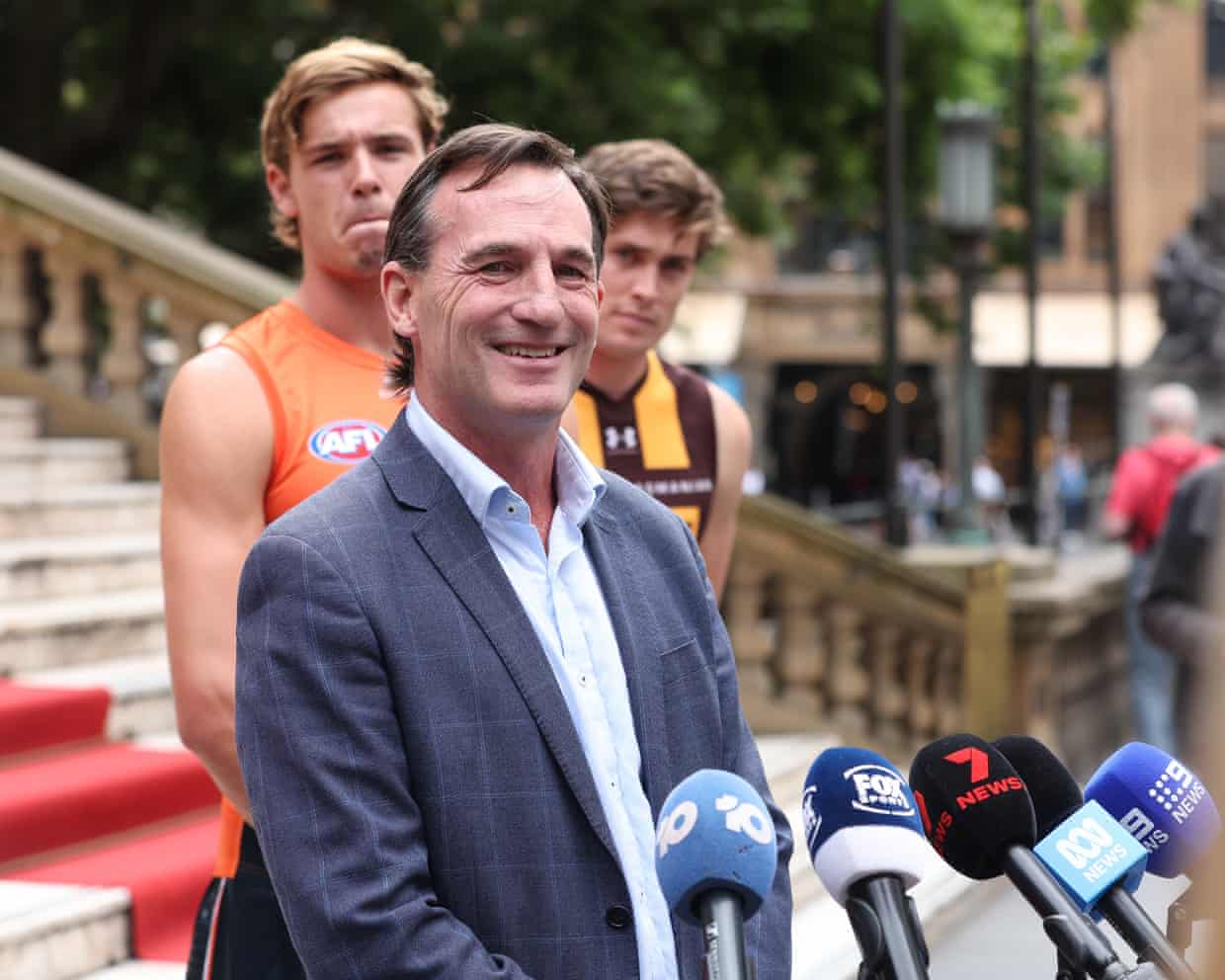
Andrew Dillon reveals AFL’s Olympic-sized ambitions for Brisbane 2032
On the eve of the 2026 season, the AFL boss, Andrew Dillon, has hinted at Olympic-sized plans for the AFL while emphasising Origin and Opening Round are here to stay.Dillon was in Sydney on Monday to promote the Opening Round which includes home games for all four NSW and Queensland clubs and just one match in Victoria, a format which he says has resulted in bumper crowds for round one.“What we’ve found in the last couple of years is that focus on NSW and Queensland is helping to grow awareness in NSW and Queensland and at the same time it hasn’t taken away from our round one,” Dillon said“The last two round ones have been the two highest attended rounds we’ve ever had of over 400,000 – last year 451,000 people attended, a record for round one.”But looking slightly beyond the impending season, Dillon revealed he has grand ambitions for getting Australian rules football on to the Brisbane 2032 Olympics stage.The AFL chief said he had spoken “at a high level” about bringing Australian rules to the Olympics with Brisbane 2032 boss, Andrew Liveris
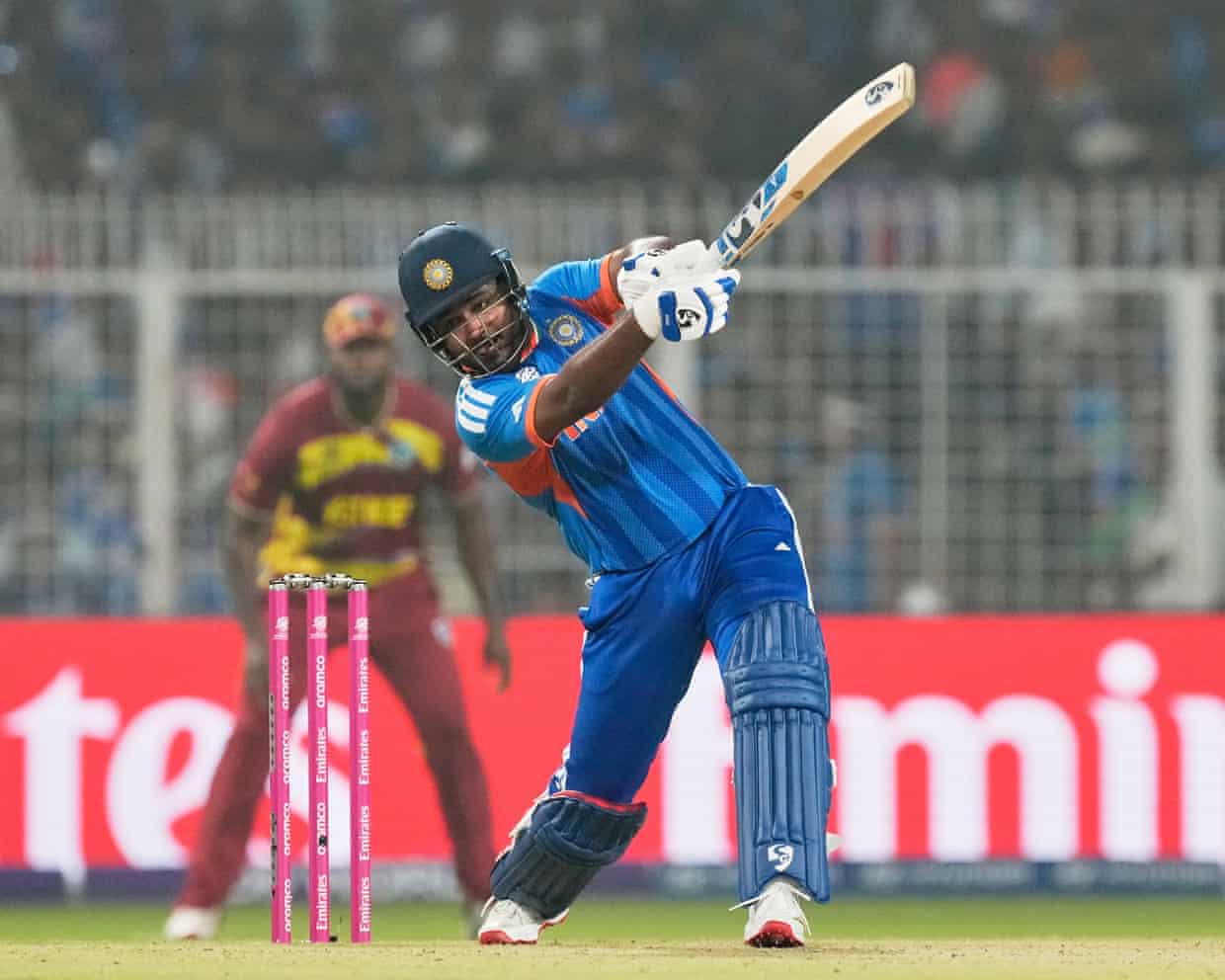
Strongman Samson takes India past West Indies to set up England semi-final
For the third time in three T20 World Cups, England will meet India in the semi-finals, after the co‑hosts beat West Indies in what was in effect a quarter-final on Sunday night to seal their place in the final four and eliminate their opponents.Sanju Samson, who lost his place in the side on the eve of the tournament but who was recalled after India’s humbling Super 8s defeat by South Africa, dramatically rediscovered his touch, batting through the innings to finish unbeaten on 97. Chasing 196, the co-hosts looked in control with the 31-year-old at the crease and fittingly it was Samson who struck the winning runs, lifting his 50th delivery over mid-on to seal victory by five wickets, with four balls remaining.After West Indies were put in to bat Roston Chase, opening for the first time in Twenty20 internationals, powered the start of their innings in partnerships of 68 off 53 with Shai Hope, and 34 off 16 with Shimron Hetmyer – the latter pairing ended when Jasprit Bumrah dismissed both in a single over – while Jason Holder and Rovman Powell added 76 off the last 35 balls. But they were undermined by Hope’s pedestrian innings of 32 off 33 and by a series of fielding errors, including three dropped catches

US Half Marathon Championship ends in chaos as lead runners guided in wrong direction
USA Track & Field has denied an appeal after its Half Marathon Championship in Atlanta ended in chaos.With less than two miles to go in the women’s race, Jess McClain had a significant lead over Ednah Kurgat and Emma Hurley when the guide vehicle took the trio off course. Molly Born, who had been more than a minute behind the leaders, came through to win the race, with Carrie Ellwood and and Annie Rodenfels in second and third. McClain, Hurley and Kurgat finished in ninth, 12th and 13th respectively around two minutes behind Born. Wesley Kiptoo won the men’s race

AFL 2026 predicted ladder part one: Collingwood on a cliff edge as time waits for no one | Jonathan Horn
The Craig McRae-era Magpies play exhilarating football but their age profile makes you wince while other, younger teams are preparing to spikeThe rule changes and AFL adjustments keep coming with the introduction of wildcard round and an extension of the finals series the biggest for many years. But even with 10 clubs playing beyond the home-and-away season for the first time, there will always be teams heading in the wrong direction or simply well off the pace.In the first of a three-part series on 2026 predictions, here’s how we see the bottom part of the ladder playing out.Wooden spoon predictions are rarely brimming with optimism. But this is a great time to be a Richmond person
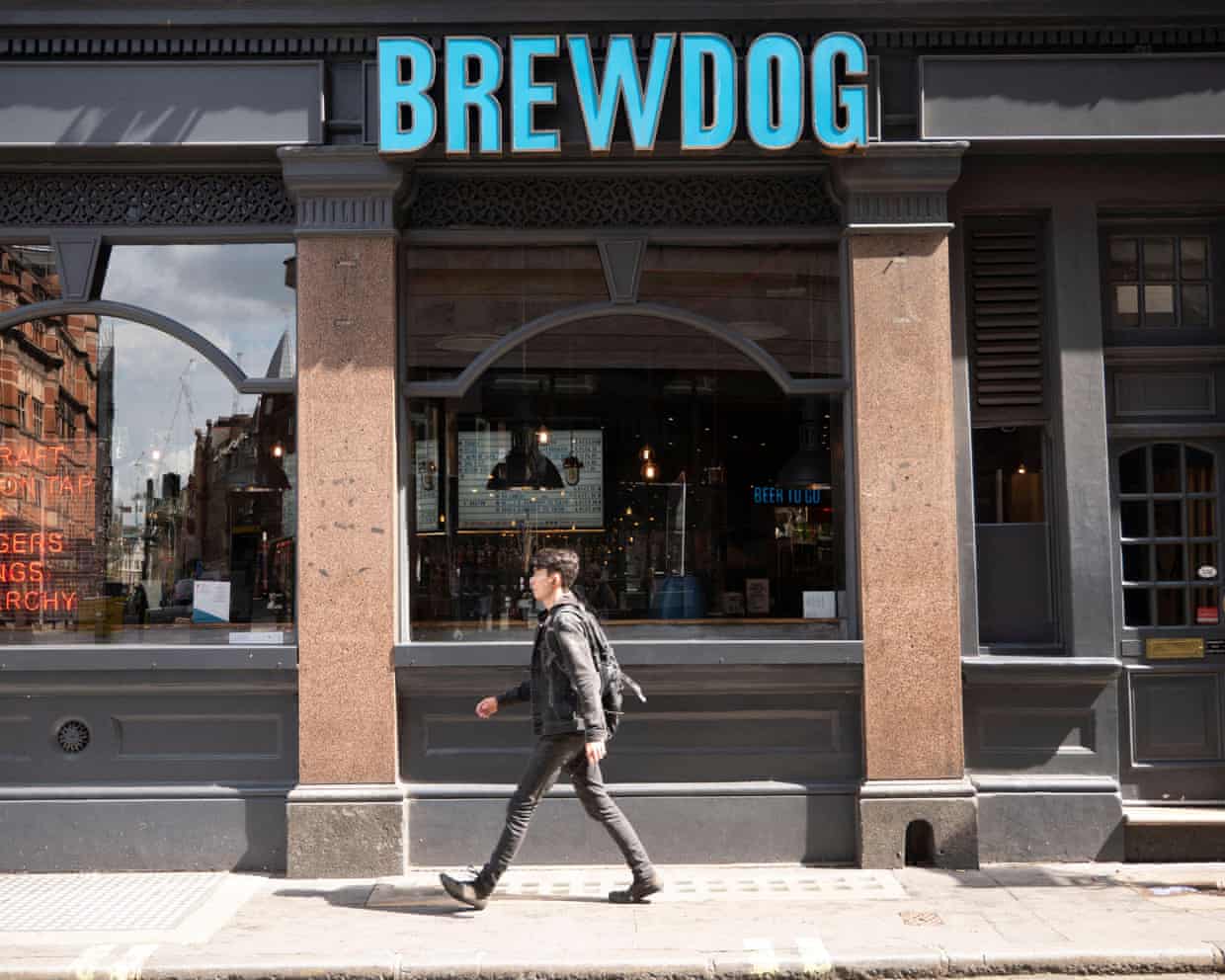
BrewDog bought by US cannabis and drinks firm for £33m, costing nearly 500 jobs

McDonald’s CEO’s awkward taste test sparks mocking online: ‘His aura screams kale salad’
FTSE 100 share index records biggest fall since November as Iran war drives up oil and gas prices – as it happened
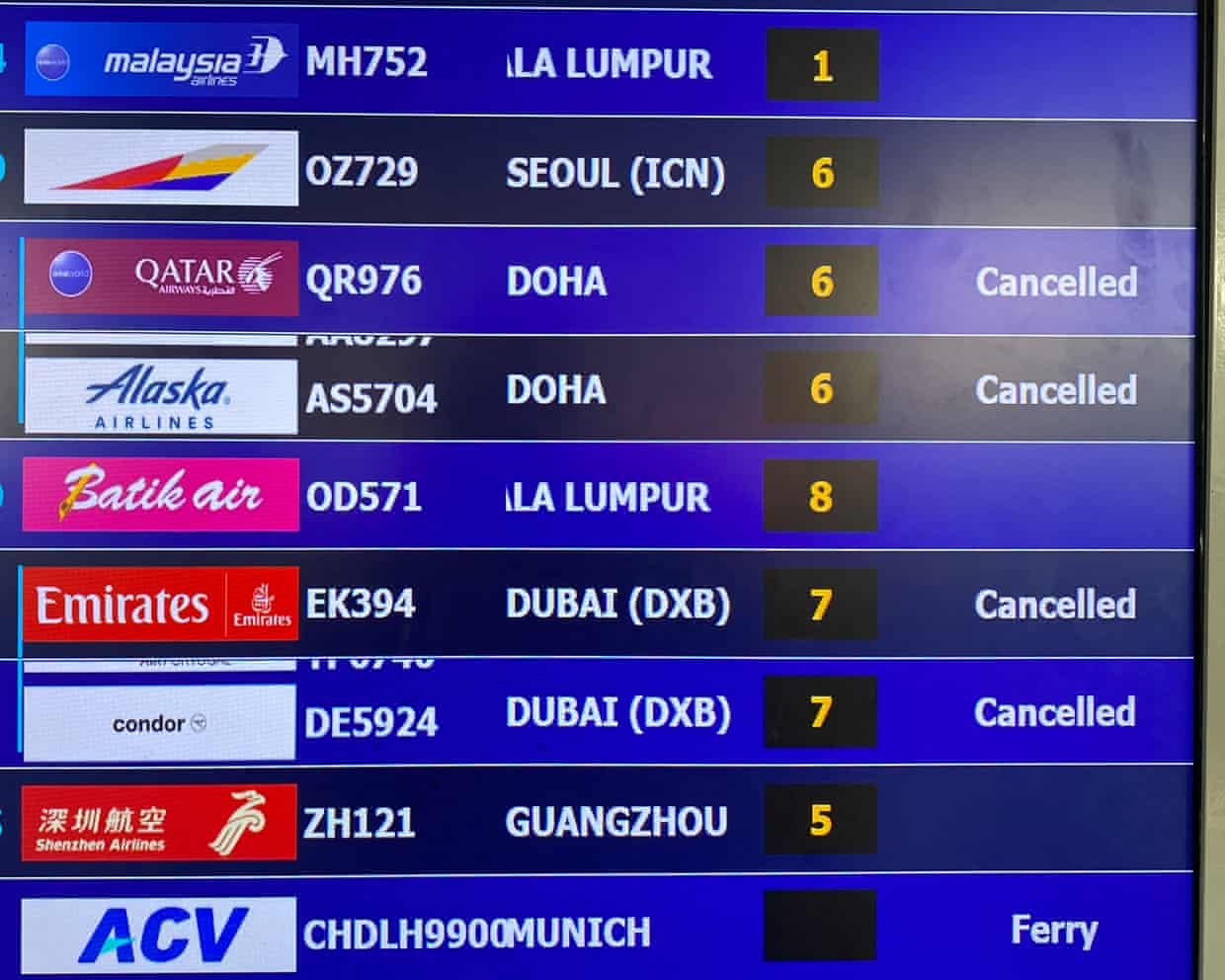
What to do if your flight is cancelled due to the US-Israel war on Iran

UK competition watchdog investigates hotel groups over alleged data sharing
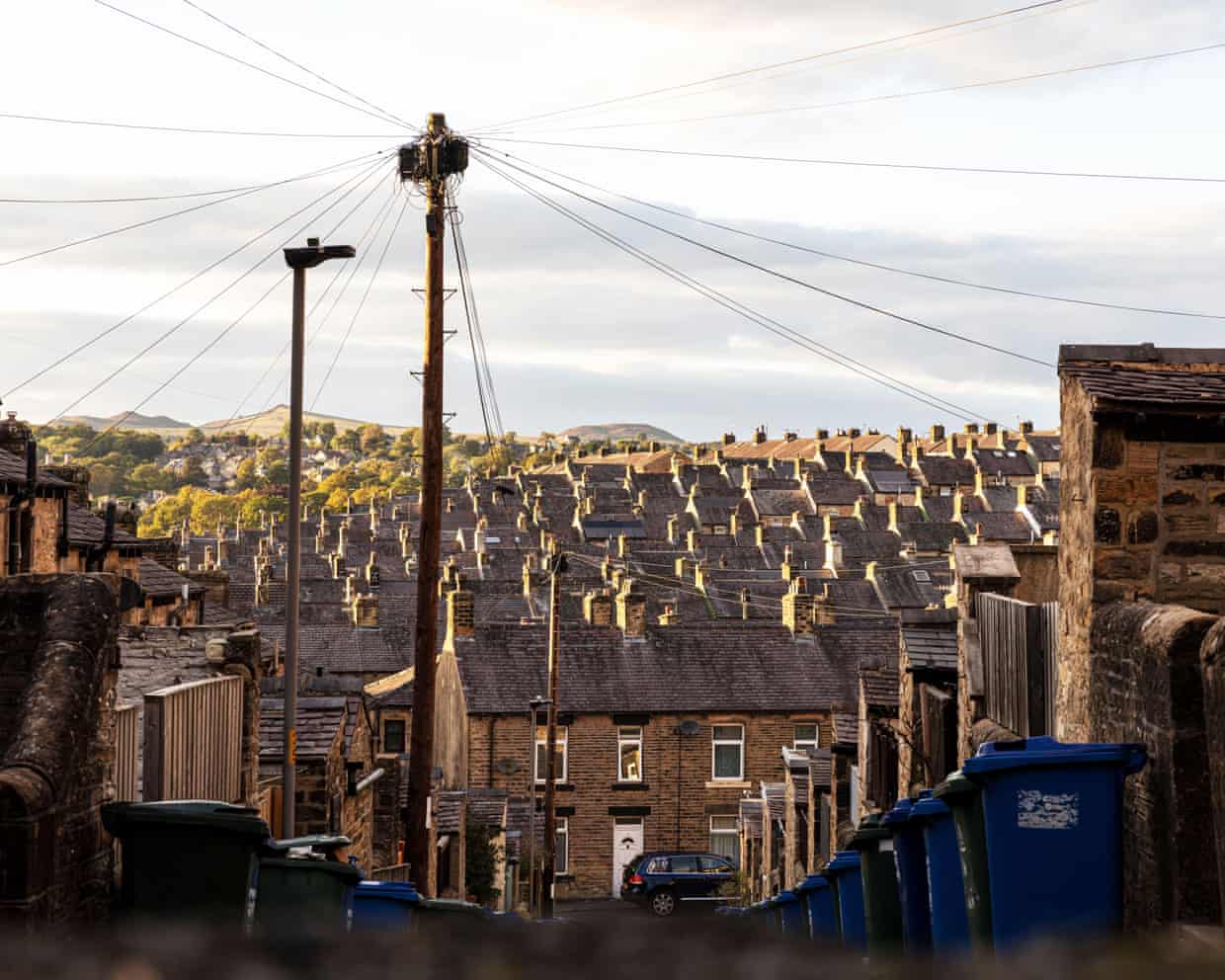
UK house prices rise in February as chancellor avoids ‘negative speculation’