Leading tennis players including Djokovic and Sabalenka unhappy with French Open prize money
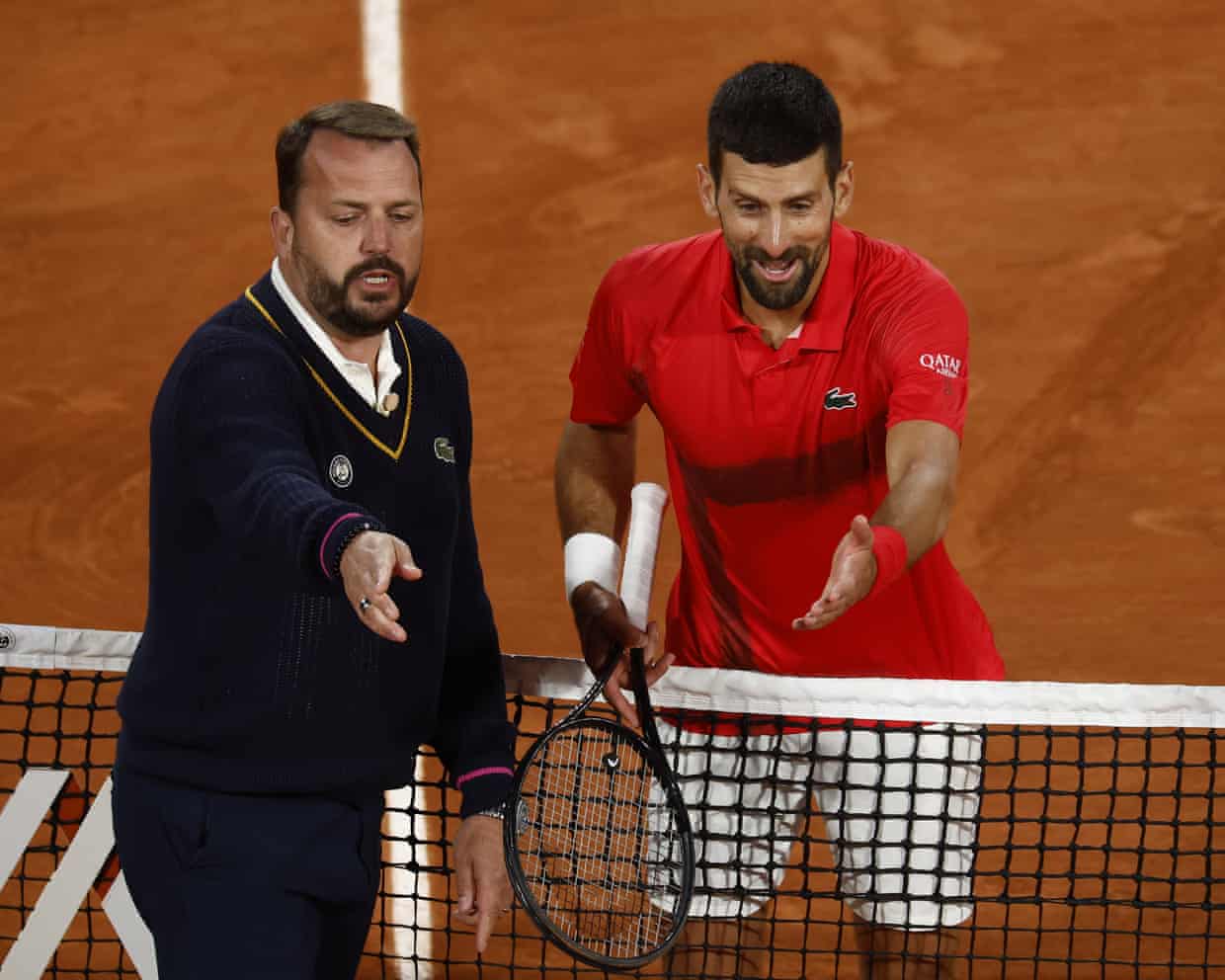
A group of the world’s top 20 male and female players, including Novak Djokovic, Jannik Sinner, Aryna Sabalenka and Coco Gauff, have released a joint statement expressing their disappointment at the level of prize money on offer at the French Open later this month.The top players have been in dispute with all four grand slams for more than a year, as they feel they are given an insufficient share of each tournament’s increasing revenues, while they are also calling for enhanced welfare and pension provisions and a greater say in determining the schedule.The French Open last month announced a 9.5% increase in the prize money at Roland Garros to €61.7m (£52.
6m), with the men’s and women’s winners to receive €2,8m, but the players remain unhappy,The increase is significantly less than the 20% rise at the US Open last year, while the players claim that, as a percentage of revenues, the prize fund is being reduced,“Roland Garros generated €395m in revenue in 2025, a 14% year-on-year increase, yet prize money rose by only 5,4%, reducing players’ share of revenue to 14.
3%,” they said in a statement,“With estimated revenues of more than €400m for this year’s tournament, prize money as a percentage of revenue will likely still be less than 15%, far short of the 22% that players have requested to bring the grand slams into line with the ATP and WTA tours,As Roland Garros looks to post record revenues, players are therefore receiving a declining share of the value they help create,“More critically, the announcement does nothing to address the structural issues that players have consistently and reasonably raised over the past year,There has been no engagement on player welfare and no progress towards establishing a formal mechanism for player consultation within grand-slam decision making.
“The grand slams remain resistant to change,The absence of player consultation and the continued lack of investment in player welfare reflect a system that does not adequately represent the interests of those who are central to the sport’s success,”Having issued a collective statement a number of players, including the Americans Ben Shelton and Jessica Pegula, are expected to make further criticisms of the grand slams at the Italian Open, which starts in Rome this week,
Investment or waste? How the M4 relief road plan for Newport sums up Wales’s economic quandary
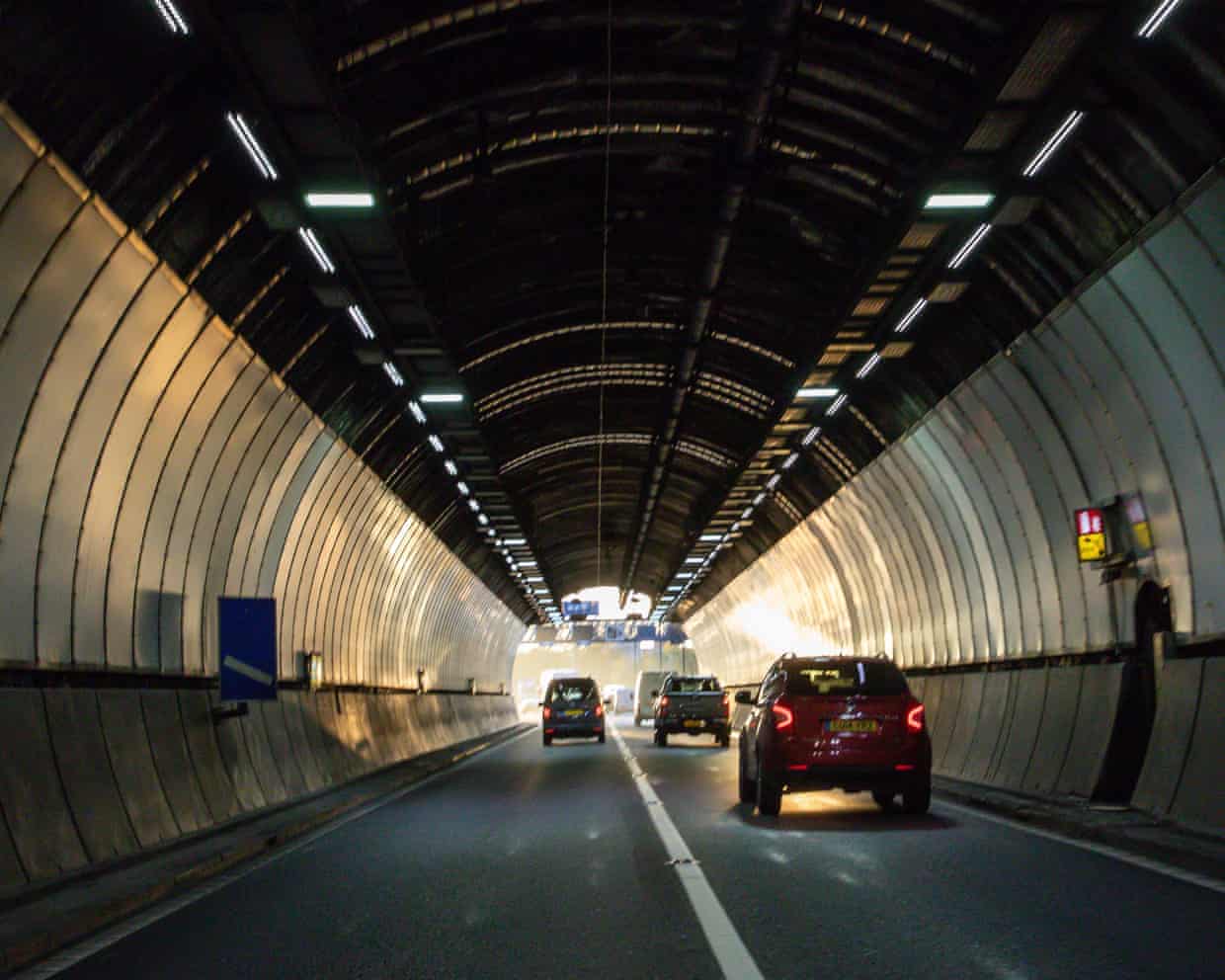
It is afternoon rush hour on the M4 and drivers are yet again making slow progress around the city of Newport, often seen as the gateway to south Wales given its location between Cardiff and Bristol.Cars and lorries are stuck in gridlocked traffic in both directions on the approach to the Brynglas tunnels, where the road narrows to two lanes in each direction, while flashing lights warn motorists in Welsh and English of a ciw (queue).Traffic jams may be an everyday reality for commuters and businesses trying to move goods around, but they have also become a hotly debated topic before the Senedd elections on 7 May, in a vote predicted to bring sweeping political change to the principality, and send Labour into opposition for the first time since devolution in 1999.Congestion on this part of the M4 – the main route linking south Wales with England – has been complained about by businesses and commuters for decades, while a relief road around Newport has been proposed for almost as long. Motorists say tailbacks cost time and money, and make the country less attractive to potential investors

Trump may not be a fan of clean energy but Iran war is accelerating global shift from oil and gas | Heather Stewart
Operation Epic Fury has thus far achieved none of Donald Trump’s war aims, but it may well accelerate the global transition towards the clean energy he loves to hate.Last week brought the latest exchange of verbal blows in the standoff over the strait of Hormuz. Iran was “choking like a stuffed pig” on the oil it was unable to export because of the US blockade, Trump claimed.From Tehran, the supreme leader shot back that foreigners who “maliciously covet” the waterway “have no place there except at the bottom of its waters”. To the rest of the world, the exchange raised the spectre of a prolonged impasse

AI facial recognition oversight lagging far behind technology, watchdogs warn
Britain’s biometrics watchdogs have warned that national oversight of AI-powered face scanning to catch criminals is lagging far behind the technology’s rapid growth.With the Metropolitan police almost doubling the number of faces they scan in London over the past 12 months and a rising use of the technology by retailers in the UK, Prof William Webster, the biometrics commissioner for England and Wales, said the “slow pace of legislation was trying to catch up with the real world” and “the horse had gone before the cart”.Dr Brian Plastow, who holds the same role in Scotland, warned the technology was “nowhere near as effective as the police claim it is” and said there was a “patchwork legal framework” throughout the UK. He said in England and Wales, police were “really just marking their own homework”.The watchdogs said new laws were needed to govern when and how police forces used live facial recognition technology, with a new regulator to clamp down on misuse

Guilty until proven innocent: shoppers falsely identified by facial recognition system struggle to clear their names
When Ian Clayton, a retired health and safety professional from Chester, popped into Home Bargains one February lunchtime, he was suddenly approached by a stern-looking member of staff.“Excuse me, can you please put everything down and leave the shop now?” she said. Clayton recalled how he was stunned, and it was only as he was briskly walked past the tills towards the exit that he stopped to ask what he had done.“You’ve come up on our system called Facewatch as a shoplifter,” came the reply. “There’s a poster in the window
‘A missing generation’: why are there are no female head coaches in Women’s Six Nations?
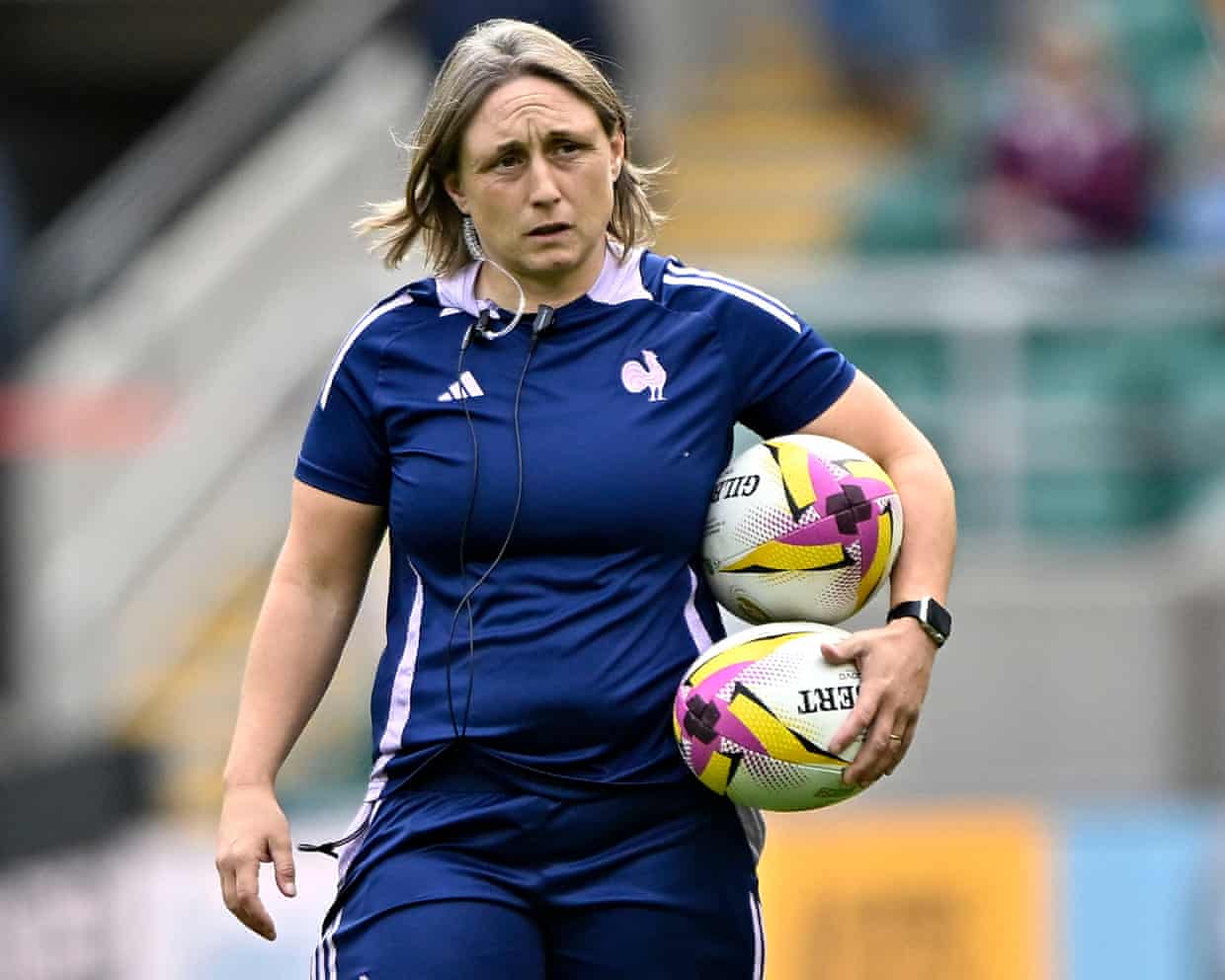
A 10-point plan will be introduced by Premiership Women’s Rugby next season that aims to increase the number of female coaches at international level, with only one top-10 nation currently being led by a woman.The scheme aims to create a springboard for more women at the elite tier of the sport, where there is a glaring lack of diversity among top coaches. Whitney Hansen is in charge of New Zealand, but, Jo Yapp and Gaëlle Mignot stood down from their positions after last year’s Rugby World Cup, with the Wallaroos and France respectively.At the groundbreaking 2025 tournament there were three female head coaches, but there are none in the 2026 Women’s Six Nations. At PWR clubs all the head coaches are men, and of the 22 women coaching in the league, just six hold senior roles

Relay team grab bronze at worlds on another red letter day for Australian athletics
Australia secured a thrilling bronze and ran the sixth-fastest men’s 4x400m time in history at the World Athletics Relays in Botswana, on a day the country proved its pedigree in the team-based format.The team of Luke van Ratingen, Reece Holder, Thomas Reynolds and Aidan Murphy pushed home heroes Botswana and South Africa right to the line in a marvellous contest that was not settled until the final metres.Their time of 2:55.20 broke the Australian record they set in the preliminary round the previous day, and would have won gold at every Olympics apart from Paris 2024, when the United States held off Botswana.The time set by the United States’ 1993 world championship-winning team, anchored by Michael Johnson, remains one of athletics’ longest-standing marks

Helen Goh’s springtime spinach sponge cake with cream cheese icing – recipe | The sweet spot
Why we care so much about preserving family recipes
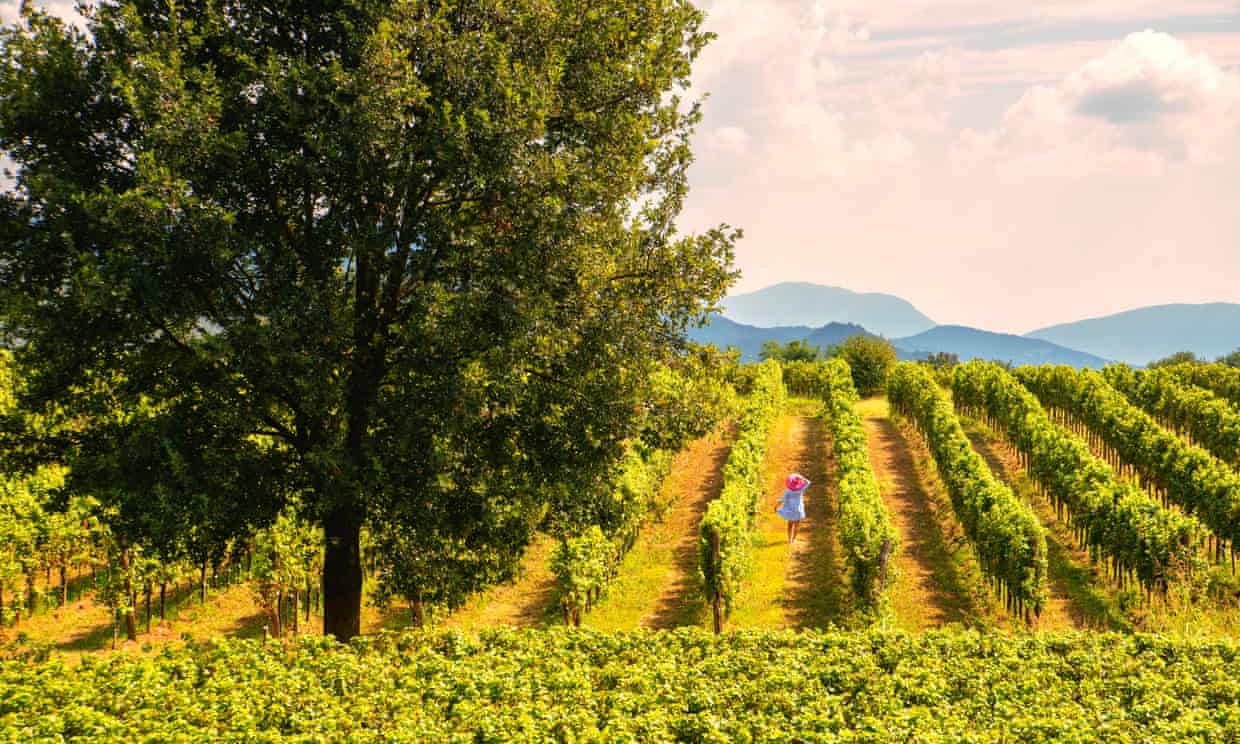
When it comes to wines, it pays to look beyond the fashionable

Rachel Roddy’s recipe for spaghetti with crab, chilli, herbs and lemon | A kitchen in Rome

How to turn old pitta into spiced chips – recipe | Waste not

Why sweet, chewy dates go perfectly with chocolate – and the best ones to try