Trump may not be a fan of clean energy but Iran war is accelerating global shift from oil and gas | Heather Stewart
Operation Epic Fury has thus far achieved none of Donald Trump’s war aims, but it may well accelerate the global transition towards the clean energy he loves to hate,Last week brought the latest exchange of verbal blows in the standoff over the strait of Hormuz,Iran was “choking like a stuffed pig” on the oil it was unable to export because of the US blockade, Trump claimed,From Tehran, the supreme leader shot back that foreigners who “maliciously covet” the waterway “have no place there except at the bottom of its waters”,To the rest of the world, the exchange raised the spectre of a prolonged impasse.
Meanwhile, the International Energy Agency’s energy crisis tracker now lists almost 40 countries that have taken emergency action in the face of soaring oil and gas prices, from Laos shortening the school week to three days to Nepal calling for cooking gas cylinders to be half filled,Even for high-income countries such as the UK, the impact will be painful, as the Bank of England’s latest forecasts laid bare last week,In developing countries, it may be catastrophic, as the costs of energy and fertiliser soar,Yet while the immediate outlook is bleak, this fossil fuel crisis is also hastening the inevitable global shift away from oil and gas and the toxic geopolitics they create,In the aftermath of the 1970s oil shocks, hard-hit western states sought to diminish their reliance on a resource whose supply had been shown to be contingent on the whims of the producers’ cartel Opec.
That meant introducing car fuel efficiency standards, and a drive for nuclear power in Japan and France, for example, as Kate Mackenzie wrote in a recent article for the Break-down on this process of “demand destruction”.Fifty years on, low-cost, clean substitutes for many uses of fossil fuels are much more easily and cheaply available.As Mackenzie says: “About 45% of crude oil consumed worldwide is used for road transport, much of which is increasingly cheap to electrify.”Carmakers have reported sharp increases in demand for electric vehicles in the face of the Iran war: Renault’s UK boss has called it a “seismic shift”.Across continental Europe, demand in March was 51% higher than a year earlier.
At government level, too, there is a renewed concern with reducing the grip of oil and gas, given the now obvious fact that free passage through the strait cannot be taken for granted.Many contradictory reasons were advanced for the United Arab Emirates’ surprise departure from Opec last week but perhaps one motivation is to ramp up supplies and shift as much oil and gas as possible, in the remaining years of the fossil fuel era.In a dispatch from the CERAWeek energy conference in Texas earlier this month, the commodities analyst Nick Birman-Trickett compared the likely long-term impact of the current shock with the lessons learned by countries hit hard by the 1997-98 sovereign debt crises.That tumultuous period of defaults and devaluations sparked a determination among emerging economies, including China, to salt away significant foreign currency reserves as a buffer against future crises – and favour export-led growth to build up the necessary surpluses, with knock-on effects across the global economy.Similarly, long after the Middle East conflict is over, Birman-Trickett said: “Governments that survive will take the logic of reserve accumulation and apply it to energy, energy security, and foreign policy in new ways.
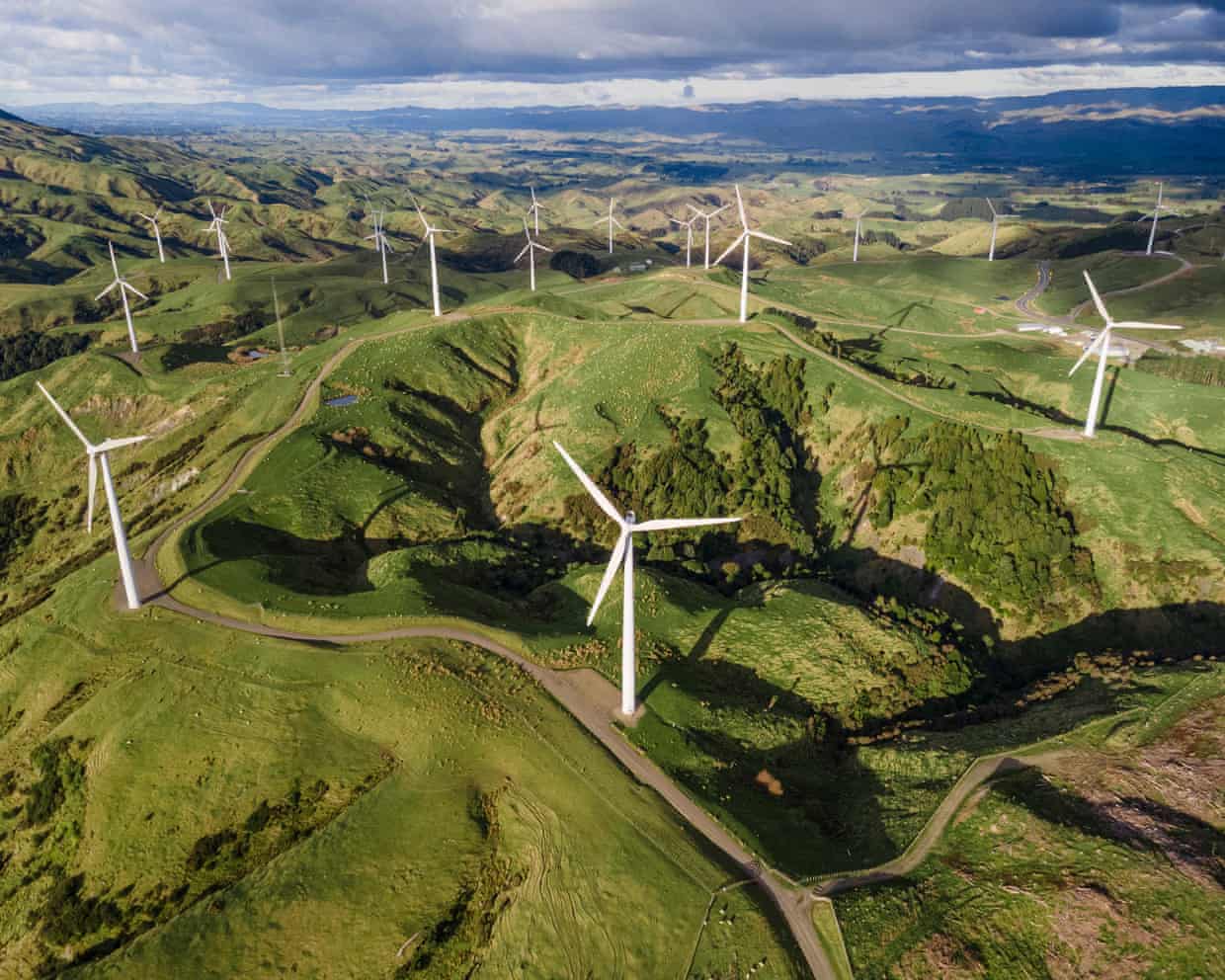
”In today’s world economy, where substitutes for hydrocarbons are readily available, that will mean “building out as much solar, wind, battery, and nuclear capacity as fast as possible”,Some countries already seem to be taking exactly that lesson from the crisis,As the South Korean president, Lee Jae Myung, put it recently: “It’s a situation so serious that even I can’t sleep,South Korea needs to transition to renewable energy quickly,If we rely on fossil energy, the future will be extremely risky.
”In Vietnam, plans for a massive new liquefied natural gas terminal have been shelved, and proposals submitted for a renewables project instead.And there is growing optimism about the practicalities.An upbeat recent research note about soaring solar power in India from the consultancy Ember suggested the country is managing to switch to renewables at a lower level of fossil fuel use than China.Solar accounted for 9% of Indian electricity generation last year, up from only 0.5% a decade earlier, while on the roads, Indian consumers are the world’s leading buyers of electric three-wheelers.
“Cheap solar and batteries are enabling India to develop without the long fossil detour taken by the west and China,” Ember says.Pakistan was already in the grip of a rooftop solar boom before the Iran war, driven in part by the last energy shock in 2022.But thinktanks now expect take-up to increase further as households scramble to cushion the blow of soaring utility prices.The dash to renewables will be a boon for China, the “electrostate” that leads the world in manufacturing solar panels, batteries and cut-price electric vehicles.This was not, presumably, among Trump’s intentions when he unleashed the bombers on Iran.
Back in the US, Trump has unpicked support for clean power and likes to rant about the glories of coal and the ugliness of “windmills”.But like Britain’s involvement 70 years ago in the Suez crisis, another shameful conflict over a maritime chokepoint, Trump’s actions appear more revealing of US weakness in a shifting geopolitical era, than its strength.

Woman’s fight for sterilisation raises questions over access to procedure
A psychologist who was denied sterilisation on the NHS has successfully challenged the decision after taking her case to the health ombudsman, raising questions over how accessible the procedure should be.Leah Spasova spent years seeking an operation to prevent pregnancy by blocking the fallopian tubes. Many argue that barriers faced by women, from funding refusals to stricter eligibility criteria, amount to unequal treatment compared with men seeking vasectomies, and limit bodily autonomy.However, others say tighter controls reflect legitimate medical concerns, including the procedure’s relative risk, its permanence, and evidence that some patients later regret the decision.In 2024-25, 10,793 female sterilisations were carried out, down 22% on a decade ago, while there were 26,385 vasectomies, up 16% year on year
‘I am invoking Martha’s rule’: how a woman saved her father from near death in hospital
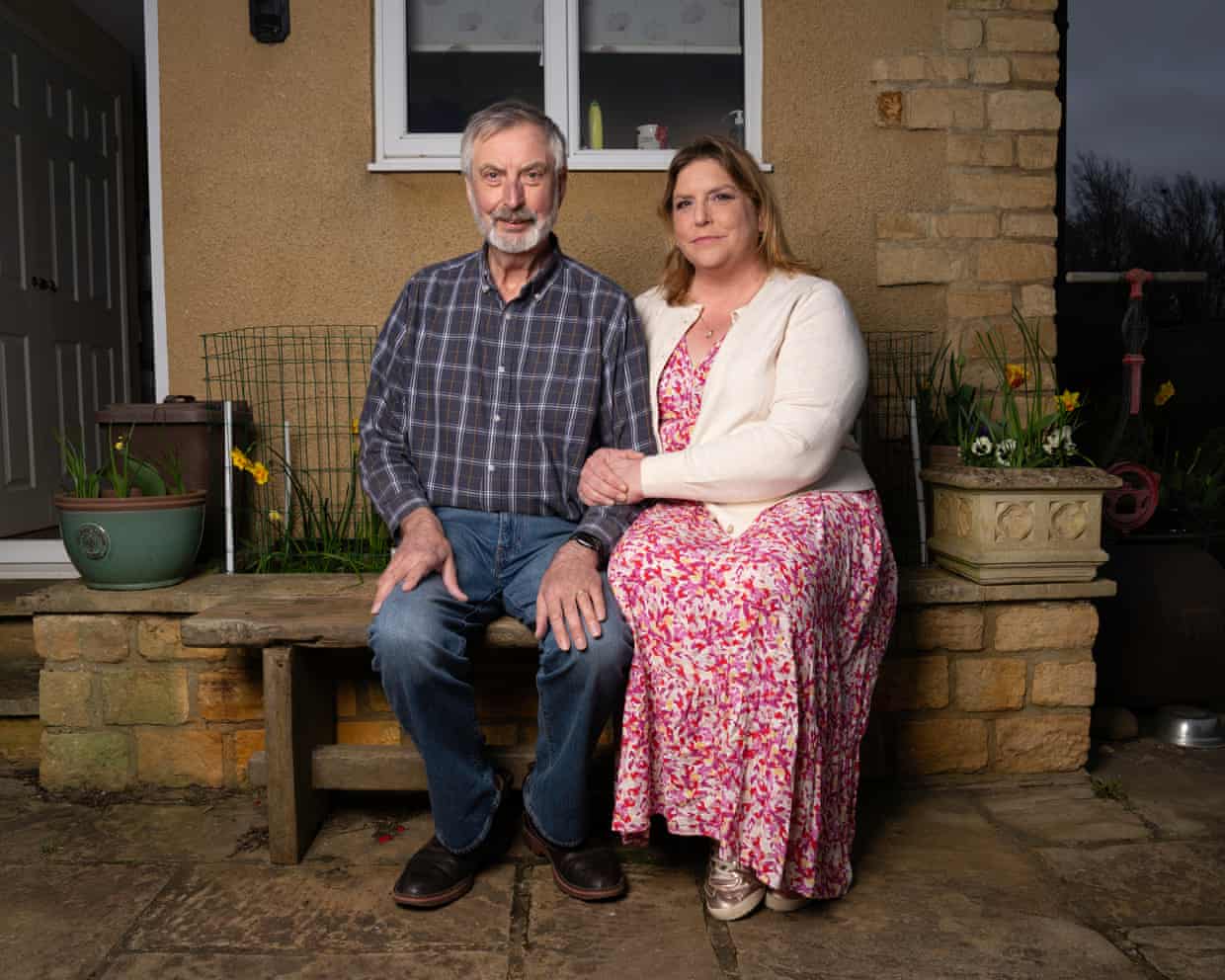
For six awful days last summer, as her father, David, got progressively sicker in the cardiac ward of the John Radcliffe hospital in Oxford, Karen Osenton would read the poster above his bed telling patients about their right under Martha’s rule to ask for a second opinion.Her father, a retired engineer in his early 70s who was normally extremely fit, was by then thin, jaundiced and could barely lift his head from the pillow. But his bed was right beside the nurses’ station, surely they would notice if he needed more urgent treatment?David had first gone to his GP more than a month earlier complaining of extreme breathlessness, and over the following weeks he had become increasingly thin and weak with suspected heart failure. But it had taken repeated visits to the accident and emergency ward, being sent home each time, before he was finally given a bed in a specialist cardiac unit last July.“Every day we saw him he got worse,” says Karen, a teacher from Aynho, in West Northamptonshire

Martha’s rule may have saved more than 500 lives in England since 2024
More than 500 people have received potentially life-saving care thanks to Martha’s rule, which gives hospital patients the right to seek a second opinion about their health.They were moved to intensive care or a specialist unit after they, a loved one or a member of NHS staff triggered the patient safety mechanism, which the NHS in England began using in 2024.Martha’s rule lets patients, relatives and staff call a helpline run by the hospital if they are worried about the person’s condition or treatment and ask for a “rapid review” of their care.In the 18 months between September 2024 and February 2026, a total of 524 adults and children about whom concerns had been raised were moved to an intensive care or high-dependency unit, a specialist hospital or a specialist ward at the hospital where they were already an inpatient.Wes Streeting, the health secretary, said the figures proved that Martha’s rule is “already having a life-saving impact”

Solicitors report late flood of no-fault evictions before ban in England
Solicitors say they have been inundated with requests to serve last-minute section 21 no-fault eviction notices before they are banned when the Renters’ Rights Act comes into force in England on Friday.The legislation, which has been hailed as the biggest change to renting in a generation, bans no-fault evictions, limits rent increases and abolishes fixed-term tenancies.On the eve of the new rules, solicitors said they were working long hours to keep up with the sudden demand for eviction notices, while Citizens Advice said thousands of people facing a no-fault eviction had approached it for help in the last month.In March, the service helped 2,335 people dealing with a no-fault eviction, up 16% on the same time last year, as well as more than 1,800 people dealing with disrepair such as damp and mould, and more than 1,000 with rent increases.Thackray Williams, a London- and Kent-based law firm, said it had received a wave of last-minute instructions from landlords looking to evict their tenants and sell their properties because of the legislation
Why routine cancer tests have age limits | Brief letters
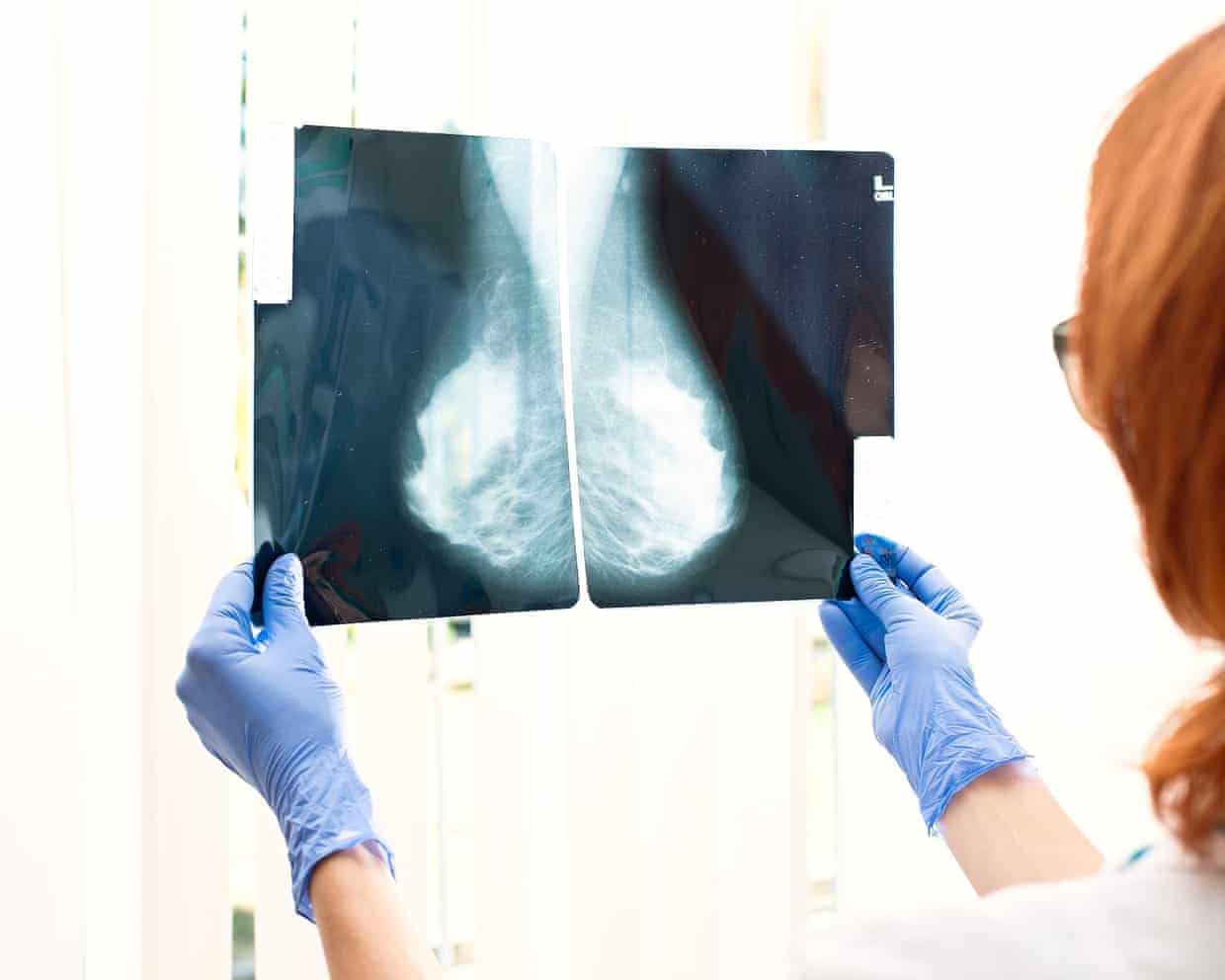
Jane Ghosh asks why the NHS’s routine screening for bowel and breast cancer has upper age limits (Letters, 28 April). Screening – testing because of risk, not symptoms – stops when the chance of helping you drops below the chance of harming you. Diagnostic testing is done at any age.Dr John Doherty Stratford-upon-Avon, Warwickshire Re Jane Ghosh’s letter about the NHS stopping routine bowel and breast cancer testing after the early 70s, it’s important to know that people over the age thresholds can request a bowel cancer test every two years or breast cancer screening every three years. Remembering to do so is a different story
Raise tax on alcohol and junk food to cut deaths from liver disease, experts say
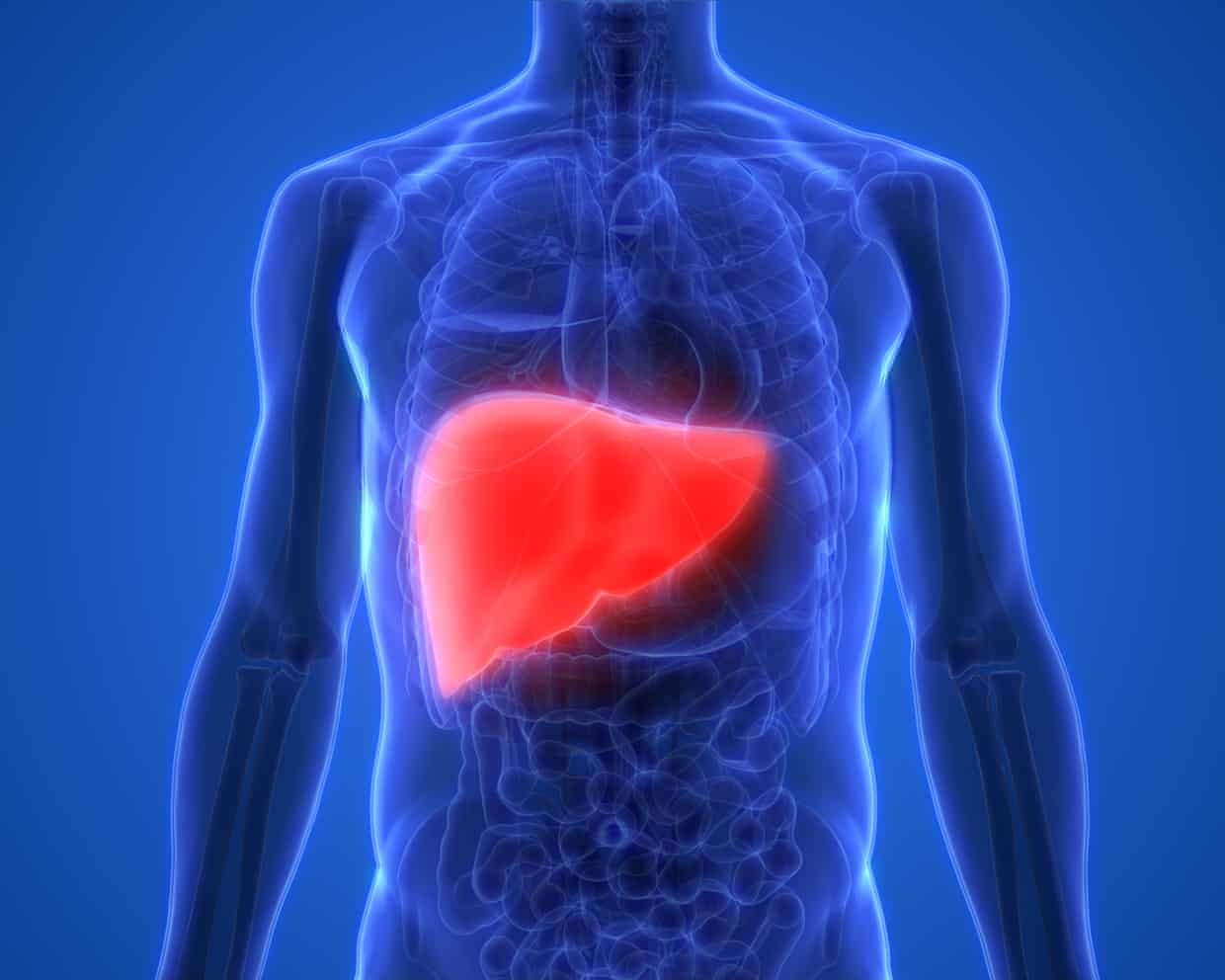
Governments in Europe should impose much higher taxes on alcohol and unhealthy food to tackle the continent’s 284,000 deaths a year from liver disease, experts say.Taxes on those products should rise sharply enough for the money raised to cover the huge costs they place on health services, the criminal justice system and social services.The call for tough action on common causes of serious liver disease comes from a commission of experts from the European Association for the Study of the Liver and the Lancet medical journal.They are urging governments in Europe to ensure all alcoholic products carry health warnings and stop under-18s being targeted with online advertisements for alcoholic drinks and junk food.Bold steps are needed to combat “an escalating and unsustainable burden of liver disease”, the commission says in a report published on Wednesday in the Lancet

UK airlines given green light to cancel or consolidate flights to conserve jet fuel

Dynamic pay on platforms such as Uber should be banned, says TUC

Parents already have controls over smartphones – they should use them | Letters

‘Awkward and humiliating’: UK job hunters share frustration with AI interviews

Antonelli beats Verstappen to F1 Miami GP pole as storm threat brings race forward by three hours

Miami Grand Prix: Antonelli pips Verstappen to pole after Norris wins sprint race – live