AI facial recognition oversight lagging far behind technology, watchdogs warn

Britain’s biometrics watchdogs have warned that national oversight of AI-powered face scanning to catch criminals is lagging far behind the technology’s rapid growth.With the Metropolitan police almost doubling the number of faces they scan in London over the past 12 months and a rising use of the technology by retailers in the UK, Prof William Webster, the biometrics commissioner for England and Wales, said the “slow pace of legislation was trying to catch up with the real world” and “the horse had gone before the cart”.Dr Brian Plastow, who holds the same role in Scotland, warned the technology was “nowhere near as effective as the police claim it is” and said there was a “patchwork legal framework” throughout the UK.He said in England and Wales, police were “really just marking their own homework”.The watchdogs said new laws were needed to govern when and how police forces used live facial recognition technology, with a new regulator to clamp down on misuse.
Several bodies have oversight of the technology, including the Information Commissioner’s Office (ICO) and the Equality and Human Rights Commission.The Home Office is considering a new legal framework for the technology as it also plans to introduce nationally what it calls “the biggest breakthrough for catching criminals since DNA matching”.Members of the public wrongly labelled as suspected criminals by shops using AI cameras said there was no accountability or recourse to complain.They said the system had left them feeling “guilty until proven innocent”.They described the ICO, which is responsible for monitoring facial recognition tech and the biometric data it uses, as “toothless” and unresponsive.
British police forces and high street retailers claim the technology makes streets safer, but others criticise it as Big Brother-style mass surveillance, with risks for civil liberties and data privacy.So far this year the Met has scanned more than 1.7 million faces in London hunting for suspects on watchlists, up 87% on the same period in 2025.It has also emerged:An independent audit of the Met’s use of facial recognition technology (FRT) has been indefinitely postponed after the police requested delays.Polling shows 57% of people believe the systems are “another step towards turning the UK into a surveillance society”.
A whistleblower claimed shop-based face-scanning systems had sometimes been misused by shop or security staff “maliciously” adding members of the public to watchlists.Webster said: “We could be talking three years, at a minimum, before regulation is in place and active.And we already have a rollout of live face recognition in a dozen different police forces.“The technology is becoming cheaper and cheaper, and in time we will see it everywhere, including in the static surveillance camera network.”In February, the Guardian revealed how police arrested a man for a burglary in a city he had never visited after face-scanning software deployed across the UK confused him with another person of south Asian heritage.
Several other people have told the Guardian about the impact of being misidentified by face-scanning software increasingly used by retailers to fight shoplifting.Further concern about limited scrutiny of the fast-developing technology has been caused by the postponement of the ICO’s planned audit of the Met’s use of AI-powered face scanning to find wanted criminals.The ICO, which is the UK’s data regulator, had scheduled the investigation for October last year.But the Met asked for it to be pushed back and it is no longer certain it will go ahead, according to emails obtained by the Guardian under the Freedom of Information Act.They show the Met cited as reasons for delay its need to handle a legal challenge to its face-scanning policy, about which a court ruled in its favour last week, officers taking Christmas leave and the burden of policing new year festivities.
The ICO accepted its request and the investigation is no longer certain to go ahead, prompting claims the regulator is being “insufficiently aggressive”.David Davis MP, the former shadow home secretary and a civil liberties campaigner, said: “[FRT] is a massive development with all sorts of implications.The ICO should be the defender of the ordinary citizen and should be far more aggressive in what it does.”The ICO and the Met said the timing of the judicial review meant it was appropriate to postpone the proposed audit.The Met said: “We have always been transparent about our use of facial recognition technology and welcome independent scrutiny.
” The ICO said it was reviewing whether the audit was rescheduled,Polling of 2,000 adults last month by Opinium found that nearly a third opposed the use of facial recognition by retailers,In addition, 62% worried about the technology getting people into trouble for things they had not done, according to the poll, commissioned by Face Int, a biometric security company,Face-scanning software is being increasingly used by retail chains to target shoplifters and antisocial and violent behaviour in stores,Sainsbury’s, Budgens and Sports Direct are among the chains using Facewatch in some shops.
The technology analyses CCTV footage and compares faces against a private database of known offenders, alerting staff when a match is made.Big Brother Watch, a civil liberties campaign group, said it had been contacted by 21 people during the past year who believed they had been wrongly placed on watchlists or misidentified.Ian Clayton, a retired health and safety professional from Chester, was asked to leave Home Bargains in February after being told he had been flagged on a facial recognition system as a thief.He later found out he had been wrongly associated with a shoplifter he had happened to stand next to on a previous visit.“It feels very Orwellian,” he said.
“We’re constantly being recorded and put on these systems but should we be there? It feels like spying without cause.It left me feeling vulnerable, exposed and a little bit helpless.I’m hyper-aware of cameras now.”The same thing happened to Warren Rajah, a data strategist in south London, on a visit to Sainsbury’s.“This is a civil rights issue that we are slow-waltzing into,” he said.
“We know cameras cannot pick up features of people that have darker features with as much accuracy.”Meanwhile, a whistleblower has claimed the systems have sometimes been misused by shop or security staff “maliciously” adding members of the public to watchlists even though they have not been caught doing anything wrong.Paul Fyfe, a former security guard who worked using Facewatch cameras in Stockton-on-Tees until last September, said in some cases staff had tagged members of the public on watchlists even when they had not been caught shoplifting or committing violence.“If you’ve got someone there that you’re pissed off with, that you can’t catch or you’re getting chew off [being hassled] or they are threatening you, the easiest way to harm them is to upload them on the system,” he said.“[On] 10 to 15 occasions, I know people have been tagged for malicious reasons.
”The result was that security guards in other stores with the same software would be alerted whenever they entered.Facewatch’s CEO, Nick Fisher, said: “We do not recognise the claims that the incident reporting system is being misused, including the serious allegation that individuals are being added maliciously.“The system has been purposely designed not to allow misuse, and we have strict rules governing how the system can be used, with safeguards and controls built in.Retailers must meet clear evidential standards before submitting a record, and every submission is subject to human review before any individual is added to the database.If a submission does not meet the required standard, it is rejected and returned to the retailer.
”
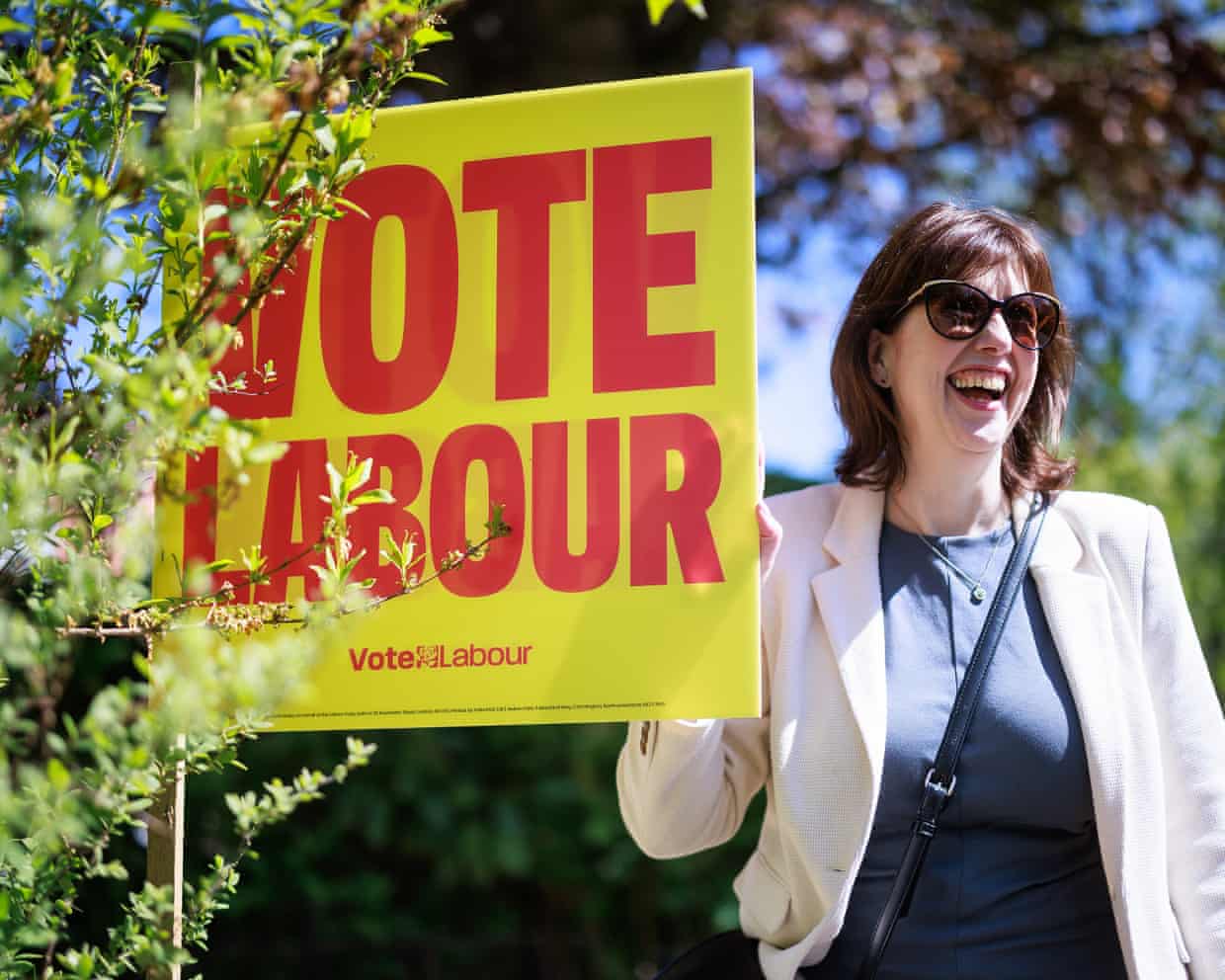
‘We have let them come on to our ground’: Labour fights off Green gains in Leeds
On the wide streets around Leeds’ Roundhay Park, Labour canvassers have built up a considerable step count just to walk between each of the stone-built mansions in one of the city’s most affluent suburbs.Lucy Powell, Labour’s deputy leader, is with activists in the sunshine admiring the manicured lawns and window-box pansies. This is one of the safest wards for Labour in Leeds, with graduates, doctors, lecturers and small business owners.In years gone by, voters in these houses with sweeping driveways and climbing roses would have been natural Conservatives. A short walk away is Roundhay school, the alma mater of Liz Truss, a place she amusingly tried to paint as the wrong side of the tracks
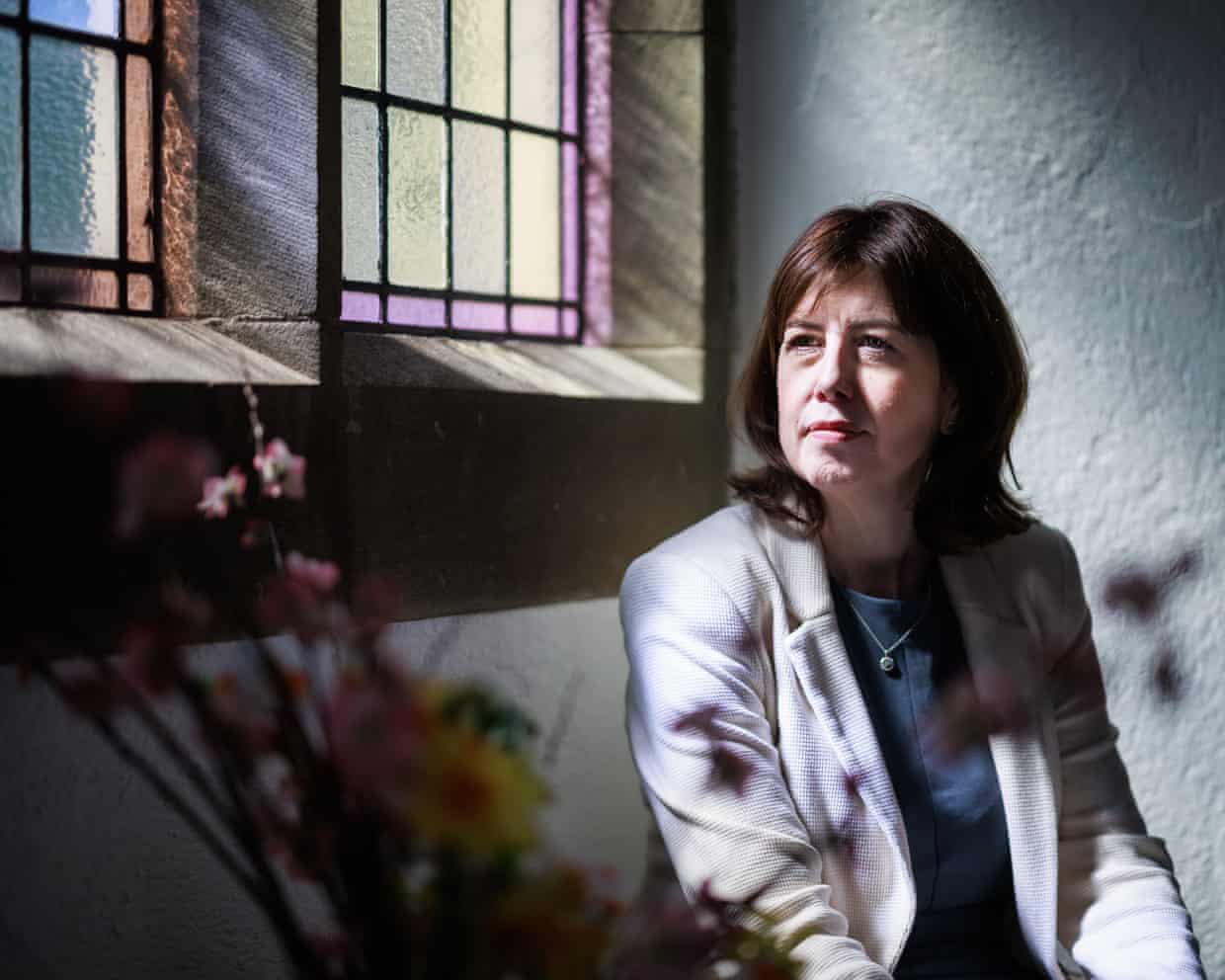
Lucy Powell says Labour has ‘no magic bullet’ as MPs brace for heavy losses in local elections
Labour’s deputy leader has warned there will be “no magic bullet” to solve Labour’s problems – or major challenges facing the country – as its MPs grapple with how to navigate the fallout out from the local elections.Lucy Powell told the Guardian she understood there was “huge anger and despondency” from Labour MPs in the aftermath of the Peter Mandelson vetting scandal, but said the prime minister would not make a similar mistake again.Powell, who called for Keir Starmer to be more explicitly progressive during her deputy leadership campaign, said she would not engage in leadership speculation with the party facing a potential loss of more than 75% of the council seats it is defending, as well as losing power in Wales and failing to beat the SNP in Scotland.But she warned restive MPs there would be “no one change” that would lead to a reverse in fortunes. “There’s no magic bullet here for us

Reform UK council backs release of beavers amid party row over rewilding
A Reform UK council has backed the release of wild beavers into the countryside, despite the party’s opposition to rewilding.The Reform-led Leicestershire county council has backed the release of the rodents as part of efforts to reduce flooding.The Labour government recently legalised the release of beavers in England, about 400 years after the animals were hunted to extinction for their fur and an oil they produce.The animals are lauded by environmental campaigners for the habitats they create by damming rivers, which can reduce flooding during periods of heavy rain while also storing water in the landscape during drier months. They also have been found to improve water quality and boost numbers of bats, fish, birds, amphibians and invertebrates

Reform frontbench promotes JCB’s pothole machine after firm’s £200,000 donation
Reform UK’s leading figures have repeatedly promoted a new pothole-fixing machine by the construction company JCB, while the party received £200,000 from the British digger maker, the Guardian can reveal.Several Reform politicians including Nigel Farage, Lee Anderson, Robert Jenrick, Zia Yusuf and Richard Tice have sung the praises of the JCB PotHole Pro machine.At a rally last year in Birmingham, Farage entered the stage on one of the repair vehicles and suggested it would be used in Reform-run councils when the party had taken control at local elections.Describing JCB as “one of the most incredible companies in the world” in March 2025, he said: “This machine can mend potholes at half the cost that currently is being charged by other commercial operators, and aren’t potholes just the perfect symbol of broken Britain?“So I thought I’d come in on a JCB, with a machine that actually works, and that county council should use, if they weren’t tied in, to five and 10-year contracts with inferior providers. But we’ll fix that, won’t we, when we control those county councils?”After Farage lavished praise on the business, JCB gave a donation of £200,000 to Reform in November last year

Polanski takes combative approach as Greens enter media spotlight
It is the lot of smaller parties that grow rapidly that they tend to endure something of a trial by the media in the UK. The attention from some of the newspapers and broadcasters to the Green party before this week’s elections has occasionally borne a resemblance to the height of Clegg-mania in the spring of 2010, when the Liberal Democrat leader, Nick Clegg, was rewarded for his positive polling with the unlikely Daily Mail headline “Clegg in Nazi slur on Britain”.All manner of colourful tales have emerged about Green policies and personnel as the party has risen up the national opinion polls, making them something of a target for news editors and reporters. That attention has ranged from legitimate questions over the views of members to more eccentric warnings of a dire future for everyone in Britain from exotic animals to members of the clergy.“Woke Greens slammed as ‘barking mad’ over plans to license dog owners and ban zoos”, read one recent headline in the Sun
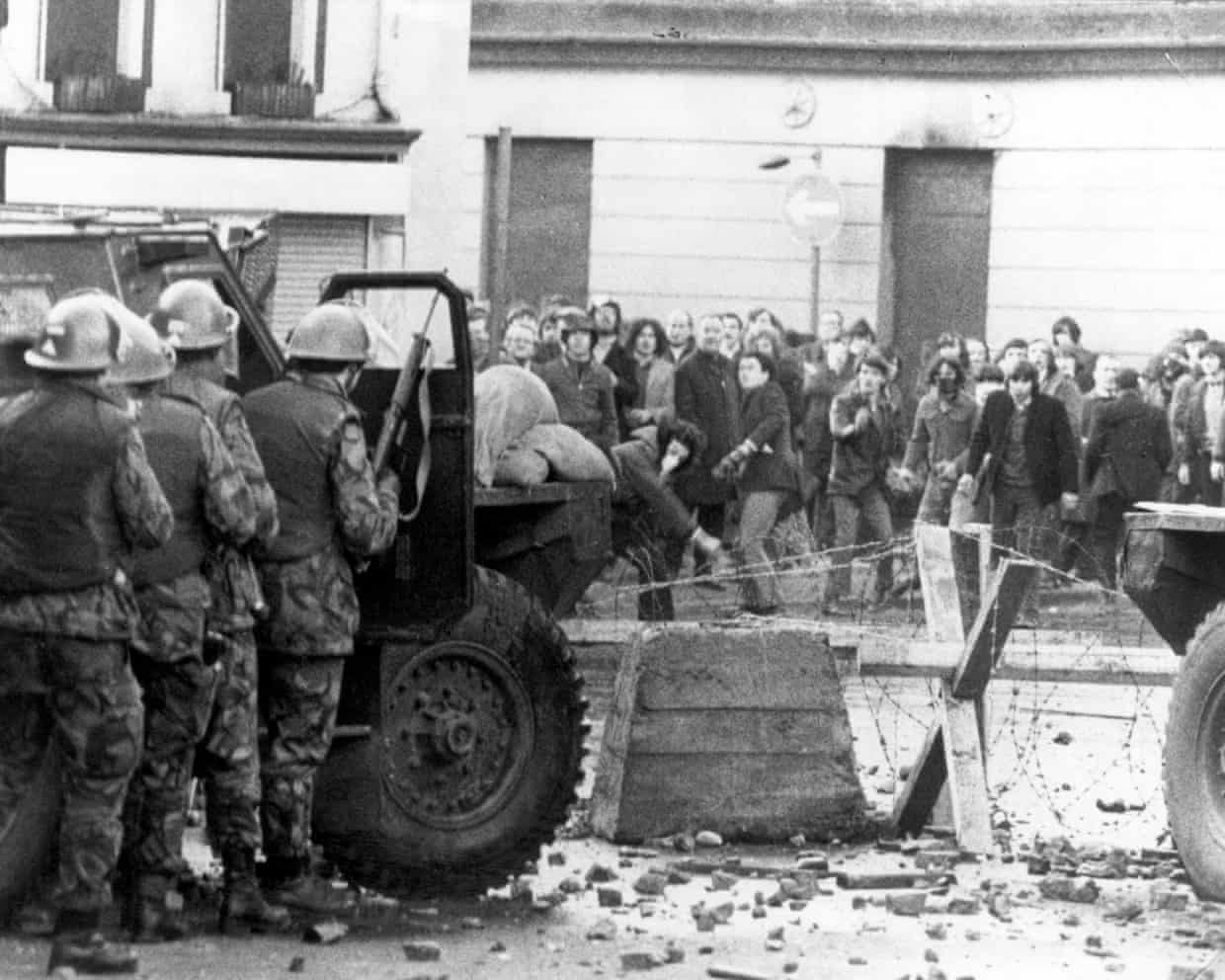
Badenoch apologises after Bloody Sunday footage used in post defending UK veterans
Kemi Badenoch has apologised after footage from Bloody Sunday was used in social media posts criticising a bill on legacy issues in Northern Ireland.The Conservative leader said on Saturday that she did not sign off on the use of a clip from the massacre, in which British soldiers opened fire on unarmed civil rights demonstrators in Derry, and that it was distributed by “very young people”.The video was posted on Badenoch’s social media channels on Tuesday, claiming Labour’s proposed changes would “drag” British Troubles veterans back to court.Colum Eastwood, the SDLP MP for the Foyle constituency that covers Derry, said he was “shocked” to see Badenoch “trumpeting the service of British soldiers in Northern Ireland using footage from Bloody Sunday”.Bloody Sunday, on 30 January 1972, is widely seen as one of the most significant points in the Troubles and is regarded as the worst mass shooting in Northern Ireland’s history

UN warns women in public life face increasingly sophisticated online violence

Woman’s fight for sterilisation raises questions over access to procedure

Woman denied permanent birth control on NHS wins case with ombudsman
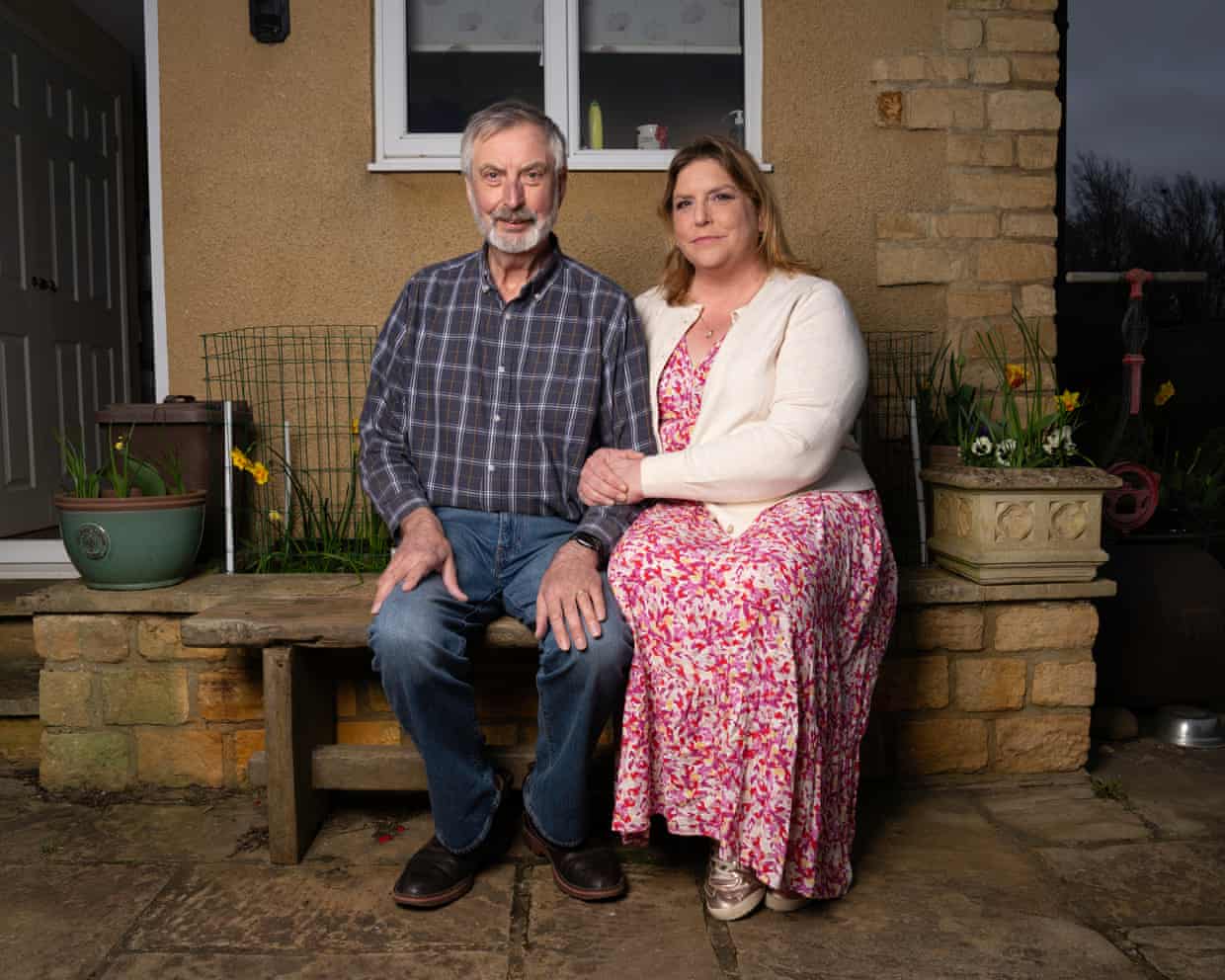
‘I am invoking Martha’s rule’: how a woman saved her father from near death in hospital

Martha’s rule may have saved more than 500 lives in England since 2024
Solicitors report late flood of no-fault evictions before ban in England