Lewis Hamilton warns new F1 season will present biggest challenge of his career
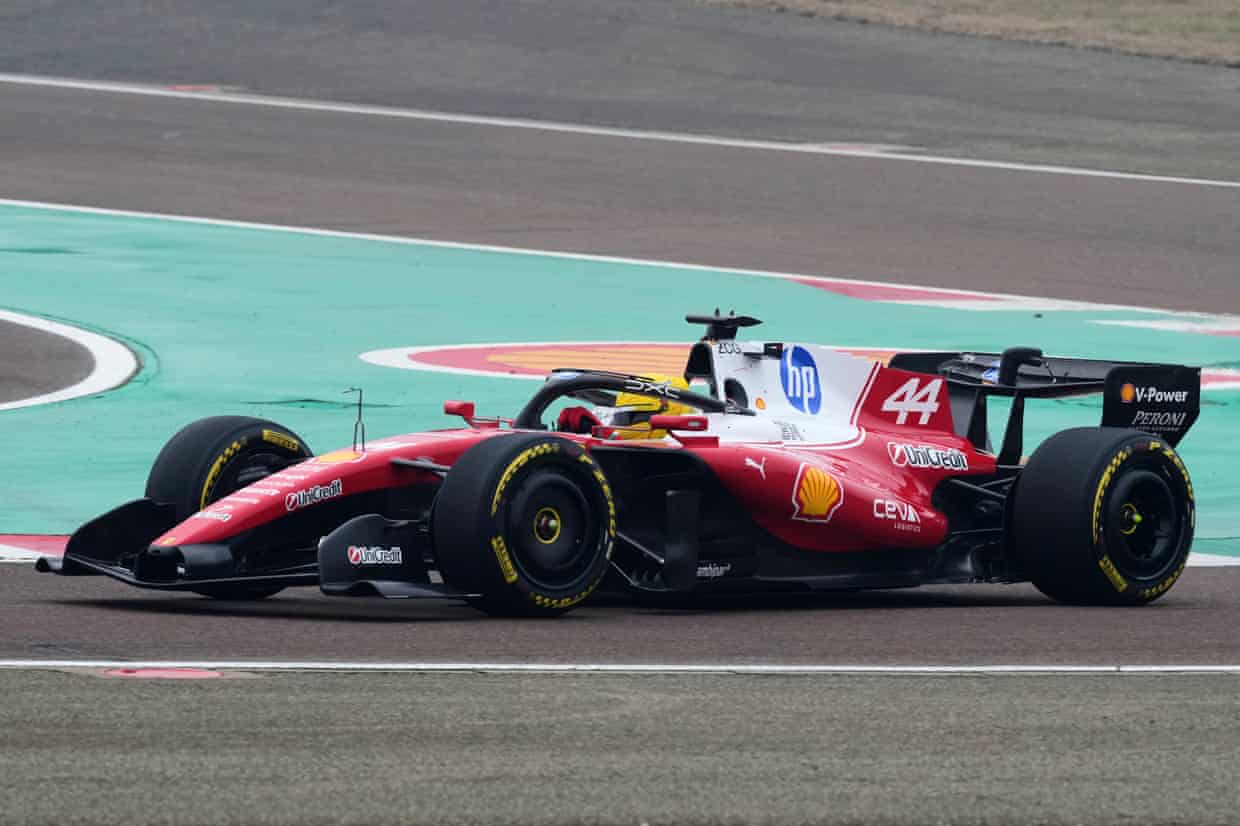
Lewis Hamilton has emphasised the scale of the challenge facing drivers and teams as Formula One enters a new season with a regulation reset that the British driver described as the biggest of his career, as his Ferrari team look to a new start after a disappointing 2025.The Scuderia launched their new car, the SF-26, with Hamilton driving it at the team’s test track at Fiorano for the first time on Friday.He was optimistic, having been involved in the development of a Ferrari for the first time but acknowledged that a huge task lay ahead.“The 2026 season represents a huge challenge for everyone, probably the biggest regulation change I have experienced in my career,” he said.“Being involved from the very start in the development of such a different car has been a particularly fascinating challenge, working closely with the engineers to help define a clear direction for it.
“It will be an extremely important year from a technical perspective, with the driver playing a central role in energy management, understanding the new systems and contributing to the car’s development.”The scale and complexity of what the teams are building, including entirely new engines split 50-50 between combustion and electrical energy and the use of active aerodynamics, was made strikingly clear on Friday when Williams, who finished fifth in the championship last season, announced they were not ready to take part in the first test in Barcelona, beginning on Monday.Williams said they would instead run a virtual test-track programme next week and expect to make the second test in Bahrain, but it is an inauspicious start to what will likely be a frenetic championship.Indeed, the Ferrari team principal, Fred Vasseur, emphasised that he expected the new cars to be developed at a furious rate as the season progresses and also highlighted how the drivers would have to adapt extensively to driving them.“The biggest challenge will include the integration of all the systems together, including the drivers, it will be a full reset for them on their approach,” he said.
“They will have to change completely the way that they approach the weekend.Even the way of driving will probably be a bit different.This also for them will be a challenge and part of our job will be to give them the good tools to be at their maximum.”Ferrari was one of the teams, alongside Audi and Honda, who had written to the FIA, the governing body, expressing concerns that Mercedes and Red Bull had gained an advantage in their engine design by using thermal expansion of components to increase their compression ratio.The row over the design will almost certainly now carry on into the season, after a meeting between engine manufacturers and the FIA on Thursday did not resolve the issue.
The question over when the compression ratio is measured, currently when the car is “cold” and not running, against on track when thermal expansion can be exploited is central to the argument.However with no agreement reached – perhaps understandably from Mercedes and Red Bull – if they do have an advantage that might amount to as much as 0.3seconds a lap they will carry it into the start of the season.Enrico Gualtieri, the Ferrari power unit technical director, maintained that they remained in a dialogue with the FIA.“We are still discussing with them,” he said.
“We are going to have an additional meeting in the next days.We are trusting them for managing the topic in the proper way, going through the procedures and the governance that is in place by regulation.We completely trust that the process could come in the next days and weeks.”
Experts warn of threat to democracy from ‘AI bot swarms’ infesting social media
Political leaders could soon launch swarms of human-imitating AI agents to reshape public opinion in a way that threatens to undermine democracy, a high profile group of experts in AI and online misinformation has warned.The Nobel peace prize-winning free-speech activist Maria Ressa, and leading AI and social science researchers from Berkeley, Harvard, Oxford, Cambridge and Yale are among a global consortium flagging the new “disruptive threat” posed by hard-to-detect, malicious “AI swarms” infesting social media and messaging channels.A would-be autocrat could use such swarms to persuade populations to accept cancelled elections or overturn results, they said, amid predictions the technology could be deployed at scale by the time of the US presidential election in 2028.The warnings, published today in Science, come alongside calls for coordinated global action to counter the risk, including “swarm scanners” and watermarked content to counter AI-run misinformation campaigns. Early versions of AI-powered influence operations have been used in the 2024 elections in Taiwan, India and Indonesia
Grok AI generated about 3m sexualised images in 11 days, study finds
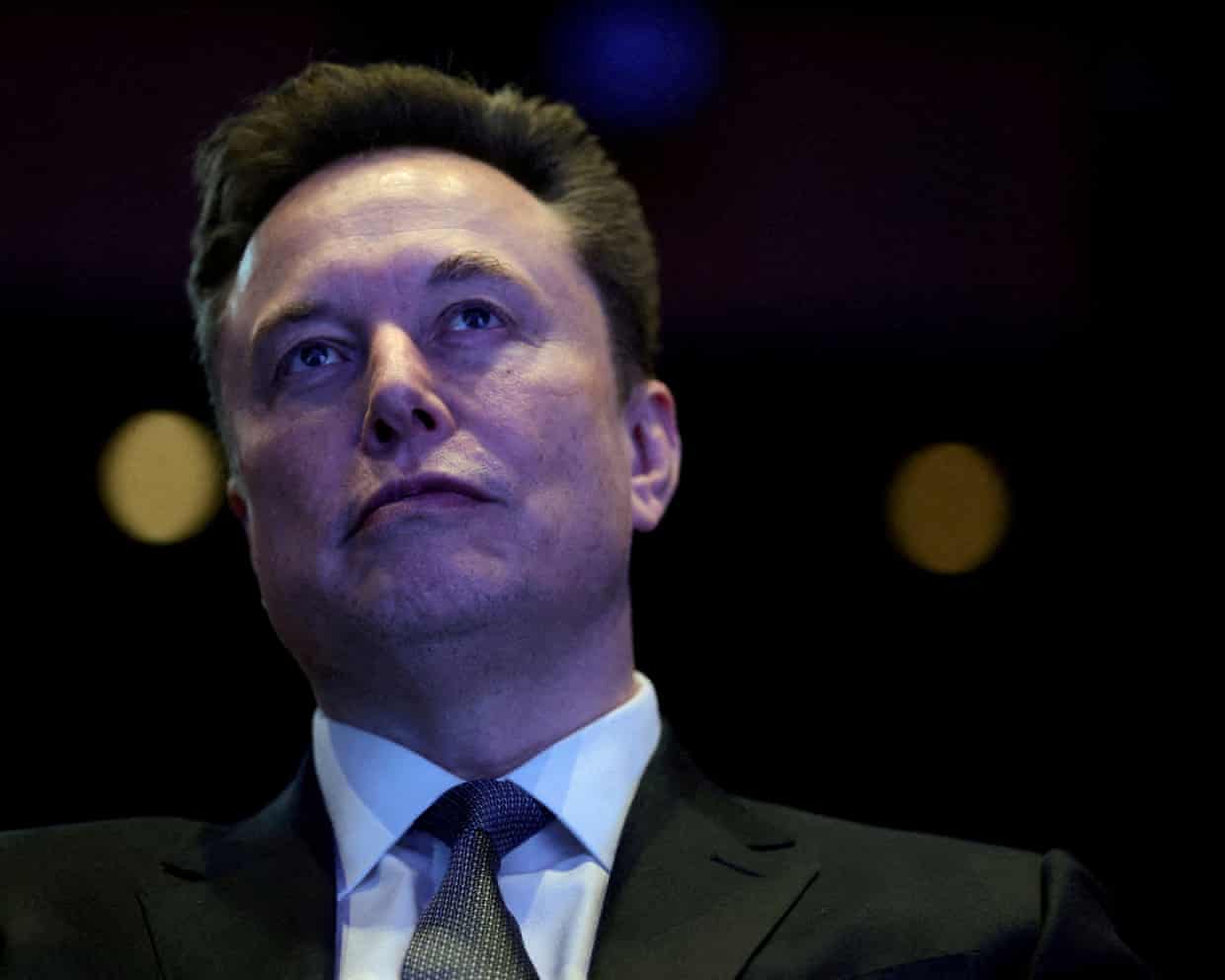
Grok AI generated about 3m sexualised images in less than two weeks, including 23,000 that appear to depict children, according to researchers who said it “became an industrial-scale machine for the production of sexual abuse material”.The estimate has been made by the Center for Countering Digital Hate (CCDH) after Elon Musk’s AI image generation tool sparked international outrage when it allowed users to upload photographs of strangers and celebrities, digitally strip them to their underwear or into bikinis, put them in provocative poses and post the images on X.The trend went viral over the new year, peaking on 2 January with 199,612 individual requests, according to analysis conducted by Peryton Intelligence, a digital intelligence company specialising in online hate.A fuller assessment of the output from the feature, from its launch on 29 December 2025 until 8 January 2026, has now been made by the CCDH. It suggests the impact of the technology may have been broader than previously thought
Scarlett Johansson and Cate Blanchett back campaign accusing AI firms of theft
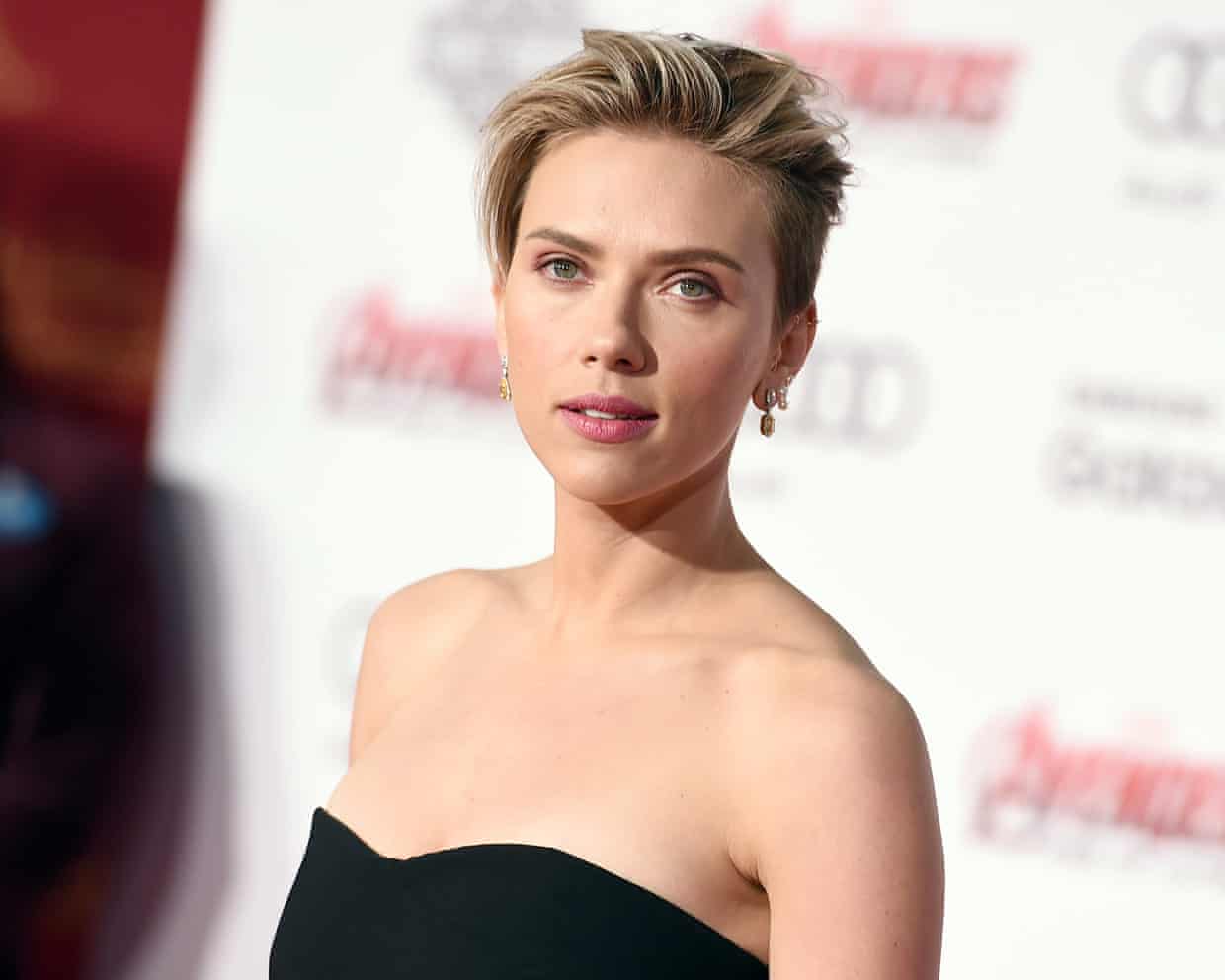
Scarlett Johansson, Cate Blanchett, REM and Jodi Picoult are among hundreds of Hollywood stars, musicians and authors backing a new campaign accusing AI companies of “theft” of their work.The “Stealing Isn’t Innovation” drive launched on Thursday with the support of approximately 800 creative professionals and bands. The campaign includes a statement accusing tech firms of using American creators’ work to “build AI platforms without authorisation or regard for copyright law”.It adds: “Artists, writers, and creators of all kinds are banding together with a simple message: Stealing our work is not innovation. It’s not progress
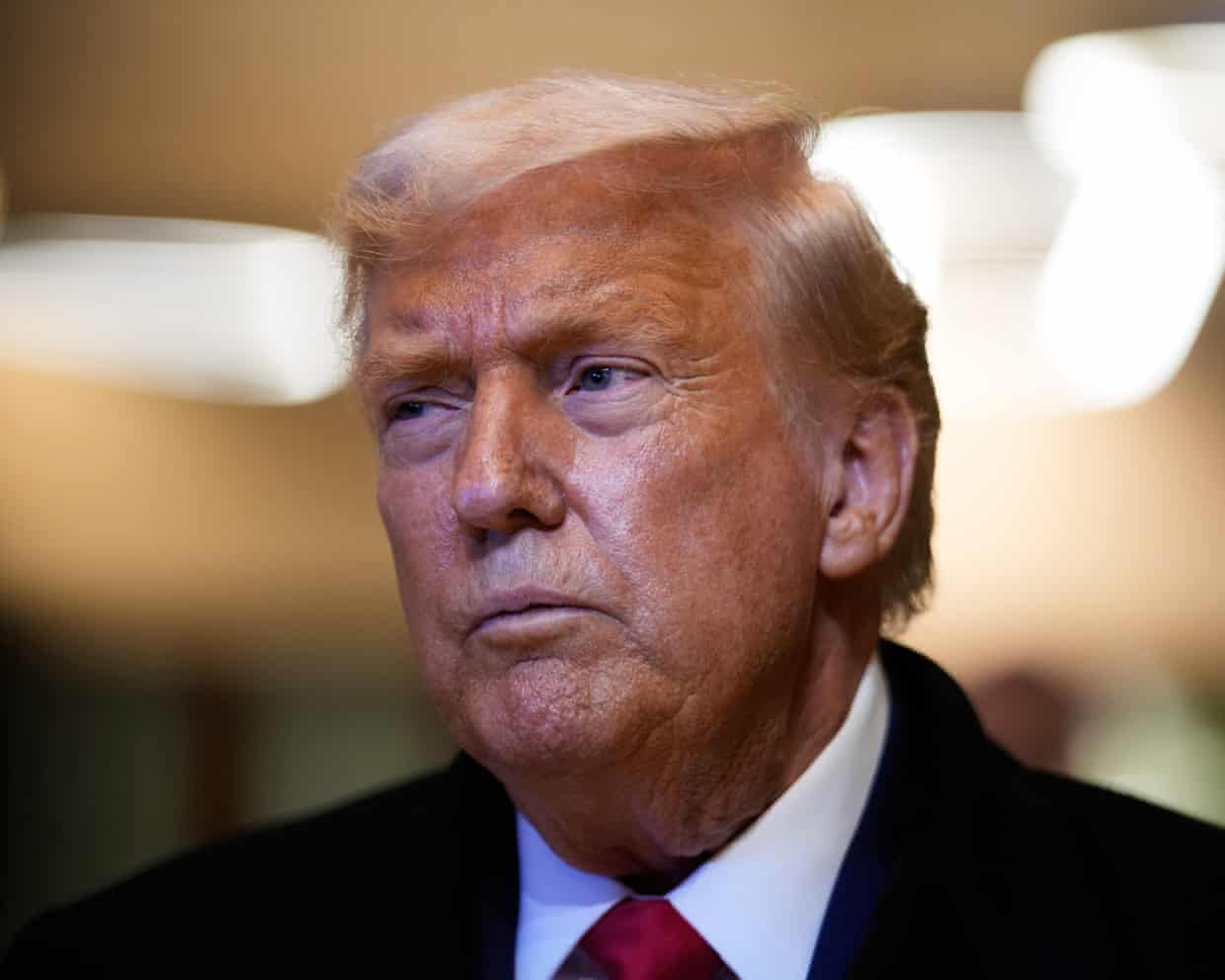
Why Trump is worried datacenters might cost his party an election
Donald Trump is worried about datacenters. Specifically, he is concerned about their effects on an already expensive electricity market in the United States. Will Americans’ resentment of sharply rising energy costs scuttle his party’s November election ambitions?The US president’s anxiety is evident in two actions in recent weeks. On 13 January, Trump and Microsoft’s president jointly announced that the tech giant would pay more for its datacenters, paying full property taxes and accepting neither tax reductions nor electricity rate discounts in towns where it operates datacenters.“We are the ‘HOTTEST’ Country in the World, and Number One in AI
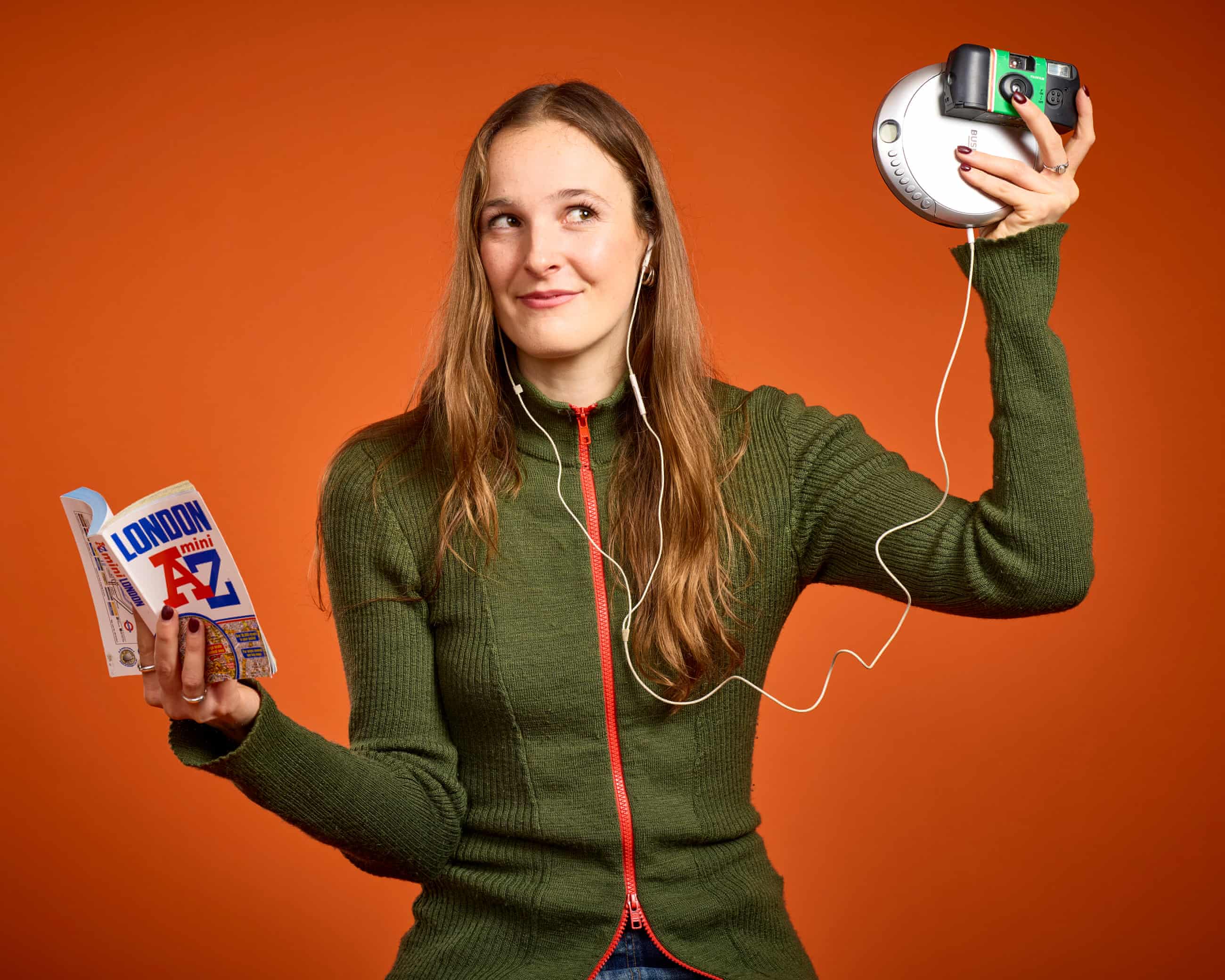
My analogue month: would ditching my smartphone make me healthier, happier – or more stressed?
When I swapped my iPhone for a Nokia, Walkman, film camera and physical map, I wasn’t sure what to expect. But my life soon started to changeWhen two balaclava-clad men on a motorbike mounted the pavement to rob me, recently, I remained oblivious. My eyes were pinned to a text message on my phone, and my hands were so clawed around it that they didn’t even bother to grab it. It wasn’t until an elderly woman shrieked and I felt the whoosh of air as the bike launched back on to the road that I looked up at all. They might have been unsuccessful but it did make me think: what else am I missing from the real world around me?Before I’ve poured my first morning coffee I’ve already watched the lives of strangers unfold on Instagram, checked the headlines, responded to texts, swiped through some matches on a dating app, and refreshed my emails, twice
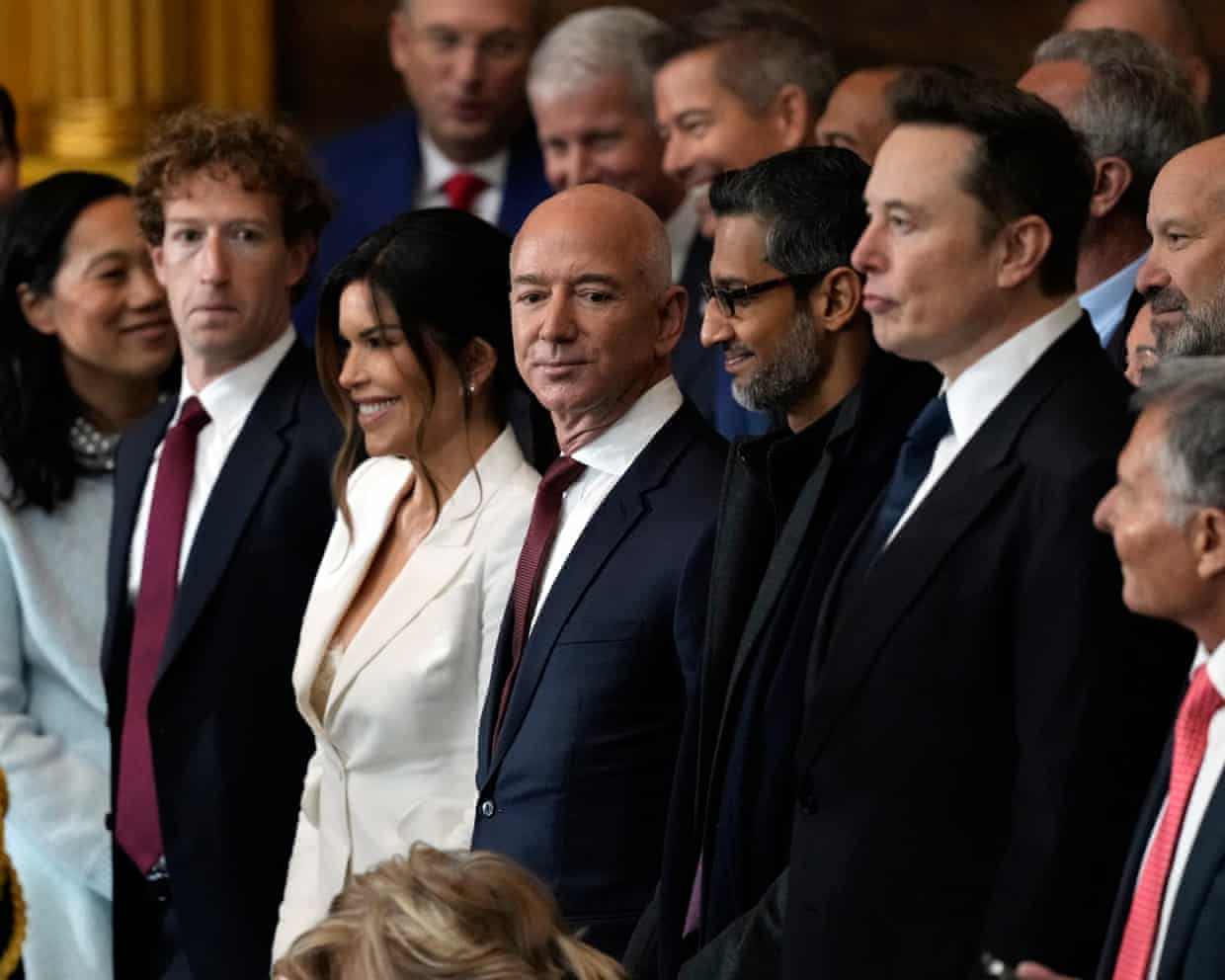
Big tech continues to bend the knee to Trump a year after his inauguration
Hello, and welcome to TechScape. I’m your host, Blake Montgomery, the Guardian’s US tech editor.One year ago today, Donald Trump was inaugurated as president of the United States. Standing alongside him that day were the leaders of the tech industry’s most powerful companies, who had donated to him in an unprecedented bending of the knee. In the ensuing year, the companies have reaped enormous rewards from their alliance with Trump, which my colleague Nick Robins-Early and I wrote about last month after Trump signed an executive order prohibiting states from passing laws regulating AI
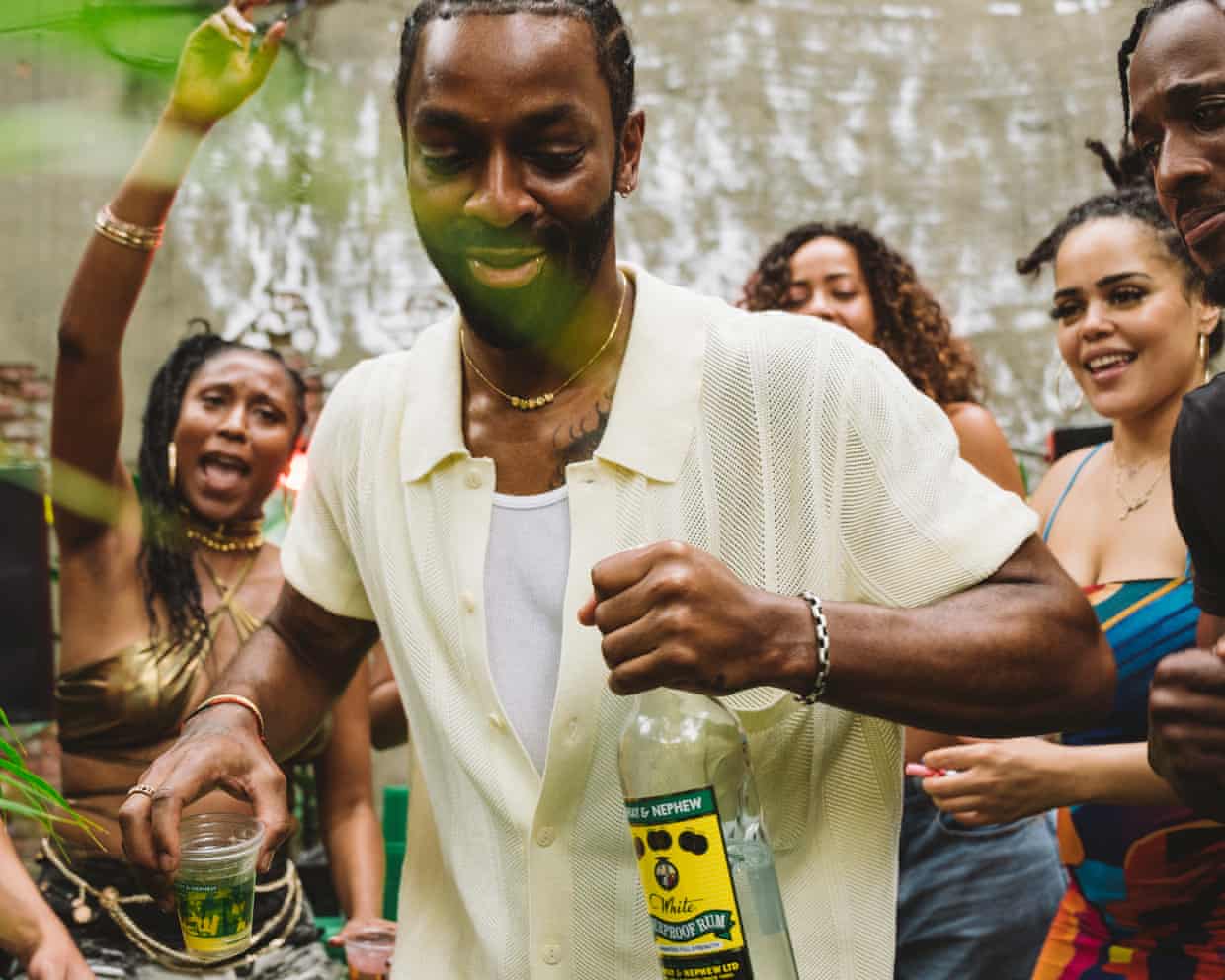
Rum is booming but only Jamaican classics have the true funk

Rachel Roddy’s recipe for pasta e fagioli with coconut, spring onion, chilli and lemon | A kitchen in Rome

‘We want to make jacket potatoes sexy again!’: how the humble spud became a fast food sensation

How to turn a cauliflower into ‘risotto’ – recipe | Waste not

Homemade Bounty bars, savoury granola and flapjacks: Melissa Hemsley’s recipes for healthy sweet treats

He never warms the jars, so why doesn’t my son’s marmalade go mouldy?