One in seven in UK prefer consulting AI chatbots to seeing doctor, study finds

One in seven people are using AI chatbots for health advice instead of seeing their GP, a UK study has found.The poll of more than 2,000 people found that – of the 15% turning to chatbots – one in four had done so because of long NHS waiting lists.The study analysed by researchers at King’s College London revealed the potential risks of using AI for health advice.A fifth of respondents who did so said the technology did not encourage them to seek a professional opinion and a similar proportion said they decided against seeking a consultation because of something an AI chatbot had told them.The research is the first to quantify the use of AI chatbots for health advice, according to the researchers, and signals how the technology is changing the way people are dealing with health problems.
Prof Graham Lord, the lead author of the study, said growing individual use of chatbots was creating “an unregulated AI healthcare system alongside the NHS”.He added: “This research underlines the scale and pace at which AI is already shaping how people access healthcare.While the opportunities are significant, it also highlights concerns about safety and accountability.“When something goes wrong with AI, responsibility is often placed on clinicians, even where they have limited control over how AI tools are introduced.To realise AI’s potential, we need greater transparency about what works, what is safe, how decisions are made and how issues are handled – so staff and patients can feel confident in its use.
It is vital we respond to what the public are telling us and ensure we build and maintain trust with them and the AI tools we look to deploy.”Respondents were split on whether AI should be used in clinical decision-making, with 37% in favour and 38% against.While 49% of respondents aged from 18 to 24 were opposed to the clinical use of AI within the NHS, only 36% of those aged 65 and over agreed with them.Previous research has found that some forms of AI, including Google AI Overviews, can contain false and misleading health advice.Prof Victoria Tzortziou Brown, the president of the Royal College of General Practitioners, said it would be “highly concerning” if people were using AI instead of seeing a GP.
She added: “Patients should not feel they have to rely on AI tools because they are facing long waits or difficulties accessing support.AI can provide quick answers, but it cannot examine a patient, fully understand their medical history, pick up on subtle signs, or make safe clinical judgments based on evidence.The information it provides can also be inaccurate, misleading or missing important context.“Technology has a vital role to play in healthcare, but it must not become a substitute for investing in general practice or ensuring patients can access safe, timely care from a trained professional.Any use of AI in clinical settings must be transparent, properly regulated and designed to support, not replace, clinical judgment.
“We don’t want to discourage patients from learning about their health, but we would encourage patients to use trusted sources such as NHS.uk, and to contact a healthcare professional if they are concerned about their health, if symptoms persist or worsen.”

Royal Opera House calls for release of Georgian bass singer jailed over democracy protests
The Royal Opera House in London has urged Keir Starmer to intervene in the case of Paata Burchuladze, a world-renowned bass singer who has been imprisoned in Georgia since October on a charge of leading a coup against the country’s authoritarian leader.The 71-year-old has performed at the Royal Opera House and the Metropolitan Opera House in New York and collaborated with the likes of Luciano Pavarotti, Plácido Domingo and José Carreras. He was arrested after joining a protest outside the presidential palace in the Georgian capital, Tbilisi. Last week he was given a seven-year jail sentence which Burchuladze suggested to the court was equivalent to a life sentence given his age.Burchuladze became a rallying figure at nightly demonstrations against the government’s perceived pivot away from the west last autumn

‘Using his Terminator voice, Arnie said: “Your song. Give it to me. Now”’: Bad to the Bone’s creation – and aftermath
Before Bad to the Bone, we just played obscure blues songs from the archives. But when we toured with the Rolling Stones, I noticed the reaction to their Start Me Up. I said: “Man, we’d better hurry up and write an original song with a catchy intro or, five years from now, people will go, ‘Oh yeah, George Thorogood – wasn’t he good at playing Chuck Berry or something?’”Bad to the Bone is a male fantasy. Let’s face it: every guy wants to be bad. We were raised on Hollywood movies and all those tough guys, like Bernardo from West Side Story, or Howlin’ Wolf – we opened for him in 1974 and he had a ferocious reputation

What is a ‘Scientology speedrun’ and why is social media suddenly obsessed with it?
Ima, if someone said “Scientology speedrun” to me I would think about Tom Cruise in tight shorts. But that is not what is happening, is it?Not quite, Cait. The Scientology speedrun appears to have spawned in March when content creator Swhileyy filmed himself rushing the Church of Scientology on Hollywood Boulevard in Los Angeles. That video gained 90m views before it was deleted.Since then, groups of mostly young men have documented themselves charging into the LA centre, pulling in millions of views on TikTok
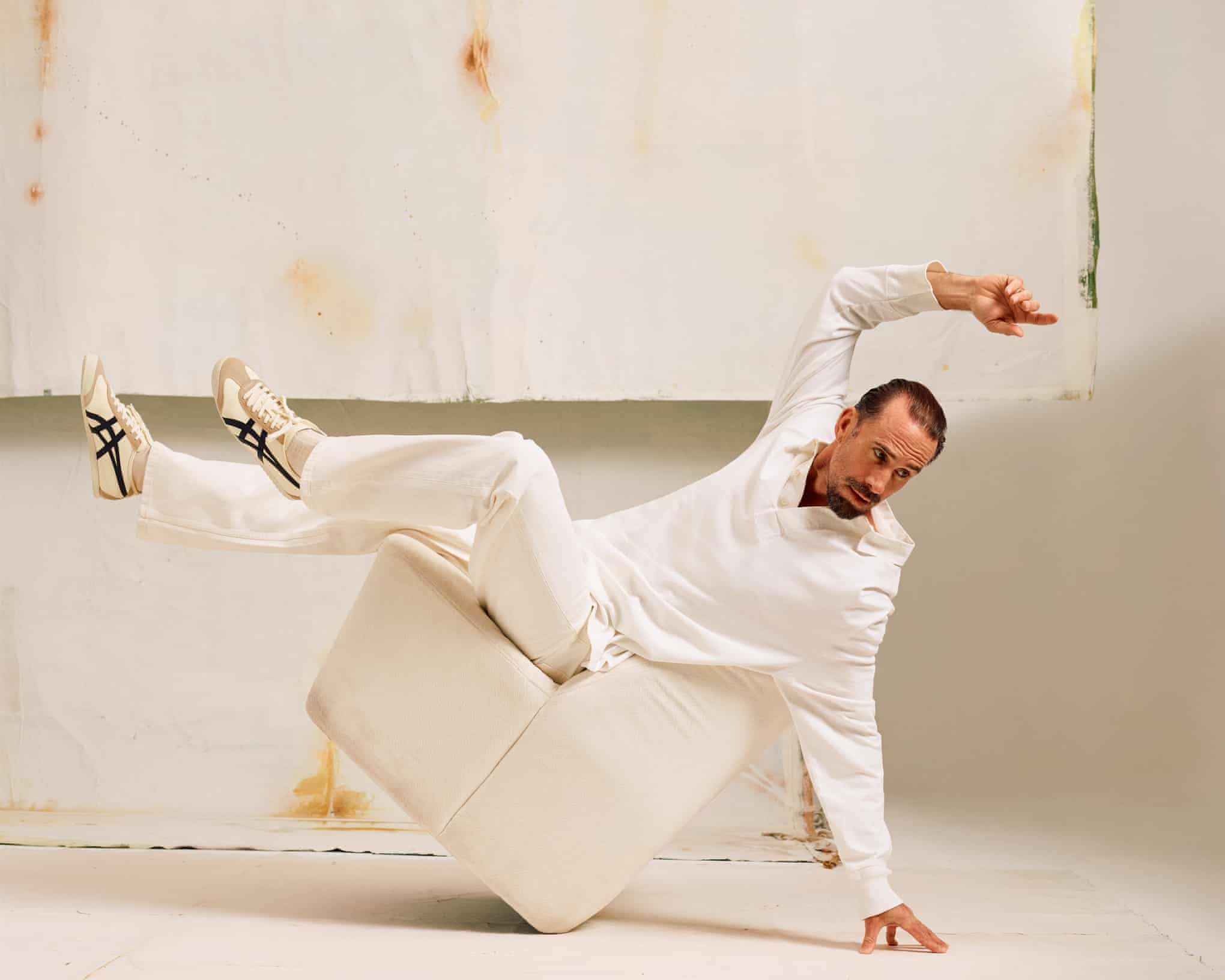
Joseph Fiennes on parenting, politics and banning children from social media: ‘Stand up, Keir, this is your kids’ generation’
He’s played English titans from William Shakespeare to Gareth Southgate, but what does the actor really think about the country today?The Guardian’s journalism is independent. We will earn a commission if you buy something through an affiliate link. Learn more.We are at a corner table in a breakfast place in Chelsea, Joseph Fiennes opposite me on the banquette with his jack russell, Noa. “Dog duty,” he says, apologetic
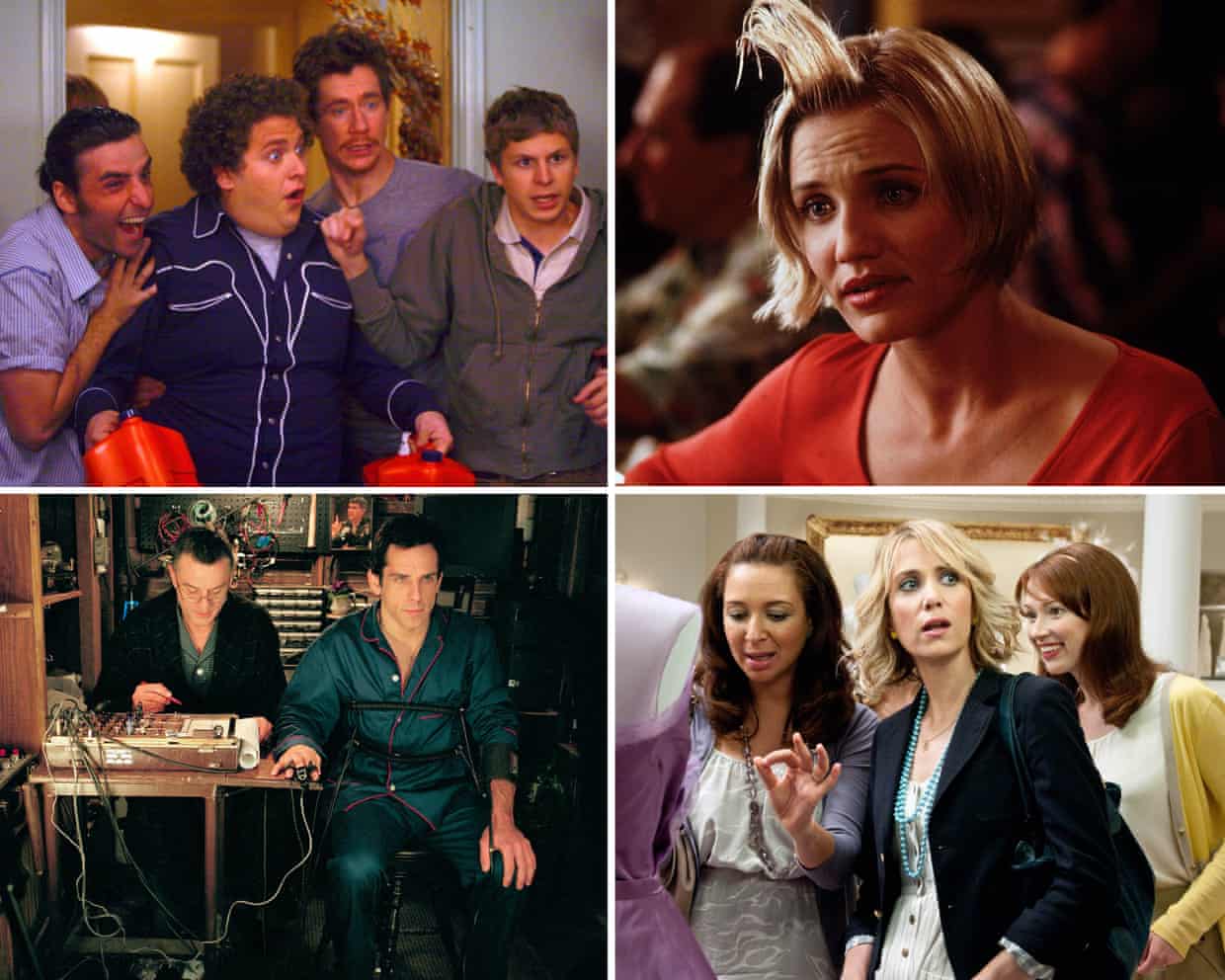
The Guide #242: Everyday Hollywood film comedies have faded but can they make a comeback?
There was a striking moment during this week’s episode of The Rewatchables, the wildly popular film-recap podcast that I reach for when I’ve had my fill of history/football/glum current affairs pods. The episode was revisiting 90s comedy There’s Something About Mary, a film that in some ways holds up hilariously, and in others has aged about as well as a bottle of semi-skimmed on a summer’s day in Death Valley. As part of the episode, the podcast’s panel were going through their favourite comedy films by decade and were spoilt for choice – until, that is, they reached the 2020s, when they seemed to collectively draw a blank. “The Drama’s pretty funny …” one offered tentatively. Finally, host Bill Simmons cut through the umming, ahhing and awkward silence to get to the heart of the matter: “Do we have comedies any more? What happened to comedies?”Yes, what did happen to comedies? Or rather, what happened to the “everyday” American comedies like There’s Something About Mary that once set up a permanent frat house residence in cinemas? You know the ones I mean: those that took a familiar real-world situation – teens trying to lose their virginity, a man clashing with his girlfriend’s dad, a maid of honour struggling to arrange a hen do, stunted adolescents refusing to fly the nest – and stretched them to absurd and lurid extremes
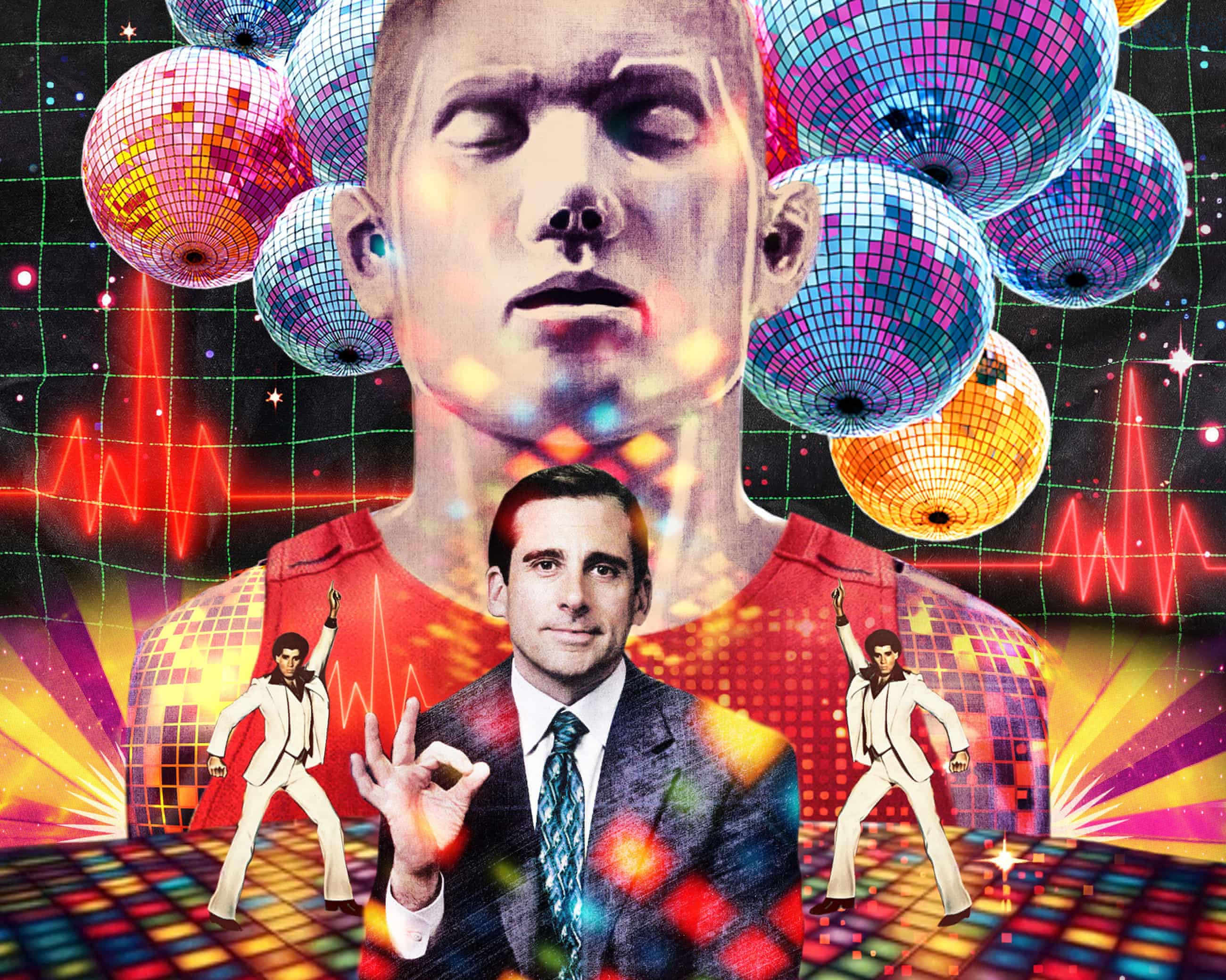
Ah, ah, ah, ah - I saved my dad’s life with a little help from The Office and the Bee Gees
When my father collapsed suddenly, an episode of the US comedy in which Steve Carell does CPR to the tune of Stayin’ Alive sprung miraculously to mindIt was a boiling hot day last summer, four days after my dad’s 73rd birthday. Mum was plating up dinner and Dad was on the sofa complaining about how stifling it was. I was meant to head to work, for my job as a personal trainer, but decided to take the evening off. It was just as well: as I turned back to Mum, Dad collapsed backwards and suffered a massive cardiac arrest.Mum was hysterical
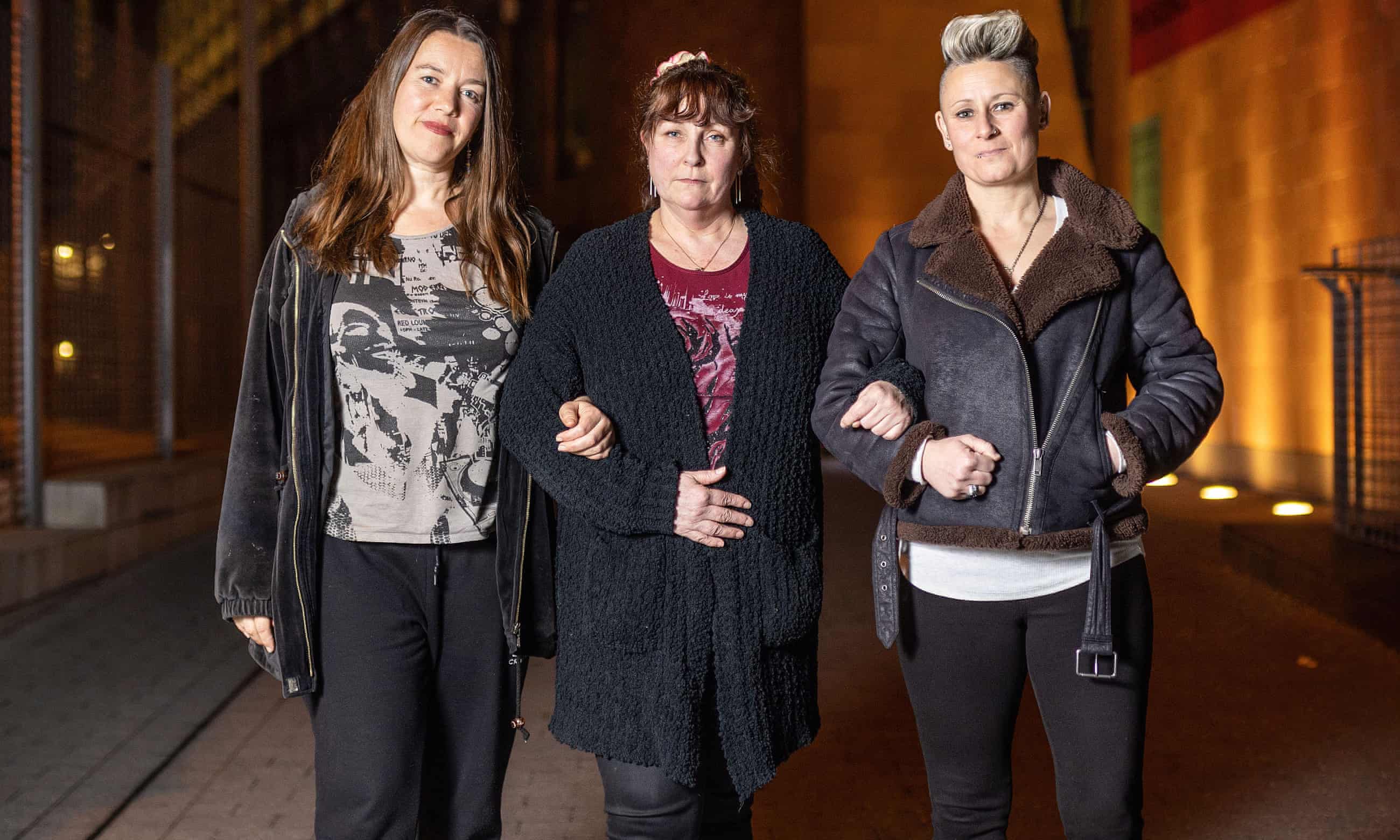
‘We have the same monster’: three women brought down their rapist – this is what happened next

Did breakthrough in US fentanyl crisis start in China?
Getting children to eat their vegetables starts in the womb, researchers suggest

Older people risk mental decline if they do long hours of caring, UK study shows
Capacity of lifts not kept up with UK obesity levels, study shows

More than 6,000 children treated at obesity clinics in England, figures show