Rory McIlroy claims he knew LIV was in trouble and breakaway tour was always a ‘risk’
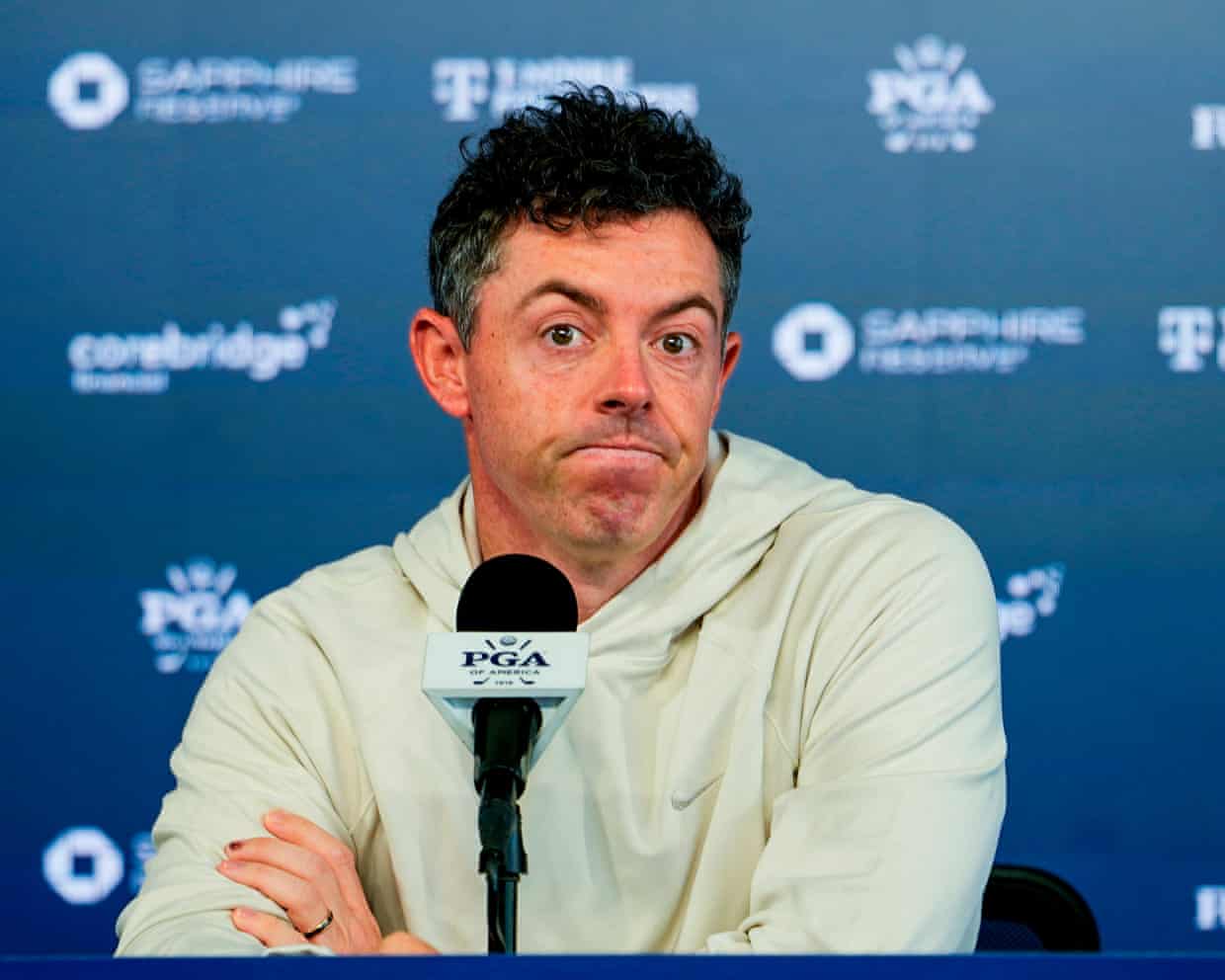
Rory McIlroy has revealed he heard rumblings of impending trouble for LIV Golf weeks before Saudi Arabia’s Public Investment Fund (PIF) confirmed it would withdraw funding for the circuit.The Masters champion believes the PIF approach highlights the danger of sport becoming reliant on anything that can be affected by world affairs.LIV is engaged in a race against time to survive with PIF, which has bestowed more than $5bn (£3.7bn) on the tour, to exit at the end of 2026.News of that, which emerged in the immediate aftermath of McIlroy’s successful defence at Augusta National last month, shocked those within LIV but not the Northern Irishman.
“It was always a possibility,” said McIlroy.“I feel like a lot of us, including me, we almost knew before the [LIV] players did that this was going to happen.I was hearing about this back in March, April time.“I have friends over there.One of my best friends, Ricky [McCormick], caddies for Tom McKibbin.
I would talk to him all the time about what was going on.I was saying to Ricky: ‘Have you guys heard any of this stuff?’ He was like: ‘No, everything seems OK over here.’“It just feels like the rug was pulled from under their feet and everyone was sort of blindsided by it.That’s the risk that those guys chose to take.There’s a lot of uncertainty in the air right now.
”McIlroy offered a laugh and an admission of “I’m glad I was wrong” after taking a previous position of wanting the PGA Tour to accept funding from Saudi Arabia.Instead, it is LIV staring at a bleak future in a scenario at least partly linked to the Iran war.“Everyone knows, with everything that’s happening in the Middle East, that had a lot to do [with it],” McIlroy said.“But whenever you have funding tied so much to the geopolitical landscape in the world, that’s a tricky road to navigate.Their priorities shifted, and that leaves LIV in a pretty precarious spot.
”Rory McIlroy will play alongside fellow multiple major champions Jon Rahm (pictured) and Jordan Spieth in the first two rounds of the US PGA Championship,The Northern Irishman, bidding to win successive majors after his Masters triumph last month, will start his campaign on the back nine at Aronimink Golf Club in Philadelphia at 8,40am local time (1,40pm BST) on Thursday,Spieth is out to complete the career grand slam with a victory, his last major win coming at the 2017 Open Championship, while Rahm is looking to add this to his US Open and Masters titles.
England’s Alex Fitzpatrick, who secured his tour card with victory alongside his brother, Matt, at the Zurich Classic last month, will be in the first group to tee off at 6,45am (11,45am BST),The world No 1 and defending champion, Scottie Scheffler, is in a stacked group alongside world No 4 Matt Fitzpatrick – who has three PGA Tour wins this season – and No 7 Justin Rose at 2,05pm (7.
05pm BST).Rose is a consistent major performer and is one of only two players in the field, alongside Keegan Bradley, to have won at Aronimink before.British hopefuls Tommy Fleetwood and Robert MacIntyre are paired together, while the 2024 US PGA champion, Xander Schauffele, plays alongside three-time winner Brooks Koepka and England’s Tyrrell Hatton.PA MediaMcIlroy has made just one start after the Masters, last week in Charlotte, after skipping a planned appearance in the PGA Tour’s earlier stop at Doral.In the same week, McIlroy was namechecked by Donald Trump while at a dinner to mark King Charles’s visit to the United States.
McIlroy returns to action at the second major of the year, the US PGA Championship, at Aronimink from Thursday, having spent five hours scouting the venue last week, although he was troubled by a blister during practice and completed three holes on Tuesday.The Masters champion was suffering discomfort in his right foot hours after revealing that he had removed the nail on his little toe earlier this week.“Softened it up in the shower and just ripped it off,” McIlroy laughed before removing his sock to show off the results of his surgical handiwork to a handful of reporters shortly after his pre-tournament news conference.“I was tentatively planning to play Doral, then I got invited to that White House state dinner on a Tuesday night, which I thought was a wonderful opportunity,” McIlroy said.“To go down to Doral and then fly up to DC for that and then fly back down … if I wasn’t giving my 100% attention to the tournament, then there’s no reason to play it.
“I wanted to do the state dinner, and if I was going to do that, it was probably better that I take that week to practise and prepare, come up here and see the golf course, and then go into Quail Hollow feeling more ready to play,”
Google announces raft of free upgrades for Android phones
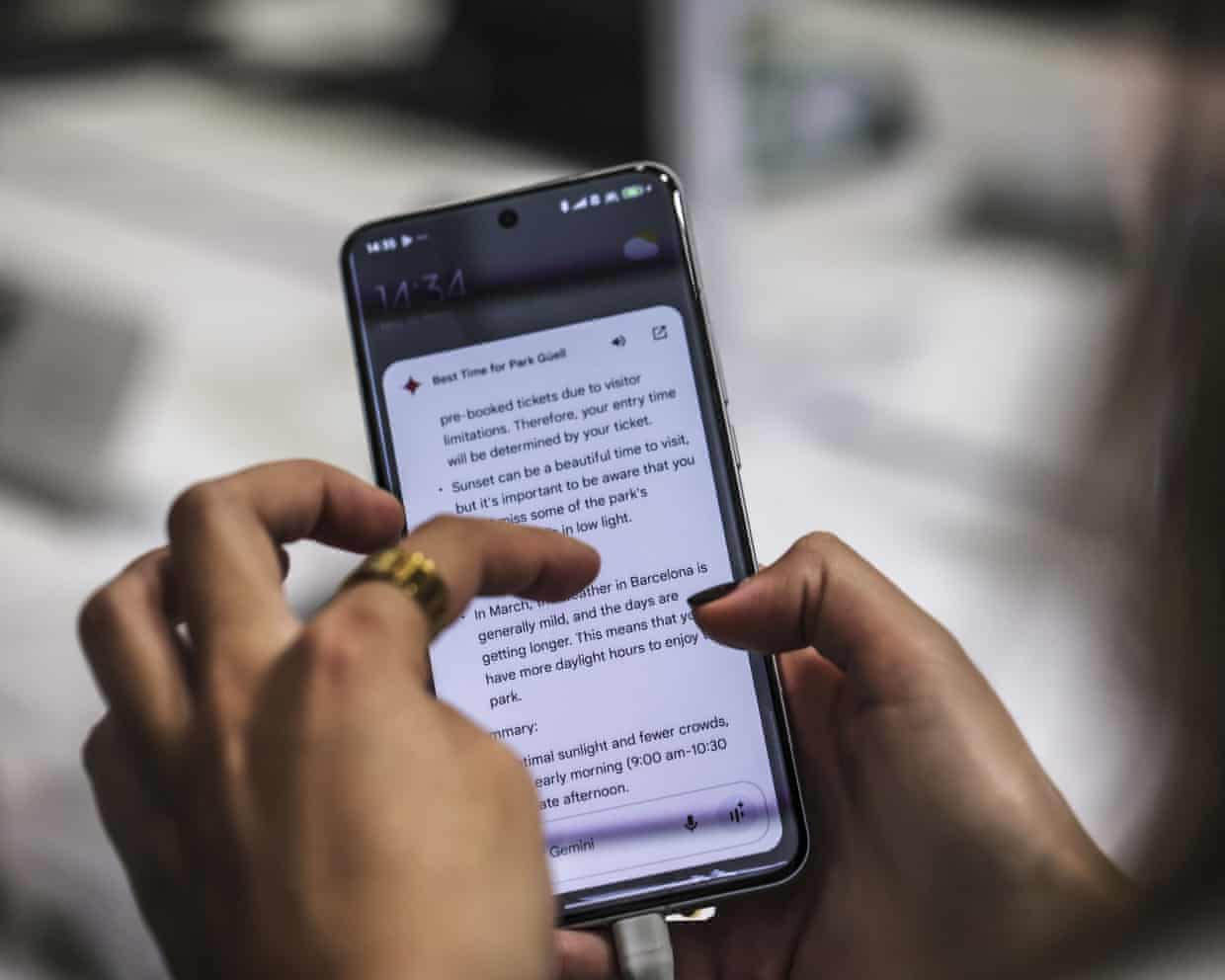
Google has announced a range of features coming to Android phones this year, including a new Gemini Intelligence AI system and a tool to help users avoid distracting apps.Revealed in a livestreamed “Android Show” event, the free upgrades are scheduled to arrive in waves over the next year for high-end new and old phones alike, including Samsung and Pixel devices. Google also revealed that a new lineup of laptops will arrive in the autumn.Gemini Intelligence will combine the company’s top AI tools into one system aimed at being more proactively useful.It will be able to automate tasks by directly interacting with the apps already on a phone
Head of Microsoft’s Israel branch to step down after inquiry into dealings with Israeli military
The head of Microsoft’s Israeli subsidiary will step down in the wake of an inquiry that has scrutinised its business dealings with the Israeli military.Microsoft ordered the inquiry last year in response to a Guardian investigation revealing the military had used the company’s technology to operate a powerful surveillance system that collected Palestinian civilian phone calls on a mass scale.The joint investigation with the Israeli-Palestinian publication +972 Magazine and the Hebrew-language outlet Local Call found the military’s elite spy agency, Unit 8200, had used Microsoft’s Azure cloud platform to store a vast trove of intercepted calls from Gaza and the West Bank.The inquiry commissioned by Microsoft is understood to have recently concluded. Its findings are unclear; however, sources familiar with the situation said they prompted an announcement last week that Microsoft Israel’s general manager, Alon Haimovich, would leave the company
GameStop’s $55.5bn bid for eBay rejected as ‘neither credible nor attractive’
The board of eBay has rejected the US video games retailer GameStop’s surprise $55.5bn bid (£41bn) for the online marketplace, describing the proposal as “neither credible nor attractive”.Earlier this month, GameStop made an unsolicited bid for eBay, publishing a letter on its website outlining a half-cash, half-stock proposal.This was despite the US games company – which became a global household name during the meme stock craze of 2021 – being worth far less than its takeover target. GameStop had a market valuation of roughly $12bn before its bid, almost a quarter of eBay’s $46bn valuation
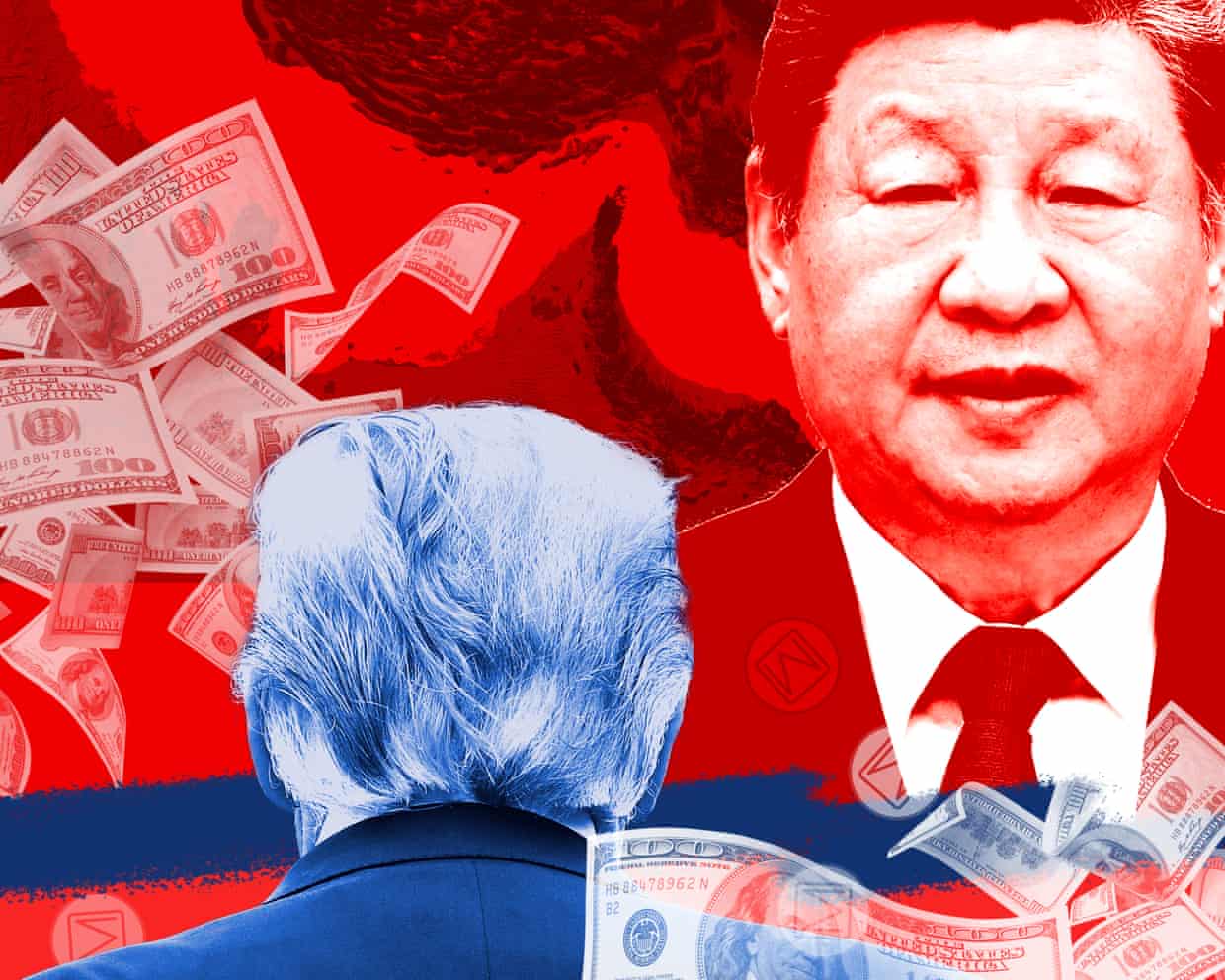
Trump heads to China to spread the gospel of American tech
Hello, and welcome to TechScape. I’m your host, Blake Montgomery, US tech editor at the Guardian.Donald Trump is headed to China this week. If his guest list is any clue, he wants to discuss technology with Xi Jinping, though perhaps after the war in Iran.On Monday, news broke that outgoing Apple CEO, Tim Cook, as well as SpaceX and Tesla’s CEO, Elon Musk, would join Trump
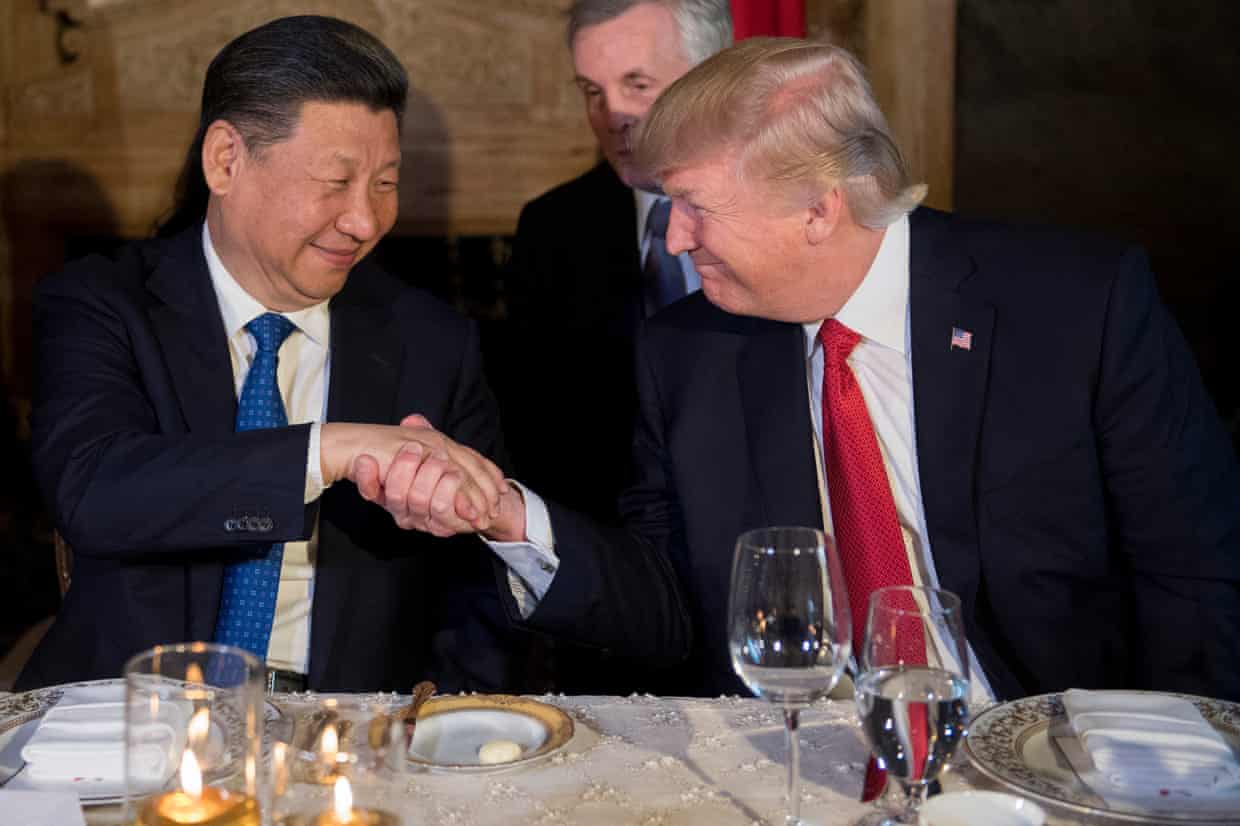
Trump heads to China to spread the gospel of American tech while emulating Xi Jinping on AI
Donald Trump is heading to China this week. If his guest list is any clue, he wants to discuss technology with Xi Jinping, though perhaps after the war in Iran.On Monday, news broke that outgoing Apple CEO, Tim Cook, as well as SpaceX and Tesla CEO, Elon Musk, would join the US president. Other guests from the tech sphere include Meta’s recently appointed president, Dina Powell McCormick; Sanjay Mehrotra, CEO of computer memory maker Micron; Chuck Robbins, CEO of longtime telecom giant Cisco; and Cristiano Amon, CEO of semiconductor maker Qualcomm, according to a White House official.Jensen Huang, Nvidia’s CEO – who is close to Trump but criticized the US’s limitations on chip sales to China in an April interview, saying that he didn’t want a “loser mentality” to cost the US its edge in AI – will not be joining the president

Molière Ex Machina: AI used to create ‘new work’ by beloved French playwright
Molière is to the French what Shakespeare is to the English: the last word in historical literature, drama, wit and satire.Now, more than 350 years after his death, the 17th-century dramatist has been revived after scholars at the Sorbonne University in Paris used artificial intelligence to help write an experimental play in his style.L’Astrologue ou les Faux Présages (The Astrologer, or False Omens), a three-act comedy, made its debut at the Royal Opera at the Château de Versailles last week.The two-hour play tells the story of a wealthy bourgeois Parisian who, under the instruction of a charlatan astrologer called Pseudoramus, insists his daughter Lucile marry a debt-ridden and elderly wigmaker.While the theme could well have been dreamed up by Molière, the dialogue, music, costumes and scenery were all created with the help of a French AI tool called Le Chat (The Cat)
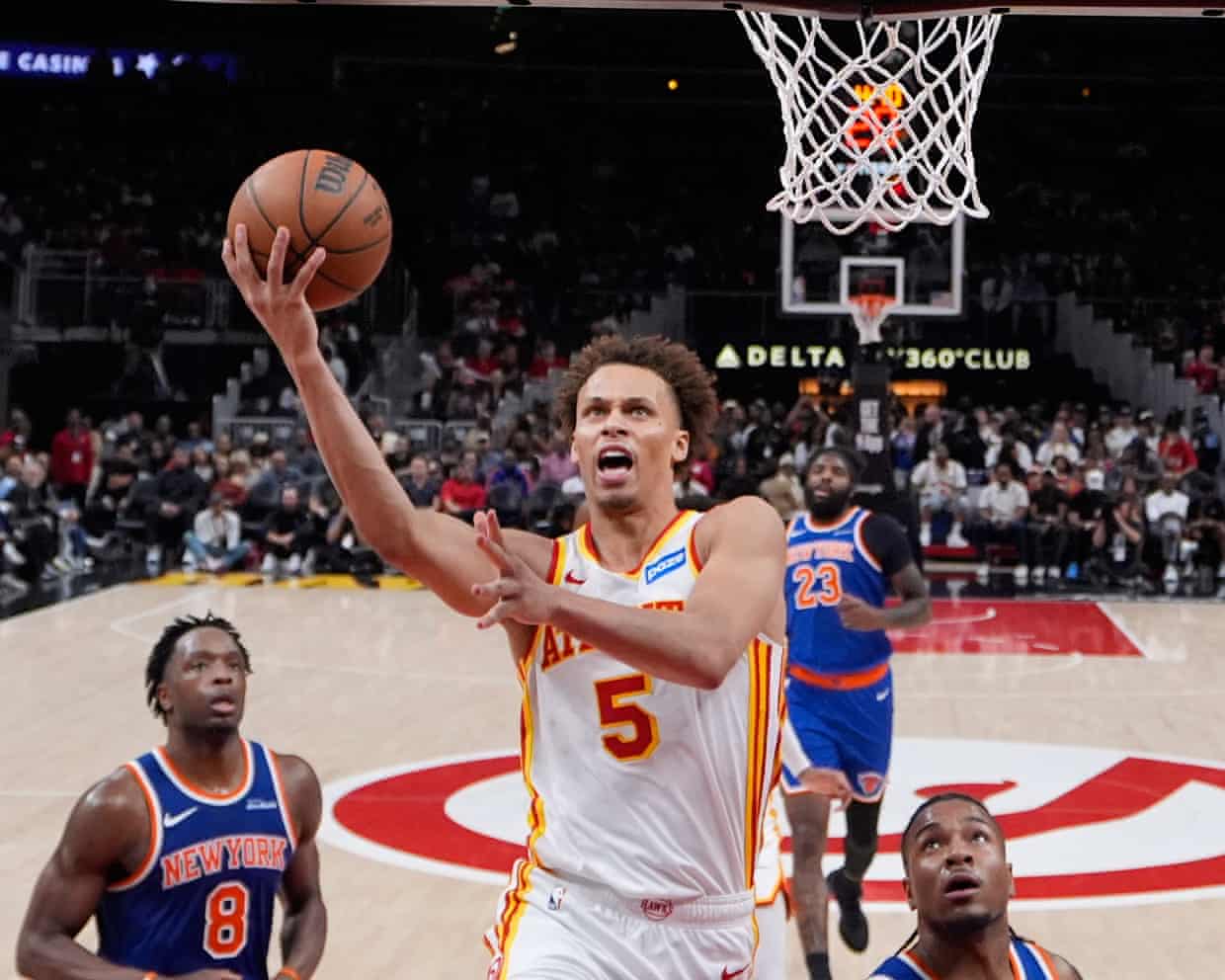
‘I’m unique’: Dyson Daniels on his NBA niche, missing three-pointers… and investing tips
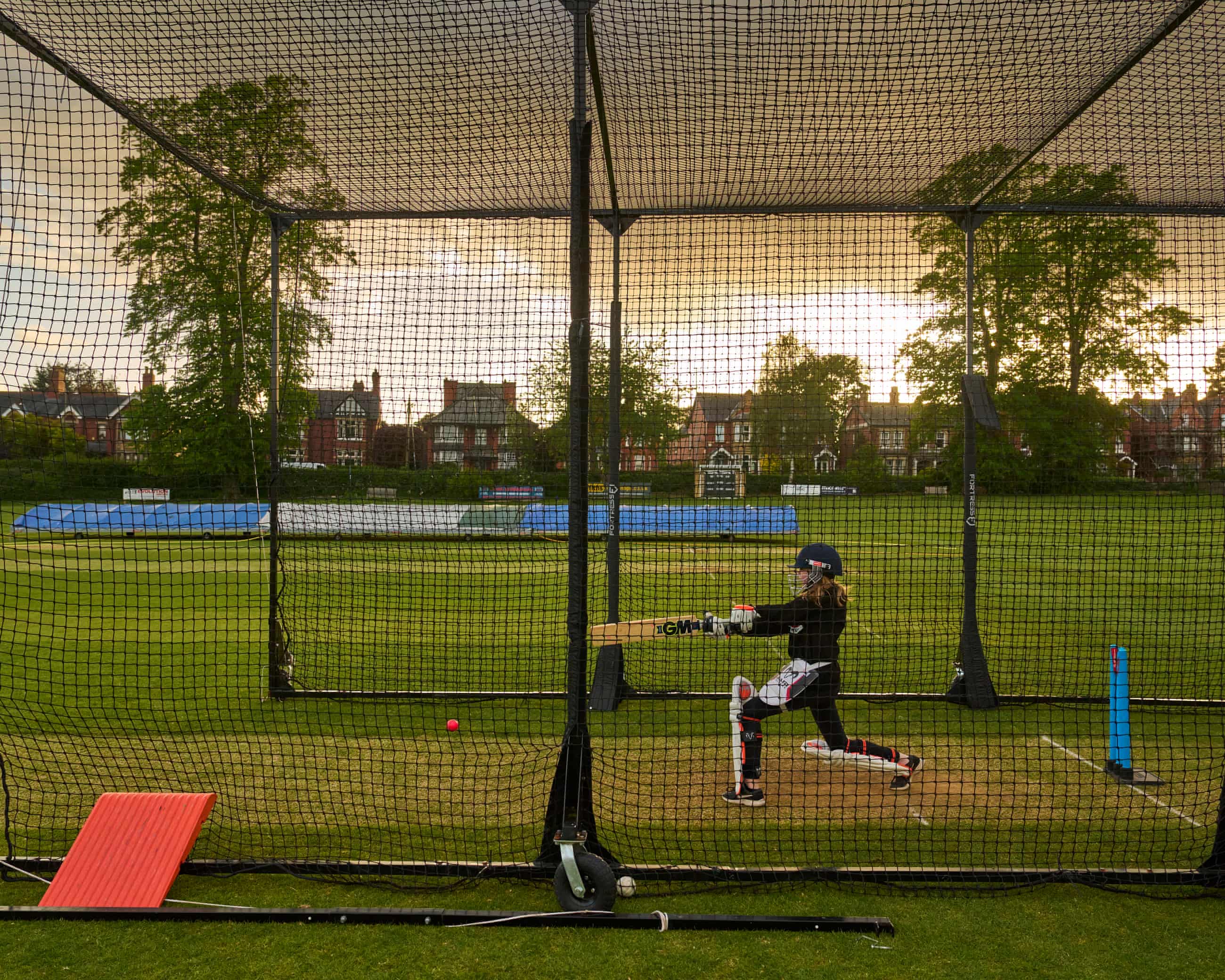
The Spin | ‘We have a hoot on the field’: Oswestry CC boasts 10 mother-daughter pairs
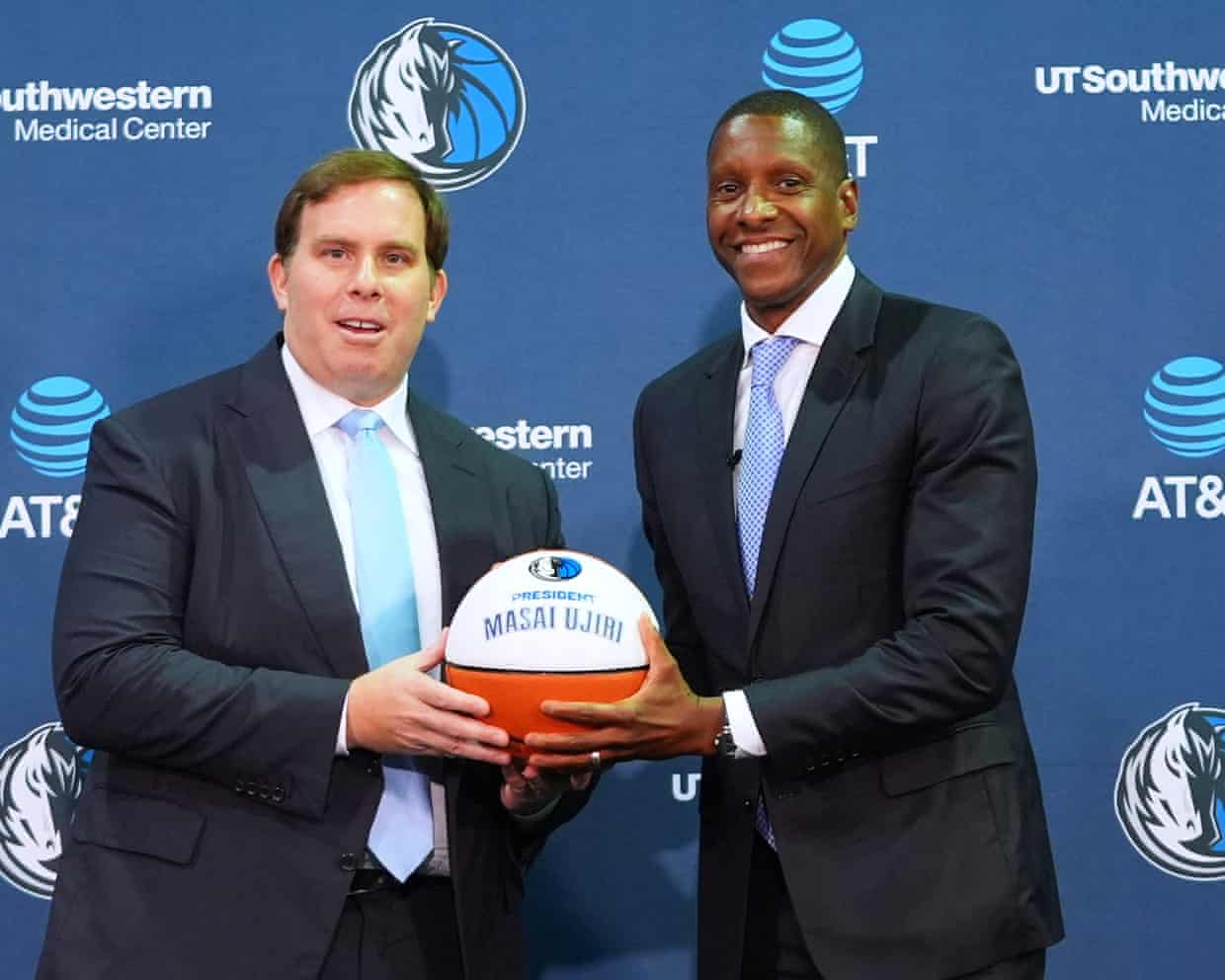
How will the liberal Masai Ujiri handle leading the ultraconservative Dallas Mavericks?
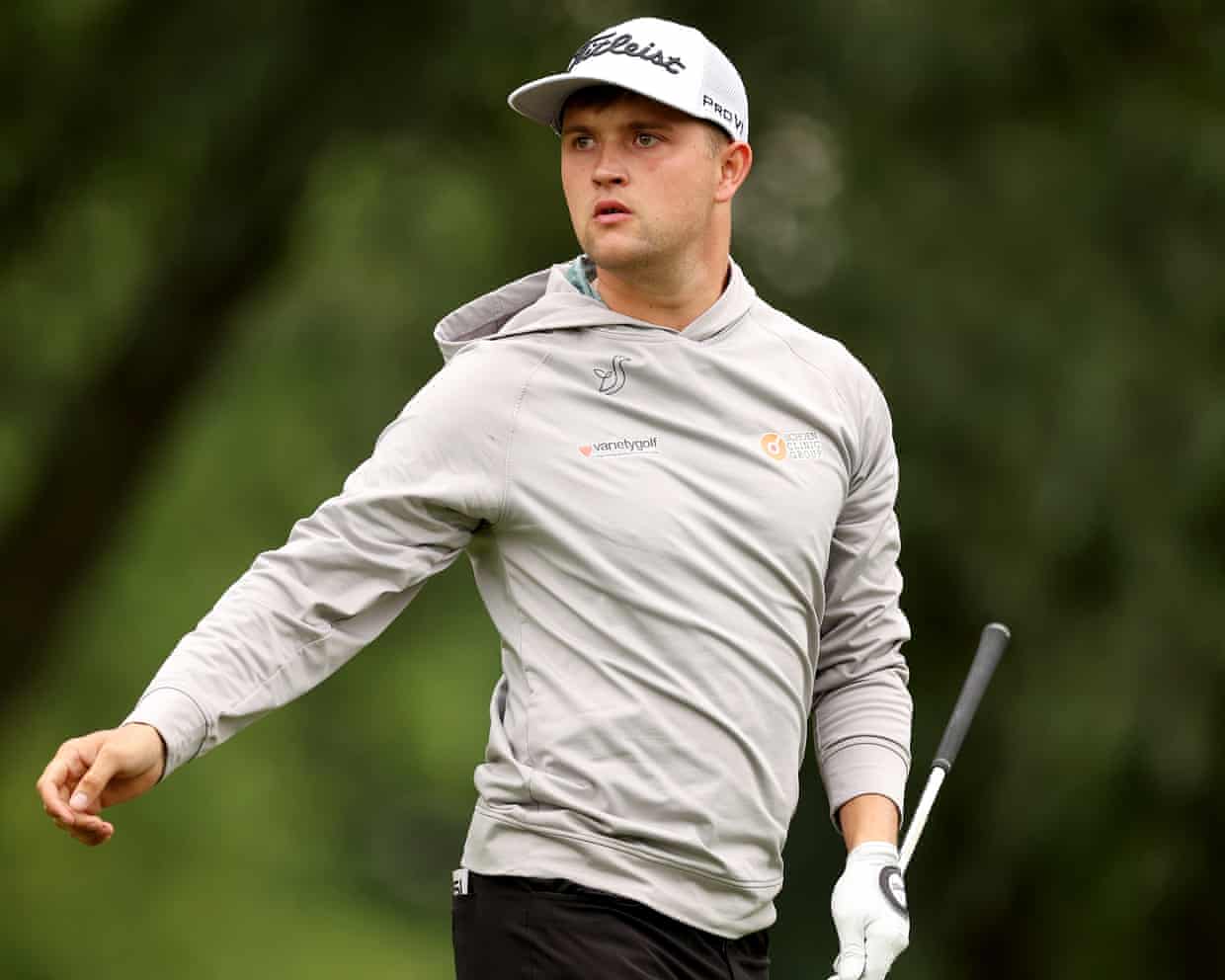
World’s No 1 disabled golfer Kipp Popert: ‘The best need to play for a living. The sport has stopped’
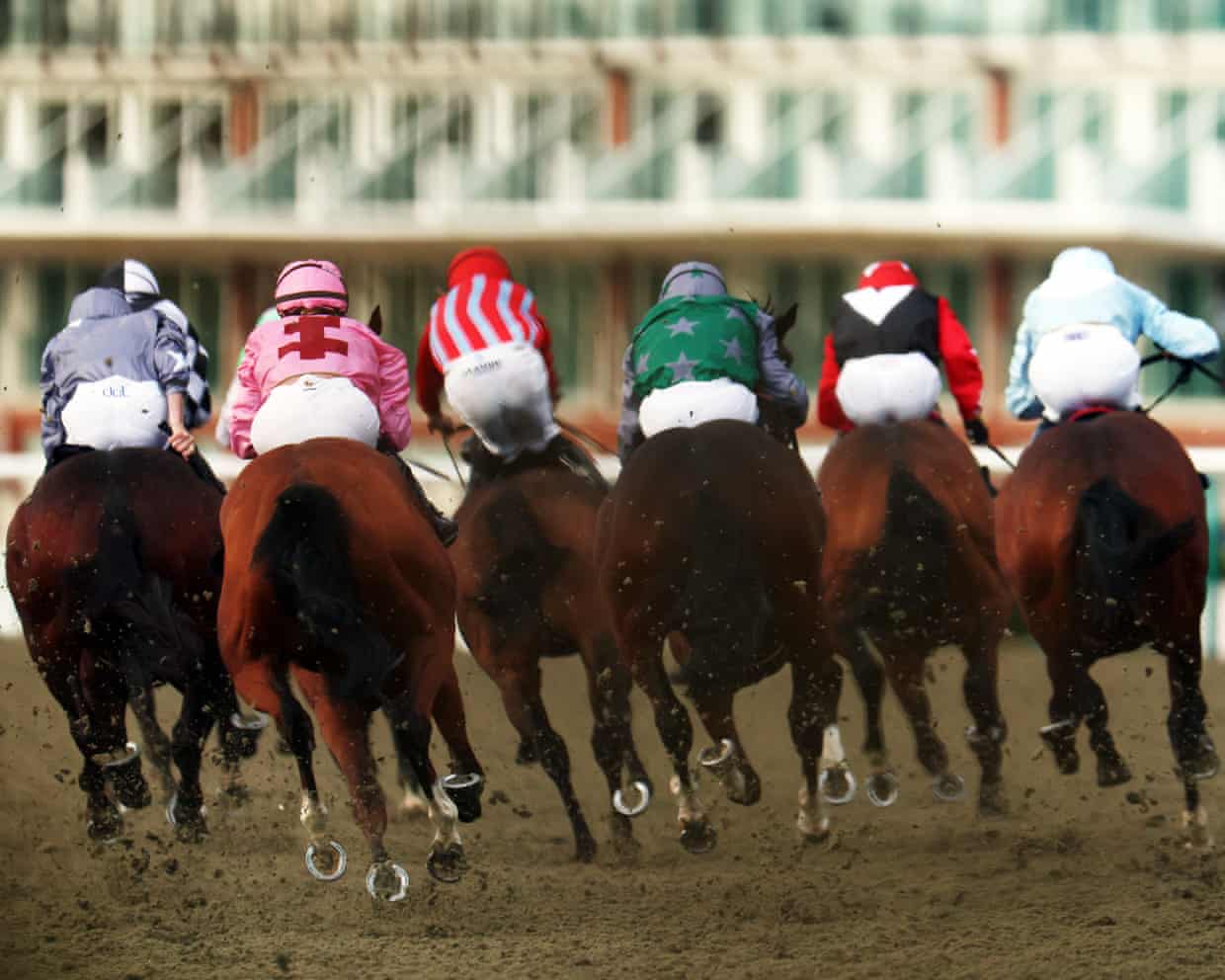
Racing need not fear Green party ‘conversation’ but must continue efforts on horse welfare
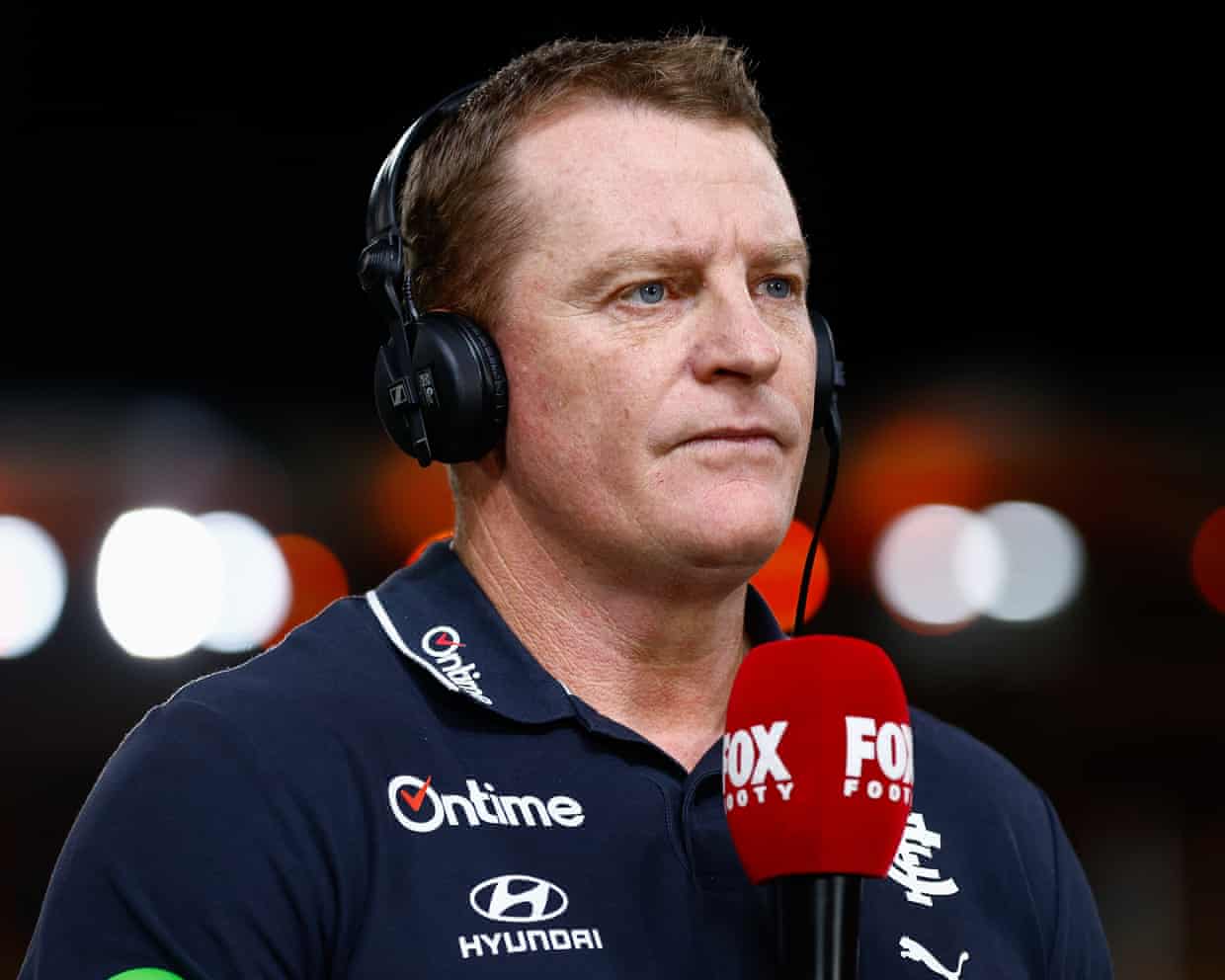
From the Pocket: Voss coached the way he played and his brutal football failed Carlton