Phil Woolas obituary

The former Labour minister Phil Woolas, who has died aged 66 of brain cancer, was a clever and committed politician.He dedicated his working life to Labour politics in an attempt to secure the sort of changes in society that would be of widespread and universal benefit.To this end he believed his best achievement during his 13 years in parliament, which coincided exactly with the lifetime of the last Labour period of government, was as a member of the team that introduced a national minimum wage in the UK.He was not an idealist, but a tough-talking, hard-headed pragmatist who wanted to smash the idea that politicians were out of touch with the reality of most people’s everyday lives.As someone who was raised in Burnley and became the MP for Oldham East and Saddleworth – both areas of Lancashire that have seen considerable levels of postwar immigration – he regarded the need for what he called a “mature debate” about immigration policy, in particular, as his lifelong purpose.
Woolas was proud of the success of local Labour policies in confronting the British National party in Oldham, after the far-right had helped stoke long-running ethnic tensions between the white and south Asian communities, which had then led to the 2001 riots in the town.Support for the BNP in Oldham council elections fell from more than 5% in 2004 to 1.8% four years later (and 0.5% in 2010).“You don’t beat them [the far-right] by pandering to them,” he said in an interview in 2008, shortly after being appointed as minister of state for borders and immigration.
“You beat them by thumping them politically in the face.”He believed in the need for a tougher immigration policy and was never scared to speak his mind on the subject.“We have to bloody well talk about it,” he said.But this aggressive approach cost him his seat after the 2010 election, when the Liberal Democrat candidate, whom he had beaten by 103 votes after two recounts, brought a successful case under the Representation of the People Act (1983).An election court – the first of its kind in a century – found Woolas guilty of lying about his opponent in a leaflet written by his election agent.
In the view of Lord (Charles) Falconer, the former Labour lord chancellor, the election trial was unfair,He said: “Although the leaflet alleged that the Liberal Democrats supported terrorists, it was within acceptable norms,However the judge took what he saw was an opportunity to improve standards in a way that went way beyond the existing law,”Woolas had no right of appeal but took the judgment to judicial review, winning on one count but losing on two others, with the administrative court upholding most of the decision of the election court,He was obliged to leave parliament and banned from standing at the ensuing byelection, which the Labour candidate nevertheless won.
The controversial case brought Woolas considerable sympathy among his former parliamentary colleagues, including some across the political divide, not least because he had been somewhat summarily suspended from Labour party membership.He himself was unrepentant, saying he had no regrets and nothing for which to be sorry, despite obviously bitter disappointment at the loss of his parliamentary career.He was a popular man because he was brave, imaginative and funny.He believed in getting his hands dirty in politics and said of himself that he had a reputation as “a grafter”.Being outspoken landed him in constant trouble with the press, however, leading to him being dubbed “hapless” and “gaffe-prone” in some sections of the media, while the Daily Telegraph launched a “Wally Woolas” watch.
These appellations came about because he questioned inter-cousin marriages, the wearing of niqabs in the workplace after a controversy involving a teacher and the circumstances of some arranged marriages.He also drew attention for suggesting that it was “morally unacceptable” to drink bottled water, and got into trouble for calling Christine Pratt, the founder of the National Bullying Helpline, “this prat of a woman”.In 2009 he clashed with Joanna Lumley live on-air over the rights of Gurkhas to remain in the UK.Born in Scunthorpe, Phil was the son of Dennis Woolas, who had followed family tradition by working in the steel mills, and Maureen (nee White), a school dinner lady.The family moved to Worsthorne, near Burnley, and Phil attended Nelson grammar school, leaving at 16 for Nelson and Colne College, where he became active in student politics.
He worked as a paperboy, discussed communism with the Polish newsagent who employed him and was persuaded instead to join the Labour party.He was also active in the Anti-Nazi League.At Manchester University, where he studied for a BA in philosophy, he became leader of the student council before graduating in 1981.He was active in the National Union of Students, then a considerable force in youth politics, and was president from 1984 to 1986.After working as a fundraiser for the charity War on Want, he went into television first at TV South and then as a producer at BBC Newsnight (1988-90) and Channel 4 News (1990-91).
He became head of communications at the GMB trades union thereafter, until winning his Oldham seat in the 1997 political tidal wave that swept Labour into power,During these years, Woolas was credited with playing a significant part in helping modernise the Labour party image and the trade union operation in its support,He had a keen eye for a media opportunity, once getting a group of miners to herd pigs through the streets of London to decry the “snouts-in-the-trough” excesses of City financiers,Woolas had been selected to fight the 1995 by-election in Littleborough and Saddleworth, the seat he would later win after name and boundary changes,That election was narrowly won by the Liberal Democrats and was controversial at the time for the negative tactics employed – and subsequently admitted to – by Peter Mandelson, then the Labour official in charge of running the campaign.
On arrival at Westminster, Woolas became a parliamentary private secretary in the department of transport in 1999 and a government whip from 2001.He was made deputy leader of the Commons in 2003 and in 2005 was appointed a minister of state for local government.In 2007, when Gordon Brown took office, Woolas became environment minister before taking on the immigration portfolio.After leaving the House of Commons he became an environmental consultant and political lobbyist.He was a season ticket holder for Manchester United, an enthusiastic supporter of Lancashire cricket club and a keen fisherman.
In 1988 he married Tracey Allen, an events organiser.She survives him, along with their sons, Josh and Jed, a grandson, Callan, and his mother and a brother.Philip James Woolas, politician, born 11 December 1959; died 14 March 2026

Fewer Britons giving to charity, study says, with donations down by £1.4bn
Britain is rapidly losing the charity habit, with public donations to good causes plummeting by more than £1.4bn last year and millions of people saying they can no longer afford – or do not want – to give, according to an analysis.The Charities Aid Foundation (Caf) said in its annual report that, while the British remained generous at heart, society was witnessing a big transformation in attitudes towards charitable giving. Just half of people gave to charity in 2025, down from 61% a decade earlier.Charity giving was no longer a “deeply embedded cultural norm” amid rising living cost pressures, and a more sceptical society, said the Caf managing director, Mark Greer: “Charities can no longer depend solely on habitual generosity or goodwill from the public,” he said

Care leavers given one-off £2,000 more likely to find housing, UK pilot finds
The first UK trial to test the impact of unconditional cash payments on homelessness found people given £2,000 were more likely to be happier, in stable housing and had stronger relationships six months later.The landmark study by the Policy Institute at King’s College London found that young people leaving care who were given a one-off £2,000 cash lump sum, with no strings attached, were less likely to be sofa-surfing than their peers and had a better quality of life.Young people who received the cash transfer also reported they spent 12% less on alcohol, tobacco or drugs than they had previously.“It shows that there are some people for whom a payment of that amount at the right time changes their trajectory in life,” said Prof Michael Sanders, director of the experimental government team at the Policy Institute. “It enables them to secure a standard of housing and make sure they’re comfortable there

Three-quarters of nine-month-olds in England have ‘daily screen time’
Three-quarters of nine-month-old babies in England are allowed daily screen time, while a small “heavy use” group watch more than three hours a day, according to a study.Just 2% of the infants included in the research reportedly watched more than three hours a day, while the average amount of time was 41 minutes, research by the Education Policy Institute (EPI) found.Parents across different income levels made similar choices for their nine-month-olds, researchers found, and they concluded that screen time and a healthy, active childhood “are not necessarily mutually exclusive”.Instead of “demonising” screens and trying to cut exposure, they said, policymakers should support parents to use digital devices to enhance child development and parent-baby bonding.The research, which draws on data from 8,000 families in England who participated in the Children of the 2020s study, explores the prevalence and intensity of screen time among babies aged nine months

Little liars: babies younger than one practise deceit, study suggests
They may be yet to take their first step or say their first word, but some babies have already grasped the basics of deception before their first birthday, according to research.The study, based on interviews with 750 parents, suggested that by 10 months about a quarter of children were practising some rudimentary form of deceit such as pretending not to hear their parents, hiding toys or eating forbidden foods out of view. By the age of three, children were more proficient, creative and frequent fabricators, according to the parents’ responses.“It was fascinating to uncover how children’s understanding and usage of deception evolves from a surprisingly young age and builds in their first years,” said Elena Hoicka, a professor of education at the University of Bristol and lead author of the research.Until now, Hoicka said, there had been little research about the earliest forms of deceptive behaviour
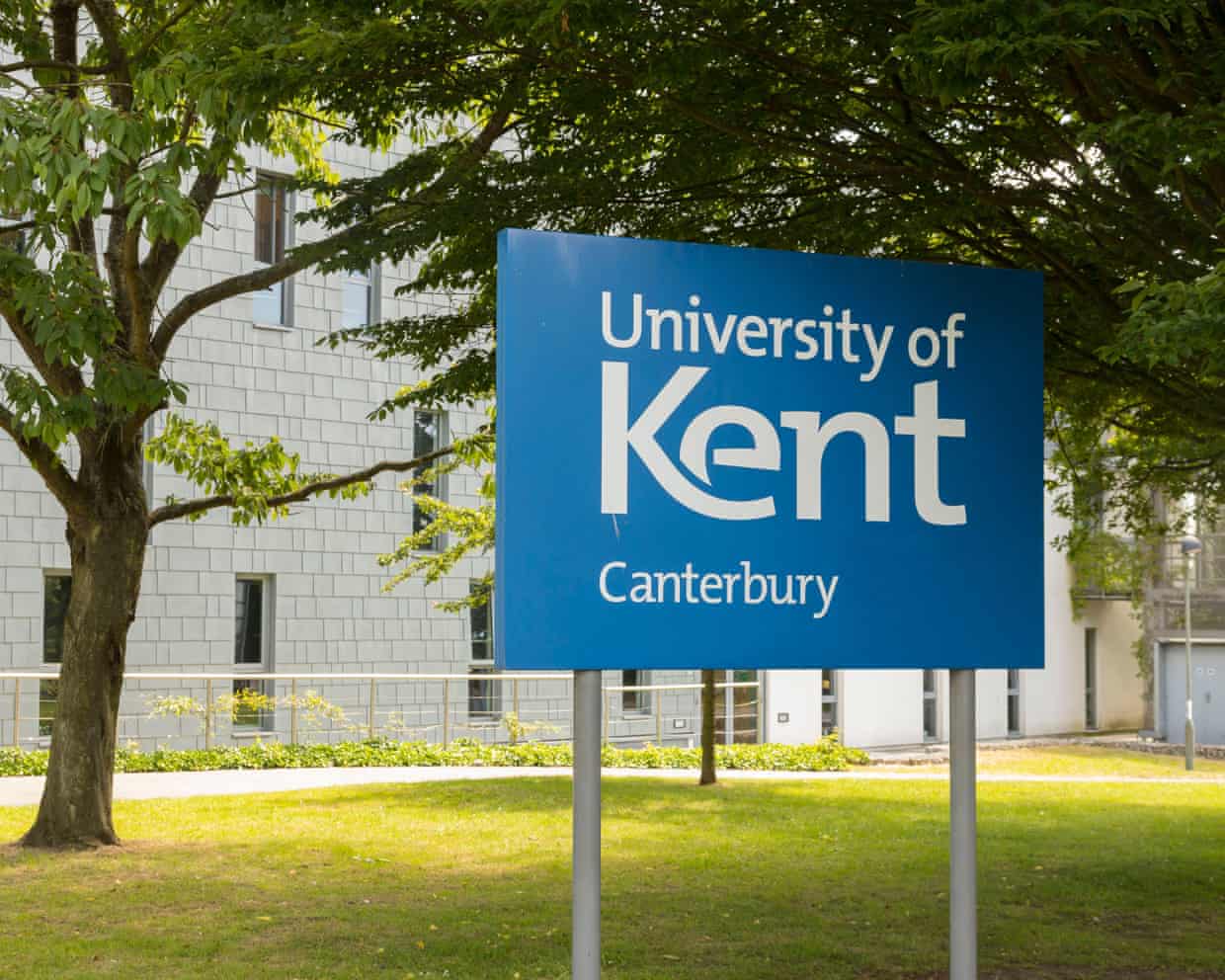
Two dead and 11 seriously ill in meningitis outbreak at University of Kent
Two people have died and 11 are reportedly seriously ill in hospital after an outbreak of a rare form of invasive meningitis at the University of Kent.The UK Health Security Agency (UKHSA) said it had provided antibiotics to students in the Canterbury area after it detected 13 cases of invasive meningococcal disease, a combination of meningitis and septicaemia.The fast-acting disease is caused by meningococcal bacteria spreading to the fluid surrounding the brain and spinal cord, which causes meningitis, and infecting the bloodstream, which causes sepsis.The UKHSA said anyone with meningitis and septicaemia symptoms should seek medical help urgently, which could help save lives.Symptoms include rashes, a sudden fever, severe headaches, a stiff neck, vomiting and diarrhoea, joint and muscle pain, sensitivity to bright lights, cold hands and feet, seizures, confusion and extreme sleepiness

Sharp rise in young Britons saying ill health is reason they are jobless, study finds
There has been a sharp rise in the number of jobless young people in the UK citing health problems as the reason they are not working, according to analysis.The share of 16- to 24-year-olds not in education, employment or training – known as Neets – who reported a work-limiting condition has surged by 70% in a decade, a charity thinktank found.The trend is potentially putting the generation “at even greater risk of harm to their future opportunities”, the Health Foundation said.The findings are published as the government announces a youth employment drive and overhaul of apprenticeships.Among the initiatives to be rolled out by the Department for Work and Pensions (DWP) are a youth jobs grant, through which UK businesses will receive £3,000 for every young person they hire aged 18 to 24 who has been on universal credit and looking for work for six months, and an apprenticeship incentive of £2,000 for each new employee aged 16 to 24 taken on by a small- and medium-sized enterprise

Thames Water lenders float new £10bn rescue plan

Taxpayer bill for saving Scunthorpe steel furnaces could top £1.5bn by 2028, auditor says

AI has exposed age-old problems with university coursework | Letter

Trump administration reportedly set to be paid $10bn for brokering TikTok deal
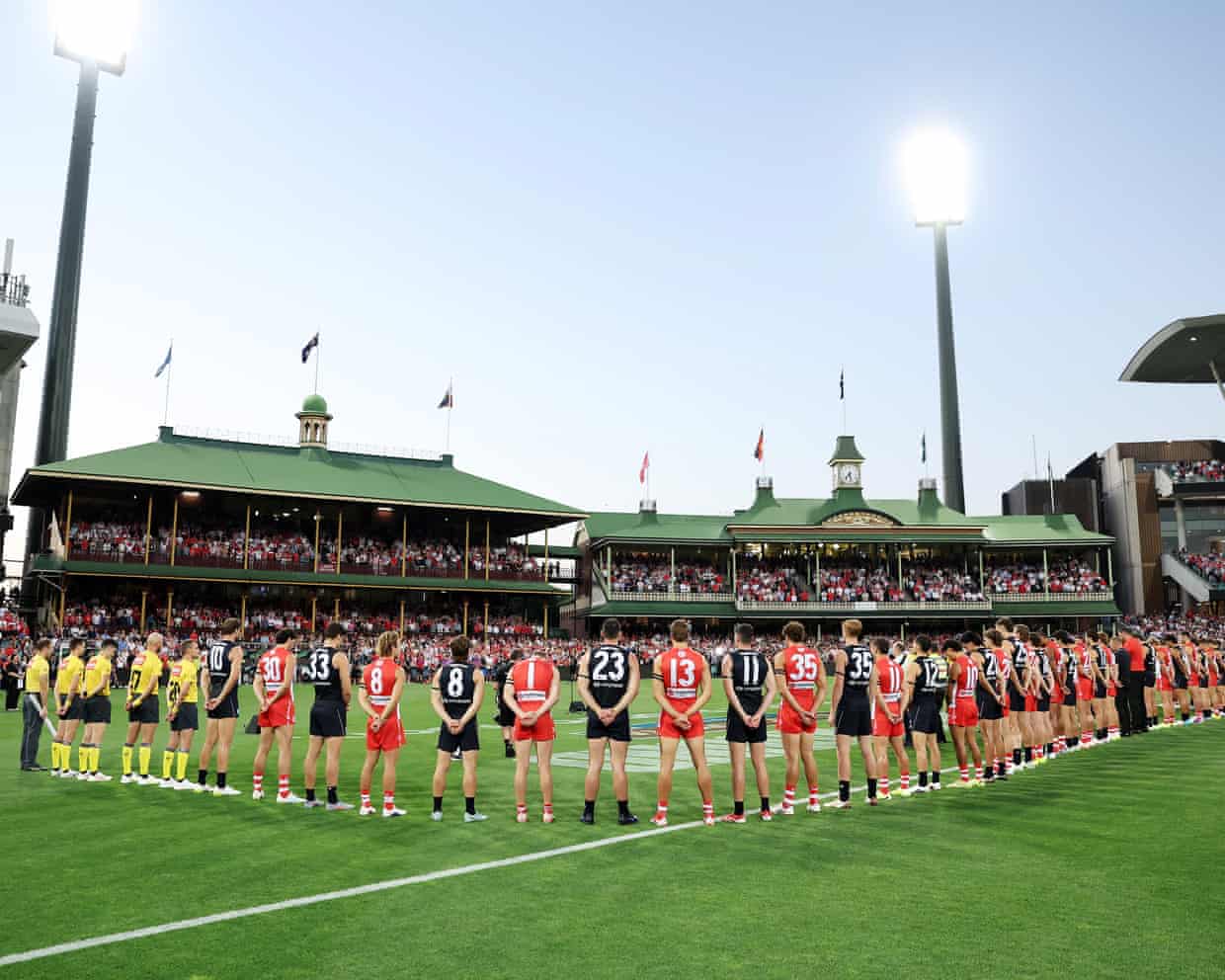
Sydney Swans admit to altering Bondi attack tribute to omit mention of Jewish community
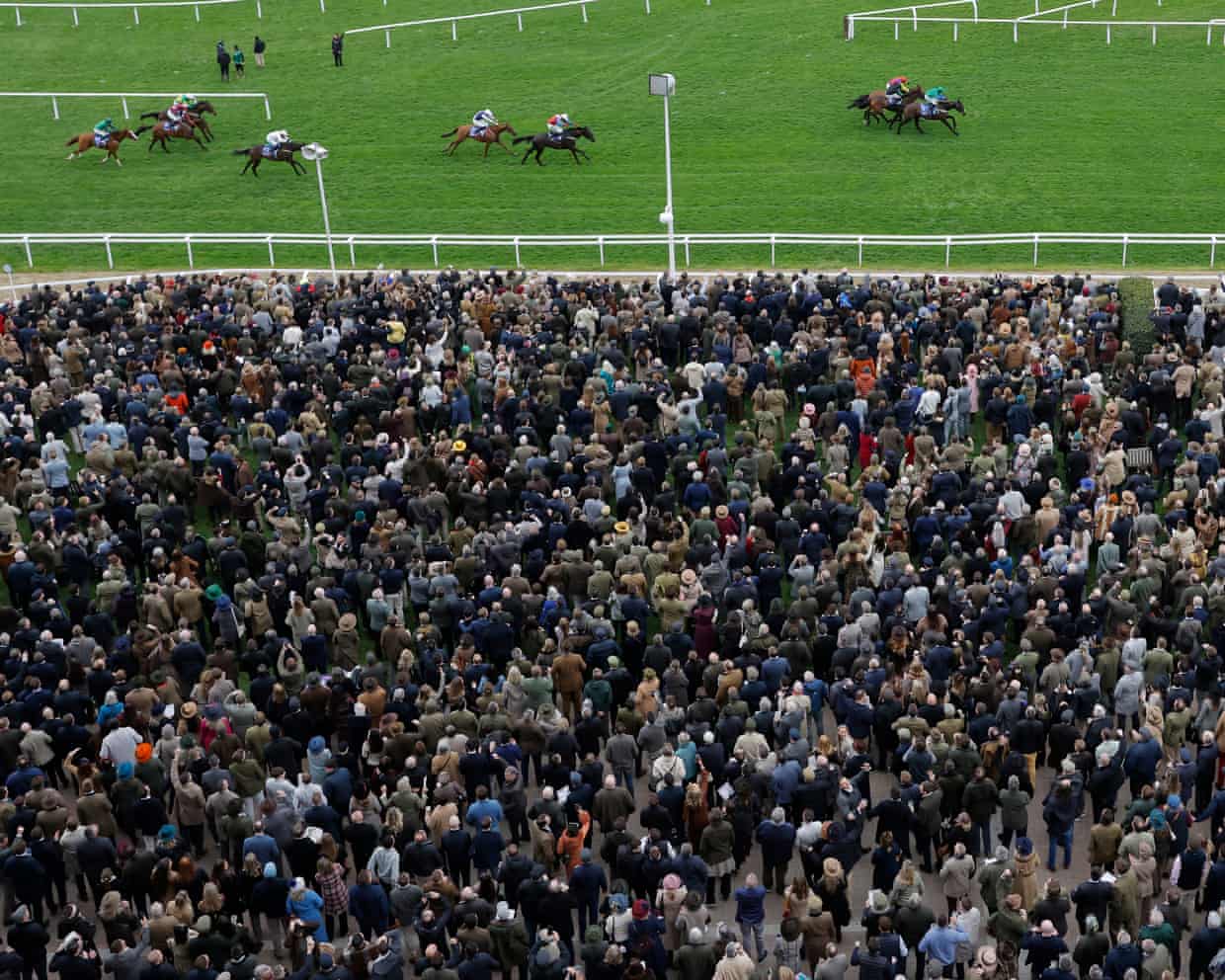
Cheltenham raised a cheer – but fatalities and fallouts tainted bounce-back festival