Taxpayer bill for saving Scunthorpe steel furnaces could top £1.5bn by 2028, auditor says
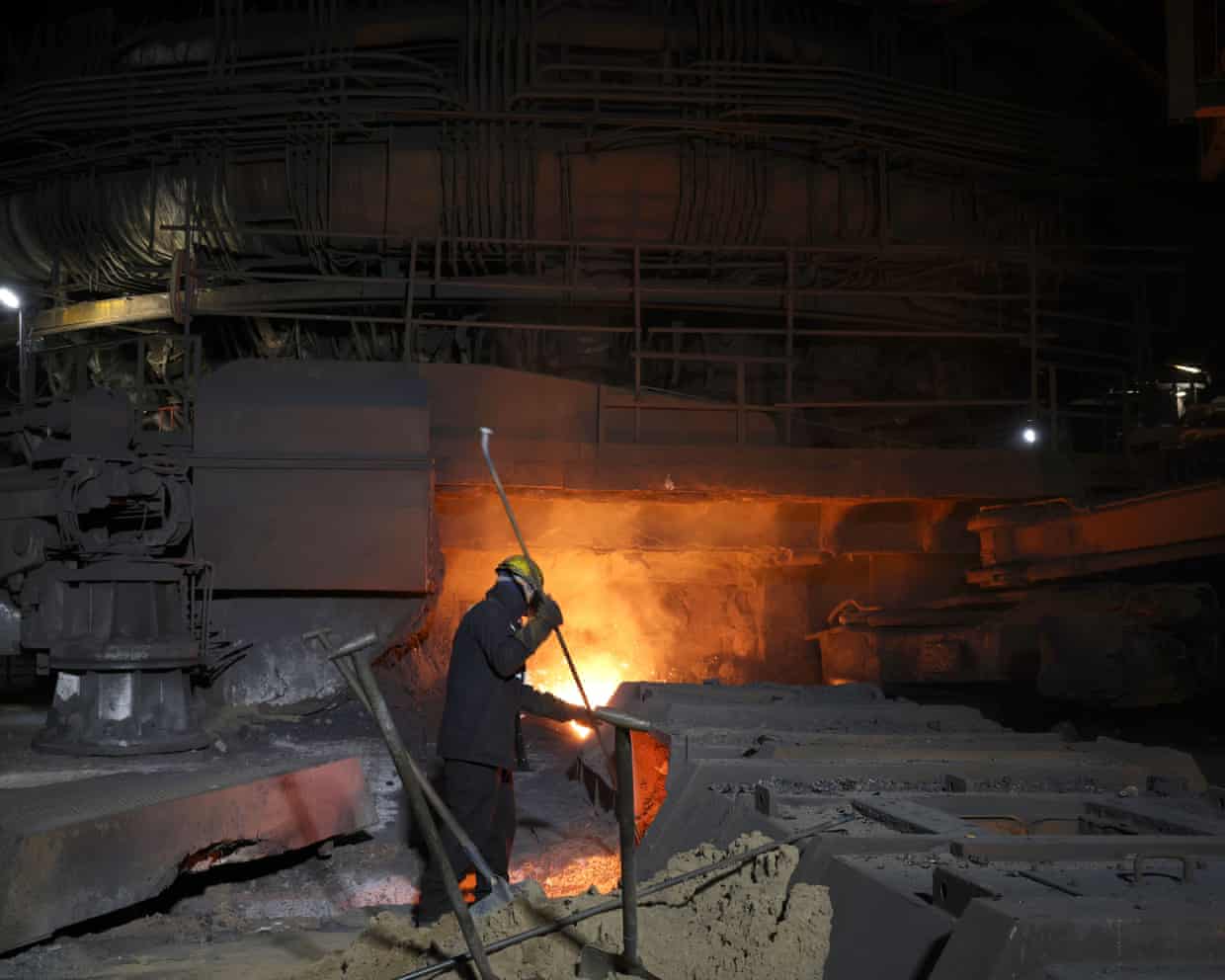
The cost of keeping the UK’s last remaining blast furnaces going at British Steel’s Scunthorpe plant could exceed £1.5bn by 2028 if it continues at its current rate, according to the government’s spending watchdog.Ministers took the plant into public control in April last year, after its Chinese owner – industrial firm Jingye – threatened to shut down the loss-making site.The National Audit Office (NAO), which monitors state spending, said the intervention saved thousands of jobs at Scunthorpe and prevented a “serious impact” on UK industry, including Network Rail, which buys steel for the railways from the plant.Shutting the plant would also have ended Britain’s “primary” steel-making ability because blast furnaces allow steel to be made from scratch, rather than relying on scrap metal.
While the NAO’s report highlighted the benefits of the intervention, it warned about the high cost of the rescue package, which had reached £377m by the end of January this year, including £15m spent on advisers.The bill could soar beyond £1.5bn if operating costs continue at their rate of £1.3m a day, it said.In practice, taxpayer liability could be significantly higher because the estimate does not include compensation that might be paid to Jingye, costs associated with any eventual sale process, or the huge investment that would be required to replace its blast furnaces to greener electric arc furnaces.
Gareth Davies, head of the NAO, said the Department for Business and Trade (DBT) “should learn from this experience to be better prepared for future interventions”.The £377m spent so far is classified as a loan from DBT.DBT has no repayment schedule in place, the NAO said, and it is not apparent that British Steel will be able to repay the money.The department was not allocated funding for the intervention at the spending review and will have to make savings elsewhere to meet some of the costs, it added.The government has previously announced a £2.
5bn support package for the steel industry, through measures such as reducing energy bills, and using more green UK-made steel for infrastructure projects.The NAO said using that fund to support British Steel would lead to “trade offs” with other spending plans.DBT is working on a wider strategy proposal for the struggling UK steel industry.Alasdair McDiarmid, general secretary of the steelworkers’ union Community, said: “Should the government have sat on its hands, and allowed British Steel to collapse, the financial and social impacts would have been catastrophic.“The government made the right decision to invest now because local economies would have been decimated, our nation would have been less secure, and we would have seen a massive and long-term increase to the welfare bill.
”
Oil company shares soar to all-time highs as Middle East war turbocharges price per barrel
Shares in big oil companies have soared to all-time highs since the war in Iran began and sparked historic price rises on global oil and gas markets.The combined market value of the six stock market-listed western “super majors” has soared by more than $130bn in the two weeks since the first US-Israeli attacks on Iran.The energy supply shock caused by the conflict has resulted in record stock market valuations for London-listed Shell, Europe’s largest oil company, as well as US oil companies ExxonMobil and Chevron.The market shock is expected to deliver multibillion-dollar windfalls for the industry, even as sites in the Middle East are hit by the conflict.US oil companies can expect a $63
Beyond the strait: why attacks on Kharg Island could keep oil prices high
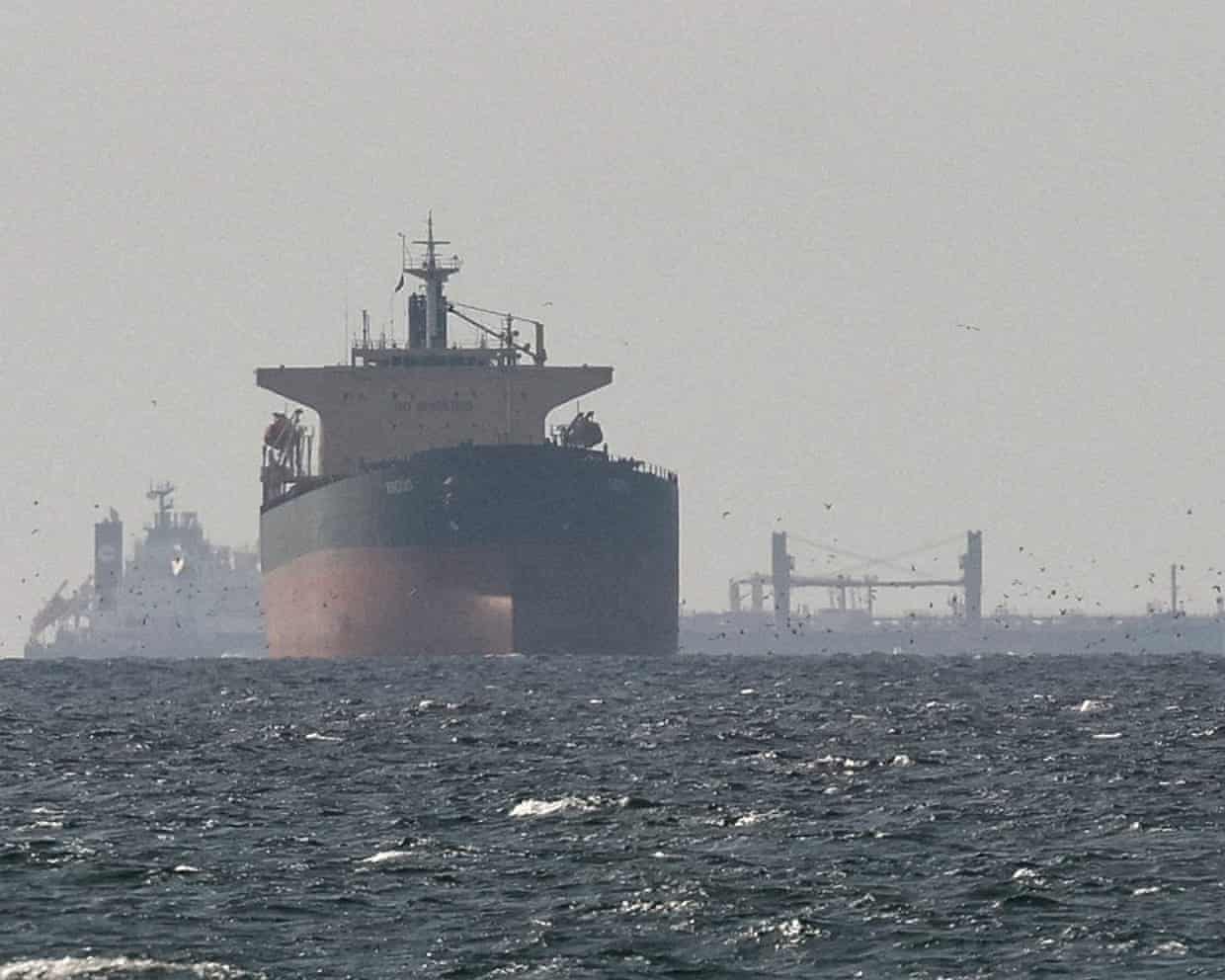
About 20 miles off the coast of Iran lies the source of the petrostate’s economic lifeblood and the latest target of US military aggression: an 8 sq mile coral island through which nine in every 10 barrels of Iranian crude passes each day.The US president’s decision to launch a weekend attack on Kharg Island, the home of Iran’s processing hub and the heart of its economy, is an unsurprising counterstrike to the Iranian regime’s ongoing chokehold on the oil market’s trade artery.But uncertainty over future oil production by one of the world’s largest producers, is also likely to cause further market volatility after weeks of historic price increases.Donald Trump ordered the US military attack on Iran’s most strategic economic asset on Saturday, exactly two weeks after the US-Israeli strikes which began the war and led to the blocking of the strait of Hormuz.The bombardment took aim at military assets on the island, and has so far spared oil facilities

AI could give us our lives back – if we don’t blow it
The other day I pulled into the parking lot of a client’s offices and in the spot next to me was a woman sitting in her car blasting music. She caught me looking and rolled down her window and said, “I’ll be inside in a minute … Just enjoying my last few moments of freedom!”Is this way we want to live? No, it’s not.Elon Musk recently predicted work will be optional. “It’ll be like playing sports or a video game or something like that,” he said. Sounds nice

‘Cruel hoax’ or ‘work-life balance nirvana’: whatever happened to the four-day work week?
It has been years since the four-day work week was floated as a solution to everything from traffic congestion to burnout. So why aren’t we all doing it now?Follow our Australia news live blog for latest updatesGet our weekend culture and lifestyle emailDuring the global soul-searching that followed the rupture of Covid-19 lockdowns, one idea for how we might live better suddenly seemed plausible: the four-day work week.The model is simple but somewhat counterintuitive. Employees work fewer hours for the same salary while getting the same amount of (or even more) work done. Advocates say this is made possible by reducing meeting times, streamlining workflows and prioritising work more efficiently

Stout clobber? Guinness tie-up features £1,295 ‘pub carpet’ jumper
Brand enlists JW Anderson to help brew up 17-piece range of luxury fashionwear, from ‘beer towel’ shorts to branded trousers and topsYou too can look like a pub carpet – and for the bargain price of £1,295. Such sartorial elegance – perhaps an option for anyone stepping out to celebrate St Patrick’s Day this week – is the aesthetic love-child of a partnership between Guinness and the luxury clothing brand JW Anderson.The tie-up, launched earlier this month, allows fashionistas to get their hands on a range of Guinness wear that exploits the continuing metamorphosis of the “black stuff” from unfashionable pub staple to social media status symbol.The 17-piece range features everything from elasticated shorts that look like a beer towel (£440) to an £850 Irish wool jumper, featuring the Guinness harp logo set against a cloudy cream that nods subtly to the head on a well-poured pint.The range is fronted by the actor Joe Alwyn and the rapper Little Simz, and “pulls from vintage brewery uniforms, Irish pub interiors and archival graphics, translating them into denim workwear, twisted jeans, towelling sets and knitwear”
Relief for some of Britain’s poorest lands at right moment to cushion Iran aftershocks | Heather Stewart
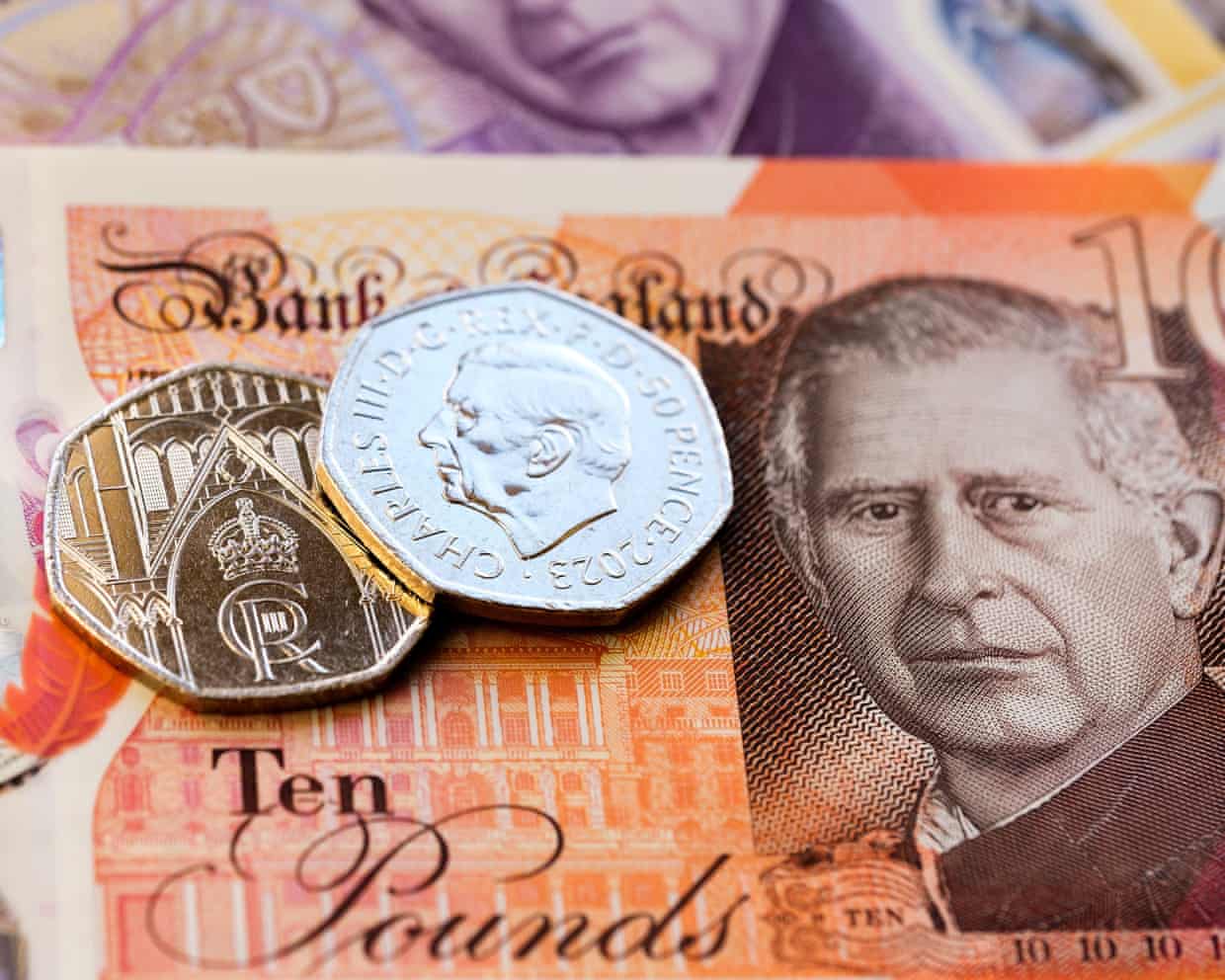
It doesn’t involve warships, drones or strategic oil stocks, but one of Labour’s most potent weapons for containing the economic aftershocks from the Iran war for the UK is about to be unleashed: the scrapping of the two-child limit.If the cost of essential goods spikes as a result of high oil prices it is the poorest households who will be the most exposed.The timing is purely fortuitous, but ministers are about to write to parents in more than half a million such homes to let them know they are likely to receive an average of £440 extra a month from April. These are families with three or more children, claiming universal credit.“It’s massive,” says Alex Clegg, an economist at the Resolution Foundation thinktank
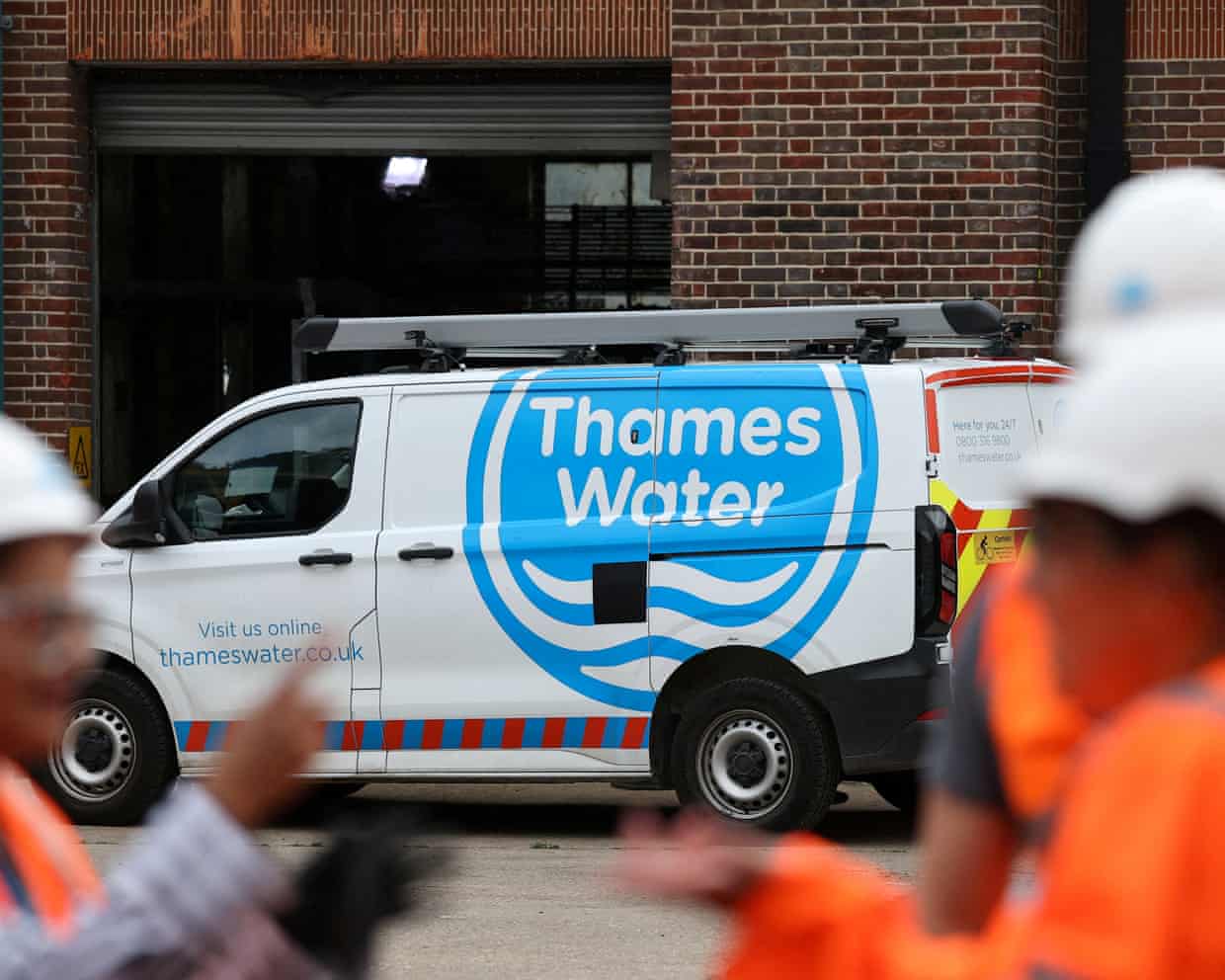
Thames Water lenders float new £10bn rescue plan
Taxpayer bill for saving Scunthorpe steel furnaces could top £1.5bn by 2028, auditor says

AI has exposed age-old problems with university coursework | Letter
Trump administration reportedly set to be paid $10bn for brokering TikTok deal
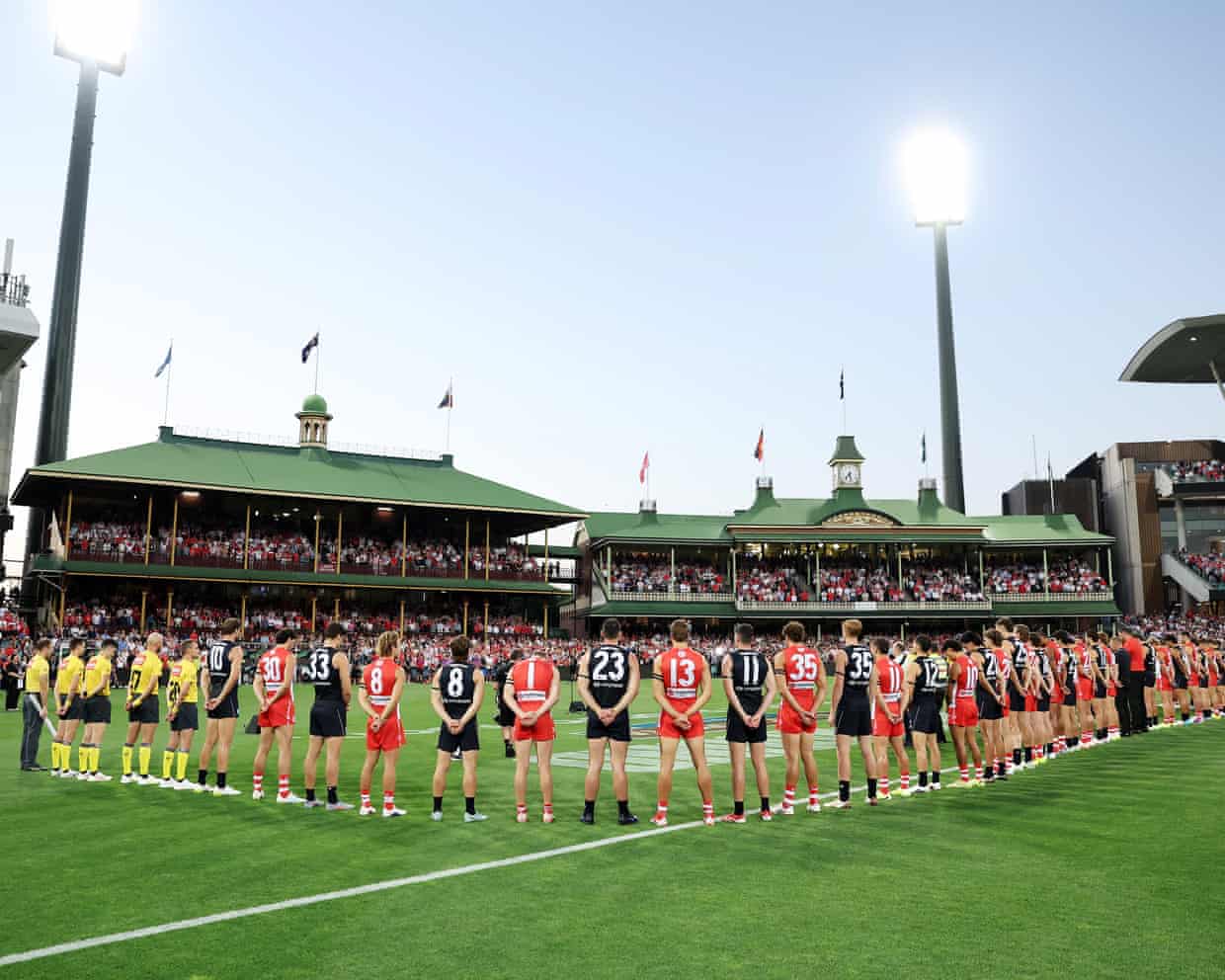
Sydney Swans admit to altering Bondi attack tribute to omit mention of Jewish community
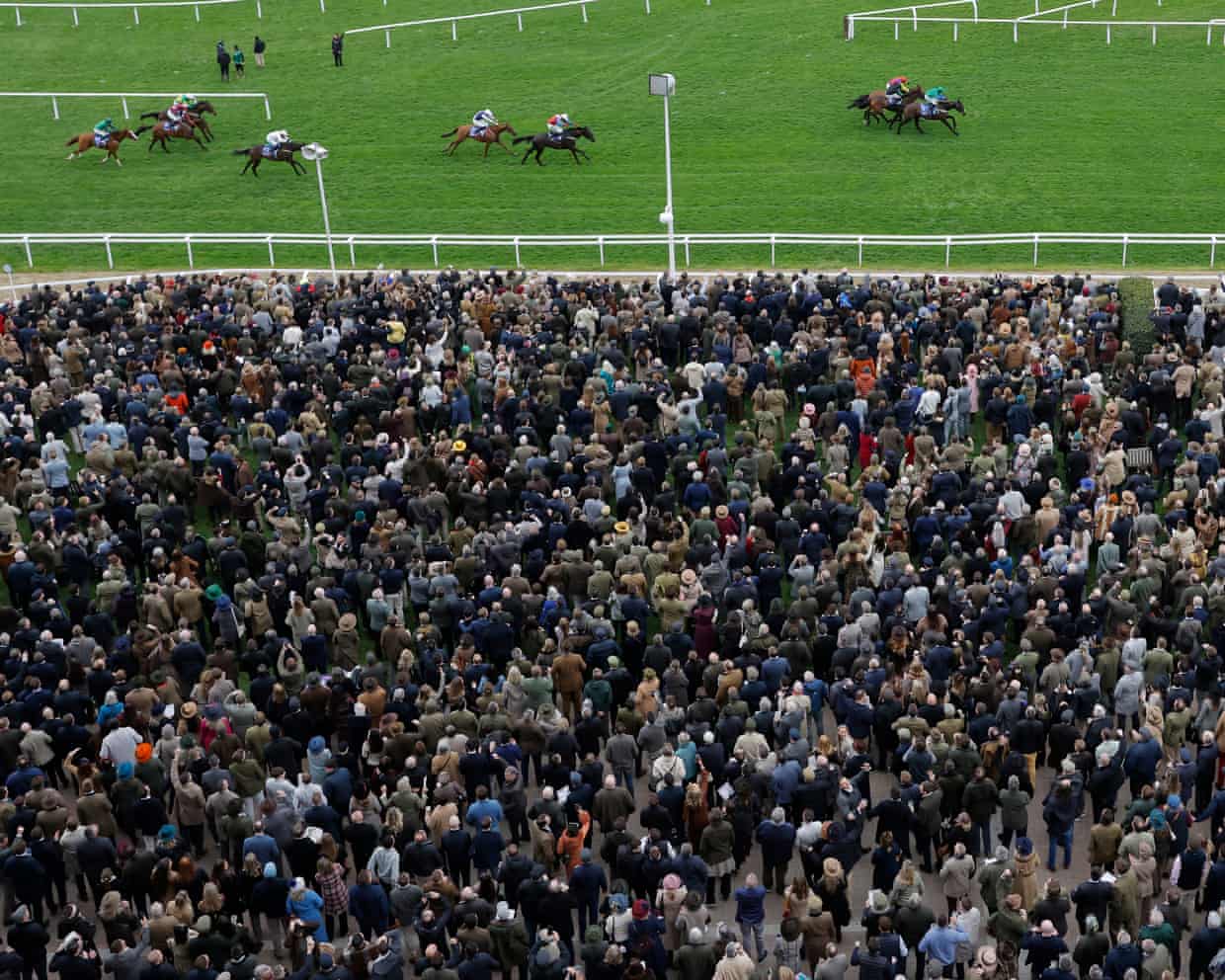
Cheltenham raised a cheer – but fatalities and fallouts tainted bounce-back festival