Labour anxiety and accusations after big shift in Muslim vote to Greens
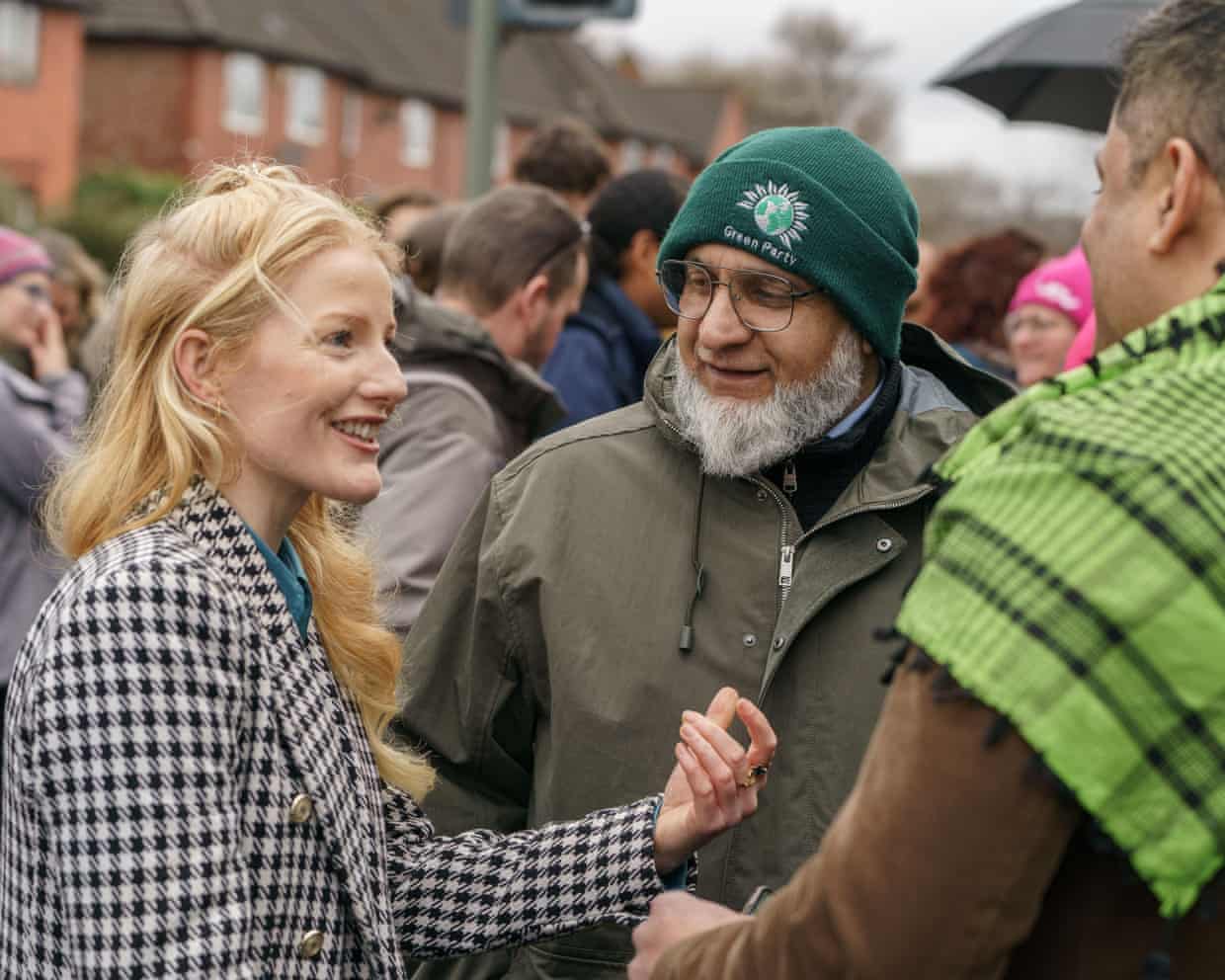
The Green party’s success at winning Muslim votes in Gorton and Denton has sent tremors through Westminster, prompting recriminations and accusations from opposition parties, who sense another major realignment in British politics,Experts say Hannah Spencer’s unexpectedly wide margin of victory was delivered in part by a significant shift of Muslim voters from Labour to the Greens,Labour and Reform UK have accused the Greens of playing sectarian politics, highlighting the party’s use of the Indian prime minister, Narendra Modi, in campaign materials, its endorsement by George Galloway and accusations of voter manipulation,Keir Starmer wrote to Labour MPs on Friday telling them: “[Their] divisive, sectarian politics is a sign that the Greens are not the harmless environmentalists they pretend to be,”But senior figures within Labour admit that the Greens’ ability to turn out the Muslim vote shows the leftwing party is starting to build the kind of finely tuned political machine on which they themselves have relied for years.
“The Greens were doing a lot of stuff with the mosques, persuading people there they were best placed to defeat Reform,” said one Labour source.“When progressive voters were looking for a party to coalesce around, persuading the networks in the Muslim community that you were the party best placed to win made a huge difference.”Labour has traditionally relied heavily on Muslim voters.Shortly before the last election, a poll by Savanta found that nearly two-thirds of the UK’s nearly 4 million Muslims intended to vote Labour.Since the election, anger at the party’s stance on Gaza has been exacerbated by fury at its approach to immigration.
Labour MPs say they found many Muslim voters mentioning the name of Shabana Mahmood, the home secretary and one of the country’s most prominent Muslim politicians – and not in a good way.“Lots of people were angry at Shabana and our approach to immigration in general,” said one MP.The person added they had encountered a lot of hostility to the government’s plans to make it harder for migrants to earn settled status in the UK.“Several people said these rules would not have allowed their parents to make their lives here.”Accusations from Labour and Reform of sectarian campaigning have focused on a few details.
The first is a Green campaign video in Urdu that accused the government of being too close to Modi, the Hindu nationalist prime minister of India, who is a particularly polarising figure for many from Pakistani backgrounds.The second is the last-minute endorsement of the Greens by Galloway, the firebrand former MP who has previously been accused of running divisive campaigns in areas with high Muslim populations.Finally, Reform and the Conservatives have highlighted a report by election observers warning of widespread “family voting”, where one member of a family accompanies another into the ballot box with the intention of influencing their vote.The Democracy Volunteers report does not provide any detail on the identities of those its observers saw apparently colluding on votes.Matt Goodwin, Reform’s candidate for the seat, claimed a “dangerous Muslim sectarianism” had emerged and said there was “one general election left to save Britain”.
Nigel Farage made a broad claim of “serious questions about the integrity of the democratic process in predominantly Muslim areas”.Those accusations have prompted anger among prominent British Muslims, who accuse Reform of trying to deny the legitimacy of an entire community by linking the “family voting” report to the wider legitimate effort to court Muslim voters.They point out that shaping messages to a particularly demographic group is a universal feature of political campaigns.Wajid Akhter, the secretary general of the Muslim Council of Britain, condemned what he called “gutter” rhetoric from “a desperate political class not willing to give ordinary British voters the dignity they deserve”.Shaista Gohir, who leads the national charity Muslim Women’s Network UK, said: “Muslims have every right to vote for the party that listens to them and is most aligned with their issues just as many voters now seem to be aligned with the Reform party.
”It is not the first time concerns have been raised about the way in which family and religious networks can influence votes among British Muslim voters,A report by academics at Manchester and Liverpool universities in 2015 found: “These networks tend to be reciprocal, and are hierarchical and patriarchal, which may undermine the principle of voters’ individual and free choice,”Green officials point out that voter fraud tends to be most prominent in postal ballots, and that on this occasion Labour won the postal vote,Experts also say any voter manipulation is unlikely to have been so widespread as to call into doubt Spencer’s 4,402-vote majority,A Green spokesperson said: “The scale of our victory shows that the Green party has picked up substantial support in all parts of the constituency, in all areas, among all people.
It was a victory for unity over division, for hope over hate.”One thing Labour and Green sources agree on is that in an election where progressive voters were seeking credible information for how to block Reform, Muslim community networks proved vital messaging tools.They add that this could be even more important at the next general election if it becomes a de facto referendum on Reform and its leader, Farage.“At some point you reach a tipping point where Labour’s most traditional voters realise they can depart the party en masse and still keep out Reform,” said one Labour source.“That’s the real danger for us at the next election.
”
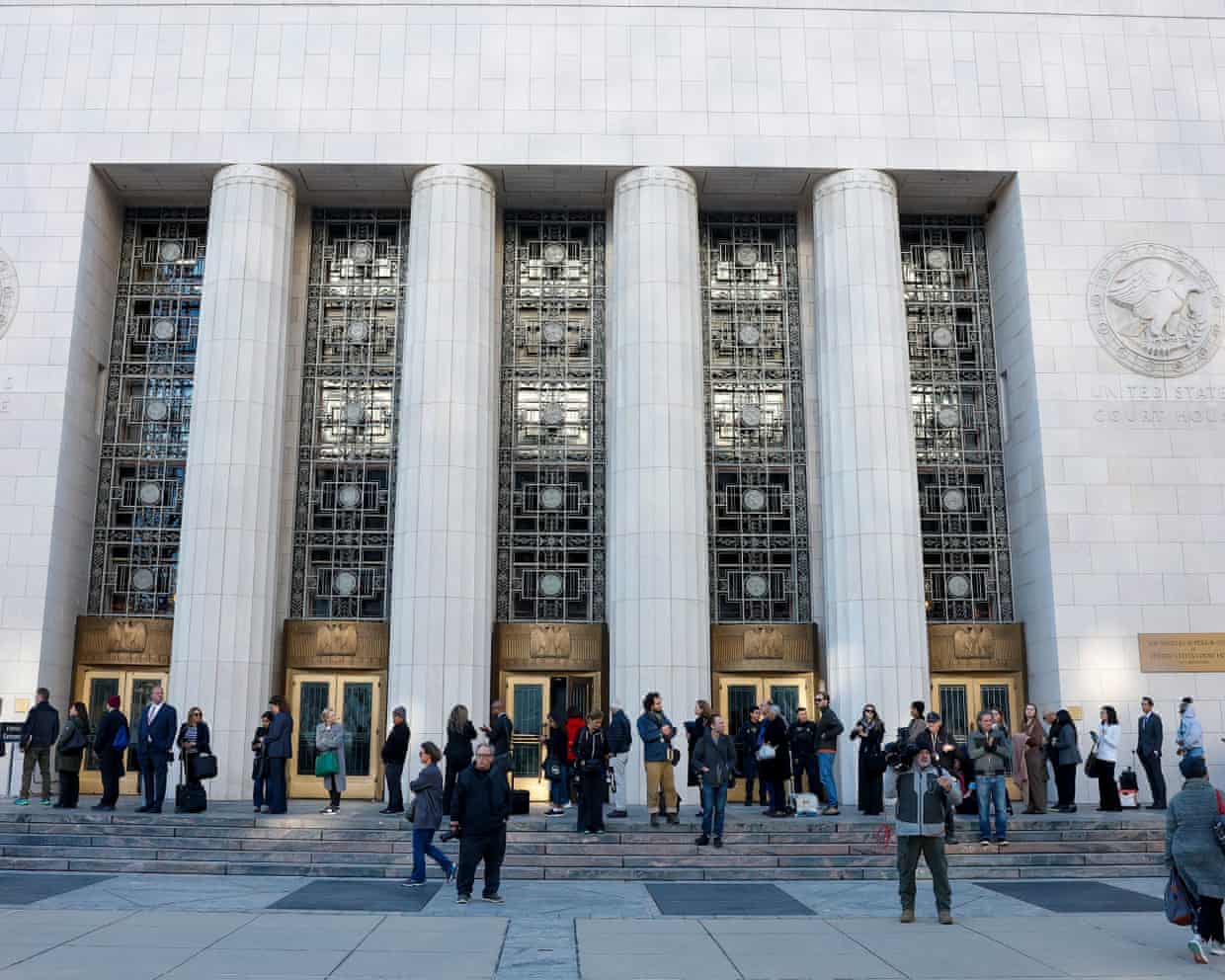
Woman at heart of US trial says she was addicted to social media at age six
The young woman at the heart of the landmark trial about the addictive nature of social media testified for the first time on Thursday, saying she got hooked on YouTube starting at age six and Instagram at nine. By the time she was 10, she said, she had become depressed and was engaging in self-harm.The woman, who is now 20 and known by her initials KGM, is the lead plaintiff in an expansive lawsuit against YouTube and Meta, which owns Instagram and Facebook. The crux of the case alleges social media companies intentionally create addictive products, leading to mental health issues in young people.KGM testified on Thursday that her use of social media made her anxious and insecure, and features like beauty filters distorted her self-image
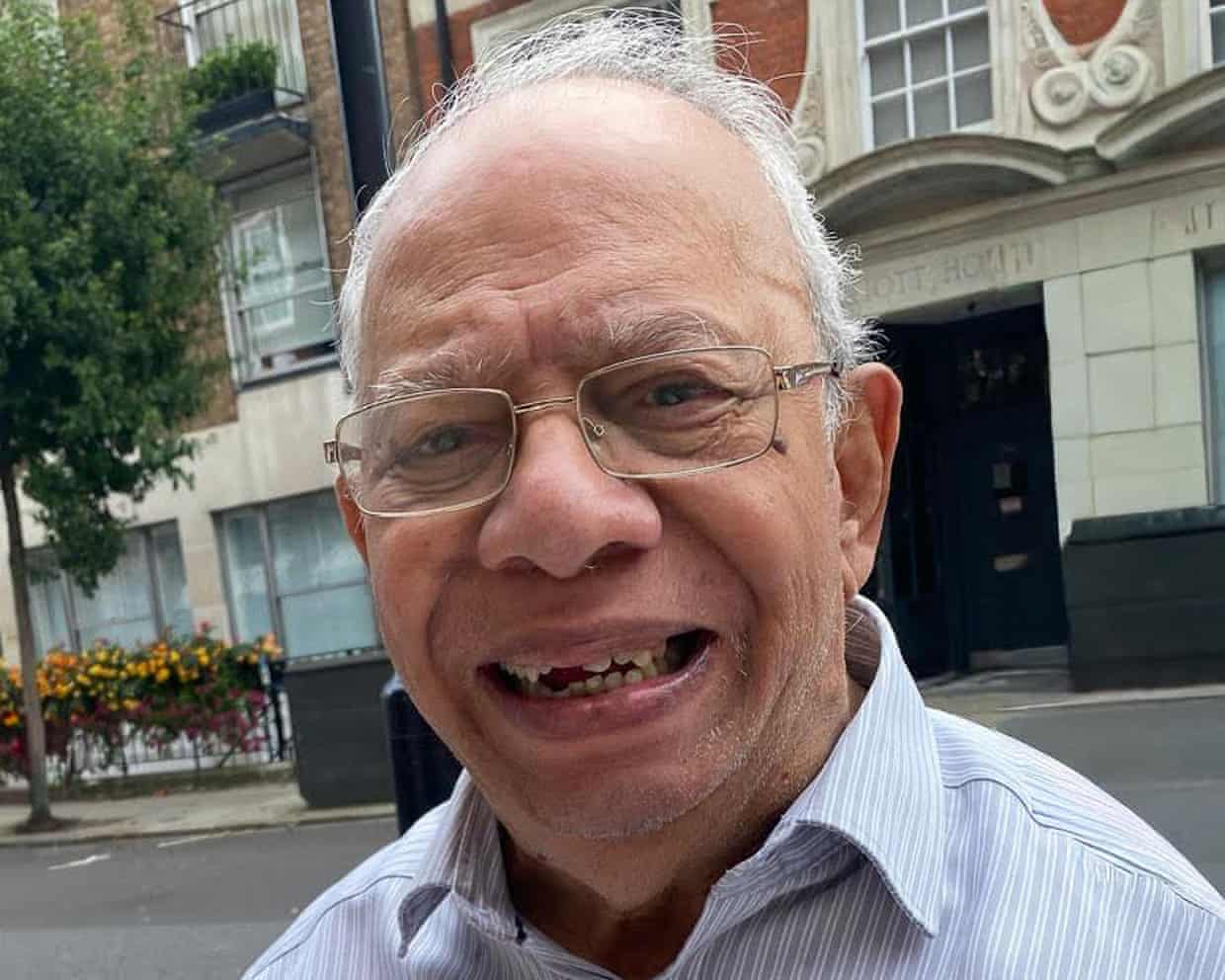
Riaz Hasan obituary
My father, Riaz Hasan, who has died aged 87, was a water resources engineer with a distinguished career working across 40 countries – in the 1970s with the British firm Halcrow and, from the 80s, at the UN and the World Bank.Originally from Hyderabad, Riaz arrived in the UK in 1965 with £3 and an A–Z, invited, like many engineers in India at that time, by the government. After completing a master’s degree in water resources at Bradford University, where he developed a love of Yorkshire pudding and received his degree from Harold Wilson (which he described as a real privilege), he embarked on his career designing life-saving, long-term water and food solutions for the most vulnerable and those affected by war, famine and natural disasters.Born in the small town of Warangal, near Hyderabad, to Mohammed, an English professor, and his wife, Khadija, Riaz went to Nizam college. He did his engineering degree at Osmania University, graduating in 1960, then got his first job at the Central Water Power Commission (CWPC) in Delhi
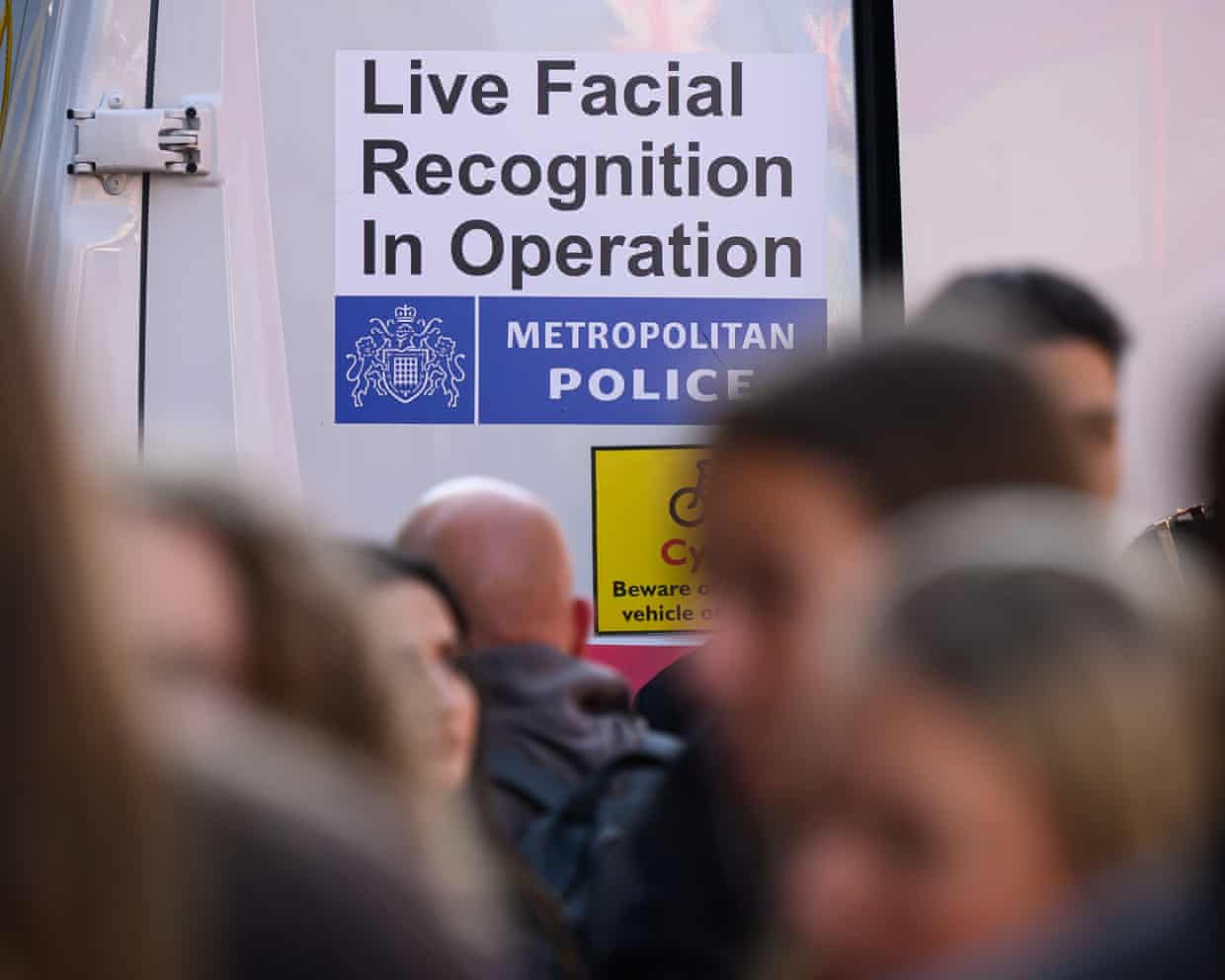
Met police to pilot facial recognition identity checks, mayor confirms
Metropolitan police officers are to start scanning citizens’ faces using automated facial recognition technology to check their identities, in a move backed by the mayor of London but described as “alarming” by opponents.The pilot was revealed on Thursday when Sadiq Khan said 100 officers would use the roaming technology – commonly deployed on smartphones – for six months. The mayor was responding to questioning from an opposition politician amid rising concern about the rollout of AI-powered policing tools. The Met’s website still states it “does not presently use the so-called operator initiated facial recognition”.Face scanning has already been deployed by police with cameras on vans and in fixed locations including in Croydon, Manchester and South Wales

Tell us: how will the UK’s landline switch-off affect you or your family?
UK telecoms companies are retiring traditional landline services and replacing them with internet-based home phone connections.The industry has set a deadline of January 2027 to complete this switch with roughly 3.2 million homes still to move over. While the digital switchover has been straightforward for most households, for some vulnerable customers, such as those with telecare devices, it has been very stressful.In December 2025 Virgin Media was fined £23

‘Unbelievably dangerous’: experts sound alarm after ChatGPT Health fails to recognise medical emergencies
ChatGPT Health regularly misses the need for medical urgent care and frequently fails to detect suicidal ideation, a study of the AI platform has found, which experts worry could “feasibly lead to unnecessary harm and death”.OpenAI launched the “Health” feature of ChatGPT to limited audiences in January, which it promotes as a way for users to “securely connect medical records and wellness apps” to generate health advice and responses. More than 40 million people reportedly ask ChatGPT for health-related advice every day.The first independent safety evaluation of ChatGPT Health, published in the February edition of the journal Nature Medicine, found it under-triaged more than half of the cases presented to it.The lead author of the study, Dr Ashwin Ramaswamy, said “we wanted to answer the most basic safety question; if someone is having a real medical emergency and asks ChatGPT Health what to do, will it tell them to go to the emergency department?”Ramaswamy and his colleagues created 60 realistic patient scenarios covering health conditions from mild illnesses to emergencies

Leave big tech behind! How to replace Amazon, Google, X, Meta, Apple – and more
A handful of companies monopolise the web, with unprecedented access to our data. But there are many more ethical – and often distinctively European – alternativesThere’s not much to love about big tech these days. So many ills can be laid at its door: social media harms, misinformation, polarisation, mining and misuse of personal data, environmental negligence, tax avoidance, the list goes on. Added to which, Silicon Valley’s leaders seem all too keen to cosy up to the Trump administration, to shower the president with bribes – sorry, gifts – and remain silent about his worsening political overreach. And that’s before we get to the rampant “enshittification”, as the tech writer Cory Doctorow describes it, which means that by design many big tech products have become less useful and more extractive than they were when we originally signed up to them
Diagnosing mental health conditions need not be a case of yes/no | Letters

‘Violent bully’ who broke partner’s neck and left her paralysed jailed for 16 years

European girls aged 13-15 have world’s highest rate of tobacco use for age group
Vegetarians have ‘substantially lower risk’ of five types of cancer
Kinship carers in England to be given financial support in government pilot
Drop in overseas workers is ‘car crash’ for UK hospitals and care homes, say experts