Met police to pilot facial recognition identity checks, mayor confirms
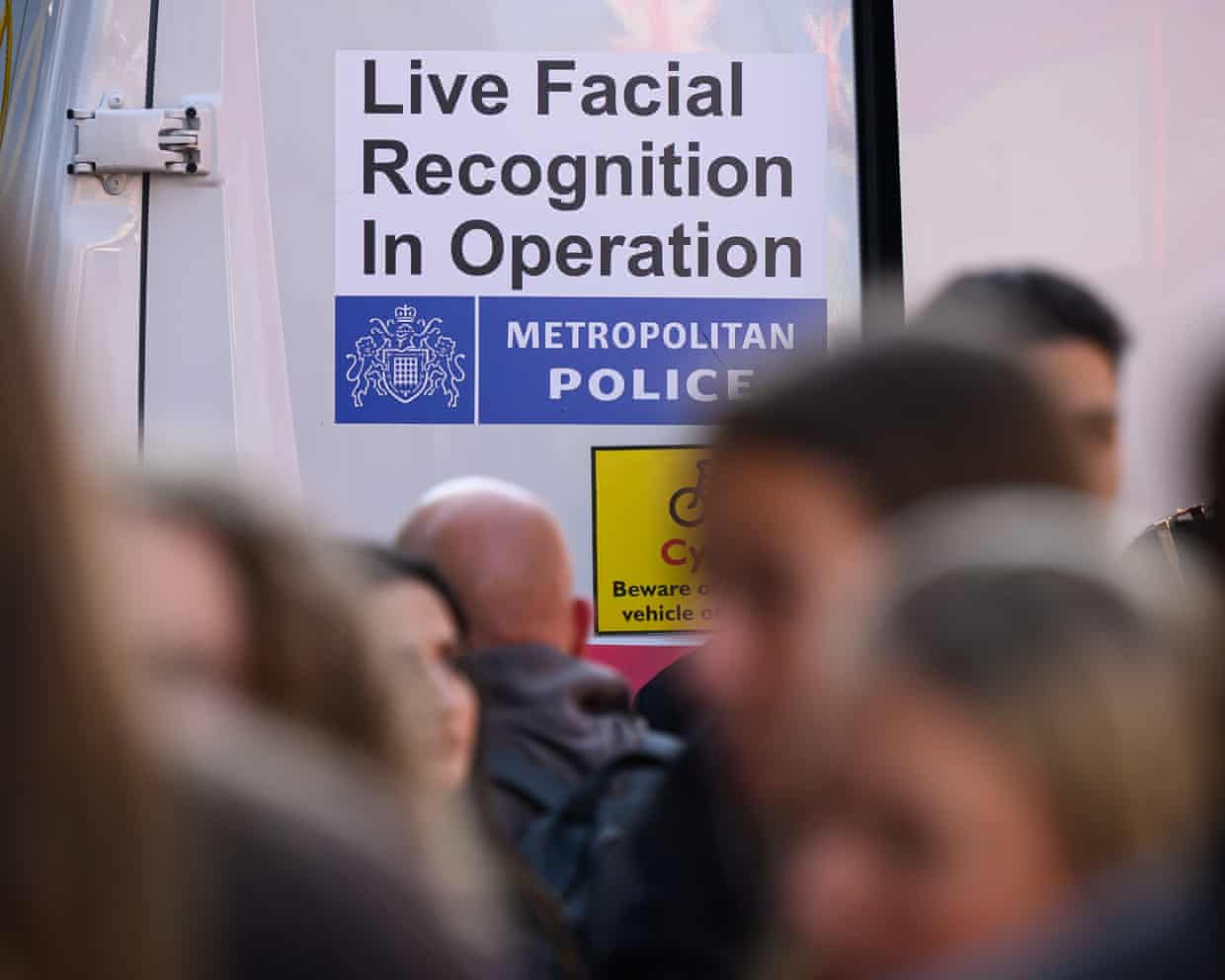
Metropolitan police officers are to start scanning citizens’ faces using automated facial recognition technology to check their identities, in a move backed by the mayor of London but described as “alarming” by opponents.The pilot was revealed on Thursday when Sadiq Khan said 100 officers would use the roaming technology – commonly deployed on smartphones – for six months.The mayor was responding to questioning from an opposition politician amid rising concern about the rollout of AI-powered policing tools.The Met’s website still states it “does not presently use the so-called operator initiated facial recognition”.Face scanning has already been deployed by police with cameras on vans and in fixed locations including in Croydon, Manchester and South Wales.
Retrospective facial recognition systems are also widely in use across the UK.This week the Guardian revealed how police arrested a man for a burglary in a city 100 miles away that he had never visited after software confused him with another person of south Asian heritage.It also emerged that the Met signed a £490,000 three-month contract with the controversial American AI firm Palantir to try to detect rogue officers based on their wider conduct.Zoë Garbett, the Green party London Assembly member whose question triggered Khan’s announcement, called the Met’s latest tech pilot “an alarming change”.“It’s a new technique, and it really changes the relationship with the public,” she told Khan during a meeting at City Hall on Thursday.
“They’re going to be able to literally walk up and scan people’s faces on the device.”Khan denied this and said it would be used during police stops and when officers were not persuaded a member of the public had identified themselves correctly.“The only alternative the police have is to arrest that person and take them to the police station,” he said.“So one of the advantages of this device … is to avoid that huge inconvenience and to see if the person they are speaking to is somebody whose face matches with somebody whose face they’ve got on the custody record.”The pilot emerged as the Equality and Human Rights Commission called for a new independent oversight body to regulate the use of facial recognition technology in the UK.
Sarah Jones, the policing minister, has called the technology “the biggest breakthrough for catching criminals since DNA matching”.But the chair of the equalities watchdog, Mary-Ann Stephenson, said: “There is a danger that these technologies can be inaccurate and falsely identify people.The data shows that there are racial disparities for false positive identification, causing human rights infringements and distress to those affected.That is why a strong legal framework is needed.”Operator-initiated facial recognition is already in use by South Wales police, where officers run NEC’s NeoFace algorithm on their smartphones.
They can use it “to confirm the identity of an unknown person who they suspect is missing, at imminent risk of serious harm or wanted, in circumstances when they’re unable to provide details, refuse to give details or provide false details”, the force says.It can also be used to identify dead or unconscious people but cannot be used covertly.Another police definition says it can be used if there is “intelligence to suggest that they may pose a risk of harm to themselves or others”.The civil liberties campaign group Big Brother Watch has described this as “nebulous” and offering “vast scope” to use the technology in non-crime situations.“It’s shocking that I had to force the mayor to disclose that they are trailing operator-initiated facial recognition technology,” said Garbett.
“We already have no clear legal framework for live facial recognition and now it’s being further expanded with handheld devices that allow officers to walk up and scan people’s faces.In Britain, no one has to identify themselves to police without very good reason and this unregulated technology threatens that fundamental right.”In March 2024, Khan told the London Assembly: “If the MPS [Metropolitan police service] were to use operator-initiated facial recognition, I would expect the MPS to consult stakeholders, including the London policing ethics panel, as well as undertake careful consideration of legal, policy, community, data protection and ethical impacts.”In December Jones launched a 10-week consultation on facial recognition technology, and said: “It has already helped take thousands of dangerous criminals off our streets and has huge potential to strengthen how the police keep us safe.We will expand its use so that forces can put more criminals behind bars and tackle crime in their communities.
”The Met said more than 100 wanted criminals were arrested in the first three months of the Croydon live facial recognition pilot when cameras were mounted on lamp-posts.Lindsey Chiswick, the Met’s lead for facial recognition, said: “We are set to trial operator‑initiated facial recognition, an innovative tool which will help our officers take photos to help confirm the identities of people quickly and accurately, avoiding the need to detain people for longer than needed.“This will initially be rolled out to a small number of officers while we test the technology.If an individual has their photo taken and there is no match, then their biometric information will be deleted straight away.”
PM vows to ‘keep fighting’ after Greens sweep past Labour and Reform to win byelection – as it happened
Keir Starmer has vowed to “keep on fighting” despite Labour’s humiliating defeat in the Gorton and Denton by-election. Speaking to reporters, he acknowledged it was a “disappointing” result and that voters were “frustrated”, but insisted he would carry on. Asked if he had considered resigning, Starmer said: “I came into politics late in life to fight for change for those people who need it. I will keep on fighting for those people for as long as I’ve got breath in my body.”Starmer doubled down on the anti-Green party language he was using during the byelection campaign

Labour MPs demand Starmer change course after humiliating byelection loss
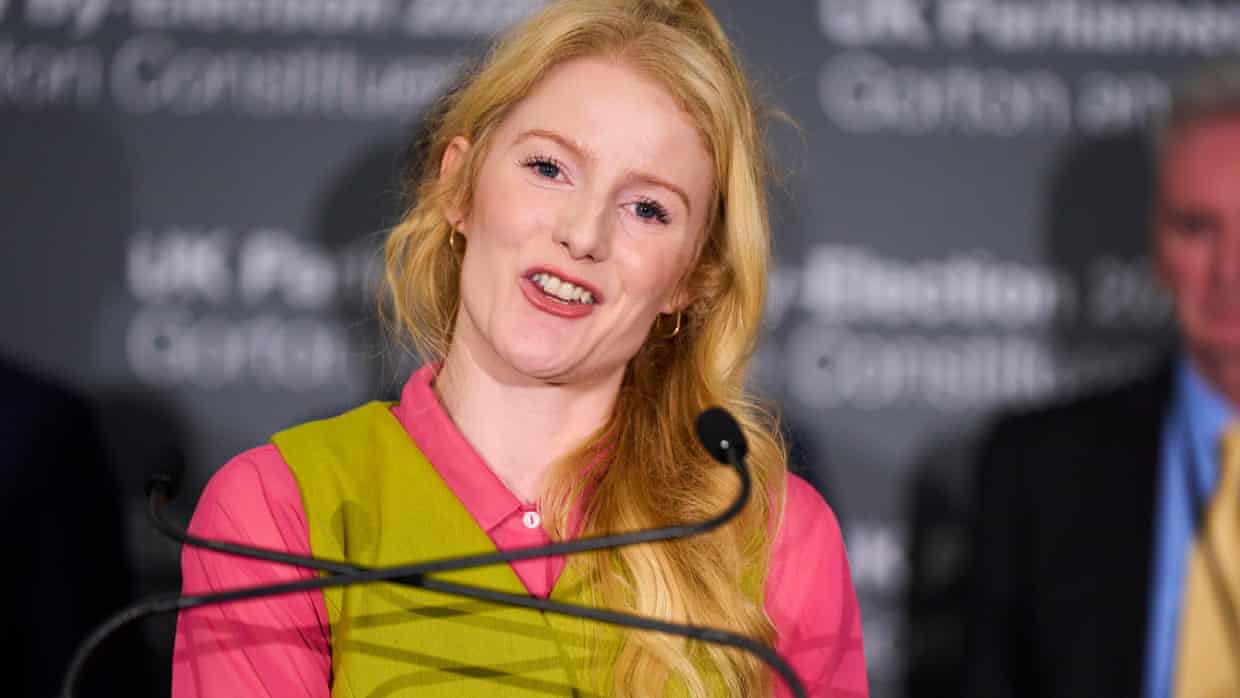
Keir Starmer is facing an ultimatum from his own party to change direction or risk a leadership challenge within months after the Greens humiliated Labour with a historic byelection victory in Gorton and Denton.Overturning a 13,000 Labour majority from the general election, Hannah Spencer, a local plumber and Green councillor, became the party’s fifth MP on Friday. Reform UK’s Matt Goodwin was second, just ahead of the Labour candidate, Angeliki Stogia.The scale of defeat in an area that had returned Labour MPs for nearly a century, and where Starmer’s party still believed it could win even on polling day, plunged his ministers and MPs into renewed despair just weeks after he saw off a challenge to his position.While only a handful of backbenchers called openly for Starmer to depart after the result, even loyal ministers said the surge in the Greens’ fortunes under the leadership of Zack Polanski meant the prime minister had to address an exodus of Labour voters from its left flank

Labour leadership truce holds for now but clock is ticking for Starmer
When Labour’s Scottish leader, Anas Sarwar, urged Keir Starmer to stand down two weeks ago, the prime minister’s closest advisers presented him with a choice: fight, flight or hand over his destiny to his party by calling a leadership contest.The prime minister chose the first option and his Downing Street team sprung into action to contain the threat. At the moment of greatest peril for Starmer, MPs peered over the precipice and didn’t like what they saw.In the fortnight since, not much has changed. Even with Labour’s humiliating defeat in the Gorton and Denton byelection, where it was pushed into third place behind the Greens and Reform UK, the uneasy truce has persisted
Spencer’s victory speech an object lesson in grace while Reform’s man rages | John Crace
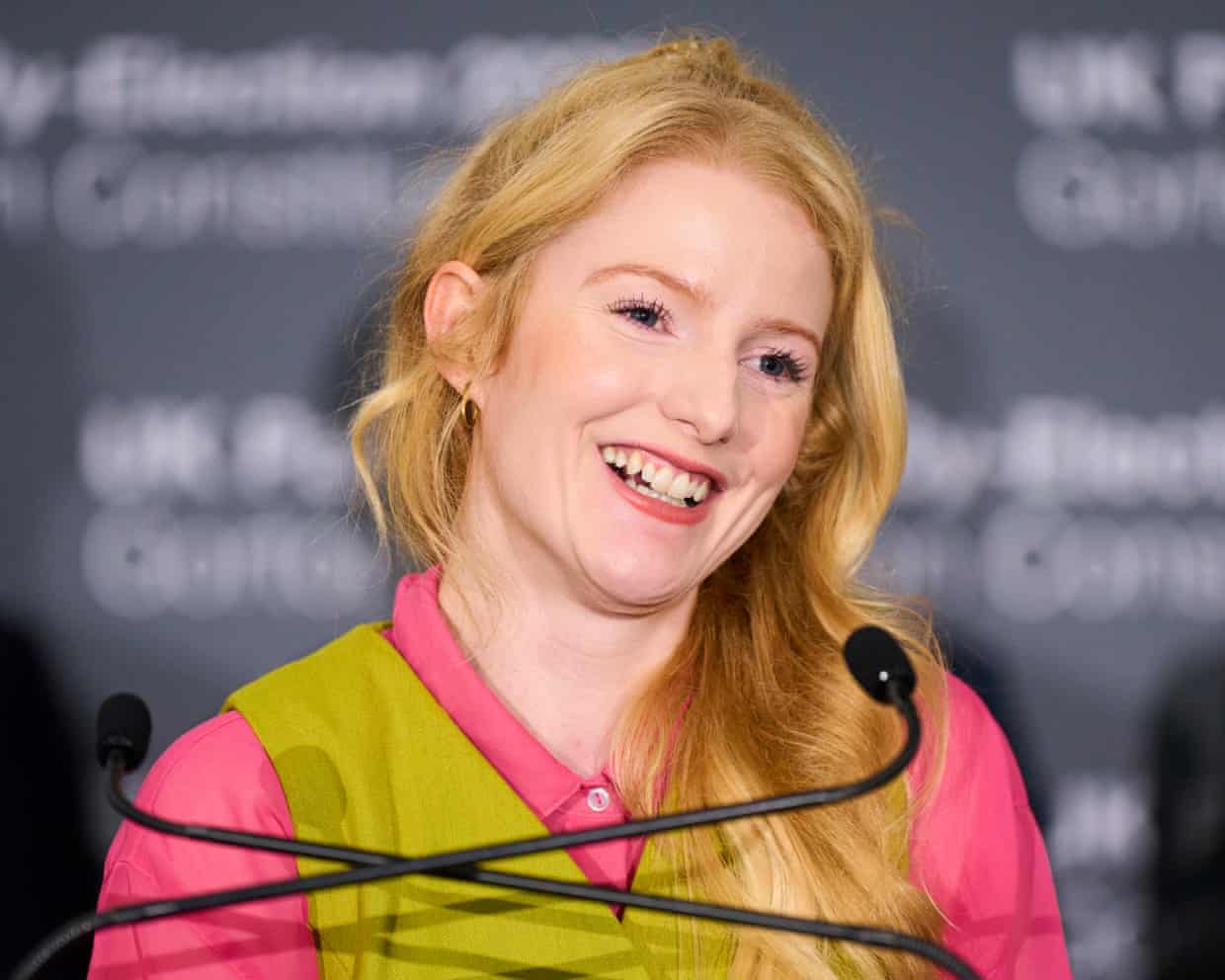
It could have been a flash of arrogance. Hubris for the ages. On Thursday morning, when most pundits were still calling the Gorton and Denton byelection a three-way fight that was impossible to call, the Green party sent a note to journalists. Come to the first press conference of Hannah Spencer MP tomorrow. And while you’re about it, stay on to join her for her first constituency surgery
Welsh elections a choice between culture and ignorance, Plaid leader says
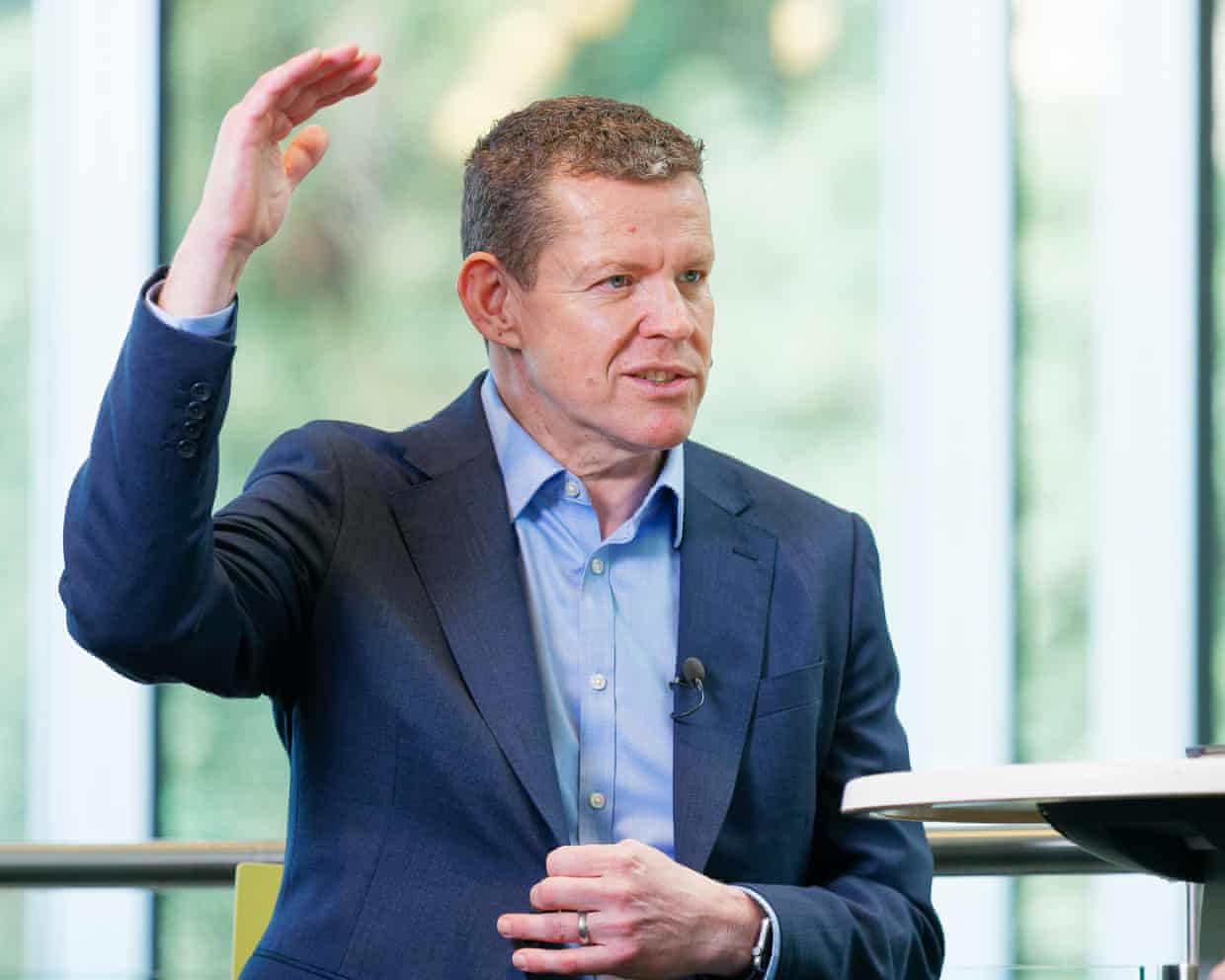
The leader of Plaid Cymru has claimed the Welsh parliament elections in May will be a straight fight between his party and Reform UK, which he billed as a choice between “culture or ignorance, humanity or indifference”.Speaking at the party’s biggest ever conference, Rhun ap Iorwerth, the clear favourite to be the next Welsh first minister, said the Gorton and Denton byelection showed Labour and the Tories were “slipping away”, and he promised Plaid had a radical plan to improve Wales’s fortunes.He said that while the Greens had done well to win in Greater Manchester, he was confident voters in Wales looking for a progressive alternative would turn to Plaid.During the leader’s speech in Newport, south-east Wales, ap Iorwerth highlighted plans such as setting up 10 surgical hubs to tackle NHS waiting lists, and making sure every school has a library.He said the party, which is comfortably leading the polls, would reveal a blueprint on Saturday for its first 100 days in power after the Senedd elections
Reform and Tories report ‘family voting’ allegations to watchdog
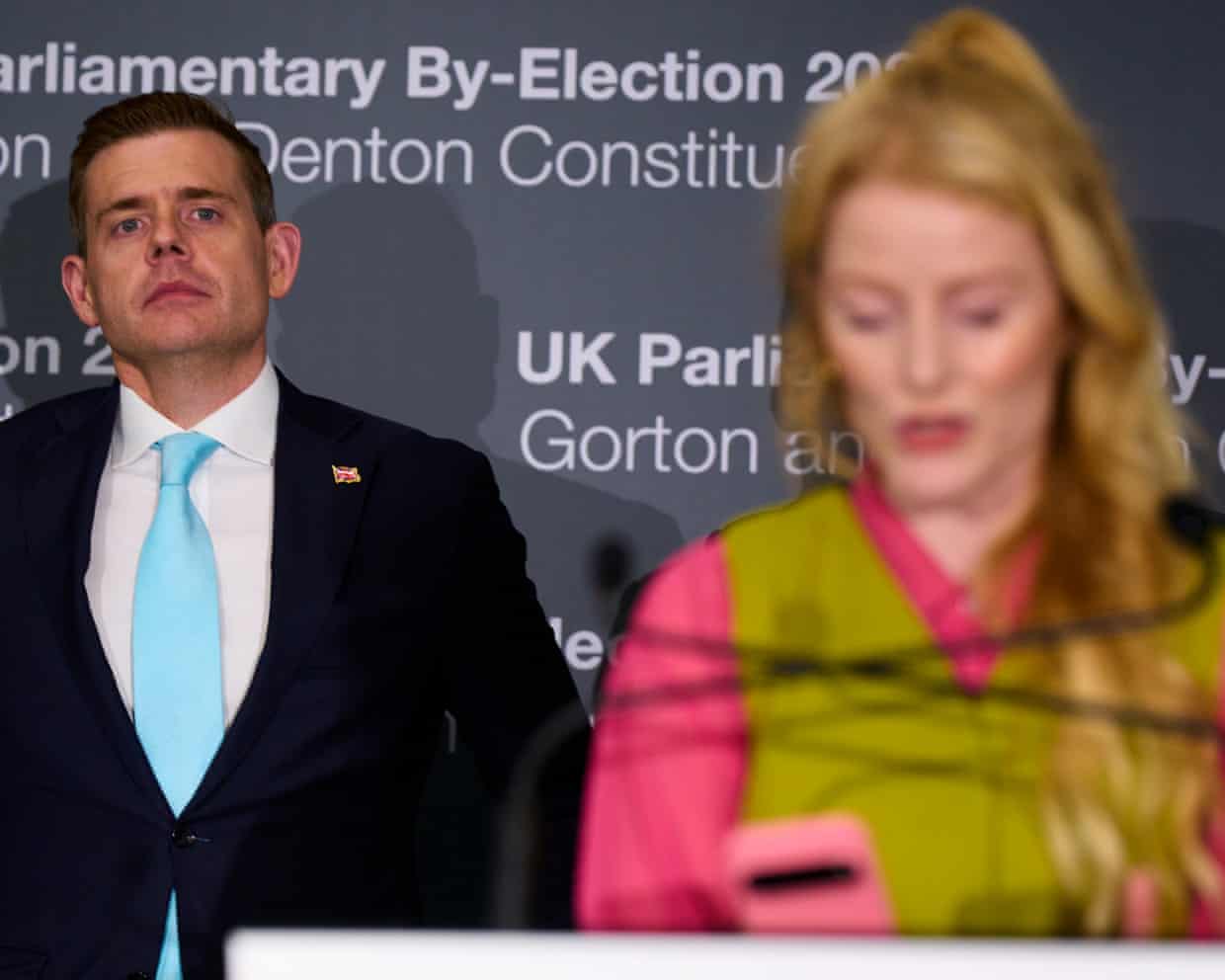
Reform UK and the Conservatives have asked the elections watchdog to investigate allegations of corrupt voting in the Gorton and Denton byelection as Nigel Farage claimed there had been “cheating”, despite limited evidence of wrongdoing.The reports to the Electoral Commission come after an election observers group, Democracy Volunteers, said they had witnessed “concerningly high levels” of so-called family voting, where one family member dictates how others cast their ballot.One previous election observer for the group said it would be important to know the methodology behind the group’s claim that 12% of observed voters were involved in family voting, given that there was a “grey line” as to what precisely that meant.The group’s report, published as soon as the polls closed on Thursday night, has given impetus to claims by defeated parties of wrongdoing, with Farage part-echoing Donald Trump’s complaints about stolen elections by saying his party was the victim of “sectarian voting and cheating”.Reform’s chair, David Bull, said later this did not mean the outcome of the election had been changed

Diagnosing mental health conditions need not be a case of yes/no | Letters
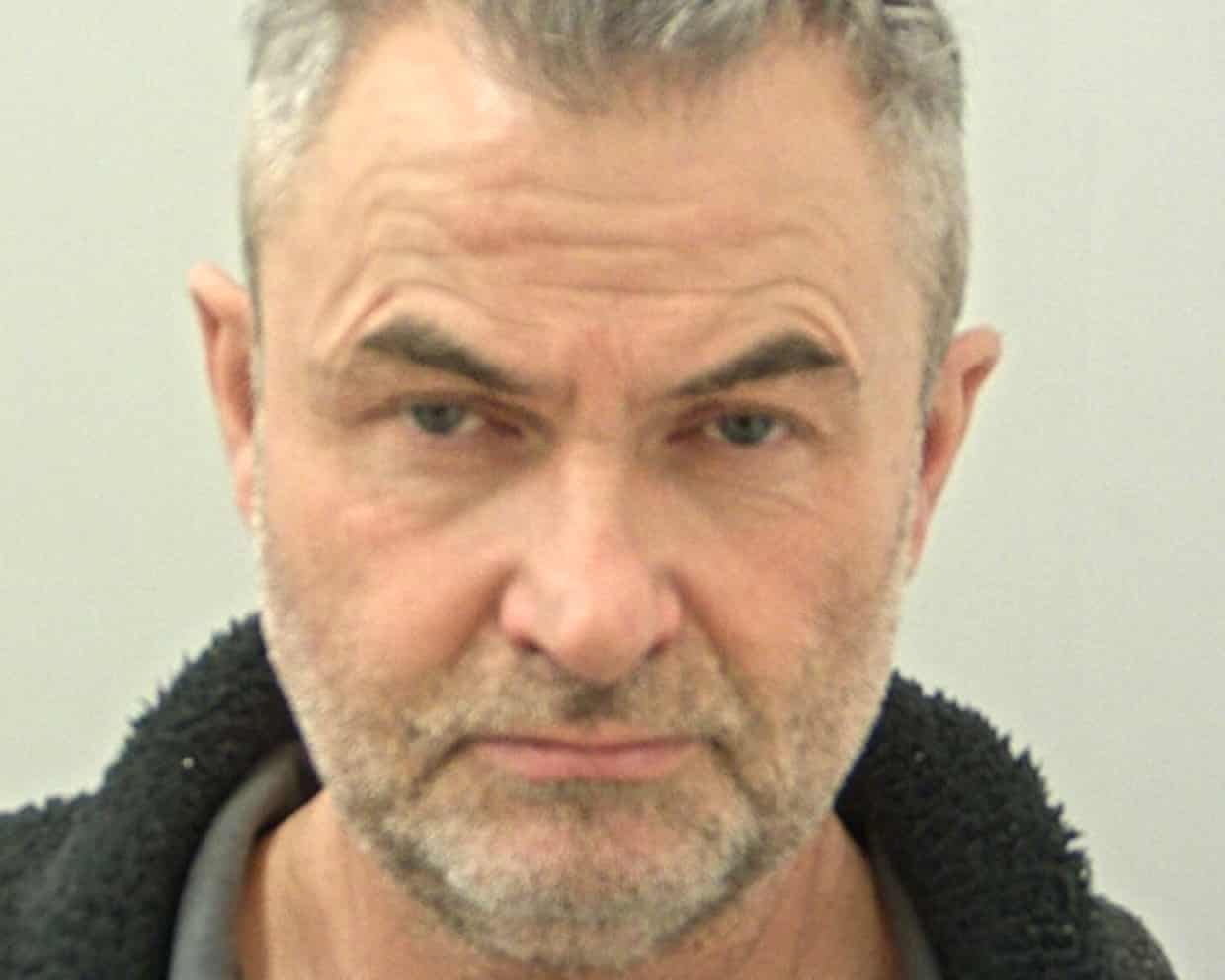
‘Violent bully’ who broke partner’s neck and left her paralysed jailed for 16 years

European girls aged 13-15 have world’s highest rate of tobacco use for age group

Vegetarians have ‘substantially lower risk’ of five types of cancer

Kinship carers in England to be given financial support in government pilot
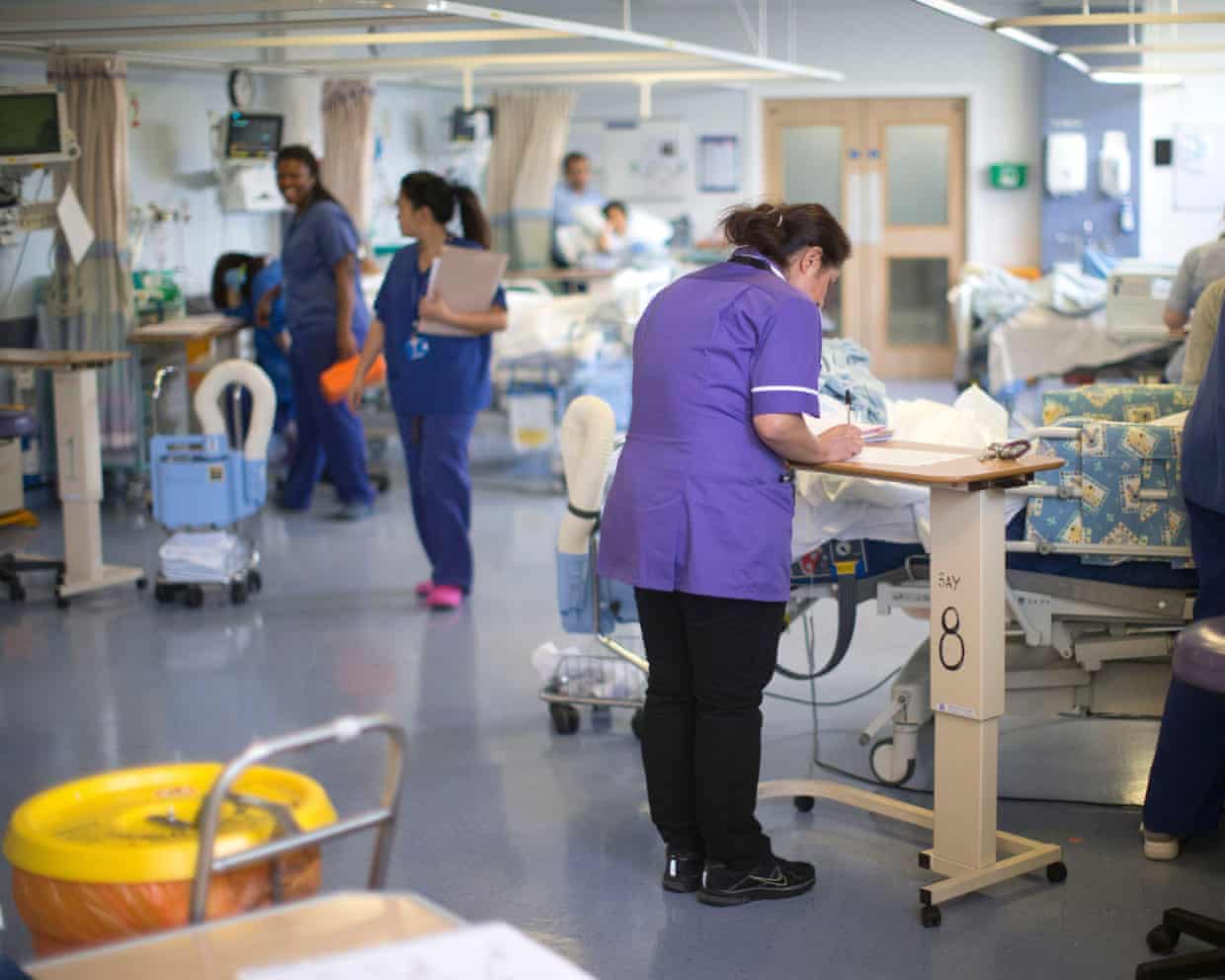
Drop in overseas workers is ‘car crash’ for UK hospitals and care homes, say experts