Riaz Hasan obituary

My father, Riaz Hasan, who has died aged 87, was a water resources engineer with a distinguished career working across 40 countries – in the 1970s with the British firm Halcrow and, from the 80s, at the UN and the World Bank,Originally from Hyderabad, Riaz arrived in the UK in 1965 with £3 and an A–Z, invited, like many engineers in India at that time, by the government,After completing a master’s degree in water resources at Bradford University, where he developed a love of Yorkshire pudding and received his degree from Harold Wilson (which he described as a real privilege), he embarked on his career designing life-saving, long-term water and food solutions for the most vulnerable and those affected by war, famine and natural disasters,Born in the small town of Warangal, near Hyderabad, to Mohammed, an English professor, and his wife, Khadija, Riaz went to Nizam college,He did his engineering degree at Osmania University, graduating in 1960, then got his first job at the Central Water Power Commission (CWPC) in Delhi.
On arrival in the UK, he worked for five years in various engineering jobs, including on a motorway construction site in Kent, in order to save money for his master’s degree.He was then employed by the Halcrow Group, in Swindon, Wiltshire, operating in 10 different countries, including Yemen and Iran, before returning to London and beginning his UN role in 1984.He worked as a consultant hydrologist across three agencies: the Food and Agriculture Organisation, World Food Programme and World Bank, which took him on missions to countries including Sudan, Somalia, Ethiopia, Cambodia, India and China.After retiring in 2004, he wrote about his experiences in a book, The New Struggles for Survival (2014).From his early days in London, he immersed himself in British life, walking to parliament to watch late‑night debates and attending Winston Churchill’s funeral in 1965.
While he recollected the smiles of the Westminster security teams, my father also faced racism, including attacks on his home after he wrote a letter on Churchill’s wider legacy for a newspaper.Yet he refused to be silenced, believing it was a duty to speak up for truth and justice and his frank letters appeared in print, including in the Guardian, until recently.His commitment to service shaped his private life too.He and my mother, Rukhsana (nee Moosavi), an NHS GP whom he married in 1973, supported family members in need all their lives, and quietly donated to several British and international charities.My father saw the world, however divided, as one global village with every resident equally worthy of respect and care.
He believed you could be a loyal and proud Briton, Indian and Muslim, and his remarkable life exemplified this.He is survived by Rukhsana, his children, Mehdi and me, and three grandchildren.

Diagnosing mental health conditions need not be a case of yes/no | Letters
Lucy Foulkes explores the possibility that the rising numbers of young people receiving a diagnosis of mental illness or ADHD are subjects of overdiagnosis (Are we really overdiagnosing mental illness?, 22 February). She posits that changes in terminology, increasing societal awareness and reductions in stigma are all factors in the increase in diagnoses.However, there is another way of looking at this issue. If we treat ADHD as binary (you have it or you do not), we are missing the possibility that we all lie somewhere on a continuum with diagnosed ADHD towards one end (and perhaps an ability to focus and concentrate at the other). A diagnosis of ADHD then depends on where the line is drawn

‘Violent bully’ who broke partner’s neck and left her paralysed jailed for 16 years
A “violent and controlling bully” who broke his partner’s neck, leaving her paralysed and her life “destroyed”, has been sentenced to 16 years in prison.Robert Easom, a landscape gardener, violently assaulted Trudi Burgess, a schoolteacher and former singer, when she threatened to leave him after enduring eight years of coercive, controlling behaviour.A court heard that Easom, 57, pinned Burgess down in a rage and pushed her head into her body until her neck snapped. He denied a charge of causing grievous bodily harm with intent but was found guilty after 27 minutes of deliberation by a jury at Preston crown court in November.He had admitted causing the injury but denied intending to cause her serious harm

European girls aged 13-15 have world’s highest rate of tobacco use for age group
Teenage girls in Europe have the highest rate of tobacco use in their age group around the world, while one in seven adolescents across the continent use vapes and e-cigarettes, figures show.The data, based on analysis by the World Health Organization (WHO), shows that Europe is on course to maintain its status as the world’s biggest consumer of tobacco up to 2030, and reveals “particularly concerning” trends of tobacco use among women and young people.Four in 10 adult female smokers around the world – about 62 million women – live in Europe, while 4 million teenagers aged 13 to 15 across the continent use tobacco products.For vapes and e-cigarettes, Europe has the highest prevalence of teenage regular users, at 14.3% of children aged between 13 and 15
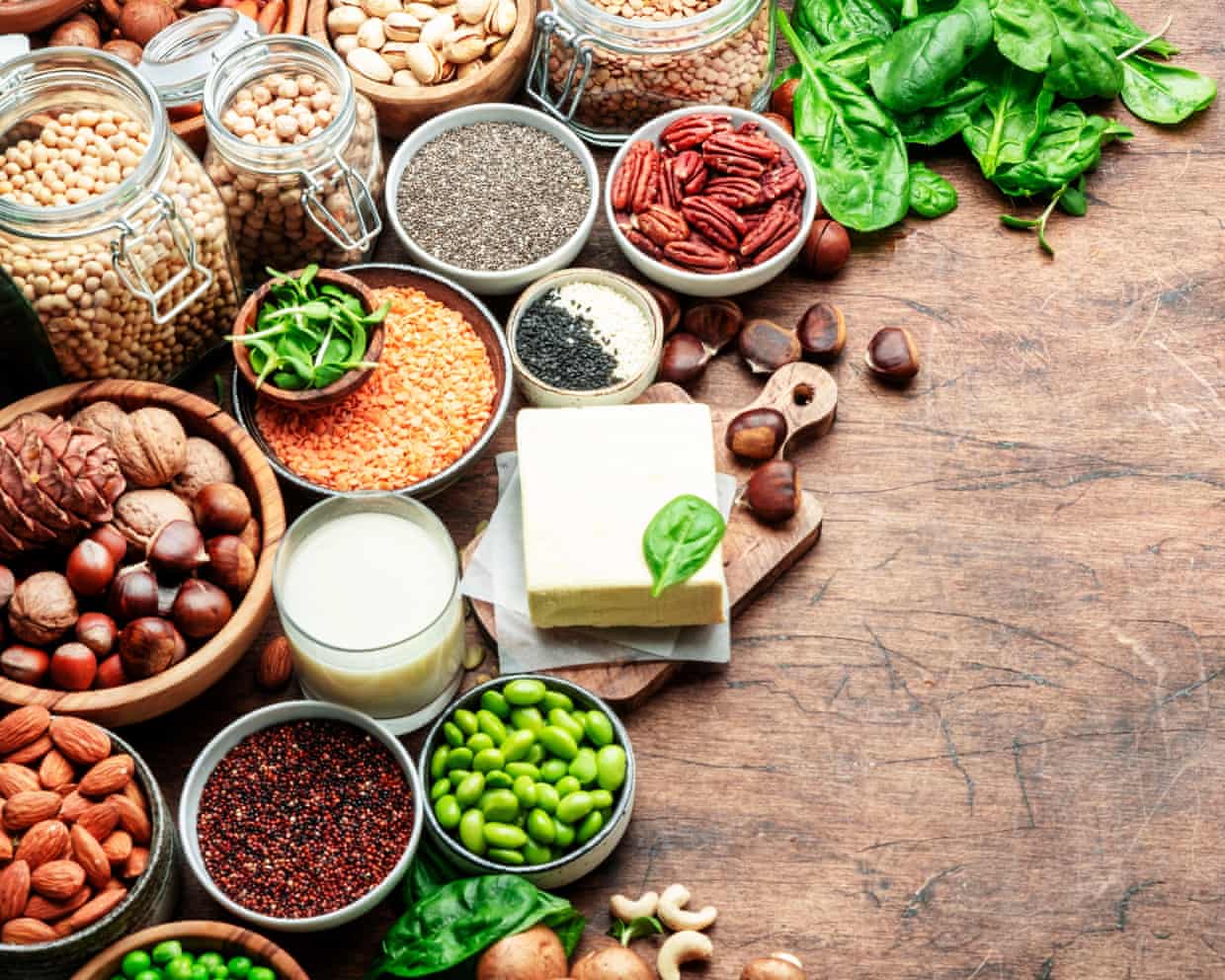
Vegetarians have ‘substantially lower risk’ of five types of cancer
Vegetarians have a substantially lower risk of five types of cancer, a landmark study on the role of diet has revealed.The research, using data from more than 1.8 million people who were tracked over many years, found that vegetarians had a 21% lower risk of pancreatic cancer, a 12% lower risk of prostate cancer and a 9% lower risk of breast cancer compared with meat eaters. Combined, these cancers account for around a fifth of cancer deaths in the UK.Vegetarians also had a 28% lower risk of kidney cancer and a 31% lower risk of multiple myeloma, according to the study published in the British Journal of Cancer

Kinship carers in England to be given financial support in government pilot
Grandparents who step in to provide full-time care for their grandchildren to prevent them being taken into care will be given guaranteed financial support under a government pilot scheme.Charities welcomed the trial as groundbreaking and said if fully rolled out across England it had the potential to transform the lives of tens of thousands of children looked after under “kinship care” arrangements.Kinship carers are grandparents, aunts and uncles, older siblings or close family friends who take on full parental responsibility when a child loses their birth parents as a result of death, a family court order, severe illness or imprisonment.Campaigners have fought for more than two decades to establish financial recognition of the role and personal sacrifices that kinship carers make. Some carers say they have felt ignored and exploited as a “cheap option” despite saving the state billions it would otherwise have had to spend on foster or residential care
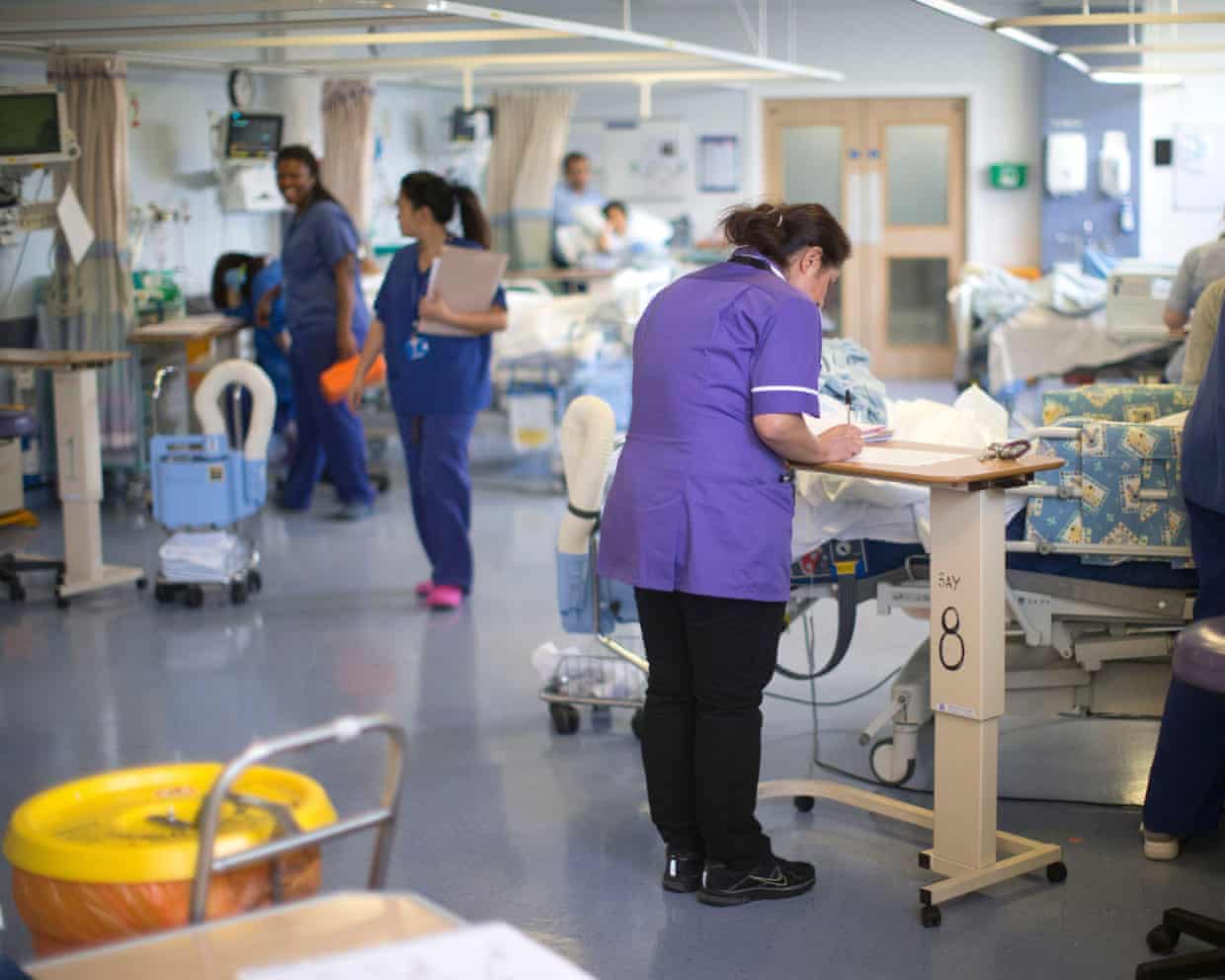
Drop in overseas workers is ‘car crash’ for UK hospitals and care homes, say experts
Hospitals and care homes in the UK face “an impending car crash”, experts have warned, as research shows the number of overseas nurses and carers has collapsed.Analysis of Home Office quarterly data reveals the number of overseas nurses granted entry to the UK has fallen by 93% over three years. Just 1,777 overseas nurses were granted entry in 2025, compared with 26,100 in 2022.Visas for workers in the caring personal service occupations category – which includes care workers, but also nursing auxiliaries, ambulance staff and dental workers – had the steepest decline in new workers from overseas in absolute terms.The figure fell from 107,847 workers granted entry in 2023 to just 3,178 in 2025, a 97% decline over two years

Doom Bar maker Sharp’s Brewery in Cornwall to be closed by US owner

Table for one: is eating lunch at work on your own a bad thing?
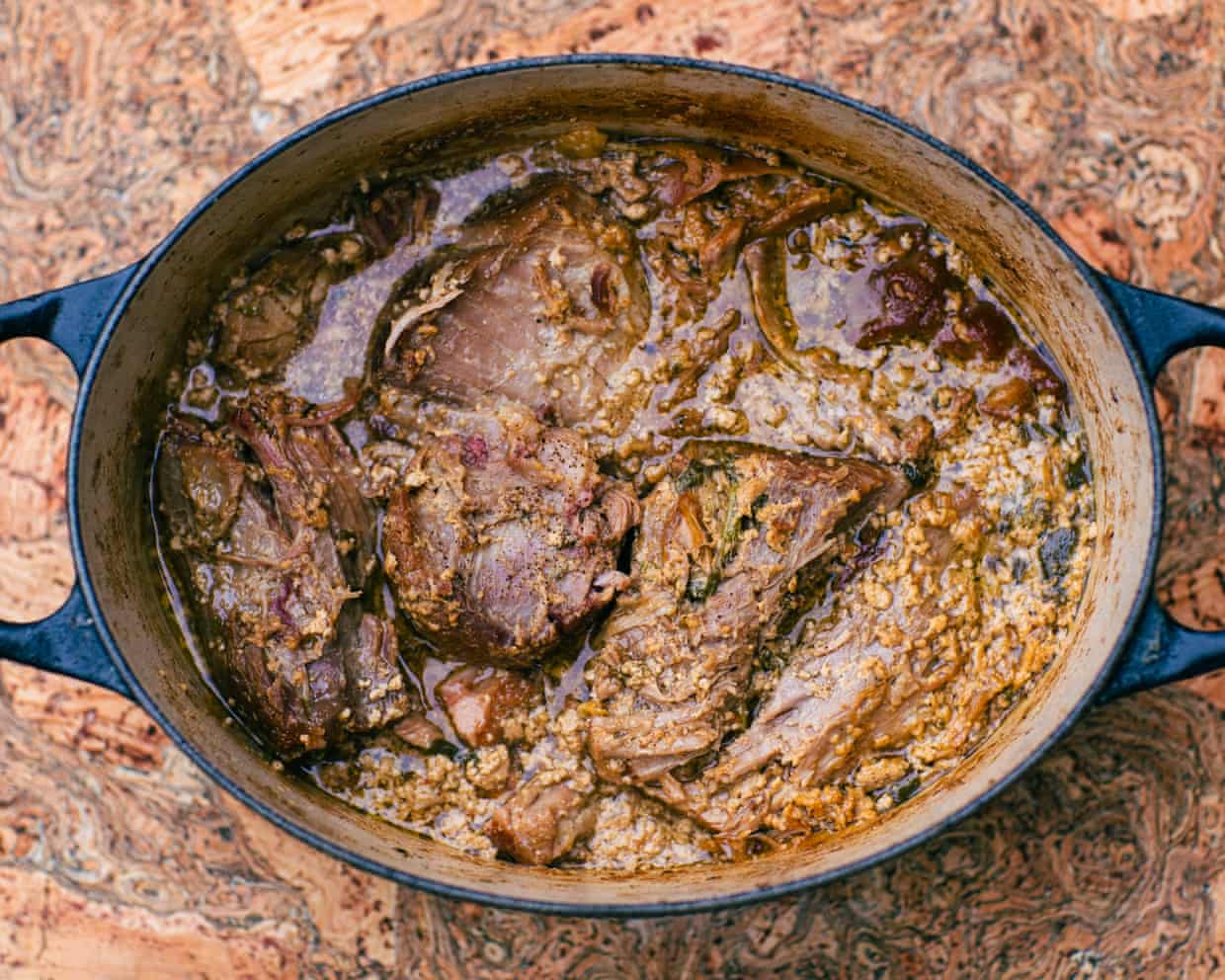
How to use on-the-turn milk to make an Italian classic – recipe

Nadiya Hussain on food, faith and finding her voice: ‘I get paid less than the white version of me’

Should you sanitise your strawberries? Experts on the right way to wash fruit and vegetables

Do you really need to chill cookie dough? | Kitchen Aide