Independent bookstores make quiet comeback as big chains dominate retail
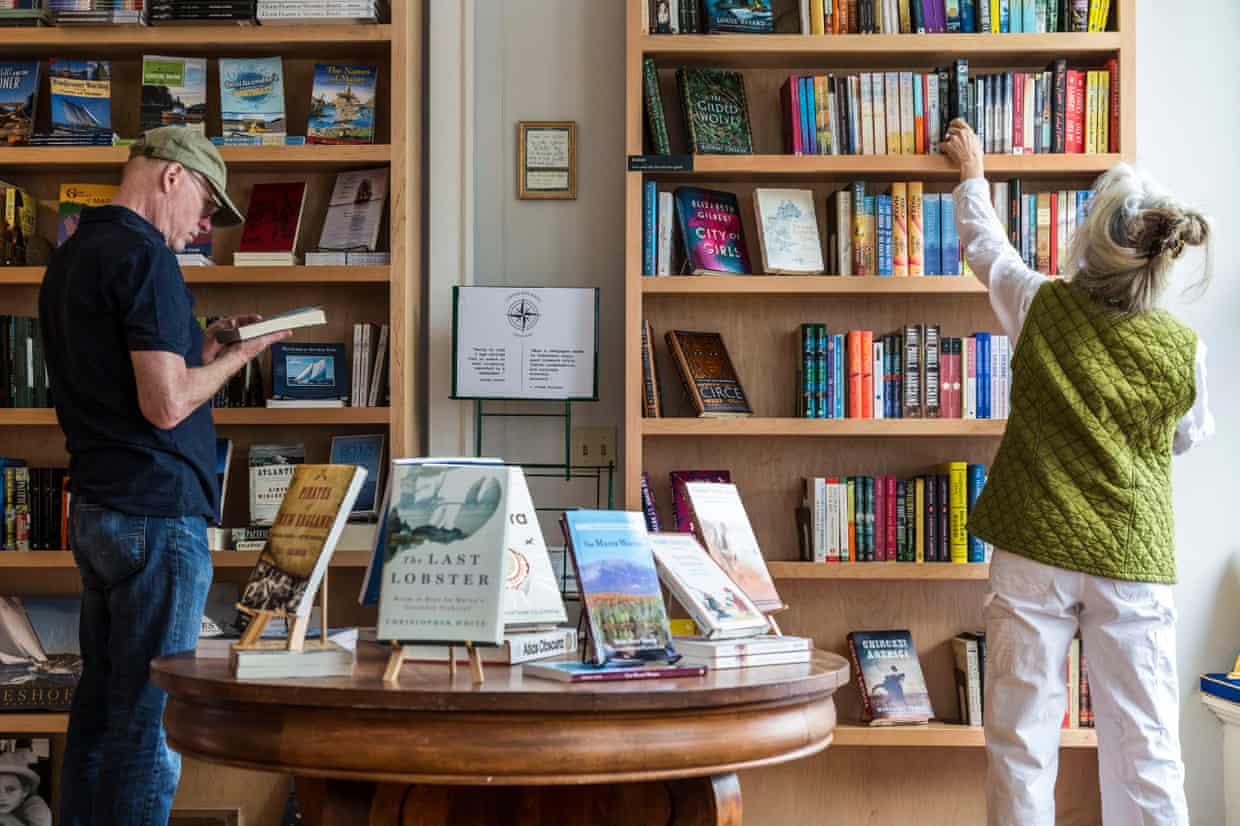
For years now, we have heard that Amazon and the big chains are crushing small businesses, but independent bookstores are suddenly making a comeback.About 422 new indie bookshops opened in 2025, according to the American Booksellers Association, a 31% rise from 2024.Countless independent restaurants, coffee shops, fitness centers, movie theaters, clothing stores and other small businesses also continue to thrive even in this era of ever-bigger retailers, fast-casual restaurants and massive e-commerce platforms.The reasons are obvious.For starters, we live in a big country.
There are 360 million Americans spread out across 4m sq miles of land,Big companies can’t cover all that ground, and even if they could, it’s irrelevant,There were too many different preferences, tastes, likes, dislikes and penchants that will drive consumers to any different type of retailer that they choose,There’s also no shortage of entrepreneurism and independence in this country,For the past few years, there have been between 400,000 and 500,000 new business applications filed every month! Millions of people want to own businesses and be their own boss, and these people will find their unique way to present their business products and services to their customers in order to earn a livelihood.
The more the economy consolidates, the more opportunity there is at the edges.It’s generally better and more enjoyable for people who work in small businesses, which is why, despite the compensation that larger organizations can offer, small businesses make up half of the country’s workforce.It always amazes me when I see clients who are clearly paying their employees less money than they could earn at a big company, retain those employees let alone attract new ones.Why? It’s because when you work at a small business, there is less bureaucracy and more flexibility and more of a chance to make a difference than when you work at a bigger company.The smartest owners of independent businesses realize this and leverage these advantages to recruit people that are committed, loyal and believe in what their leader is trying to do.
Independently owned businesses tend to have more of a connection with their communities, which, in turn, generates more loyalty and attention to their promotions, activities and special holidays commemorating their existence such as Small Business Saturday and National Small Business Week,As opposed to the chain store, they create an image of the Main Street merchant fighting the system,As a result, people like to show they care for their communities by supporting their small businesses, even if prices may be slightly higher,Consumers don’t just tolerate small businesses – increasingly, they choose them as a reaction against big corporations,And these businesses also give back in the form of sponsoring Little League teams, holding charity events and leading local chambers of commerce and rotary clubs.
Small businesses fill a void that big businesses don’t.Big companies scale efficiency.Small businesses scale relevance.The Barnes & Noble outlet near me has to meet their numbers each month and is focused entirely on moving product to make the most of every square inch of space.It’s not as profitable as a location to inventory slower-selling titles, even if there’s an audience for them.
Small businesses fill in that space.They sell more obscure books that only a small percentage of people will buy.Big companies optimize for scale.Small businesses win by ignoring it.Small business owners earn, on average, about $80,000 a year.
Their businesses – particularly if they’re a single location – tend to be less profitable than a chain store because they don’t have economies of scale.But these business owners, as long as their bills are being paid, often times prefer the flexibility and individuality of being their own boss and are willing to take home less pay for that freedom.As a result, independent businesses can be more flexible with pricing and less bureaucratic about their discounts and sales policies in order to keep their customers’ happy.Believe it or not, many suppliers and landlords also prefer to work with smaller companies.Big companies routinely take longer to pay, are difficult to penetrate for collection and retain a staff of salaried workers in their accounting departments that still get their paycheck every week regardless if a payment is late.
Having a small business customer or tenant means dealing with the owner directly if there are any problems, and working with someone who is often more reliable in buying products or occupying a space that’s too small for a bigger fish to consider.This isn’t to say that independent business owners aren’t at a significant disadvantage to their larger counterparts.Inflation, tariffs, regulations and taxes hit them harder.Competition is fierce.Ad agencies, PR firms, online platforms and social media sites give preference to larger clients with deeper pockets.
Standards, processes, procedures and systems are harder to formalize.Technology is more disruptive.Resources are lower.Stress levels are higher.Economic shifts are tougher to endure.
But independent businesses can be more niche and focus on a certain type of clientele.They can pivot quicker, add or delete product lines, start or end a service, or hire and fire a poorly performing worker faster.Decisions are made quicker.If they want to expand, they can.If they don’t, they don’t.
All of these reasons explain the success of the independent bookstore owner, the retailer, the restaurateur.Whenever you read of the big corporate giant eating up its smaller competitors, don’t get worried.There’s plenty of room for independent small business in this country, and there always will be.Big companies will keep getting bigger.But they’ll never be everything – and that’s exactly where small businesses win.
Just the tonic: why it’s more than a mixer
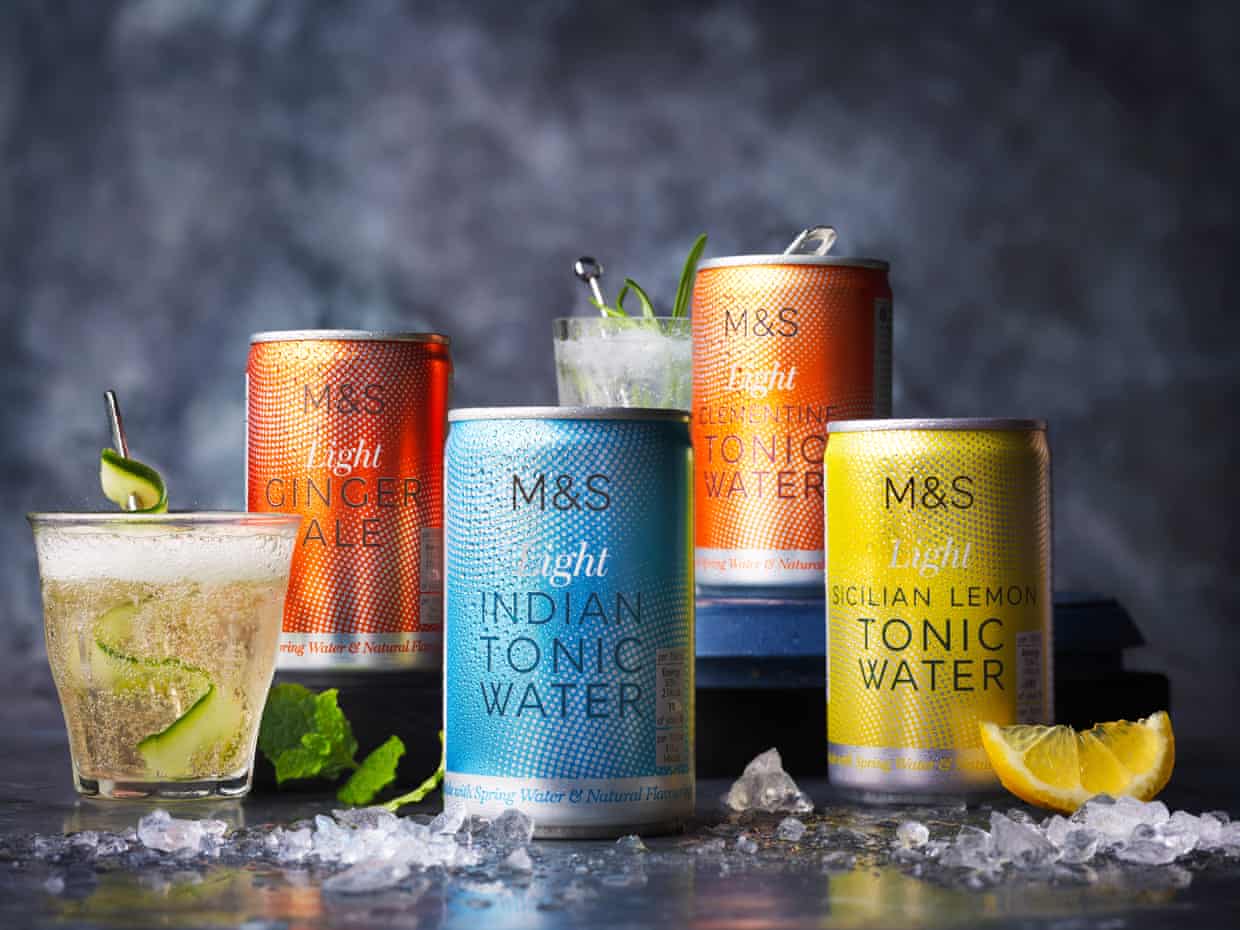
If a tonic is something that “makes you feel stronger and happier”, my tonics come in the form of good wine, bad chocolate and an ageing whippet called Ernie. Recently, though, I’ve found myself craving the OG tonic – tonic water – which started life as a malaria treatment in the age of the British empire.The Guardian’s journalism is independent. We will earn a commission if you buy something through an affiliate link. Learn more
Move over matcha: how ube cocktails and coffees are hitting the UK’s sweet spot
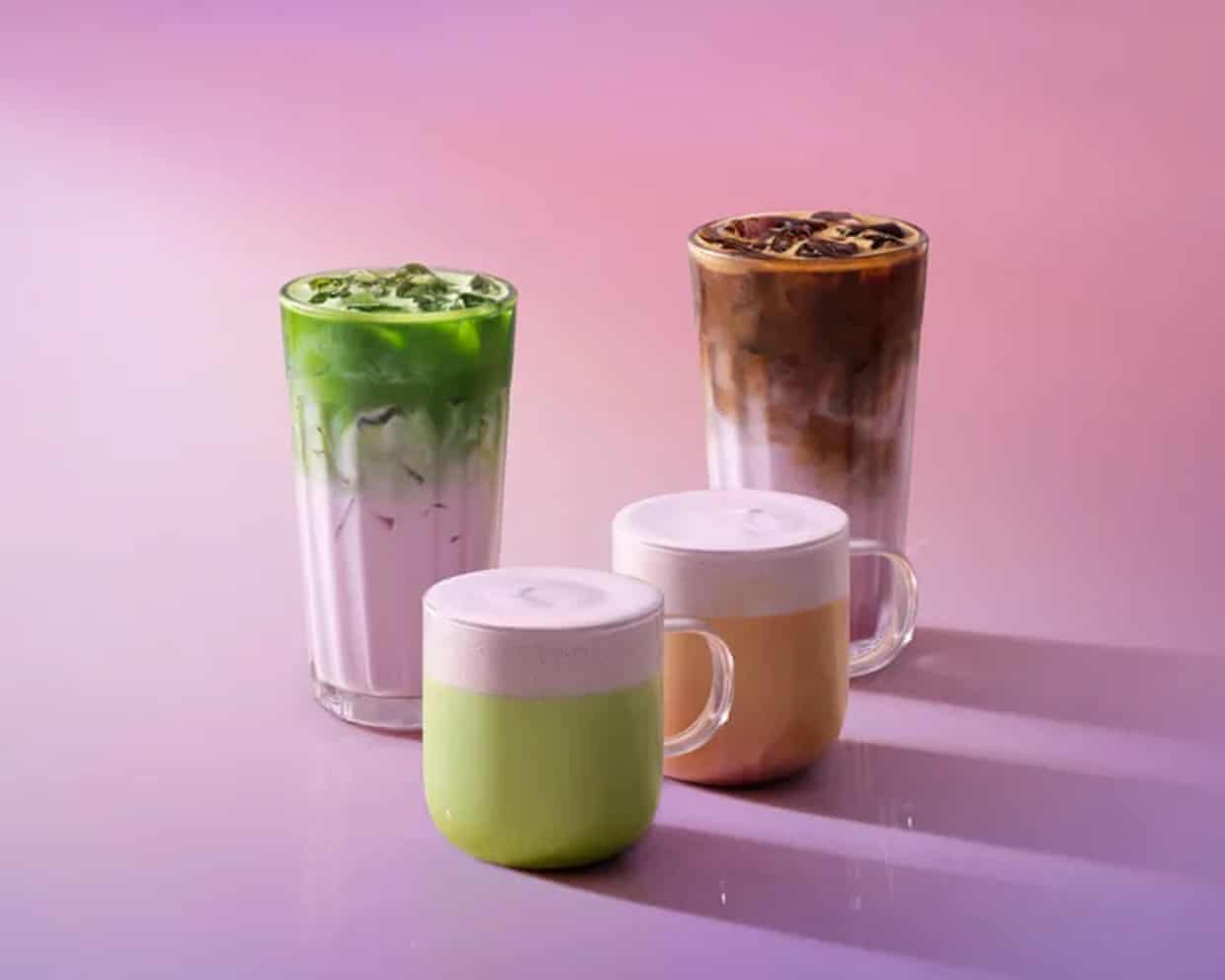
Bright purple coffees and cocktails made with a root vegetable called ube have hit the high street in the UK after the yam’s striking hue caused a sensation on social media. Many are calling ube the “new matcha”, and it has a nutty, creamy, sweet taste, like a mix between coconut and vanilla.Ube coloured and flavoured drinks became popular in the US last year, after an earlier boom in Australia. Farmers in the Philippines, where the root vegetable is often sourced, have been struggling to meet demand.Now, the purple drinks have crossed the pond: Starbucks and Costa both launched ube drinks in their UK stores last month
Rachel Roddy’s ‘high-ranking’ penne with potatoes, cabbage, butter and cheese – recipe
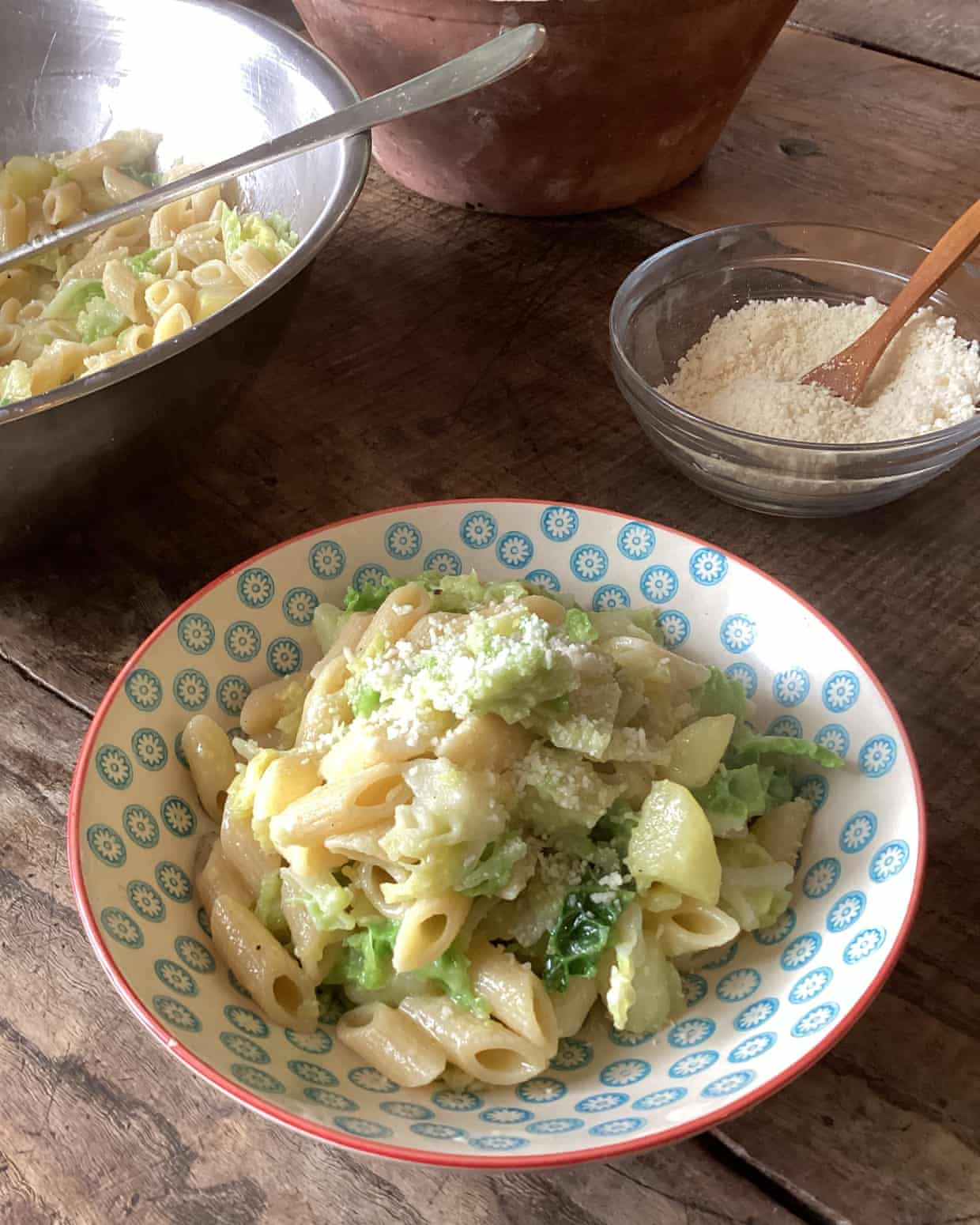
In December 2023, the magazine La Cucina Italiana ranked Italians’ favourite pasta shapes, according to data gathered by Unione Italiana Food (“the leading association in Italy for the direct representation of food product categories”). I love this sort of thing. According to the UIF, by processing NielsenIQ data (comprehensive market research, consumer intelligence and retail measurement), they identified the five most popular shapes from over 500, and examined how preferences vary in different regions.In first place was spaghetti, while penne came in second, with these two shapes – which also takes in thinner spaghettini, chunkier spaghettoni and both ridged and smooth penne – accounting for 78% of all pasta sold in Italy in 2023. The regional variations of three, four and five are as follows: in the north-west and north-east, fusilli, short pasta and mixed pasta for broth or minestra; in central Italy, short pasta, fusilli and rigatoni; in the south, mixed pasta for broth or minestra, short pasta and tortiglioni
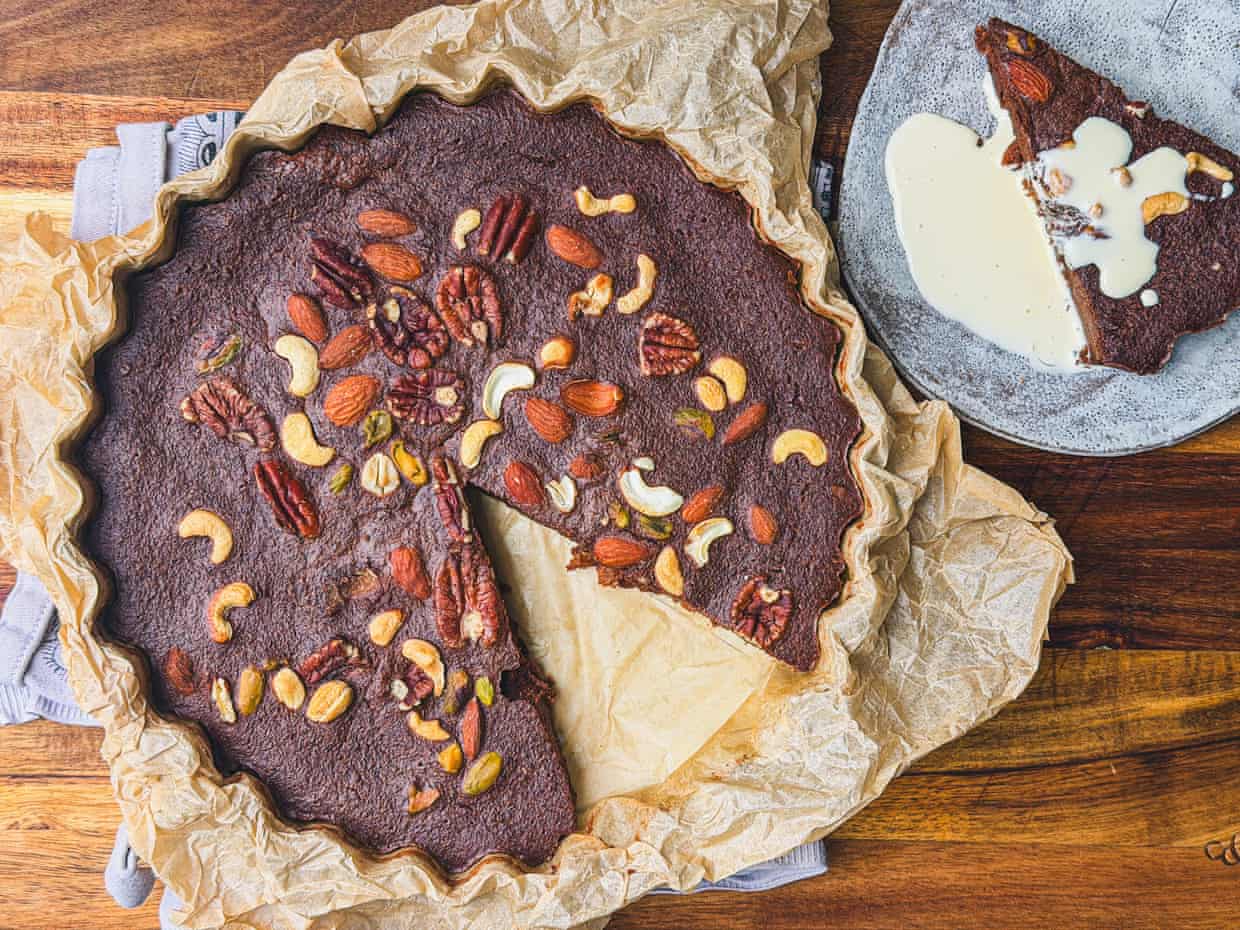
How to turn old bread into a brilliant Italian cake – recipe | Waste not
Old sourdough is my secret ingredient. To stop it going mouldy, I take it out of any plastic packaging and keep it in the bread bin with plenty of airflow around it – that way, it will dry out slowly, rather than turning mouldy. Any odds and ends, meanwhile, I store in a cloth bag to use in various dishes, from pangrattato (or poor man’s parmesan) to strata, a savoury bread-and-butter pudding.My new favourite recipe discovery for using up stale bread is today’s torta paesana, or village cake, from Lombardy. The best way I can come up with to describe it is that it’s a bit like a firm baked custard
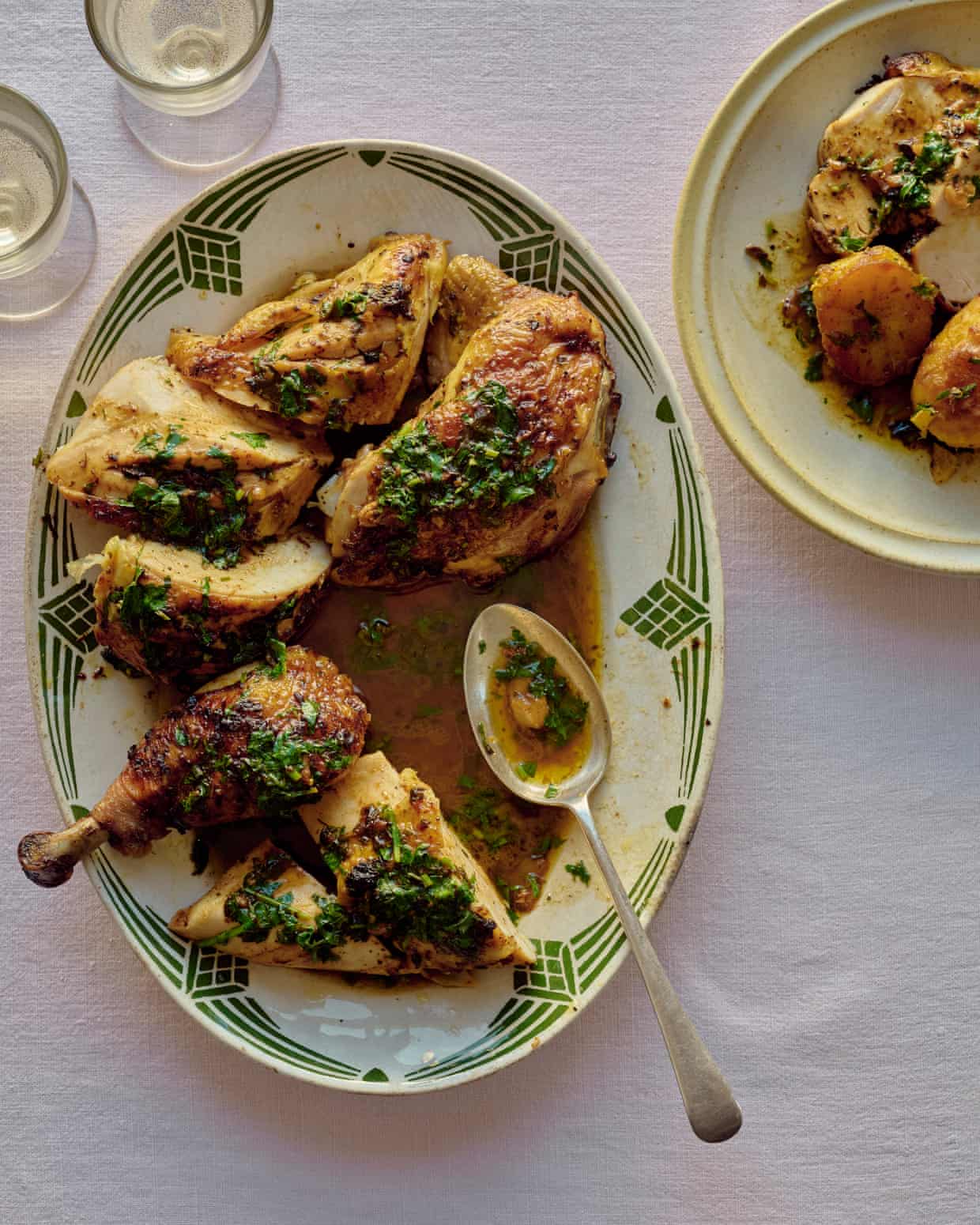
Roast chicken, cheesy scones and a genius cocktail: Ravinder Bhogal’s recipes for cooking with lime pickle
I’m obsessed with lime pickle. It’s savoury, sour, funky, spicy and full of bold personality that enlivens anything it’s smeared on. It’s made by salting and fermenting limes with chillies and spices for a fierce, flavour-packed condiment that’s traditionally eaten as a side to poppadoms or with simple dal and rice. Over the years, I have also folded it into grilled cheese toasties, marinades for fat prawns to barbecue in the summer or made compound butters with it to smother over sweet potatoes before roasting. It’s an instant flavour bomb and my pantry is never without a jar
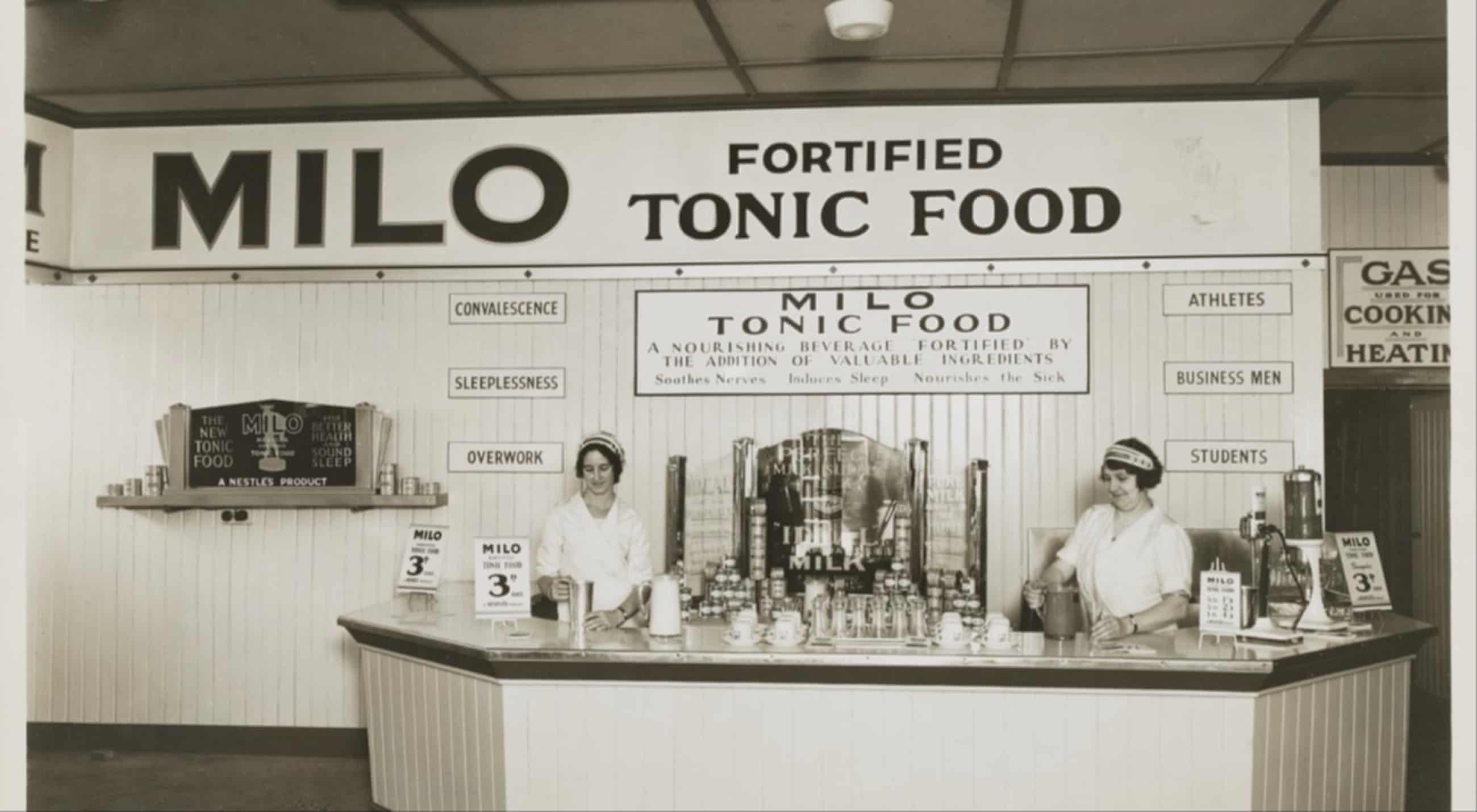
Vegemite is recognised globally – but how many people know Milo was invented in Australia?
The chocolate malt powder is sold in more than 40 countries, and Australian cafe owners say there’s ‘jingoistic pride’ in serving it on their menusGet our weekend culture and lifestyle emailWhen I order the jumbo-sized Milo Godzilla at Ho Jiak in Sydney’s Haymarket, it arrives as advertised – it’s comically large. The Malaysian restaurant prepares the drink by swirling Milo powder with hot water, adding sweet drizzles of condensed milk then chilling the mix with ice. Scoops of ice-cream are added and extra choc-malt powder is showered on top. Served in a one-litre jug, it’s so big I can’t finish it solo: staff hand me three takeaway cups to transport the leftovers.Like many beloved Milo drinks, the Godzilla is native to south-east Asia

US tech firms successfully lobbied EU to keep datacentre emissions secret

Liz Kendall urges UK public to embrace AI as government makes first £500m fund investment

‘How do I end a call?’: the elderly Japanese people determined to master smartphones

Labour and Lib Dem MPs demand ‘shameful’ Palantir NHS contract be scrapped

Man used AI to make false statements to shut down London nightclub, police say

NAACP lawsuit accuses Elon Musk’s xAI of polluting Black neighborhoods near Memphis