Growing knowledge, growing yield: British wine-making comes of age
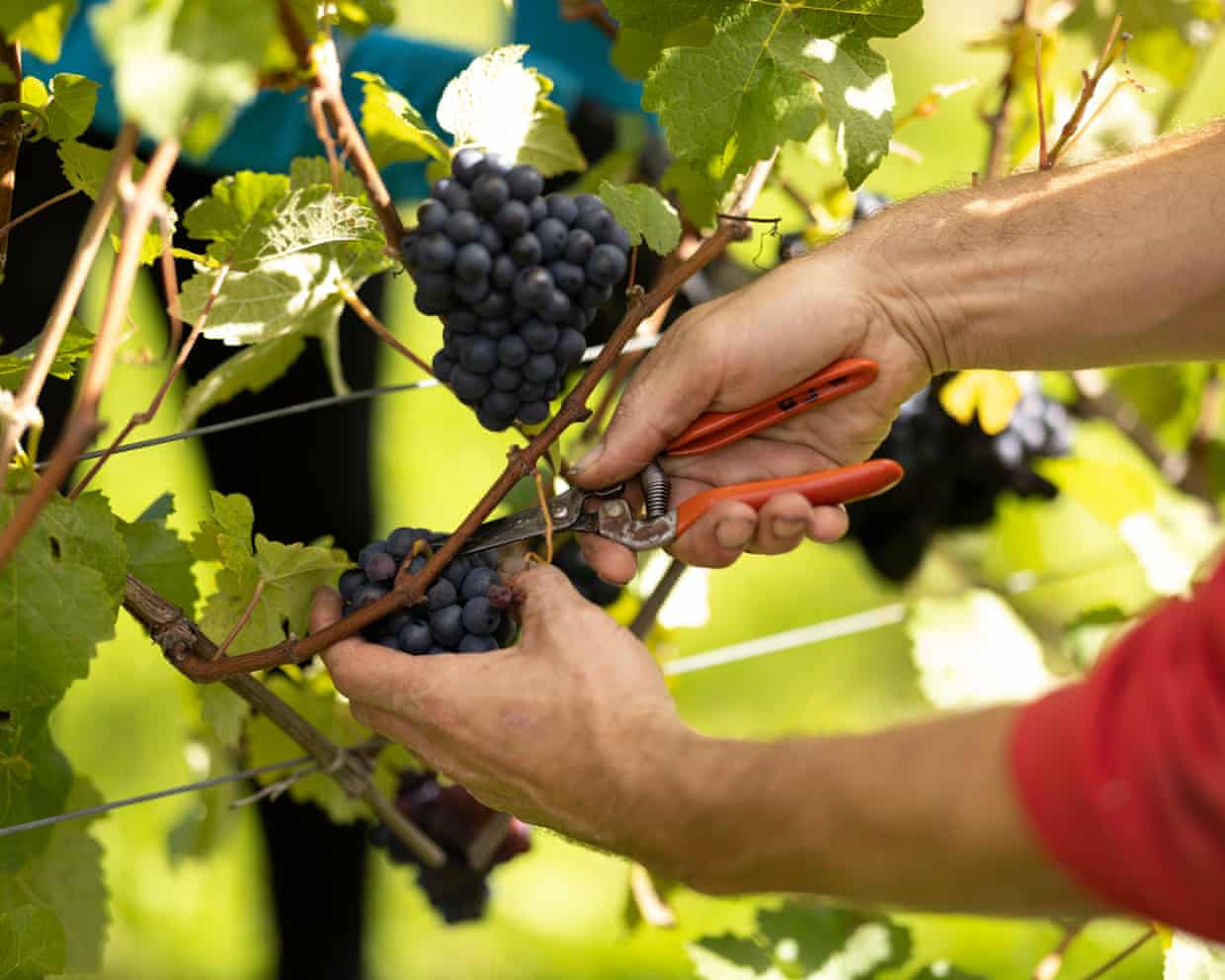
Rows of vines stretch across the rolling hills of rural Dorset.Currently waist height, they appear bare against a bleak spring sky.Up close, you can see they are already dotted with tiny woolly buds as they exit their winter dormancy for a new growth cycle.Come summer these rows will be laden with chardonnay, pinot noir and pinot meunier grapes, ready to make the latest batch of English sparkling wine from the Langham estate near Dorchester.Although it was only 2009 when the first vines were planted here on former arable farmland, the estate has already produced award-winning wines that beat established European rivals.
“It was always at the back of my mind, as a way of diversifying and expanding the business, and doing something a bit more fun and interesting too,” says the estate’s owner, Justin Langham, standing in a barn on site.“When I’m making wine, the output per acre is many multiples of what we grow in wheat.”Growing grapes in Britain on a commercial scale has been made possible by new growing methods and a shifting climate.“I don’t think we would have been doing what we’re doing going back 40, 50 years,” says Langham.Yet the climate crisis also presents a host of challenges for the UK’s burgeoning wine industry, including unreliable, rainy summers like that of 2024, where moisture leads to problems including mould and disease and causes wide variation in vintages.
Vines were first grown in England during Roman times, but vineyards can now be found from south-west England to Wales and as far north as Yorkshire and Scotland.More than 1,100 are now registered in Britain, according to the latest figures, most of which are commercial operators rather than hobbyists.While Britain remains far down the list of global wine producers – behind countries including Uzbekistan and Tunisia – it is the fastest-growing wine region in the world, according to the property group Knight Frank.It reports the area of planted vineyards in the country has quadrupled since the turn of the century.Langham’s estate is part of this boom, almost tripling in size since 2009 to span about 34 hectares (84 acres) of the 1,000-hectare site.
Increased wine production means the company has outgrown the converted farm buildings it was using to store barrels and bottles and it has just invested £2m in a new winery which should be completed by the summer.Similar expansion across the UK has led to a surge in wine production.Yet yields remain unpredictable and there can be large differences in wine made one year compared with the next, making it hard to produce a standard product.A hot, dry summer in 2025 helped English and Welsh producers to their second-largest harvest of the equivalent of 16.5m bottles, or 124,377 hectolitres.
This was more than triple the 5.3m bottles produced in 2017, less than a decade ago, according to the industry body WineGB.It was, however, lower than the bumper harvest of 21.6m bottles recorded in 2023, as some vines were still recovering last year after the cold and wet 2024.Changing weather patterns are also hitting traditional wine-making regions – including Spain, Italy and southern California – where harvests are predicted to plummet.
However, if climate change does end up driving winemaking farther north, producers are unlikely to be able to match the volumes now made in established wine regions.The lower levels of production than in neighbouring countries also mean the price of a bottle of British wine is often significantly higher than a European alternative.In the coming years, the volume of wine produced in the UK is forecast to keep rising.The industry has previously said it expects annual production to reach 25m-29m bottles by 2032 and has forecast that the retail value of English and Welsh wines could reach £1bn by 2040.South east England is home to over half of UK vineyards and around two-thirds of domestically produced wine comes from the region, particularly Kent, Sussex, Essex and Hampshire.
The young industry is also reaping the benefits of wine-making experience, according to Nicola Bates, the chief executive of the industry body WineGB.“We’ve always been a global hub for trade of wine, so you’ve had people who’ve gone out to New Zealand, Australia, South Africa and learned how those markets work.Now they’re bringing their expertise to bear back in the UK,” says Bates.“Year by year, you’re seeing that knowledge having a greater effect on our vineyards, as they also become more productive.”All those grapes will need picking, while the finished product will have to be bottled, marketed and sold.
About 10,000 people are now employed in the UK wine industry, of which 3,500 are full-time roles, with the others carrying out labour-intensive seasonal work including harvesting the grapes and pruning the vines in winter,This is a significant increase from the 2,200 employed full-time in the sector just two years ago,“We employ more people per hectare of land than any other agriculture,” Bates says,There is growing demand for skilled professionals able to work in viticulture, winemaking and hospitality, and 90% of operators have said they intend to hire more staff in the next three years,Some of those considering a career in wine gain their qualifications at Plumpton College in East Sussex, recognised as the UK’s training centre for winemaking, which offers a range of courses from certificates in winemaking techniques to bachelor’s degrees.
The college boasts its own vineyard and commercial winery, where about 40,000 bottles of wine are produced each year.“Many people don’t realise that a career in wine can combine science, sustainability, business, travel and creativity,” says Sam Linter, the director of wine at Plumpton College.Roles across the industry range from winemakers to vineyard managers, wine buyers, export managers and sommeliers.Kym Downes, who is in the first year of an undergraduate degree in viticulture and oenology at Plumpton, did not expect to pursue higher education when she finished school and started working in hospitality.One of the cafe’s regulars was a winemaker, who inspired the 22-year-old to consider training in wine.
“His passion for wine really rubbed off on me,” says Downes.“There are so many different pathways open to you.I could go down the winemaking side of it, but I could also go into the business side of things or even laboratory work.”Some believe the hands-on nature of many of these roles will insulate them from the job losses fuelled by the rise of automation and artificial intelligence.The course “takes you through a year working on the vineyard,” she says.
“We started off harvesting grapes, then it moved into vineyard maintenance and we learned how to drive tractors and check the equipment,As we got into winter it was the pruning season and now it’s budding season,”After a long career as a GP and professor of public health, Nick Steel is looking to a second act – turning his hobby into a job,“I am a wine drinker and enthusiast and got more sucked into the world of wine and thought I’d like to come and learn how to make it,” says the 61-year-old, who is in final year of a foundation degree and plans to join the growing ranks of UK winemakers,“The intention is to have an urban winery with some bought-in grapes … I want to produce a commercially viable product that I can sell.
”
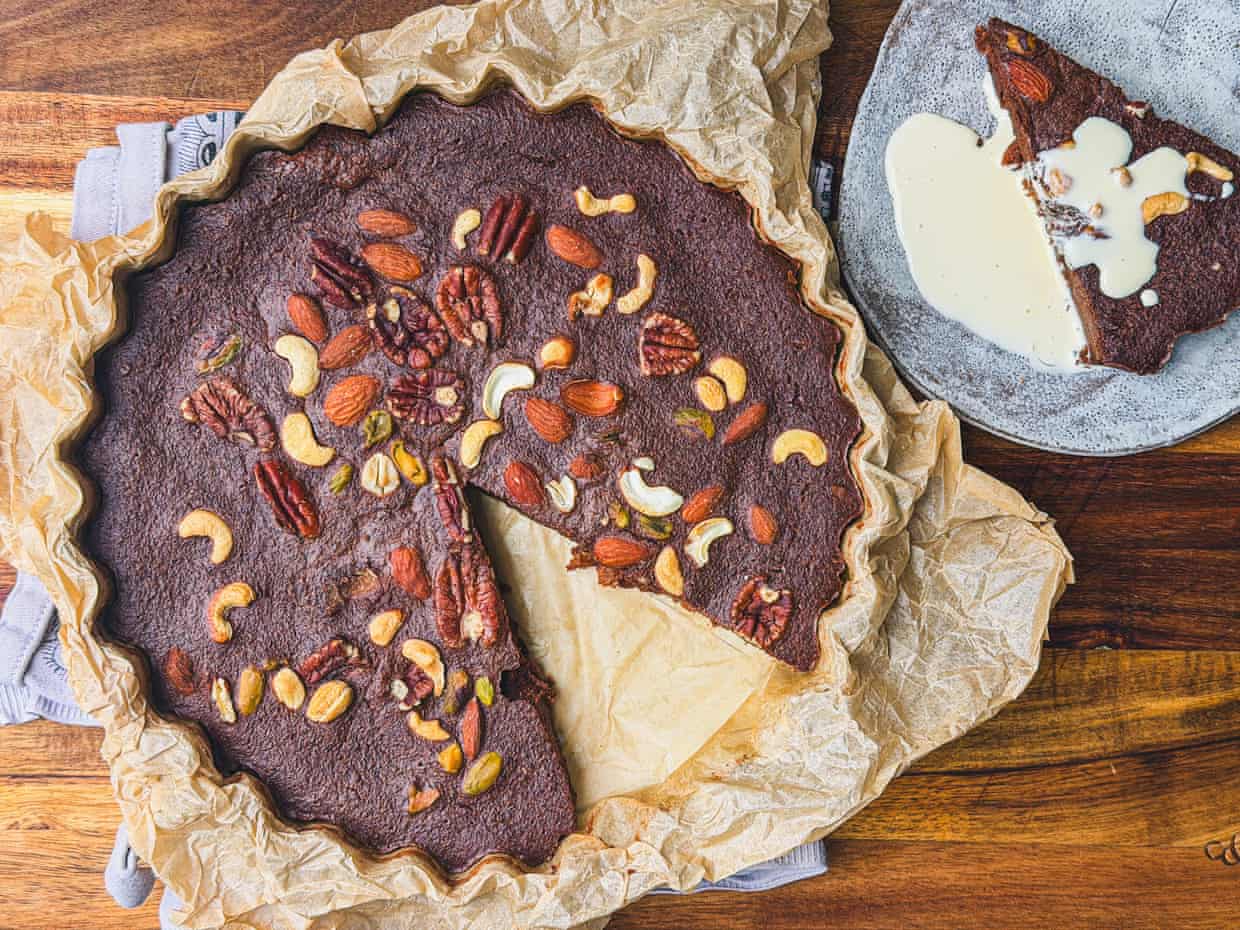
How to turn old bread into a brilliant Italian cake – recipe | Waste not
Old sourdough is my secret ingredient. To stop it going mouldy, I take it out of any plastic packaging and keep it in the bread bin with plenty of airflow around it – that way, it will dry out slowly, rather than turning mouldy. Any odds and ends, meanwhile, I store in a cloth bag to use in various dishes, from pangrattato (or poor man’s parmesan) to strata, a savoury bread-and-butter pudding.My new favourite recipe discovery for using up stale bread is today’s torta paesana, or village cake, from Lombardy. The best way I can come up with to describe it is that it’s a bit like a firm baked custard
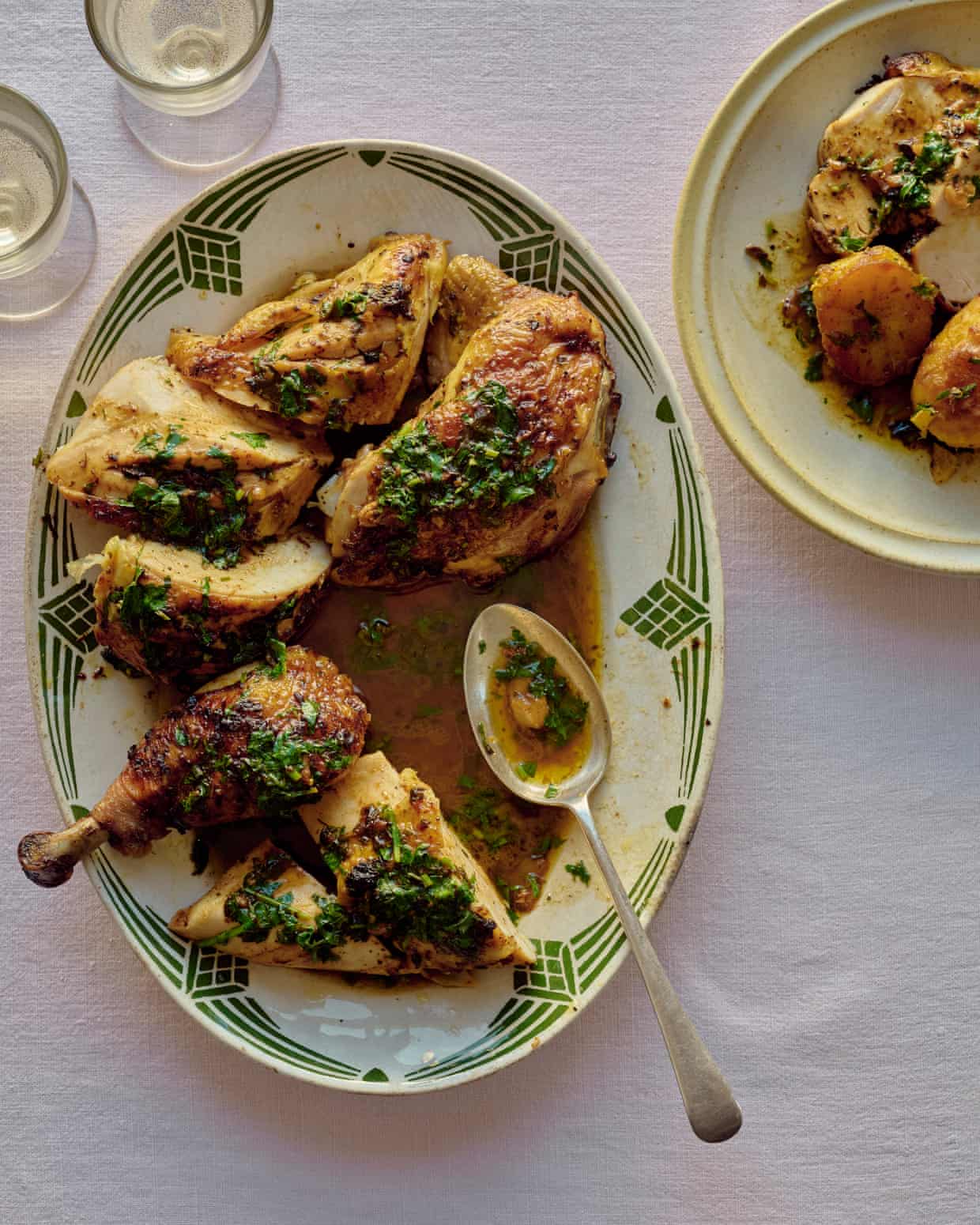
Roast chicken, cheesy scones and a genius cocktail: Ravinder Bhogal’s recipes for cooking with lime pickle
I’m obsessed with lime pickle. It’s savoury, sour, funky, spicy and full of bold personality that enlivens anything it’s smeared on. It’s made by salting and fermenting limes with chillies and spices for a fierce, flavour-packed condiment that’s traditionally eaten as a side to poppadoms or with simple dal and rice. Over the years, I have also folded it into grilled cheese toasties, marinades for fat prawns to barbecue in the summer or made compound butters with it to smother over sweet potatoes before roasting. It’s an instant flavour bomb and my pantry is never without a jar

Vegemite is recognised globally – but how many people know Milo was invented in Australia?
The chocolate malt powder is sold in more than 40 countries, and Australian cafe owners say there’s ‘jingoistic pride’ in serving it on their menusGet our weekend culture and lifestyle emailWhen I order the jumbo-sized Milo Godzilla at Ho Jiak in Sydney’s Haymarket, it arrives as advertised – it’s comically large. The Malaysian restaurant prepares the drink by swirling Milo powder with hot water, adding sweet drizzles of condensed milk then chilling the mix with ice. Scoops of ice-cream are added and extra choc-malt powder is showered on top. Served in a one-litre jug, it’s so big I can’t finish it solo: staff hand me three takeaway cups to transport the leftovers.Like many beloved Milo drinks, the Godzilla is native to south-east Asia
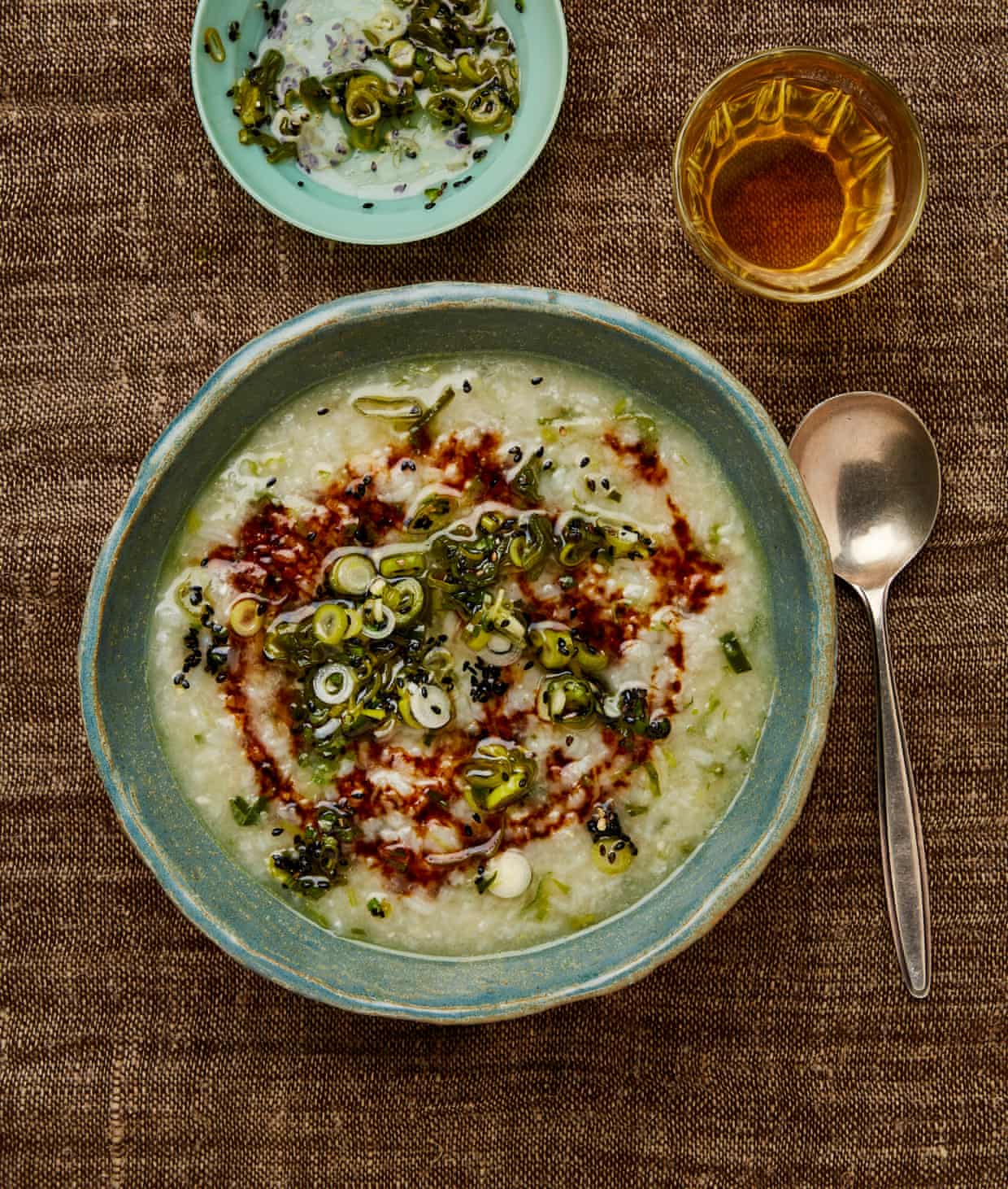
What can I do with leftover rice? | Kitchen aide
How do I store cooked rice safely, and what can I make with it the next day?Michael, by email“It’s a bit of a running joke with rice, because I think of all the people in China who aren’t spreading their leftover rice immediately on to a tray to cool and are still alive,” says Amy Poon, of Poon’s at Somerset House in London. “But I have to be responsible and say: cool the rice as quickly as possible, within the hour, and put it in an airtight container and pop it in the fridge [or freezer] straight away.” The reason being, as food science guru Harold McGee notes in his bible On Food & Cooking, “Raw rice almost always carries dormant spores of the bacterium Bacillus cereus, which produces powerful gastrointestinal toxins. The spores can tolerate high temperatures, and some survive cooking.” In short: good storage practices will prevent bacterial growth, not to mention open a whole world of dinner opportunities
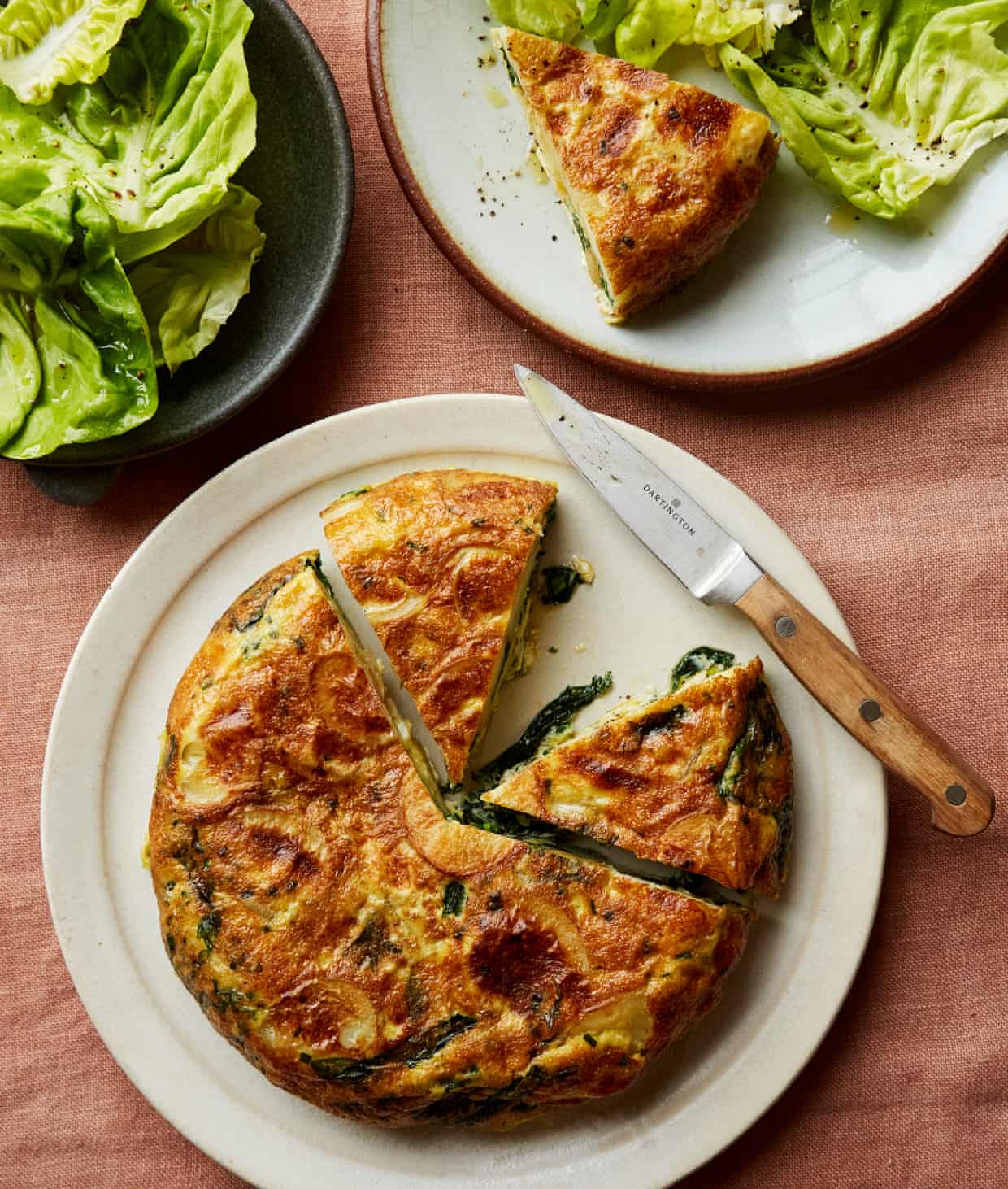
José Pizarro’s recipe for nettle (or wild garlic) and goat’s cheese tortilla
When I was growing up in the small village of Talaván in Extremadura, Spain, we never ate nettles. They were wild plants that grew along the edges of the fields, and the sort you tried to avoid: like many children, I learned about them the hard way, brushing against them while playing and getting stung. It was only when I came to the UK that I first saw nettles used in cooking, which surprised me: suddenly, this wild plant had a place in the kitchen. Now, whenever I visit my mum, Isabel, I see them everywhere. It makes me smile to think that at this year’s Spring Garden at the Chelsea flower show, I will be cooking among a world of magnificent plants and gardens
Gone from shop shelves, but not forgotten | Letters
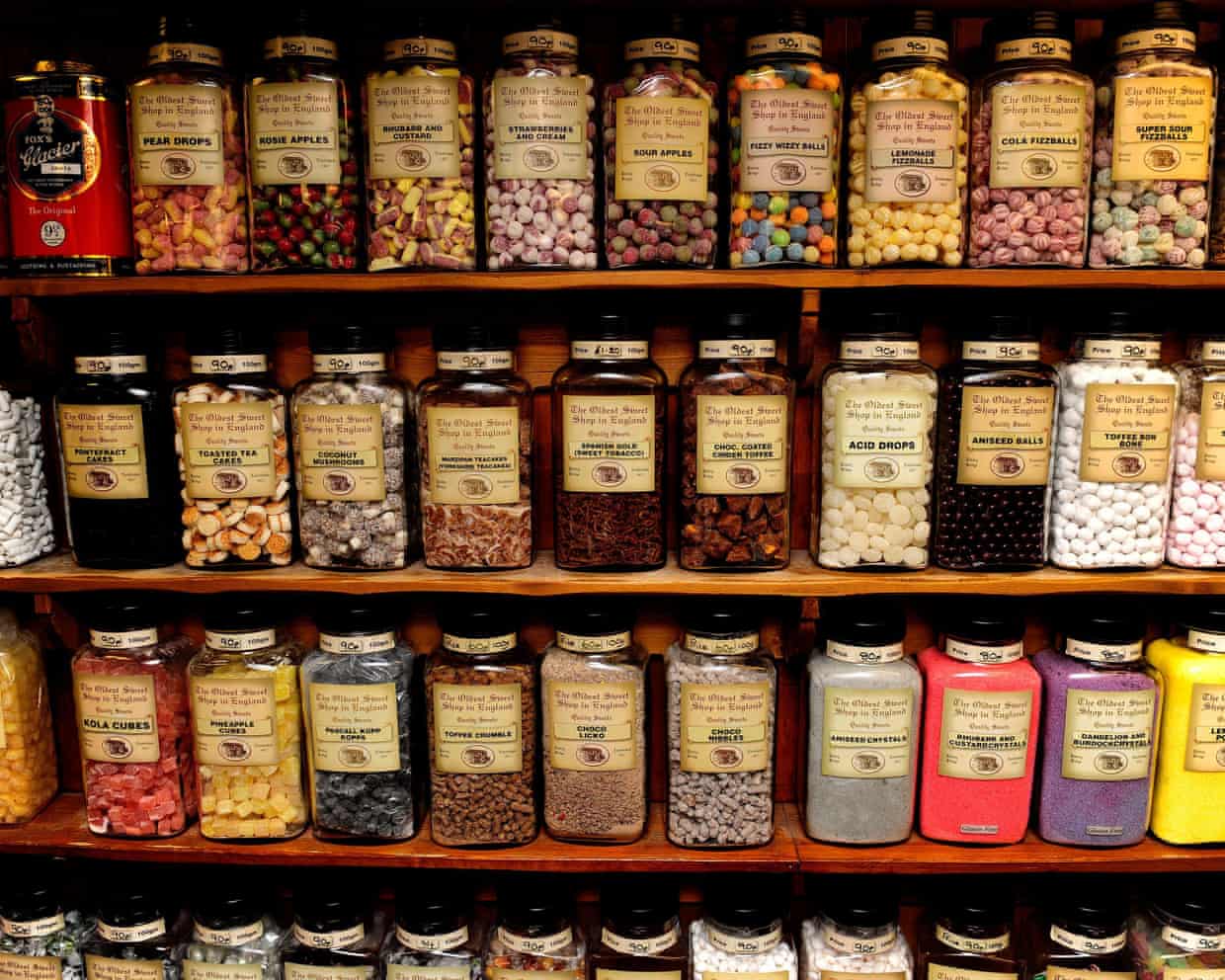
How lucky for Adrian Chiles that he didn’t live in the German Democratic Republic (Rose’s Lime Marmalade? Gone. Dark chocolate Bounty? No more. But what about their heartbroken fans?, 8 April). After reunification, there were street markets selling the last of products from the old days, and there was an exhibition in a national museum – memorably called “They’ve even taken our tomato ketchup” – lamenting the loss of many food products and other features of former times, such as children’s TV programmes.Derek JanesDuns, Scottish Borders Can Adrian Chiles tell me where to find Halls’ chocolate sour lemons? Maybe they stopped being made because they turned your tongue black, but they tasted great

US tech firms successfully lobbied EU to keep datacentre emissions secret

Liz Kendall urges UK public to embrace AI as government makes first £500m fund investment

‘How do I end a call?’: the elderly Japanese people determined to master smartphones

Labour and Lib Dem MPs demand ‘shameful’ Palantir NHS contract be scrapped

Man used AI to make false statements to shut down London nightclub, police say

NAACP lawsuit accuses Elon Musk’s xAI of polluting Black neighborhoods near Memphis