Nadiya Hussain on food, faith and finding her voice: ‘I get paid less than the white version of me’
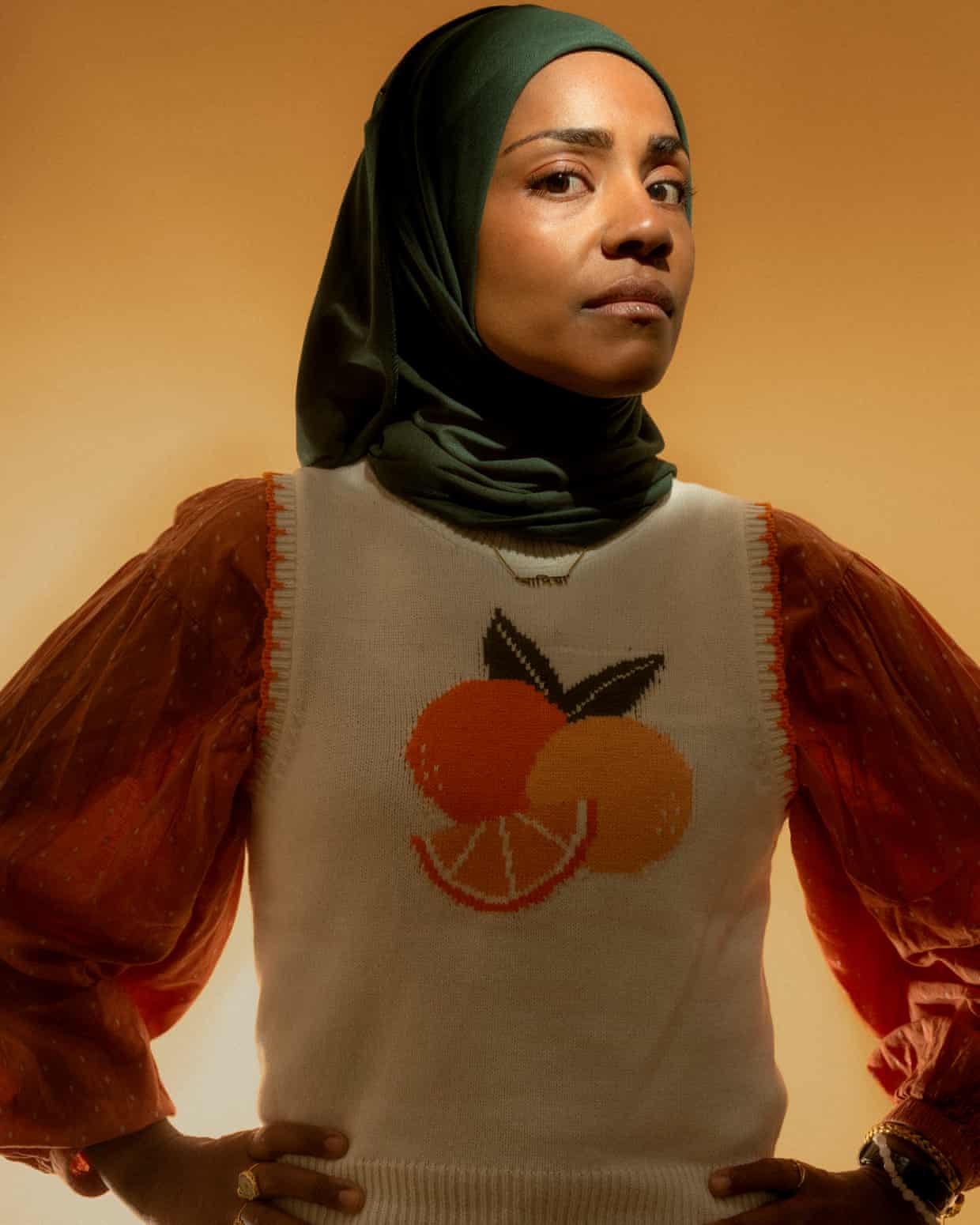
In a food world where the trend is for protein and weight-loss injections and sugar is the supervillain, Nadiya’s Quick Comforts seems somewhat contrary.There are golden syrup dumplings.There is a chapter devoted to deep frying, with cheese balls and ingenious deep-fried cannelloni.“If I could write an entire book on deep frying, I absolutely would,” says Hussain with a laugh.“This is how I cook, this is how I eat, this is how I show love to my family.
Everything in there is stuff that my kids absolutely love.” It’s about balance, she says – there are also lovely recipes for soothing plant-based dal and delicious noodles – because “I think anything that’s an extreme version of itself is dangerous”.She chides me gently for saying that if I ever make her recipe for deep-fried cookie dough balls, I’m finished.“Food brings so much joy, and I think we live in a society and a culture where we are scared into believing that everything we do is bad for us and wrong.I just think it’s taken the enjoyment out of life.
” She doesn’t follow trends, she says,And “I suppose I don’t follow the rules”,That is becoming very clear,Watching Hussain’s rise, from the slight, nervy woman who began the 2015 series of The Great British Bake Off and ended up champion to becoming a beloved cultural fixture in the decade after, has been glorious,Her warmth and radiance made her a natural.
She published cookbooks and children’s books, made TV shows, and her future could have been more of the same.Instead, last summer, Hussain went rogue.She posted a video on Instagram, saying the BBC had decided not to commission another cookery show.She had published a book, Rooza, in 2025, which was inspired by dishes from across the Islamic world, especially at Ramadan and Eid.She had known since 2024 that it was not going to be attached to a TV series, and last year she found out that the BBC would also not be making a series of her next book, Nadiya’s Quick Comforts, either.
Following Hussain’s Instagram post, the BBC said: “After several wonderful series we have made the difficult decision not to commission another cookery show with Nadiya Hussain at the moment,” On Instagram, without pointing to BBC in particular, Hussain talked about “gaslighting” in the industry in general, and said that, as a Muslim woman, she has not always been supported or allowed to fulfil her potential,Hussain’s on-screen persona is friendly and upbeat – it is the same in person, when we meet at the Guardian offices – but it didn’t always allow for the side of her that has bite,In her post – not the sort of thing you tend to do when you have a successful media career – she came across as a woman who had nothing to lose,It was thrilling.
Shortly after, Hussain left her agent and manager, and took control of her career.The last year has been intense, she says.“Really exposing, but it has been really enlightening at the same time.I’ve had the opportunity to sit back and look at how I see the next 10 years, hopefully.I suppose, now, it’s about shaping that landscape for myself.
It’s been scary, but I’ve also really enjoyed figuring out what it looks like for me.It’s really freeing to be able to just say, what do I want out of this? And I love that.”Hussain had been feeling uncomfortable in her profession for a while (personally, she was also dealing with health issues, including an autoimmune diagnosis).“I couldn’t pinpoint a particular reason, but I think there was a point where I’d realised that I don’t want to have to answer to anyone.I started to feel like a caricature of myself.
I’d become a version of myself that was manufactured and comfortable for everybody.” A bit later, she adds: “I’d become this palatable version of a Muslim that could be on television, that could write cookbooks.I’d become this really comfortable version of myself that was easy to digest.”She has spoken out many times about the overwhelming whiteness of TV and publishing.“It’s always been really difficult to be the only person like me in a room.
” In interviews, she says, “people always ask me: ‘Are we doing better? Has it changed?’” She’s tired of it,“It’s broken,This last year has been really important for me to realise that, really accept that, actually, I can’t fix a broken industry,”She has no evidence that it was Rooza that meant some brands no longer wanted to work with her, but this is the feeling she can’t shake,“It was really interesting, because I felt like people had just twigged, ‘Oh, she’s a Muslim’, and suddenly I wasn’t palatable any more.
Suddenly I wasn’t the same Nadiya that I was before, because before I was writing cookbooks that were for everybody, and now I wrote this book that didn’t feel inclusive.” But her faith and culture, she says, are “a big part of who I am, and I think that made people uncomfortable”.To be fair to the BBC, it wasn’t as if it had ignored Hussain’s heritage – her 2016 series The Chronicles of Nadiya took her to Bangladesh to explore her roots through food.And to be fair to Hussain, it wasn’t a sense of entitlement that every book should come with a series.It was more that she realised she had very little control over her career.
This feeling was crystallised, for her, when she saw that Rooza – a book she is intensely proud of – was not embraced in the way her other books were.“I know how many people felt seen and heard with a cookbook like thatI write something that is really close to my heart, and suddenly I’m losing brand deals and people don’t want to work with me any more.”Hussain has said before that she felt she had been put into a neat box by the TV and publishing industries, and now didn’t fit.It wasn’t that her upbeat, sunny persona wasn’t her.“But in doing that, I’ve also protected an industry that hasn’t always protected me.
I realised that I have to be the most authentic version of myself,” she says.Throughout her career, “what I’d done was I just softened my edges enough to fit in.Even things like I changed the way I wore my headscarf because it felt more modern to wear it a different way.I did that without even realising it.I much prefer to wear it this way [covering her neck, as opposed to wrapping only her hair], but this makes me somehow look more Muslim.
”People around her had suggested she shouldn’t post on social media about political issues, such as Palestinian rights, or the horrors in Gaza.Hussain says there have been times throughout her career when she has complained “about somebody who is being misogynistic or making racist comments, and I’ve always been told: ‘That’s just the way they are’.It’s ‘just ignore them’.I’ve let loads of that stuff go, and I wish I hadn’t.She was aware that if she complained, she would be the one portrayed as “difficult”.
“But you’re not difficult, you’re just voicing something,I’m sure there’s people in the industry who will say I’m difficult, but that’s because I’ve complained,Eventually, I just stopped complaining, but then I realised that that’s not the right thing to do,”She says there was a sense, partly because she had been plucked from reality TV, but mainly because she was a woman of colour, that she had to be endlessly grateful,After her Instagram video last year, this was the tone of many of the comments.
“Everything I’ve done has always come with criticism,” she says.“I always expect it, even when I’ve posted things on social media, I’ve always got, ‘Look at her, she’s so ungrateful.’” She will push back, especially at the racist comments, which have got noticeably worse and more frequent.“I think people are braver and just think they can say whatever they want.The world feels like it’s on fire at the moment.
It’s hideous what’s happening right now, and it feels like no amount of speaking out is doing anything,But I think we must not forget that even one voice is better than no voice at all,”The pressure to be grateful has followed Hussain throughout her career,She believes: “I get paid less to do the same job as the white version of me,” There were many times, she says, “I actively silenced myself because everything felt like an opportunity.
It never felt as if I could just own it and say: ‘You know what, I’m actually good at this.’ I think at the point where I realised I was, the show got cancelled, and I was like, I have zero control over this situation.”She didn’t want to hear that this was just the way things were.“I’m not OK with it just being that way, so I need to take some control back.I realised it was important for me to step away and look at what I wanted to do.
”From Hussain’s 2019 memoir, Finding My Voice, it’s clear that she resists being managed or controlled.The third child of six, Hussain looked at the older generations of women in her family, all housewives, and wanted something different.“They just all seemed deeply miserable.I can’t say that I grew up around happy women, or what felt like fulfilled women.” Hussain wanted to go to university, wanted to become a social worker.
Her parents – her father worked in a restaurant, her mother (later) in a factory – wouldn’t allow her to go.Marriage, then, seemed like Hussain’s only way out, but again, she took control of it.She and Abdal, the son of one of her father’s friends, started speaking on the phone, and she liked him.They were married the third time they met.In her marriage and family – they have three children – Hussain found comfort and stability, even if being a stay-at-home mother also wasn’t all she wanted to be.
She got her longed-for degree, the first woman in her family to get one, in childhood and youth studies from the Open University,Then Abdal filled in the form to apply to Bake Off, and encouraged Hussain to send it and her life was never the same again,Throughout her time in the public eye, she has talked about the racism she has experienced, and about her mental health (Hussain has had panic attacks and anxiety, which started in childhood),In her memoir, she wrote about the sexual assault, including attempted rape, she experienced at the age of five by a relative in Bangladesh,She believes none of her family has read her book, and this part of it has never been mentioned.
“For my parents, for certain family members, it’s very difficult because of growing up in a community where you didn’t talk about things like that.” She wrote about it, she says, to address “a problem that is rife in our community, and other communities.It’s something I had to write so others could feel like they had a voice.These are the things that matter to me, and these are the things that I want to be vocal in.”The silence from her family, to whom she is otherwise close, wasn’t a surprise, she says.
“I expected it because there’s a really hideous culture of hiding, you hide shame.Family honour, family name.And I’m just like, what is honour? But men will always be protected.It’s like a universal language.Men are protected in families.
” And in society, she adds, including, in her experience, the media industries.“They get away with what they get away with because everybody protects them.”Hussain is 41, and her children are growing up.Her son has already left home, her next son is off to university this year, and her daughter, who is 15, is not far behind.“I think maybe now comfort food is even more important.
When the kids come home, or they’ve been away for a while, I’ll always ask, what do you fancy? Food brings them back.And food fills their freezer, and makes them happy.”Being an example to her children is partly why she has made changes, spoken up.“It’s really important for kids to see that you can make bold choices,” she says.“One thing I’ve learned in the last year is that it’s really important to always speak your truth
Twenty-year-old to testify at US trial about harm from social media addiction
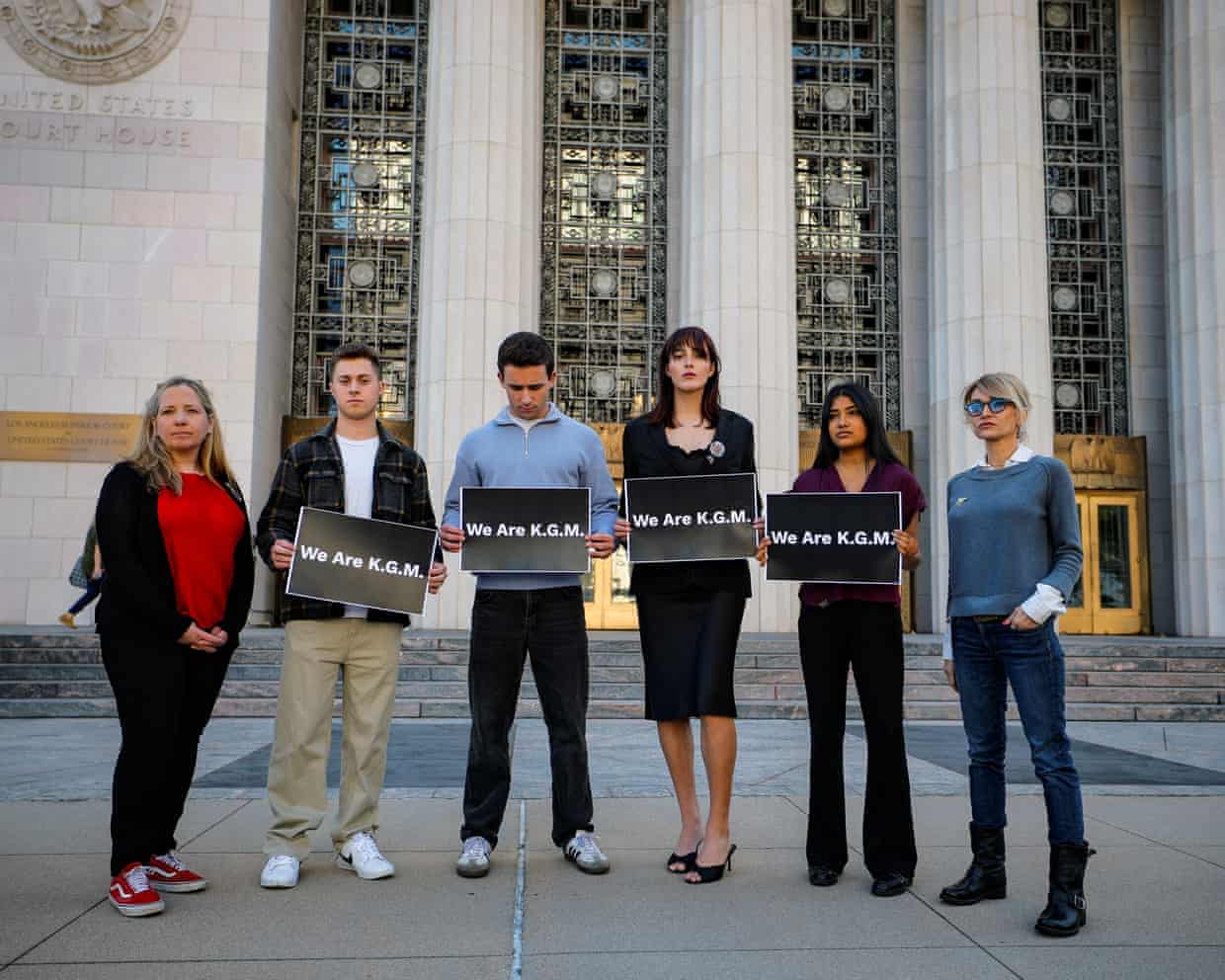
For the first time, a jury will hear testimony this week from a young woman who alleges social media companies intentionally create addictive products, harming children. The witness taking the stand, known by her initials KGM, is the lead plaintiff in an expansive lawsuit against Meta – which owns Instagram and Facebook – and YouTube currently at trial in Los Angeles.KGM, who is now 20, alleges that she became addicted to social media apps before she was 10 and would spend hours every day scrolling through photos and videos. This led to years of mental health issues, according to her lawyers and court documents.KGM is expected to testify about how her constant use of social media led to depression, anxiety and body dysmorphia
Nvidia quarterly earnings show immunity to AI bubble fears as it cashes in on datacenter boom
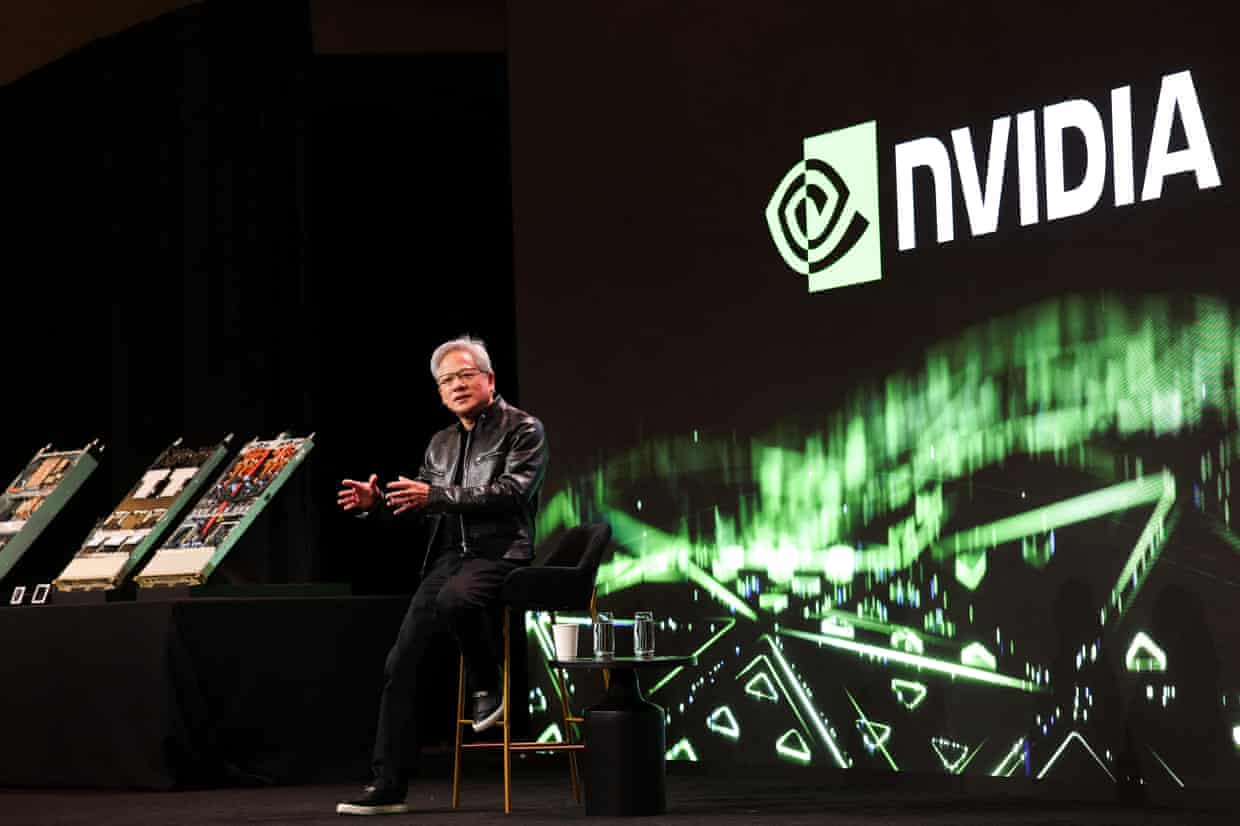
Nvidia released its quarterly earnings on Wednesday, with the chipmaker revealing higher than expected revenues and extending its yearslong streak of surpassing Wall Street’s sky-high expectations.The company receives the vast majority of its revenue from its data center business, which has been buoyed by the tech industry’s immense investment into AI infrastructure. On Wednesday, Nvidia reported 75% year-over-year growth of this vertical to $62.3bn. The world’s most valuable publicly traded company, Nvidia has dominated the chip market as its processing units have become the backbone of the artificial intelligence boom

Top US body-camera maker reports record revenue amid Trump immigration crackdown
The largest body-camera maker in the US celebrated its latest financial results on Tuesday – reporting record revenue and forecasting major growth – as it prepares to cash in on the Department of Homeland Security’s planned rapid acquisition and deployment of these devices nationwide.In Tuesday’s earnings presentation, body-camera maker Axon, which also makes the well-known Taser device, announced that it blew past Wall Street expectations with $797m in revenue, up 39% year-over-year.The company attributed its growth to the offerings of its “AI era plan”, which includes a voice-activated companion for its body cameras. Executives also outlined a “major opportunity” for working with federal law enforcement in the year to come, in particular: body cameras and software licenses for the DHS.Asked by investors about his biggest worries, CEO Rick Smith said: “A misstep around privacy and data handling
Meta’s AI sending ‘junk’ tips to DoJ, US child abuse investigators say
Meta’s use of artificial intelligence software to moderate its social media platforms is generating large volumes of useless reports about cases of child sexual abuse, which are draining resources and hindering investigations, said officers from the US Internet Crimes Against Children (ICAC) taskforce.“We get a lot of tips from Meta that are just kind of junk,” Benjamin Zwiebel, a special agent with the ICAC taskforce in New Mexico, said last week during his testimony in the state’s trial against Meta. The state’s attorney general alleges the company’s platforms are putting profits over child safety. Meta disputes these allegations, citing changes it has introduced on its platforms, such as teen accounts with default protections. The ICAC taskforce is a nationwide network of law enforcement agencies coordinated with the US Department of Justice to investigate and prosecute online child exploitation and abuse cases
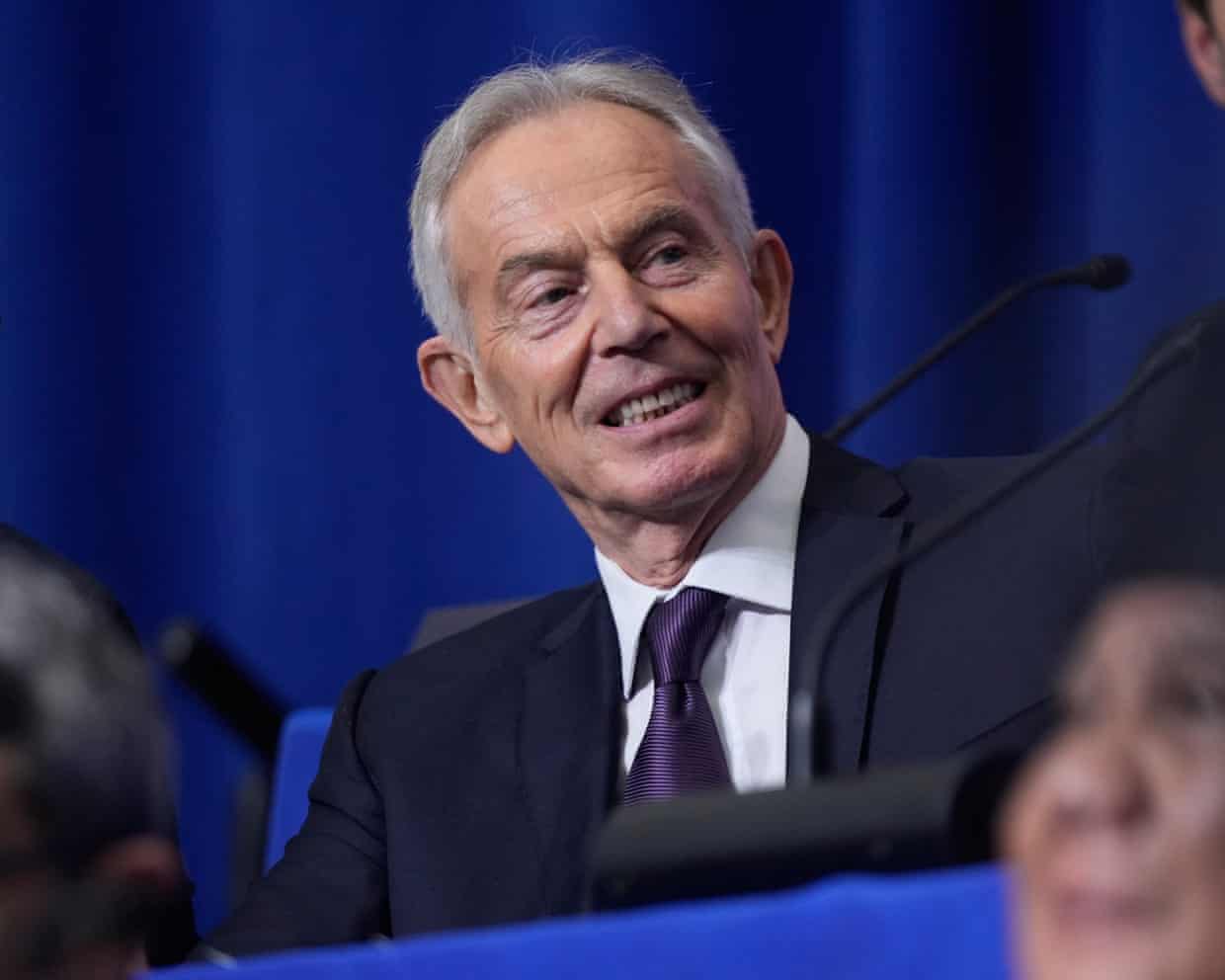
Treasury calls in Blair thinktank to advise on using AI across public services
Ministers have called in Tony Blair’s thinktank and private tech companies to guide them on deploying AI across the UK government in a move campaigners compared to “inviting in foxes to consult on the future of the henhouse”.James Murray, chief secretary to the Treasury, chaired a meeting on Wednesday with the director of AI at the Tony Blair Institute for Global Change (TBI), the chair of IBM and senior executives at AI companies including Faculty AI, now part of Accenture, and Dex Hunter-Torricke, a former communications adviser at Google, Facebook and Elon Musk’s SpaceX.“These people are exactly who can help us create change across the public sector – giving us the hard truths on our approach to AI and advising where we need to prioritise our investment to support real efficiencies,” said Murray, who added that their advice will “feed into efficiency processes ahead of the next spending review”.The move came after the technology secretary, Liz Kendall, last month said the government’s goal was to “make Britain the fastest AI adoption country in the G7”.The Treasury said it showed it was committing “to private sector engagement on the deployment of artificial intelligence across the public sector so it can improve efficiency and productivity”
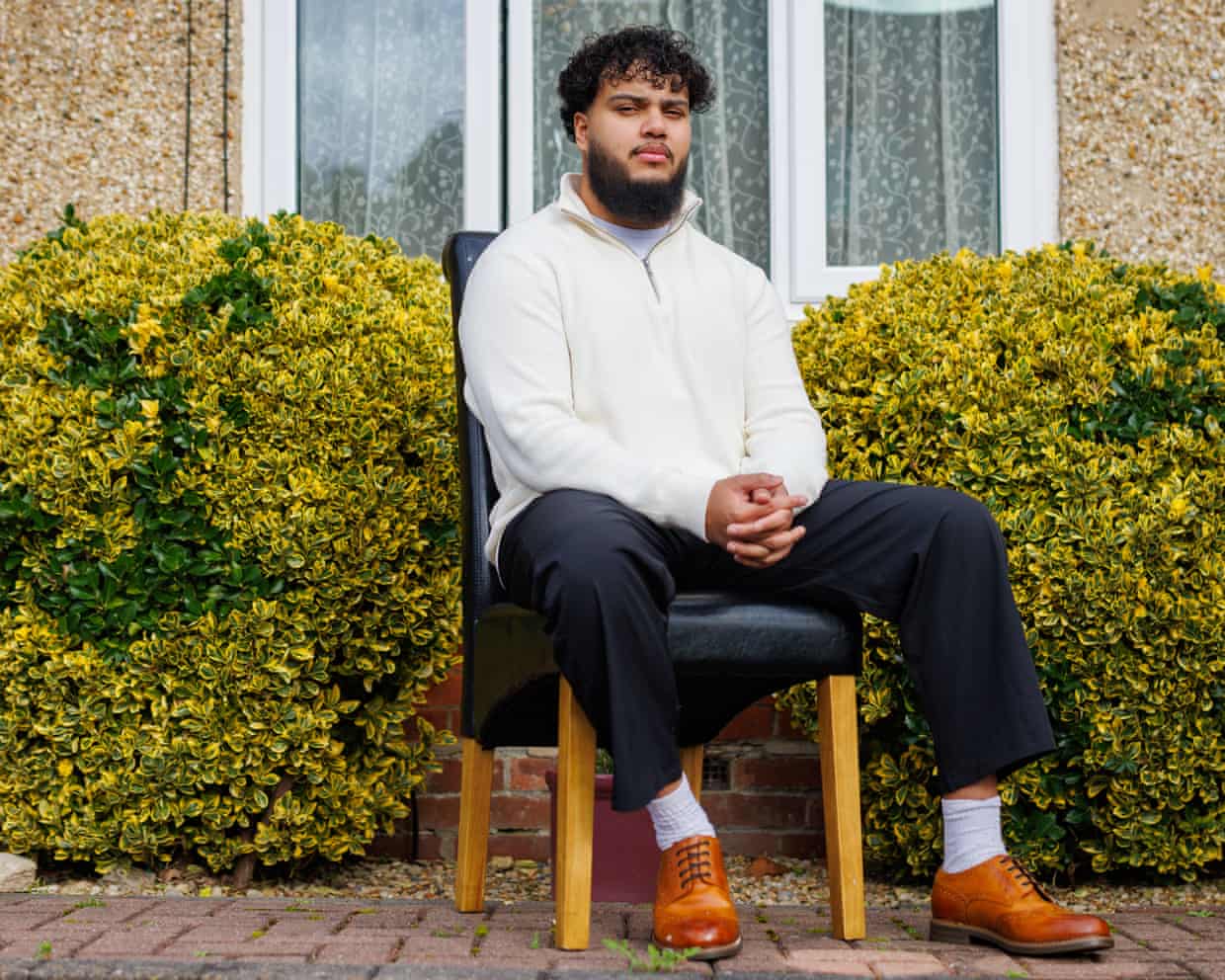
Facial recognition error prompts police to arrest Asian man for burglary 100 miles away
Police arrested a man for a burglary in a city he had never visited after face scanning software deployed across the UK confused him with another person of south Asian heritage.Alvi Choudhury, 26, a software engineer, was working at the home he shares with his parents in Southampton in January when police knocked on his door, handcuffed him and held him in custody for nearly 10 hours before releasing him at 2am.Thames Valley police had used automated facial recognition software which matched him with footage of a suspect of a £3,000 burglary 100 miles away in Milton Keynes, according to documents shared with the Guardian by Liberty Investigates.But the CCTV footage showed a noticeably younger man with different features apart from similar curly hair, said Choudhury, who was left confused about why he had been arrested.“I was very angry, because the kid looked about 10 years younger than me,” said Choudhury, who wears a beard

Home Office denies ‘absurd’ criticism over rule change that may leave dual nationals stranded
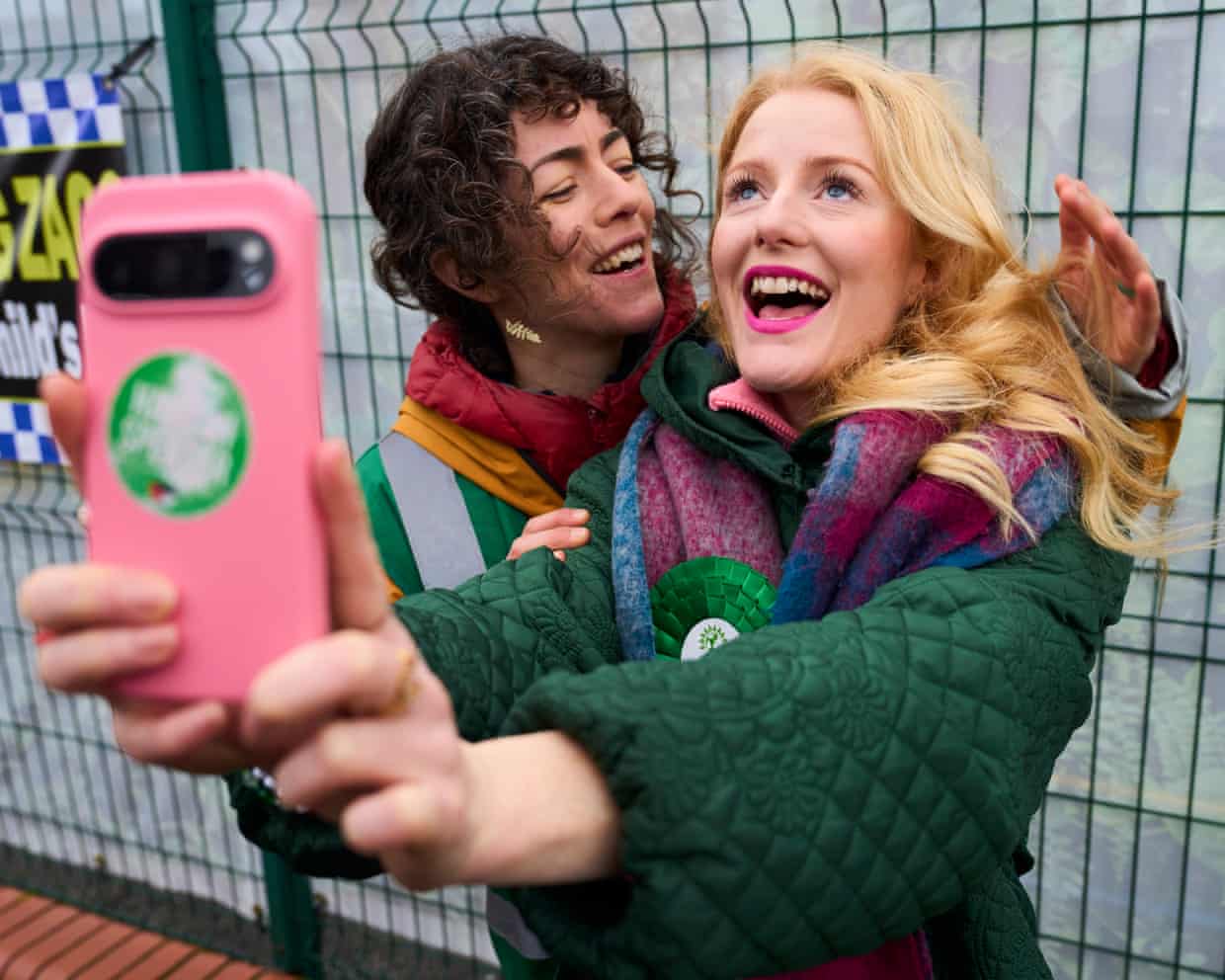
Polls open in Gorton and Denton byelection amid three-way battle between Greens, Labour and Reform
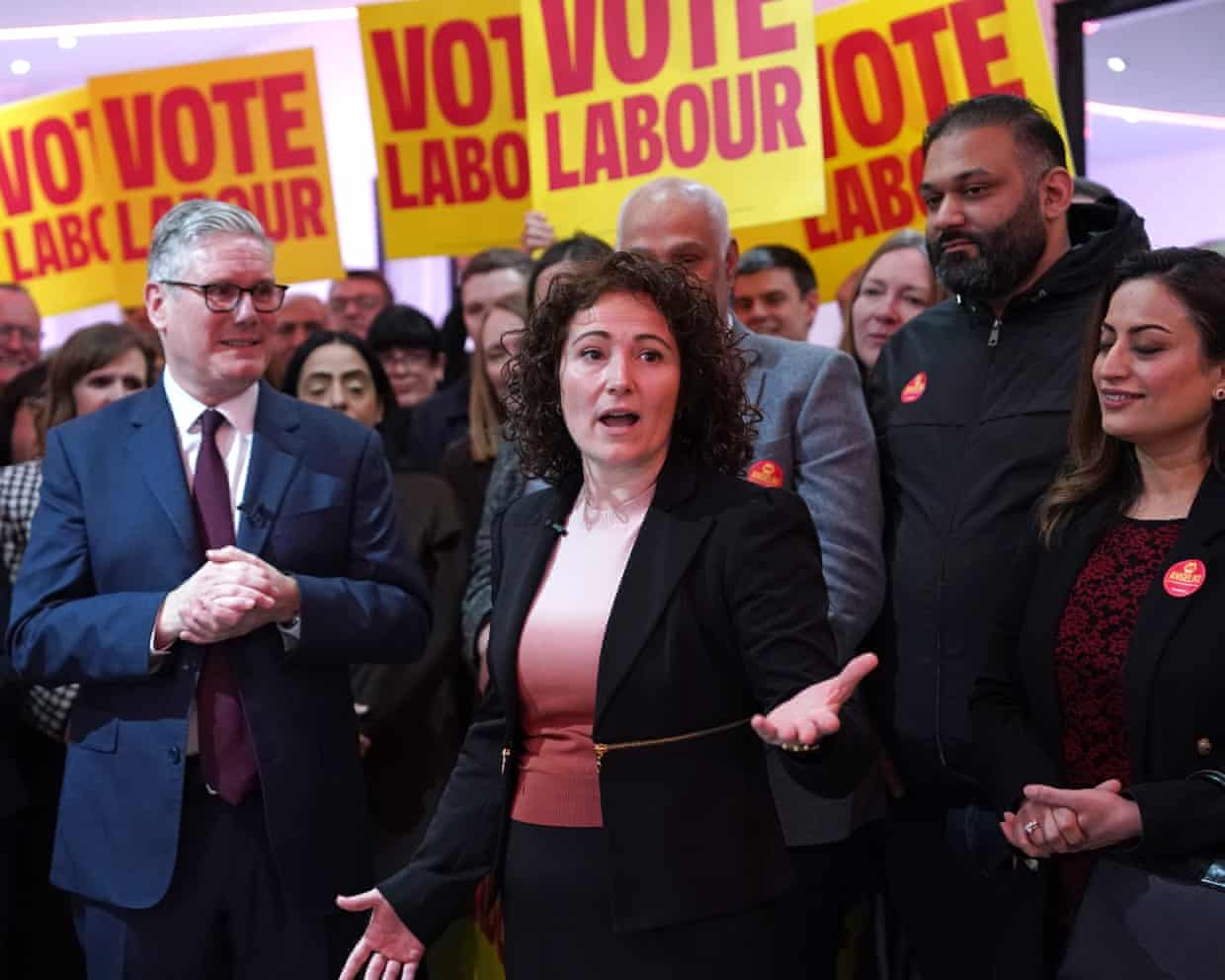
What a Gorton byelection win would mean for Reform, Greens and Labour
Michael Collins obituary
Zero hour: Corbyn and Sultana duke it out in battle for the soul of Your Party
Reeves must back defence investment plan or be sacked, says Unite union boss