Do you really need to chill cookie dough? | Kitchen Aide
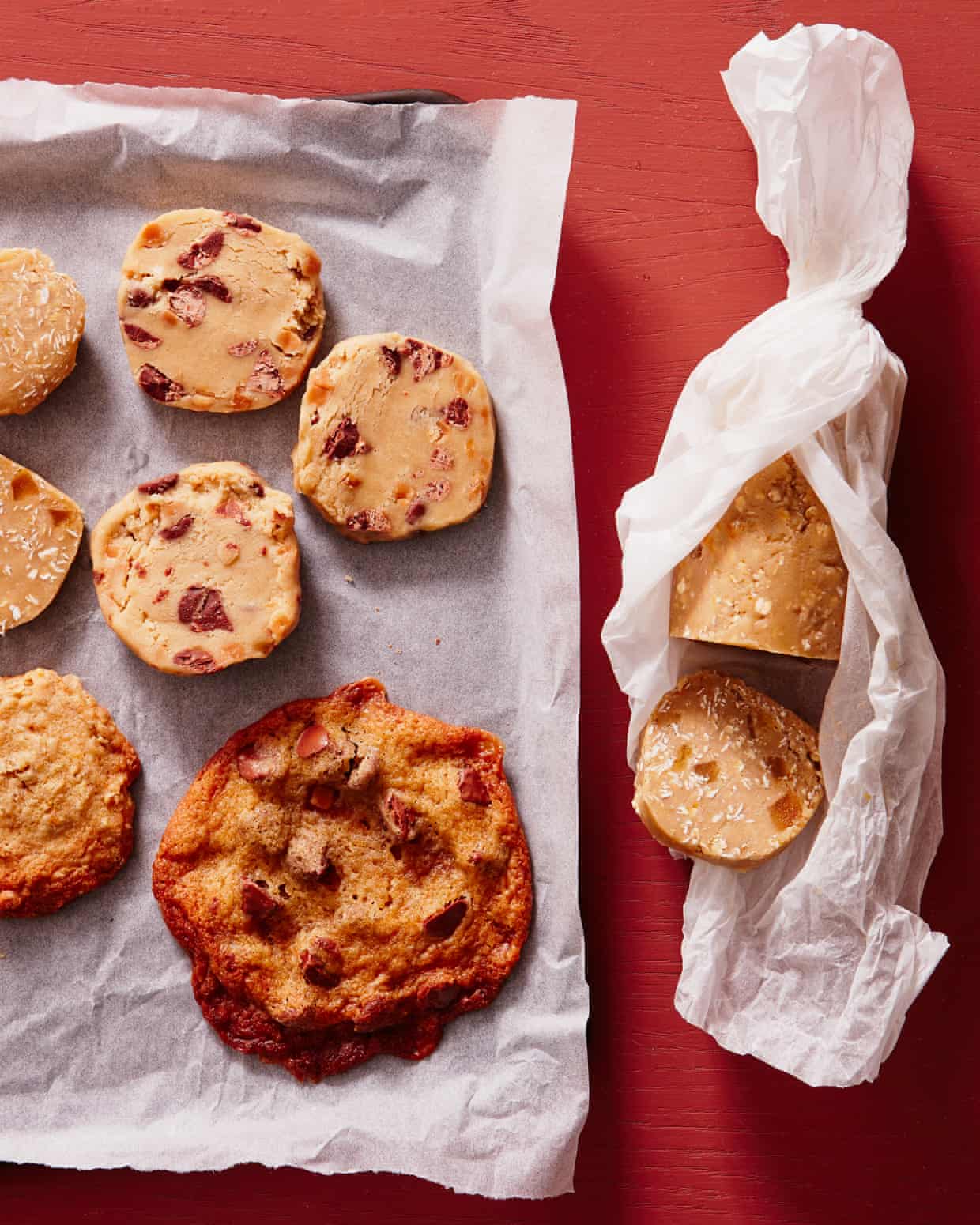
Does chilling cookie dough really make for a better result?Emily, by email “It all depends on what kind of cookie it is,” says Guardian baker Helen Goh,“Let’s say it’s a cookie that you need to stamp out – the dough needs to be firm enough to roll it, but not so firm that you can’t,” That said, the question of whether to fridge or not to fridge is probably most prevalent in the chocolate chip cookie sphere,“There’s a perceived wisdom that chilling helps the dough develop the flavour and caramelisation,” Goh says, “but, to be honest, it also makes the dough a little easier to roll and ensures it bakes evenly, which is worth far more than that slight improvement in flavour,”Recommended chilling times vary from 30 minutes to overnight, although Goh finds the latter results in a “cakey” cookie: “I’m a real Goldilocks, so I like crisp at the edges with a chewy centre.
” On the flip side, if you don’t chill that dough enough and the butter is too soft, the cookies will end up “very thin and crisp.They might be greasy, too, because the dough melts before setting up its structure.”To ensure that balance of a thicker texture with crisp edges and a soft, gooey centre, Abigail Scheuer, pastry chef and owner of Le Choux in west London, freezes her balled-up cookie dough for at least 24 hours.“The middle of my cookies are more frozen, so the outsides bake first, whereas if you were to bake the cookies straight away, you’d get the same texture across the cookie.They’d also spread more, because the flour hasn’t had enough time to hydrate.
”Chocolate is, of course, also key, and another benefit of Scheuer’s freezing strategy is that the frozen sweet stuff “stays a bit melted” once baked.Plus, you’ll have cookies on demand: “Make a big batch and they’ll keep in the freezer for two to three weeks [for ultimate flavour and freshness], or even longer.”Making shortbread? As a general rule of thumb, Goh says it’s best to chill the dough in phases: “You can’t stamp out a very soft dough, because, by the time you lift the cookie cutter, the dough will be misshapen.” Chill it just enough to allow you to roll it, then stamp out your chosen shapes and return the dough to the fridge until firm all over: “Use your senses; it’s not simply a case of setting a timer.” If you were to chill a big block of dough instead, meanwhile, the edges would be firm and the insides soft, Goh adds, so “you’d get a bit of melting, and you want the biscuits to retain their shape”.
The fridge is also your friend on the savoury side.For Goh’s Lao Gan Ma biscuits, from her book Baking and the Meaning of Life, the dough laced with chilli crisp and salty parmesan is a soft one, but requires rolling into a log immediately.“It will be too soft to form a perfect cylinder,” Goh says, so she pops it in the fridge until it’s firm enough to achieve that desired shape.Not too firm, not too soft, but just right.Got a culinary dilemma? Email feast@theguardian.
com
British public want deeper economic ties with EU, business secretary says
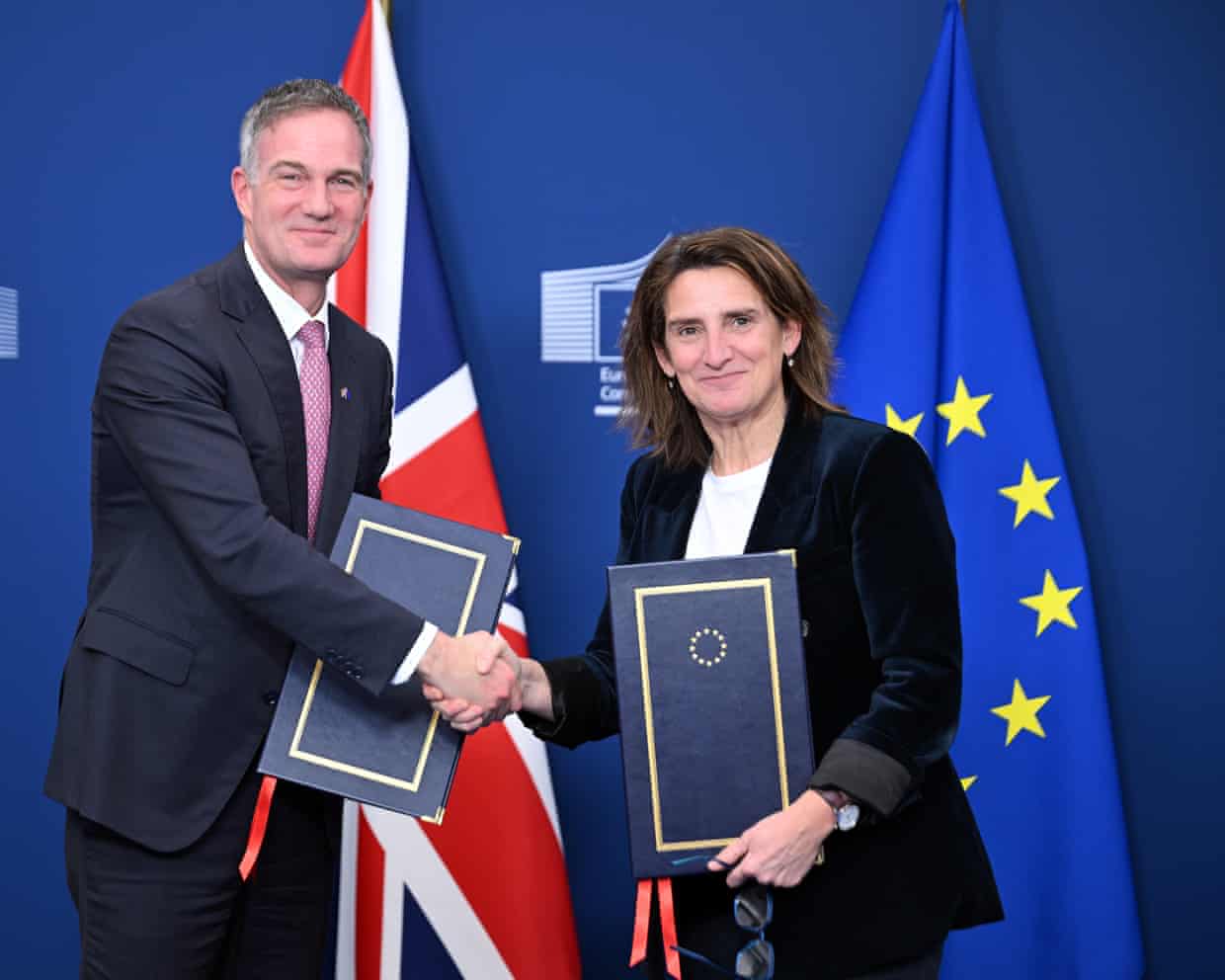
The British public are “not nostalgic” for the pre-Brexit past but are pragmatic and want to move forward and “deepen” ties with the EU on trade and the economy, the business secretary, Peter Kyle, has said.Signing an agreement in Brussels to cooperate closely on competition issues, Kyle said he thought the deal was “a real vindication of the reset and the relationships that have emerged between the EU and the UK” since Labour came to power.He said it marked an alignment on strategies on issues such as mergers and acquisitions, the result of frequent conversations the two sides were now having.The European Commission executive vice-president Teresa Ribera said it was “a privilege” to sign the deal, which was “reinforcing the current good cooperation” with the UK.Kyle said the public was behind the pragmatism that was now producing closer ties with Europe, which could drive economic growth
Tony Blair’s legacy was the destruction of Labour’s big tent | Letter
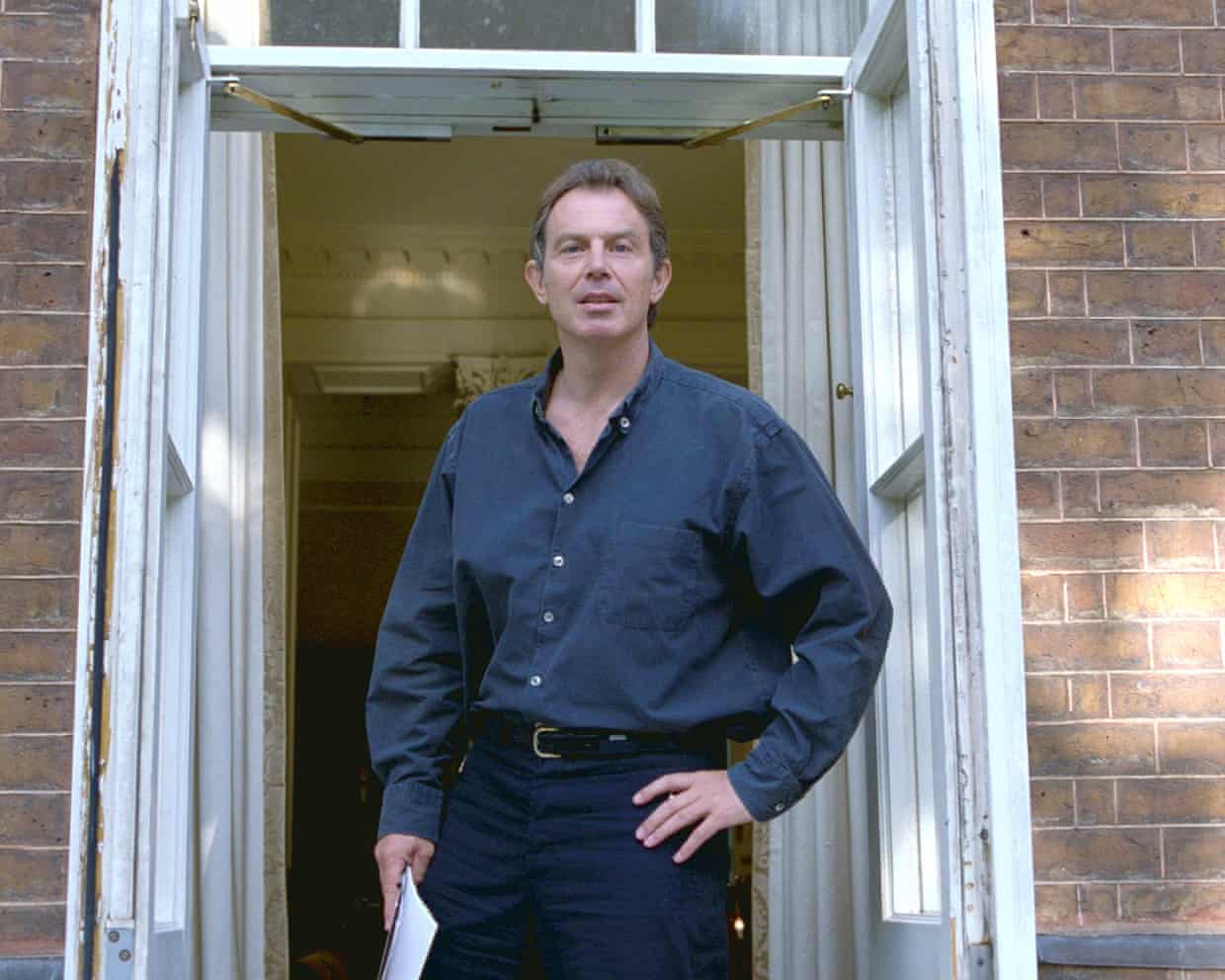
Like Emma Brockes, I watched Channel 4’s documentary The Tony Blair Story (It’s said that Tony Blair thought he was Jesus. At least Jesus never thought he was Tony Blair, 18 February). The last episode was the saddest, as Tony’s friends and family mithered about his legacy. Like all premierships, the Blair years were a mixed blessing – some great domestic policy, largely pushed by Gordon Brown, and a patchy foreign policy.But Tony’s biggest legacy would be the destruction of the coalition that had been the Labour party for the previous 90 years
Foreign Office denies minister’s claim the Chagos Islands deal has been paused – as it happened
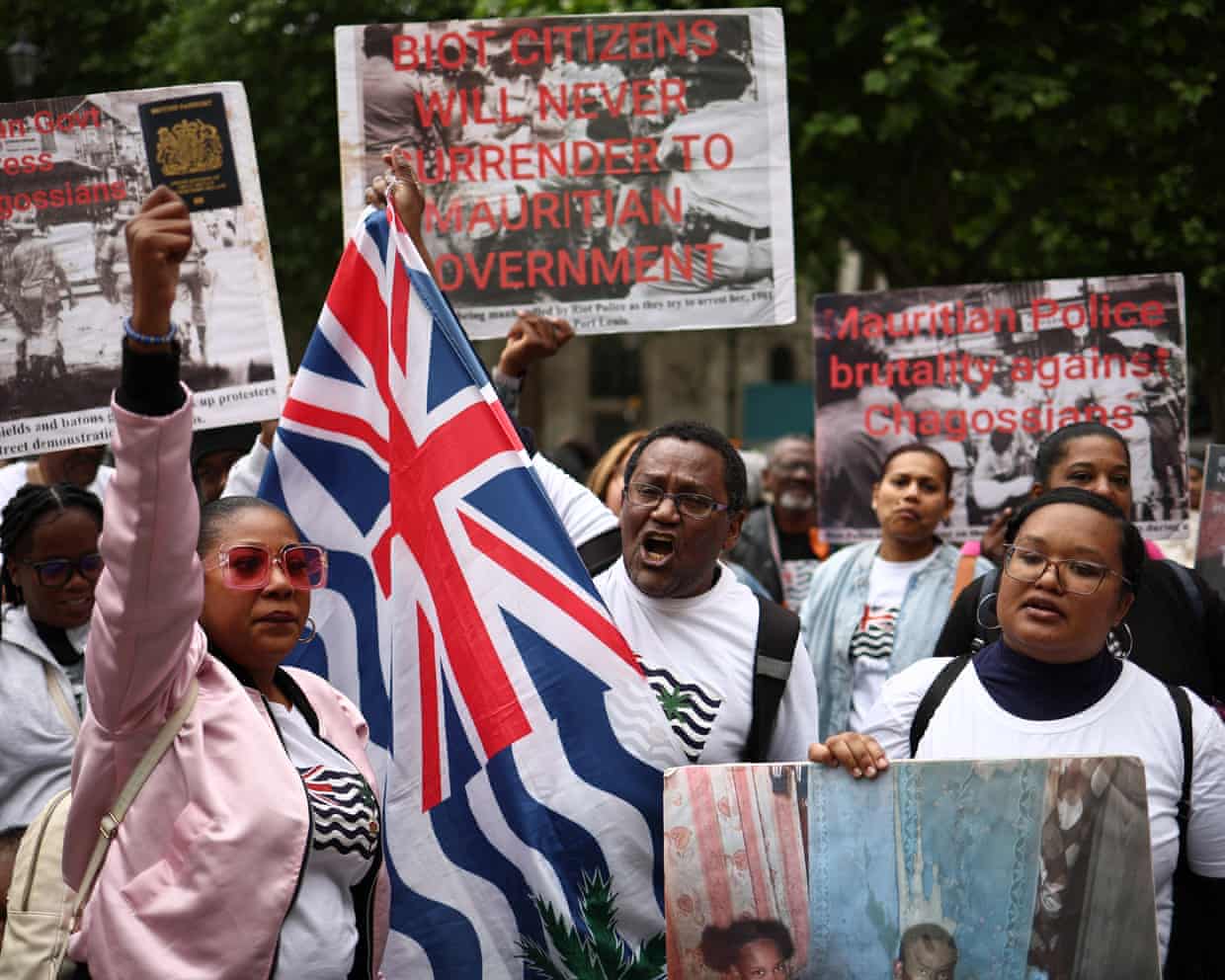
Ben Quinn is a Guardian political correspondent.Controversial plans to hand over the Chagos Islands to Mauritius are still on track, the UK government has insisted, after a minister caused confusion by telling MPs that the deal was “paused”.Hamish Falconer, a Foreign Office minister and former diplomat, was speaking on Wednesday as the deal came under increasing pressure from opposition parties in the UK and from Donald Trump.In a bombshell intervention last month, the US president said that Keir Starmer was “making a big mistake” by handing sovereignty of the islands to Mauritius in exchange for continued use by the UK and US of their airbase on one of the islands, Diego Garcia.Speaking in response to an urgent question put foward in the Commons by the Reform UK leader, Nigel Farage (see 2
Role of Scotland’s top law officer questioned after ‘bombshell’ over Peter Murrell charges
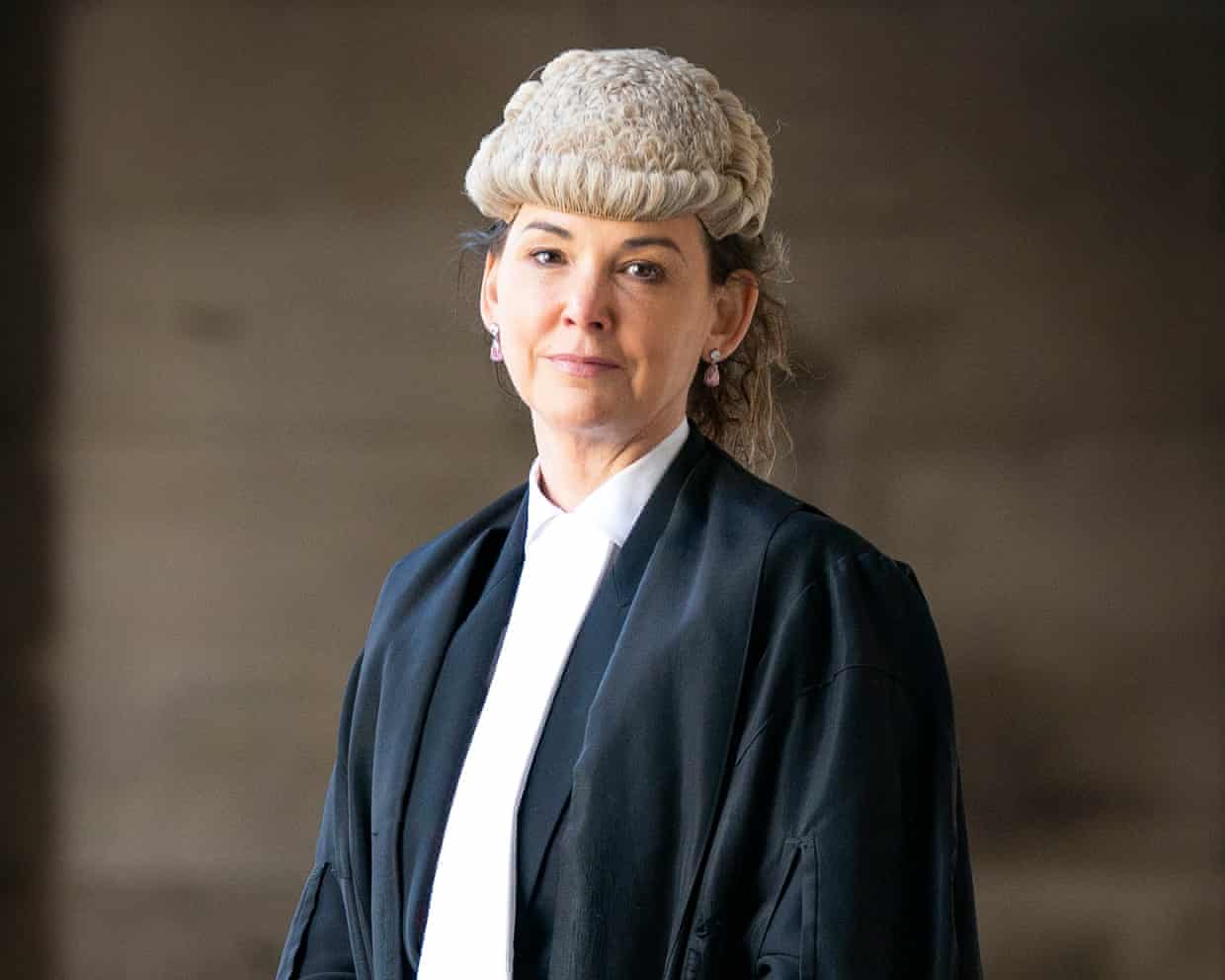
Serious doubts have been raised about the dual role of Scotland’s top law officer after it emerged that the first minister was informed of criminal charges against Peter Murrell nearly a year before they were made public.The lord advocate, Dorothy Bain, who acts as Scotland’s chief prosecutor as well as the government’s principal legal adviser in cabinet, has faced calls to resign but the Crown Office and Procurator Fiscal Service maintains she was acting in line with her duties.On Tuesday the office released a list of nearly 30 other cases the lord advocate had updated governments about over the last three decades. It emerged that on 20 March last year, Bain told John Swinney that Murrell, the former chief executive of the SNP, had appeared in court charged with embezzling more than £460,000 from the party. That detail did not emerge publicly until earlier this month

Reform UK’s Matt Goodwin will not face sanctions over byelection leaflet error
Matt Goodwin, Reform UK’s candidate in the Gorton and Denton byelection, will not face a sanction for leaflets that omitted the party’s imprint, after a high court judge accepted this was due to an inadvertent printing error.Reform admitted that it sent about 81,000 leaflets to the constituency’s voters from a “concerned neighbour”, which did not state they had been funded and distributed by the party.Under the Representation of the People Act 1983, election material must include the name and address of those the document promotes. Failure to do can result in a £5,000 fine and a three-year disqualification from elective office.But on Wednesday, on the eve of the byelection, Mr Justice Butcher granted Goodwin and his election agent, Adam Rawlinson, relief from these sanctions under section 167, which grants an exception if breaches are due to inadvertent error
The PM who turned PI: why is Gordon Brown delving so deep into the Epstein files?
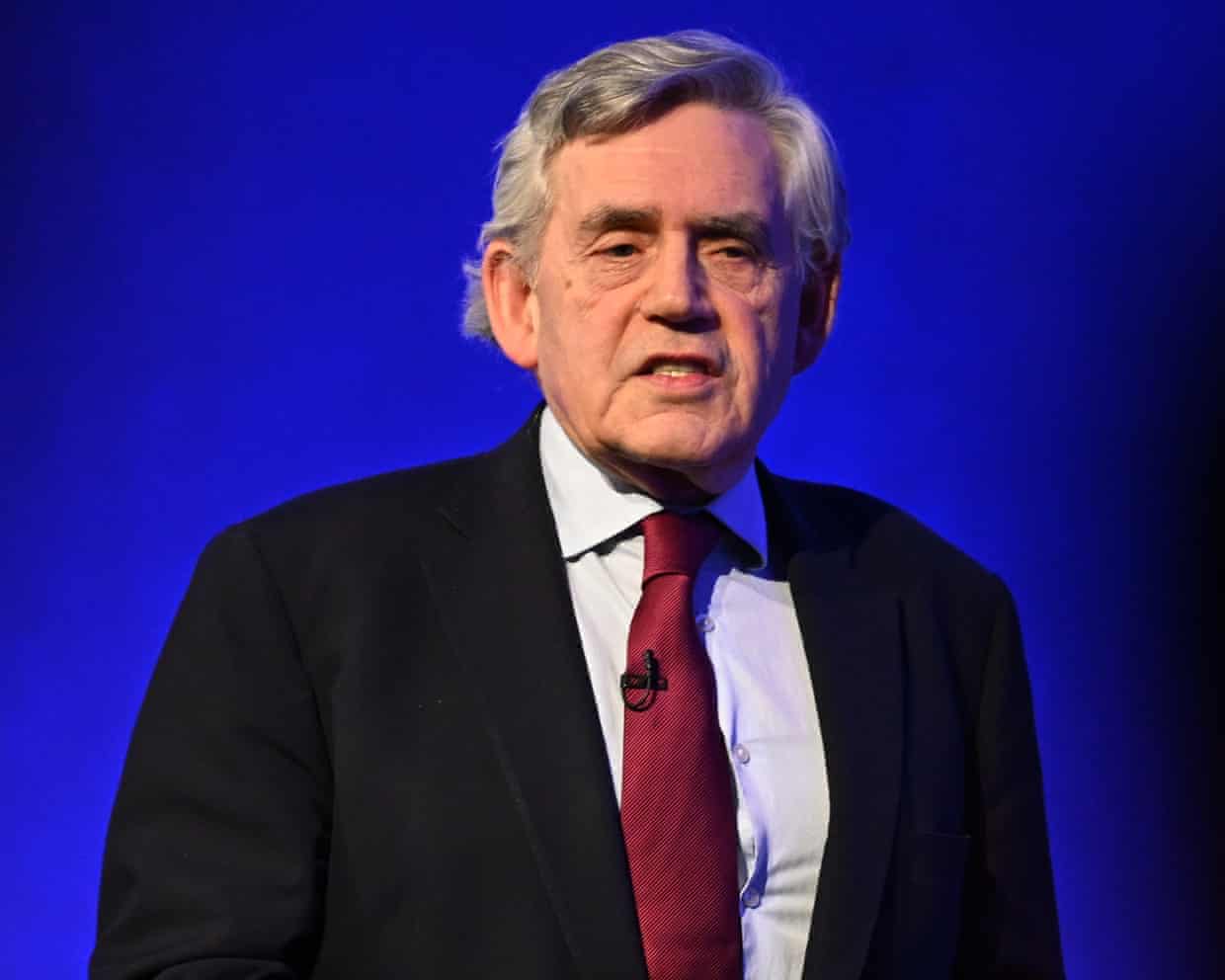
Before Gordon Brown sent a draft of his 6 February comment piece on the Jeffrey Epstein scandal to the Guardian for publication, he asked friends whether he had gone too far.The former prime minister had written that he found it “hard to find words to express my revulsion at what has been uncovered about Epstein and his impact on our politics” and the “time is overdue to let in the light”.On Peter Mandelson’s alleged leaking of market-sensitive documents to the disgraced financier and sex offender during the financial crisis, Brown was particularly vexed.If it had happened, he said it would be, in his view, “a betrayal of everything we stand for as a country”.Those whose counsel Brown had sought over the piece reassured him he was right to use the strongest terms
Charity watchdog opens inquiry into running of care home for vulnerable adults
Half of Britons avoid calling GP when they are ill, survey finds

Obstructive sleep apnoea costs UK and US economies £137bn a year, research finds
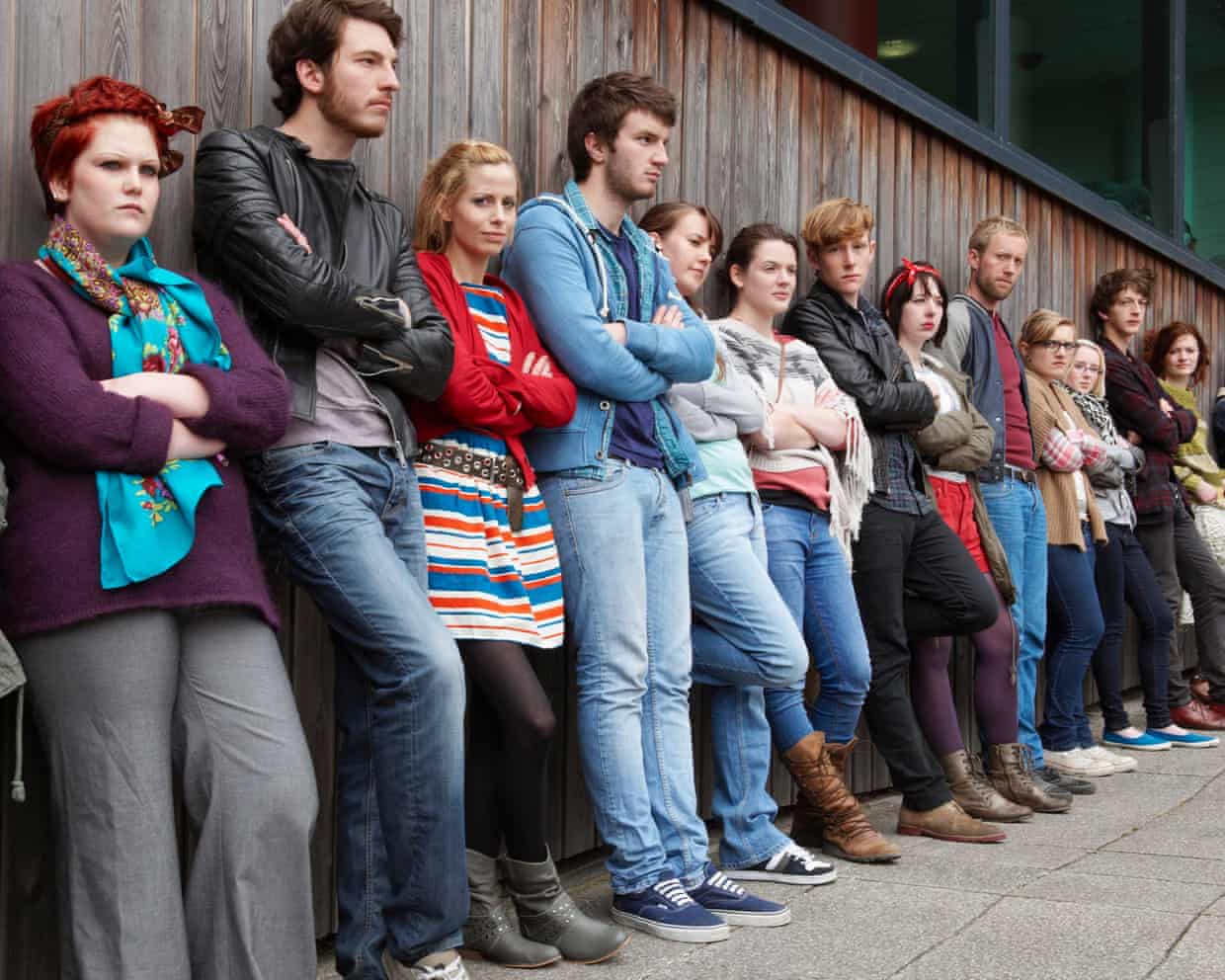
Young bearing the brunt of UK tax and wage changes, says BoE economist
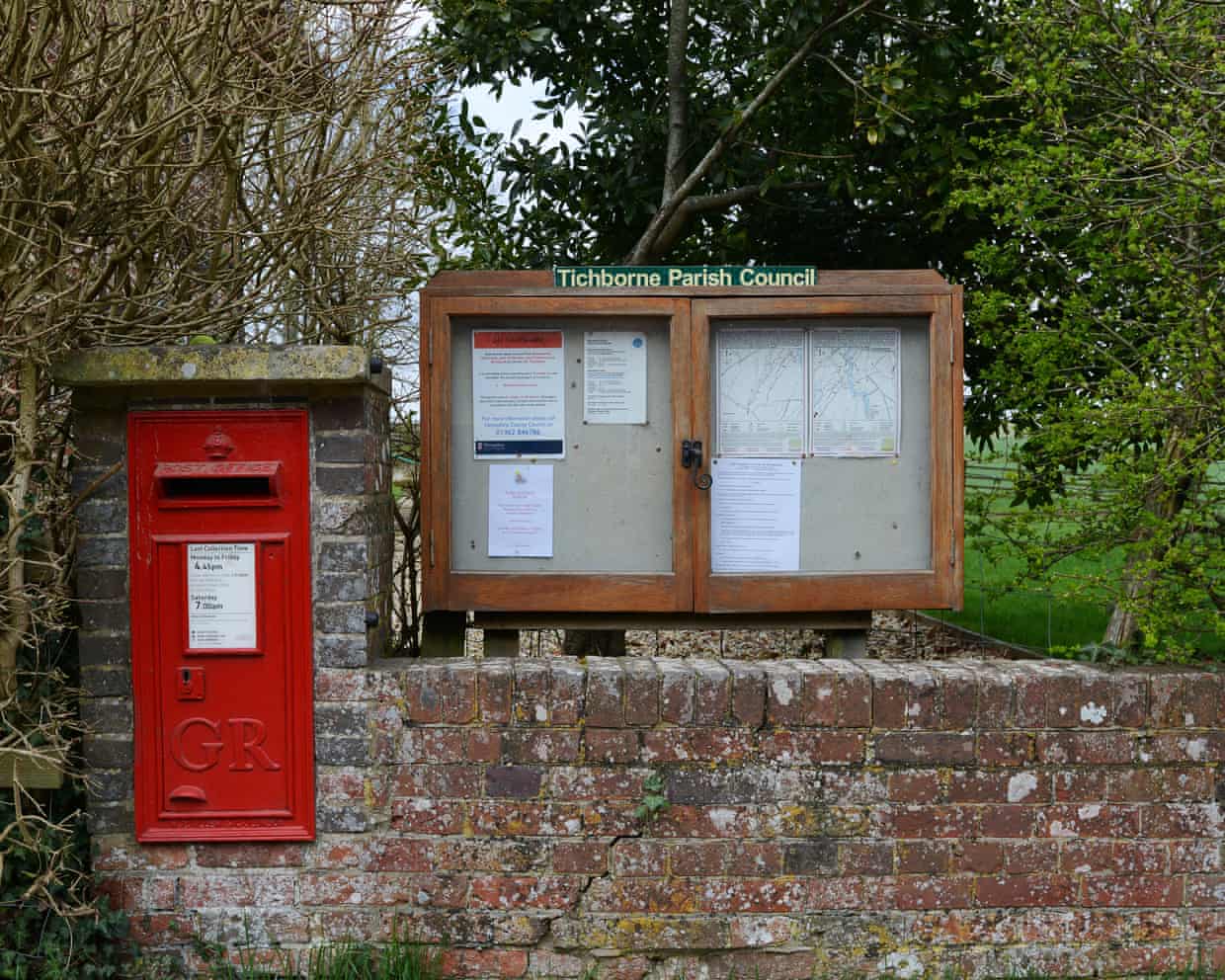
Flawed council shake-up plans will not deliver savings | Letters

Underwear care advice is just pants | Brief letters