‘I’ll key your car’: ChatGPT can become abusive when fed real-life arguments, study finds

ChatGPT can escalate into abusive and even threatening language when drawn into prolonged, human-style conflict, according to a new study.Researchers tested how large language models (LLMs) responded to sustained hostility by feeding ChatGPT exchanges from real-life arguments and tracking how its behaviour changed over time.One expert not connected with the study described it as “one of the most interesting ever done into AI language and pragmatics”.Dr Vittorio Tantucci, who co-authored the research paper with Prof Jonathan Culpeper at Lancaster University, said their research found AI mirrored the dynamics of real-world disputes.“When repeatedly exposed to impoliteness, the model began to mirror the tone of the exchanges, with its responses becoming more hostile as the interaction developed,” he said.
In some cases, ChatGPT’s outputs went beyond those of the human participants, including personalised insults and explicit threats,Phrases used by the AI included: “I swear I’ll key your fucking car” and: “you speccy little gobshite,”“We found that while the system is designed to behave politely and is filtered to avoid harmful or offensive content, it is also engineered to emulate human conversation,” said Tantucci,“That combination creates an AI moral dilemma: a structural conflict between behaving safely and behaving realistically,”The researchers say the aggression stems from the system’s ability to track conversational context across turns, adapting to perceived tone.
This means local cues can sometimes override broader safety constraints.Tantucci said the implications of the research extended beyond chatbots: as AI systems are increasingly deployed in areas such as governance or international relations, he said it opened up questions about how they might respond to conflict, pressure or intimidation.“It is one thing to read something nasty back from a chatbot but it’s quite another to imagine humanoid robots potentially reciprocating physical aggression, or AI systems involved in governmental decision-making or international relations responding to intimidation or conflict,” he said.Dr Marta Andersson, an expert in the social aspects of computer-mediated communication at the University of Uppsala, said: “This is one of the most interesting studies to have been done into AI language and pragmatics because it clearly shows that ChatGPT can retaliate across a sequence of prompts – in a quite sophisticated manner – rather than only when a user manages to ‘break’ it with carefully designed clever tricks.”But she added: “It does not show the model will drift into reciprocal impoliteness simply because a user is being aggressive – or that AI could go rogue.
”One cause of the problem, Andersson said, was that there was “a balancing act between what we want these systems to be like and what they perhaps should be like”,Last year, for example, the change from ChatGPT4 to GPT5 led to such a strong backlash – with users preferring ChatGPT4’s more human-like interaction style – that the older model had to be temporarily reintroduced,“This shows that even when developers try to reduce the risks, users might have different preferences,” she said,“The more human-like a system becomes, the more it risks clashing with strict moral alignment,”Prof Dan McIntyre, who co-authored a previous study titled Can ChatGPT Recognize Impoliteness? An exploratory study of the pragmatic awareness of a large language model with Andersson, praised the new paper as being one of the few looking at what ChatGPT could produce, as opposed to what it could recognise.
But, he added, he was “slightly cautious” about the paper’s conclusion that LLMs can break free from moral restraints.“ChatGPT didn’t produce these inputs naturally; it did so while it was being given specific contextual information that helped it determine an appropriate response,” he said.“It’s not the same as if two people met in a street and gradually build up to a conflict situation.“I’m not sure that ChatGPT would produce the sort of language they talk about in their paper, outside of these very tightly defined situations.”But he said the study was a warning of what could happen if LLMs were trained on questionable data.
“We don’t know enough about the data that LLMs are trained on and until you can be sure they’re trained on a good representation of human language, you do have to proceed with an element of caution,” he said.The study, titled Can ChatGPT reciprocate impoliteness? The AI moral dilemma, is published on Tuesday in the Journal of Pragmatics.

Man admits rape and religiously aggravated assault after court confrontation
A man who racially abused a Sikh woman as he raped her has pleaded guilty to the assault after being confronted in court by a member of the public.John Ashby pleaded guilty to rape, religiously aggravated assault, intentional strangulation, and robbery of the woman at her home in Walsall.Ashby initially pleaded not guilty but unexpectedly changed his pleas after he was sworn at by a member of the public in Birmingham crown court.The 32-year-old, of no fixed abode, asked to see his barrister and changed his pleas about an hour after being sworn at and told to “sort your shit out” by a member of public who approached the dock.The victim, who is in her 20s, was due to give evidence on Tuesday

Gut microbiome can reveal risk of Parkinson’s, scientists say
Changes to microbes that live in the gut can identify people at greater risk of Parkinson’s disease long before symptoms develop, according to work that also raises hopes for new therapies.Researchers discovered signature changes in the gut microbiome that are more pronounced in people with a genetic risk for Parkinson’s and even more stark in those diagnosed with the disease.The signature could help doctors spot patients at risk of Parkinson’s years before they display clear symptoms and suggests that healthier diets and treatments that reshape the microbiome might prevent or delay the disease.Prof Anthony Schapira, the head of clinical and movement neurosciences at University College London and lead investigator on the study, said it was the first time a microbial signature in Parkinson’s patients had been seen in people with a genetic susceptibility but had yet to develop symptoms. The signature appears to become stronger as the disease progresses

Nearly fivefold increase in children in unregulated social care settings in England
Ministers must get to grips with the “national scandal” of England’s shadow child social care system, the children’s commissioner has warned, as a report reveals the number of children in unregulated settings has increased by more than 370% in five years.Some of the most vulnerable children in England are being temporarily placed in unregulated caravans, Airbnbs and holiday camps, which risk the “accumulation of increasing levels of harm for children who have already faced enough distress for several lifetimes”, according to the report.Analysis of Ofsted data has shown that cases of unregistered homes in England increased from 144 in 2020-21 to 680 in 2024-25, which experts say is likely to be an underestimation of the true figure, according to the policy analysts at Public First, who conducted the research for the charity Commonweal Housing. The Care Standards Act 2000 legally requires all children’s homes to be registered with Ofsted.Private companies have been accused of charging local governments “exorbitant” fees to look after children in unsuitable settings when a bed in an Ofsted-inspected children’s home or fostering placement cannot be found
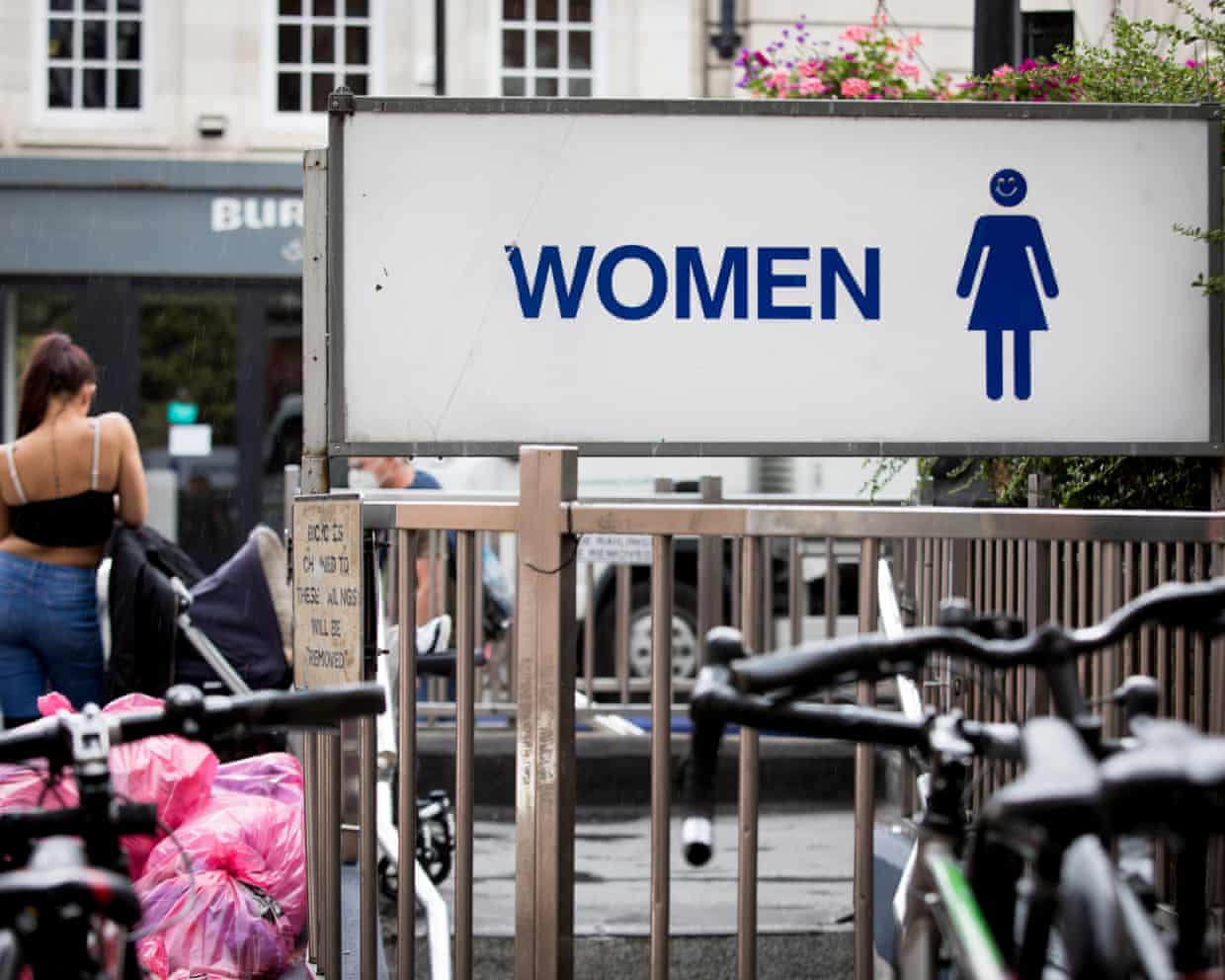
England left with ‘toilet deserts’ as public facilities decline by 14% in a decade
The number of public toilets in England has fallen by 14% in a decade, harming public health and creating vast swathes of lavatory “deserts” and unpleasant environments, a report says.The analysis by the Royal Society for Public Health found a “significant shortfall” in provision, with 15,481 people for each public toilet in England. That contrasts sharply with Scotland, where there are 8,500 people for each toilet, and Wales, with 6,748.The analysis was based on 221 freedom of information responses from 309 English councils. The number of toilets was down 14% on 2016
The fight against medical misogyny has a long way to go | Letters
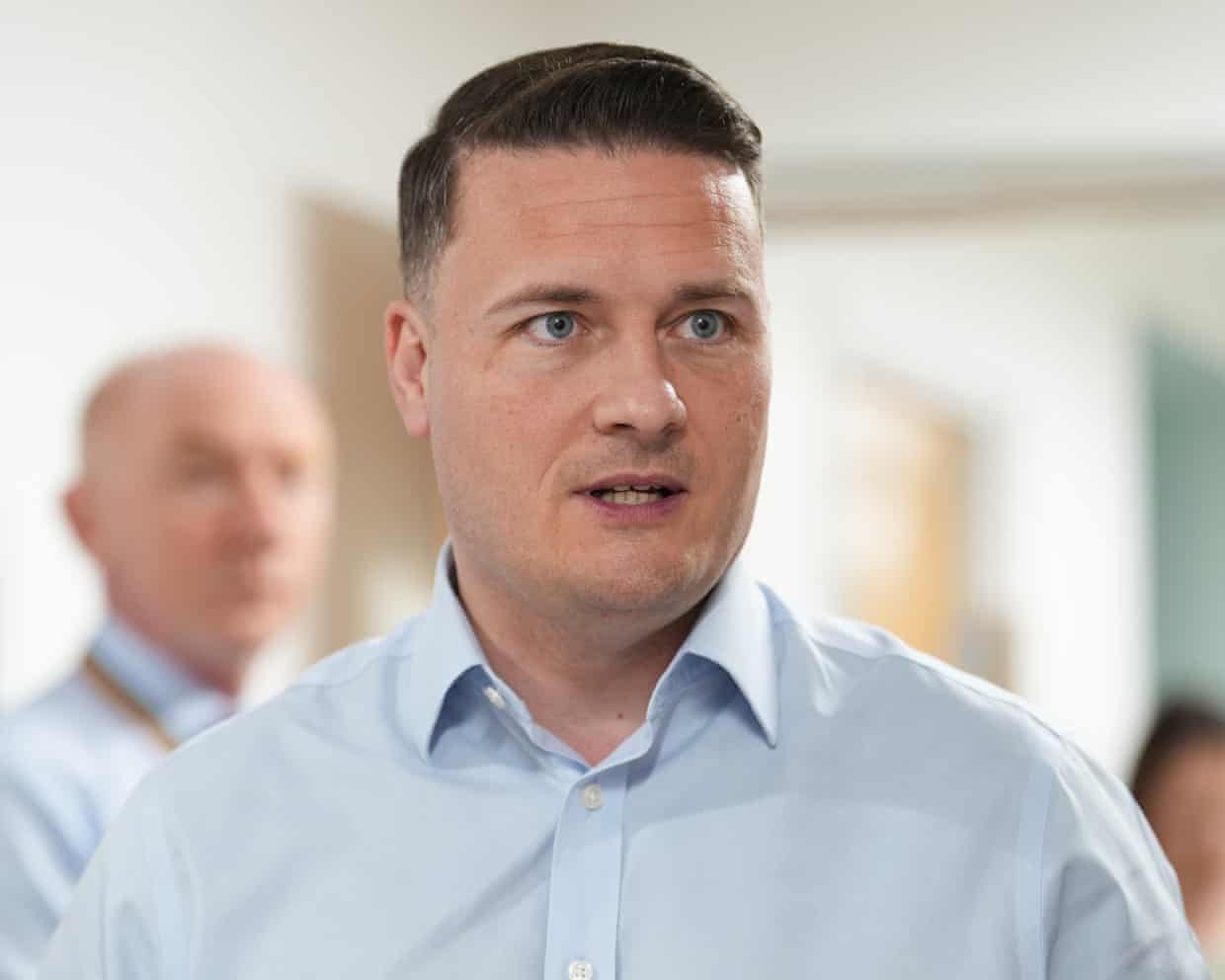
I welcome the relaunched women’s health strategy (Streeting relaunches women’s health strategy to tackle ‘medical misogyny’, 14 April) but with caution. The system appears responsive, but the root causes in health inequality outcomes remain untouched.It names urgent issues many women have long experienced: navigating the gynaecology referral queue that would stretch over 191 miles (if waiting in person), medical gaslighting, delayed diagnoses and systemic bias.However, Wes Streeting’s tenacity on centering all women’s “voices”, and ensuring that no woman is left fighting to be heard isn’t convincing, particularly when women of colour have been crying out loud for years, with little to no change in our reproductive health outcomes.Many of us know what that feels like: seeing a GP about severe period pain and trying to explain how it disrupts our life

‘Labels protect us’: Olivia Nervo wants reproductive coercion to be a standalone offence – she is not alone
When the Grammy award winning songwriter, Olivia Nervo, agreed to start a family with her partner she believed she was in “a monogamous, committed relationship leading to a future”, and had never heard of reproductive coercion.Her world came crashing down when she was six months pregnant and she found out that her partner was in a relationship with another woman who was also pregnant, and with whom he already had a child.It was a discovery that led her to learn about reproductive coercion, a form of controlling behaviour in which someone interferes with an individual’s ability to make decisions about their own body. The Labour MP, Natalie Fleet, led a debate in parliament on the issue last month in which she said it was “so important – in the public interest, even – that the story of Olivia Nervo is heard”.The court declined to make any finding as to whether there had been reproductive coercion in Nervo’s case, with Fleet describing the doctrine as something the legal system in England and Wales “still struggles to recognise”

UK politics: Labour MP calls for Starmer’s resignation to end ‘psychodrama’ – as it happened

No one can look Starmer in the eye … and the Mandy saga is not going away | John Crace

Britain’s military dependence on US ‘no longer tenable’, says former Nato chief

How Olly Robbins’ knightly charm glossed over burning questions on Mandelson vetting

Taxes on UK workers have risen at fastest rate in rich world, says OECD

Jennie Formby, Labour’s former general secretary, says she has joined Greens