Sydney has a history of hosting Ashes comebacks – and launching dynasties | Geoff Lemon
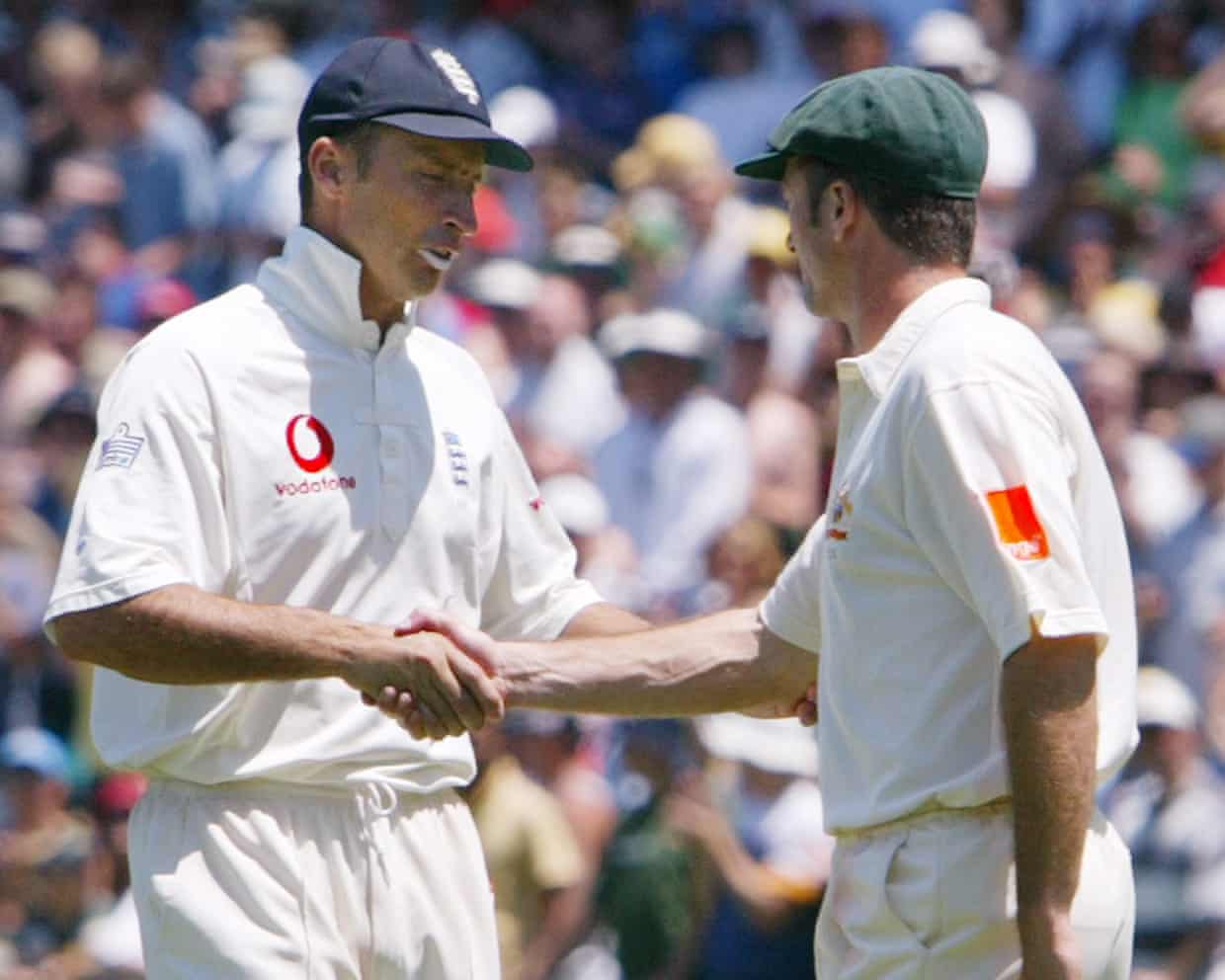
If you’re an England cricket team, a Test in Sydney doesn’t look so bad.The last few weeks have merited constant updating of England’s horrible streak in Australia since January 1987, which last week’s Melbourne win improved only as far as 51 played, seven won, eight drawn, 36 lost.In Sydney over that time, the calculation is a little friendlier, at 10 played, four drawn, two won, only four lost.So while the trophy is gone, a strong showing in this match could offer optimism that it might be a springboard for the future.Sydney has a history of involvement in Ashes comebacks, whether within a match, within a series, or in the longer term.
England captain A.E.Stoddart was used to rare feats, but captaining a team back from these depths would have surprised even him.Australia started the series with a bang on a very true Sydney pitch, with 161 for South Australian all-rounder George Giffen backed up by local boy Syd Gregory’s 201, the second double century ever scored.Australia’s 586 was a monster total, letting Giffen lead the way to bowl out England for 325 and make them follow on.
Runs all down the list took England to 437 second time around, but even chasing 177 looked a formality on that surface, and Australia were a comfy 113 for 2 at stumps,But overnight storms in Sydney meant a soaked pitch before a sunny morning,Not that England knew yet, their players had been out on the town drinking, sure that with 64 to defend the game was lost,The story may not be true that spinner Bobby Peel had to be stuck under the SCG showers to sober up, but he certainly couldn’t be found for some hours that morning, and Australian captain Jack Blackham was too sporting in allowing England a late start, though wet pitches got worse to bat on as they dried,Peel finally showed up in time to take six wickets in a rush, and England won by 10 runs, in a classic series they would eventually take 3-2.
As would become tradition, England had come to Brisbane and received a battering to begin the series, with Australia racking up more than 600.No one was afraid of Frank Tyson, a balding schoolteacher whose bowling took 1 for 160.It looked like going 2-0 in Sydney, with England all out for 154 and Australia banking a lead with 228.But Tyson had started getting his pace up, and England pulled things together in the third innings thanks to a Peter May century, setting a chase of 223.Perhaps more importantly, that batting innings saw Tyson hit in the head by Australian quick Ray Lindwall.
Expecting a short-ball barrage in return, several Australian batters waited to play him off the back foot, only for Tyson to pitch the ball up with heat and york them,He took 6 for 85, and would go on to storm through Australia in the next two Tests to claim the series 3-1,We mentioned January 1987 in the first paragraph, and yes, this is when the modern run of numbers began,Not that it looked like Australian cricket was on the up, after David Gower’s England had won the urn by leading 2-0 with a match to spare,Dean Jones had a point to prove, having held his spot after his epic 210 not out in Chennai a few months earlier, but having never made a hundred at home.
Batting first drop, he blazed a correction with 184 not out,The other man with a point to prove – on behalf of the selectors, anyway – was Peter Taylor, an off-spinner in his 30s who had played only half a dozen matches for New South Wales,He repaid the faith, not just with 6 for 78 when he had his first chance to bowl, but playing stubborn knocks at No 9, supporting Jones in the first innings and Steve Waugh in the third,By the fourth, England had been set a hefty 320 to win,Taylor added a couple more wickets, but Mike Gatting steadied the innings and then set after the target.
Only 87 more were needed to win that Waugh drew a return catch from Gatting on 96, and overcoming some stonewalling from England’s lower order, Taylor’s spin partner Peter Sleep ended up with 5 for 72.Waugh would go on to be the defining player in Australia’s period of dominance, starting with his run-filled tour of England in 1989.It didn’t last as long, but a similar shift in fortunes for England started in January 2003.The preceding series had been torrid, 3-0 down in 11 days if that sounds familiar.But while that England team didn’t win the fourth Test in Melbourne, the resistance started there.
Forced to follow on, opener Michael Vaughan countered with an aggressive 145 with support through the order, setting up a lead rather than losing by an innings.The target was only 107, but Australia stumbled while getting it, five wickets down.More importantly, England had forced the Aussie bowling attack to back up 90 overs with 121 more in consecutive innings.Then after only two days off between Tests, England won the toss in Sydney and asked the Australians to bowl again, keeping them in the field for 127 overs.Glenn McGrath pulled out injured before the game, Jason Gillespie and Brett Lee were footsore, and spinner Stuart MacGill bowled 128 overs of spin across those three innings.
So even though Australia took a one-run lead after batting in Sydney, thanks to Waugh’s famous century from the last ball of Day 2, the bowlers were cooked for the third innings.Gillespie went down injured while England made 452, Vaughan going even bigger this time with 183, before Andy Caddick bowled out Australia on the last day to win.Not many of that team were still around 18 months later, when England went toe-to-toe with the champions in the famous 2005 series.But by then Vaughan had become captain, a leader who had seen up close that the Australians could be challenged and beaten.England’s belief of 2005 had its genesis in Sydney.

Keir Starmer to woo voters and MPs with new year plan to cut cost of living
Keir Starmer will attempt to rescue his relationship with disillusioned voters and his own fractious MPs in a new year push to reduce the cost of living.The prime minister will give a speech in the coming days focusing on how his government is bringing down living costs, highlighting recent cuts to energy bills and interest rates and the end of the two-child benefit cap.He will reinforce the message with a series of new year drinks receptions for Labour MPs at Chequers as he hopes to dispel angst about local and devolved elections in 2026, at which the party is expecting heavy losses.In his new year message, the prime minister said voters would begin to see their lives improving in 2026 in what his chief adviser, Morgan McSweeney, has called “the year of proof”.Starmer said: “In 2026, the choices we’ve made will mean more people will begin to feel positive change in your bills, your communities and your health service
UK ministers accused of ‘embarrassing failures’ in Abd el-Fattah case
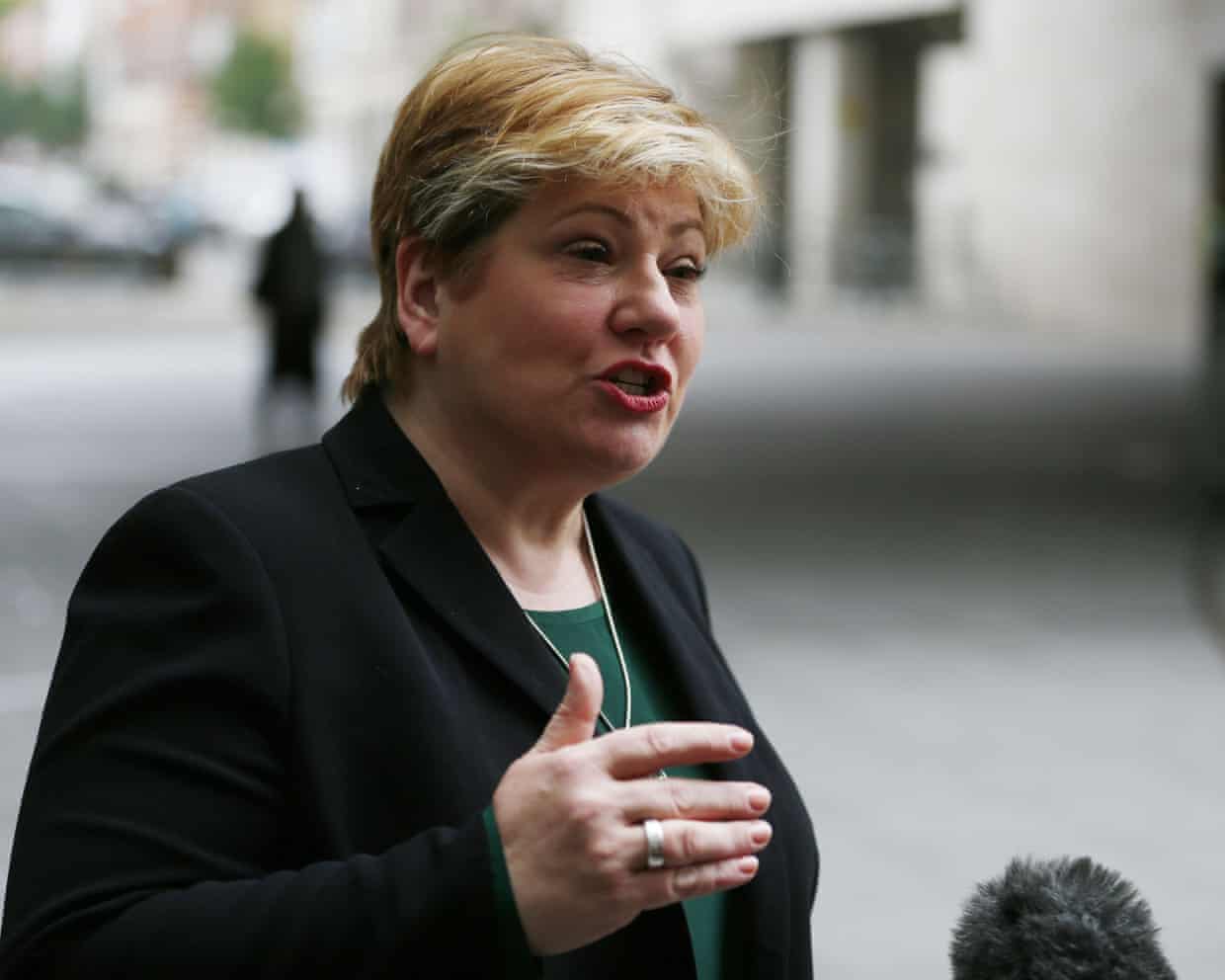
The government could have avoided “embarrassing failures” in the case of Alaa Abd el-Fattah by having a special envoy deal with complex cases involving Britons detained abroad, Emily Thornberry has said.The chair of the Commons foreign affairs committee criticised “serious shortcomings” in information sharing, which she said could have been resolved by having a dedicated official carry out background checks.Former foreign secretary David Lammy said in 2024 that the government would appoint an envoy to deal with “complex detention cases” involving Britons abroad but no such figure has been named.In a letter to the foreign secretary, Yvette Cooper, Thornberry said: “Had an envoy been established [in 2024] … it is clear to me that such embarrassing failures of due diligence and information sharing would have been avoided.“It would have been firmly within the envoy’s remit to carry out appropriate background and social media checks
Greens’ Polanski prepared to work with Burnham but not Starmer ‘to stop Reform’
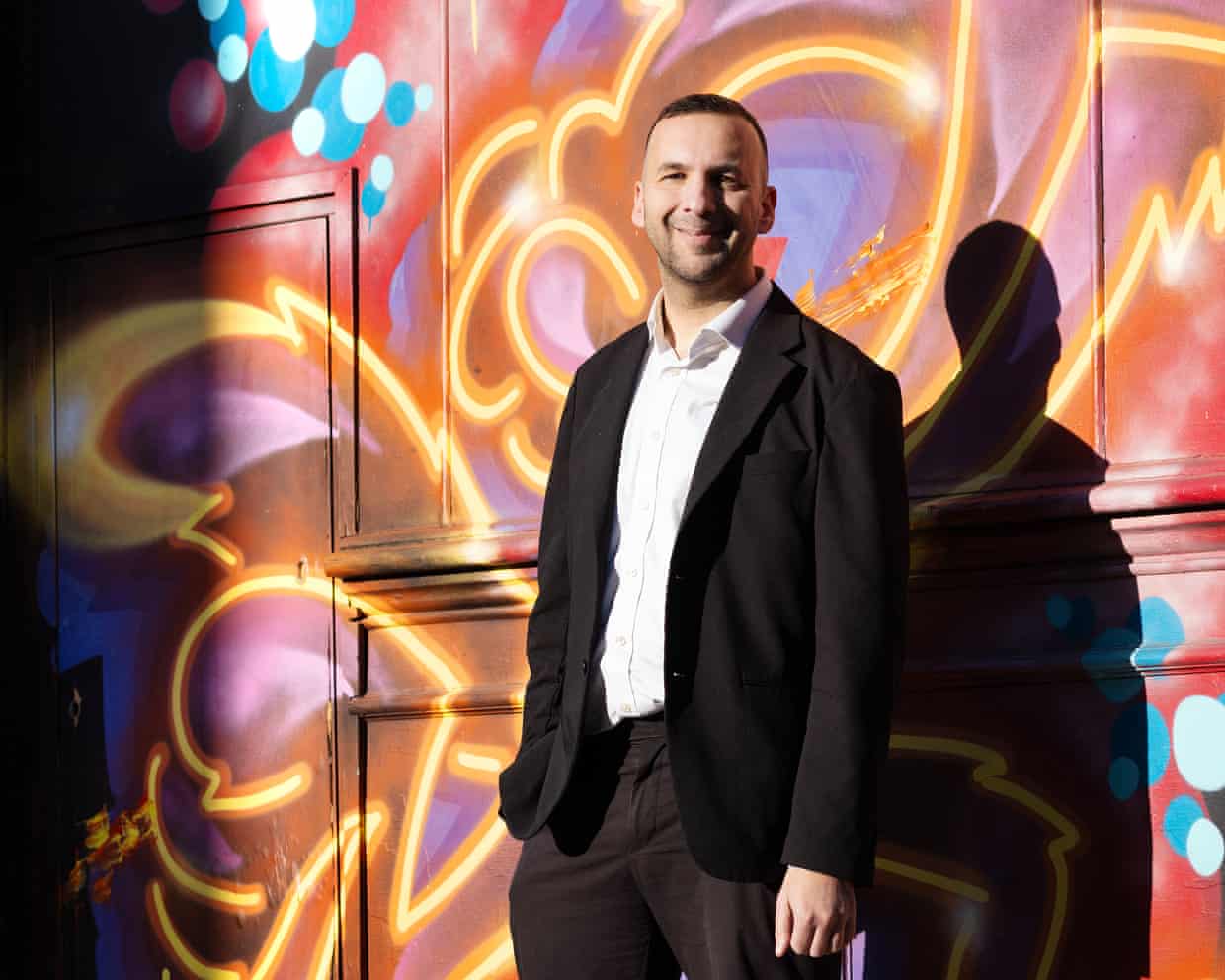
The Green party leader, Zack Polanski, has said he would refuse to work with Keir Starmer but could work with Andy Burnham, Starmer’s potential rival for the Labour leadership, to keep Reform out of power.Polanski said he would not enter a political partnership with Labour under the current prime minister, but would consider it if the mayor of Greater Manchester took the helm.He told the Financial Times: “I could see the potential to work with Andy Burnham to stop Reform and to challenge the rise of the far right. I would rule it out with Keir Starmer, but I wouldn’t rule it out with Burnham.”A coalition would require the Greens getting an adequate number of seats at the next general election to make the party useful to Labour, and would also need Burnham to once again gain a seat as an MP

Zack Polanski offering voters fantasy solutions, says head of Fabian Society
The Green party leader, Zack Polanski, is offering voters “unicorns” and Labour must confront his “fantasy” solutions such as the idea that a wealth tax would fix the public finances, according to the Fabian Society’s general secretary, Joe Dromey.Much of the government’s fire is trained on Nigel Farage. But in an end-of-year interview, the head of Labour’s internal thinktank urges his party to take on the “twin populisms” of Reform and Polanski.“We’ve got the populism of the left in Polanski. And the populism of the right in Farage
Alaa Abd el-Fattah ‘will not be stripped of British citizenship’ over past tweets
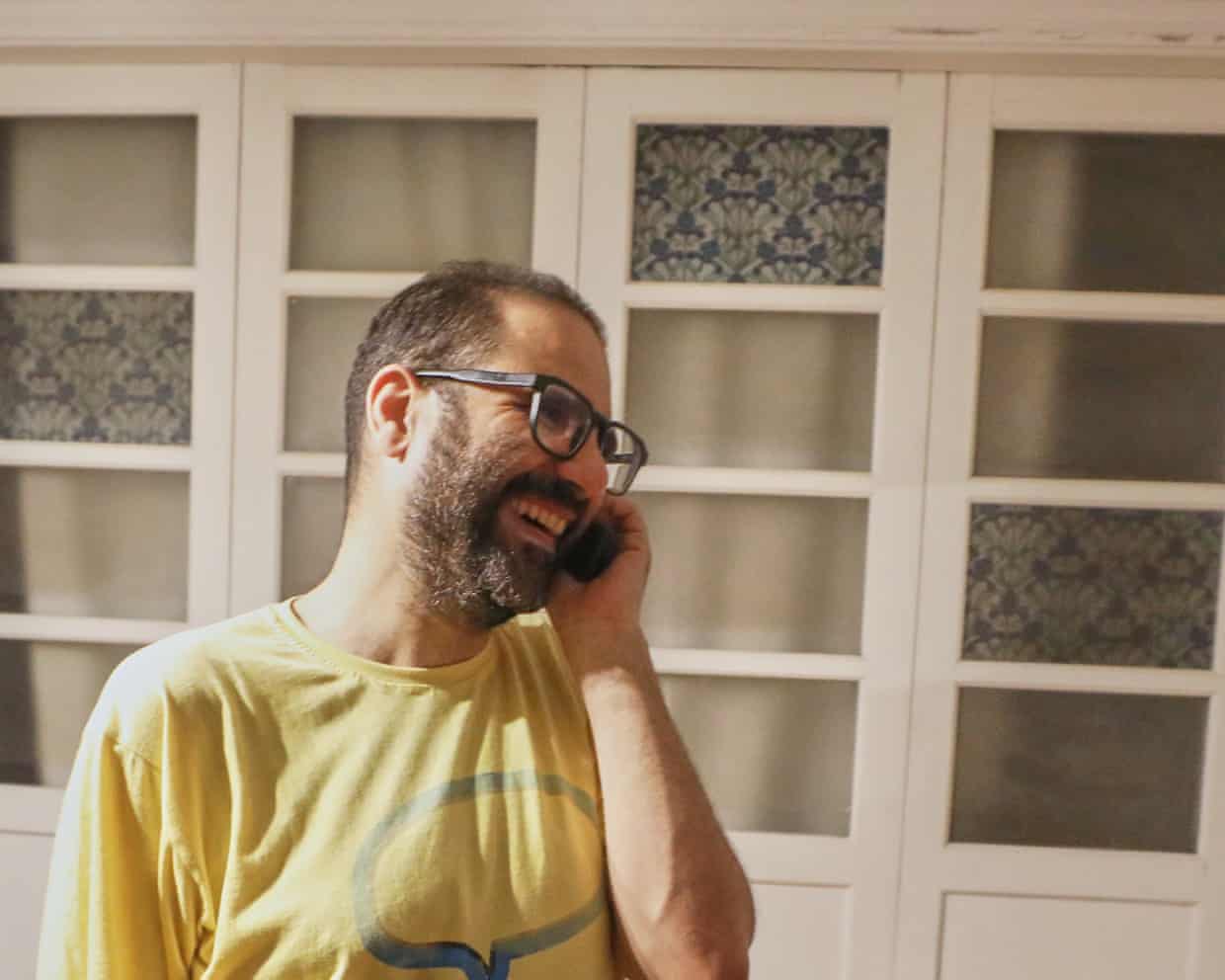
The Home Office will not strip the British-Egyptian activist Alaa Abd el-Fattah of his citizenship because his “abhorrent” past social media posts do not meet the legal bar for such a sanction, government sources have said.Abd el-Fattah, who landed in London from Egypt on Boxing Day, has been at the centre of a political storm over social media posts he published more than a decade ago, including tweets in which he called for Zionists to be killed.Keir Starmer said he was “delighted” by Abd el-Fattah’s arrival on Friday after the British government helped secure the activist’s release from years in an Egyptian jail. However, the prime minister has since condemned the tweets and said he was unaware of them.Yvette Cooper, the foreign secretary, has also launched a review looking into “serious information failures” around the case, after successive Tory and Labour governments had lobbied for Abd el-Fattah’s release as a political prisoner
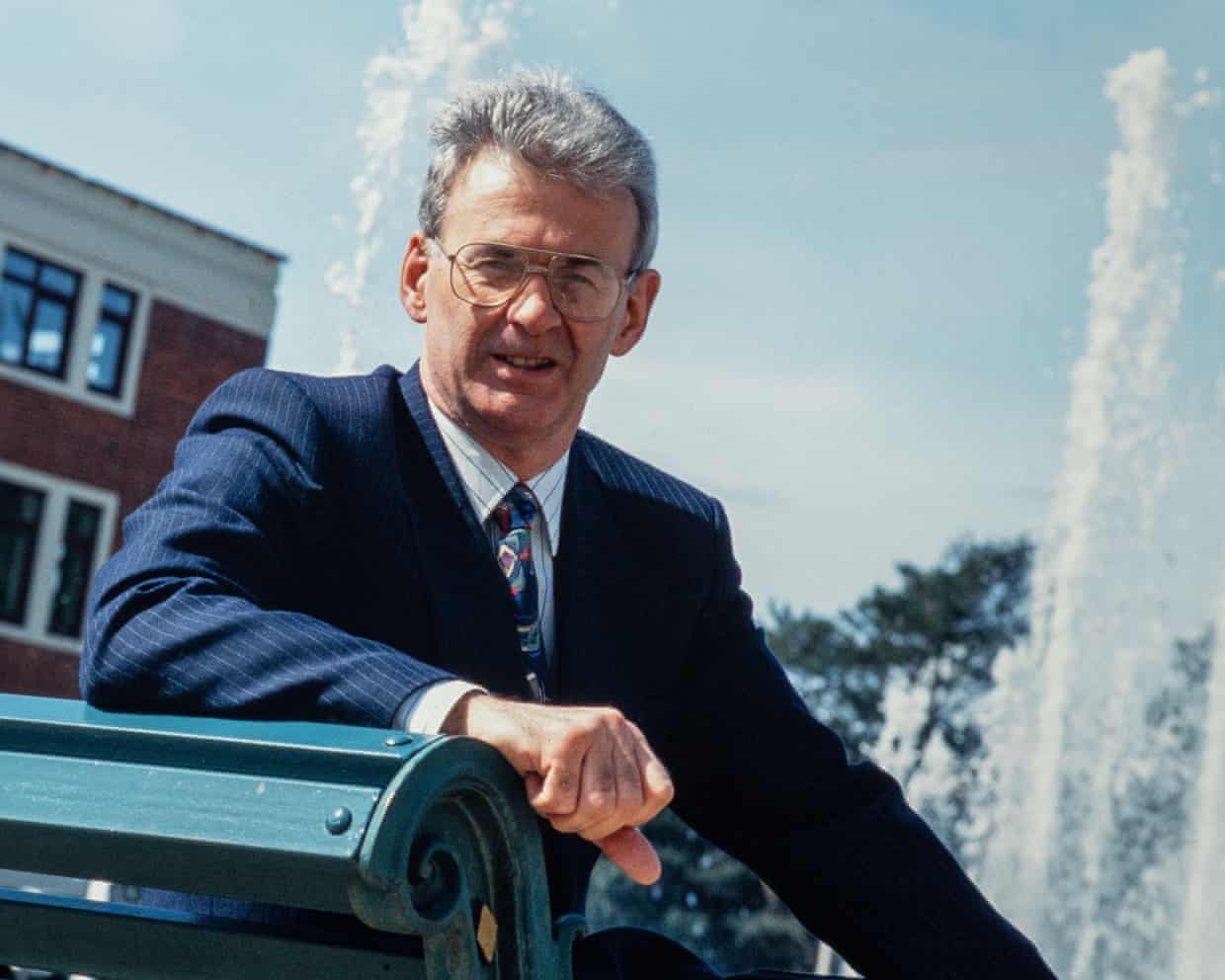
Nigel de Gruchy obituary
The trade union leader Nigel de Gruchy, who has died aged 82, always insisted on putting the interests of the teachers he was elected to represent ahead of those of the pupils in the classrooms where they taught. While this approach was both logical and defensible for a trade unionist, it was also one that inevitably provoked controversy.Such an outcome did not normally deter De Gruchy, who relished the prospect of a public ding-dong, recognising that the resultant publicity might quite possibly enhance his chances of success in whatever cause he was then pursuing. It did not make him popular in Westminster or Whitehall, but he won some important political and legal battles that would significantly improve the lives of school teachers.These included, shortly after De Gruchy became general secretary in 1990 of the amalgamated National Association of Schoolmasters/Union of Women Teachers (NASUWT), helping to persuade John Major’s government to establish a teachers’ pay review body

UK ministers face increased pressure to restrict gambling ads
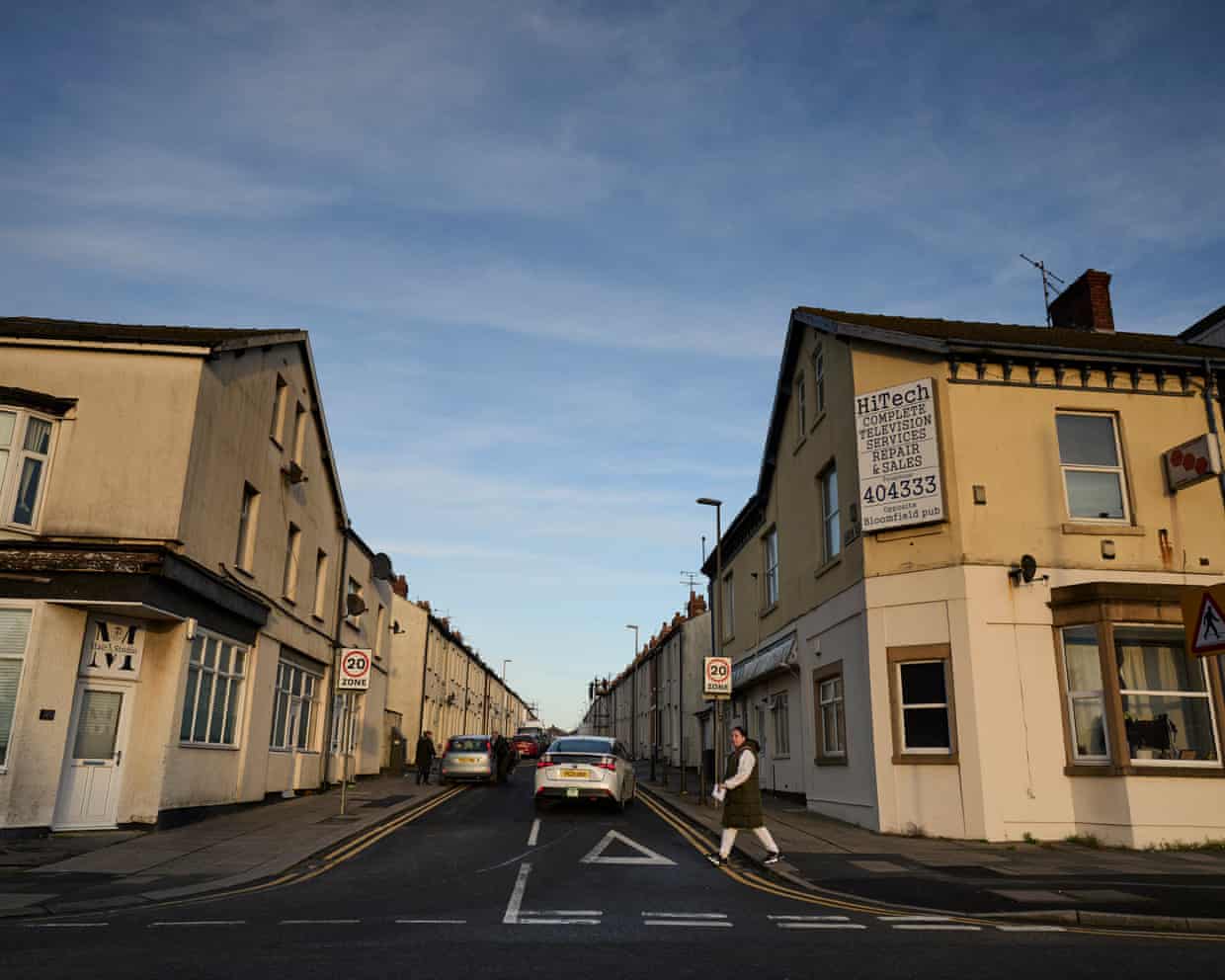
Hundreds of Blackpool families to be evicted in ‘mass dispersion’ of vulnerable people

Ethnic minorities in England less likely to have access to diabetes tech – study

Children in England to be offered vaccines in their own homes
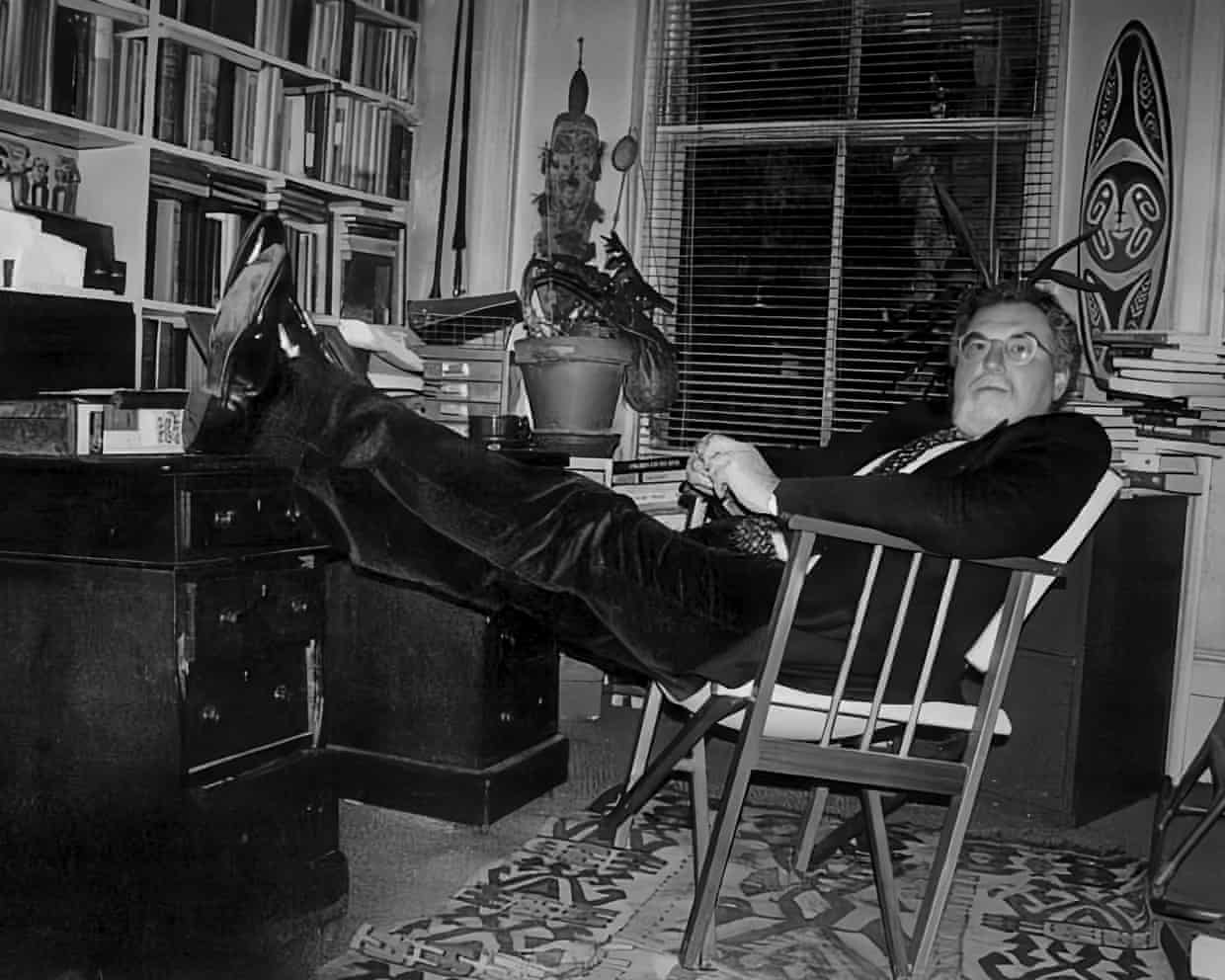
Roland Littlewood obituary
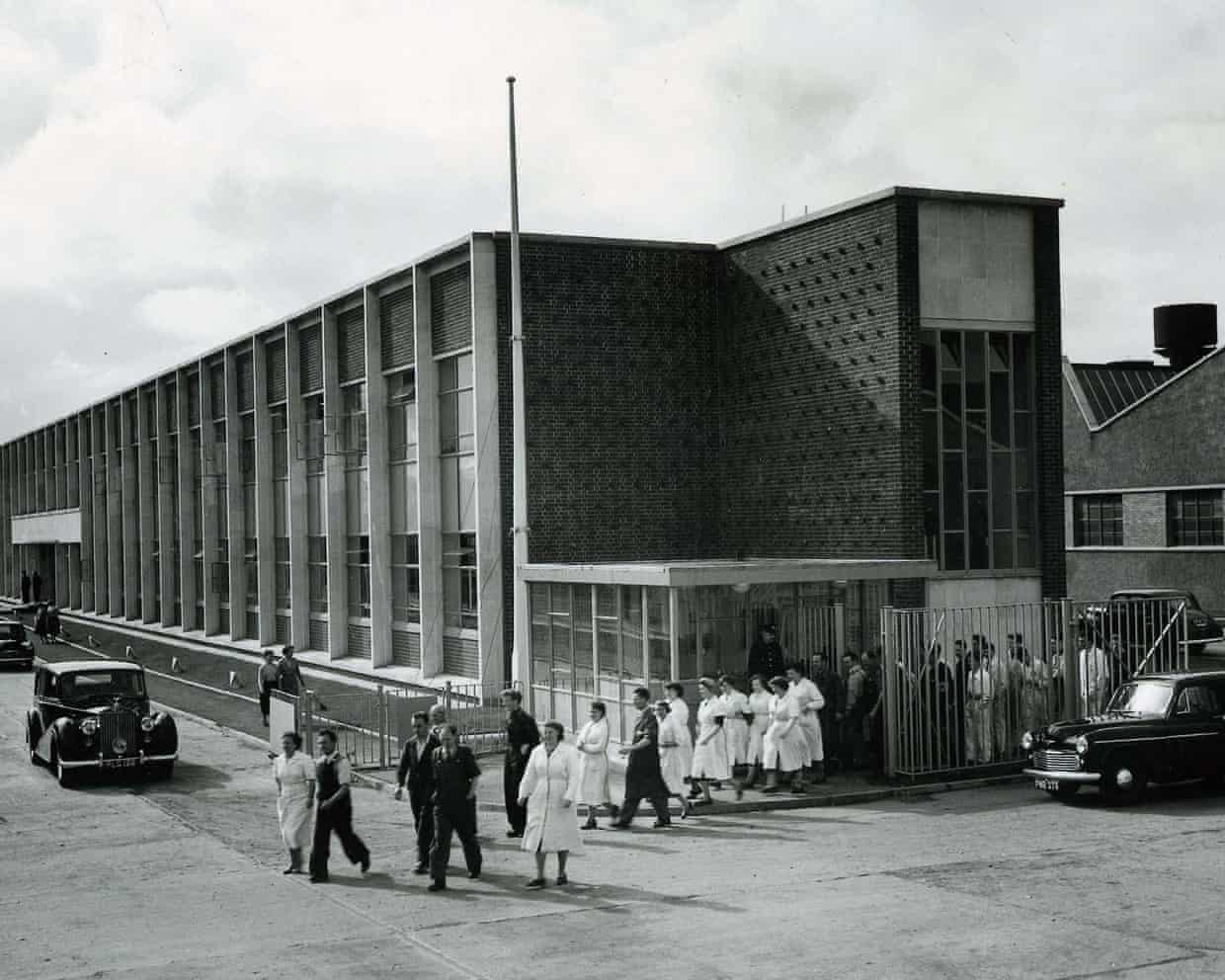
Focus on communities in new towns and old | Letters