Ethnic minorities in England less likely to have access to diabetes tech – study
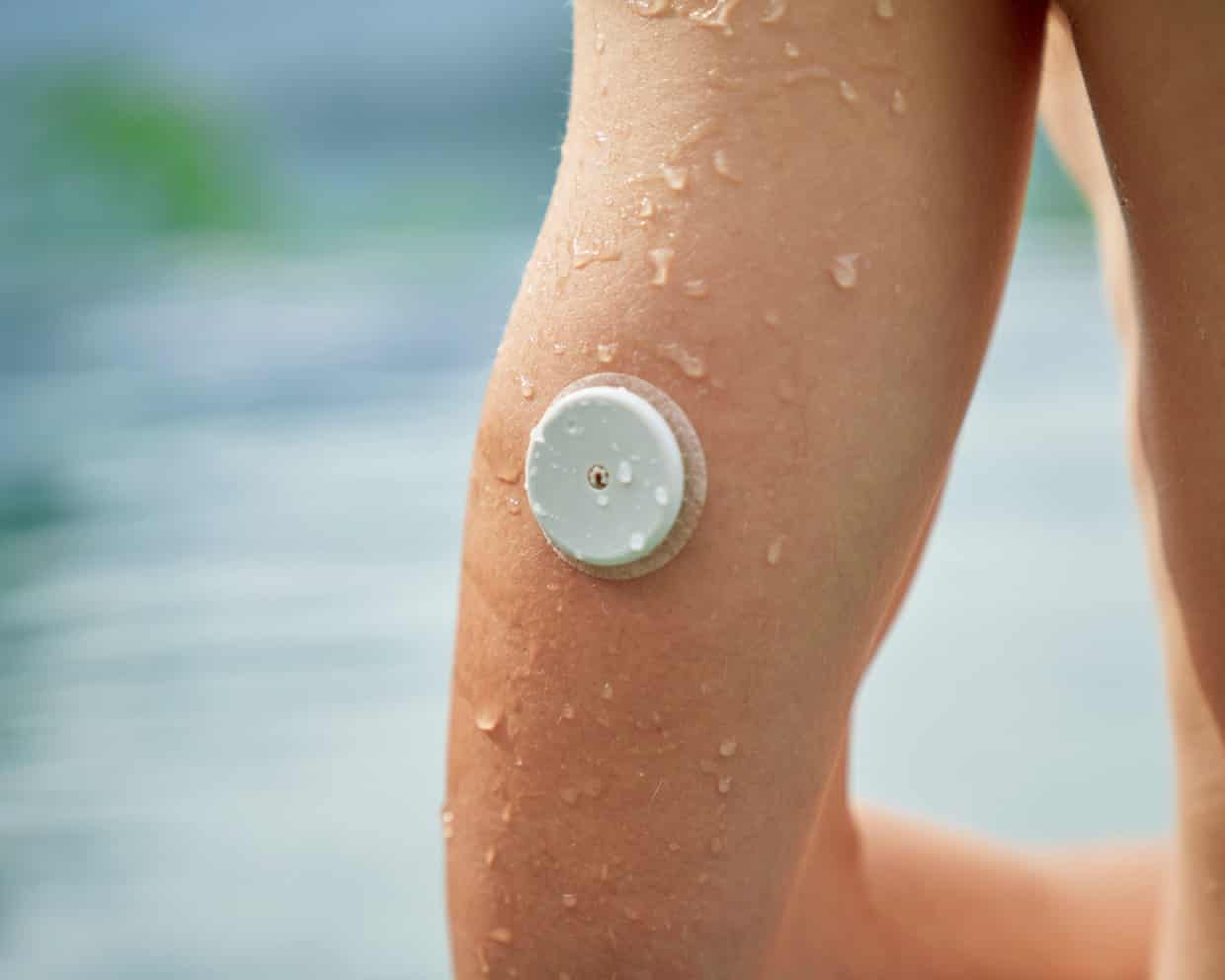
People from ethnic minority backgrounds in England are less likely to have access to the latest diabetes technology, despite being more likely to live with the condition, according to analysis.Devices such as a continuous glucose monitor (CGM) can help people check their blood glucose levels in order to better manage the disease.Without this technology, people with diabetes are left with much less efficient and inconvenient ways of managing their blood sugar levels, such as through finger pricking.The study, published in the journal Diabetic Medicine, found significant disparities in access to continuous glucose monitors, with people from black and south Asian backgrounds facing lower prescribing rates per 1,000 people.People from ethnic minority backgrounds made up 17.
5% of the population served by integrated care boards (ICBs) with lower than average prescribing rate for CGMs in 2024,By contrast, ethnic minorities only made up to 5,3% of the populationin ICBs with a higher than average prescribing rate,About 5,8 million people across the UK live with diabetes, while people from black and south Asian backgrounds in particular are at a higher risk of developing type 2 diabetes by the age of 25.
Samuel Seidu, the lead author and a professor in primary care diabetes and cardio-metabolic medicine at the University of Leicester, said the study was the “first national analysis in England to demonstrate, with robust prescribing data, that significant ethnic inequalities exist in access to continuous glucose monitoring across both type 1 and type 2 diabetes”,He added: “The disparity is not entirely surprising, although it is concerning as previous research internationally (especially in the US) has repeatedly shown lower adoption of diabetes technologies in minority ethnic groups,“In the UK, minority groups already experience higher diabetes prevalence and worse cardiometabolic outcomes, suggesting structural inequities in care access,Ethnicity and deprivation together account for up to 77% of variance in CGM prescribing in type 2 diabetes, meaning structural inequities are deeply embedded,”According to National Institute for Health and Care Excellence (Nice) guidelines, all adults with type 1 diabetes and those with specific types of type 2 diabetes should have access to diabetes technology, including a CGM device.
However, the study shows that these guidelines are not being implemented consistently across all areas of England.Anthony Walker, policy lead at Diabetes UK, said the research revealed “the very real inequities” that exist in access to life-changing tech.He said: “Actively raising awareness among underserved communities is crucial.Healthcare professionals must also be supported to identify where the gaps in access are and have the tools to develop targeted interventions to address them.“It is vital that Nice’s guidelines are adopted consistently, so that everyone who could stand to benefit from this transformative technology can access it.
”Previous reporting by the Guardian found that many families from deprived backgrounds were unable to make the most of NHS-provided diabetes technology because they were unable to afford smartphones, which can make managing type 1 diabetes, especially among small children, more manageable.Daniel Newman, a diabetes advocate who was diagnosed with type 1 diabetes as a child, said: “I’ve been advocating for access to CGMs for people living with diabetes for many years.I myself had to move my diabetes care to a different hospital to get access to the tech I knew I was entitled to.“Access to CGMs should be based on clinical need, not determined by postcode, ethnicity or income.It’s troubling to know that the communities most affected by type 2 diabetes are the least likely to receive this technology.
We must confront the systemic barriers that deny people the tools they need to live well – and ensure that Nice guidance is not just acknowledged, but actively implemented for everyone who qualifies,”An NHS England spokesperson said: “The NHS is committed to offering effective care to all people living with diabetes, and has increased funding to support GPs to diagnose and treat the condition,“Specialist programmes have been created to address inequalities for patients with young onset type 2 diabetes, by providing additional clinical reviews, ensuring patients are receiving all the recommended health checks and tailored support according to their individual needs, to stay well and avoid health complications,”The best public interest journalism relies on first-hand accounts from people in the know,If you have something to share on this subject, you can contact us confidentially using the following methods.
Secure Messaging in the Guardian appThe Guardian app has a tool to send tips about stories.Messages are end to end encrypted and concealed within the routine activity that every Guardian mobile app performs.This prevents an observer from knowing that you are communicating with us at all, let alone what is being said.If you don't already have the Guardian app, download it (iOS/Android) and go to the menu.Select ‘Secure Messaging’.
SecureDrop, instant messengers, email, telephone and postIf you can safely use the Tor network without being observed or monitored, you can send messages and documents to the Guardian via our SecureDrop platform.Finally, our guide at theguardian.com/tips lists several ways to contact us securely, and discusses the pros and cons of each.This article was amended on 1 January 2026.An earlier version said that according to National Institute for Health and Care Excellence guidelines, all adults with type 1 and type 2 diabetes should have access to diabetes technology, including a continuous glucose monitoring (CGM) device.
In fact the guidelines recommend continuous glucose monitoring for all type 1 diabetes patients, and for those with specific types of type 2 diabetes.

Keir Starmer to woo voters and MPs with new year plan to cut cost of living
Keir Starmer will attempt to rescue his relationship with disillusioned voters and his own fractious MPs in a new year push to reduce the cost of living.The prime minister will give a speech in the coming days focusing on how his government is bringing down living costs, highlighting recent cuts to energy bills and interest rates and the end of the two-child benefit cap.He will reinforce the message with a series of new year drinks receptions for Labour MPs at Chequers as he hopes to dispel angst about local and devolved elections in 2026, at which the party is expecting heavy losses.In his new year message, the prime minister said voters would begin to see their lives improving in 2026 in what his chief adviser, Morgan McSweeney, has called “the year of proof”.Starmer said: “In 2026, the choices we’ve made will mean more people will begin to feel positive change in your bills, your communities and your health service
UK ministers accused of ‘embarrassing failures’ in Abd el-Fattah case
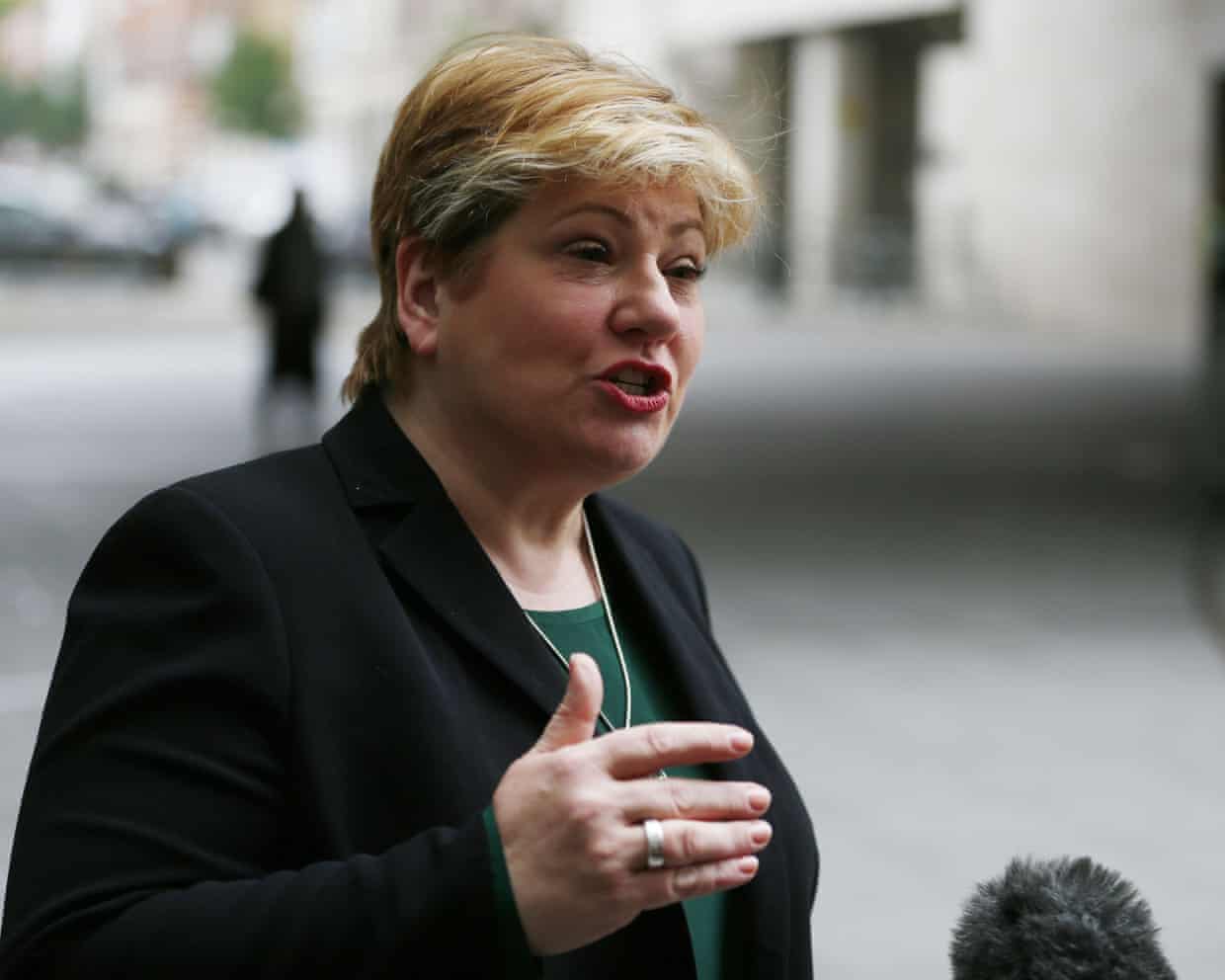
The government could have avoided “embarrassing failures” in the case of Alaa Abd el-Fattah by having a special envoy deal with complex cases involving Britons detained abroad, Emily Thornberry has said.The chair of the Commons foreign affairs committee criticised “serious shortcomings” in information sharing, which she said could have been resolved by having a dedicated official carry out background checks.Former foreign secretary David Lammy said in 2024 that the government would appoint an envoy to deal with “complex detention cases” involving Britons abroad but no such figure has been named.In a letter to the foreign secretary, Yvette Cooper, Thornberry said: “Had an envoy been established [in 2024] … it is clear to me that such embarrassing failures of due diligence and information sharing would have been avoided.“It would have been firmly within the envoy’s remit to carry out appropriate background and social media checks
Greens’ Polanski prepared to work with Burnham but not Starmer ‘to stop Reform’
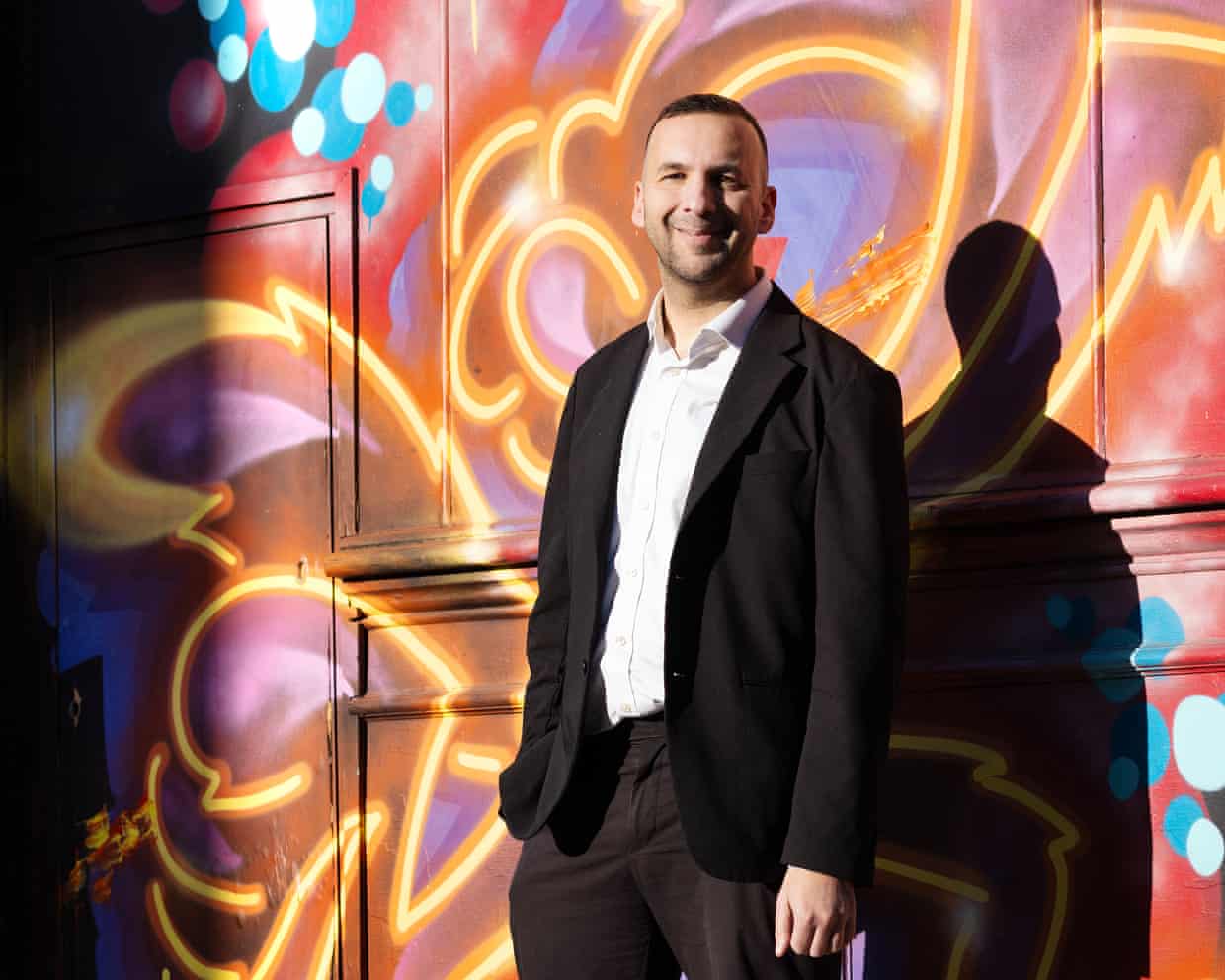
The Green party leader, Zack Polanski, has said he would refuse to work with Keir Starmer but could work with Andy Burnham, Starmer’s potential rival for the Labour leadership, to keep Reform out of power.Polanski said he would not enter a political partnership with Labour under the current prime minister, but would consider it if the mayor of Greater Manchester took the helm.He told the Financial Times: “I could see the potential to work with Andy Burnham to stop Reform and to challenge the rise of the far right. I would rule it out with Keir Starmer, but I wouldn’t rule it out with Burnham.”A coalition would require the Greens getting an adequate number of seats at the next general election to make the party useful to Labour, and would also need Burnham to once again gain a seat as an MP

Zack Polanski offering voters fantasy solutions, says head of Fabian Society
The Green party leader, Zack Polanski, is offering voters “unicorns” and Labour must confront his “fantasy” solutions such as the idea that a wealth tax would fix the public finances, according to the Fabian Society’s general secretary, Joe Dromey.Much of the government’s fire is trained on Nigel Farage. But in an end-of-year interview, the head of Labour’s internal thinktank urges his party to take on the “twin populisms” of Reform and Polanski.“We’ve got the populism of the left in Polanski. And the populism of the right in Farage
Alaa Abd el-Fattah ‘will not be stripped of British citizenship’ over past tweets
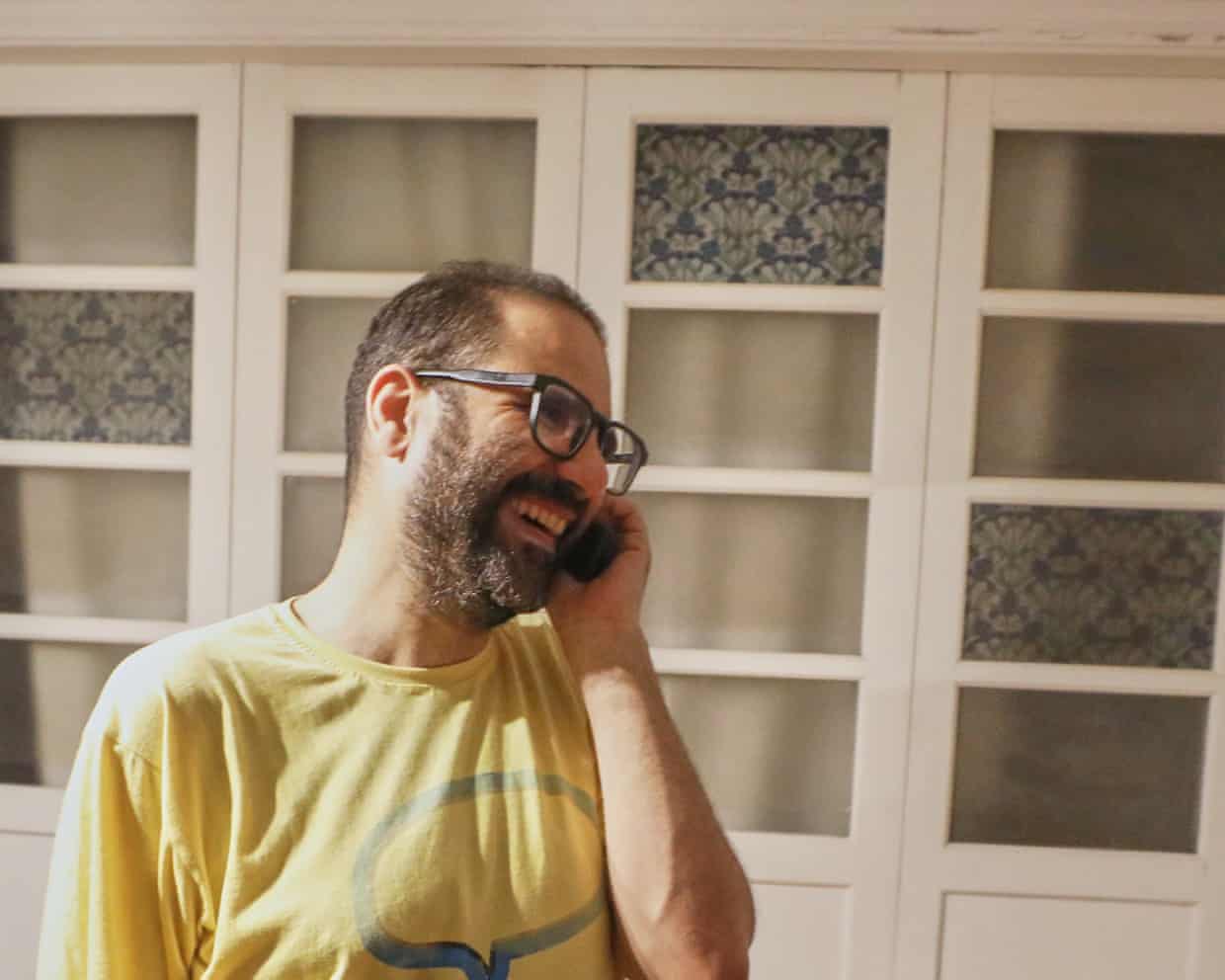
The Home Office will not strip the British-Egyptian activist Alaa Abd el-Fattah of his citizenship because his “abhorrent” past social media posts do not meet the legal bar for such a sanction, government sources have said.Abd el-Fattah, who landed in London from Egypt on Boxing Day, has been at the centre of a political storm over social media posts he published more than a decade ago, including tweets in which he called for Zionists to be killed.Keir Starmer said he was “delighted” by Abd el-Fattah’s arrival on Friday after the British government helped secure the activist’s release from years in an Egyptian jail. However, the prime minister has since condemned the tweets and said he was unaware of them.Yvette Cooper, the foreign secretary, has also launched a review looking into “serious information failures” around the case, after successive Tory and Labour governments had lobbied for Abd el-Fattah’s release as a political prisoner

Nigel de Gruchy obituary
The trade union leader Nigel de Gruchy, who has died aged 82, always insisted on putting the interests of the teachers he was elected to represent ahead of those of the pupils in the classrooms where they taught. While this approach was both logical and defensible for a trade unionist, it was also one that inevitably provoked controversy.Such an outcome did not normally deter De Gruchy, who relished the prospect of a public ding-dong, recognising that the resultant publicity might quite possibly enhance his chances of success in whatever cause he was then pursuing. It did not make him popular in Westminster or Whitehall, but he won some important political and legal battles that would significantly improve the lives of school teachers.These included, shortly after De Gruchy became general secretary in 1990 of the amalgamated National Association of Schoolmasters/Union of Women Teachers (NASUWT), helping to persuade John Major’s government to establish a teachers’ pay review body

Festive finger food: how to use Christmas leftovers to make New Year’s Eve canapes | Kitchen aide

Rukmini Iyer’s quick and easy party platters: halloumi with pineapple salsa and za’atar carrots with labneh | Quick and easy

Jose Pizarro’s recipe for caramelised brussels sprout and panceta montaditos
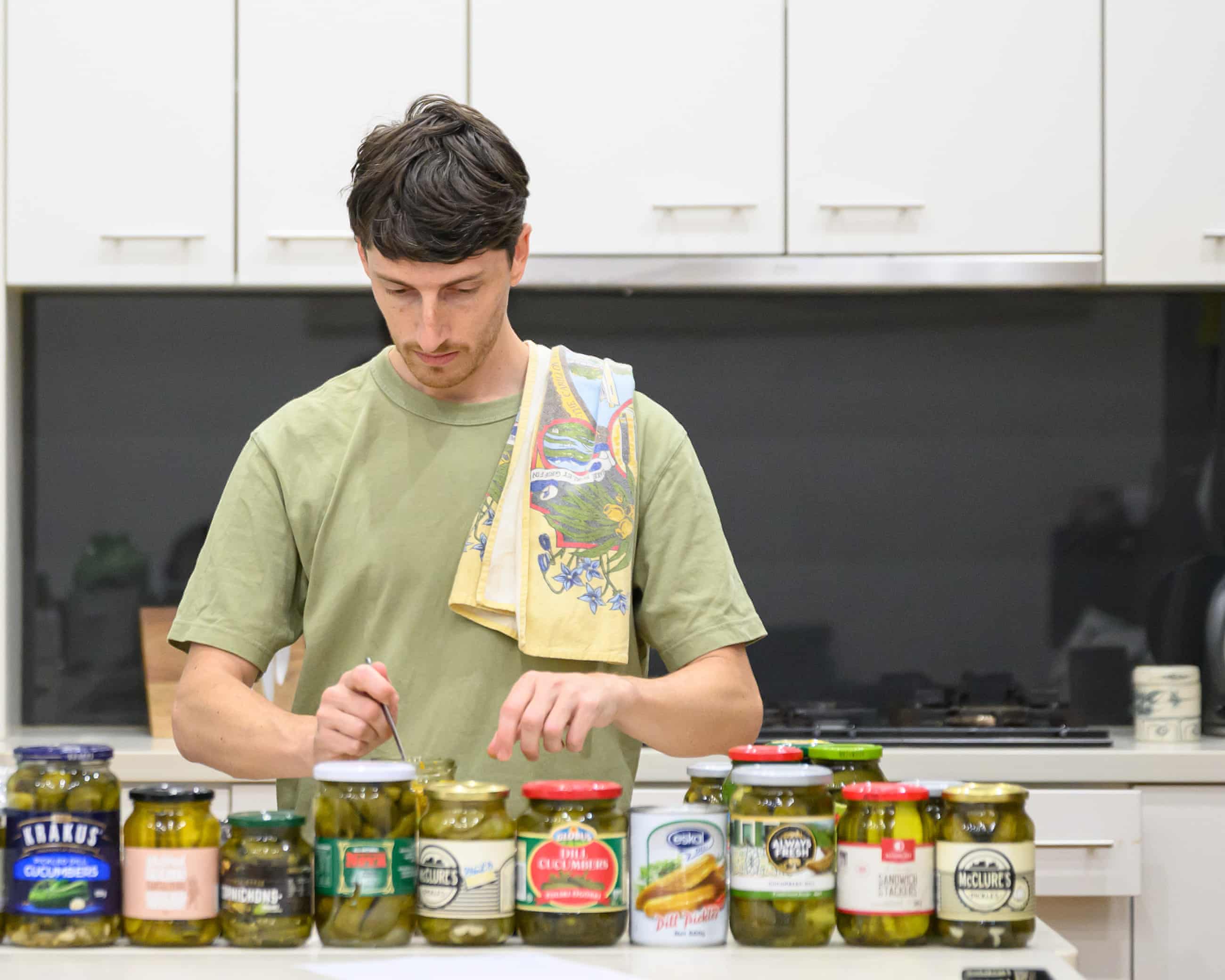
Tasting 291 Australian supermarket products has taught me there’s no correlation between price and deliciousness

Drinks ideas to get your NYE party fuelled

Georgina Hayden’s quick and easy recipe for pimento cheese and pickle loaded crisps | Quick and easy