Zack Polanski offering voters fantasy solutions, says head of Fabian Society

The Green party leader, Zack Polanski, is offering voters “unicorns” and Labour must confront his “fantasy” solutions such as the idea that a wealth tax would fix the public finances, according to the Fabian Society’s general secretary, Joe Dromey.Much of the government’s fire is trained on Nigel Farage.But in an end-of-year interview, the head of Labour’s internal thinktank urges his party to take on the “twin populisms” of Reform and Polanski.“We’ve got the populism of the left in Polanski.And the populism of the right in Farage.
Their politics are very different but both of them are pushing simplistic solutions to challenging problems that just don’t stand up to scrutiny,” he says.“One is offering you a unicorn, the other’s peddling hatred, and we need to expose that.”A wealth tax – an annual levy on the assets of the super-rich, which Polanski strongly backs – “won’t solve the kind of fiscal challenge that we face,” Dromey says.“We won’t be able to fund the public services that we need just by a wealth tax that affects the top 0.1% of the population.
”He adds: “The idea that squeezing a tiny elite of billionaires will pay for everything that we want and everything that we need is fantasy and we do need to expose that,”The argument is not the kind of pragmatism that the Fabians’ fiercest critics might expect,Part brains trust, part members’ association, the UK’s oldest thinktank has come under extraordinary scrutiny of late, with Farage calling it “far left” and the TalkTV presenter Alex Phillips accusing it of being a secret cabal promoting the end of capitalism and the nation state,Founded in 1884 and initially most closely associated with the pioneering social reformers Beatrice and Sidney Webb, the Fabian Society was a co-founder of the Labour party and has been affiliated with it ever since,The colourful grid of pamphlets displayed across one wall of the Fabians’ office covers issues including pensioner poverty, energy reform and Labour’s path to power in 2019 (ahem), but conspicuously lacks calls to overthrow capitalism.
Dromey, 40, is from a Labour dynasty, the son of the former deputy leader Harriet Harman and the late Jack Dromey MP.He was a councillor for the party in Lewisham, south London.“I’d be lying if I said that they did not shape my passion for and interest in politics and my commitment to a more equal society,” he says of his parents.But he insists he wants to be judged on his own merits.Less than 18 months into a Labour term that began with a landslide majority after 14 years in opposition, Dromey shares the exasperation of many in the party at the government’s deep unpopularity.
“It has been a challenging first year and a half,” he says,He praises some of the policies pursued by Keir Starmer, who was a member of the Fabians’ executive committee – and penned a pamphlet of his own – before becoming prime minister,In particular, Dromey highlights the Renters’ Rights Act and the Employment Rights Act, which became law on 18 December,“These things are quietly radical,They’re things that significantly change the balance of power in our housing market and in our labour market,” he says.
But it is clear that, like many in the party, Dromey would welcome a more robust assertion of its values, including on Reform’s favoured battleground of migration.“We need to demonstrate competence, and that’s most obviously around small boats,” he says.“But the government also needs to demonstrate and expose that Reform do not speak for the British public on immigration.I think on that latter one, we’ve not done that enough.We should go harder on that.
”After the chaotic run-up to Rachel Reeves’s November budget, Dromey also traces part of Labour’s predicament back to its decision in opposition to support Jeremy Hunt’s cuts to national insurance contributions (NICs) – and to fight last year’s general election promising no increases in income tax, NICs or VAT.“The previous government was making fiscal promises that they had absolutely no intention of delivering.It was a bear trap.It was a landmine,” he says.“I think it would have been better just to not commit to matching that NI cut.
I don’t think it would have had a material impact on the election result.People were done with the Tories.”Sticking with that pledge pushed Reeves towards using employer NICs as a revenue raiser instead at last year’s budget, he says, “which undoubtedly has had an impact on unemployment, on business confidence, on relations with businesses”.Having made the clear promise, however, Dromey believes breaching it by raising income tax, as the chancellor flirted with doing in her second budget, would have been disastrous.“To make that the central commitment and then to break it would, I think, have led to an irreversible loss of trust among the electorate.
”He is most vehement on the subject of social care, where Fabian research has highlighted the benefits of increasing workers’ pay.Labour recently announced details of its planned fair pay agreement, set to be negotiated between employers and unions and come into force in 2028.Dromey welcomes the policy but calls on the government to confront the wider challenge of funding the overstretched sector, now under review by the government fixer Louise Casey.“It’s a large proportion of the workforce who are doing some of the most important work in our economy and our society, helping people live decent and independent lives, who have been routinely undervalued,” he says.Labour has set aside £500m to fund the agreement in its first year, but Fabian research suggests equalising social care workers with the lowest NHS pay band and improving pay progression would cost four times that.
“We need to fix social care and address the workforce crisis, because the treatment of care workers is a disgrace,” Dromey says.With speculation about Starmer’s future at fever pitch, Dromey sticks to the Fabians’ time-honoured neutrality – though when his team exchanged jokey secret Santa gifts, one colleague got an Andy Burnham mug, another a lifesize cutout of the prime minister.As the Fabians plan their annual conference in January, at which Starmer’s leadership will inevitably be the subject of frenzied gossip, this unsettling artefact currently occupies a corner of the office, like a cardboard elephant in the room.
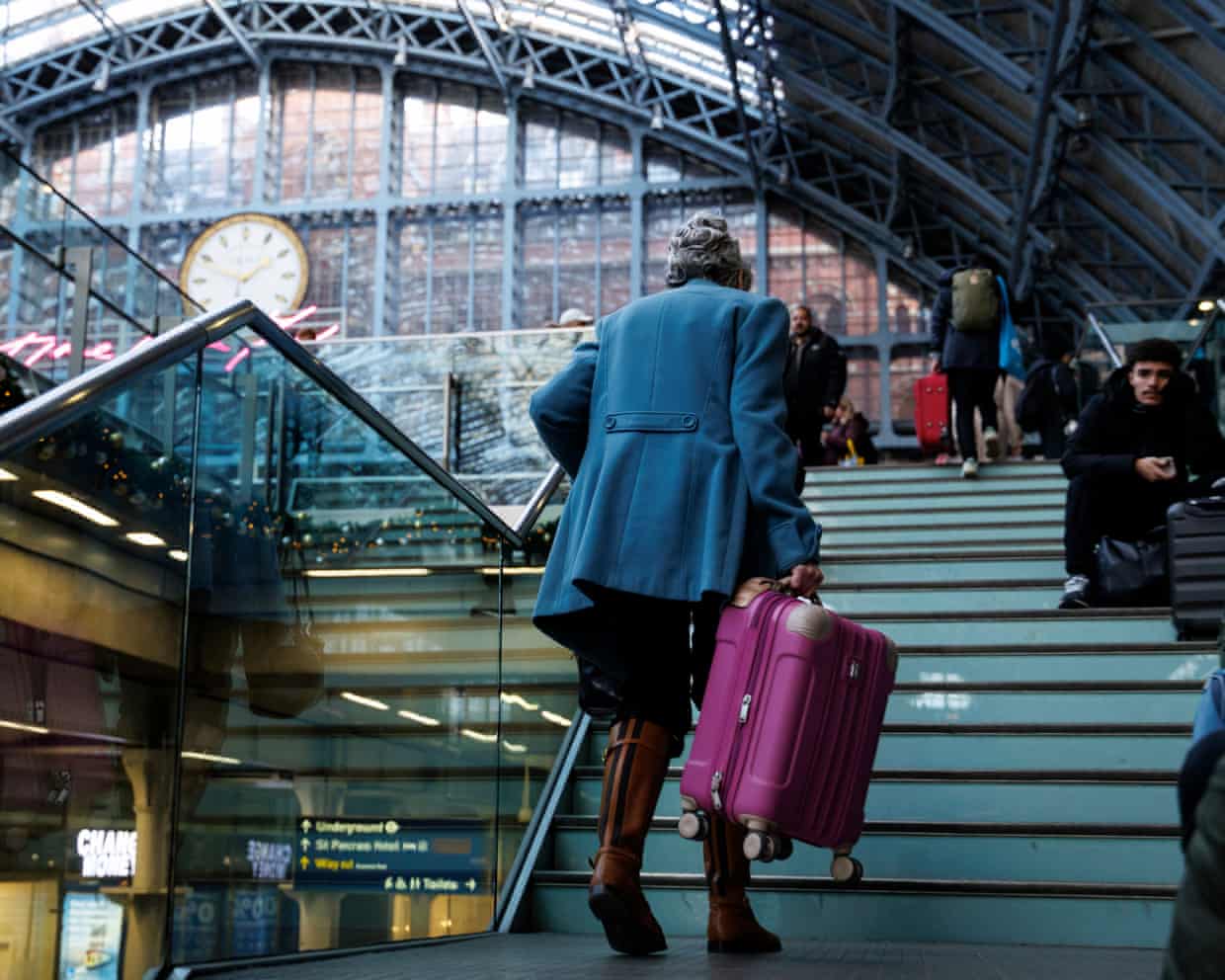
Eurostar slowly resumes but passengers face more cancellations and delays
Rail traffic through the Channel tunnel slowly resumed on Wednesday with more cancellations and delays after an electricity failure on Tuesday stranded thousands of passengers and trapped some for a night in a powerless train.Two London-Paris trains were cancelled and most trips were delayed in both directions as Eurostar warned of “knock-on impacts” on New Year’s Eve.Thousands of travellers in the busy run-up to the new year faced hours of delays after the train operator cancelled services between London, Paris, Amsterdam and Brussels on Tuesday because of an overhead power supply problem and a failed LeShuttle train.A spokesperson said “an overhead line fell on to a Eurostar train linking London and Paris, near the entrance to the Channel tunnel”.Some services had resumed on the single available line by Tuesday evening, with Eurostar saying there were “further issues with rail infrastructure overnight”
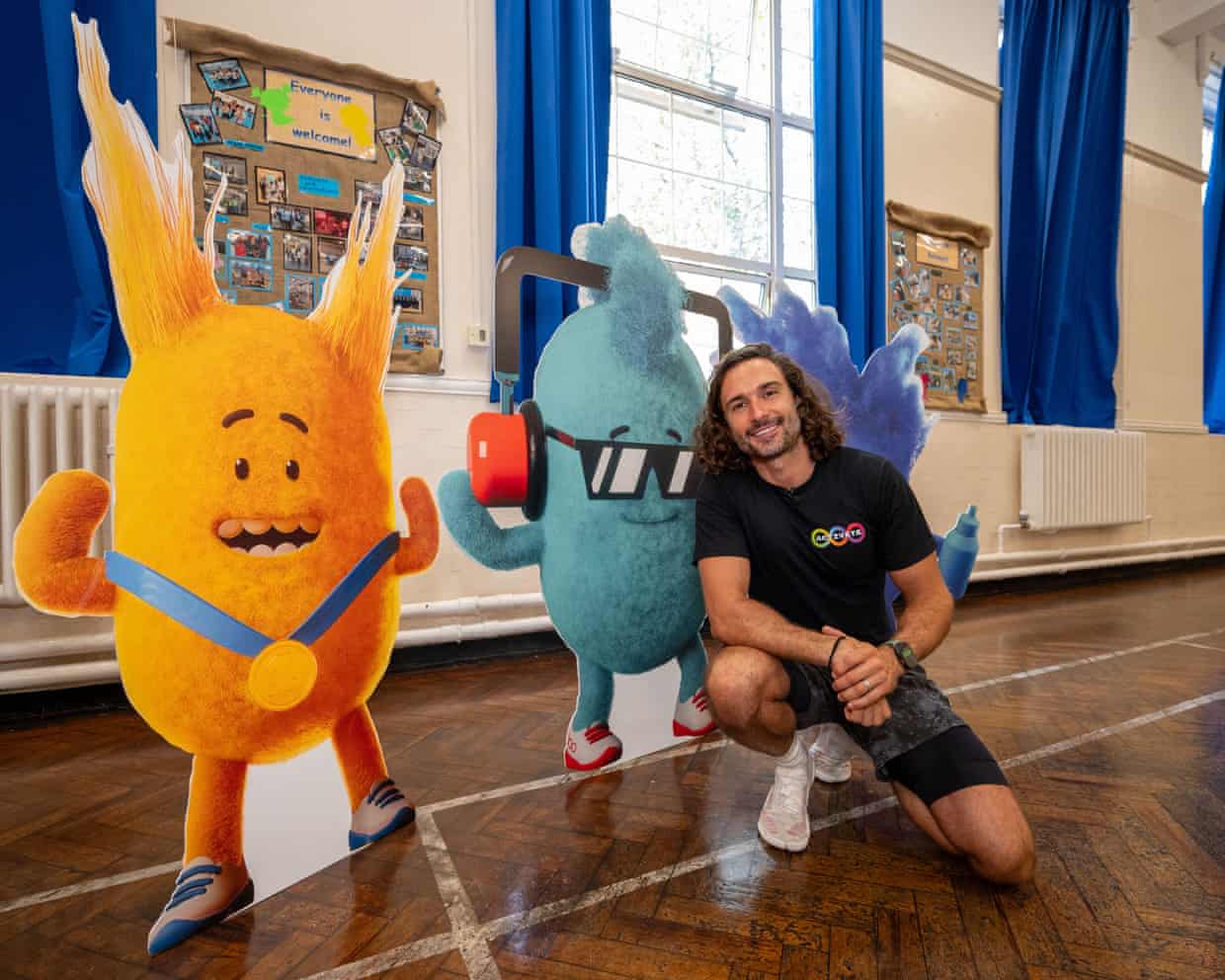
ITV agrees to invest £3m in fitness app created by Joe Wicks
The broadcaster ITV has agreed to invest up to £3m into the health and fitness app The Body Coach, created by Joe Wicks, who shot to fame by getting people exercising in their living rooms during the Covid pandemic.It is the latest deal made through the group’s media for equity investment fund ITV AdVentures Invest. As part of the agreement, The Body Coach will advertise on ITV’s channels and its video platform ITVX.Wicks launched the app in late 2020, capitalising on the prominence gained during the Covid-19 lockdowns when he streamed daily workout videos online. It offers personalised workout plans, alongside a range of healthy recipes and access to a online group to keep users motivated
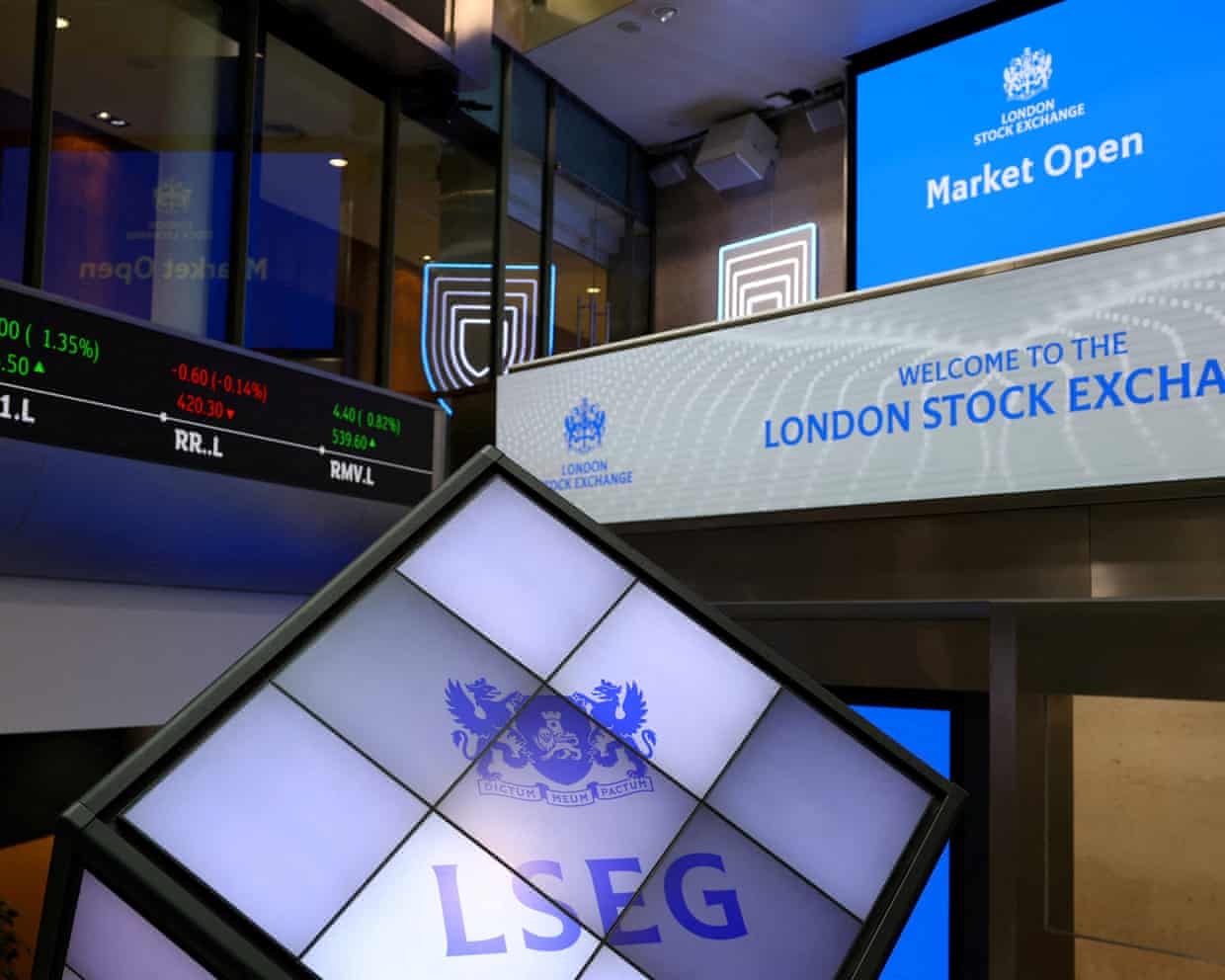
London stock exchange beats Wall Street with best FTSE 100 year since 2009
Britain’s stock market has increased in value by a fifth over 2025 – its biggest annual gain since 2009 – in a strong year for shares around the world.The FTSE 100 index of blue-chip stocks closed up 21.5% on New Year’s Eve compared with the start of January, beating Wall Street returns. The wider all-share market was 19.75% higher
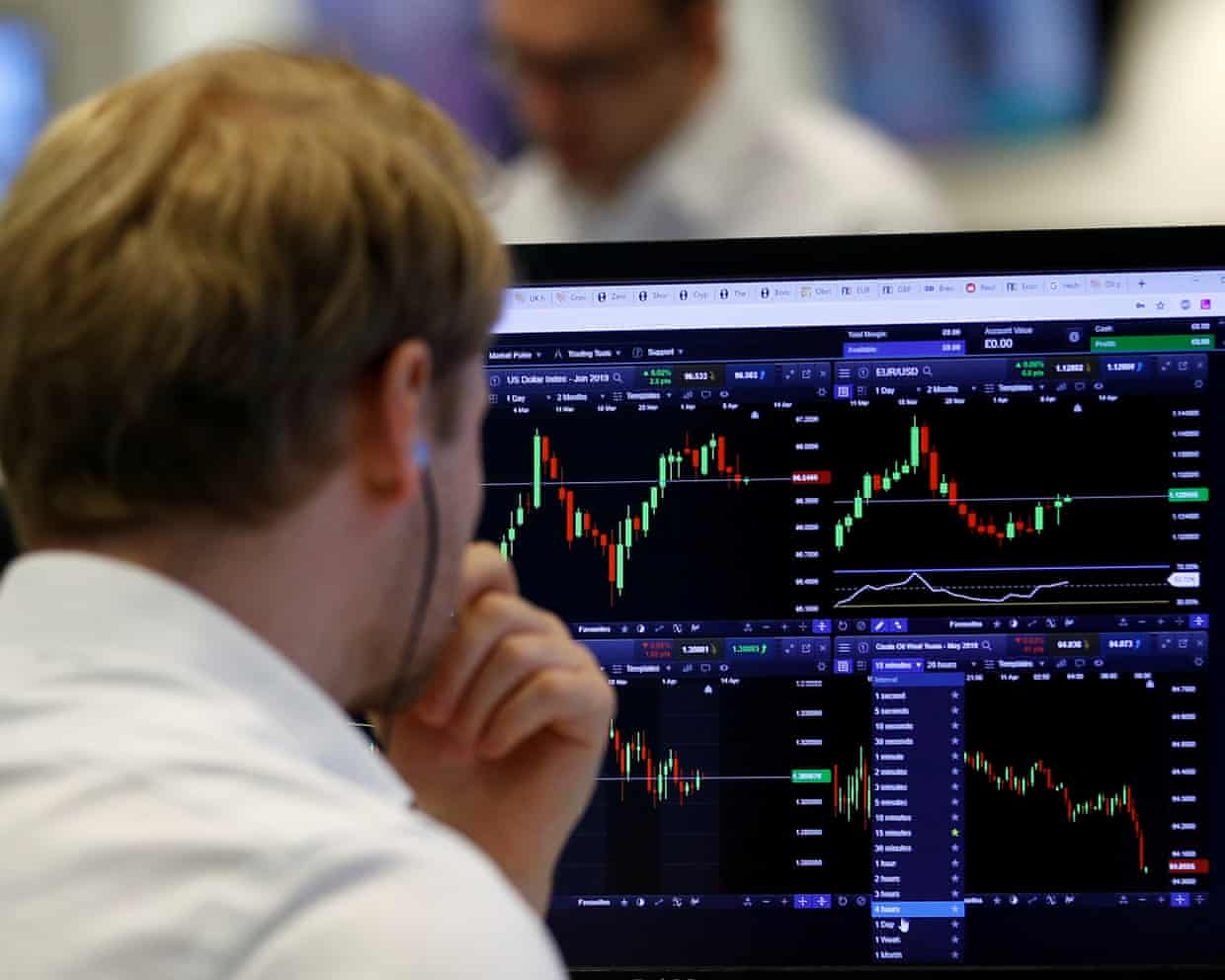
UK’s FTSE 100 share index records best year since 2009 – as it happened
Britain’s stock market has recorded its strongest annual gains since 2009, after a strong year for shares on the London stock exchange and beyond.The FTSE 100 index of blue-chip equities has just closed for the year, down slightly today at 9,931 points, a fall of 9 points or 0.09%.But for 2025 as a whole, the Footsie has gained 21.5%, its highest annual gain in 16 years
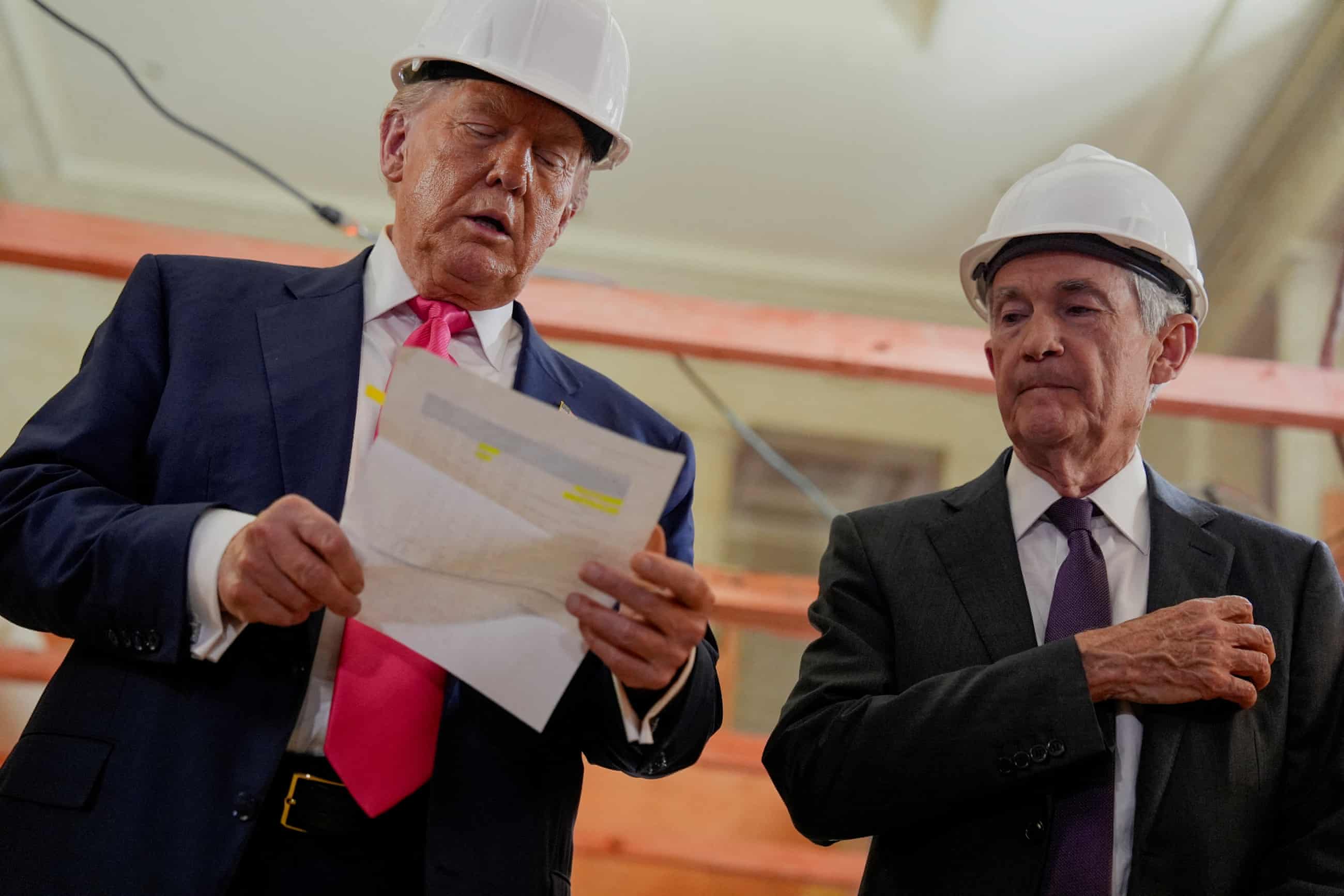
Fed up: inside Trump’s unprecedented bid to exert control over the US central bank
The US president and his allies spent 2025 attacking the Federal Reserve amid a rollercoaster year for the US economy In the bowels of the US Federal Reserve this summer, two of the world’s most powerful men, sporting glistening white hard hats, stood before reporters looking like students forced to work together on a group project.Allies of Donald Trump had spent weeks trying to manufacture a scandal around ongoing renovations of the central bank’s Washington headquarters and its costs. Now here was the US president, on a rare visit, examining the project for himself.“It looks like it’s about $3.1bn

How the FTSE 100 ‘dinosaur’ roared back to life | Nils Pratley
It was a bumper year for stock markets globally and the surprise, perhaps, is that the FTSE 100 index more than kept up. The London market has sometimes been derided as lacking dynamism – the hedge fund manager Paul Marshall called it the “Jurassic Park” of exchanges a few years ago – but its main index enjoyed its best 12 months since 2009. The Footsie didn’t quite make it to the round number of 10,000 but still improved by 21.5%, slightly outperforming the S&P 500 index in the US.How did that happen amid weakening UK growth, pre-budget chaos and general gloom? The short answer is that a stock market index reflects only its constituent parts

Keir Starmer to woo voters and MPs with new year plan to cut cost of living
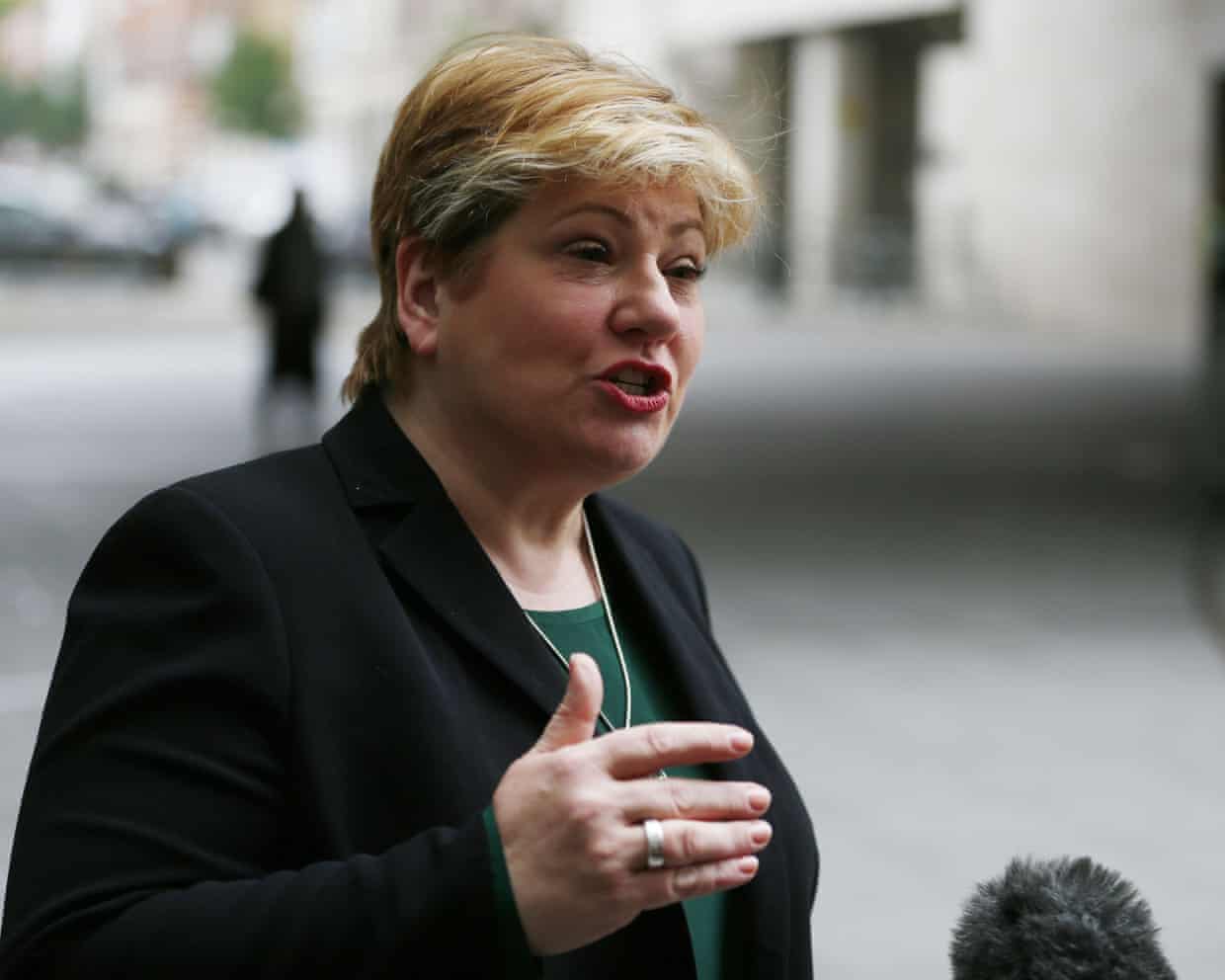
UK ministers accused of ‘embarrassing failures’ in Abd el-Fattah case
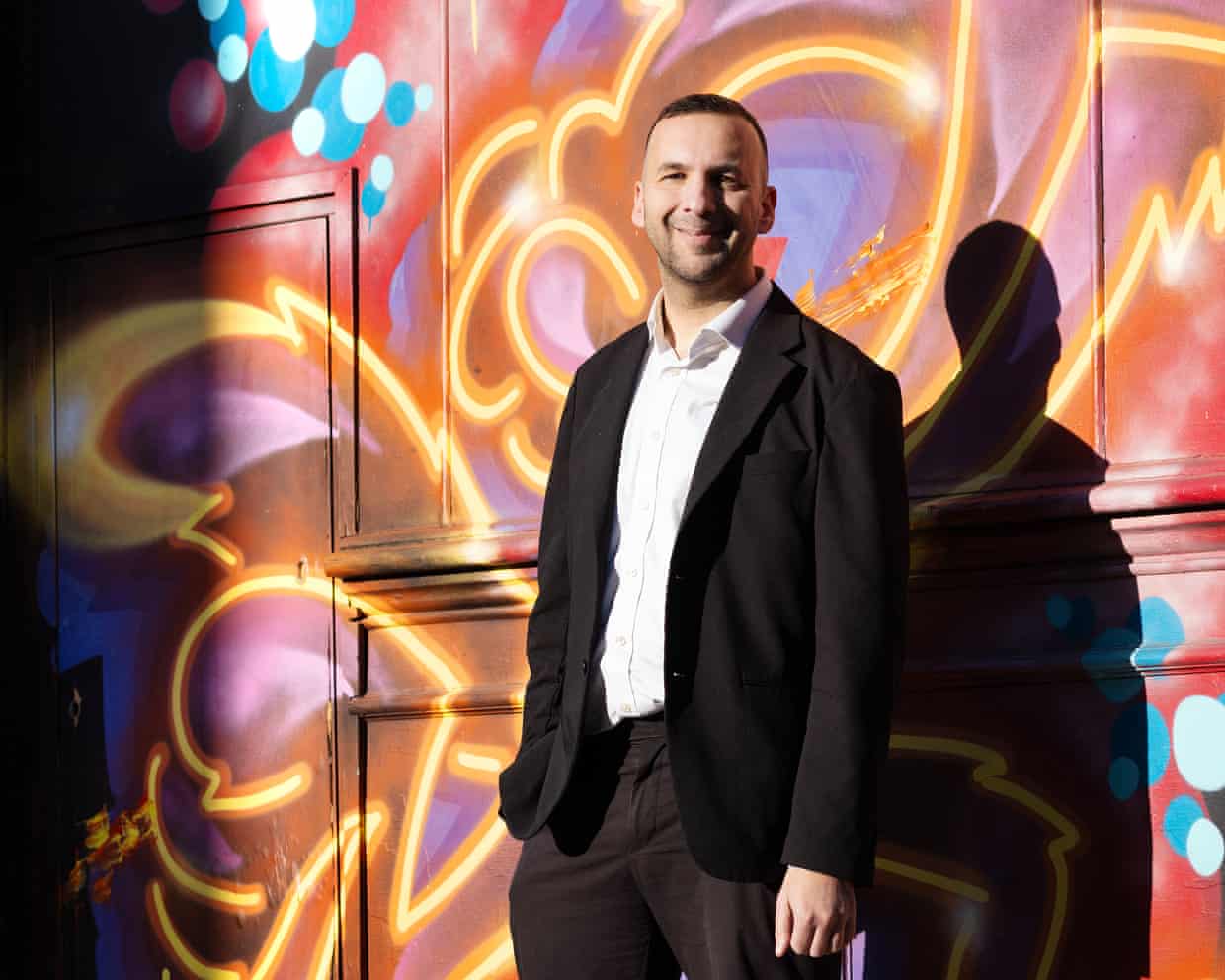
Greens’ Polanski prepared to work with Burnham but not Starmer ‘to stop Reform’
Zack Polanski offering voters fantasy solutions, says head of Fabian Society
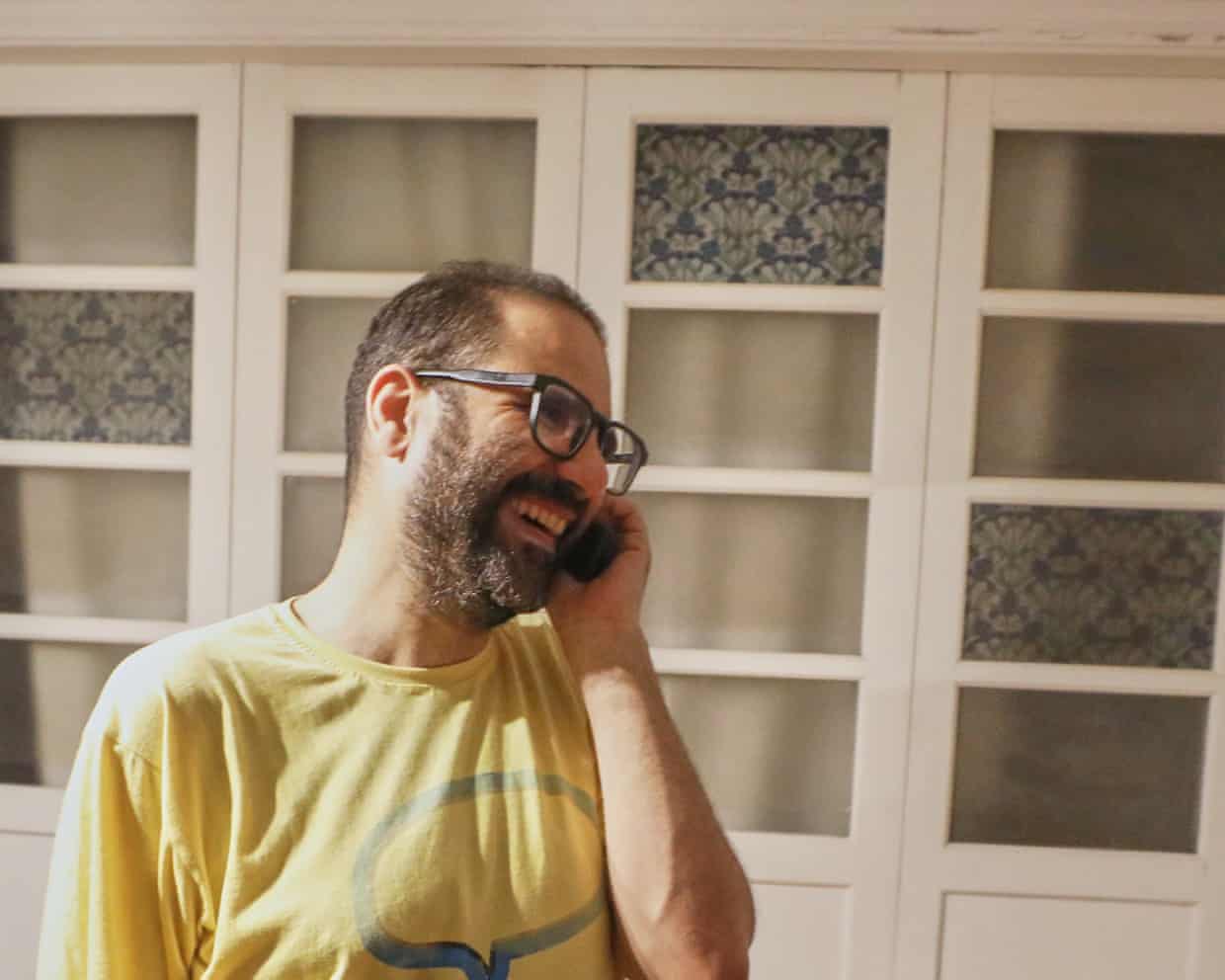
Alaa Abd el-Fattah ‘will not be stripped of British citizenship’ over past tweets

Nigel de Gruchy obituary