Landmark changes to insurance cover for female athletes to be implemented
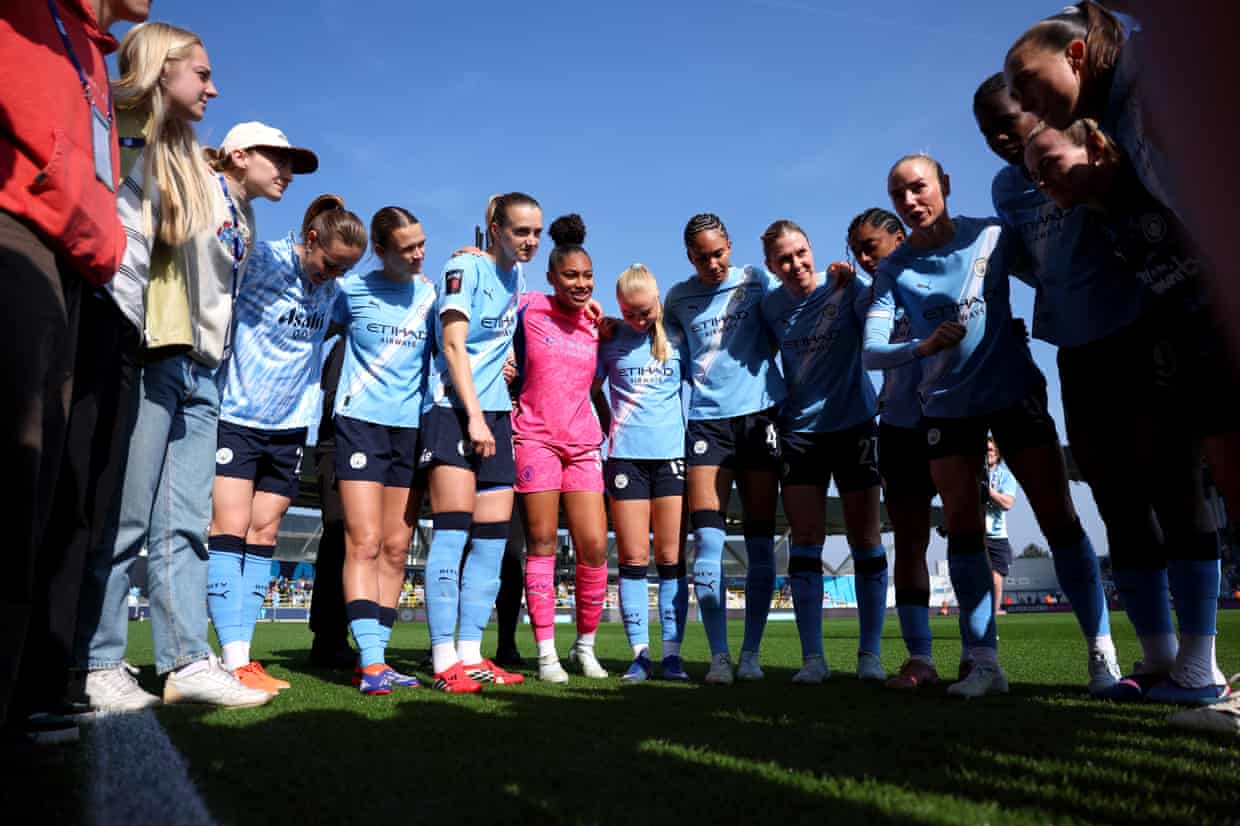
Female athletes are to benefit from a major breakthrough in insurance cover for pregnancy, contraception, menopause and other health conditions, as part of the implementation of recommendations in the Carney review.The Women’s Football Taskforce commissioned Loughborough University – announced recently as the world’s No 1 university for sports-related subjects for a 10th consecutive year – to work with leading insurance providers and brokers to ensure female athletes are offered appropriate support in their insurance coverage.The changes to insurance provisions for female athletes will address specifically the blind spots that exist in regards to pregnancy, contraception, menopause, health conditions and conditions that disproportionately affect women, such as relative energy deficiency in sport (Red-S).Red-S is a complex syndrome caused by low energy availability, where an athlete’s food intake does not meet the demands of training.This can lead to metabolic, hormonal and physiological changes, with common indicators including stress fractures and disruptions to the menstrual cycle.
“Seeing the recommendations being taken seriously and resulting in tangible improvements is always amazing,” said Karen Carney, the former England international turned pundit whose independent review of women’s football was published in July 2023.“This development coming to fruition justifies why the report was important and I’d like to thank all the people involved that helped make this happen.”Stephanie Peacock, the minister for sport and chair of the taskforce, which was set up by the government to progress the Carney review, said: “It is incredibly welcome to see this positive change driven by the Women’s Football Taskforce.I would like to pay tribute to the insurers and particularly to Prof Jo Maher [the pro-vice-chancellor for sport at Loughborough University] for driving this work forward in order to make a tangible difference to the products offered to sportswomen.”The move is part of the government’s commitment to a “decade of change” for women’s and girls’ sport and follows the announcement this year that 1,000 community projects across the UK are benefiting from new all-weather pitches, extended playing hours through more floodlights, and modernised training facilities designed to better serve underrepresented groups such as women and girls.
It also follows the implementation of several other recommendations of the Carney review, including the introduction of a minimum salary in the Women’s Super League and the representation of players in the WSL and WSL2 by the Professional Footballers’ Association.The British Insurance Brokers’ Association, which has a commitment on supporting women in sport, is working with brokers such as Aon, Willis, Miller, Howden and Marsh to identify which current exclusions can be reinstated in policies, with Aon the first to extend their personal accident policies to include miscarriage as a result of a sporting accident as standard.Meanwhile, the specialist insurer Axis has also begun reviewing its professional sports personal accident products, and the Association for British Insurers, together with leading insurers including Vitality, is reviewing insurance and terms available for female athletes across the wider industry.Maher said: “Developing products for female athletes marks an important step in ensuring we drive world class and equitable standards in women’s sport.“I would like to thank all of the partners from the insurance industry for listening to colleagues from across the sports sector and responding so positively.
Together we can level the playing field and continue to build on the brilliant performances of our national teams and athletes.”

NHS restructure is greatest danger to Streeting’s effort to revive service
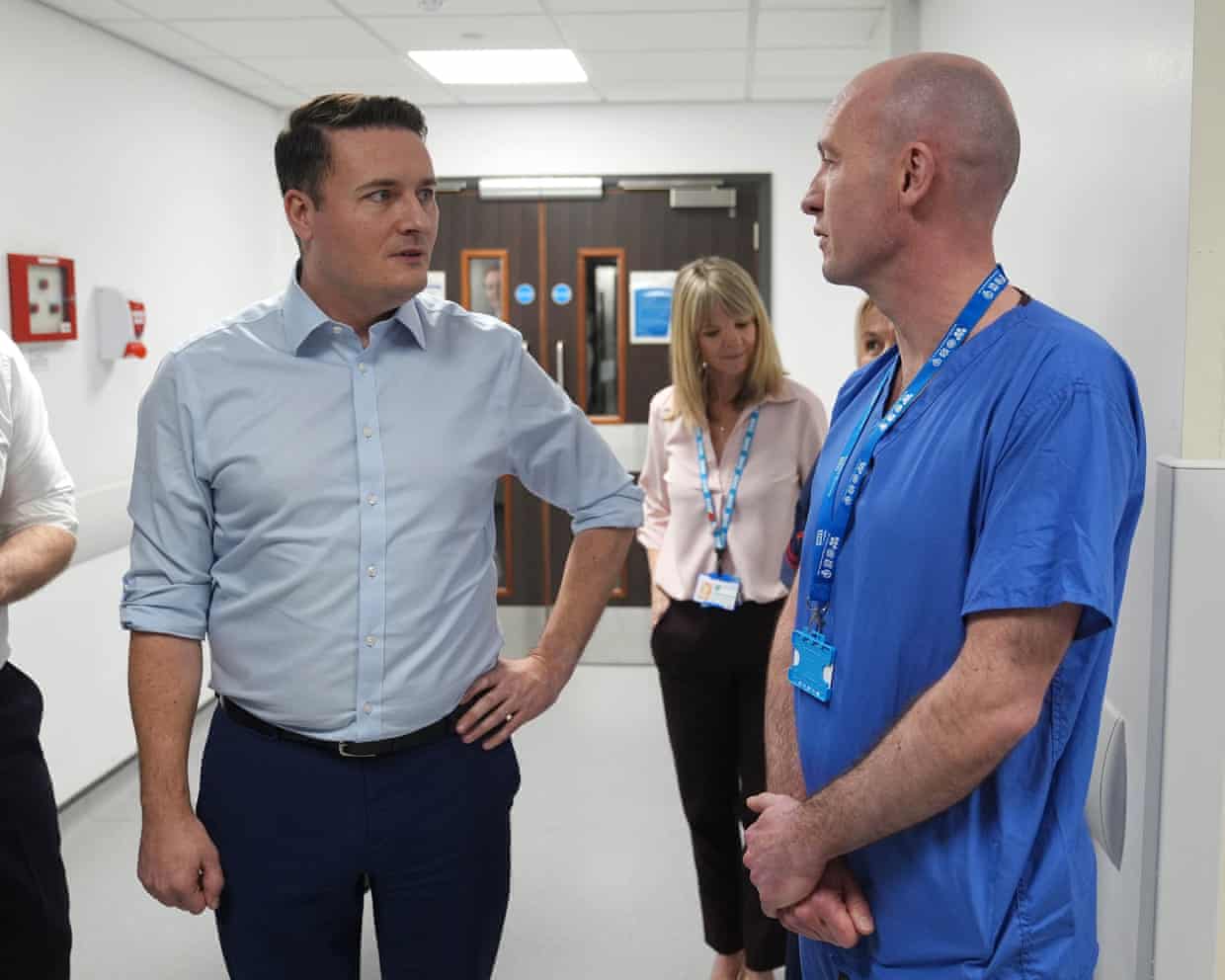
In the Great Hall at the University of East London last Wednesday, the perennially upbeat Wes Streeting was exuding even greater positivity than usual. After years of neglect under the Conservatives, he said, the NHS was starting to revive thanks to Labour’s medicine.In a bravura performance in front of an audience of health service bosses, policy experts and student nurses in their blue and green uniforms, Streeting reeled off a long list of improvements in his 20-month tenure as health secretary.The NHS backlog: down by 374,000 since Labour took over in July 2024. A&E waiting times: the best last winter for four years
NHS to miss targets for cutting A&E wait times and performance in England
The NHS is set to miss key targets to shorten waiting times for help at A&E, cancer care and planned hospital treatment, leaving millions of patients facing persistently long delays.The health service in England will not deliver a series of milestone improvements in its performance that ministers demanded it achieve by the time the fiscal year ends on Tuesday, a Guardian analysis of the NHS’s most recent data has found.The lack of progress raises questions about pledges made last week by Wes Streeting, the health secretary, to get key waiting times back on track by the end of the parliament in 2029.The findings will concern Keir Starmer, the prime minister, given Labour’s commitment to “get the NHS back on its feet” and the public’s strong desire to see an end to the routinely long waits for care that crept in from 2015.The gloomy picture on waiting times also comes despite the NHS handing hospitals an extra £120m in recent weeks to fund a pre-deadline “elective sprint” – of extra appointments and more operations – intended to bolster its chances of delivering the necessary improvements by 31 March

Table tennis can help manage Parkinson’s | Brief letters
Regarding your article (A moment that changed me: I thought my Parkinson’s was the end of my life, but dancing changed everything, 25 March), people with Parkinson’s might like to take up table tennis. I set up a Parkinson’s table tennis project in Newcastle in 2025 and we have evidence showing improvements in coordination, footwork, social skills and speech. One member who had to hold on to the table can now play freehand without falling.Philip CheungNewcastle upon Tyne How can you have a list of the best songs about the moon (You saw me standin’ alone: songs about the moon – ranked!, 26 March) without including The Waterboys’ great The Whole of the Moon? Chris EvansEarby, Lancashire Inconceivable that your best songs about our beloved lunar sphere failed to mention the B-52s’ seminal There’s a Moon in the Sky (Called the Moon). It couldn’t be much clearer guys – it is mentioned twice

‘Definitely dodgy’: how to spot a fake vape
You buy a vape from a shop on the high street. Nothing looks unusual but after charging the unit and using it for a few days, you notice it is getting hotter and hotter.The vape is a fake and one of the thousands on sale illegally in shops around the UK. By not installing a simple circuit to prevent overheating, the manufacturers have saved a couple of pence but risk it catching fire.About 5m illegal devices have been seized over the last three years by councils, according to figures collated by the legitimate vape industry

The great care home cash grab: how private equity turned vulnerable elderly people into human ATMs
When did care homes come to be seen as recession-proof investments? And who pays the price?On a spring morning in 1987, a 30-year-old man named Robert Kilgour pulled up beside a row of foamy cherry trees in the town of Kirkcaldy, on Scotland’s east coast, to visit an old hotel. The building was four storeys of blackened Victorian sandstone. Kilgour was a big man, a voluble Scot with a knack for storytelling. He already owned a hotel in Edinburgh but wanted to branch into property development and was planning to turn this old place, Station Court, into apartments. A few months after he completed the purchase, however, the Scottish government scrapped a grant for developers that he had been counting on

Conversations about infertility are hard, but essential | Letters
Perhaps one of the reasons that conversations about infertility are so difficult is that people are often encountering the experience for the first time without a shared language (Infertility: at a time when we need the right words, some are unable to find them, 21 March). In many ways, what people need is not just support, but a vocabulary for what they are going through. When someone loses a loved one, we have a go-to phrase: “I’m so sorry for your loss”. It’s not enough, but it’s something. With infertility, we don’t even have that

Labour has left its loyal supporters disillusioned | Letters

EU offers UK ‘emergency brake’ on youth mobility scheme numbers

‘A cruel penalty’: disabled people face lower benefit payments if conditions not deemed lifelong

Reform insiders fear links to extreme figures such as Andrew Tate will scare off voters

Badenoch criticised for ‘peddling dangerous fantasy’ about North Sea oil drilling
Reform UK’s ‘pro-family’ policies are an exclusionary sham, minister says