Gregor Townsend keeps his cool after Scotland topple France to stay in title hunt

Gregor Townsend remained ice cool after Scotland’s exhilarating seven-try victory against France, which keeps them in the hunt for the title with one round to play, a position Scotland have never known in the Six Nations.The win was no big deal, he seemed to be saying.“There have been other games where it’s probably meant a lot to the group,” he said, “whether it was a response or to break a record – away from home in Paris or Wales, or beating England for the first time in a number of years.So they maybe are the ones that have more significance.This [win] is very significant, but just now it’s round four.
And it gives us a chance to win in round five.”Cool though he may be, the result is vindication for Townsend and Scotland, who have persevered through hideous ups and downs throughout his long tenure as coach, never losing faith in their proactive, attacking game.“A team shouldn’t be judged on wins and losses.It should be judged on performance.Our forward pack stood up in Paris last year in much more difficult circumstances [and lost].
And they stood up today and got the rewards.”Kyle Steyn, the player of the match with two tries, expects to be fit for Scotland’s final match in Dublin, the winner of which will be clubhouse leader, with France playing England later that evening.But resources in the second row may be stretched, with Gregor Brown and Scott Cummings significant doubts, the former particularly.Sione Tuipulotu, who finished the match in the centre alongside Rory Darge, a flanker, following Steyn’s withdrawal, remains equally level-headed as he prepares to lead his team into one last challenge.Tuipulotu said: “It’s a proud day for us, but I think one we’ve been building towards and one that maybe, if you’d been on our training ground, it’s not that we expected it, but it’s one we felt we were capable of.
Today was more about us being us, and probably less about us winning or losing.It’s no different this week.We keep our feet on the ground.We know this is a good win for us, but we’ll take the confidence from it and that’s it.We just get back to the training field.
”Scotland will be aware of how they have struggled to back up great performances in the past,This is a rare run of wins for them,One more is now required,“We have momentum, definitely,” said Scotland’s captain,“The belief has been there since before the tournament.
Maybe that’s hard for you to see but I’ve been inside the training room.I’ve been in the meetings and listened to Gregor talk, listened to the other coaches.We have a very tight changing room that believes, not just after this game but before it too.We’ve got to take that into one final week.We’ve got one more job to do.
”
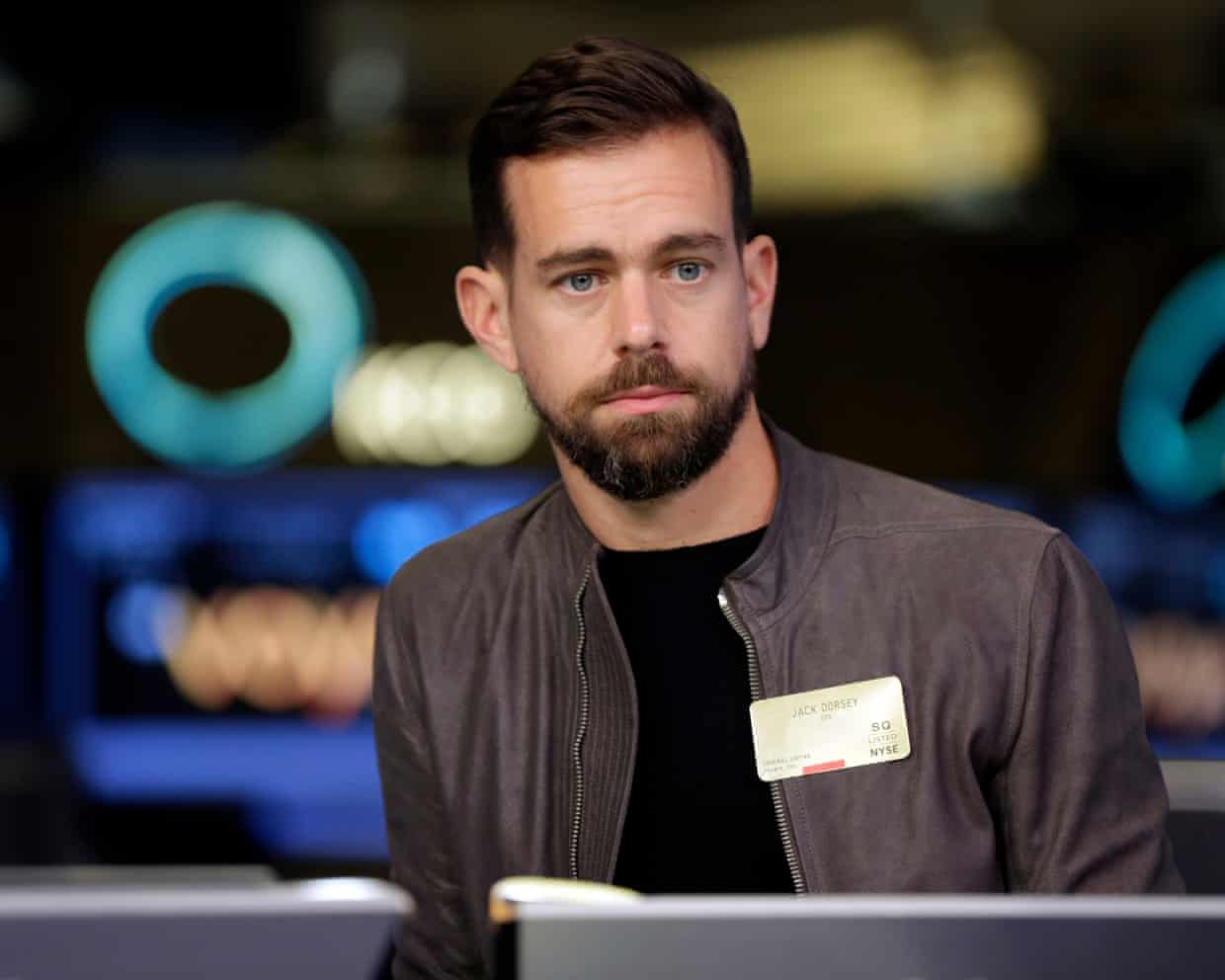
Current and former Block workers say AI can’t do their jobs after Jack Dorsey’s mass layoffs: ‘You can’t really AI that’
Mark remembers the first time he wondered whether he was teaching Block’s AI tools how to do his job – and maybe even replace him. He was at his fintech company’s extravagant anniversary party last September. As executives led a presentation on the productivity benefits of a new internal AI tool, Mark, who worked in the product department, discussed his worries with colleagues. While he wasn’t sure what would happen in a few years, he told a co-worker sitting next to him that for now, there was no way the technology was so advanced that it could move the business forward without employees like him to help drive vision and strategy.These AI tools were not proactive
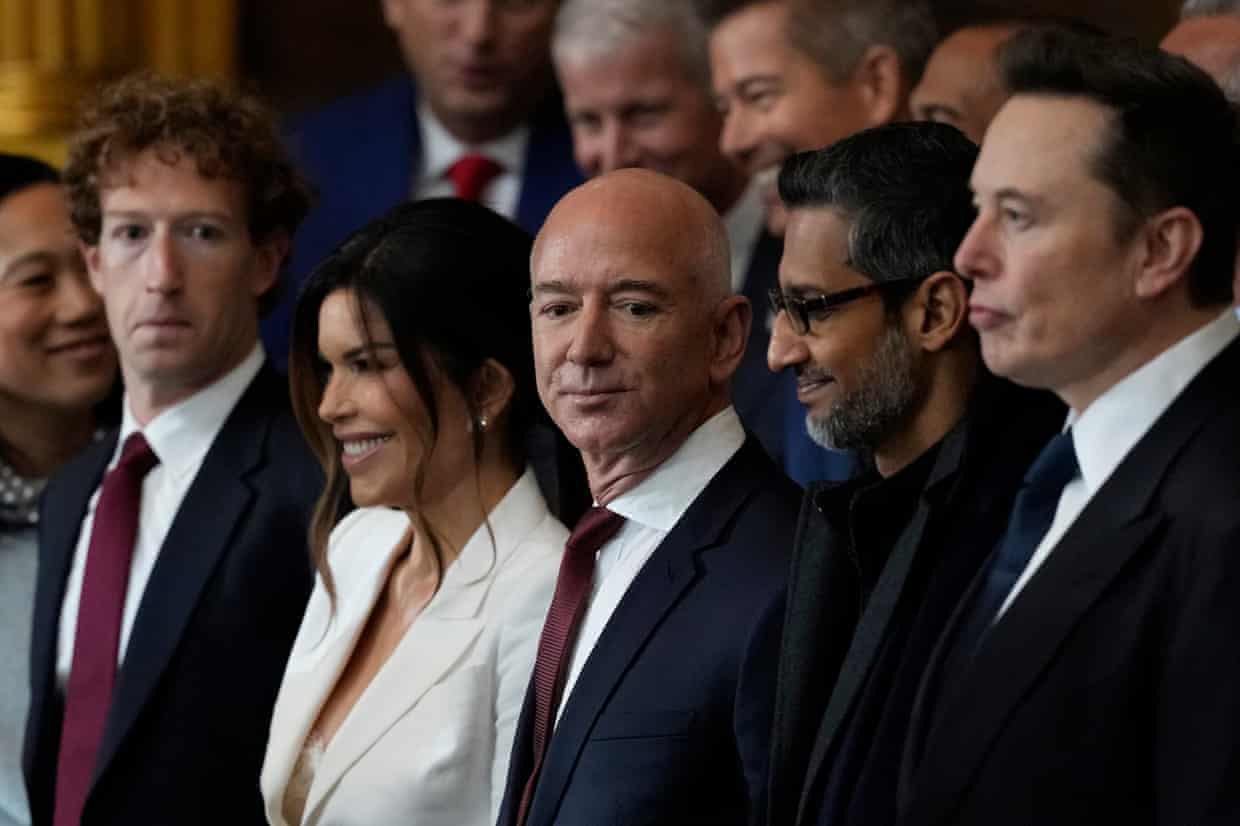
Tech oligarchs reshape humanity while billionaires of old seem quaint
When Bill Gates became the first modern IT mogul to reach the apex of wealth and power in 1992, the world was a very different place. Gates joined the top 10 on Forbes magazine’s billionaires list alongside Japanese, German, Canadian, South Korean and Swedish billionaires, including those with family fortunes from Britain and America. A broad mix of industries was on the list: Retail and media, property management and packaging, an investment firm and a couple of industrial conglomerates. Their fortunes almost added up to $100bn – equivalent to about 0.4% of the US’s GDP that year

AI chatbots point vulnerable social media users to illegal online casinos, analysis shows
AI chatbots are recommending illegal online casinos to vulnerable social media users, putting them at increased risk of fraud, addiction and even suicide.Analysis of five AI products, owned by some of the world’s largest tech companies, found that all could easily be prompted to list the “best” unlicensed casinos and offer tips on how to use them.These operators, operating typically under the fig leaf of a licence from tiny jurisdictions such as the Caribbean island of Curacao, have been linked to fraud, addiction and even suicide.But tech firms appear to have few controls in place to prevent AI chatbots recommending them, drawing condemnation from the government, the UK gambling regulator, campaigners and a leading addiction expert.Some of the bots offered advice on bypassing checks designed to protect vulnerable people, while Meta AI, part of the social media group behind Facebook, described legally required measures to prevent crime and addiction as a “buzzkill” and a “real pain”

What does the US military’s feud with Anthropic mean for AI used in war?
Anthropic’s ongoing fight with the Department of Defense over what safety restrictions it can put on its artificial intelligence models has captivated the tech industry, acting as a test of how AI may be used in war and the government’s power to coerce companies to meet its demands.The negotiations have revolved around Anthropic’s refusal to allow the federal government to use its Claude AI for domestic mass surveillance or autonomous weapons systems, but the dispute also reflects the messy nature of what happens when tech companies have their products integrated into conflict. The Pentagon this week declared Anthropic a supply chain risk for its refusal to agree to the government’s terms, while Anthropic has vowed to challenge the designation in court.The Guardian spoke with Sarah Kreps, a professor and director of the Tech Policy Institute at Cornell University who previously served in the United States air force, about how the feud has played out.You’ve worked for a while on problems around “dual use technology”

The Guardian view on AI in war: the Iran conflict shows that the paradigm shift has already begun
“Never in the future will we move as slow as we are moving now,” the UN secretary-general, António Guterres, warned this week, addressing the urgent need to shape the use of artificial intelligence. The speed of technological development – as well as geopolitical turbulence – is collapsing the distinction between theoretical arguments and real world events. A political row over the US military’s AI capabilities coincides with its unprecedented use in the Iran crisis.The AI company Anthropic insisted that it could not remove safeguards preventing the Department of Defense from using its technology for domestic mass surveillance or autonomous lethal weapons. The Pentagon said it had no interest in such uses – but that such decisions should not be made by companies
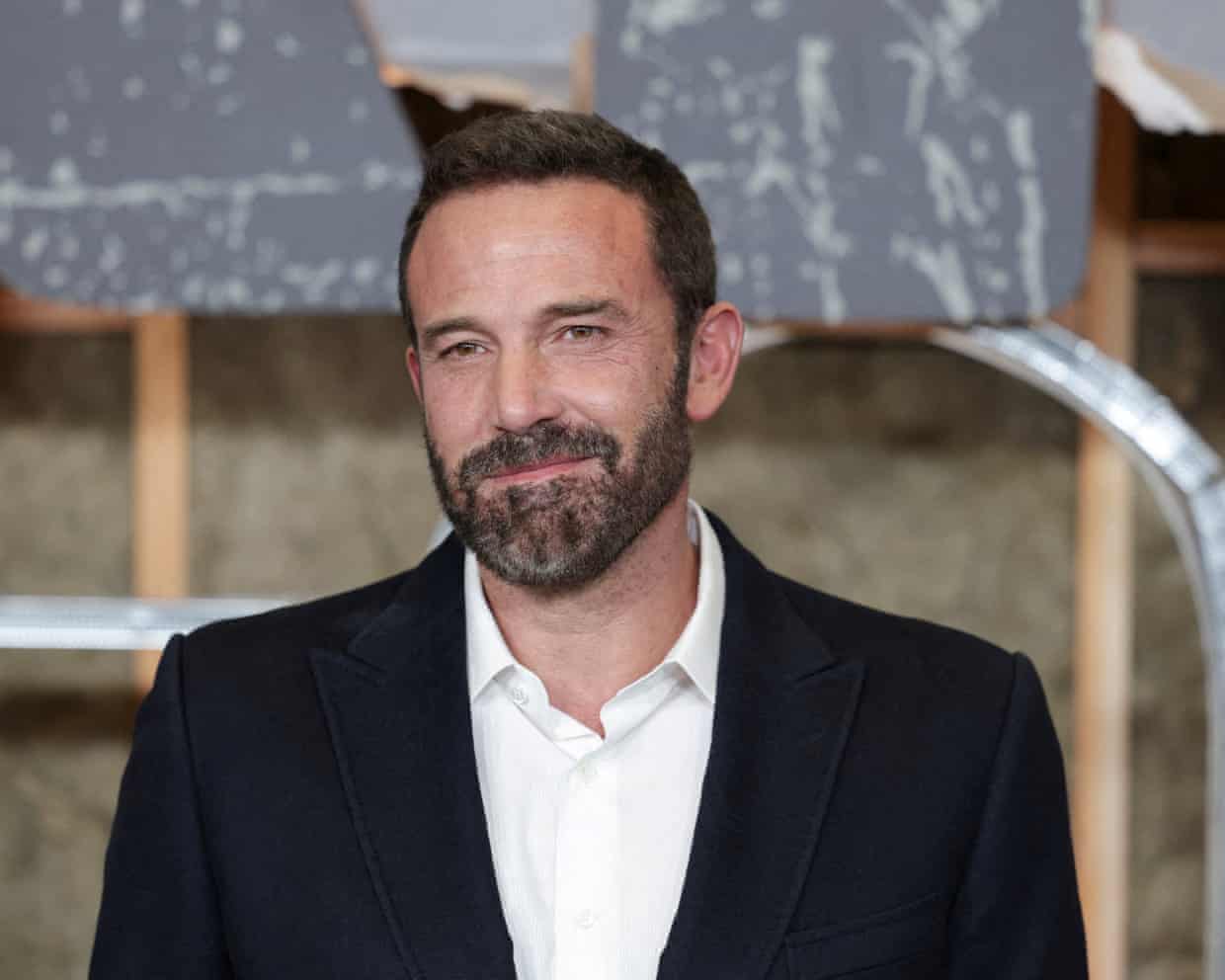
Ben Affleck sells his AI postproduction startup to Netflix
Ben Affleck has sold his artificial intelligence company to Netflix in a surprise deal, saying he had been driven to embrace a technology that had initially “really scared” him.Netflix has acquired the postproduction startup InterPositive from the Oscar-winning actor, director, producer and screenwriter for an undisclosed sum.Affleck had kept InterPositive below the radar and had previously played down AI’s creative abilities. This year, he told the podcaster Joe Rogan he did not think the technology would be able to “write anything meaningful” or make films “from whole cloth”.However, in a video announcing the transaction, the Good Will Hunting and Gone Girl actor said he had moved from being scared of AI’s potential impact when he first encountered the technology to viewing it as a “really meaningful innovation”

Stock markets plunge after oil surges over $100 a barrel, wiping out hopes of UK interest rate cut – business live

UK interest rate cuts unlikely this year amid Iran war – and a rise could be ahead
Liverpool and Manchester United complain to X over ‘sickening’ Grok AI posts
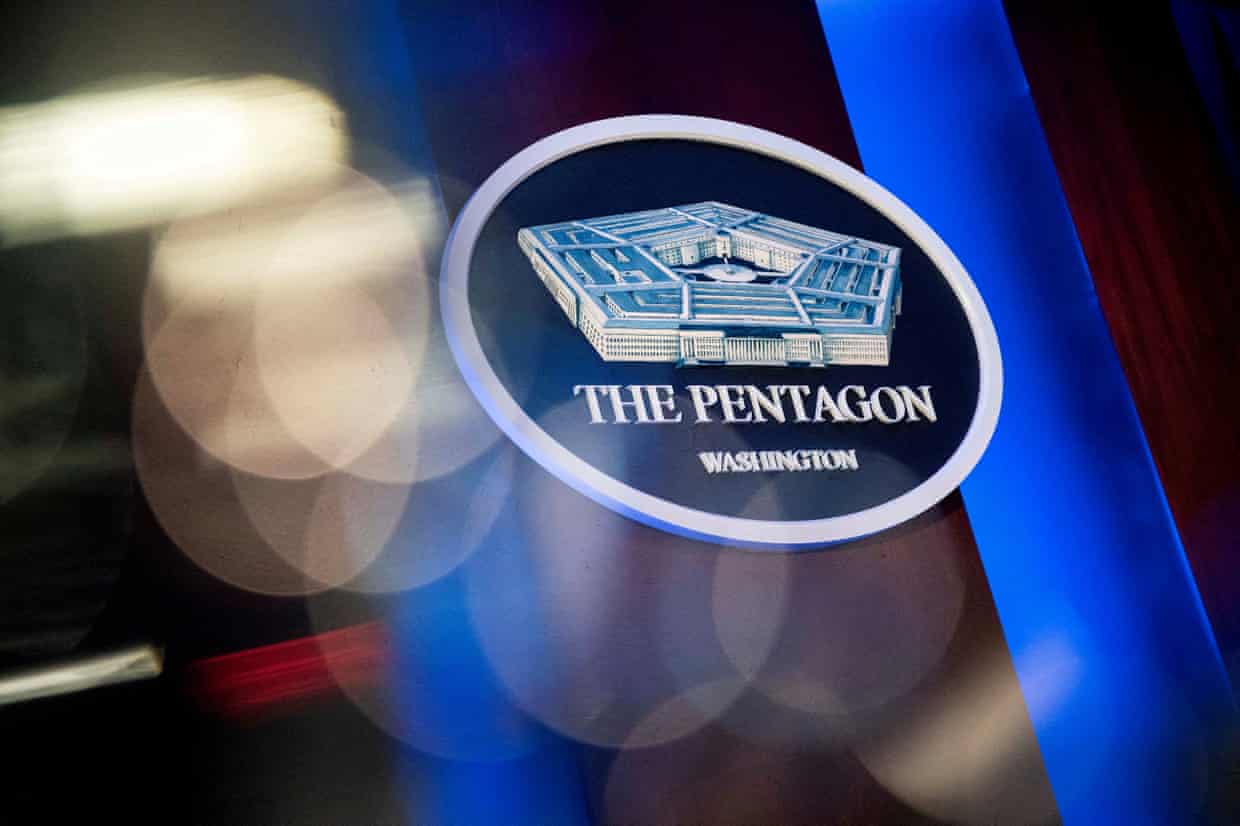
How AI firm Anthropic wound up in the Pentagon’s crosshairs

England handed tough Six Nations 2027 opener with Friday night trip to Dublin

‘He had to shoulder tragedy alone’: How Larry Bird’s rise almost ended before it began