The Guardian view on AI in war: the Iran conflict shows that the paradigm shift has already begun

“Never in the future will we move as slow as we are moving now,” the UN secretary-general, António Guterres, warned this week, addressing the urgent need to shape the use of artificial intelligence.The speed of technological development – as well as geopolitical turbulence – is collapsing the distinction between theoretical arguments and real world events.A political row over the US military’s AI capabilities coincides with its unprecedented use in the Iran crisis.The AI company Anthropic insisted that it could not remove safeguards preventing the Department of Defense from using its technology for domestic mass surveillance or autonomous lethal weapons.The Pentagon said it had no interest in such uses – but that such decisions should not be made by companies.
Outrageously, the administration has not just fired Anthropic but blacklisted it as a supply-chain risk.OpenAI stepped in, while insisting that it had maintained the red lines declared by Anthropic.Yet in an internal response to the user and employee backlash, its CEO Sam Altman acknowledged that it does not control the Pentagon’s use of its products and that the deal’s handling made OpenAI look “opportunistic and sloppy”.But as Nicole van Rooijen, the executive director of Stop Killer Robots – which campaigns for human control in the use of force – has warned: “The issue is not just whether these weapons will be used, but how their precursor systems are already transforming the way wars are fought … Human control risks becoming an afterthought or a mere formality.”The paradigm shift has already begun.
Despite the row, Anthropic’s Claude has reportedly facilitated the massive and intensifying offensive which has already killed an estimated thousand-plus civilians in Iran.This is an era of bombing “quicker than the speed of thought”, experts told the Guardian this week, with AI identifying and prioritising targets, recommending weaponry and evaluating legal grounds for a strike.AI is not a prerequisite for civilian deaths, military errors or unaccountability.The US defense secretary, Pete Hegseth, brags of loosening the rules of engagement.It is humans at the Pentagon who are dodging questions about the deaths of 165 schoolgirls in what appears to have been a US strike on a school in Iran on 28 February.
But – even without considering questions of AI inaccuracy and biases – the impacts are obvious to its users.One Israeli intelligence source observed of its use in the war on Gaza: “The targets never end.You have another 36,000 waiting.” Another said he spent 20 seconds assessing each target, stating: “I had zero added-value as a human, apart from being a stamp of approval.” Mass killing is eased in every sense, with further moral and emotional distancing, and reduced accountability.
Democratic oversight and multilateral constraints, instead of leaving decisions to entrepreneurs and defence departments, are essential.As the bombs rained on Iran, states met in Geneva to address lethal autonomous weapons systems; the draft text they considered would be a strong basis for a treaty that is sorely needed.Most governments want clear guidance on the military use of AI.It is the biggest players who resist – though they are at least in the room.The pace of AI-driven warfare means that caution can look like handing control to adversaries.
Yet as tech workers and military officials themselves are realising, the dangers of uncontrolled expansion are far greater.Do you have an opinion on the issues raised in this article? If you would like to submit a response of up to 300 words by email to be considered for publication in our letters section, please click here.
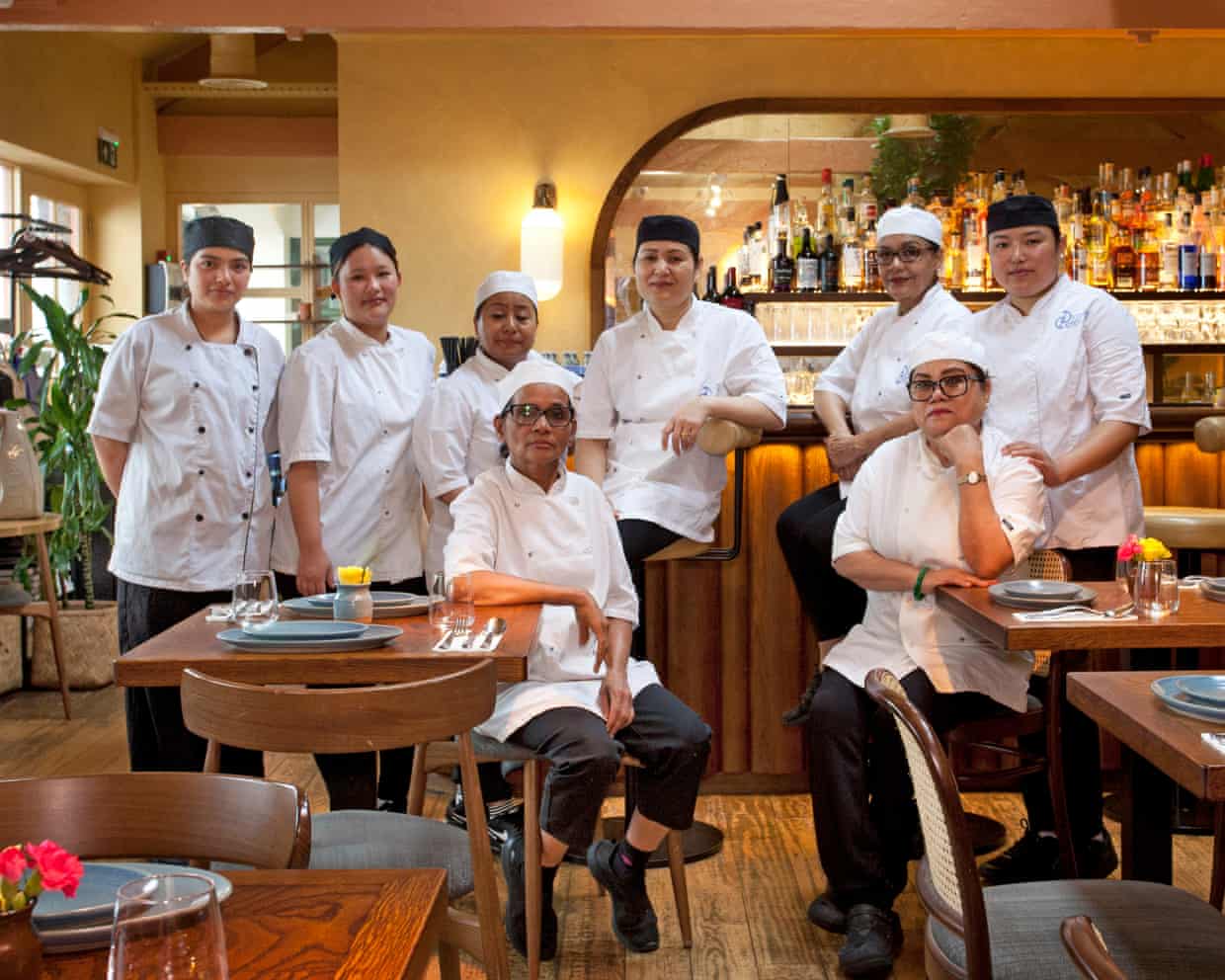
Women built, and still shape, our culinary culture every day
On 8 March each year, the calendar lights up: dinners celebrating women, panel talks, articles and online events amplifying female voices. The mood on International Women’s Day is joyful, the conversations energised and it feels as if the world is finally paying attention. But then 9 March arrives. Do the celebrations stop? Do we tuck away the banners with the last of the desserts? When the events conclude, are women no longer worth celebrating? The sad truth is that many International Women’s Day events can feel like lip service.Less so in the food world – or at least in our corner of it
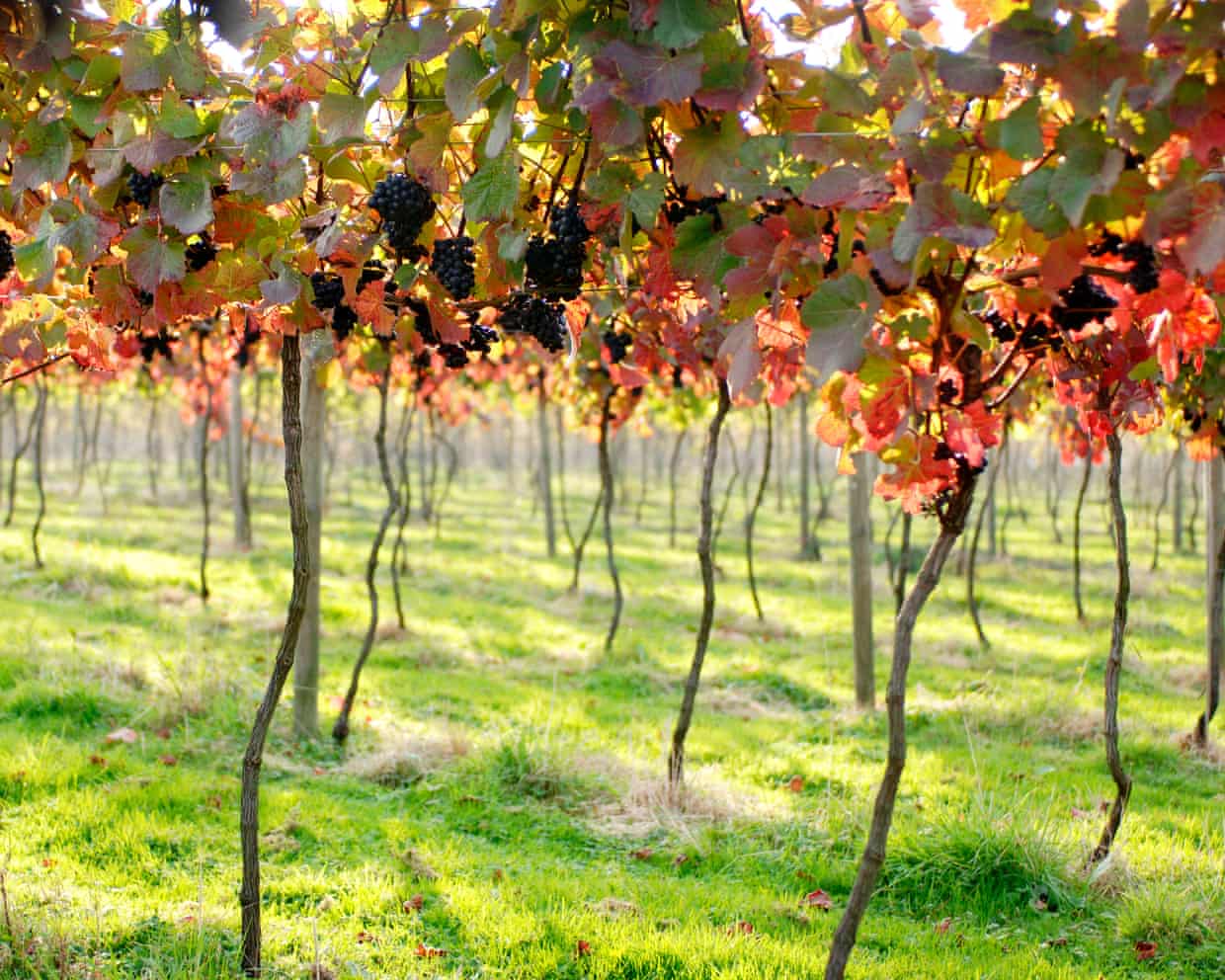
The future is rosy for English red wines
When did you last buy a bottle of English red wine? Chances are, you never have. Though increasingly available on the high street – Ocado and Waitrose Cellar both stock a couple – reds grown in Blighty have struggled to shift a reputation for being overpriced: the vast majority still cost £15-25 a bottle, which is well outside what most people might consider “everyday drinking”.The Guardian’s journalism is independent. We will earn a commission if you buy something through an affiliate link. Learn more
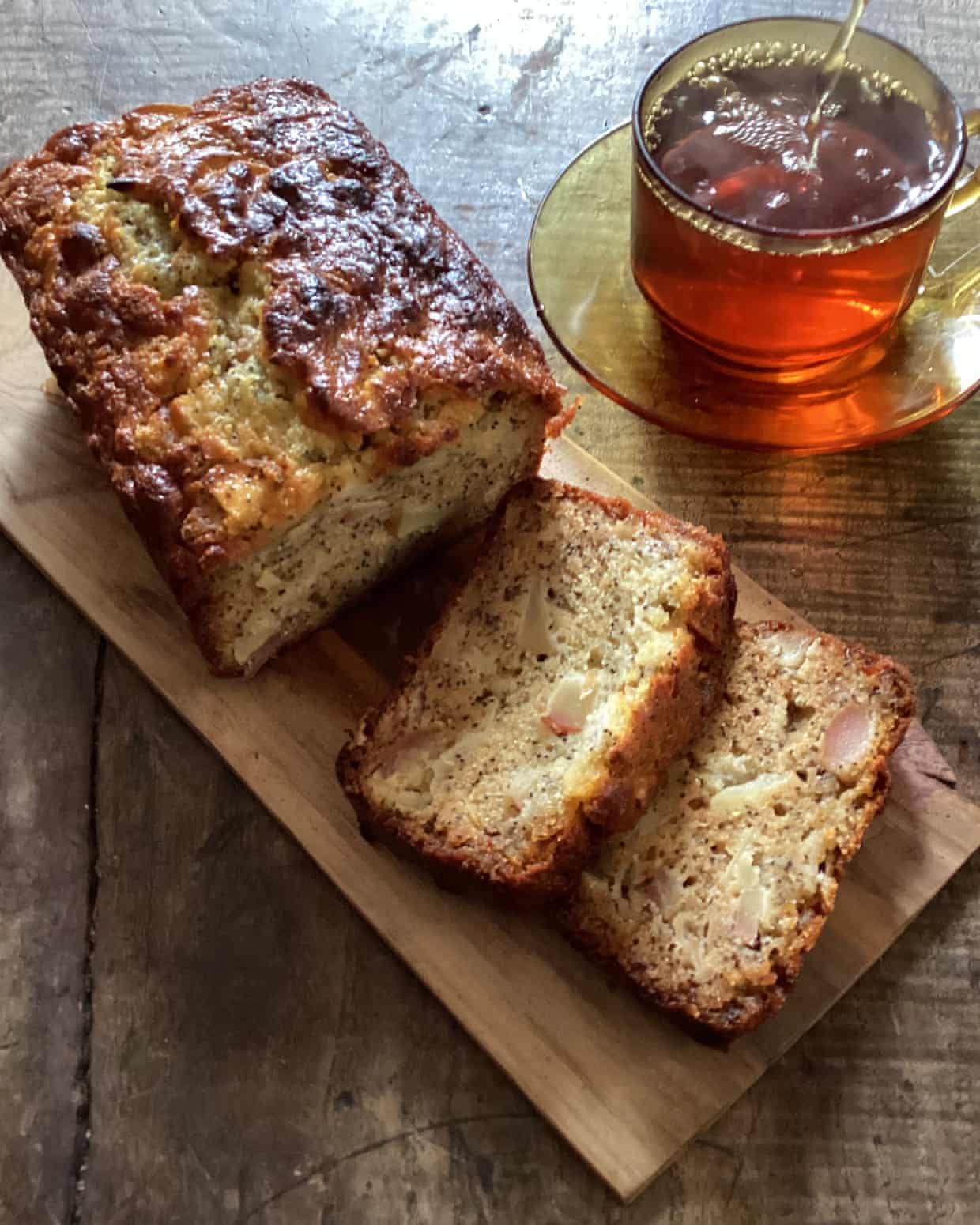
Rachel Roddy’s recipe for apple, honey and poppy seed cake | A kitchen in Rome
Honey is, among other things, a successful embalming agent. It is also a humectant, which isn’t an eager cyborg, but one of many short-chained organic compounds that are hygroscopic, meaning they attract and hold water, which in turn prevents hardening and encourages softness. Other hardworking humectants are glycerine, which is what keeps face creams creamy and hydrating, and sorbitol, which ensures toothpaste can be squeezed and smeared all over the sink and on the mirror. Honey, though, is the humectant that’s most suitable for this week’s recipe: a one-bowl, everyday cake inspired by my neighbour’s Polish honey cake, miodownik, combined with the tortino di mele e papavero (apple and poppy seed cake) enjoyed at a station bar in Bolzano.Not only does honey keep the cake moist, its sweetness comes largely from fructose, which is naturally sweeter than refined sugar, so the perception of sweetness is much greater even when less is added

My whey: dairy milk back on menu as protein boom cuts demand for plant-based alternatives
Gabriel Morrison hadn’t touched dairy milk for a decade until he read the ingredients label on his cheap carton of oat milk.“It’s [so much] canola oil and you imagine that in your glass, and imagine discovering that much olive oil, you’re like, that’s actually really gross,” he says.“I was just like, ‘ooft, I should stop this’.”The 28-year-old cinematographer had exclusively drunk soy, then almond, then oat milks since 2015 but had started worrying about processed foods – despite expert reassurance.In early 2025, with his housemate already buying cheaper dairy, he gave the old classic another look
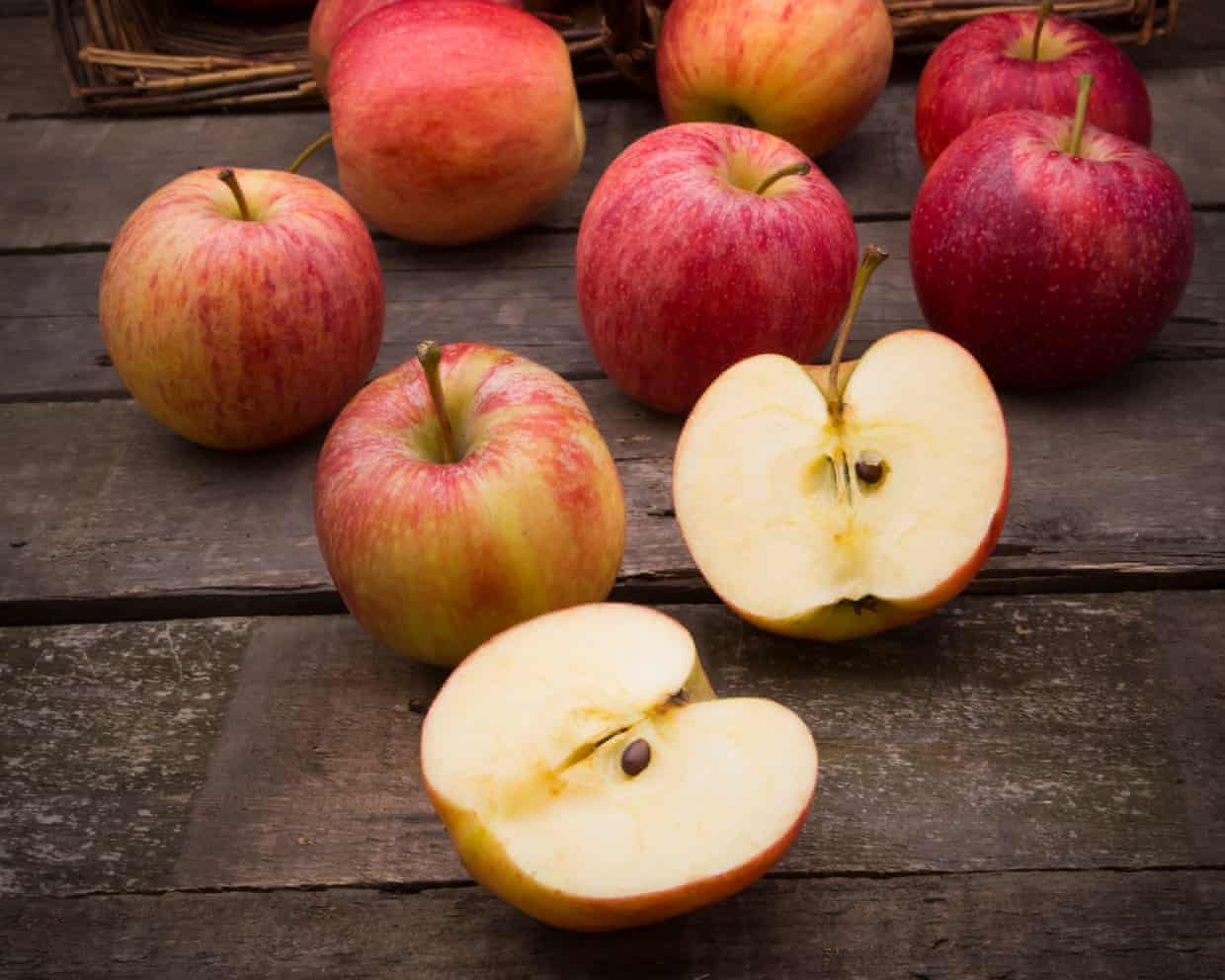
It’s crunch time! Gala apples and nashi pears among Australia’s best-value fruit and veg for March
It’s a core month for pome fruit, with apples, pears and quince all heralding the start of autumn. “The first cab off the rank is the gala – a big sweet and juicy apple,” says Graham Gee, senior buyer at the Happy Apple in Melbourne.Granny smith, jazz and kanzi apples will come in during March too, and “Australia’s most popular variety, the pink lady, generally starts in April,” he says.Royal gala apples are between $5 and $8 per kilo at supermarkets. They’re $7 to $9 per kilo at Sydney’s Galluzzo Fruiterers, and Gee is selling them for about $3 to $5 per kilo; Spudshed in Perth is selling bags of prepacked new season apples for $3
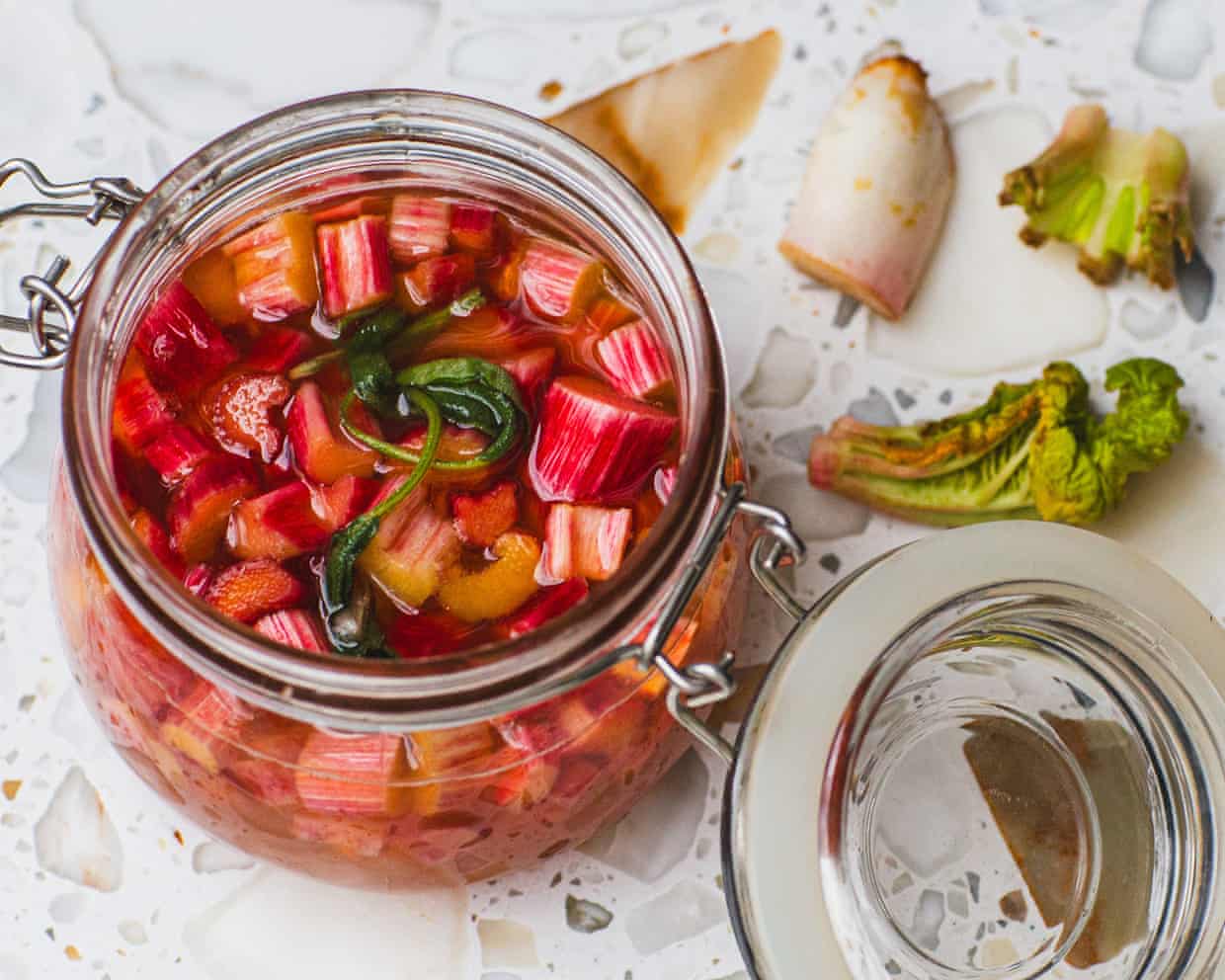
How to turn limp rhubarb into tasty jam – recipe
Rachel de Thample is one of my food heroines. She’s the author of six books, and has also been course director of the College of Naturopathic Medicine’s natural chef diploma, head of food for Abel & Cole and commissioning editor of Waitrose Food Illustrated, among so much else. She trained with the likes of Marco Pierre White, Heston Blumenthal and Peter Gordon, and now teaches fermentation and gut health at River Cottage HQ, where I cut my own teeth in teaching eco-gastronomy more than 20 years ago. While researching honey fermenting recently, I came across her recipe in River Cottage’s Bees & Honey Handbook, which I’ve adapted here so you can make as much as you like using a variety of aromatics.The Guardian’s journalism is independent

Iran war drives oil prices above $100 a barrel for first time since 2022

Britain’s job market ‘floundering’ as companies remain cautious about hiring

AI allows hackers to identify anonymous social media accounts, study finds

ChatGPT driving rise in reports of ‘satanic’ organised ritual abuse, UK experts say

Lewis Hamilton confident Ferrari ‘in the fight’ with Mercedes for 2026 F1 championship

Collingwood’s cool heads rise to big AFL occasion and make point to naysayers | Jonathan Horn