Borthwick’s task is to strike the right balance with thriving England ready for takeoff | Robert Kitson
Precise formations, instant decision-making, absolute synchronicity,It is not hard to grasp why Steve Borthwick and his assistants spent an instructive day with the Red Arrows last month in preparation for a Six Nations campaign in which they would love to soar even higher and leave their rivals gazing at their vapour trails,Squadron leader Borthwick was particularly struck by the clarity of the Red Arrows operation – “They were so clear and to the point about what they must do better” – and how the world-renowned air display team choose their elite personnel,“The lead pilot basically said: ‘Every one of these pilots is a great pilot,What we’re going to select on is the character of these people.
’ I thought how great that is and how consistent that is with what we do.”Of course there are one or two slight differences involved here.You wouldn’t want to be in charge of wedging some of England’s tight forwards into a tiny cockpit and taking your eye off the ball is not an option when you are flying a jet at 400mph.But if you are Borthwick, keen to expand your team’s horizons and sharpen their focus, it is the perfect reminder that even the very best are always pursuing improvement.In that respect the 36-man squad for the 2026 championship is most notable for the growing competition for starting XV places after 11 consecutive Test wins.
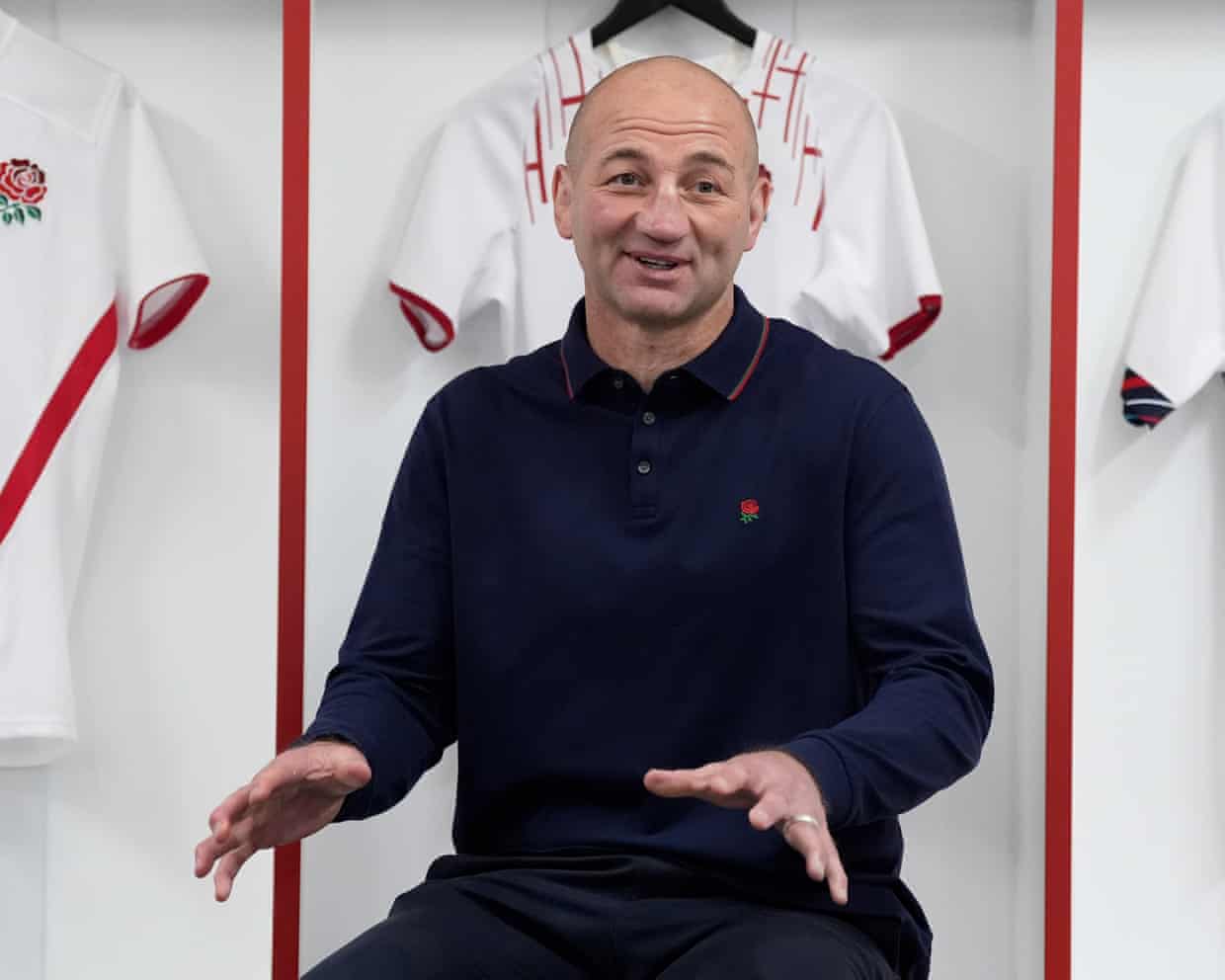
Notwithstanding some injury issues in the front row, where England are missing a few big beasts and have drafted in the 20-year-old Billy Sela from Bath plus the Northampton pair of Trevor Davison and Emmanuel Iyogun, training could be lively when the squad relocate next week to the slightly more temperate Costa Brava.Take the midfield and back three.With the exception of Fin Smith and Ollie Lawrence, both of whom will initially be rehabbing injuries in Girona, there are any number of fast-moving contenders looking to feature against Wales in a fortnight.Listening to Borthwick talking inside the England home dressing room – the nearest some of us hacks will ever come to winning a Test cap – it was hard to escape the conclusion he is genuinely excited by what his team could ultimately achieve.He even said it out loud, happy to speculate about hordes of England supporters descending en masse on Paris for the tournament’s final weekend in March.
“I think this team has the potential to be an outstanding team,” reiterated the head coach, happy to acknowledge England have not kicked off a Six Nations campaign with as much momentum for a while.The trick, as ever, is to strike the right balance.As things stand, with Lawrence, Fin Smith and Tom Roebuck all doubtful for the Wales game, there seems every chance of Tommy Freeman remaining at 13 – “He’s very much moving now into the centre,’ said Borthwick – with his clubmate Fraser Dingwall on his inside unless Max Ojomoh or Seb Atkinson absolutely rip it up next week.That would leave Manny Feyi‑Waboso on one wing, either Cadan Murley or Henry Arundell on the other and probably Freddie Steward at full-back unless the fit-again George Furbank looks instantly back to his best after an injury-ravaged year.Borthwick talked up Furbank’s decision‑making and ability to slide in at 10 if required – he left out his appropriately RAF-style moustache – but for the first couple of rounds it could be that Marcus Smith, Elliot Daly or Henry Slade are invited to offer bench versatility instead.
Back in the front row, however, Borthwick freely admits he needs experienced old soldiers like Jamie George, Luke Cowan-Dickie and Ellis Genge to step up in the absence of the injured Will Stuart and Asher Opoku-Fordjour and the currently unavailable Fin Baxter.With Maro Itoje unable to attend the Six Nations launch in Edinburgh on Monday because of family commitments following the death of his mother last month, the 35-year-old George will deputise for him and is still seen as an essential cog despite his decision to retire at the end of next year.At the opposite end of the experience scale is Sela but the age-grade international has long been earmarked for the top level.Borthwick has tracked his progress for three years and, in a happy coincidence, England’s scrum coach Tom Harrison – “Tom knows about every prop playing rugby in England down to about level seven,” said Borthwick – attended the same school, Beechen Cliff, as his protege.The former Wales and British and Ireland Lions wing Liam Williams announced on Friday that he has retired from international rugby.
"I have decided that the time has come to say goodbye," he posted on Instagram.The 34-year-old won 93 caps and scored 21 tries for Wales since making his debut in 2012.He went on to win two Six Nations titles, including the 2019 Grand Slam, and reached the semi-finals of that year’s World Cup – although injury ruled him out of the match.Williams also won five caps for the Lions across two tours, first to New Zealand in 2017 when he was the starting full-back in all three Tests and then in the Covid-affected 2021 tour to South Africa."From working as a scaffolder in Port Talbot steelworks, to pulling on that famous red jersey," he said in his post.
"It’s been a journey built on hard work, sacrifice and the support of so many people along the way.The dedicated and loyal Welsh fans.Amazing teammates, great coaches, the backroom staff and friends."For now, though, there is still one more weekend of Prem games to get through unscathed.Exeter’s Greg Fisilau, even so, will be walking on air having edged ahead of other possible No 8 contenders such as Emeka Ilione, Alex Dombrandt and Alfie Barbeary.
Iyogun, preferred to Bath’s Beno Obano, will be similarly thrilled.It just leaves England’s management to finalise the right mix against Wales and to maximise the opportunity ahead of them.Borthwick was as taken aback as anyone by Scott Robertson’s recent departure as All Blacks coach – “I was really surprised and very disappointed for Scott because I think he’s a great coach” – but the time for contemplative chin stroking is over.As the Red Arrows have reminded him, you don’t get ahead by resting on your laurels.

‘Manosphere’ influencers pushing testosterone tests are convincing healthy young men there is something wrong with them, study finds
“If you’re not waking up in the morning with a boner, there’s a large possibility that you have low testosterone levels,” an influencer on TikTok with more than 100,000 followers warns his viewers.Despite screening for low testosterone being medically unwarranted in most young men, this group is being aggressively targeted online by influencers and wellness companies promoting hormone tests and treatments as essential to being a “real man”, a study published in the journal Social Science and Medicine has found.Researchers analysed 46 high-impact posts about low testosterone and testing made by TikTok and Instagram accounts with a combined following of more than 6.8 million, to examine how masculinity and men’s health are being depicted and monetised online.The lead author of the study, Emma Grundtvig Gram, a public health researcher at the University of Copenhagen, said influencers promoting routine testosterone screening often framed normal variations in energy, mood, libido or ageing “as signs of pathology”
John Knight obituary
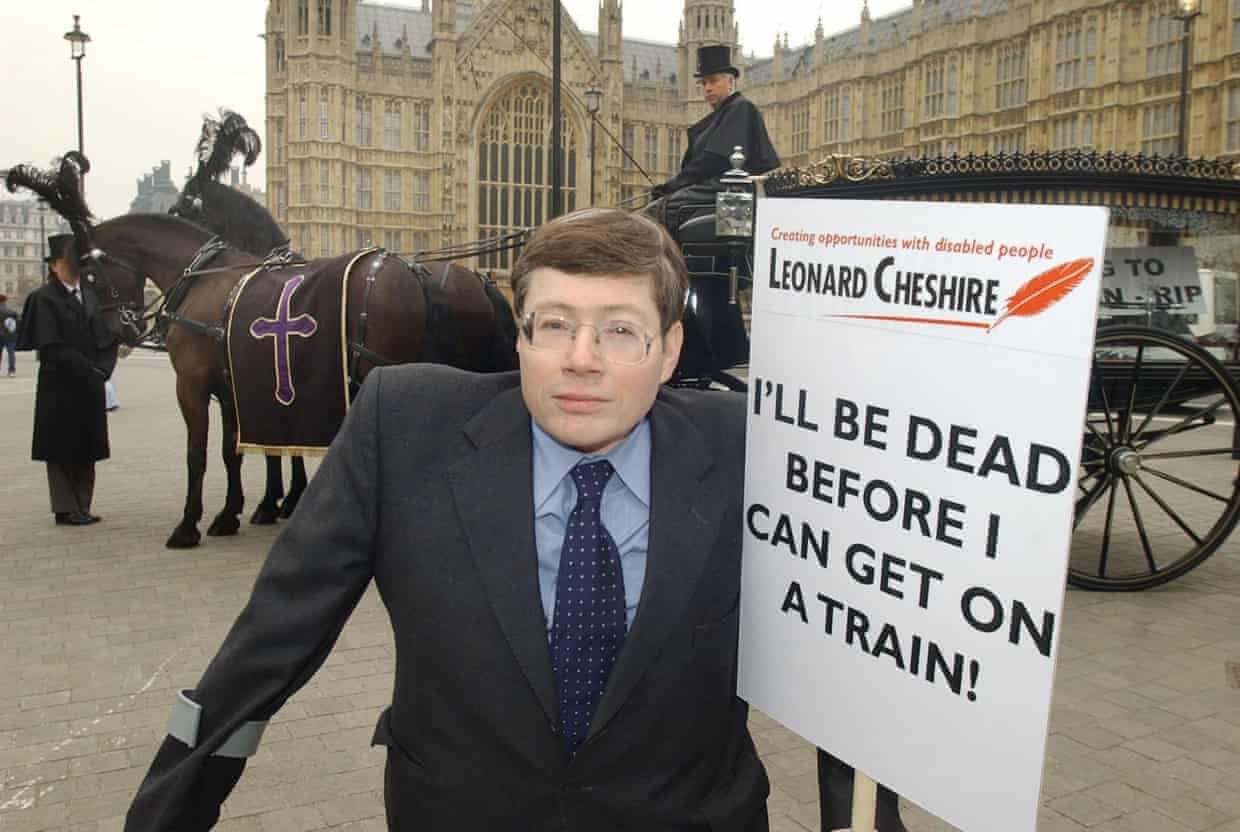
Disabled people might still be waiting for all UK trains to be accessible were it not for the success of a high-profile campaign led by John Knight, who has died of sepsis aged 67, after himself overcoming profound disabilities from birth and becoming a leading figure in the charity and public sectors.Knight was responsible for policy and campaigns at the disability charity Leonard Cheshire during passage of the Disability Discrimination Act 2005, which was to set a deadline for railway carriages to be accessible. Train companies were pressing for a date of 2035, to maximise the life of inaccessible rolling stock, but the campaign persuaded the House of Lords to back an amendment to the legislation with a time limit of 2020. The change was then accepted by the Labour government.At the climax of the All Aboard campaign, Knight arranged for a horse-drawn hearse to deliver to MPs and peers thousands of postcards on which disabled people had written what age they would need to live to in order to benefit from a 2035 deadline
Assisted dying bill backers say it is ‘near impossible’ it will pass House of Lords
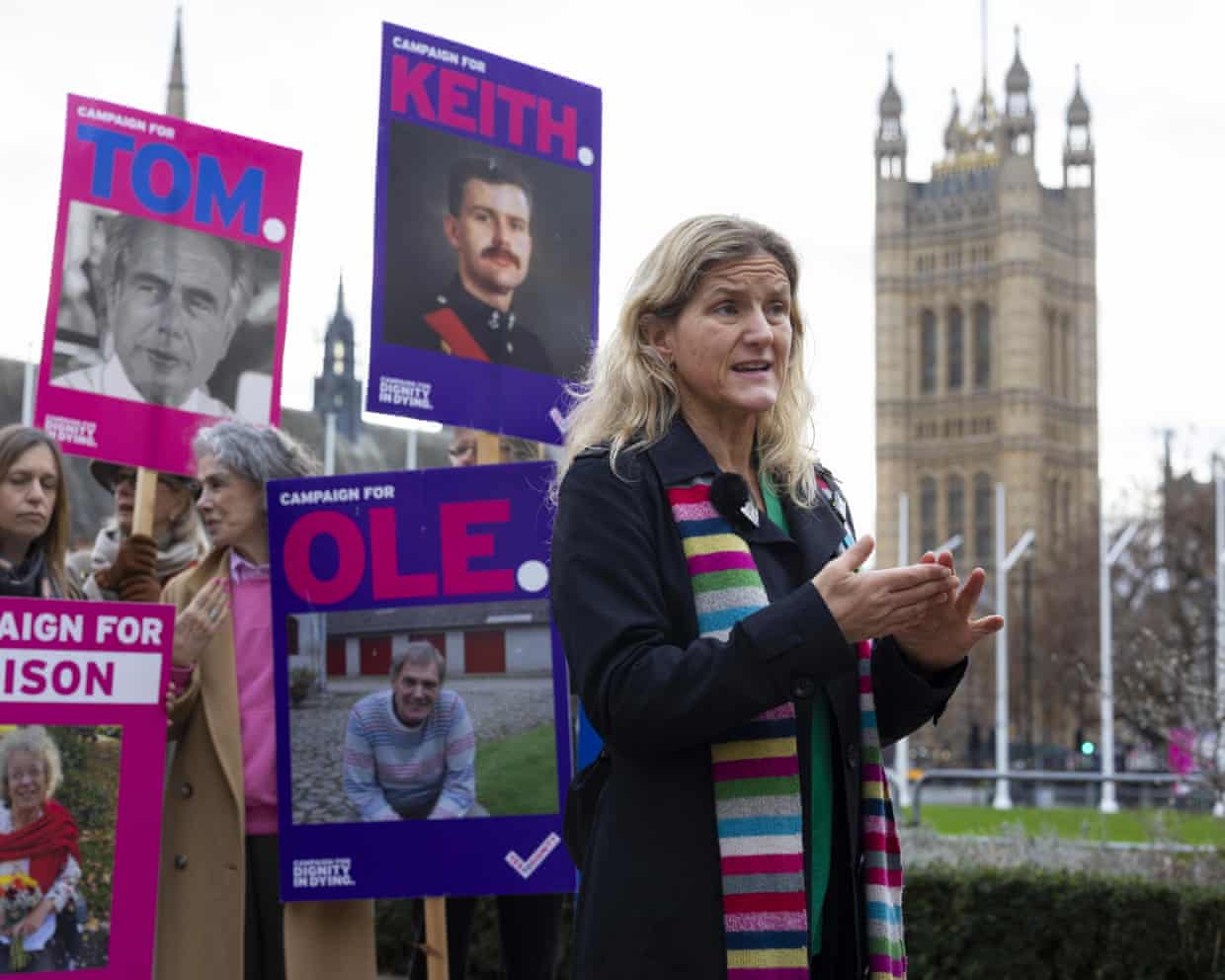
MPs and peers who backed the assisted dying bill now believe it is “near impossible” for it to pass the House of Lords in time because of procedural obstacles used by opponents.Supporters of the bill, including its sponsor, Kim Leadbeater, have been in intense discussions with the government to find ways to move it to a vote in the Lords. With progress so slow, experts and MPs believe it is unlikely the legislation will even be put to a vote before the end of the session in May, after which it will automatically fall.MPs told the Guardian they were in “blind fury” about the apparent inevitability of the billing falling in the Lords despite passing the Commons. “It is our system at its absolute most dysfunctional,” one MP said

Residents in legal fight to halt demolition of Clockwork Orange estate
A legal challenge has been launched in an effort to halt the demolition of a 1960s Brutalist estate in south-east London that featured in Stanley Kubrick’s dystopian film A Clockwork Orange.The challenge against Bexley council and Peabody housing association, which will be carrying out the redevelopment, has been launched by the Lesnes estate resident Adam Turk.He and others living there believe the estate could be refurbished rather than demolished and rebuilt under plans for the construction of up to 1,950 homes, which the council approved on 23 December.Residents fear the redevelopment would cause environmental damage and undermine the UK’s legal obligation to reach net zero by 2050.The dispute highlights a wider tension between environmental protection and initiatives to demolish and rebuild estates

How screen time affects toddlers: ‘We’re losing a big part of being human’
In the UK, 98% of two-year-olds watch screens on a typical day, on average for more than two hours – and almost 40% of three- to five-year-olds use social media. Could this lead to alarming outcomes?At Stoke primary school in Coventry, there are many four-year-olds among those starting in reception class who can’t sit still, hold a pencil or speak more than a four-word sentence. Lucy Fox, the assistant headteacher and head of foundations, is in no doubt what is causing this: their early exposure to screens, and a lot of it. When the children experiment with materials and creativity, and make things in the classroom, she says, “We notice a lot of children will cut pieces of cardboard out and make a mobile phone or tablet, or an Xbox controller. That’s what they know

Four in five blind people struggle with gap at UK train stations, survey finds
Four in five blind and partially sighted people in the UK have struggled to cross the gap between trains and station platforms, according to a survey, with some falling and injuring themselves.Many blind and partially sighted people avoid taking train journeys owing to anxieties around whether they will be properly supported after having had inconsistent experiences, according to research from the Royal National Institute of Blind People (RNIB).It found that more than one-third (37%) of blind and partially sighted people felt unable to take all the train journeys they wanted and needed. The gap between the platform and trains was a “significant source of fear”, with some people being struck by a train or coming into contact with an electric rail, or trapped in train doors and dragged as the train departed, the RNIB found.This is partly because tactile wayfinding, which uses raised bumps and colours to help blind and visually impaired people navigate, is less common in British train stations than in many comparable countries such as European nations and Japan, with just one-fifth of blind and visually impaired people surveyed by the RNIB saying they had encountered it at a station
At home with Jakob Ingebrigtsen: ‘I’ve fed my obsession my whole life’
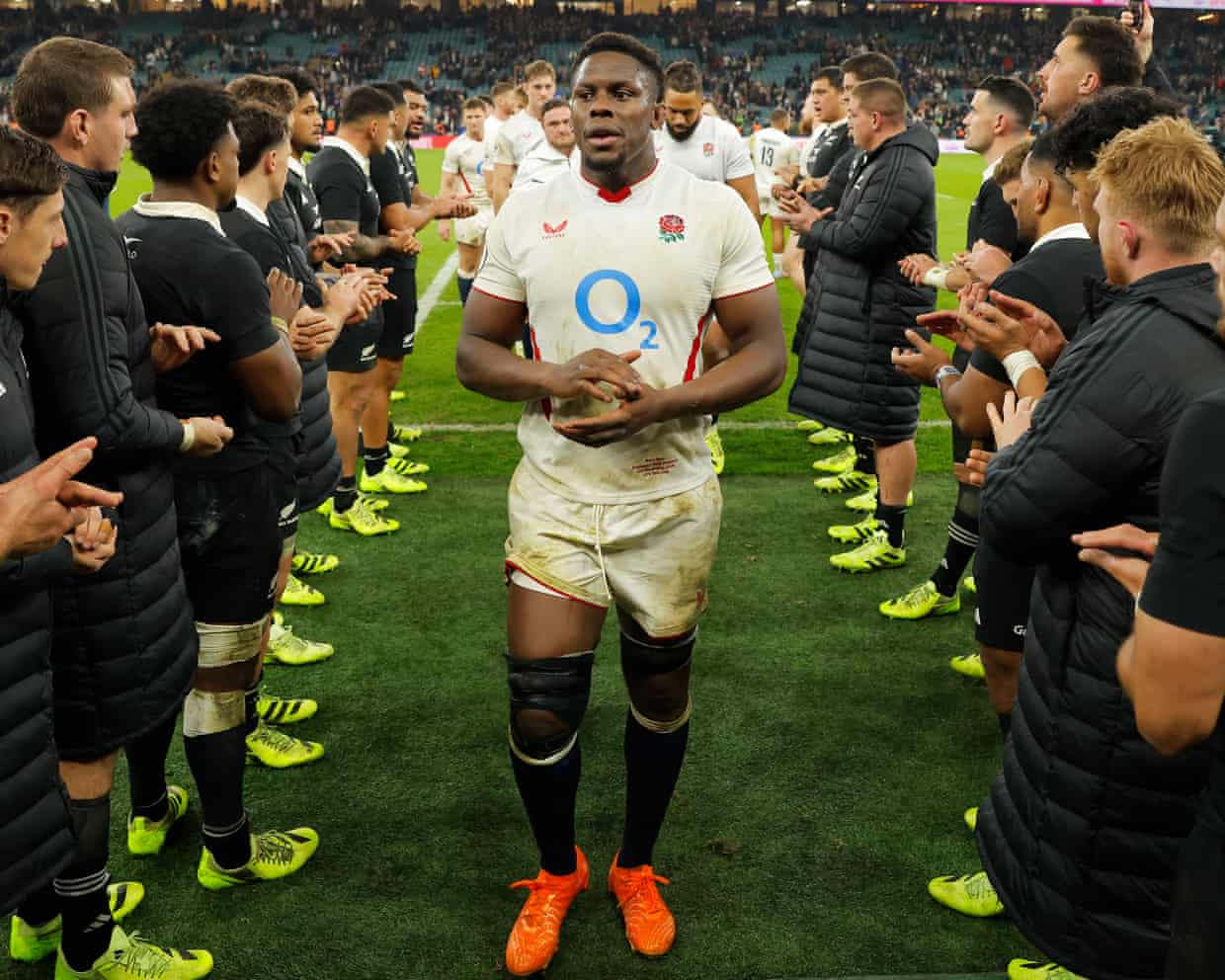
Bullish Borthwick tells England to target Six Nations triumph in Paris
Borthwick’s task is to strike the right balance with thriving England ready for takeoff | Robert Kitson
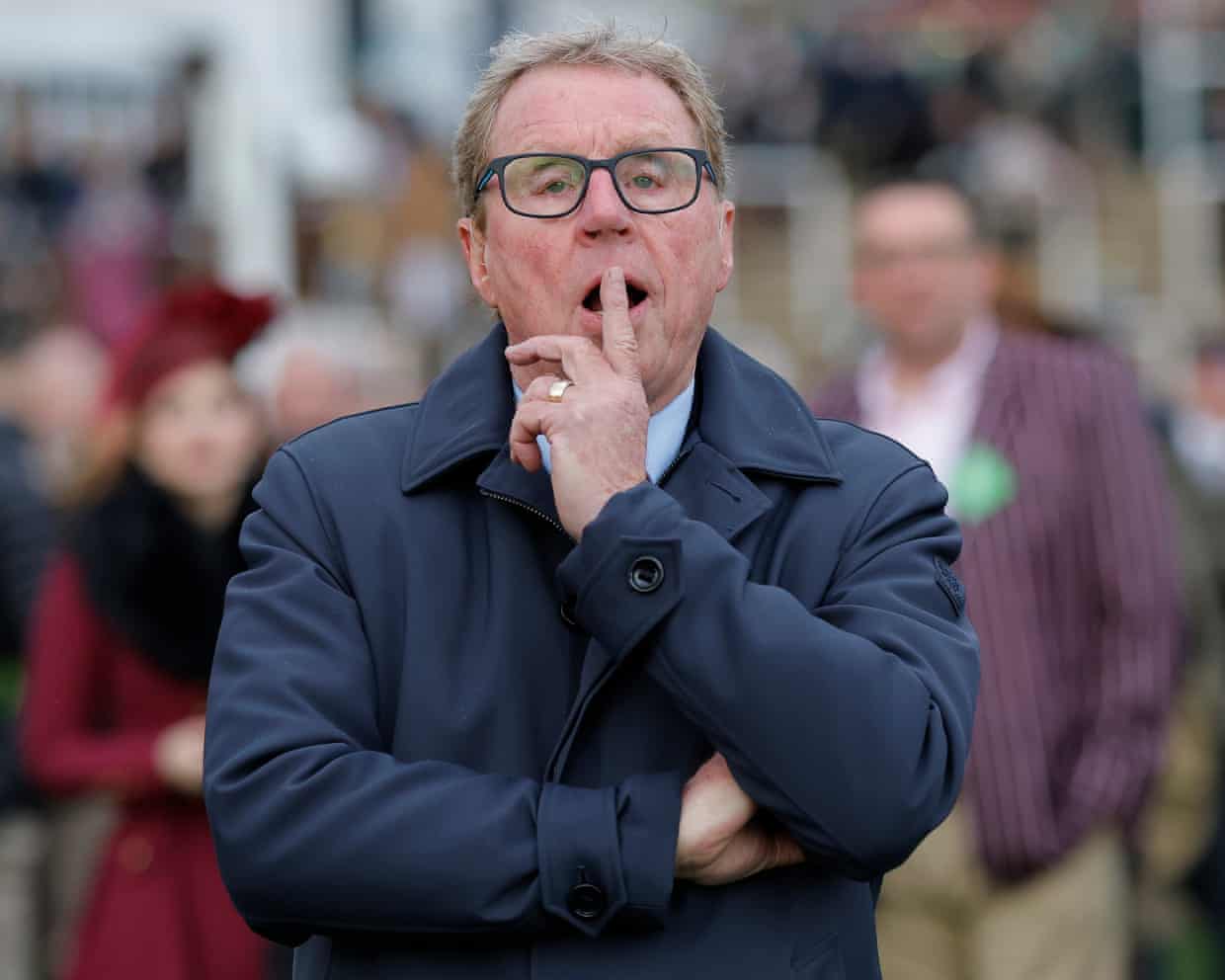
Harry Redknapp targets second tilt at Cheltenham glory with Taurus Bay

Lewis Hamilton warns new F1 season will present biggest challenge of his career

Your Guardian sport weekend: Premier League, Australian Open and NFL title games