How did Australia – better known for its beaches than snow – become a consistent Winter Olympics performer? | Kieran Pender
In 1936, Kenneth Kennedy made history as Australia’s first Winter Olympian.It was a lonely enterprise; not only was Kennedy the nation’s sole representative at the Games in Germany, but the speed skater was entirely unsupported, with no staff or Australian Olympic officials in attendance.From those inauspicious beginnings, almost six decades would pass before Australia won its first Winter Olympic medal; bronze in the men’s 5000m speed skating relay (Steven Bradbury – later to become Australia’s most famous Winter Olympian – was a member of the team).But from famine, now a hearty Winter Olympics meal awaits Australians every four years – if perhaps not yet a medal feast.Australia has won medals at every Winter Games since that bronze in 1994.
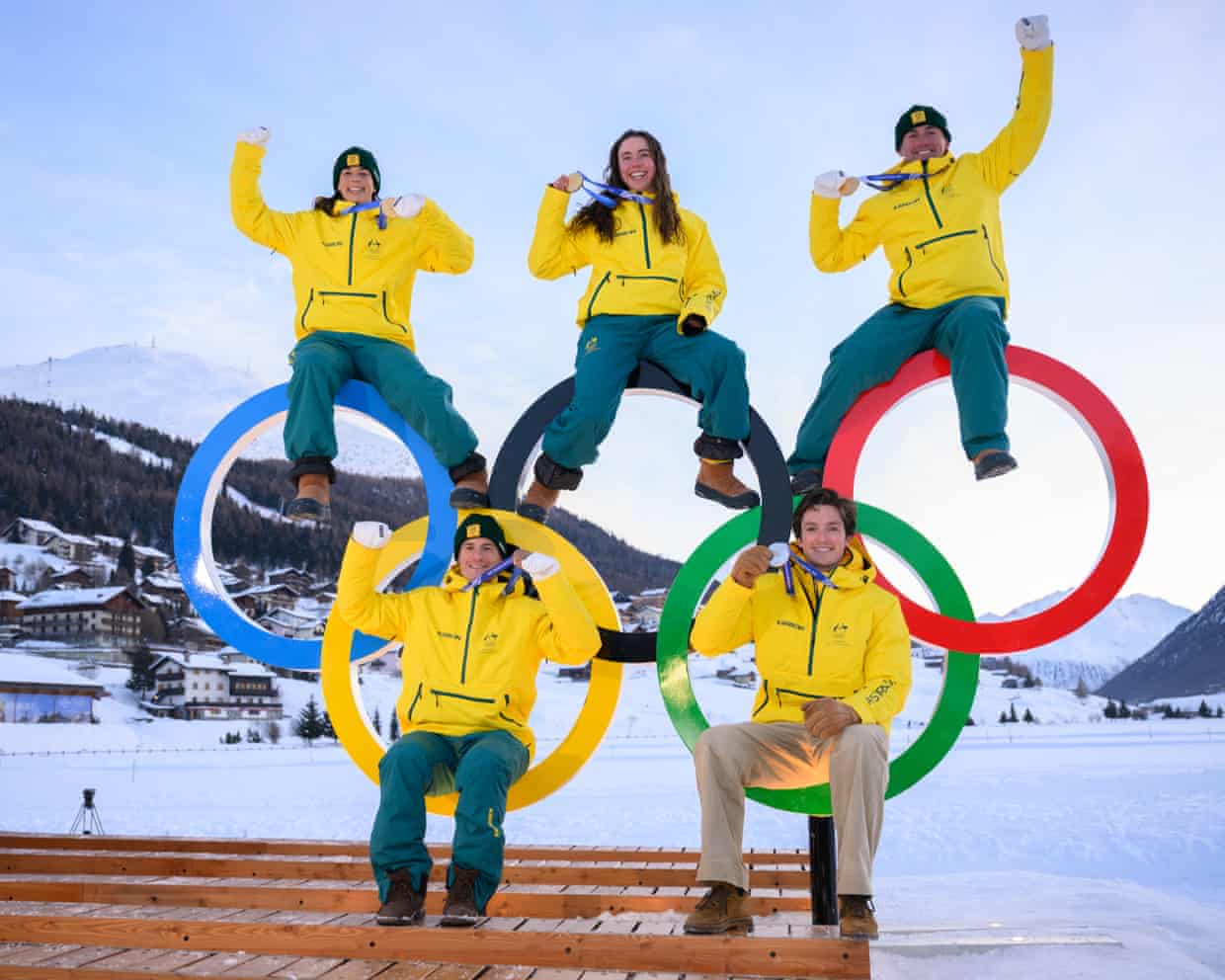
Following record gold medal success in 2002 and 2010 (two gold medals apiece), and a historic overall haul in 2022 (four medals in total), Milano Cortina 2026 is already Australia’s best ever Winter Olympics.Once a summer Games heavyweight and a winter Games minnow, the nation is now punching well above its weight on the medal table; the Australians are currently ranked 11th, with the Games running until Sunday.The first week of action in Italy came with condensed and unprecedented medal success.Cooper Woods began the medal flurry with gold in the men’s moguls on Thursday, before Josie Baff added another gold in the snowboard cross a day later, while Scotty James became Australia’s most decorated Winter Olympian with silver in the snowboard halfpipe.On Saturday, Jakara Anthony made it three golds in three consecutive days for team Australia – overcoming disappointment in the moguls to conquer the dual moguls in emphatic style.
On Sunday, Matt Graham rounded out the medal haul with bronze in the men’s dual moguls.Four days, five medals, three gold – an extraordinary Winter Olympics performance for Australia.How did a nation better known for its beaches than its snow-covered mountains become a consistent Winter Olympics performer? In part, this success has come through clever strategy and targeted resource allocation.It is notable that across the 16 disciplines contested at these Games, all of Australia’s medals have come in two: freestyle skiing (moguls) and snowboarding.Since Australia’s moguls program was conceived in 1998, it has yielded 12 world championship medals and now four gold Olympic medals.
Investment in facilities has also been critical,A world class moguls course has been established by Perisher Ski Resort and the Olympic Winter Institute of Australia (OWIA), named “Toppa’s Dream”, after veteran Winter Olympics coach Peter Topalovic,Last year the OWIA invested in more snow guns for the course to ensure optimal training conditions,Winter sporting bodies together with the federal and Queensland governments have also invested in a water ramp facility in Brisbane, to enable aerial and mogul skiers to practice their aerial skills over water,The facility, and a tradition of transforming gymnasts into skiers, explains how Australia has been able to reliably perform in the discipline despite not having a single snow-based aerial ski jump facility in the country.
But despite the past week’s success, there are fears of tougher times ahead.The increase in federal government funding for summer sports ahead of the home Brisbane 2032 Games has prompted concerns that winter sports might face cuts.“I really hope that winter won’t be forgotten,” chef de mission Alisa Camplin said recently.Indeed it was noteworthy that moments after becoming the first Australian Winter Olympian to win two gold medals, mogul skier Jakara Anthony explicitly acknowledged federal sports minister Anika Wells.“I think we’ve already shown that we are so successful and that we’ve had our best Games ever,” Anthony said.
“A lot of that’s due to the continuous support we’ve had from Anika Wells back in Australia.” It was a highly-unusual comment from an athlete, as long-time Australian sports policy observer Greg Blood pointed out.With winter sports lacking the depth of commercial or public support of their summer counterparts, government funding is all the more critical.And while that funding has been forthcoming in recent years, it remains a fraction of the support for other sports.In the latest financial year, Snow Australia, the recognised peak body for skiing and snowboarding, received just $1.
7m in high performance funding for able-athletes, on par with softball and bowls and less than lacrosse and boxing (the OWIA received substantial additional funding),Efforts to resolve those anxieties, and planning for another four-year cycle, will begin in earnest in the weeks ahead,But first, more glory might await in Italy,Bree Walker and her bobsleigh pair partner Kiara Reddingius are an outside medal chance, while Australia’s youngest team member – 16-year-old Indra Brown – is among the favourites in the freestyle skiing halfpipe event,Four-time Olympian Danielle Scott is also a medal possibility in the aerial skiing.
From one competitor in 1936 to over 50 team members nine decades later, Australia has overcome its geographical and climatic disadvantages to become a Winter Olympic regular,But is Milano Cortina the summit for team Australia, or just a new base camp?
Why Starmer’s latest U-turn over local elections could be a gift for Reform
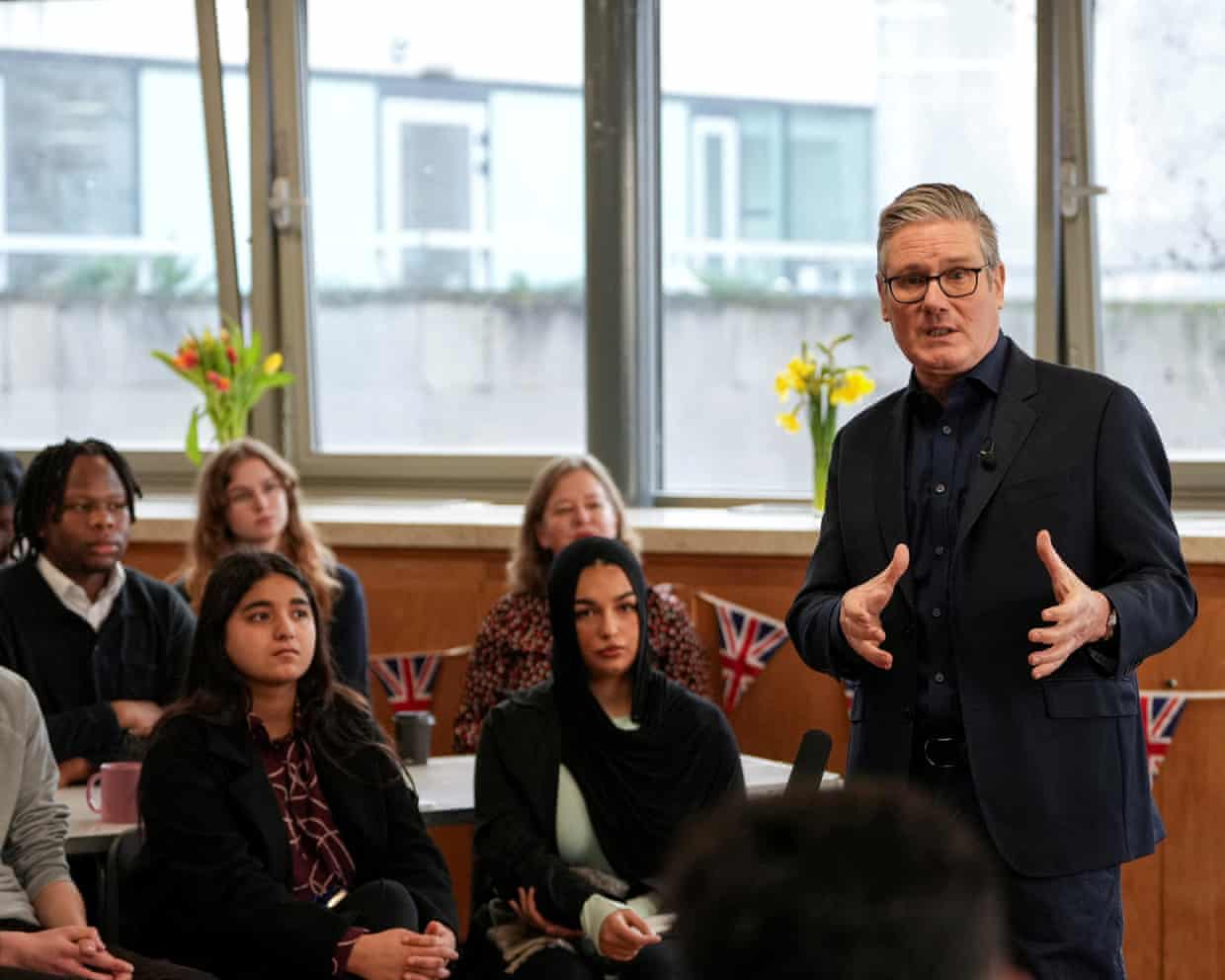
Keir Starmer was challenged on Monday morning over the list of U-turns he has made since entering government less than two years ago, including on cuts to winter fuel payments, cuts to disability benefits and hikes in inheritance tax for farmers.“I am a pragmatist. I am a common-sense merchant,” he told the BBC presenter Jeremy Vine in his defence.Just two hours later, his government was announcing yet another reversal as it abandoned plans to delay local elections for 30 councils in England. And, for all the prime minister’s insistence that his willingness to change course is a sign of his pragmatic streak, the announcement delighted his opponents and infuriated his own colleagues
UK politics: Government abandons plans to delay 30 local council elections in May – as it happened
Nigel Farage, the Reform UK leader, has just posted on social media the letter sent out by the government confirming it has dropped its plans to delay elections in 30 council areas.Farage says:We took this Labour government to court and won.In collusion with the Tories, Keir Starmer tried to stop 4.6 million people voting on May 7th.Only Reform UK fights for democracyMinisters have dropped plans to delay 30 local elections this May after receiving legal advice that doing so might be unlawful
Why has government reversed its decision to postpone 30 local polls across England?
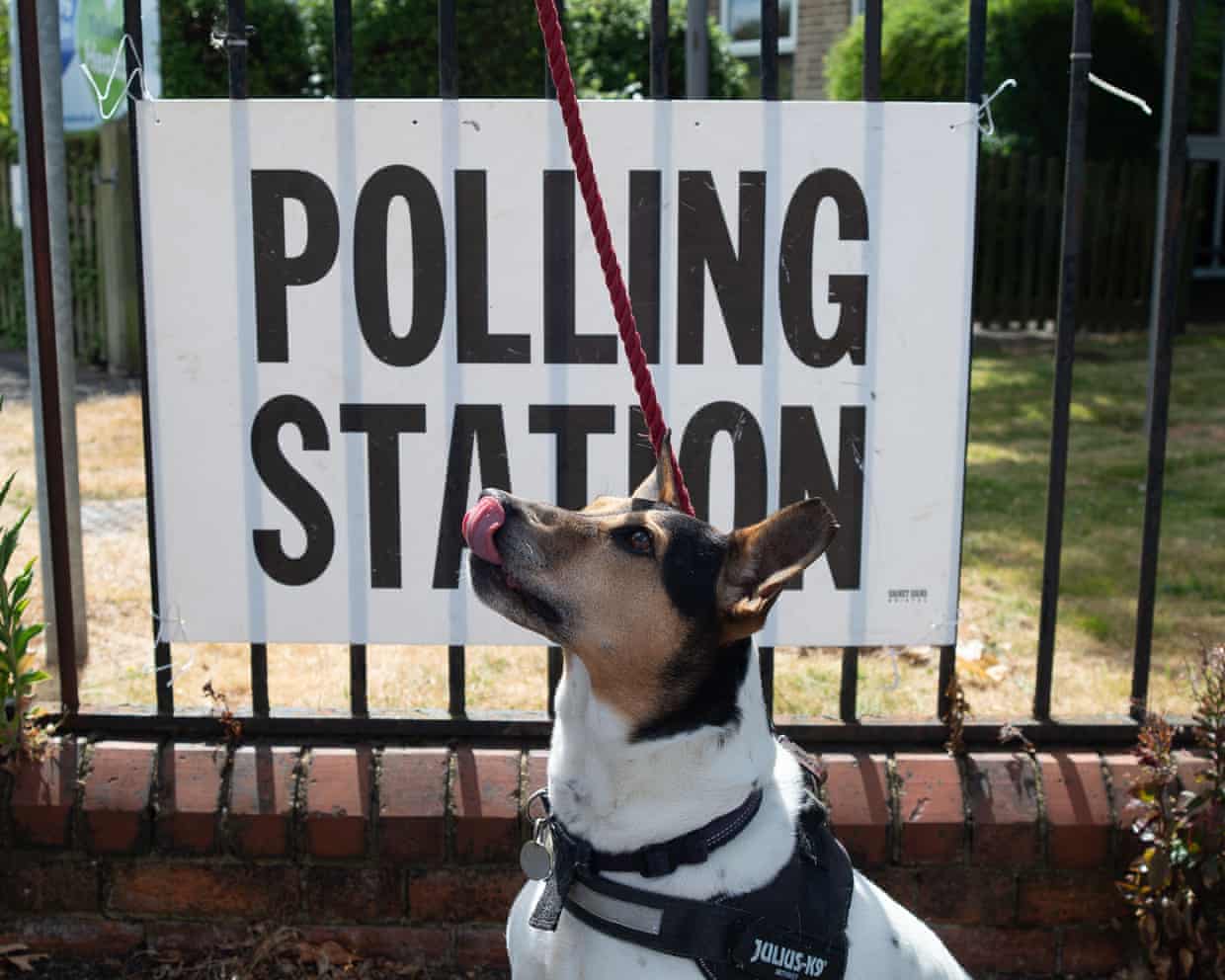
The government has U-turned on its decision to postpone 30 local elections across England, which are due to take place in May. How did we get here, and why?In January the government confirmed local elections affecting about 4 million people across England would be postponed amid slow-moving efforts to reorganise the structure of local government.The Ministry of Housing, Communities and Local Government (MHCLG) stressed it was a postponement and not a cancellation. Under plans to end the two-tier system of local government throughout much of England, district and county councils taking on different responsibilities in the same area would be replaced by single-tier “unitary” authorities.With the MHCLG saying elections for these new councils would be held in 2027, the argument was that it was an unnecessary expense to hold dozens of elections for a single year, and that the existing councillors could carry on
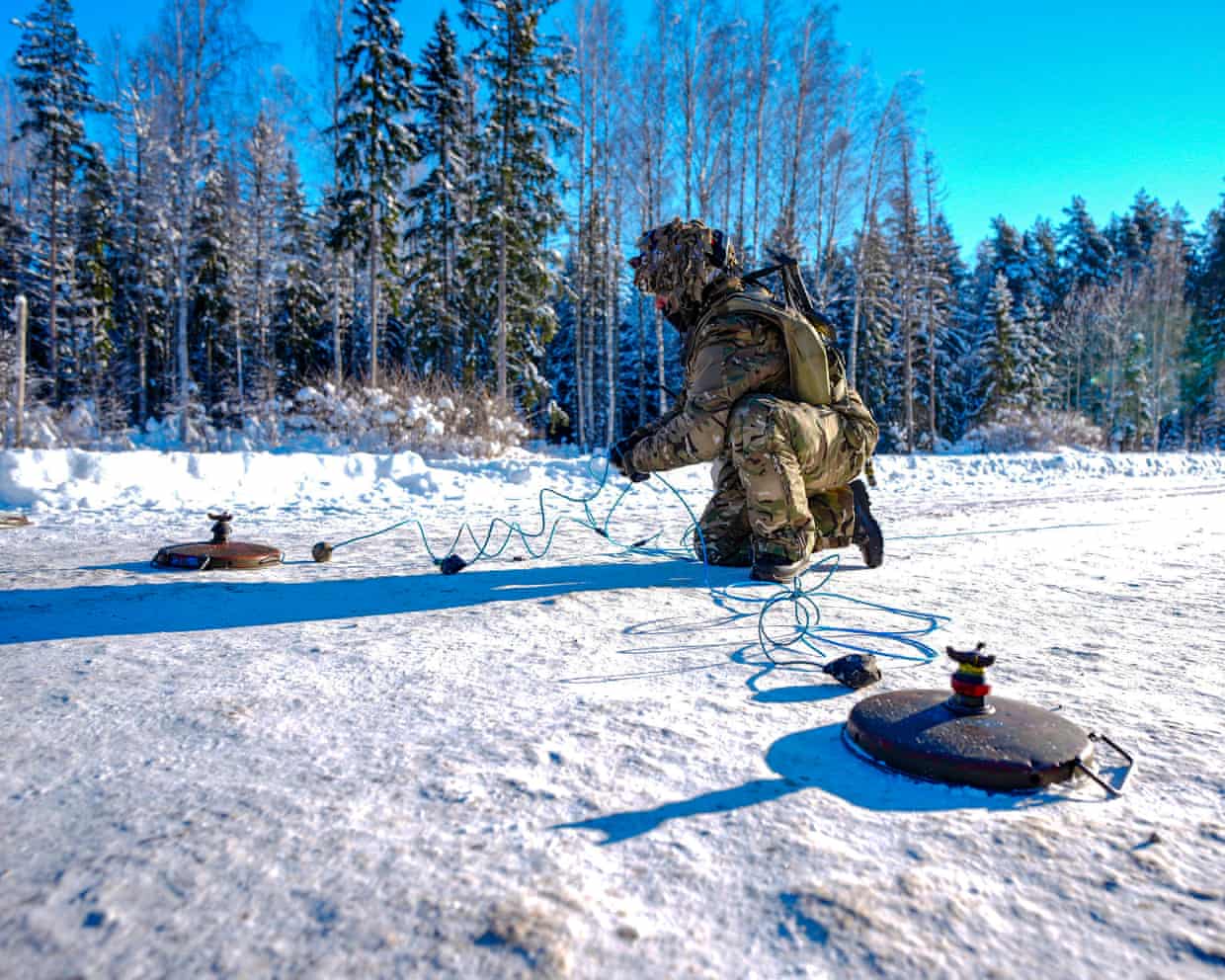
Starmer’s options in funding a further defence spending rise would be limited
Keir Starmer has few options if he wants to increase annual defence spending by up to £14bn before the end of this parliament.In last summer’s spending review, the government set out plans to increase defence spending from 2.3% of national income, or gross domestic product (GDP), in 2024-25 – about £66bn, to 2.6% in 2028-29.But now there are hints that the embattled prime minister wants to go much faster
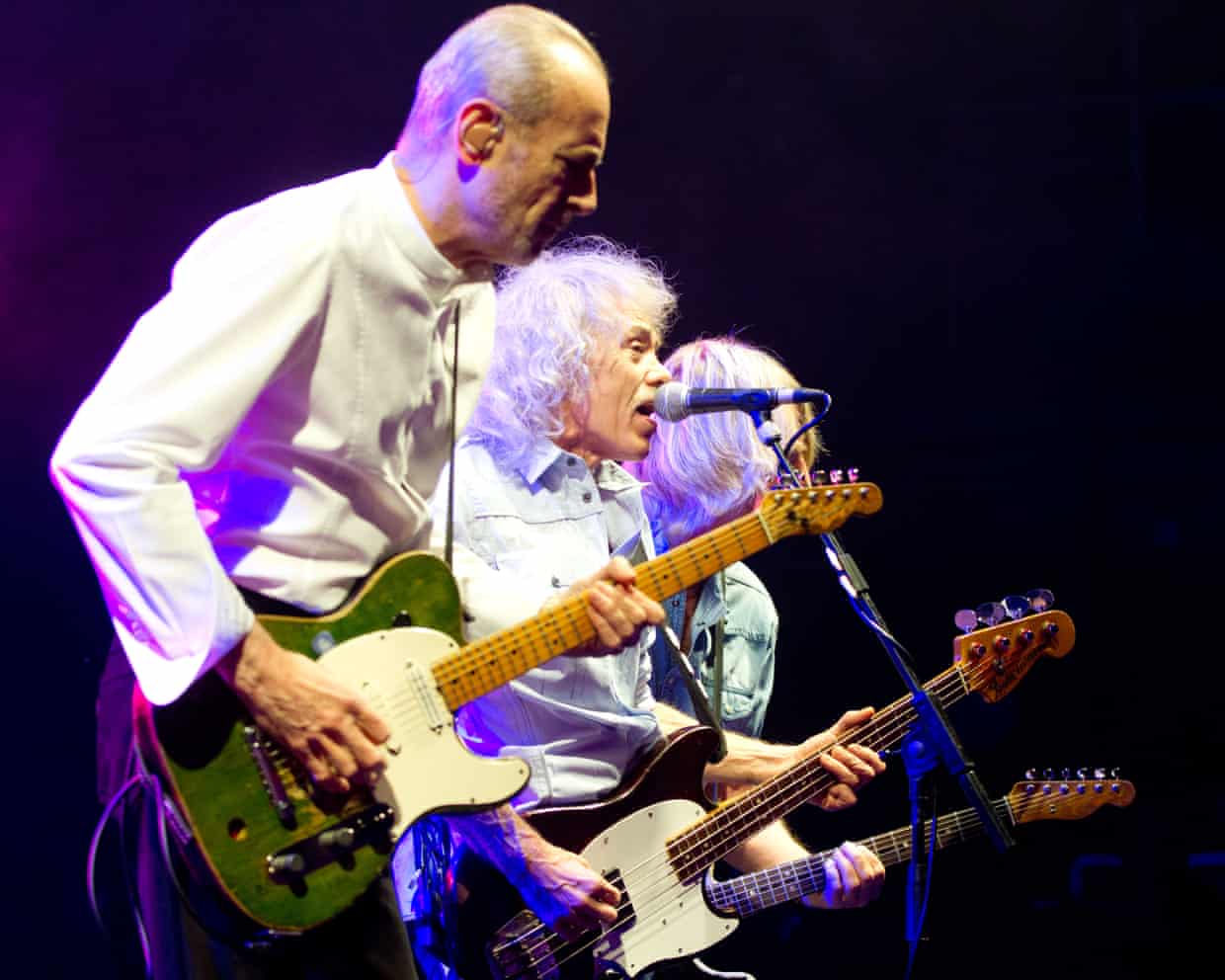
Deeper and down with Keir Starmer | Brief letters
Rafael Behr says many voters see Keir Starmer as “the archetypal status quo politician” (Keir Starmer is the bandage that Labour can’t rip off for fear of opening old wounds, 11 February). They could be on to something, since the band of that name is renowned for its dull, predictable output, which has included Accident Prone and, more optimistically, Come On You Reds and The Party Ain’t Over Yet.Mike HineKingston upon Thames, London You published a number of letters critical of Keir Starmer, but let us be thankful that he has not inflicted as much damage as Margaret Thatcher or David Cameron.Richard BartholomewColchester I understand “spad” at Westminster means special adviser. I spent my career working for British Rail
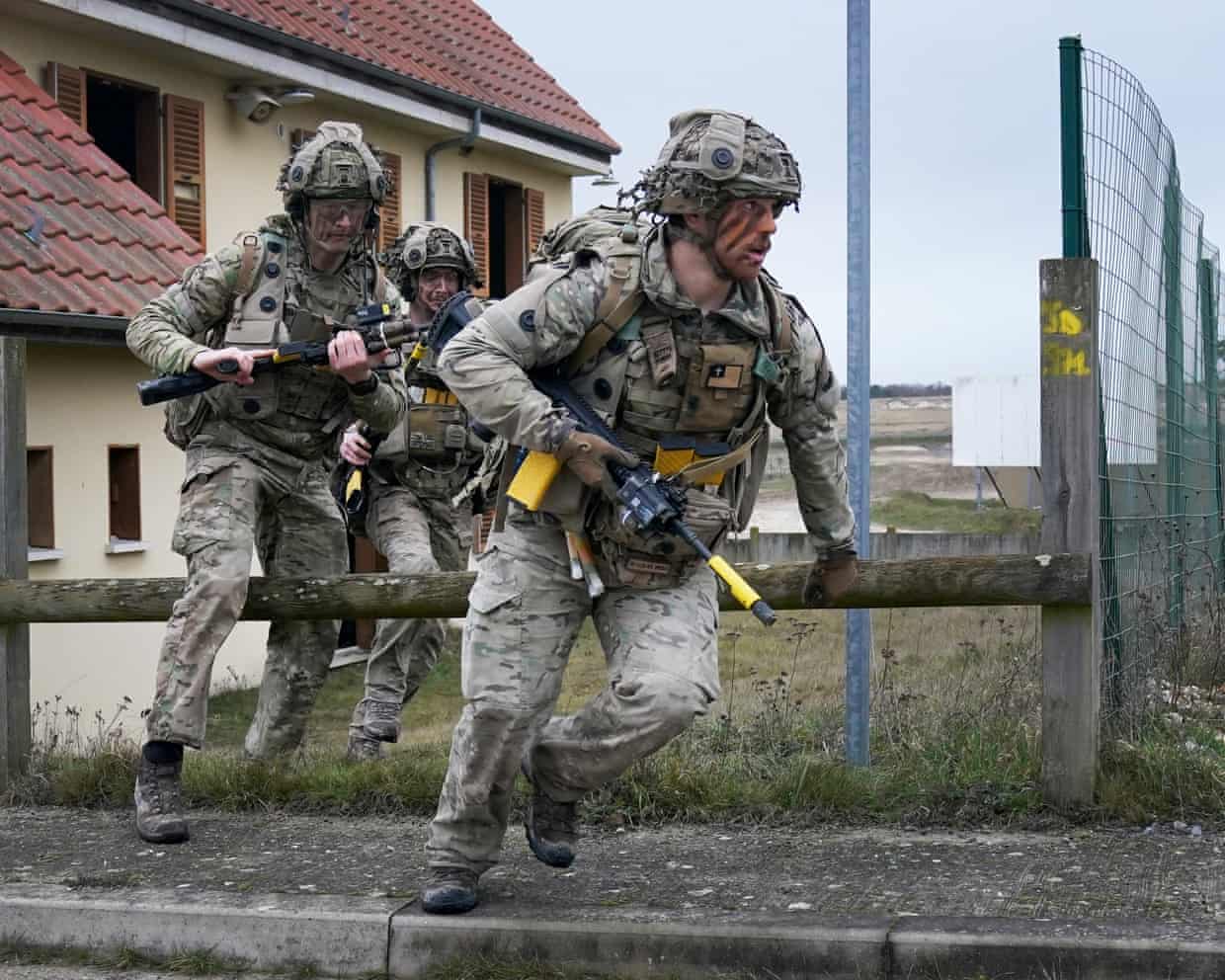
Britain ‘needs to go faster’ on defence spending, Starmer says
Keir Starmer has said Britain “needs to go faster” on defence spending, though any increase to military budgets in this parliament would probably not be as high as the £15bn suggested in an overnight report.At a press conference in south-west London, the prime minister was asked to comment on a BBC report that No 10 wanted to increase the defence budget to 3% of GDP by 2029.In reply, Starmer said the threat from Russia was obvious and likely to endure even if the fighting in Ukraine could be stopped. “We need to be alert to that, because that’s going to affect every single person in this room, every single person in this country, so we need to step up.”He then emphasised “that means, on defence spending, we need to go faster,” which was initially interpreted as a clear indication he sympathised with the 3% spending proposal, though the figure did not appear to have been signed off by the Treasury
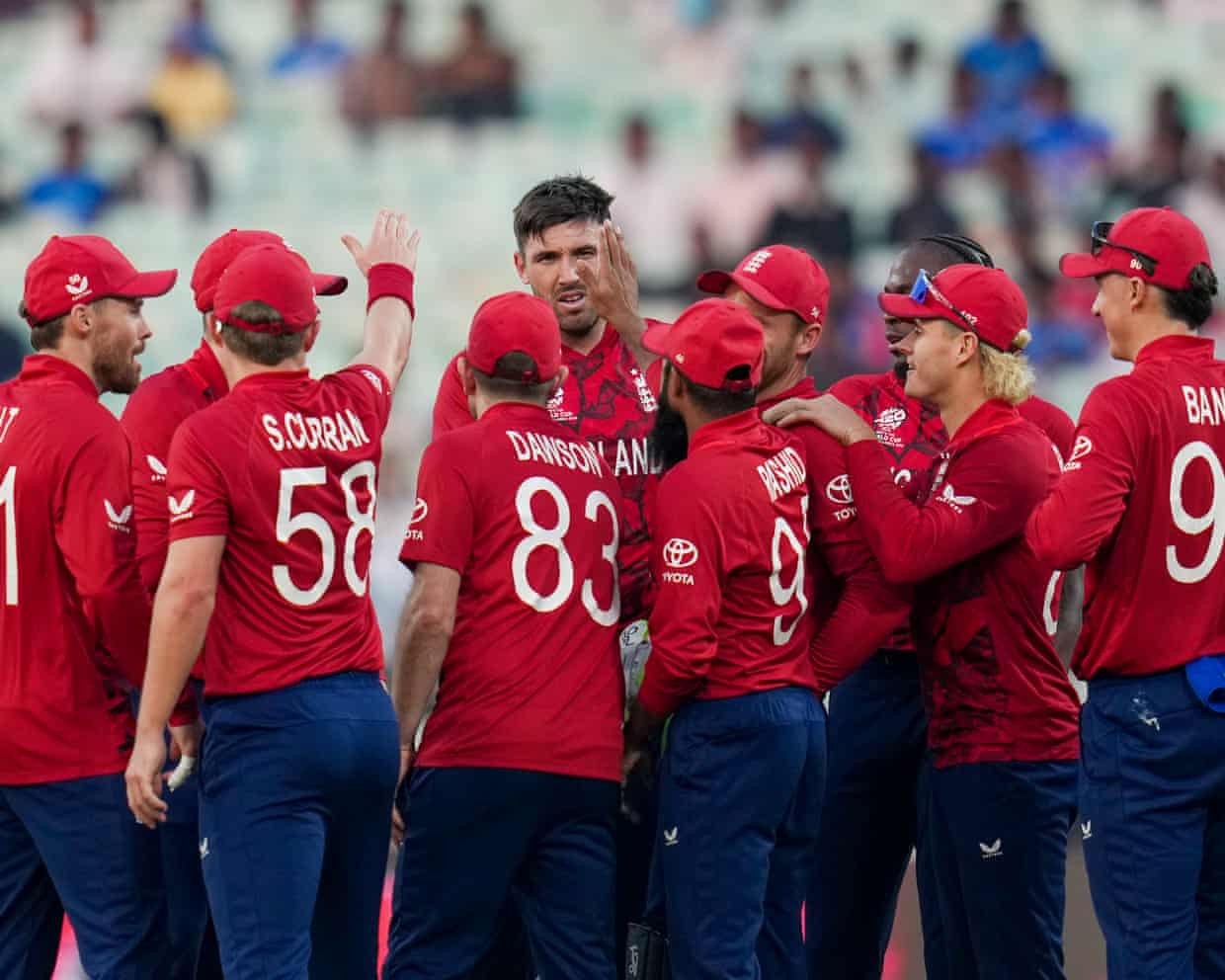
England’s slow-burn T20 World Cup heads for Super 8s with campaign yet to ignite
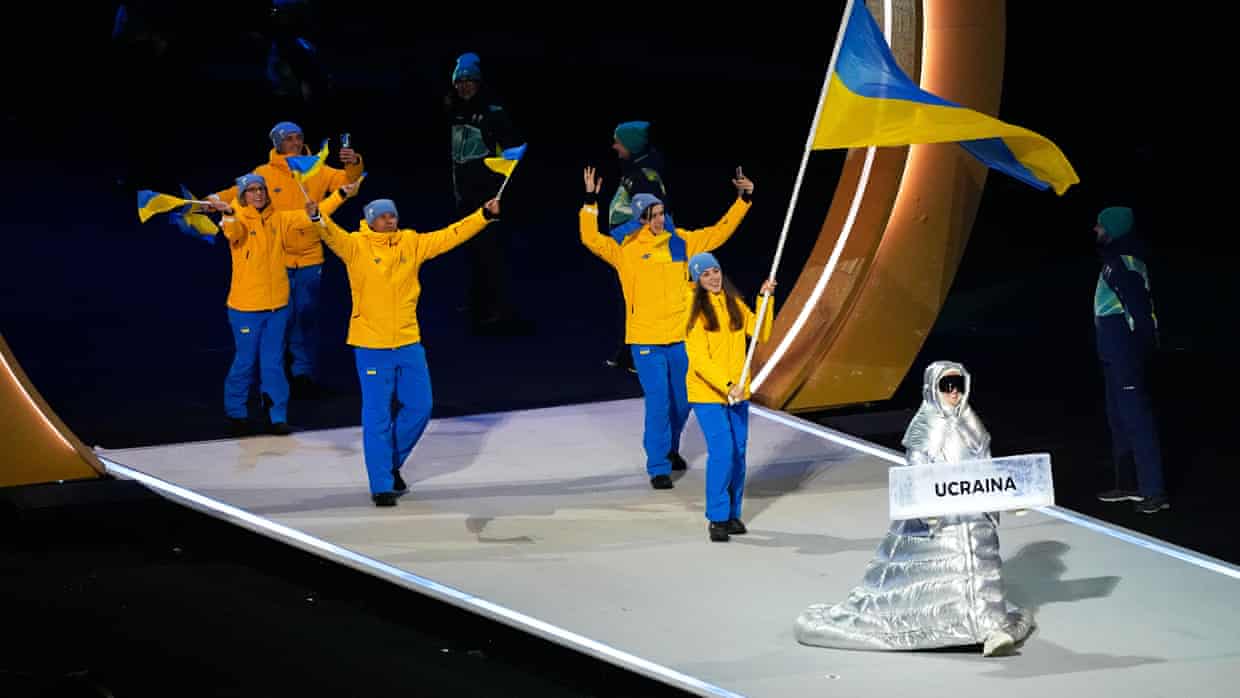
Russian woman carried Ukraine team placard at Winter Olympics opening ceremony
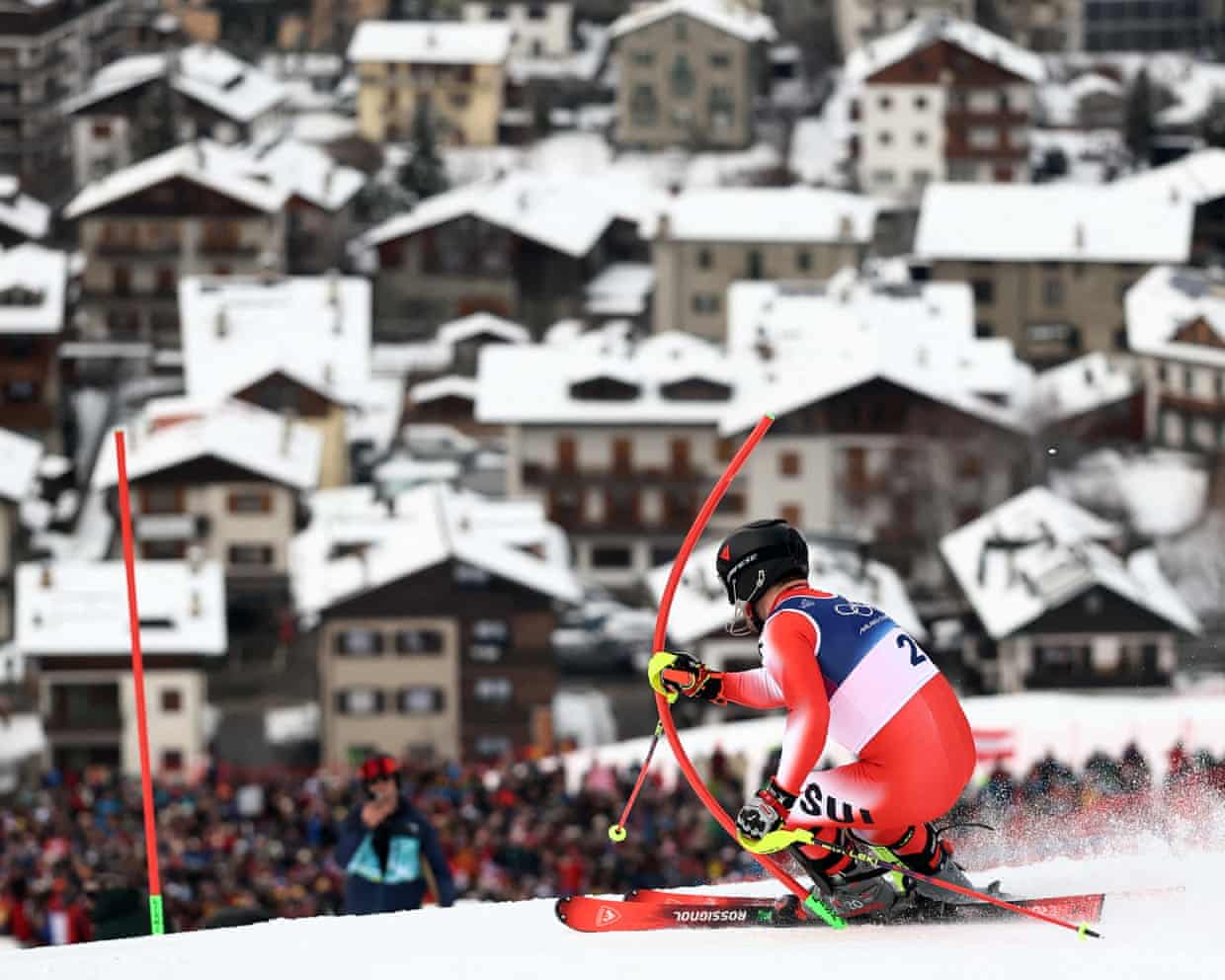
Winter Olympics briefing: Swiss stranglehold on skiing shows no sign of loosening
How did Australia – better known for its beaches than snow – become a consistent Winter Olympics performer? | Kieran Pender
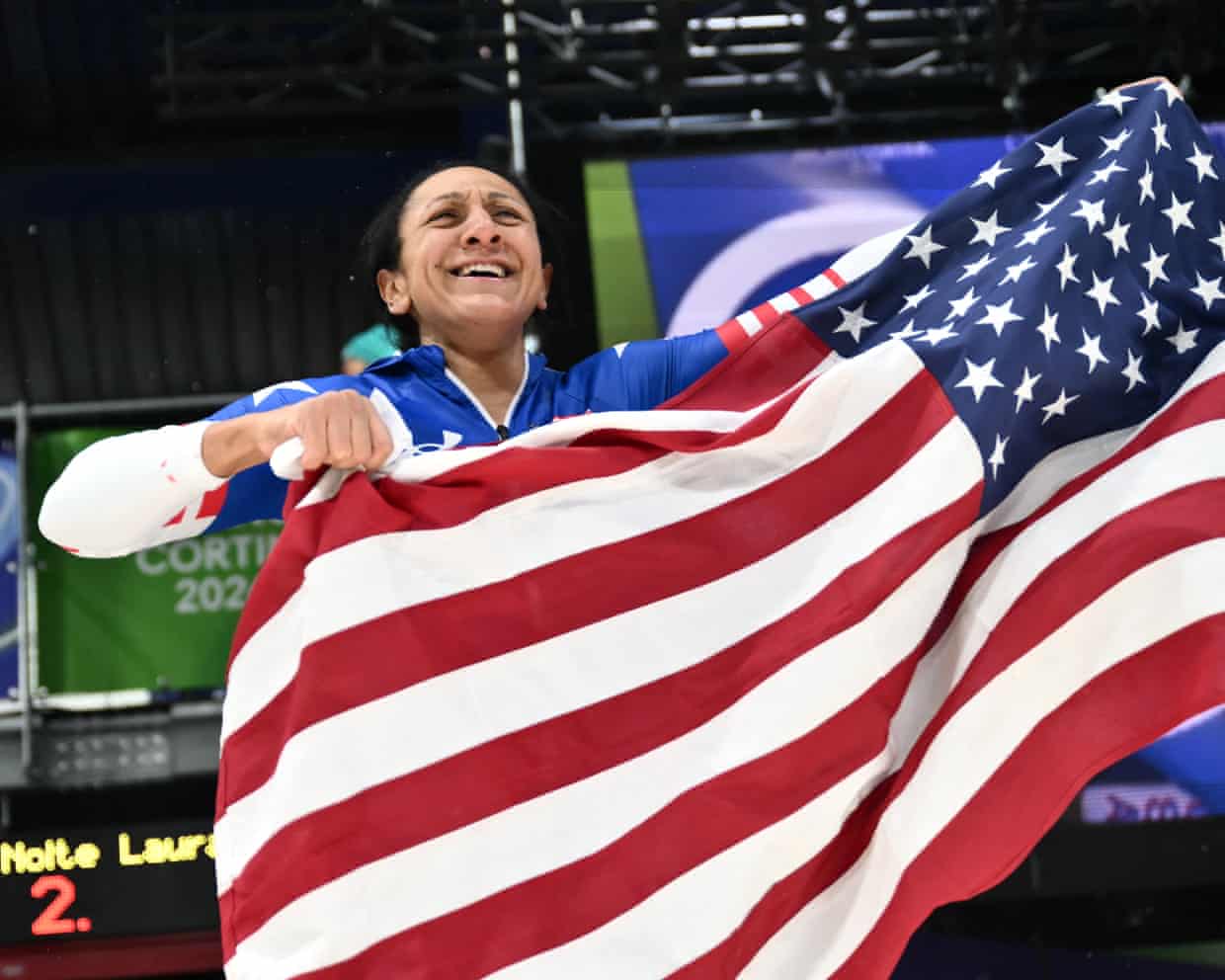
Winter Olympics 2026: Elana Meyers Taylor wins monobob gold for USA; Canada’s Oldham lands freeski big air crown – as it happened
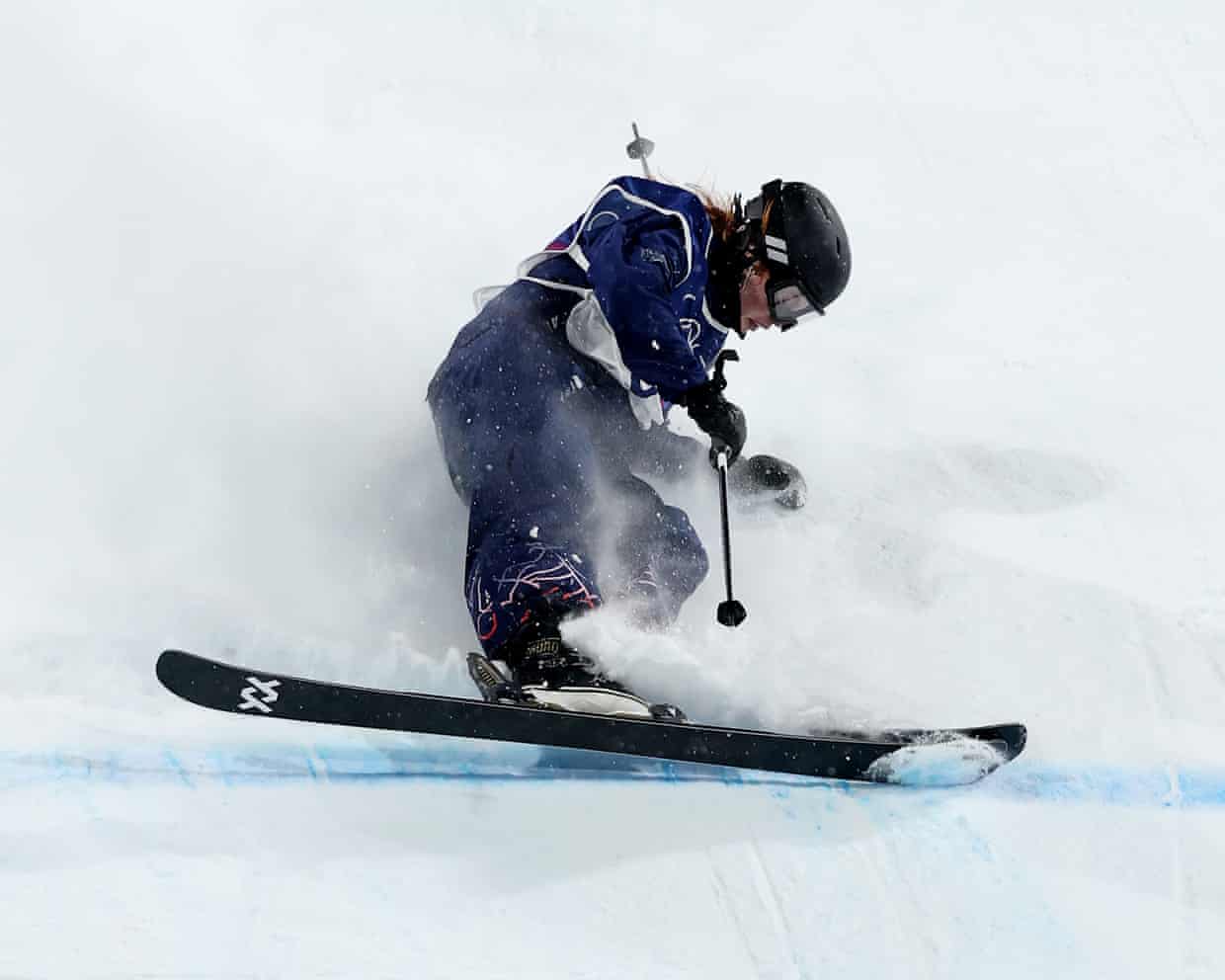
Muir fourth again after agonising tumble as Oldham wins big air gold for Canada