Starmer’s options in funding a further defence spending rise would be limited
Keir Starmer has few options if he wants to increase annual defence spending by up to £14bn before the end of this parliament,In last summer’s spending review, the government set out plans to increase defence spending from 2,3% of national income, or gross domestic product (GDP), in 2024-25 – about £66bn, to 2,6% in 2028-29,But now there are hints that the embattled prime minister wants to go much faster.
At the Munich Security Conference at the weekend, Starmer argued for higher and more sustained defence spending to meet the threat from Russia.“We must build our hard power because that is the currency of our age,” he said.“We must spend more, deliver more and coordinate more.”The BBC said No 10 was considering an increase to 3% of GDP by the end of this parliament in 2029 to meet Starmer’s ambition, although it is unclear if this will turn into a concrete plan given the many obstacles.Labour backbenchers have other ideas as many seek to remedy more prosaic – though no less costly – headaches, such as NHS waiting lists and social care.
And then there are the Treasury borrowing limits.These have been put in place to bring down a spending deficit that has remained stuck at 5% of GDP for several years.To achieve lower borrowing, Rachel Reeves was accused of sleight of hand in her November budget.The chancellor has pencilled in tight spending limits between 2027 and the summer of 2029, when the next general election must be called by.Reeves hopes that strong economic growth will bail her out.
A calmer global economy, with Donald Trump distracted by more domestic concerns, could mean most western governments also enjoy lower inflation than expected and reduced borrowing costs.A recent assessment by Bloomberg of gilt yields – the interest rate paid by the Treasury on government debt – shows they have fallen since last November, saving about £1.5bn a year.That may help explain the curious timing of Starmer’s sudden enthusiasm for higher defence spending, with Reeves due to give her spring statement on 3 March.However, the Office for Budget Responsibility (OBR) has taken a tough stance.
The Treasury’s independent economic forecaster has insisted on calculating Whitehall spending without recourse to optimistic predictions for tax receipts and government borrowing costs.Bee Boileau, a research economist at the Institute for Fiscal Studies (IFS) thinktank, said Labour, in order to stay aligned with OBR projections, had pencilled in only small increases in government spending in the years after 2027, limiting the scope for Starmer to take from rival Whitehall departments to feed the Ministry of Defence.“You can’t find this kind of money from salami-slicing other departments,” she said.“The extra funds needed equal the total spending [by the justice department] on courts and prisons.So it will be very challenging to find what is needed from within existing spending limits.
”The OBR said in March last year that increasing defence spending to 3% of GDP would cost an additional £17,3bn a year by 2029-30,Ruth Gregory, deputy chief UK economist at the consultancy Capital Economics, said the OBR was over-pessimistic: “If defence spending were to rise to 3% of GDP in 2029-30, that would probably cost about £14bn,The IFS said it estimated that increasing defence spending to 3% of GDP would cost between £13bn and £14bn,Gregory said Starmer and Reeves might be persuaded to borrow to fund the extra spending, but that would be a mistake.
“Debt-financed defence spending is not a big growth- or productivity-enhancing investment,And there is a question of whether investors would tolerate much more debt-financed spending,”She added: “That may mean the bulk of any adjustment would need to be financed through either higher taxes or lower spending elsewhere,”Starmer could turn to higher taxes: it would take about 1,5p on income tax to raise the funds.
This would be applied as extra to the freeze on income tax thresholds, which is already due to raise tens of billions of pounds by 2029.Borrowing the funds to build more warships, buy extra fighter jets, and reverse the long-term decline in numbers of military personnel could spook the financial markets, which are on the lookout for reckless government spending.Britain’s lenders are already nervous.Reeves must accommodate a £6bn overspend in 2029 on special needs education.Louise Casey’s report on adult social care is unlikely to be cost-free, adding a further budget line to the government’s accounts when the final recommendations are made in a couple of years’ time.
These extra costs are expected, even if the final numbers are not known.In addition, there could be many unforeseen events before the end of the decade, with large bills attached that would compete with a new enthusiasm for military spending.Boileau said: “It will be crucial what the OBR says about the public finances on 3 March to coincide with the chancellor’s spring statement.The OBR could offer more fiscal space for the chancellor, though it would be a mistake to justify higher spending over many years from a one-off forecast.”
Slalom heartbreak sparks McGrath’s trudge to the woods as Ryding bids farewell
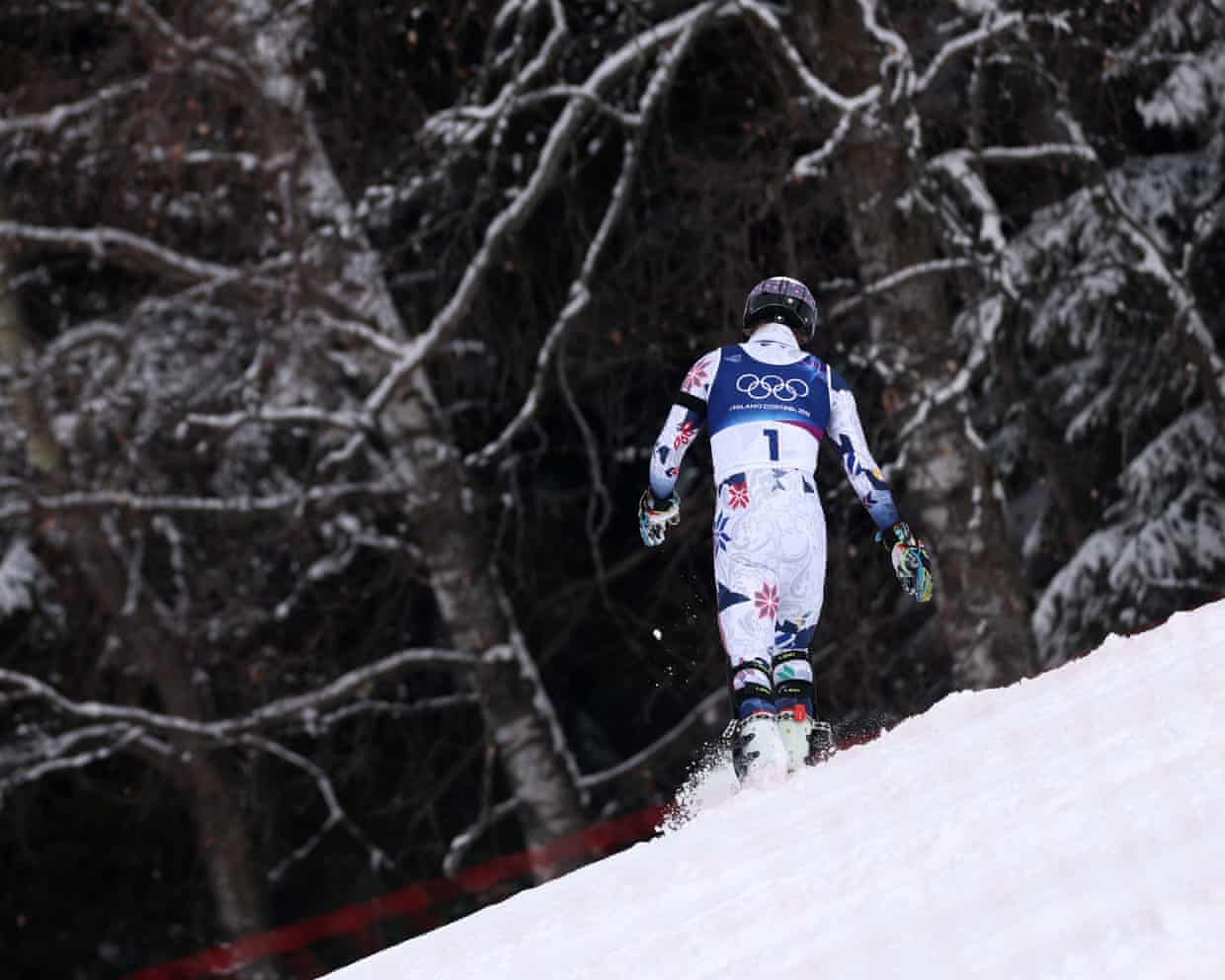
As the Rocket zigged and zagged for a fifth and final time at a Winter Olympics on Monday, another skier made a very different kind of exit.Coming into the final run of the men’s slalom, the Norwegian Atle Lie McGrath knew that victory was there for the taking – until he straddled a gate. Gold was gone. A heartbroken McGrath – who had hoped to deliver victory in honour of his grandfather, who died on the day of the opening ceremony – threw his poles as far as he could and trudged across the slope into the woods.TV footage then captured him lying on his back, occasionally putting his hands over his face on the side of the course
How British skeleton left the world in its tracks with golden Winter Olympics haul | Andy Bull
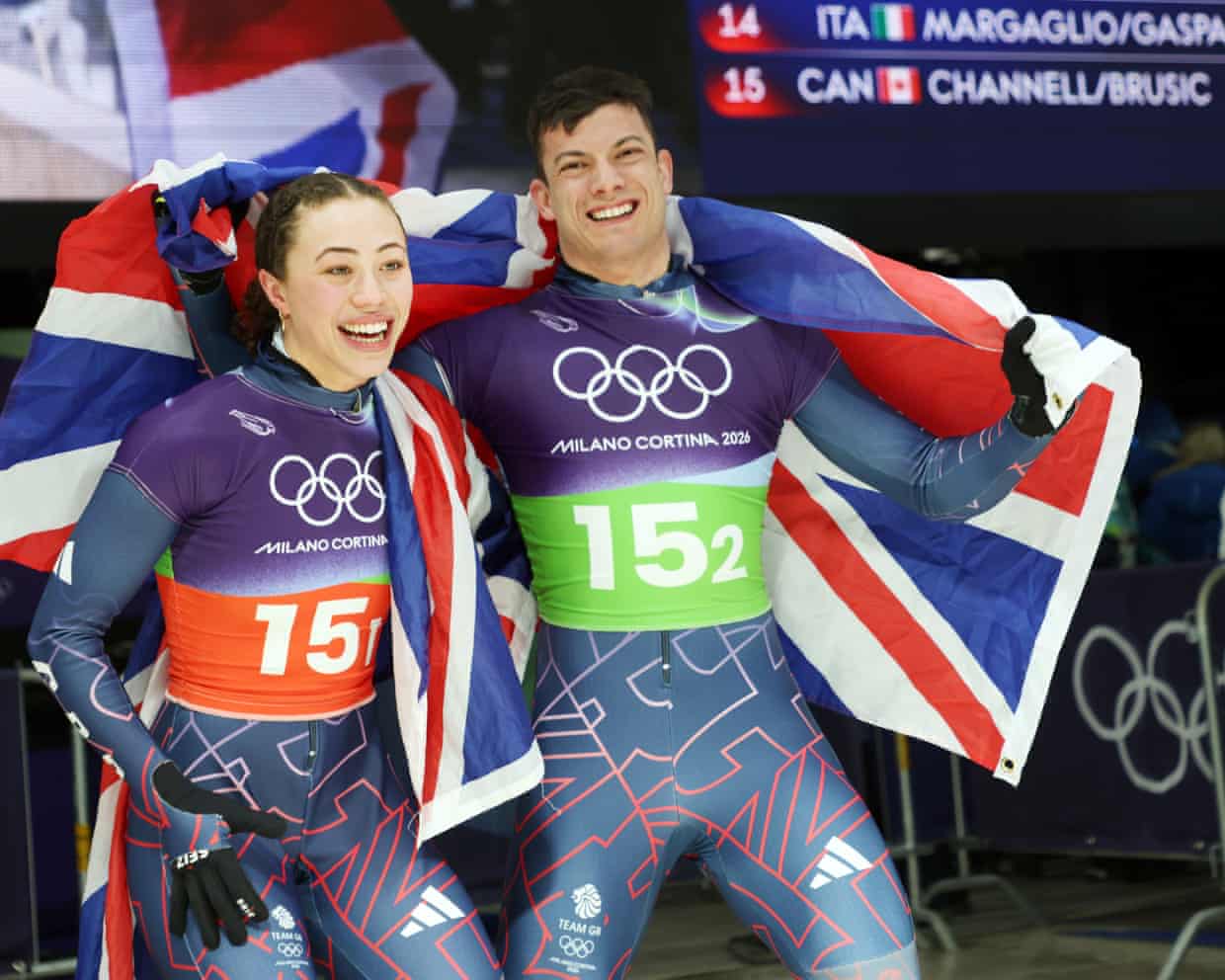
According to the British Bobsleigh and Skeleton Federation, 3,500 people have signed up to audition for their skeleton Talent ID programme in the past three days, an extraordinary surge of interest in what has never been what you might call the most accessible sport.It is all after Matt Weston and Tabby Stoecker won Great Britain’s 10th and 11th Olympic medals in the sport, continuing a lineage that reaches back to 1928, when it was the winter sport of choice for the most reckless of a set of aristocratic adventurers. The 11th Earl of Northesk won bronze ahead of his teammate, and the pre-race favourite, Lord Brabazon of Tara. It is some legacy. After a century of competition, skeleton is the only Winter Olympic sport in which Britain lead the all-time medal table
Did the USA v World format revive the NBA’s struggling All-Star Game?
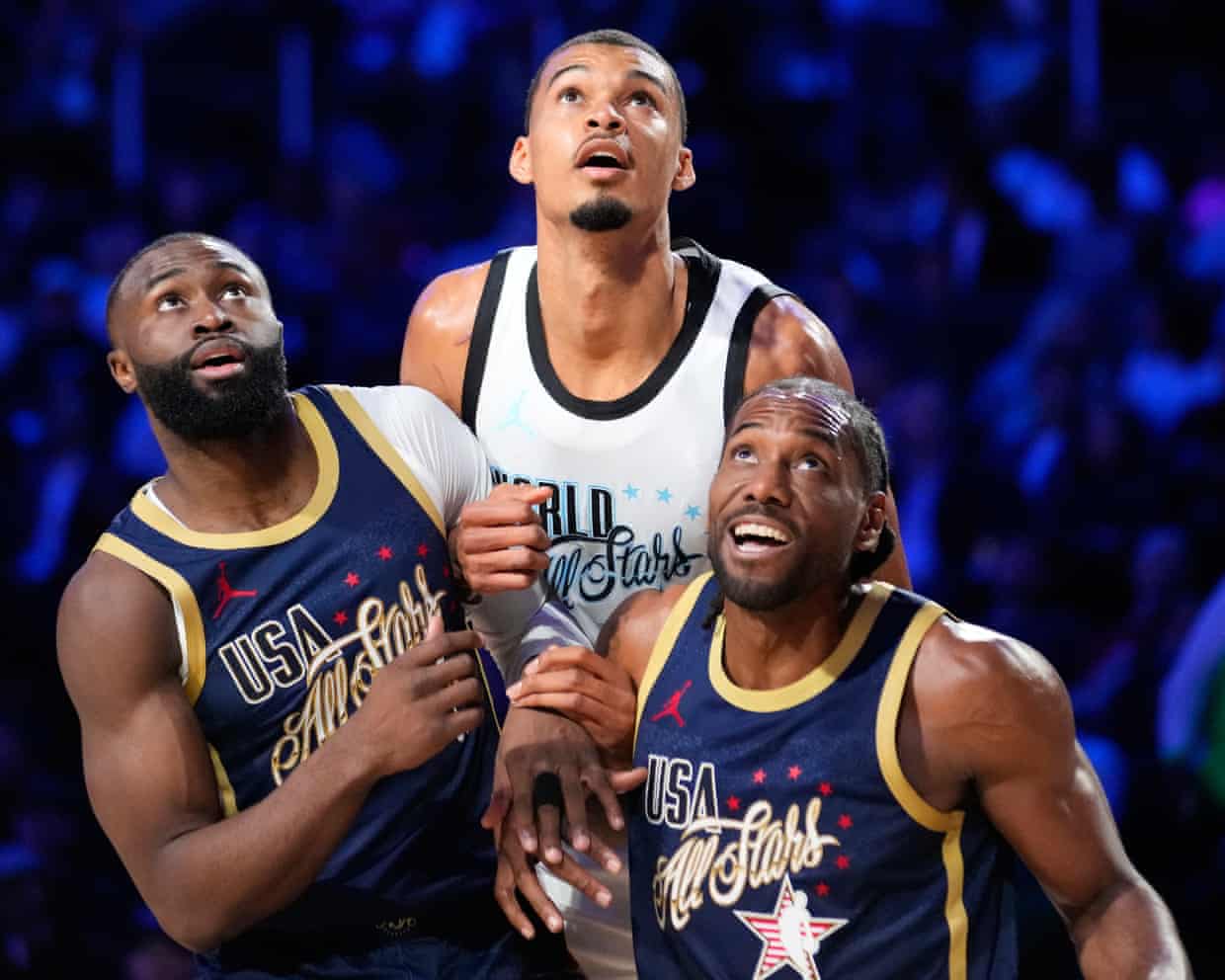
Basketball Hall of Famer Tracy McGrady flashed a look of disdain when recalling last year’s NBA All-Star Game.“The All-Star Game that we witnessed last year was not an All-Star game,” McGrady told the Guardian. “I don’t know what that was.”Prior to Sunday night’s contest, the All-Star Game had experienced years of disarray. In an attempt to make the game more competitive, the league replaced the classic East v West matchup and tinkered with multiple formats, including a playground-style selection process with team captains (Team LeBron v Team Stephen)
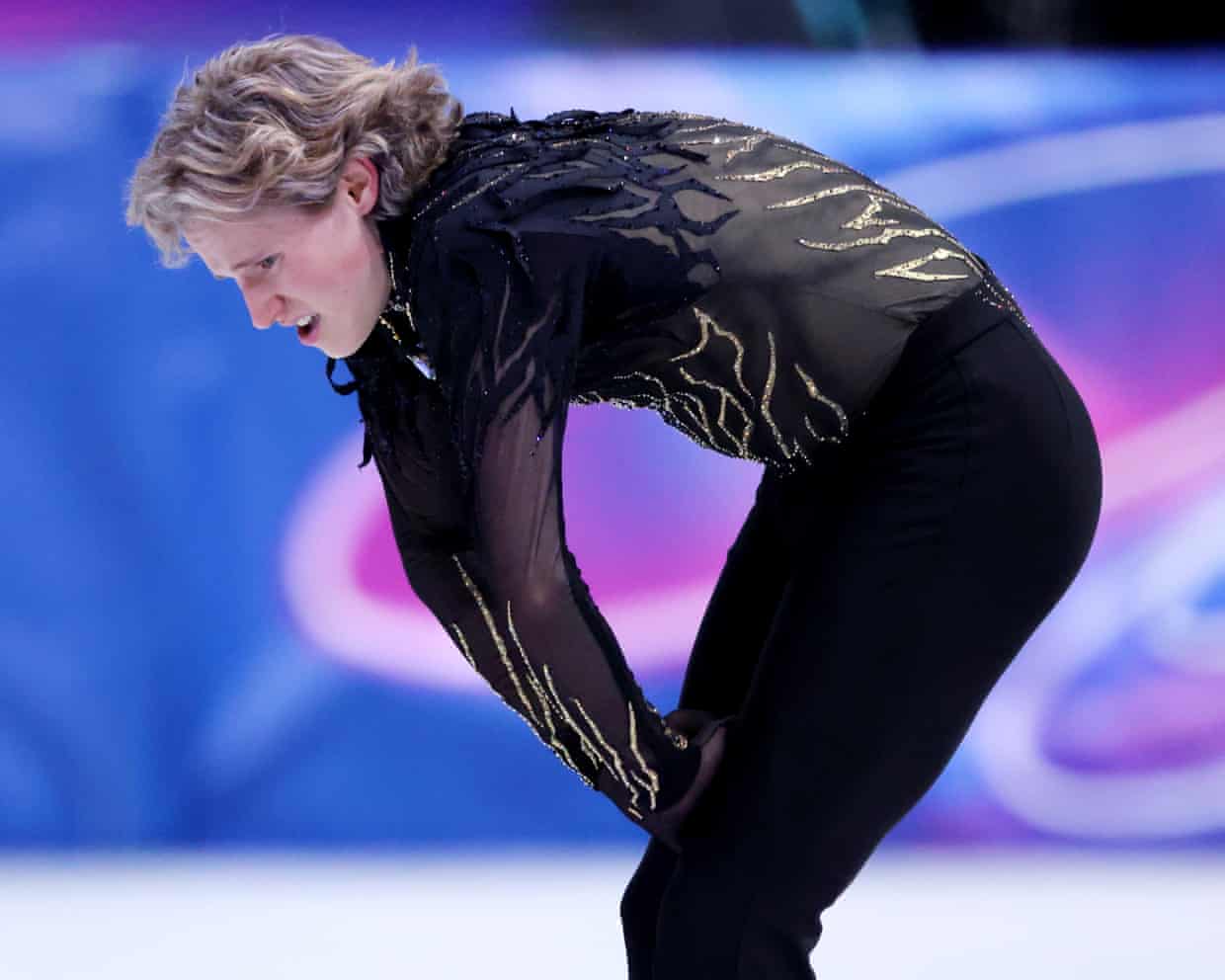
Ilia Malinin writes about ‘inevitable crash’ after Olympic figure skating shock
Ilia Malinin has written about “an inevitable crash” after he missed the podium at the Winter Olympics in one of the biggest shocks in the history of figure skating.The 21-year-old was the overwhelming favourite entering the men’s free skate on Friday in Milan, but he fell twice during his routine. Kazakhstan’s Mikhail Shaidorov won gold and Malinin finished 15th out of 24th in the free skate and eighth overall.This article includes content provided by Instagram. We ask for your permission before anything is loaded, as they may be using cookies and other technologies
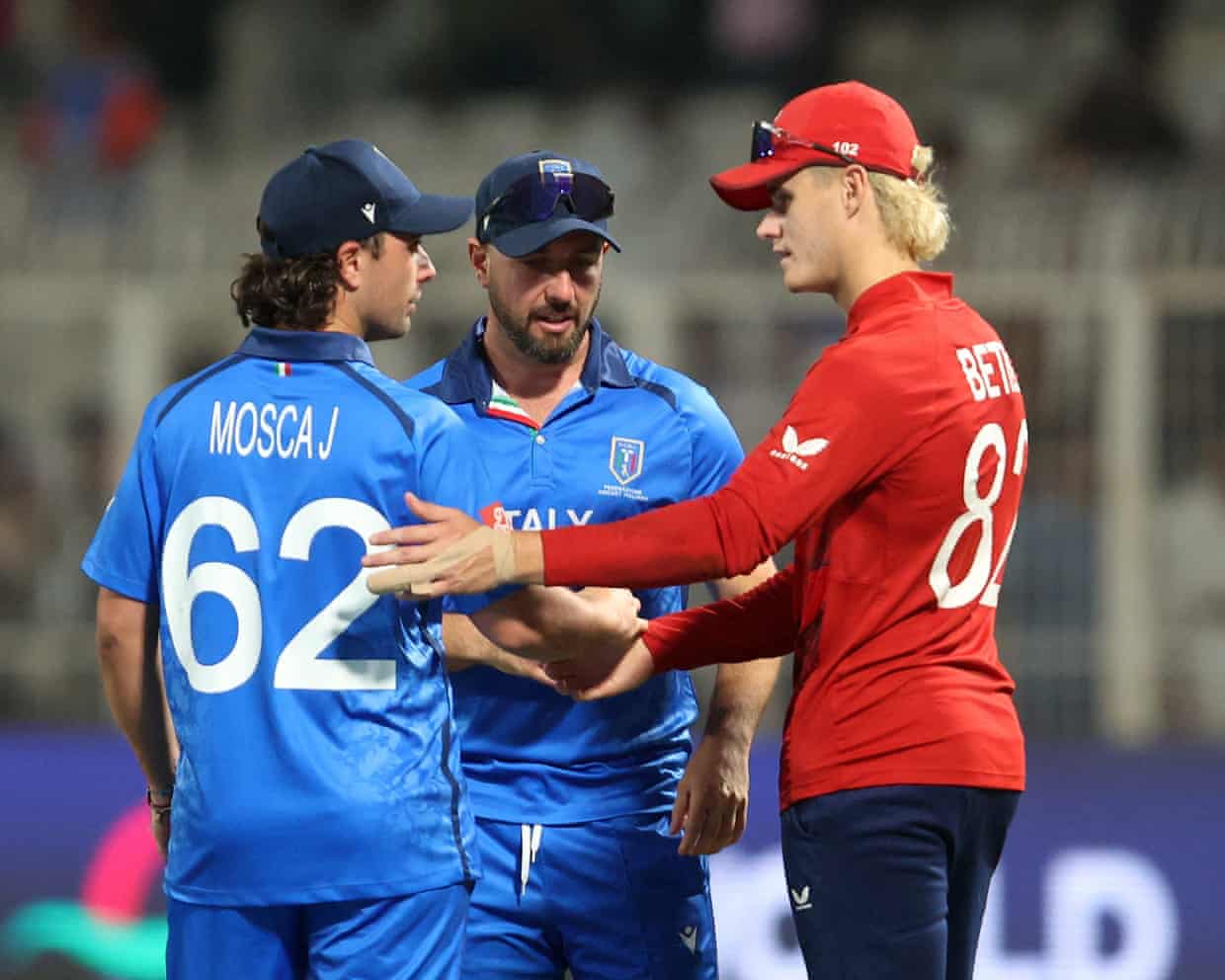
England beat Italy by 24 runs: T20 World Cup cricket – as it happened
Simon Burnton’s piece from Eden Gardens has landed, so I’ll get outta here.As he says, it was a proper scare for England though they’re through to the Super Eights, which is all that matters in the end.Well done Italy. Hope to see more of them in future tournaments.Next up is Harry Brook:We haven’t played our best cricket but we’ve made it through, so can be happy about that
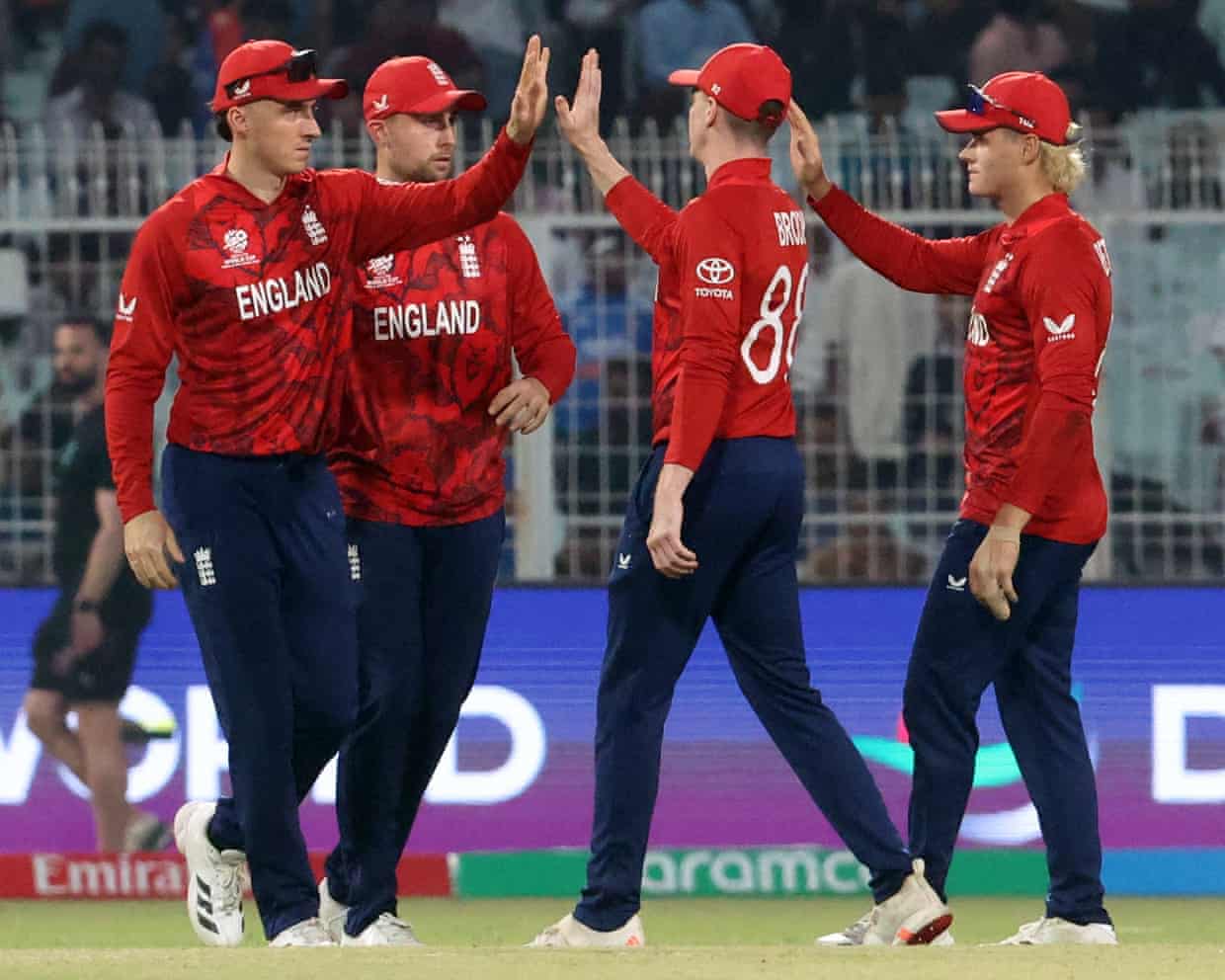
England survive Italy scare after Manenti’s blitz threatens T20 World Cup shock
If England keep up the winning habit, perhaps in time they will get good at it. Under the lights here in Kolkata they did enough to beat Italy and secure a spot in this T20 World Cup’s Super 8s, though again without establishing themselves among the form teams of the tournament.Harry Brook had declared he would “rather not start amazing and finish amazing than start amazing and finish bad”, and in that sense alone it is proceeding entirely according to plan. The next stage is unlikely to be so forgiving.“They were better than us for quite a lot of the game,” said Will Jacks, whose 22-ball 53 was decisive

From Wuthering Heights to Mario Tennis Fever: your complete entertainment guide to the week ahead
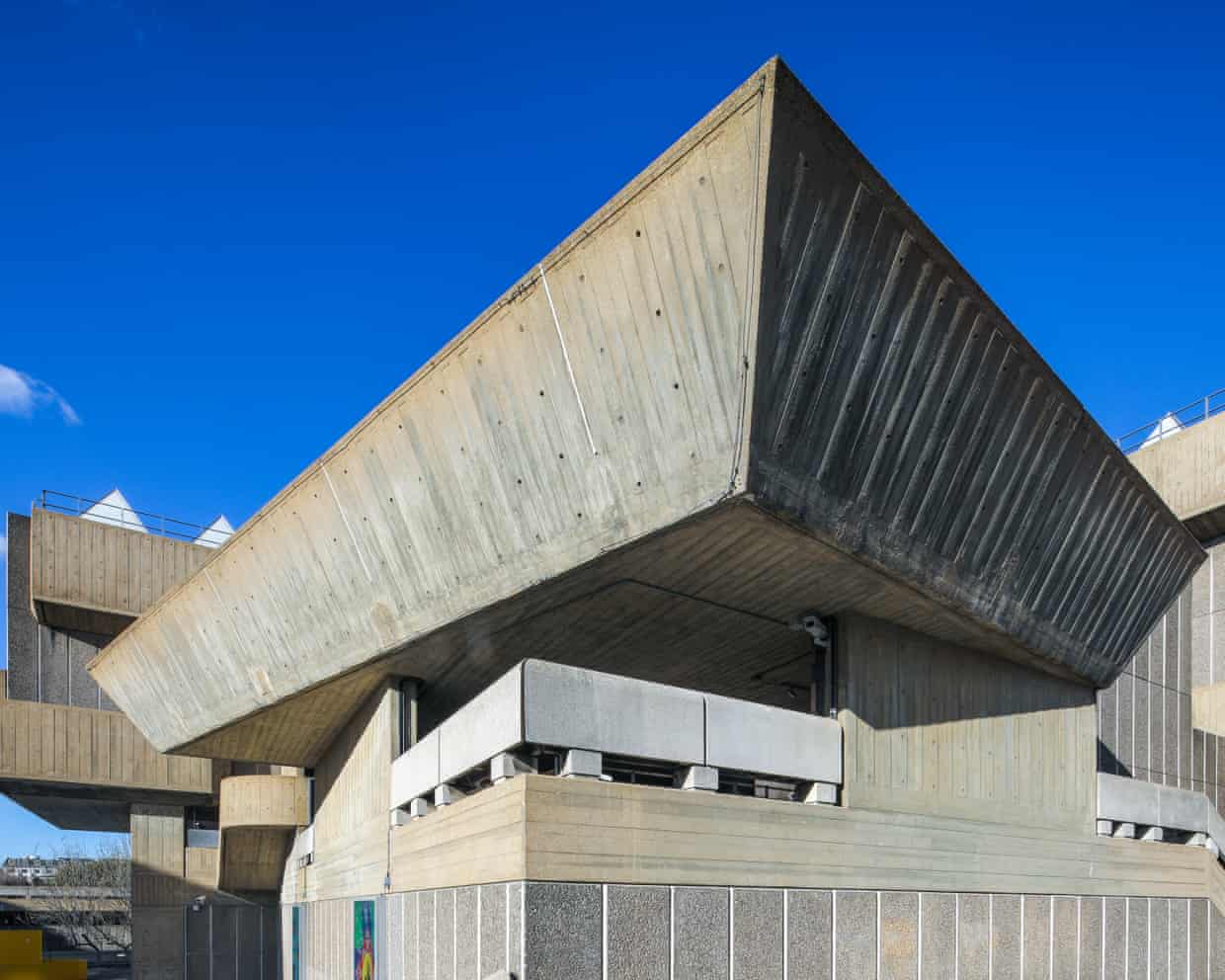
The Southbank Centre is striking, polarising and now protected | Letters
Jimmy Kimmel on the US justice department’s handling of the Epstein files: ‘A brazen cover-up’
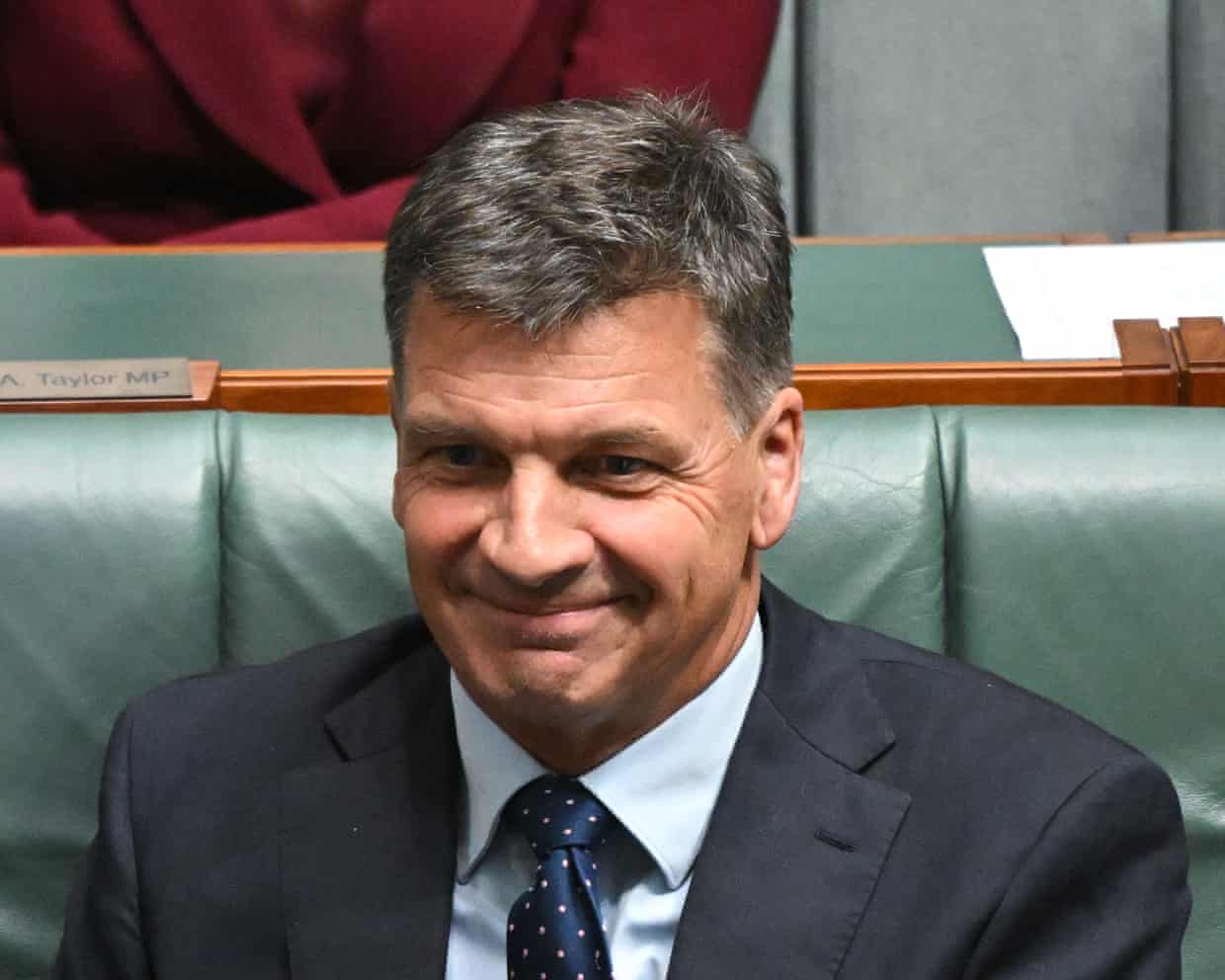
Fantastic. Great move. Well done Angus: the story of one of Australia’s favourite political memes

Comedians pick on me for my loud laugh – but nothing will make me stop | Jane Howard
Jimmy Kimmel on Trump: ‘A code orange de-mental emergency going on here right now’