UK politics: Government abandons plans to delay 30 local council elections in May – as it happened
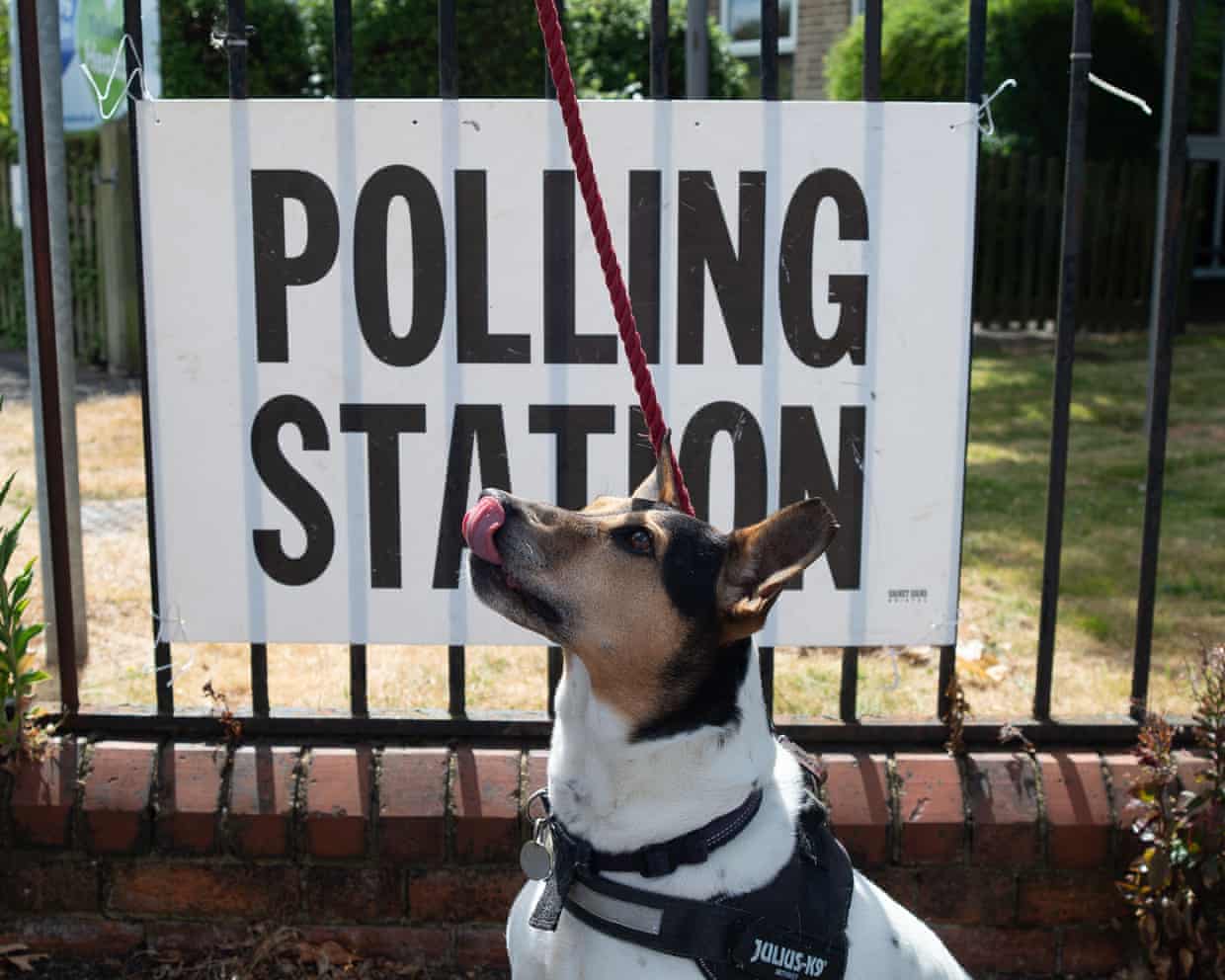
Nigel Farage, the Reform UK leader, has just posted on social media the letter sent out by the government confirming it has dropped its plans to delay elections in 30 council areas,Farage says:We took this Labour government to court and won,In collusion with the Tories, Keir Starmer tried to stop 4,6 million people voting on May 7th,Only Reform UK fights for democracyMinisters have dropped plans to delay 30 local elections this May after receiving legal advice that doing so might be unlawful.
The news was announced about two hours after Keir Starmer gave an interview to Radio 2’s Jeremy Vine in which he seemed to rule out further U-turns.James Cleverly, the shadow housing secretary, has sent an open letter to Steve Reed, the housing secretary who ordered the U-turn, saying that he needs to justify the decisions he took in this case – or resign.Cleverly said:The reality is that Labour are scared of voters.I believe that you have manipulated the democratic process to serve Labour’s political interests.Rather than postponing the elections, Labour should have postponed Angela Rayner’s botched, top-down and rushed unitary restructuring.
There are now serious questions about your personal propriety as a minister.The sunlight of transparency is the only way forward to address the way in which our democracy has been tarnished.If you are unable or unwilling to answer these questions, you must resign.Here is an extract from Cleverly’s letter.“Wednesbury unreasonableness” is a test of unreasonableness that applies in judicial review cases.
Keir Starmer has pledged action on young people’s access to social media in “months, not years”, while saying this did not necessarily mean a complete ban on access for under-16s.Keir Starmer has said Britain “needs to go faster” on defence spending, though any increase to military budgets in this parliament would probably not be as high as the £15bn suggested in an overnight report.The Cabinet Office is examining the commissioning of a report that made false claims about journalists who were investigating Labour Together, the thinktank closely linked to Keir Starmer, a cabinet minister has said.For a full list of all the stories covered on the blog today, do scroll through the list of key event headlines near the top of the blog.Ben Quinn is a Guardian political correspondent.
The green light for Norfolk county council’s election to go ahead sets up a clash between Nigel Farage and his one-time fellow Reform Rupert Lowe, with whom he has had a spectacular fall-out.Lowe launched his own Great Yarmouth First Party on Friday in the Norfolk town, which I covered here, and it will be aiming to win all seats in that borough.Farage sought to laugh off the challenge of Lowe’s party when asked about it today but the Norfolk MP’s new national party and rival to Reform, Restore Britain, will aim to act as an umbrella for other independents now, including in areas where elections will go aheadElsewhere, locations where Reform is expecting to do well include Basildon borough council, Cannock Chase district council, Harlow borough council, West Sussex borough council and Thurrock council.Farage said in Romford today:You can look at Norfolk, Suffolk, East Sussex and West Sussex, and you can say, well, these are the Tory heartlands.But I think there’s going to be a degree of punishment voting going on when these elections happen.
So I fancy our chances there,However Reform now faces the challenge of ramping up its candidate selections, which Farage dismissed as a major issue, saying that all parties would now be “panicking” and that Reform would be able to draw on its significantly increased membership,If you think about the run-up to the elections last year in May, we put more candidates in the field than any other party and we had very few problems,Here is Peter Walker’s explainer on the decision to cancel, and then reinstate, local elections in 30 areas in England,Laura Lock, deputy chief executive of the Association of Electoral Administrators, told the PM programme that organising local elections at short notice would be a “bit of an uphill struggle” for election organisers.
For example, she said the envelopes for postal votes should have already been ordered.Asked what was easier to organise, a local election or a general election, Lock replied:In many ways, a general election.There’s a lot less candidates.There are a lot less types of ballot paper.You know, 650 different ballot papers that you have for a general election.
Whereas when we have all of the councils up for election, you’re talking tens of thousands of different ballot papers to manage.And there’s some complicated elections, where you’ve got 2 or 3 people being elected on a ballot paper.They lead to quite complicated counts for people to actually declare the right result.Ben Quinn is a Guardian political correspondent.I’m at a Reform rally in Romford - officially east London, but where many of the party’s supporters are animated by its desire to make it part of Essex again - ahead of an address by Nigel Farage.
In the wake of the government’s U-turn on local elections, the Reform UK leader was in a good mood earlier as he welcomed two more Tory councillors who had defected to Reform in Havering borough council.They are Robert Benham and Christine Vickery.Farage said:It’s clear that Reform has all the momentum and the Conservatives have no chance in London.He also said he believed that the local elections issue was a “resigning matter” for the local government secretary Steve Reed.(See 4.
34pm,)Farage was reluctant to put a figure on what the cost of the legal fight case by Reform would have been, laughing and saying it was now “zero,” but it is understood to be upwards of £100,000, which will now be picked up by the government,The Institute for Government thinktank has also joined those saying Labour’s on-off-on again stance on local elections in 30 areas has been a mess,These are from Matthew Fright, an IfG researcher, on Bluesky,The government’s justification - that this would free up capacity for areas undergoing local government reorganisation - was critiqued by many at the time including the Electoral Commission who said it was not a strong enough justification to delay elections.
The manner and timing of government announcements - for instance announcing decisions on the last day before Christmas ‘take out the trash’ day - have also been poor and fallen short of the level of respect needed for decision making about elections,There have also been some real implications from this - wasted time in Whitehall and in local government,Wasted legislative time,Officials pausing, cancelling and now restarting elections in their local areas,The tone has also been poor - labelling outgoing councils as “zombie administrations” when these are crucial partners for delivering local government reorganisation and other government initiatives.
It should not have taken 2 months to arrive at this decision, and the optics around it look poor,Justifying the changes on the basis of “recent legal advice” only pushes focus back on the original legal advice and government decision,If it is a bad call now, it was a bad call before,These criticisms aside, it is right to reverse the decision when wrong, and also right to recognise the challenges facing local leaders - bringing forward additional capacity funding to help with local government reorganisation,But the government will also need to reflect on how this came about and prevent a repeat in future.
The Electoral Reform Society says it is glad all the local elections are going ahead.Darren Hughes, its chief executive, said:We welcome the government’s decision to reinstate the postponed local elections in May.Elections are a vital part of the democratic process, and it is crucial that voters have their say on politicians who make decisions that affect them.While there is precedent for postponing elections in exceptional circumstances, the unprecedented scale of cancellations proposed would have meant councillors in some authorities serving a term and a half without facing voters – that would have been unacceptable.Florence Eshalomi, the Labour chair of the Commons housing committee, has said it was a mistake for the government to propose postponing local elections in the first place.
In a statement she said:I welcome this development.As I argued previously, democracy is not an inefficiency that should be cut out during local government reorganisation process.Councils should not have been put in the position of choosing between frontline services or elections.I welcome the indication that the government will provide additional resources to ensure that local council elections can take place and look forward to seeing more detail on this.The Local Government Information Unit (LGIU), a thinktank covering this sector, has issued a statement saying the government should never have proposed postponing the 30 council elections in the first place.
It also says the government has been playing “fast and loose” with democracy, and it says the U-turn has made the elections harder to run for councils and political parties.It says:The government should remember that running an election is difficult.As years of our research have shown, the fact that elections are safe and reliable despite severe time and resource constraints is only because of the extraordinary efforts put in by electoral administrators.This most recent announcement means that 30 councils will now have to run elections within an even more constrained timetable.This risks the successful delivery of elections in all of these places, not to mention the additional strain it will needlessly add to the workloads of dedicated staff.
On the political side, many parties will now be scrabbling around to find candidates they didn’t think they needed.It’s reckless of the government to play fast and loose with the foundations of democracy.Those councils undergoing local government reorganisation are trying to implement the biggest change in local governance for a generation.This is a project of massive complexity being delivered under intense pressure in challenging timescales.They deserve to have confidence that the government will deliver on its side of the process and not just keep changing its mind.
Today’s announcement will further dent councils’ confidence in the government’s consistency of purpose,In a post on Bluesky Heather Green, a legal academic, points out that the government has already laid the statutory instrument delaying these elections,That will have to be annulled,Government has already laid before Parliament the SI cancelling the 30 local elections,It takes effect from 27 Feb & will need to be annulled when Parliament comes back from recess next week.
Was laid 5 Feb, after 20 Jan hearing in Reform’s JR.Nigel Farage, the Reform UK leader, has said that the government backed down on postponing local elections because they “obviously knew they were going to lose” if his judicial review went to court.Speaking to broadcasters, he claimed this was also the view of the Electoral Commission, based on an interview its chief executive gave to the Daily Telegraph at the end of last week.Vijay Rangarajan told the paper, which was running a campaign to get the decision to postpone the elections overturned, that the government did not have a “sufficient reason” to justify the elections not going ahead.He said:We would hope that no government would go and say that somehow elections are fungible with other parts of council money.
It’s a fundamental point that they have to run elections on those timescales, and we would put the bar very high for postponement.Farage said the U-turn was a victory for his party, but also a “victory for freedom and democracy”.He also said this should be a resignation matter for Steve Reed, the housing secretary who took the decision to postpone the elections in the first place.He explained:If a minister acts in a way that’s illegal, and tries to cancel people’s democratic right to vote whilst they’re still being charged their council tax, I personally think that really is a resignation matter.Farage also critcised the Tories for their record on this issue, pointing out that although they opposed cancellation of the elections nationally, in some areas Tory-led authorities requested a delay.
How can you stand up in the House of Commons, senior shadow minister after shadow minister, and say on behalf of the Conservatives it’s wrong that the elections should be cancelled, and yet five of your council areas – in some cases for the second year in a row – want to cancel those elections.Frankly, on this issue, the Conservatives are all over the place and every bit as bad as Labour.Farage said the Lib Dems had also called for a delay in Cheltenham, where they lead the council, even though Ed Davey opposed the government’s move at a national level.Here are three commentators on the government’s decision to go ahead with local elections in 30 areas that only last month it said it was posptoning.From Luke Tryl, the More in Common pollsterProbably inevitable.
But ends up with worst of all worlds from public opinion perspective,Another u-turn which makes govt look chaotic/weaker but still looks like as people said about winter fuel ‘Govt tried to get away with it and failed’From the New Statemsman’s Ben WalkerGovernment caves in on cancelled elections for soon to be abolished local authorities,What a shit show,Parties now need to scramble to field a few hundred more candidates,I wouldn’t try to ascertain how aware the voters were that their locales weren’t set to have elections but I wouldn’t be surprised if the swings away from Labour in these parts won’t be bigger.
From Sam Freedman, who co-writes the Comment is Freed SubstackOK so on the one hand this is good for democracy but on the other means I have do loads more work for my local elections predictions post,Yet another example of this government pointlessly using up political capital for something they had to u-turn on anyway,A real speciality,Rupert Lowe, who was elected as a Reform UK MP, who quit the party after a row with Nigel Farage and who has now launched his own hard-right party, has also welcomed the news that elections are going ahead,Wonderful news.
The elections in Great Yarmouth, and elsewhere, are now ON in May after another U-turn,We will fight every seat in my constituency, and we aim to win every seat,Ben Quinn has more on Lowe’s Restore Britain party here,Reform UK spent well over £100,000 preparing its judicial review of the decision to postpone 30 local elections, Christopher Hope from GB News reports,The government has agreed to pay these costs.
(See 2.41pm.)Most of the councils where elections were going to be postponed in May are district councils.Richard Wright, the councillor who chairs the District Councils’ Network, has put out a statement on behalf of the DCN.He says people in local government will be “bewilderered” by what’s going on, and he says it implies the government has not got a good grasp on the “huge legal complexity” of reorganisation
England’s slow-burn T20 World Cup heads for Super 8s with campaign yet to ignite
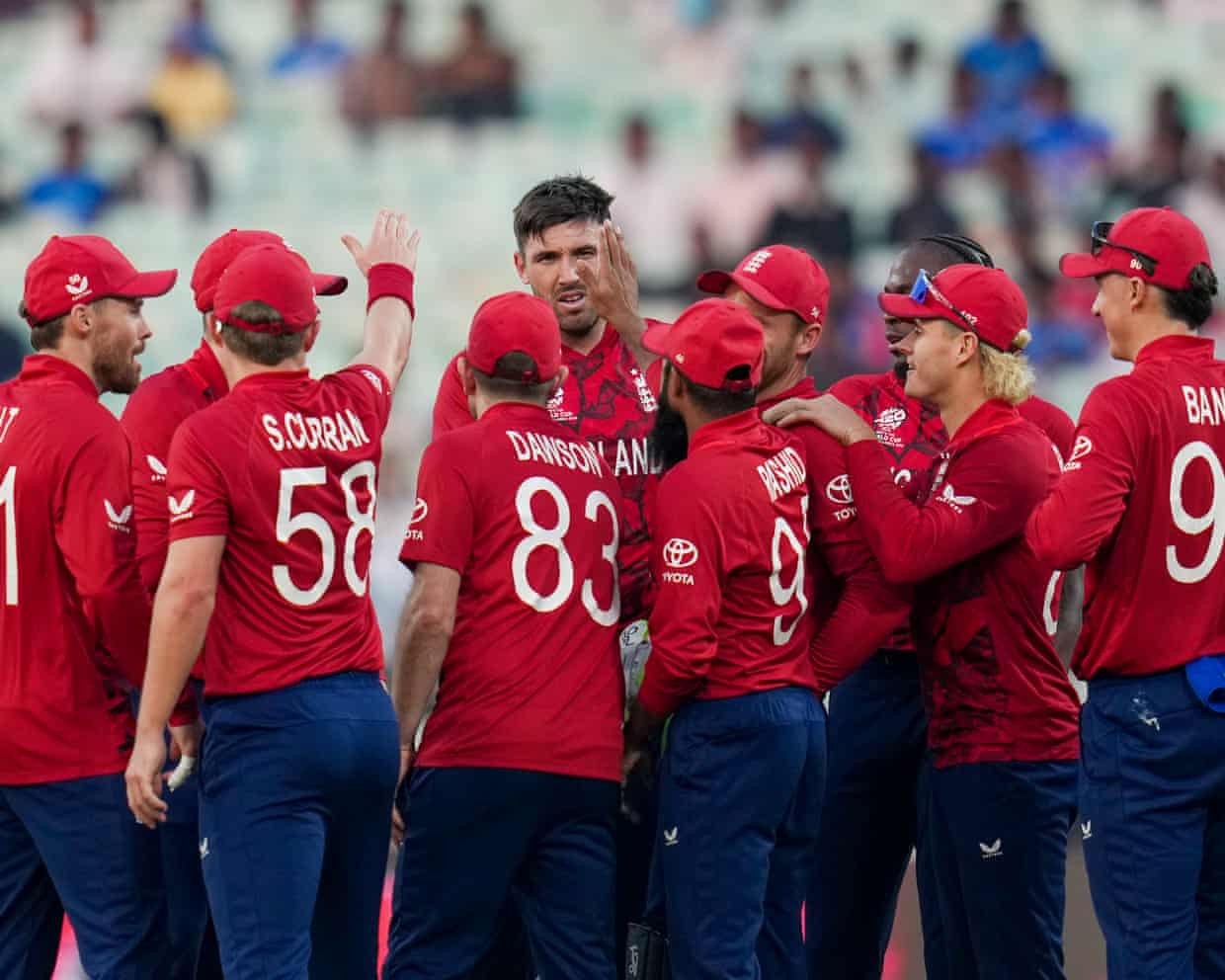
If there was one thing the players of England and Italy agreed on at the end of a hugely entertaining and, from an English perspective, frequently concerning match at Kolkata’s Eden Gardens, it was that the situation favoured their opponents.England felt the Italians, unburdened by expectation, enjoyed a free hit. “It’s not an easy game, because all the pressure is on us,” said Jamie Overton. “It’s not easy for them either, but they can go and show what they can do.”Meanwhile Italy felt the English, with their greater tournament experience, always held the upper hand
Russian woman carried Ukraine team placard at Winter Olympics opening ceremony
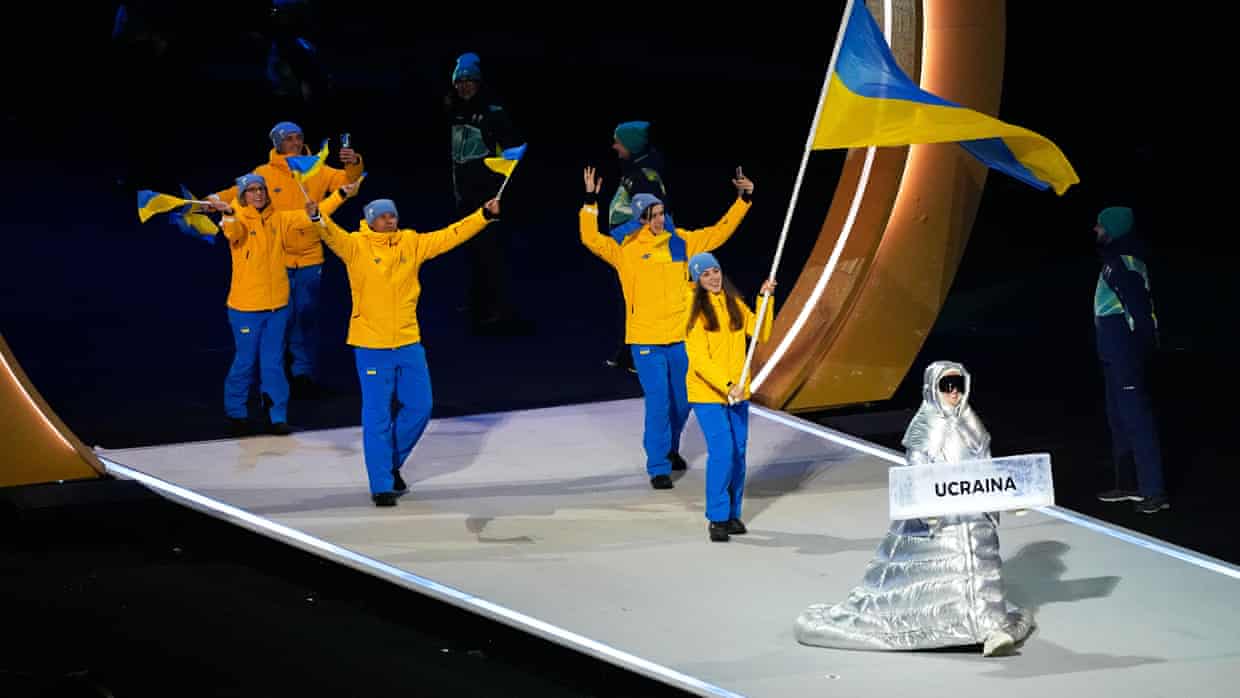
The woman who carried the Ukrainian team placard at the Winter Olympics opening ceremony was a Russian living in Milan, who chose to perform a small act of resistance to show her support for Ukraine.Anastasia Kucherova, an architect who has been living in Milan for 14 years, was unrecognisable in a hooded silver puffer coat, with her eyes also covered with dark glasses.However she has since revealed that she was the volunteer who led the five Ukrainian athletes competing in Milan into San Siro to her 879 Instagram followers and in an interview with the Associated Press.“When you walk by the side of these people you realise they have every human right to feel hatred towards any Russian,’’ she told the AP. “Still, I think it’s important to do even a small action to show them that maybe not all the people are thinking the same way
Winter Olympics briefing: Swiss stranglehold on skiing shows no sign of loosening
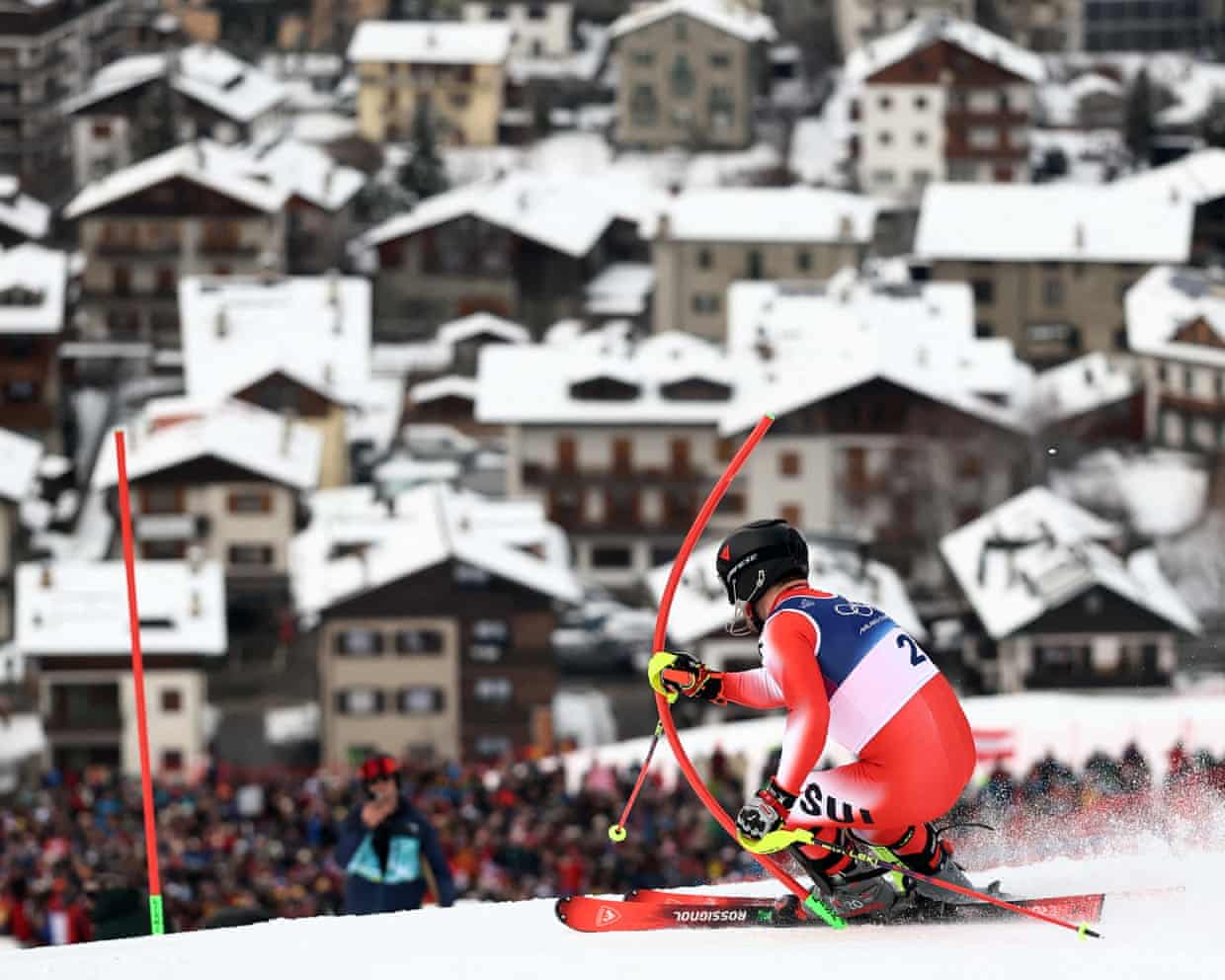
Switzerland’s men have dominated the ski slopes of Milano Cortina. Not since the super-G and the team combined were added to the Olympic programme in 1988 has one country won four of the five events – a feat achieved with Loïc Meillard’s victory in the slalom on Monday. Only Brazil managed to stop them in these Games.Franjo von Allmen has been their undisputed star, heading home with three golds in his hand luggage. After winning the downhill on the opening weekend, he was given a helping hand by Tanguy Nef’s scintillating slalom run as they won the team combined
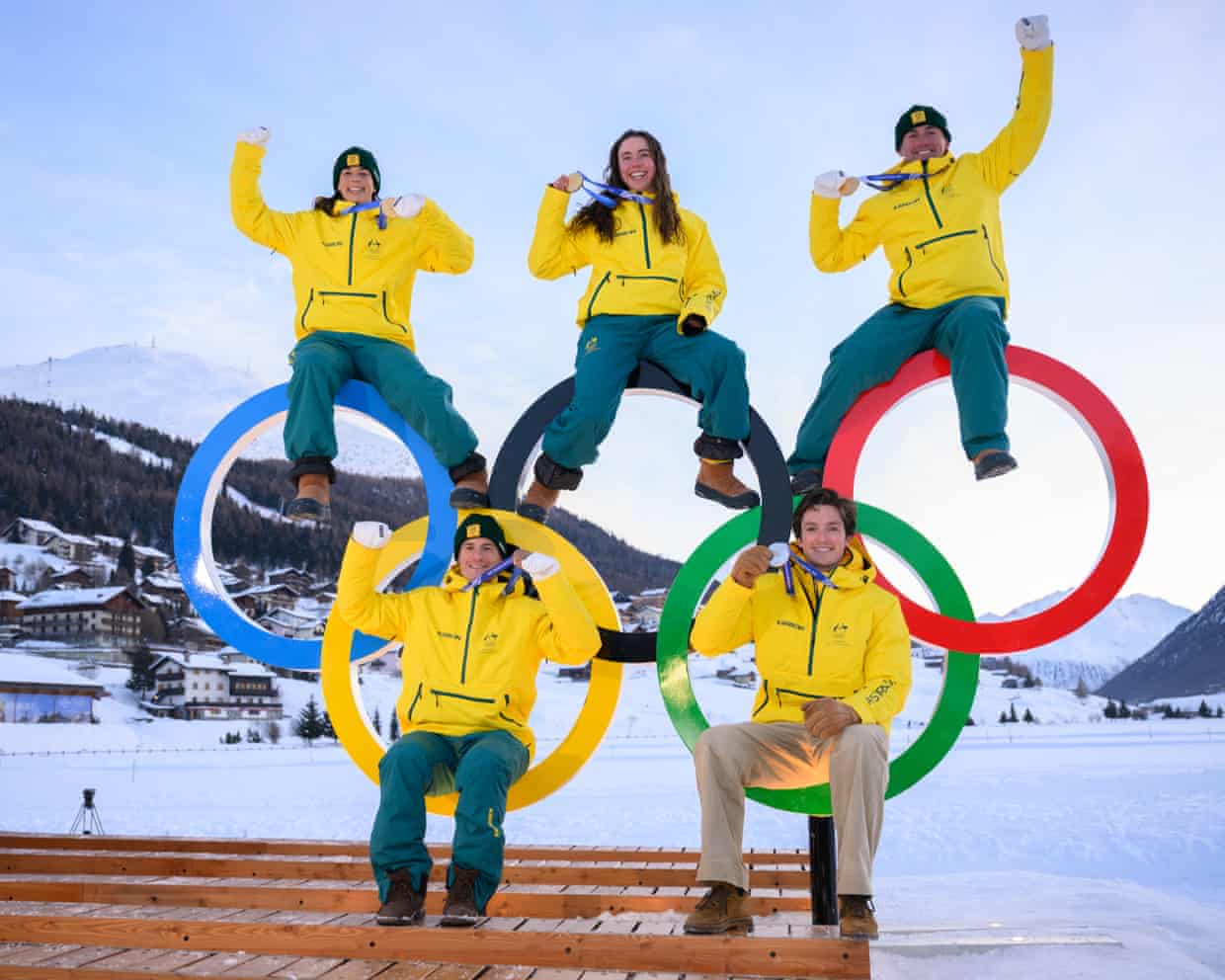
How did Australia – better known for its beaches than snow – become a consistent Winter Olympics performer? | Kieran Pender
In 1936, Kenneth Kennedy made history as Australia’s first Winter Olympian. It was a lonely enterprise; not only was Kennedy the nation’s sole representative at the Games in Germany, but the speed skater was entirely unsupported, with no staff or Australian Olympic officials in attendance.From those inauspicious beginnings, almost six decades would pass before Australia won its first Winter Olympic medal; bronze in the men’s 5000m speed skating relay (Steven Bradbury – later to become Australia’s most famous Winter Olympian – was a member of the team). But from famine, now a hearty Winter Olympics meal awaits Australians every four years – if perhaps not yet a medal feast.Australia has won medals at every Winter Games since that bronze in 1994

Winter Olympics 2026: Elana Meyers Taylor wins monobob gold for USA; Canada’s Oldham lands freeski big air crown – as it happened
That’s it from us for today. Lots happening tomorrow though: the qualifiers begin for the aerials, which is always spectacular, as will be the snowboard slopestyle final. There are medals in biathlon and in Nordic combined, for the fans of serrated skis. There’ll be team pursuit medals in the speed skating, the men’s big air final for skis, the short program for the women’s single figure skating, the two-man bobsleigh medals, and more curling than you can slide a rock at. See you there
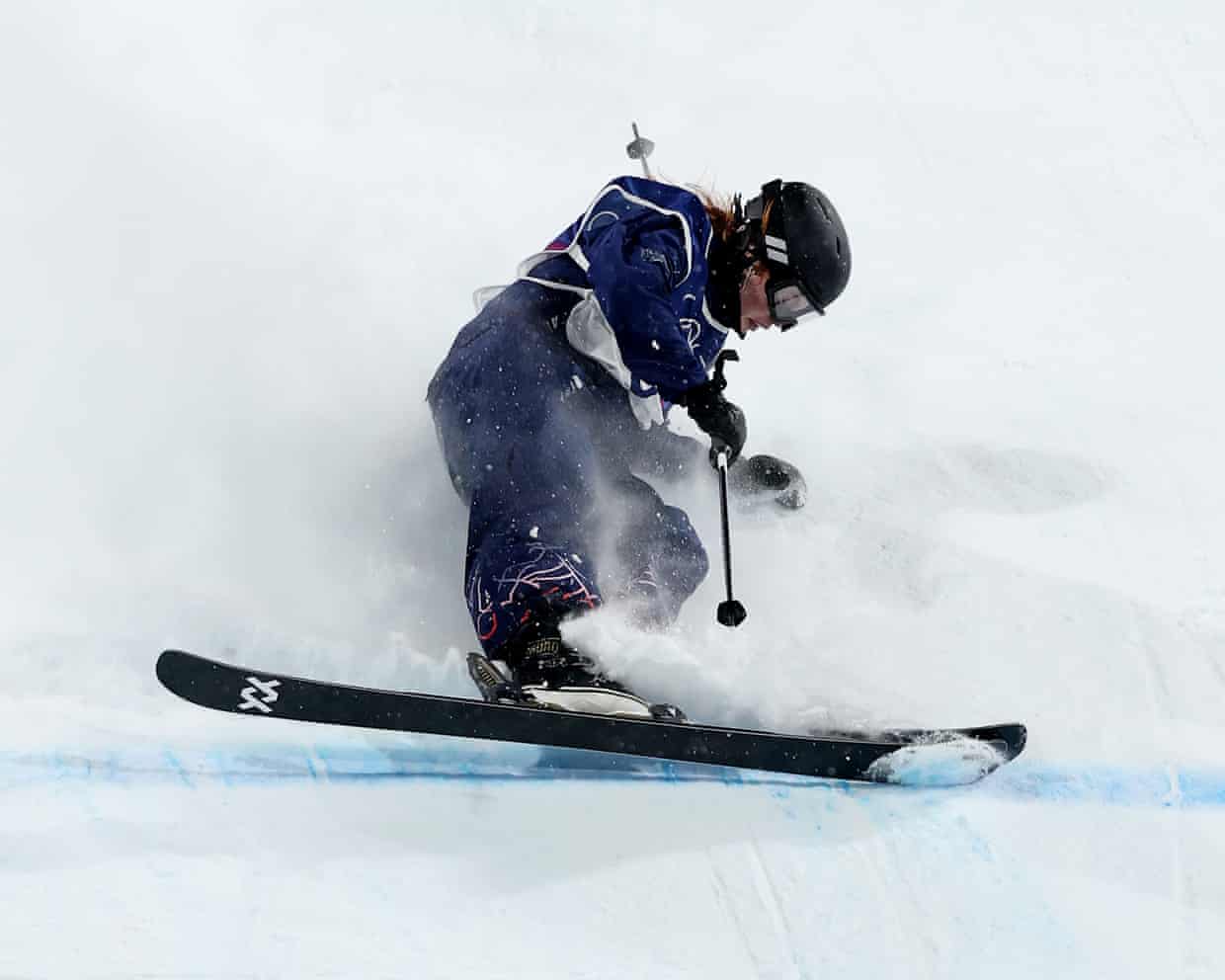
Muir fourth again after agonising tumble as Oldham wins big air gold for Canada
This time, Kirsty Muir must surely have believed that a Winter Olympic medal was in her grasp. But as a thrilling big air competition reached its denouement, an Italian with no anterior cruciate ligament in her right knee came down a 180‑feet ramp and drove a stake through the Briton’s heart.It all looked so promising when the 21-year-old from Aberdeen landed a stunning left double 1620, with four and a half rotations, to move into the medal positions after two of the three rounds. However, with just four jumps of the competition remaining, Flora Tabanelli, who tore her ACL in November, did the same trick as Muir but only better to score 94.25 points to steal the bronze medal

EU to investigate Shein over sale of childlike sex dolls and weapons
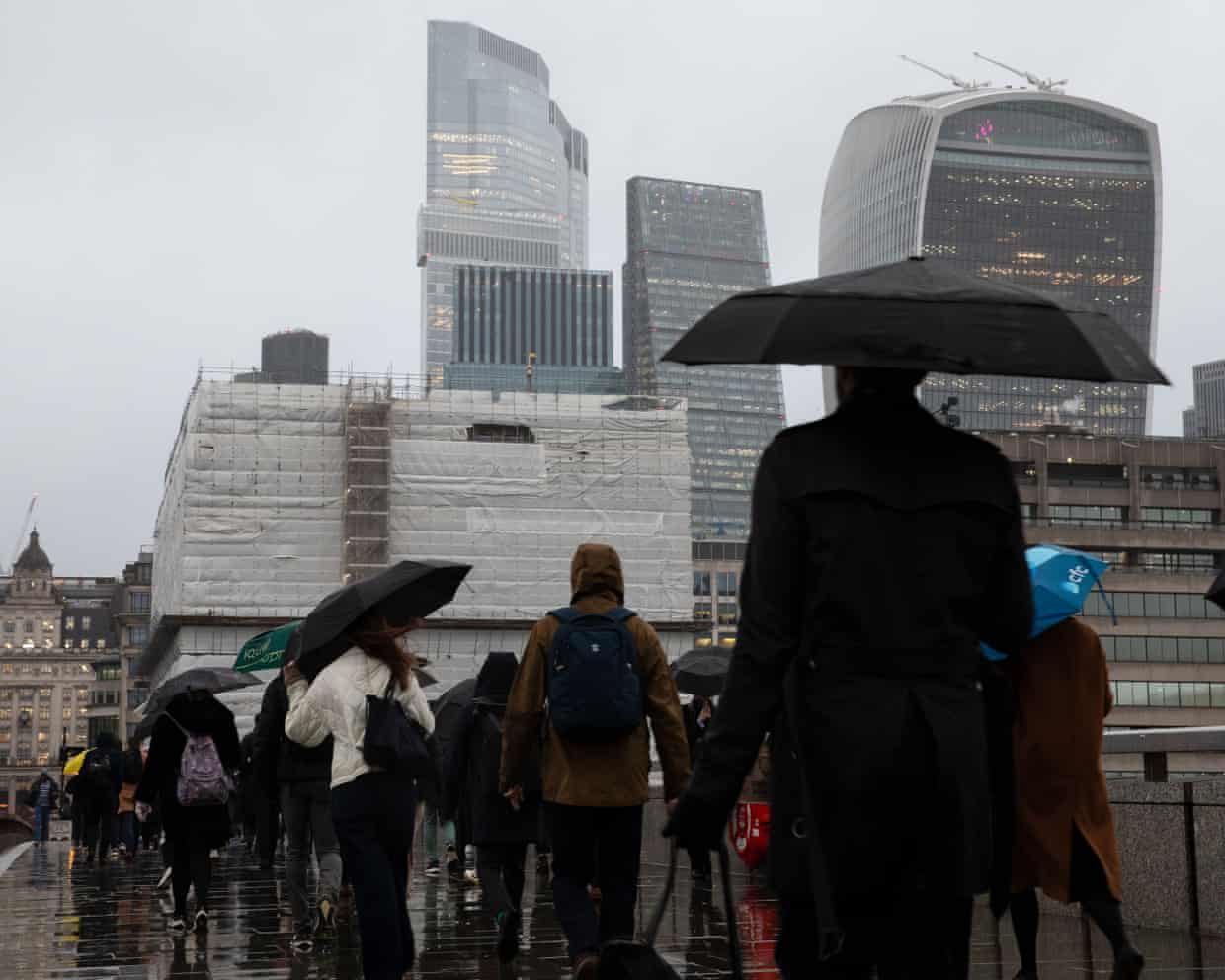
UK unemployment rate hits five-year high of 5.2% as wage growth cools
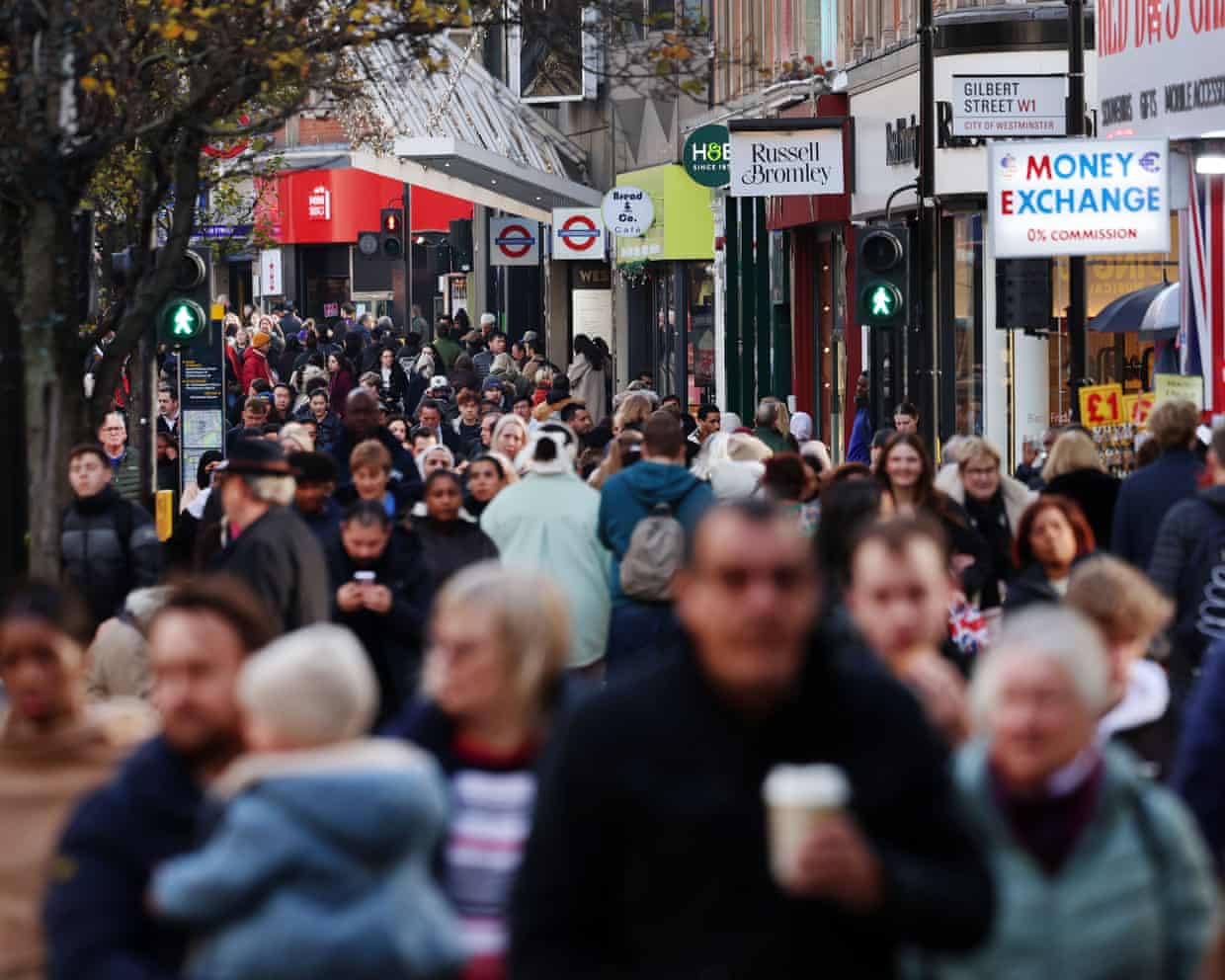
Gloom for UK workers as incomes flatline and jobs market falters
Coles tells court its Down Down promotions were ‘fair dinkum’ and did not mislead shoppers
Car dealership tycoon ousted from his Kent company in ‘coup’, high court hears
UK bank bosses plan to set up Visa and Mastercard alternative amid Trump fears