Black people in England twice as likely to suffer stroke as white counterparts
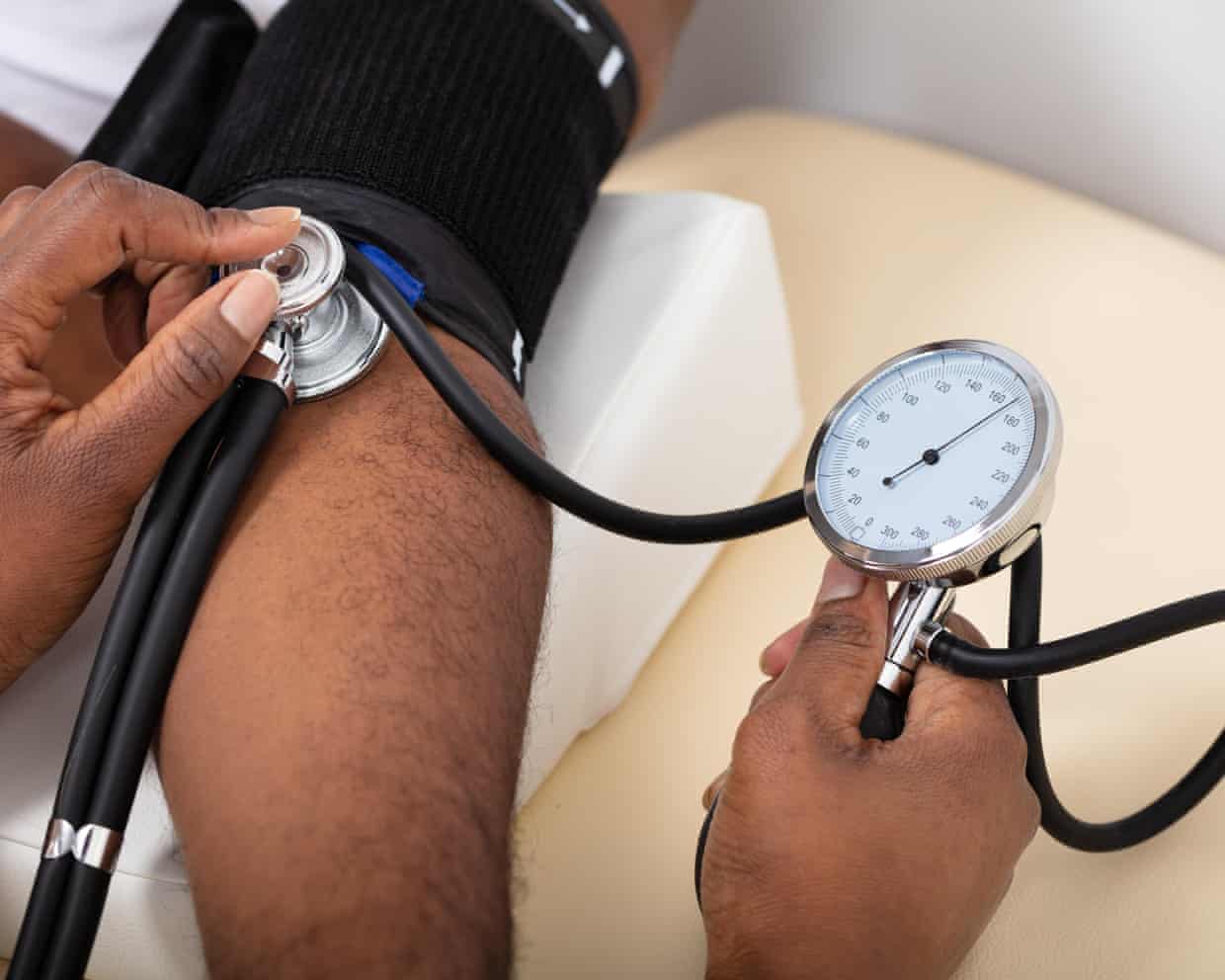
People from black backgrounds in England are twice as likely to experience strokes as their white counterparts, while also being less likely to receive timely care, according to the largest study of its kind.The study, conducted by researchers at King’s College London and presented at the European Stroke Organisation conference, analysed 30 years of stroke incidents from the South London Stroke Register, one of the longest-running population-based stroke registers in the world.The register is unique due to the fact that unlike clinical trials, it recruits every single person who has had a stroke in a defined area.Within a population of 333,000 people, according to the analysis, 7,726 strokes occurred.And while stroke incidence fell by 34% between 1995-99 and 2010-14, the rate rose again by 13% between 2020 and 2024.
The analysis also found that during this period where stroke incidents were on the rise, people from black African and Caribbean backgrounds were more than twice as likely to experience a stroke compared with their white counterparts.More specifically, stroke incidence was 131% higher in black African and 100% higher in black Caribbean populations in comparison with their white counterparts.People from black backgrounds are up to 47% more likely to have high blood pressure, and are also up to twice as likely to have diabetes than their white counterparts, even after adjusting for other risk factors including socioeconomic background.Dr Camila Pantoja-Ruiz, of King’s College London, the lead author of the study, said: “This trend may partly reflect the lasting impact of the Covid-19 pandemic, which reduced access to primary care, blood pressure monitoring and prescribing, particularly affecting black and deprived communities.”She added: “These patterns of increased stroke risk in these communities may also be influenced by broader factors, including racism, unconscious bias and socioeconomic circumstances, which can impact access to and quality of care.
“Compared with other stroke types, intracerebral haemorrhage is more strongly associated with uncontrolled high blood pressure, which is more common in black communities.”The study also reveals that stroke survivors from a black African background were 34% less likely to receive follow-up care on the NHS after a stroke, while also experiencing a stroke about 10 to 12 years earlier than their white counterparts.According to the researchers, the period immediately after a stroke is critical for preventing another, leaving people from black backgrounds more vulnerable to worse health outcomes in the future.“Less timely follow-up leaves patients at elevated risk for longer and may be influenced by mistrust in healthcare services linked to historical and ongoing experiences of discrimination,” Pantoja-Ruiz added.Maeva May, the director of policy at the Stroke Association, said: “These findings reveal that stroke is rising again and that black African and black Caribbean communities are bearing a disproportionate burden.
“This rise is shaped by higher rates of undetected and under-treated risk factors for stroke, including high blood pressure – which is the cause of around half of all strokes – and diabetes,This is further exacerbated by the broader social and economic circumstances, such as poor housing, which shape health long before a stroke occurs,“We know that progress is possible – stroke rates have been falling over the last two decades, proving that prevention works when it reaches the people who need it,“The challenge now is making sure that this support reaches everyone equally,The government must prioritise stroke and be guided by the voices of communities who are adversely affected by this life-changing condition.
”
New Mexico proposes $3.7bn fine for Meta and sweeping changes to its social platforms
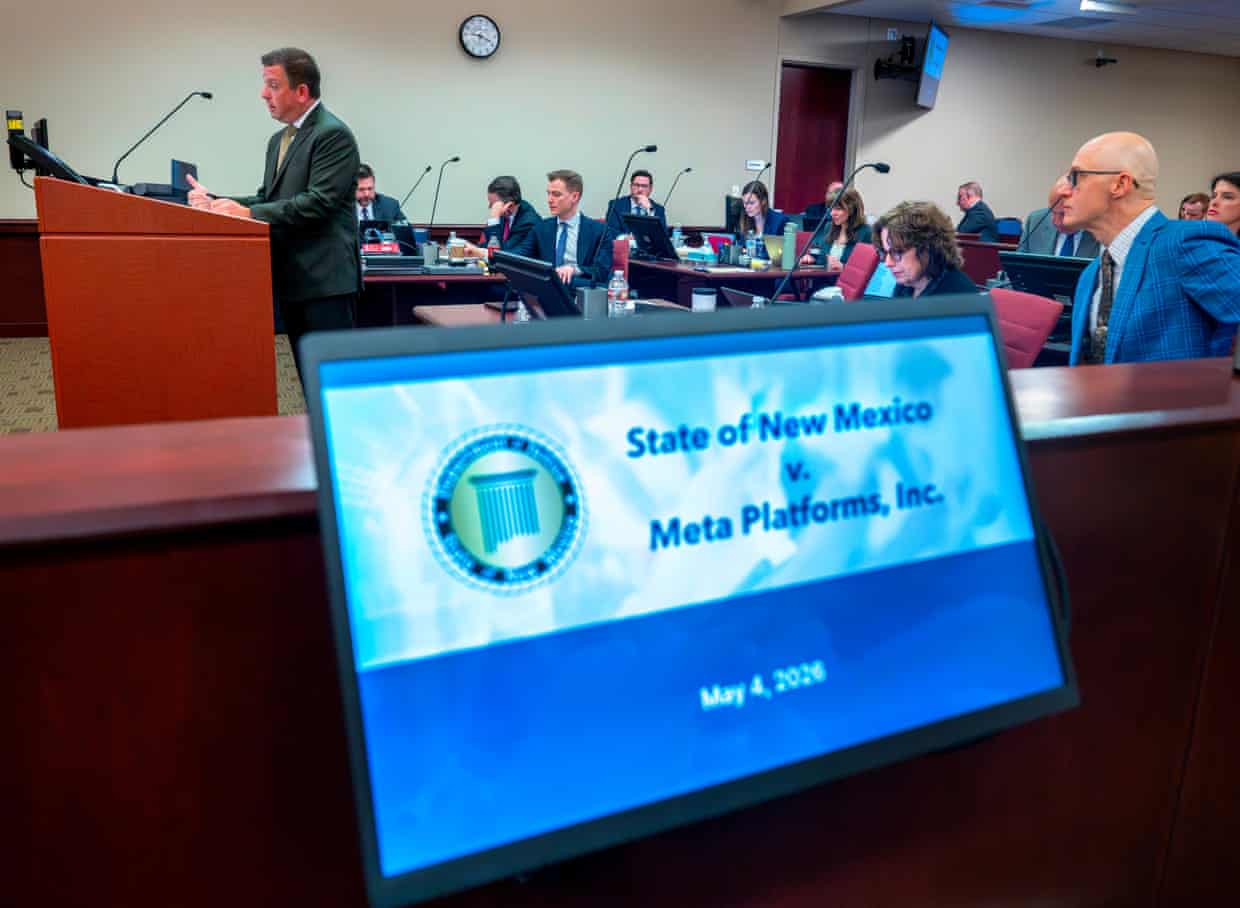
Meta has returned to court in the US this week for the second phase of a lawsuit brought by Raúl Torrez, New Mexico’s attorney general, following a March verdict that found the company liable for child safety failures and imposed a $375m fine. On Monday, the state petitioned for a legal sanction against the company, a monetary penalty 10 times the original amount, and a sweeping, drastic overhaul of Meta’s child safety protocols.In the second part of the landmark case, known as the remedies phase, the state is asking for Meta to be declared a public nuisance and for the judge to order the company to pay $3.7bn in an abatement plan. The money would fund programs for law enforcement, mental health services and educators
US and tech firms strike deal to review AI models for national security before public release
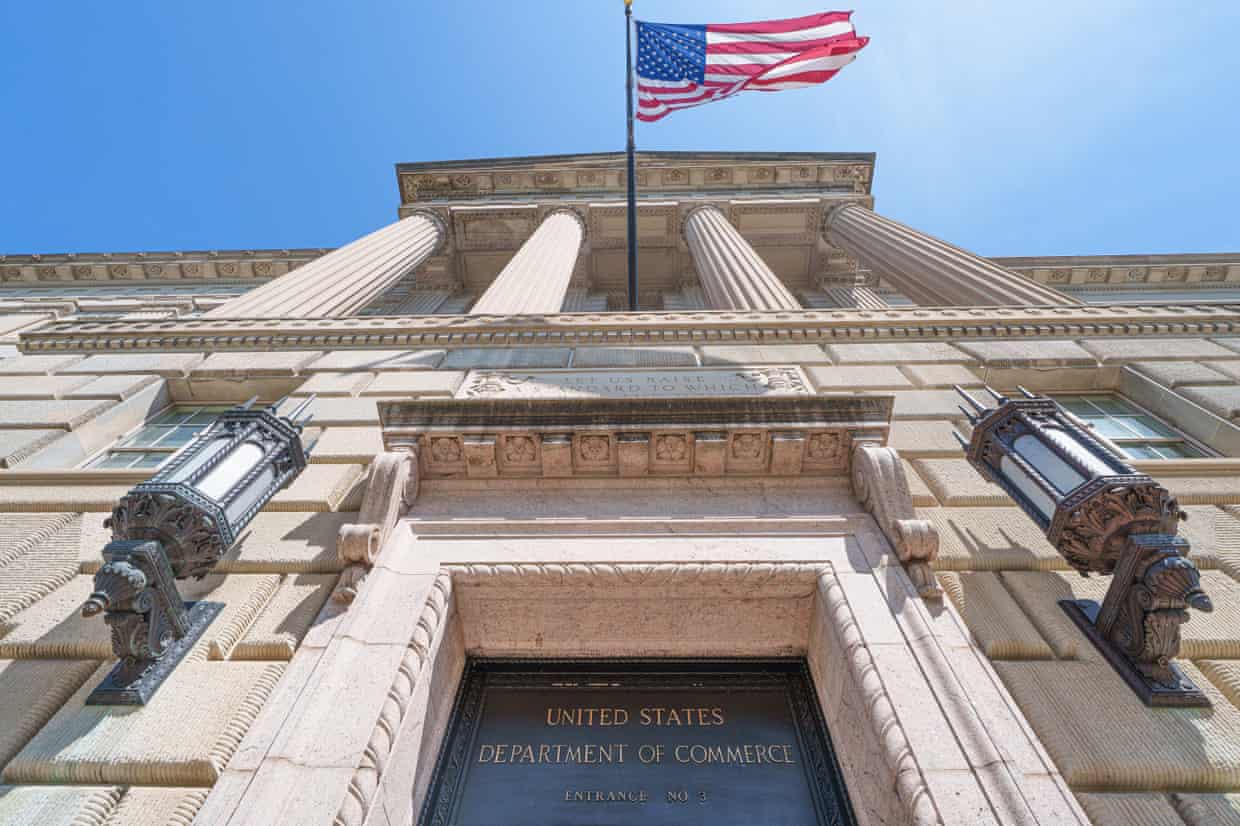
The US government has struck deals with Google DeepMind, Microsoft and xAI to review early versions of their new AI models before they are released to the public.The Center for AI Standards and Innovation (CAISI), part of the US Department of Commerce, announced the agreements on Tuesday, saying the review process would be key to understanding the capabilities of new and powerful AI models as well as to protecting US national security. These collaborations will help the federal government “scale (its) work in the public interest at a critical moment”, the agency said in a press release.“Independent, rigorous measurement science is essential to understanding frontier AI and its national security implications,” said Chris Fall, CAISI director.CAISI is an agency meant to facilitate collaboration between the tech industry and the federal government in developing standards and assessing risks for commercial AI systems
OpenAI president’s ‘deeply personal’ diary becomes focus in Musk’s case against Altman
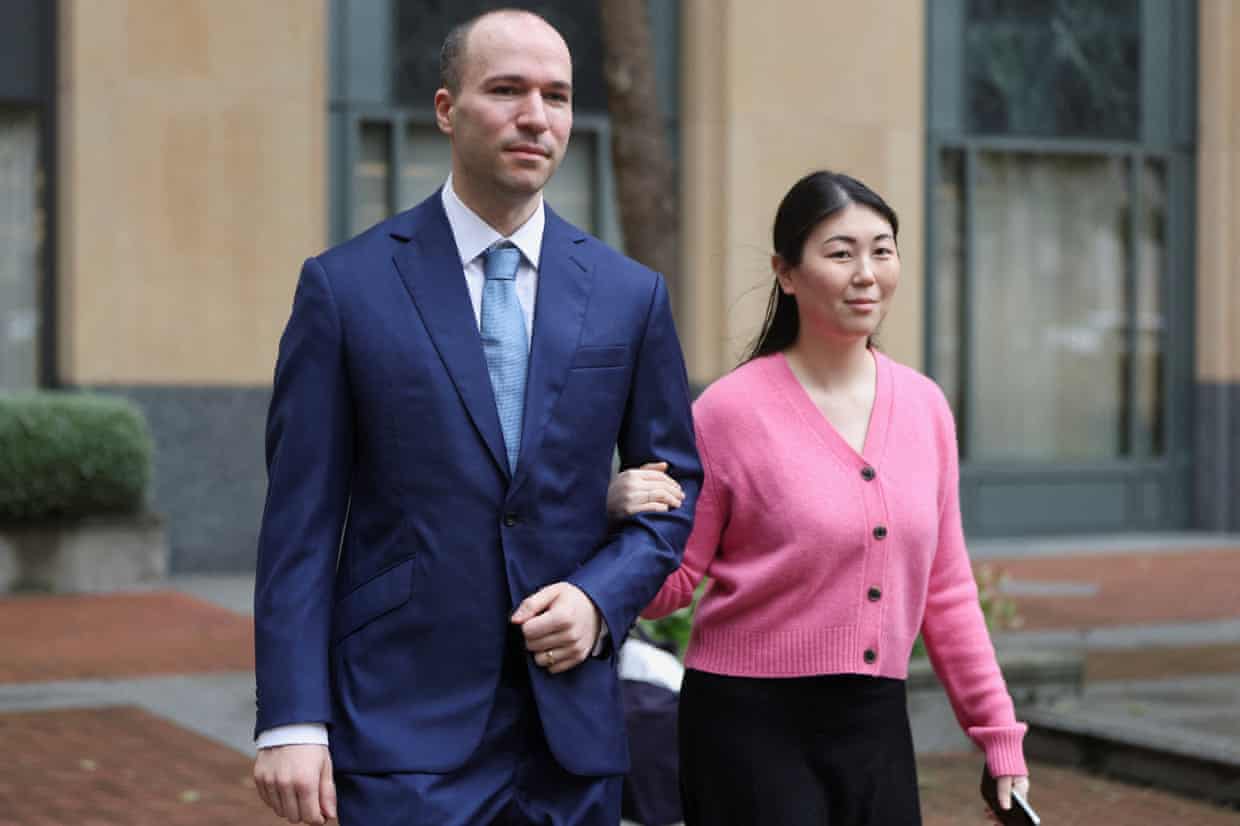
As Elon Musk’s case against OpenAI entered its second week, focus shifted to the company’s president, Greg Brockman. Over the course of several hours on Monday and Tuesday, Brockman faced questions about his emails, texts and one piece of evidence that has become central to the trial: his personal diary.Musk’s lawsuit revolves around his allegation that Brockman, OpenAI and its CEO, Sam Altman, violated the founding agreement of the artificial intelligence firm by turning it into a for-profit entity. Musk argues that Altman and Brockman also unjustly enriched themselves in the process, essentially taking Musk’s money while deceiving him about their true intent for the business. He is seeking Altman and Brockman’s removal, the undoing of the for-profit restructuring and $134bn, which Musk wants distributed to OpenAI’s non-profit
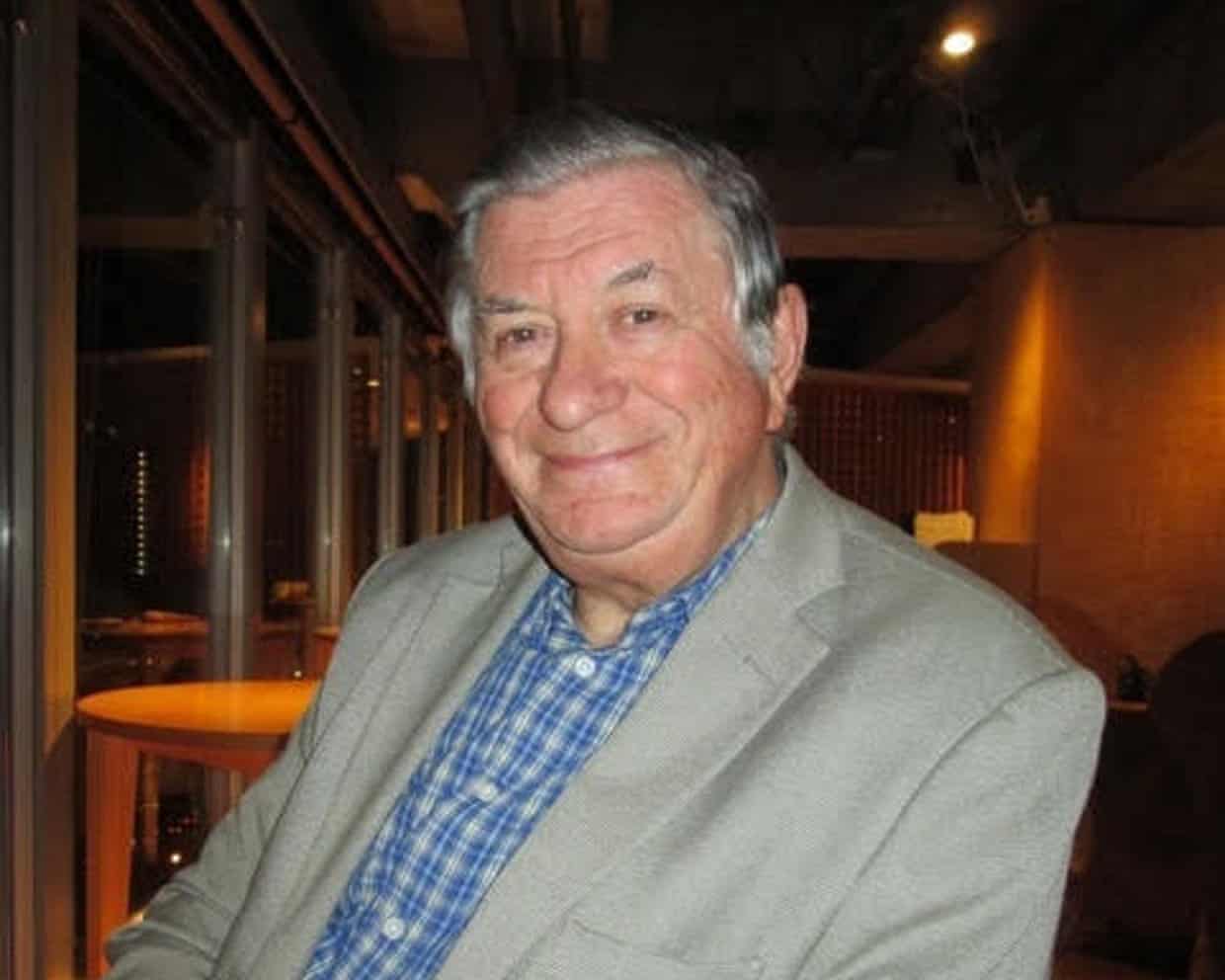
Ken Eason obituary
My friend and former colleague Ken Eason, who has died aged 83, was an eminent academic. He specialised in the study of how the introduction of computer technology affects managers and employees in organisations, often with unexpected consequences.Much of his work took place at Loughborough University, where he was involved in the formation in 1970 of the university’s Human Sciences and Advanced Technology (HUSAT) Institute, which carried out some of the earliest research on human-computer interaction.He was the institute’s deputy director until succeeding its founder, Brian Shackel, as its director in 1992, holding that position until Husat was disbanded in 1996. Thereafter he was professor of cognitive ergonomics at Loughborough until his retirement in 2002
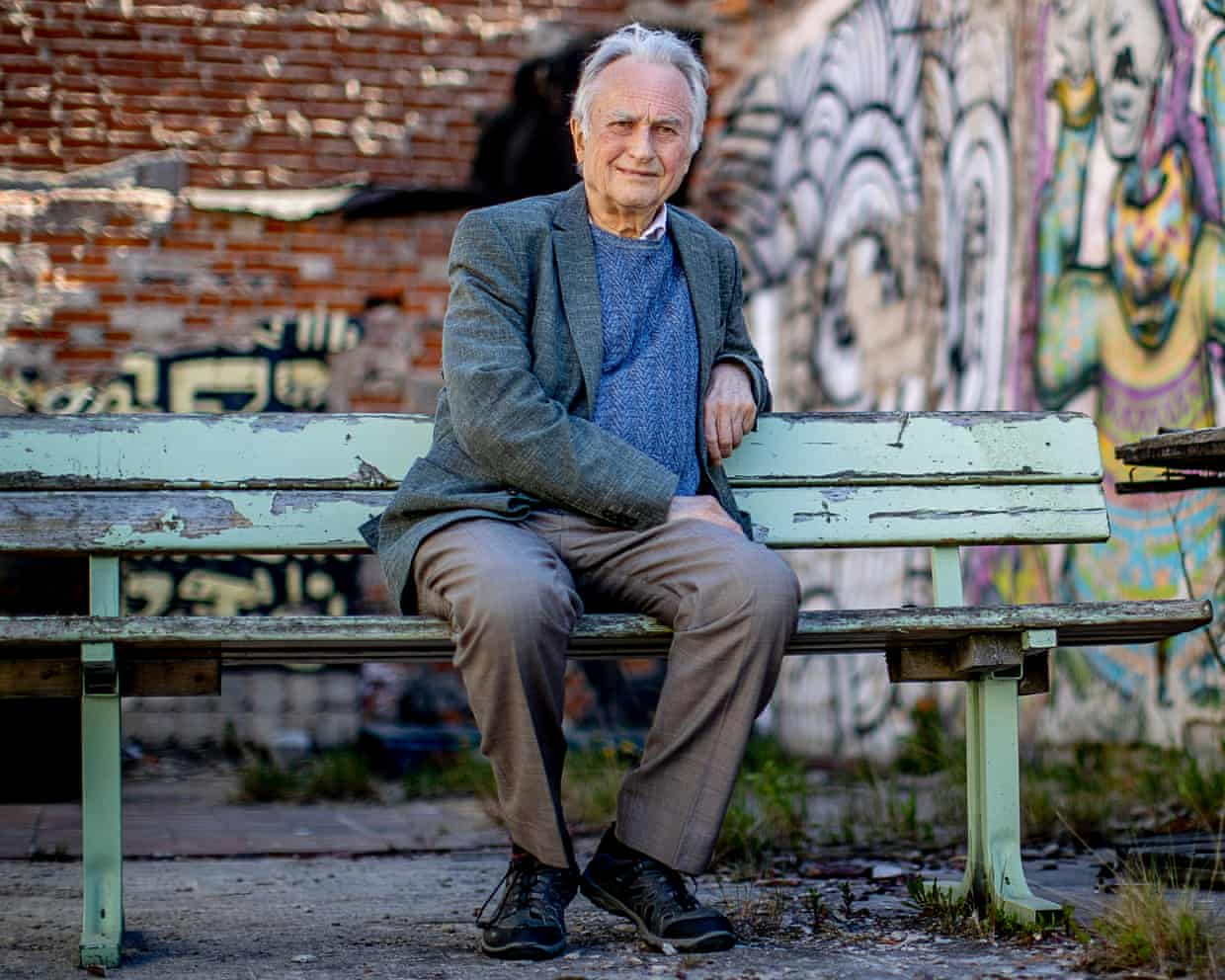
Richard Dawkins concludes AI is conscious, even if it doesn’t know it
When Richard Dawkins met Claudia it was like a whirlwind romance. Over three days last week, a conversation bounced between the evolutionary biologist and the AI bot he called Claudia. “She” wrote poems for him in the manner of Keats and Betjeman and laughed at his “delightful” jokes. Dawkins gently admonished Claudia to avoid showing off. Together, they reflected on the sadness of the AI’s possible “death”

GameStop shares fall 10% after CEO skirts questions over eBay acquisition details
GameStop’s shares fell more than 10% on Monday as questions emerged about how the company would finance its surprise $55.5bn bid for eBay.In an interview with CNBC, Ryan Cohen, GameStop’s CEO, skirted repeated inquiries about how the video games retailer could afford the deal, saying he didn’t understand the questions.A letter published on GameStop’s website outlines a half-cash, half-stock proposal to acquire eBay at $125 a share, using about $9.4bn in “cash on hand”, and a $20bn in potential debt financing from TD Securities

Norwegian government attacked over decision to reopen North Sea gasfields

In this budget, all eyes are on CGT. But Labor’s rumoured family trust tweaks might also help fight tax inequality | Greg Jericho
TikTok’s algorithm favored Republican content in 2024 US elections, study finds
‘Your craft is obsolete’: WiseTech staff in limbo as AI touted as better than humans
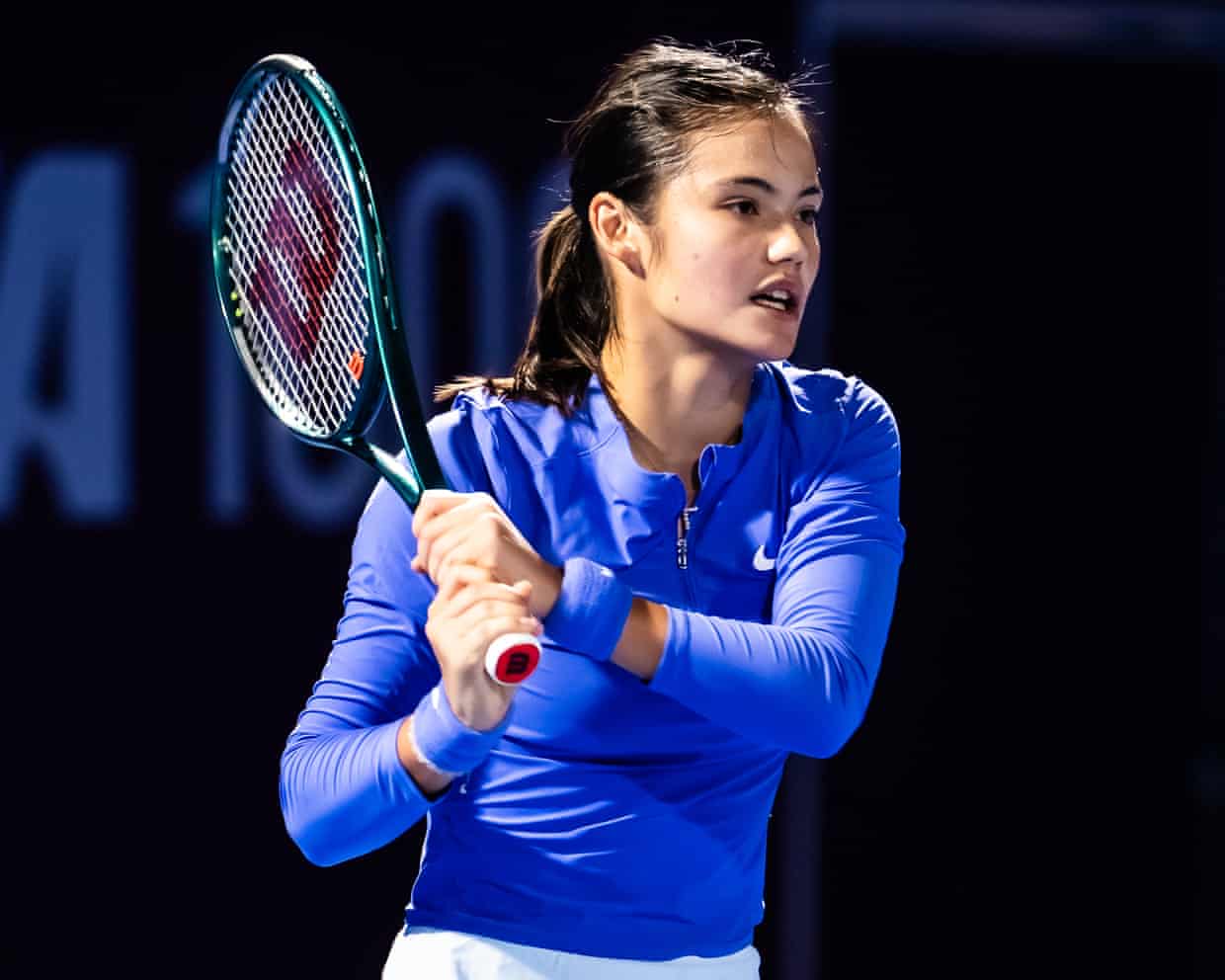
Raducanu’s road leads from Rome to a French Open fitness race and questions beyond
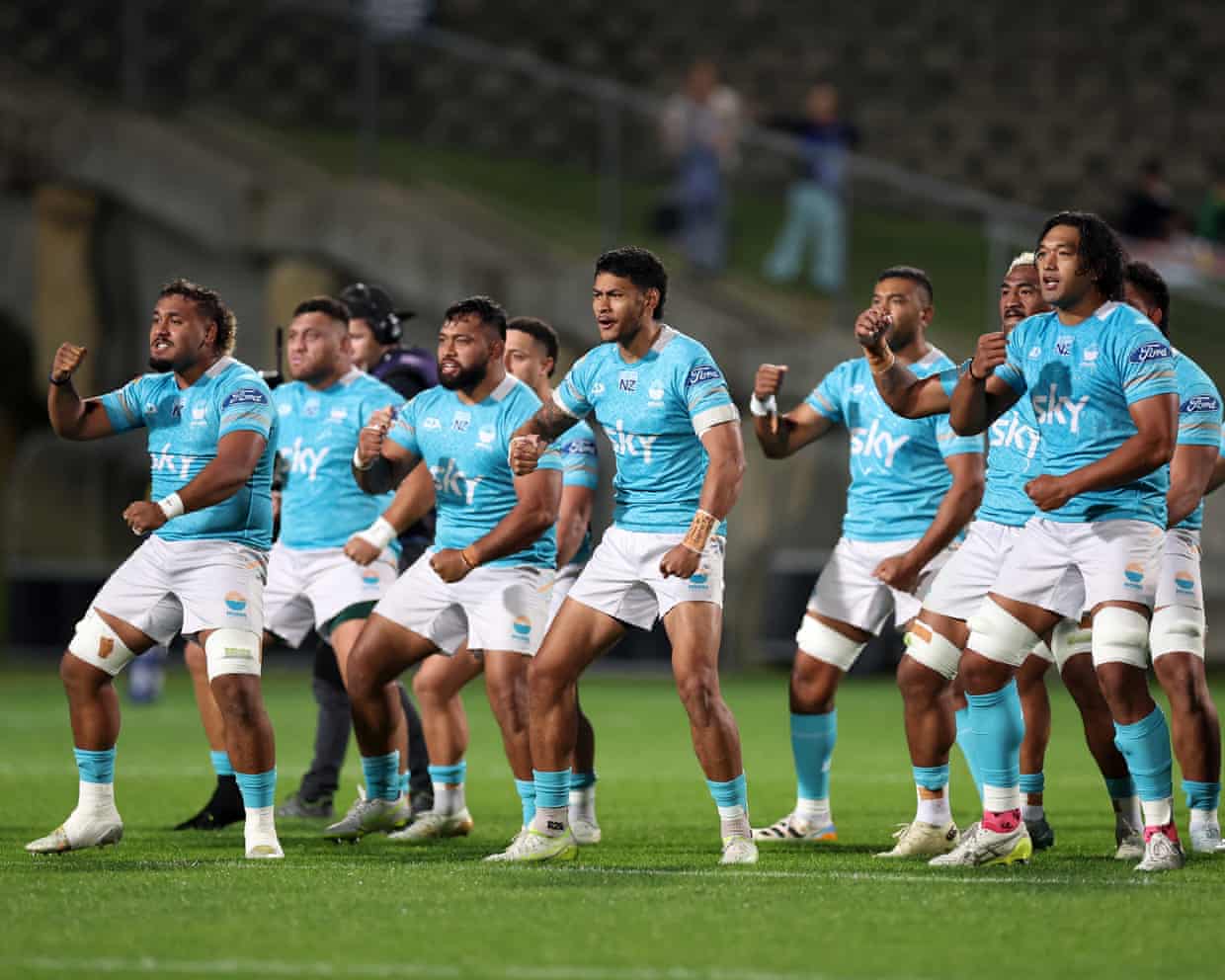
Rugby union’s Pacific heartlands threatened by NRL spree after Moana Pasifika’s collapse