In this budget, all eyes are on CGT. But Labor’s rumoured family trust tweaks might also help fight tax inequality | Greg Jericho

When it comes to how wealth and high income is taxed in this country, it is not hard to agree with F Scott Fitzgerald’s line that “the rich are different from you and me”.The difference between the rich and the rest is abundantly clear when you look at how most people make money.Whereas most of us get money from salary and wages, those who earn $1m or more a year generate most of their income through capital gains, dividends and partnerships and trusts:If the graph does not display click hereUnsurprisingly, the way millionaires make money makes it much easier to avoid tax – whether through the current 50% capital gains tax (CGT) discount or the complex tax arrangements of trusts.But the government finally seems ready to address the gross inequality in the tax system.As I wrote two weeks ago, the strong rumour is that the CGT 50% discount will be abolished and replaced with the pre-1999 system of only taxing real gain.
But one other significant move that looks set to occur is curtailing the rampant use of family discretionary trusts to limit tax,Discretionary family trusts are tax vehicles that are used to split up income among everyone in the trust and thereby reduce the overall tax paid,They are different from non-discretionary trusts where the benefits are defined, such as ones set up, for example, in wills,Discretionary family trusts allow people to divide up income among those within the trust in any way they like,This reduces tax because, under progressive income taxation, less tax can be paid – for example, if you split $400,000 between four people, you get four goes at the tax-free threshold, four lots of the low-income tax offset and four lots of income to $45,000 being taxed at marginal rates of 16%.
In this example, you can reduce your tax bill by nearly $63,000 – a 43% cut.If the graph does not display click hereDiscretionary trusts are not something most people have any use for; they are not applicable for people who only earn wages – but they are a huge deal among the wealthy.Consider Hudson Financial Planning’s list of “The nine most effective tax minimisation strategies for wealthy Australians in 2025”.No 1 is “family trusts with corporate beneficiaries”.Or what about an article in the AFR that asks that vital question of “How to stop your kids and grandkids being taxed like CEOs”? An answer is “use a family trust”.
Their use has grown significantly over the past couple decade, from 328,725 in 1990-91 to 1.02m in 2023-23.The big growth occurred in the early 2000s, perhaps not coincidentally alongside the big increase in capital gains after the Howard government introduced the CGT 50% discount.In 2000-01, there were 3.3 discretionary trusts per 100 taxpayers.
Now it is up to 5.1:If the graph does not display click hereThe problem of people using trusts to reduce their tax is not new, nor is it small.David Richardson, my colleague at the Australia Institute, has calculated that the annual income generated through trusts is now about $600bn – or equivalent to a touch under a quarter of Australia’s GDP.Back in 2019, the ATO conservatively estimated that the manipulation of the trust and tax laws was costing the government between $672m and $1.2bn a year in lost tax revenue.
And the richest get the most benefit.While the average salary of a person earning more than $1m a year is around 10 times that of someone earning $60,000 to $100,000, the average income from trusts for millionaires is 50 times greater:If the graph does not display click hereNot surprisingly, the biggest beneficiaries of tax breaks from trusts are the richest Australians.Treasury estimates that around 63% of all the income generated through trusts goes to the richest 10%.If the graph does not display click hereThe government is rumoured to be bringing in a 30% minimum tax rate for income in discretionary trusts.This would greatly reduce the benefit of using them to avoid tax.
Farmers always get antsy about talk of trusts because, aside from minimising tax, families use them to prevent the breakup of farms across generations,But the ATO actually differentiates between trusts for primary production and those for non-primary production (ie investments), so this political issue would be pretty easy to solve,Unsurprisingly, conservatives are out circling the wagons,A former Howard government adviser argues in the AFR that it would be all too complex to do, and that absurdly it would only raise “$100m or $200m”,That is rather lower than the ATO’s 2019 estimate of $672m and $1.
2bn.It’s also lower than what Hudson Financial Planning advise can be saved.They suggest “high-net-worth individuals save an average of $145,000 annually using family trusts”.In 2023-23, 14,694 people who earned over $1m had a trust income.Were they to get that average, we are talking $2.
1bn alone from them – enough to nearly double the funding for Tafe.Next week’s budget will no doubt disappoint many for not doing enough.But if the government does introduce a minimum tax rate for trusts, it will have at least finally brought some equity to the system and ensuring that how the rich are taxed is not so different from you and me.Greg Jericho is a Guardian columnist and chief economist at the Australia Institute

Oil and gas prices fall sharply, driven by hopes of strait of Hormuz reopening – as it happened
Brent crude keeps falling amid hopes that the strait of Hormuz could soon be open again. The global benchmark has slid to $97.48 a barrel, down $12 a barrel – a near-11% drop, the lowest since 22 April.US West Texas intermediate crude fell 11.3% to $90
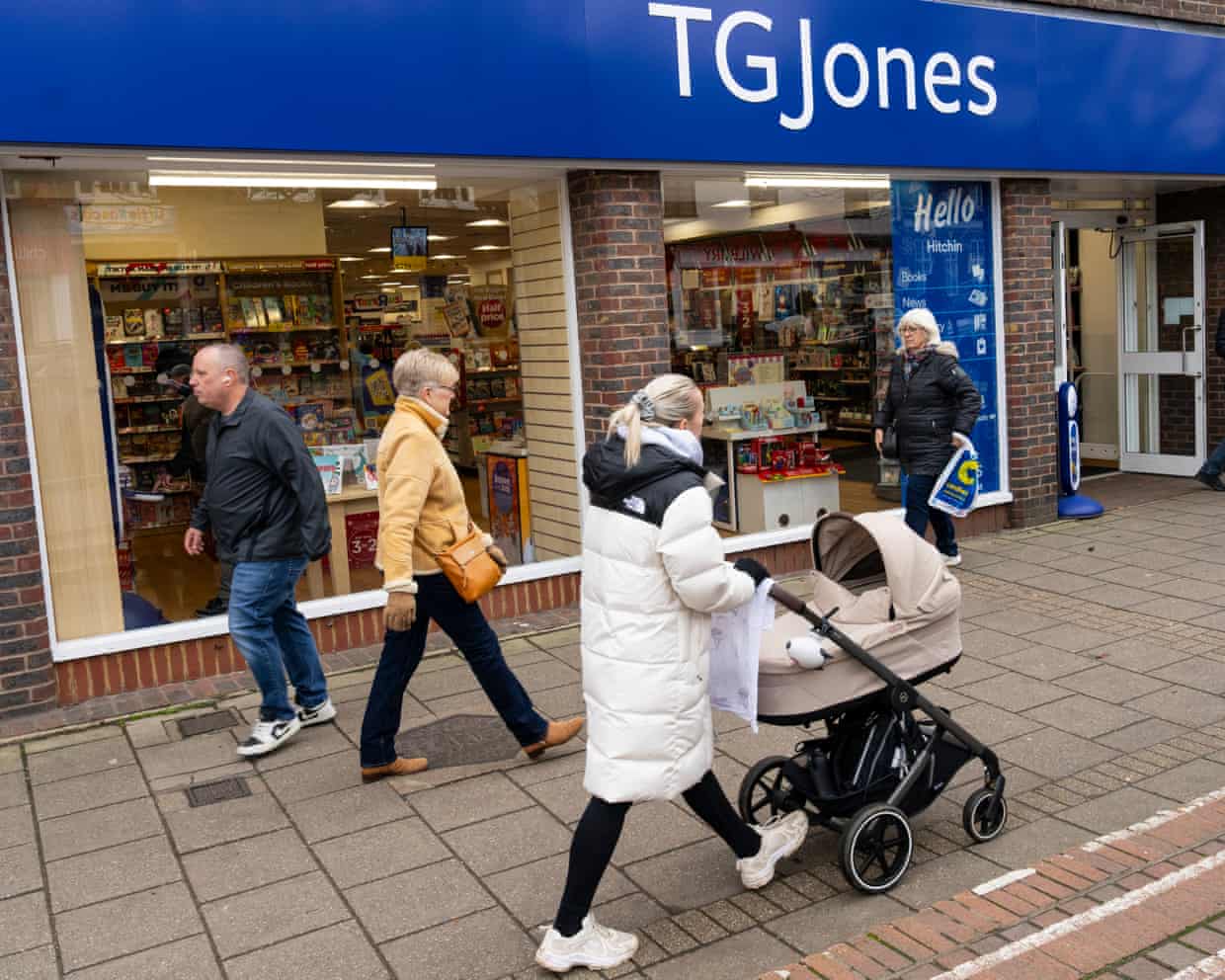
Up to 150 former WH Smith stores face closure, putting thousands of jobs at risk
Up to 150 former WH Smith stores are likely to close, putting thousands of jobs at risk under a radical restructuring plan by their new owner, which had rebranded the shops as TG Jones.The investment company Modella Capital, which bought WH Smith’s chain of 480 high street stores for £76m last year, blamed “weak consumer spending” as it set out the plan to landlords on Wednesday.Eight of the chain’s remaining 450 stores will close immediately, while Modella is demanding 100% rent holidays on about 100 more, as first reported by the Telegraph.The company also wants 75% rent reductions on hundreds more stores for a year, with cuts of between 15% and 75% beyond that period, according to a document seen by the Guardian. If landlords refuse the rent holidays and cuts, the stores could shut
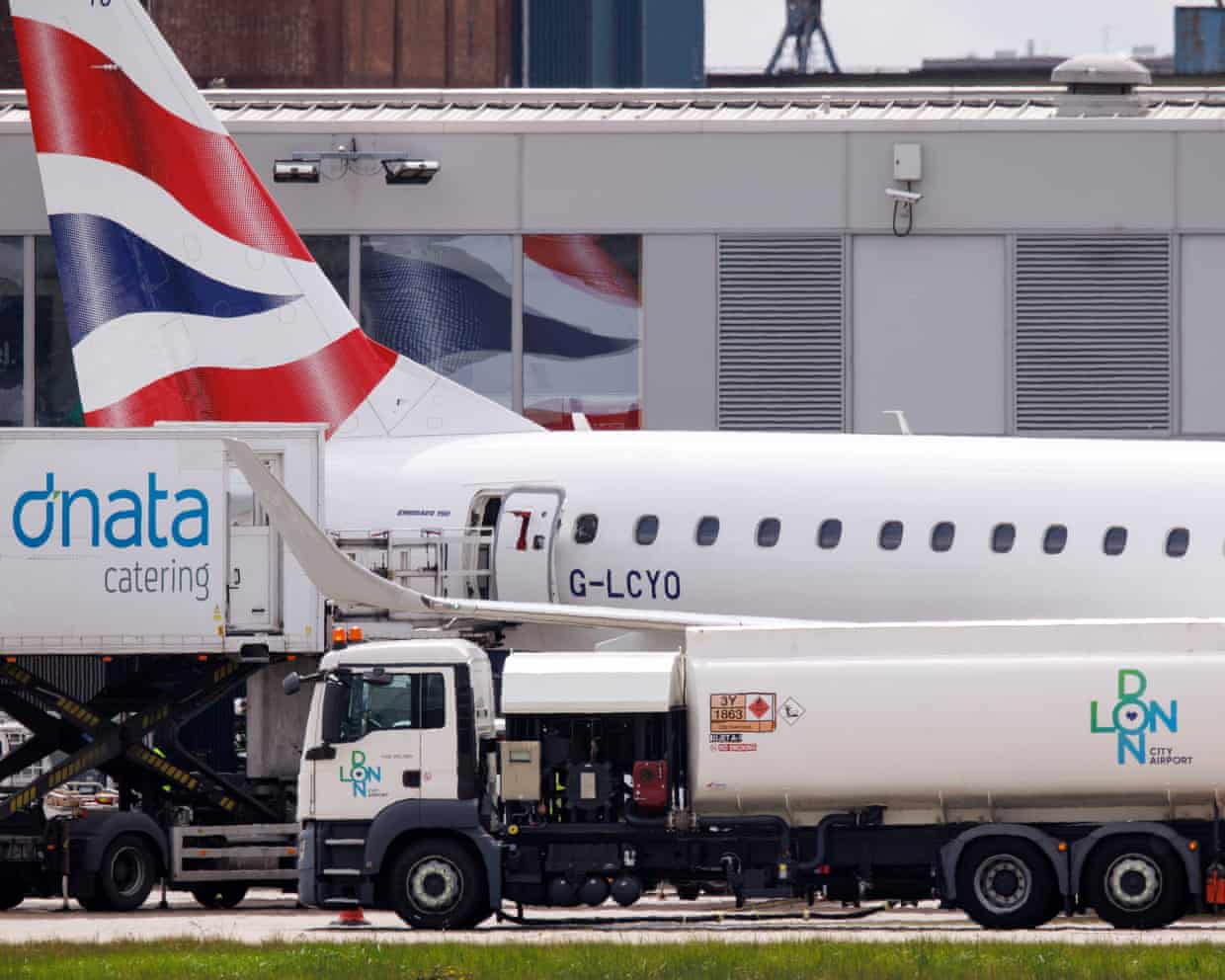
Airlines among companies using fuel surcharges to cover surge in costs, UK survey shows
Airlines and other companies are increasingly using fuel surcharges to cover soaring costs, a survey has found, in a further sign of Iran war-linked inflation hitting the economy.A poll of companies in the services sector, which includes airlines, found rising fuel prices had contributed to businesses raising prices at the fastest pace in more than three years in April.Nearly six in 10 firms surveyed by S&P Global said average costs rose last month, mostly driven by fuel and higher wages, but also in part by metals and plastics getting more expensive.IAG, the conglomerate that owns British Airways, Iberia, Aer Lingus and Vueling, said last month it would make “some pricing adjustments to reflect these higher fuel costs”, although it stopped short of labelling the move as a surcharge.Meanwhile, Virgin Atlantic has added a charge of £360 to business class tickets, falling to £50 for economy
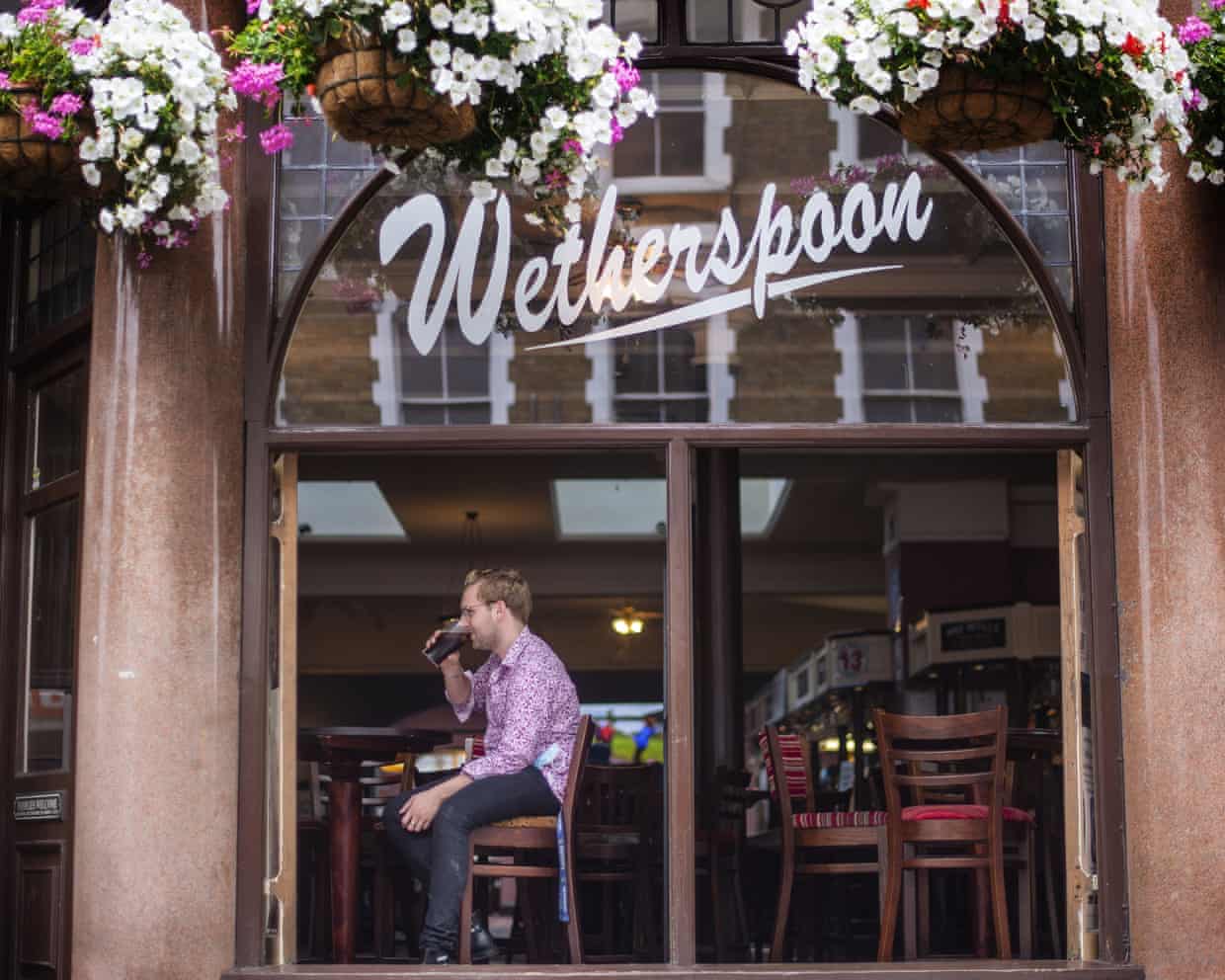
JD Wetherspoon issues third profit warning this year as costs climb
The boss of JD Wetherspoon has said the pub chain could miss profit expectations because of rising costs, in the latest sign the UK hospitality industry is buckling under the pressure of higher energy, food, labour and tax bills.The company’s chair, Tim Martin, told investors on Wednesday: “As many hospitality operators, including Wetherspoon, have reported, there have been substantial increases in costs.”It is the third profit warning this year from the company, which operates about 800 pubs across the UK and Ireland. Investors had already been expecting a drop in pre-tax profit to £73m, compared with £81m last year.Pubs, restaurants and hotels have said rising costs are making it harder to make a profit
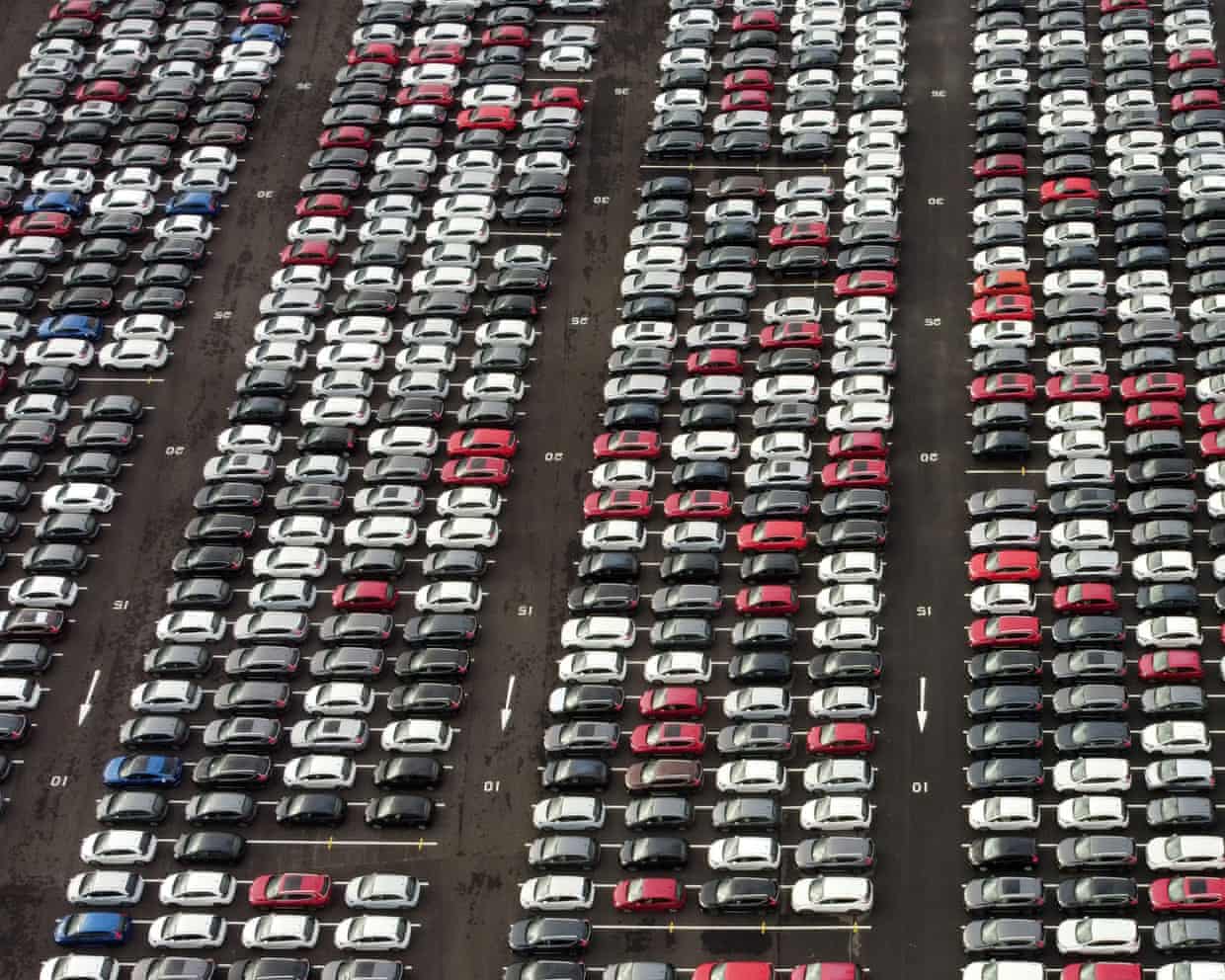
UK regulator launches review of ‘aggressive’ claims management firms amid compensation concerns
The City regulator has launched a review of claims management companies amid concerns that firms are misleading victims of financial scandals, such as car finance, about their compensation.The Financial Conduct Authority (FCA) said some companies were pursuing “aggressive marketing, misleading advertising and unfair exit fees”.Some consumers were being signed up without their permission or by multiple companies, the FCA said, which could delay any compensation owed.Claims management companies (CMCs) have targeted victims of the car finance scandal, where they can charge fees worth up to 33% of the final payouts. The FCA and lenders have advised consumers not to use these firms as the regulator’s scheme is free to use
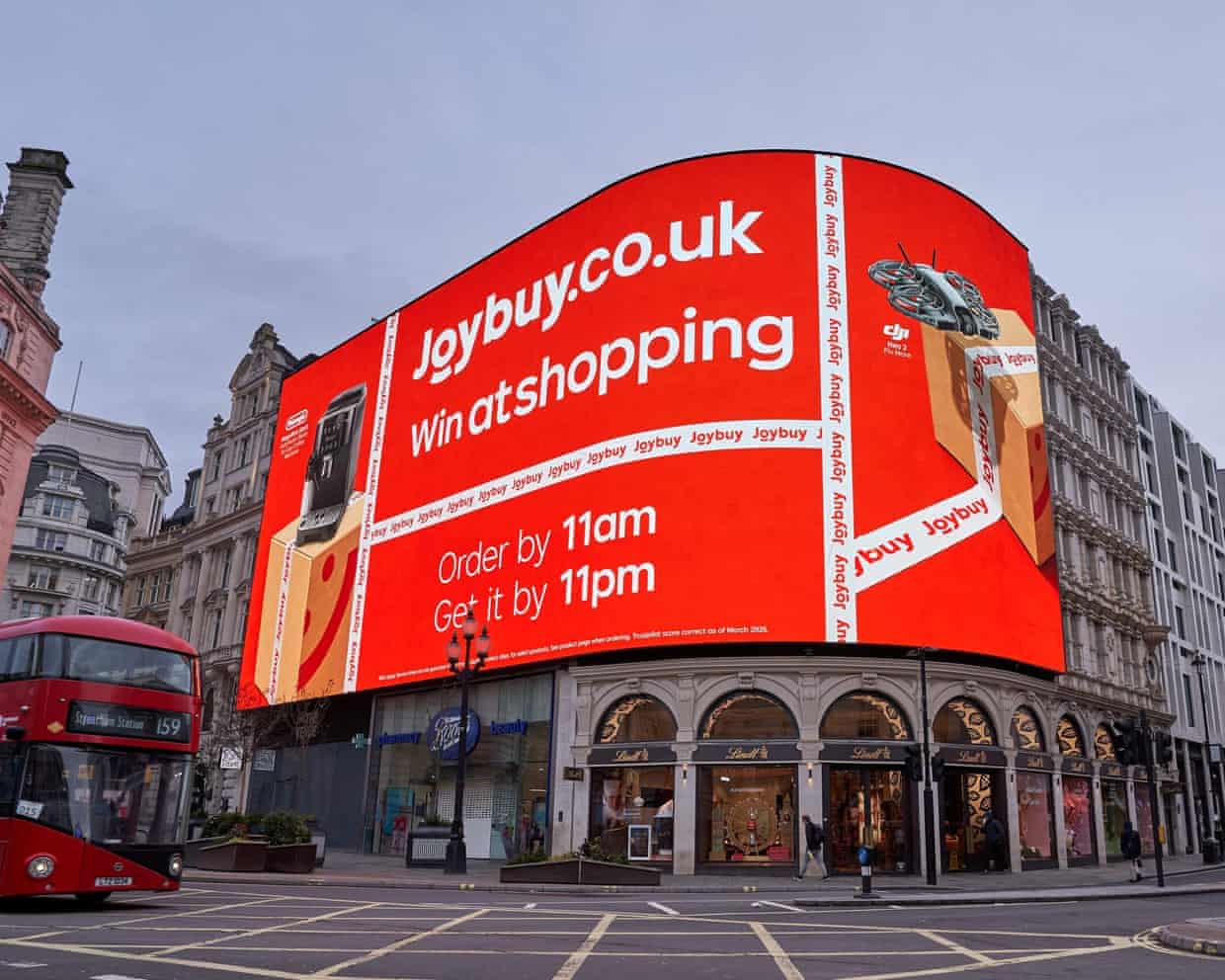
‘Our competitors are everyone’: Joybuy leads ‘China’s Amazon’ into the UK
“We’re here to shake up the UK e-commerce market,” says Matthew Nobbs, the UK boss of Joybuy which is spearheading a European charge by China’s version of Amazon.“I see our competitors as everyone,” he adds, reflecting the scale of ambition of the online retailer that sells home appliances, groceries, makeup and more.Joybuy is owned by China’s JD.com, the giant online and high street retail group which is taking on its US rival Amazon in Britain in a clash that is expected to lead to “collateral damage” for UK retailers caught up in the tussle for shoppers.JD
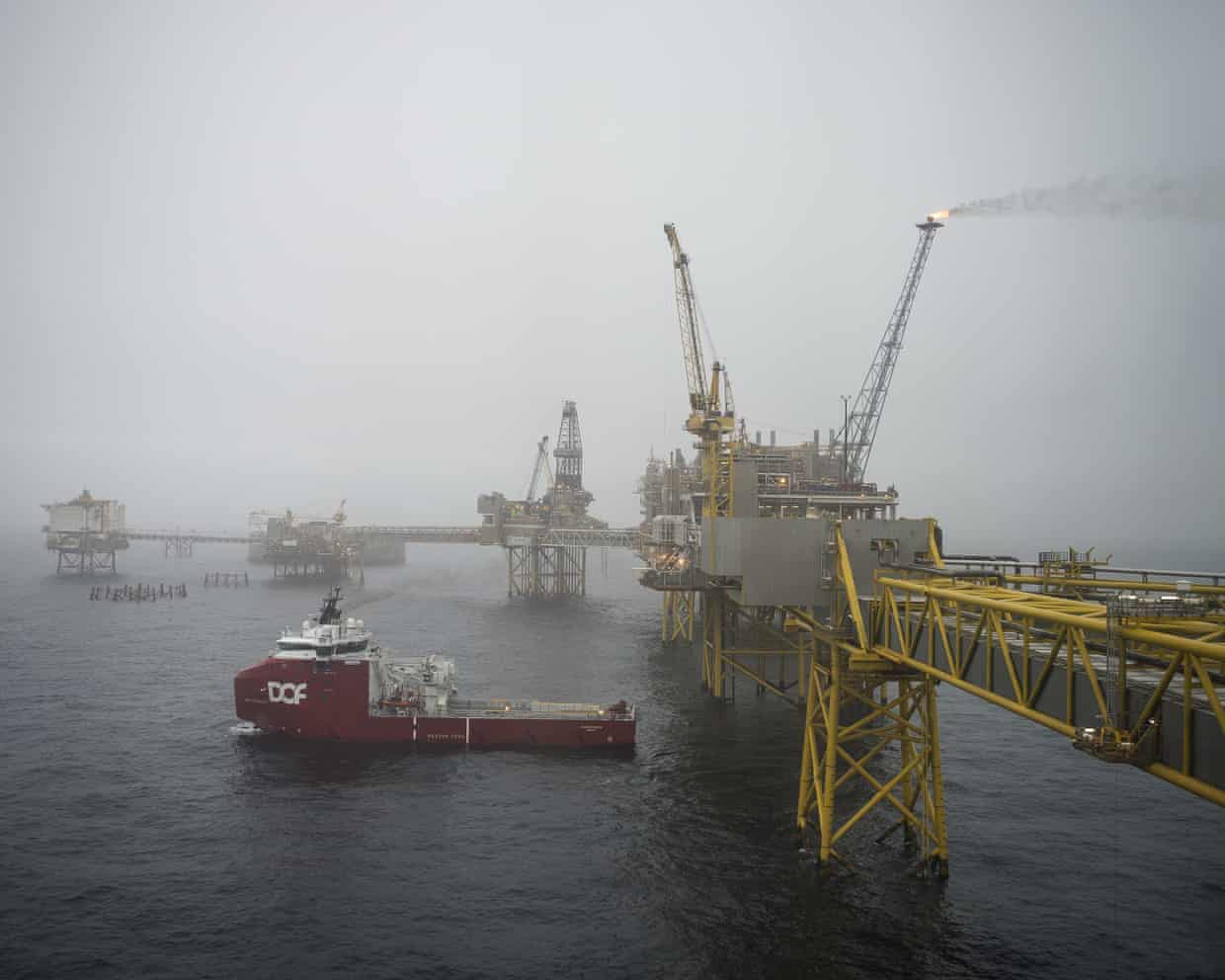
Norwegian government attacked over decision to reopen North Sea gasfields
In this budget, all eyes are on CGT. But Labor’s rumoured family trust tweaks might also help fight tax inequality | Greg Jericho

TikTok’s algorithm favored Republican content in 2024 US elections, study finds
‘Your craft is obsolete’: WiseTech staff in limbo as AI touted as better than humans

Raducanu’s road leads from Rome to a French Open fitness race and questions beyond

Rugby union’s Pacific heartlands threatened by NRL spree after Moana Pasifika’s collapse