OpenAI president’s ‘deeply personal’ diary becomes focus in Musk’s case against Altman
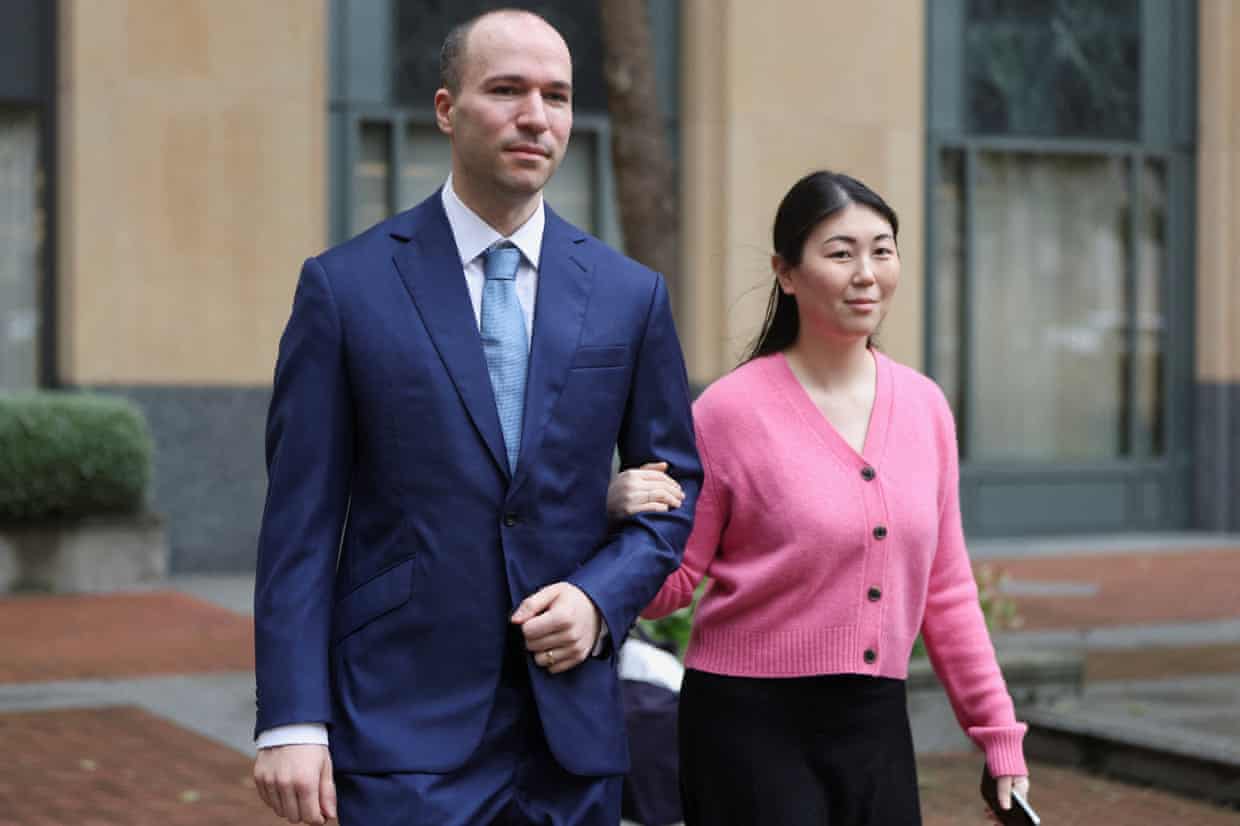
As Elon Musk’s case against OpenAI entered its second week, focus shifted to the company’s president, Greg Brockman.Over the course of several hours on Monday and Tuesday, Brockman faced questions about his emails, texts and one piece of evidence that has become central to the trial: his personal diary.Musk’s lawsuit revolves around his allegation that Brockman, OpenAI and its CEO, Sam Altman, violated the founding agreement of the artificial intelligence firm by turning it into a for-profit entity.Musk argues that Altman and Brockman also unjustly enriched themselves in the process, essentially taking Musk’s money while deceiving him about their true intent for the business.He is seeking Altman and Brockman’s removal, the undoing of the for-profit restructuring and $134bn, which Musk wants distributed to OpenAI’s non-profit.
The journal, which Brockman kept during the company’s founding years circa 2015, has provided a consistent line of attack for Musk’s attorneys in the lead-up to the trial and during Brockman’s time on the witness stand.Musk’s team has presented numerous embarrassing excerpts, which OpenAI argues are taken out of context, to portray Brockman as self-interested and deceptive.Judge Yvonne Gonzalez Rogers cited Brockman’s entries multiple times in her decision to deny the AI firm’s motion to prevent the case from going to trial.“Financially what will take me to $1B?” Brockman wrote in one entry in which he asked himself what he “really wants”.During Brockman’s pre-trial deposition, Musk’s attorney brought up the journal a half-dozen times and asked why Brockman wrote “it would be nice to be making the billions”.
Brockman responded that he meant it would be nice to have a revenue plan for the company outside donations.“It’d be wrong to steal the non-profit from him.to convert to a b-corp without him.that’d be pretty morally bankrupt.and he’s really not an idiot,” Brockman wrote in another entry, which considered Musk’s role in the company.
Musk’s lead attorney, Steven Molo, called Brockman to testify on Monday and questioned what he meant by several of his entries, specifically asking about the line that Musk was “really not an idiot”.“Did you mean to say that only an idiot would allow you to steal a charity?” Molo asked.“No,” Brockman responded.During a series of tense exchanges, Musk’s attorney also repeatedly read out portions of Brockman’s journal to the court and accused him of deceiving Musk.“You weren’t honest with Elon Musk when you told him that you wanted OpenAI to remain a non-profit, were you?” Molo asked.
“We were absolutely honest with Elon,” Brockman responded.OpenAI has denied all of Musk’s claims, stating that the Tesla CEO is merely an aggrieved former co-founder who left the company in 2018 after a failed bid to take control.They argue that Musk was always aware of the intent to create a for-profit structure and that OpenAI is still overseen by a non-profit that seeks to benefit humanity through AI.OpenAI published a blogpost in January, titled “the truth Elon left out”, that attempted to show Musk’s team misused quotes and cut out relevant sections.Brockman meanwhile posted a lengthy thread on X on the same day as OpenAI’s blog, which gave his explanation of his diary entries.
“I have great respect for Elon, but the way he cherrypicked from my personal journal is beyond dishonest,” Brockman said on X, stating that he was looking forward to being able to tell his full version of events,Musk’s case against OpenAI, Altman and Brockman isn’t the only lawsuit where the diary has drawn interest,In March, a federal judge ruled that OpenAI must give portions of Brockman’s journal to the New York Times and other plaintiffs in a case that accuses the AI firm of copyright infringement and illegally using newspapers’ intellectual property to train their AI models,OpenAI’s lawyers began their cross-examination of Brockman on Monday afternoon and carried on into Tuesday, giving him a chance to reframe some of Musk’s accusations and reiterate his claim that he never deceived the world’s richest person,When asked about the diary, Brockman downplayed its role as a record of events and referred to it as stream-of-consciousness writing that he never thought would be public.
“It’s very painful,” Brockman said,“It’s very deeply personal writings that weren’t meant for the world to see but there’s nothing in there that I’m ashamed of,”Sarah Eddy, OpenAI’s lawyer, asked Brockman on Tuesday about sharing equity with Musk and the centibillionaire’s attempt to wrest control of the company,Eddy also questioned the company president about a 2017 meeting at a haunted mansion, which came after OpenAI’s artificial intelligence won a video game competition in Seattle against the best human player in the world,Musk described the victory in an email as a “triggering event” that signified the “time to make the next step for OpenAI”, which Brockman testified he thought meant time for the company to create a for-profit.
Musk emailed people at OpenAI suggesting that they celebrate the video game win with “party carnage” at a haunted mansion he’d just bought in San Francisco.Brockman testified that it was clear there had been a party there the night before and Musk’s then girlfriend, Amber Heard, was present and “served some nice whisky”.Brockman said “it was a very celebratory moment” and they discussed making OpenAI a for-profit.After the celebration, rifts grew among OpenAI’s leadership, Brockman said.Altman believed there should be an equal split of equity but that Musk said he deserved more because he “started the most multibillion-dollar companies in history” and provided the most money to found OpenAI, the OpenAI president testified.
According to Brockman, Musk said: “Look, you guys are great, but I can start another AI company tomorrow.One tweet, that’s all it takes.”By 2018, Musk had left the board.Brockman testified that the departure came after a meeting where Musk “stormed around the table” and then said to him: “When will you be departing OpenAI?”“He said that people needed to know he was in charge,” Brockman testified.“He knows rockets; he knows electric cars; he doesn’t know AI.
”After Musk’s decision to leave the board became final, Brockman said he felt “relief.Some sadness.The end of era.But it also freed us.”

How to make arancini – recipe | Felicity Cloake's Masterclass
Before I wrote this recipe, it hadn’t occurred to me that the word “arancini” means “little oranges”, and, plump, round and golden as they are, it makes sense, too. Indeed, these robust rice balls, which are said to have come to Sicily with Arab invaders in the 10th century, are now, according to the late Antonio Carluccio, the local equivalent of a sandwich lunch.Prep 25 min Cook 45 min Makes 8 large ballsFor the risotto700ml chicken stock, or vegetable stock100ml white wine (optional)250g short-grain rice (eg, arborio)½ tsp salt, plus extra to season1 very generous pinch saffron (optional)50g parmesan, or grano padano or vegetarian alternative, gratedBlack pepperFor the arancini2 eggs plus 1 egg yolk100g mozzarella, drained and cut into chunksOptional other fillings of your choice – meat ragu, pesto, sauteed mushrooms, wilted or defrosted greens170g plain flour 250g fine dried breadcrumbs (preferably not panko)Neutral oil, for fryingFlaky sea salt, to finish (optional)Risotto is a northern Italian dish, so Sicilian arancini weren’t designed with it in mind, but they are great vehicles for risotto leftovers. My recipe is intended for 700g cooked rice, but adjust the fillings and coating according to what you have; these are also a great way to repurpose small amounts of ragu, cooked vegetables, fish or meat.If you’re cooking the rice from scratch, put the stock and wine (or substitute 100ml extra stock, if you prefer) in a medium pan and bring to a boil – I like chicken stock, because I find it the most neutrally savoury, but use whatever suits the fillings you’re using
Navel gazing: oranges, mandarins and persimmons top Australia’s best-value fruit and veg for May
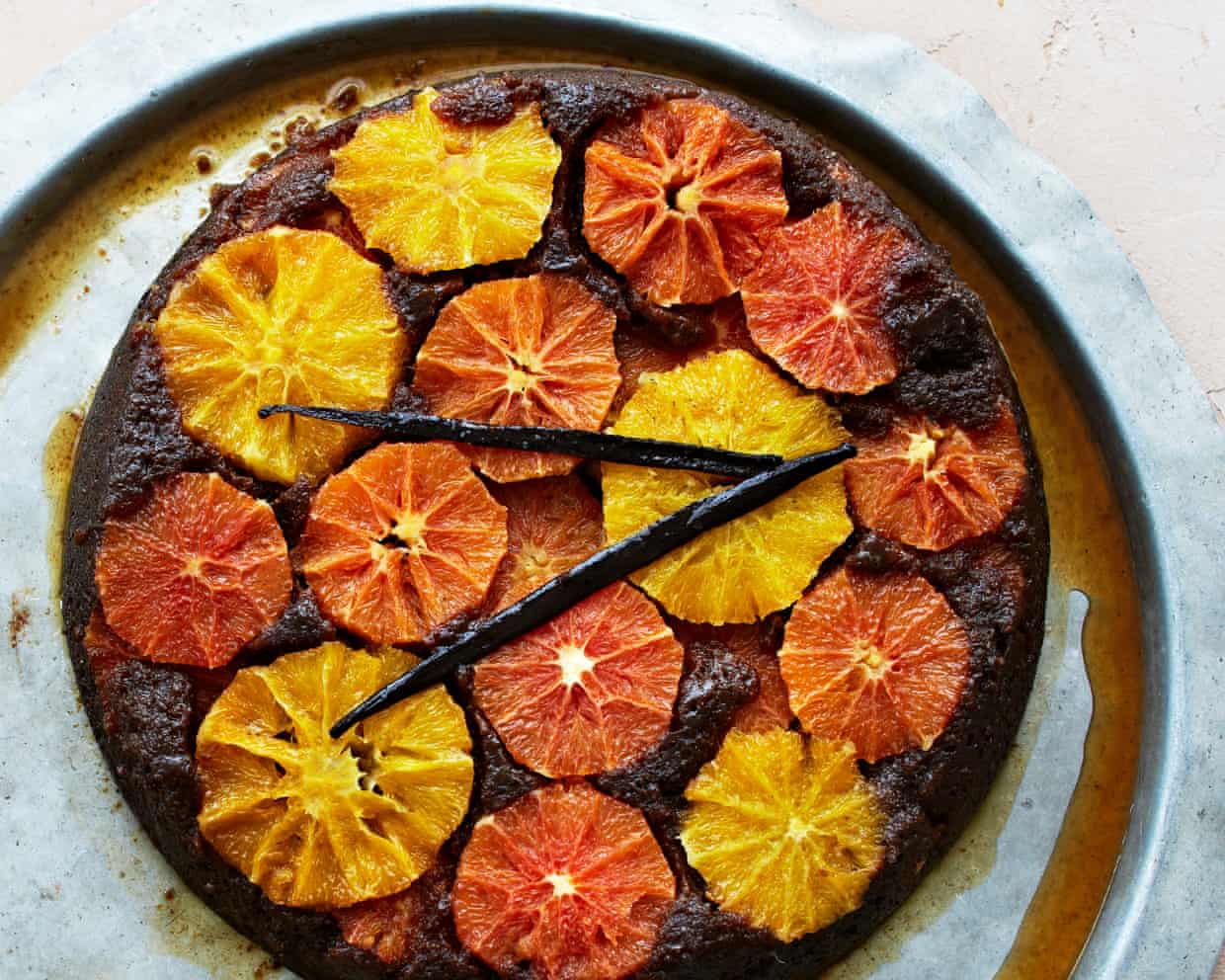
“Sweet, low seed and great for snacking” imperial mandarins have just started their season, says Josh Flamminio, owner and buyer at Sydney’s Galluzzo Fruiterers. The tangy-sweet citrus is selling for between $2.99 and $3.99 a kilo in major supermarkets. At Galluzzo, Queensland-grown imperial mandarins are $3
Australian supermarket sauerkraut taste test: one is ‘like eating the smell of McDonald’s pickle’
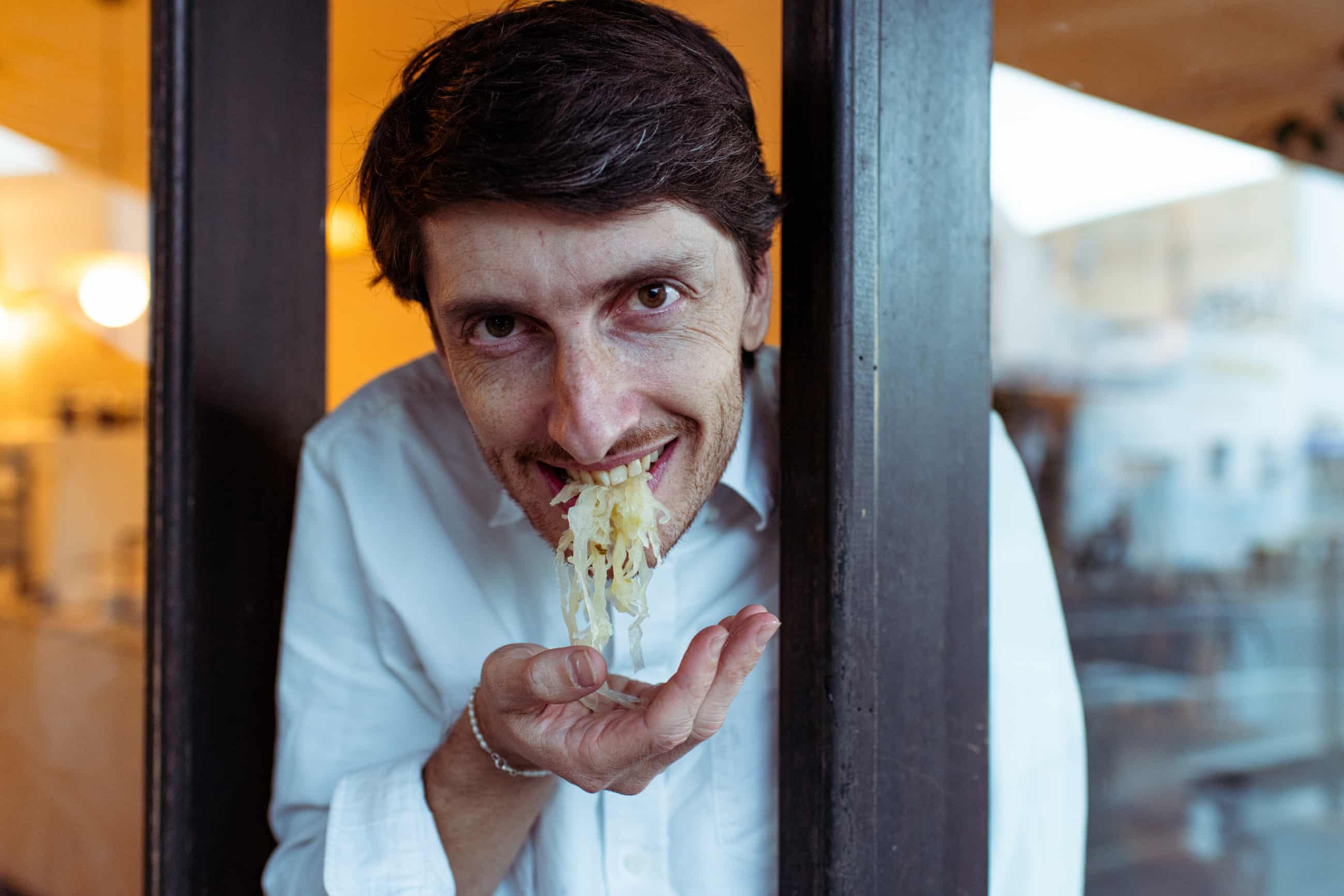
It’s ‘Gut Coachella’ for Nicholas Jordan and friends, who blind taste a line-up of 20 shredded and fermented cabbage productsIf you value our independent journalism, we hope you’ll consider supporting us todayGet our weekend culture and lifestyle emailI cannot tell you how many times I’ve been introduced to a fatty, salty hunk of meat and thought, “my god, I’m going to need a pickle”. I feel the same eating cheese toasties or deli sandwiches with rich mayo-based sauces. Where is the pickle, hot sauce, citrus or ferment? Even the most savoury, juicy slab of umami is a bit much without acidity to balance it.What is the point of sauerkraut without acidity? It’s just wet, salty cabbage, and what is that for, other than deflating my spirits and inflating my gastrointestinal system? Sauerkraut should be sour; it’s the hallmark of the very thing that created it – fermentation.Why am I saying all this? After eight friends and I tasted 21 supermarket sauerkrauts, I was shocked to find some lacked not just acidity but any vigour at all
Spring soup and bean and cheese quesadillas: Thomasina Miers’ Mexican-inspired seasonal recipes
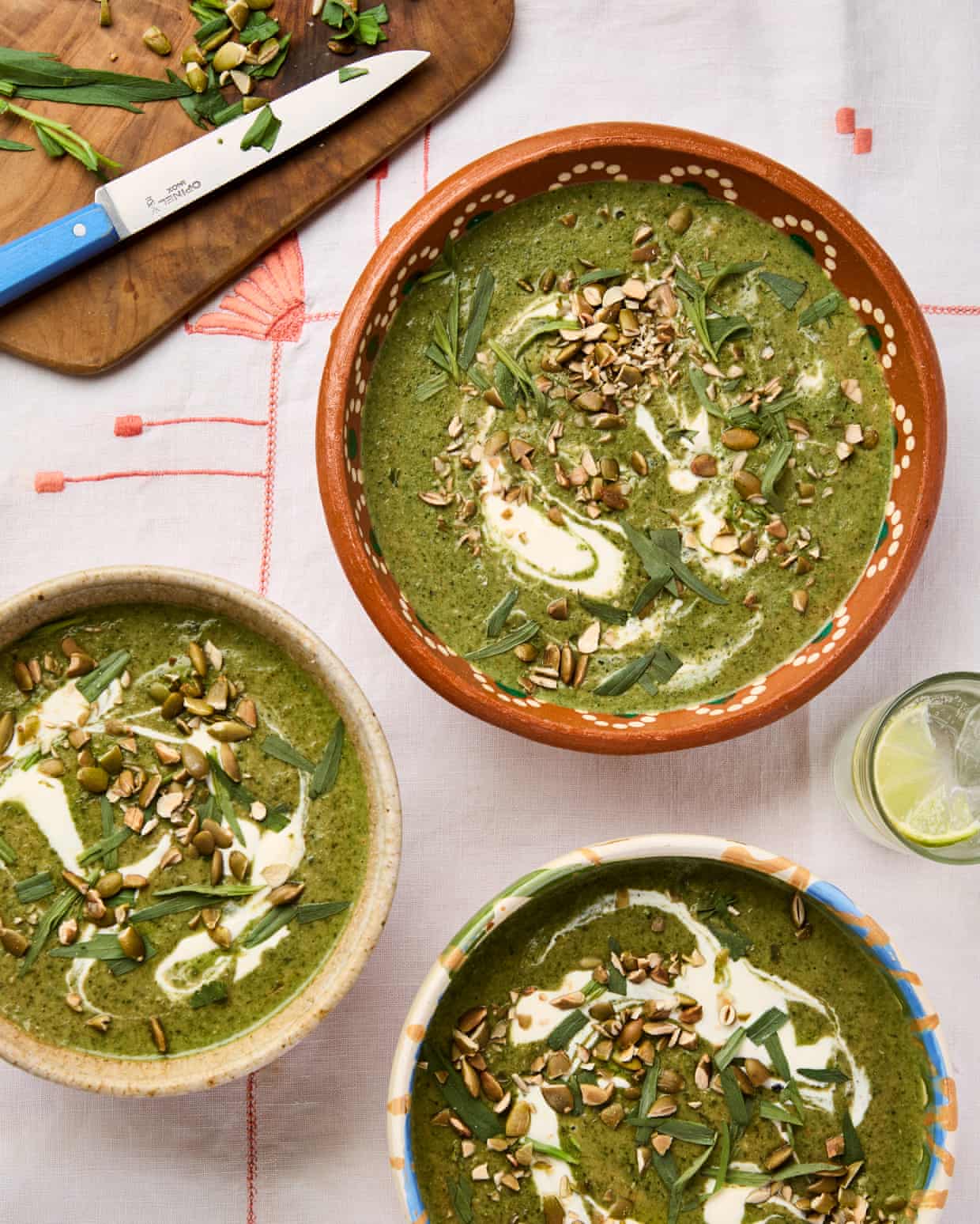
I have always loved the evident (though not proven) link between how foodie a country is and its love of soups. In Mexico, where nose-to-tail eating is a given, broths maintain a steadying presence in any self-respecting cantina, and soups are commonplace on most menus. We don’t eat a crazy amount of meat at home, but having homemade stock in the freezer is an ingenious fast track to flavour and goodness. Here, whether your stock is chicken or vegetable, homemade or shop-bought, the joy is in the gentle spicing, a scattering of herbs, zingy tomatillos and some lovely spring leaves.There are so many different herbs in Mexico that are impossible to find here, so I’ve used bundles of more common soft herbs to try to capture the lovely breadth of flavour in this soup

Willy’s, Margate, Kent: ‘It chortles in the face of small plates’ – restaurant review | Grace Dent on restaurants
This cute and jovial eatery is reason enough to make a break for the coastAs summer looms, and with it the urge to stampede towards the edges of Britain in search of paddling opportunities, I proffer another coastal dining idea: Willy’s in Margate – and, yes, that name does have about it something of the naughty seaside postcard. Tucked away in the back of Margate House hotel on Dalby Square, a few minutes’ walk from the seafront, Willy’s is a blur of frilly red-and-pink seaside adorableness. It’s cool, cute and jovial, with pork scratchings and apple chutney on the menu, as well as black pudding scotch eggs, sticky toffee pudding and Sunday lunches of beef rump and baked cauliflower cheese. This menu is short, intentional and hearty, rather than airy-fairy, and it chortles in the face of small plates.But, for the foodie/sippy crowd, the signifiers are all here: there’s a paper plane and a penicillin on the cocktail menu, throwbacks to New York’s iconic Milk and Honey bar
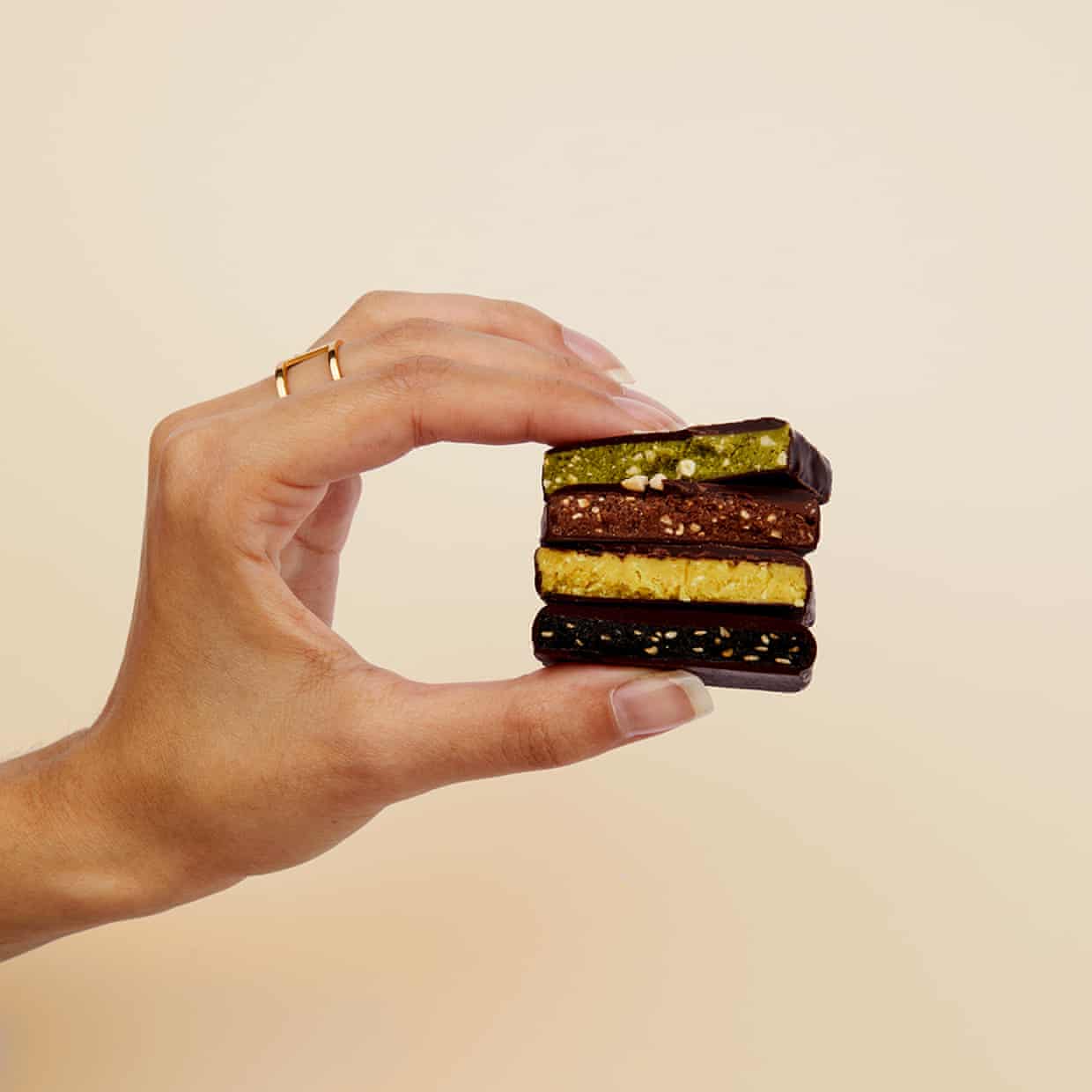
Why sweet, chewy dates go perfectly with chocolate – and the best ones to try
I first cemented the allure of the “chew” aged 14, working illegally as a chambermaid (I lied about my age) and finding a guest’s Gummy Bears laid open – a breach I heavily exploited. Recently this chew need has been sated by dates and their use in chocolate as a healthy caramel. Dates do have nutritional benefits over mere sugar: fibre, minerals, antioxidants and make a great pre-workout boost.The Guardian’s journalism is independent. We will earn a commission if you buy something through an affiliate link
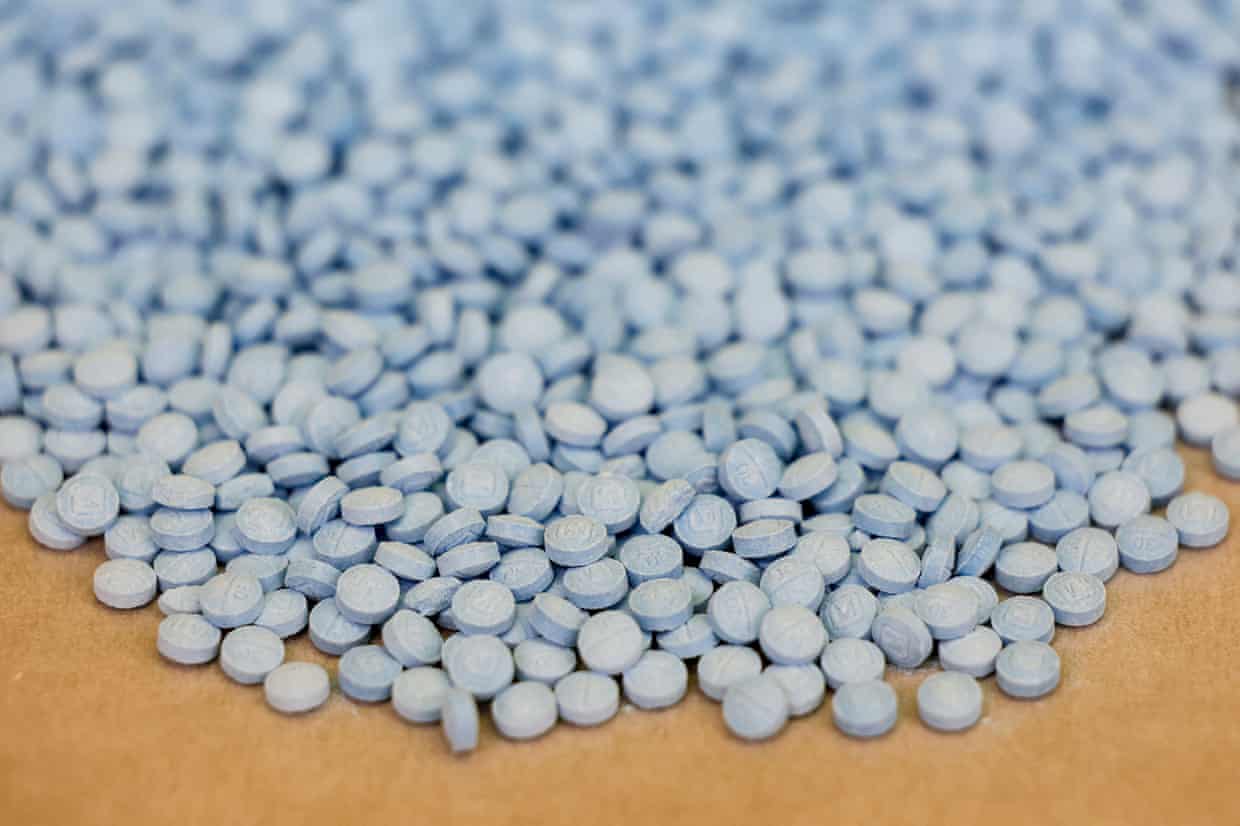
Did breakthrough in US fentanyl crisis start in China?

Older people risk mental decline if they do long hours of caring, UK study shows

Steve Lismore obituary

Renters’ Rights Act could worsen court delays without proper funding | Letters

‘Everyone was in tears’: the tenants given eviction notices just before ban in England

Ash scattering is a risky business | Brief letters