High charges, poor service: NCP hits the skids as drivers change habits

Nearly a century old and once host to London fashion week, the NCP car park in Brewer Street in London’s Soho is facing an uncertain future,Its former glories – which at one time included separate rooms for chauffeurs and changing rooms for theatregoers – have long given way to complaints about a lack of security and high parking charges, but this week things got worse,National Car Parks, one of the UK’s biggest car park operators, which dates back to 1931, filed for administration at the high court in London after struggling to pay its rents and buckling under a £305m mountain of debt,This means the future of 340 car parks across the UK, in town and city centres, at hospitals and airports, is uncertain along with the fate of 682 people who work for the Japanese-owned business,Car parks are regarded as a high-margin business, generating revenue from pay-as-you-go and season tickets, overstay fees and fines via modern payment systems while requiring little day-to-day maintenance, amid a general shortage of parking.
Nick Bubb, an independent analyst, says: “I can see in London that working from home post-pandemic and the congestion charge won’t have helped and that elsewhere a lot of traffic and footfall has shifted from high streets and shopping centres to retail parks out of town, but I’d still have thought that multistorey car parks were a reasonably defensive business, given the difficulty in finding parking,”However, NCP’s directors decided to call in administrators at PwC because the company was running out of cash and was unable to secure further funding, with significant rent payments due at the end of the month,The administrators blamed “continued shifts in commuting and customer driving patterns” with the rise of working from home since the pandemic, as well as “long-term, inflexible leases” of more than 10 years, which meant the company has been unable to reduce costs in line with revenue or exit loss-making sites,NCP’s Japanese owner Park24 noted that rents had been linked to inflation, which soared into double digits due to higher energy prices after Russia’s invasion of Ukraine in 2022,Despite NCP’s efforts to reduce costs, including job cuts in recent years and new car park developments to support revenue growth, “structural losses continued”, according to Park24.
In 2021, NCP came close to administration but pushed through a restructuring with landlords to write off arrears and cut rents.It is the end of the road for a company with a long history that grew from London’s second world war bomb sites turned into parking lots and passed through multiple owners including the now defunct US conglomerate Cendant, the private equity groups Cinven and 3i and the Australian bank Macquarie.While administrators at PwC are trying to work out the best option for NCP, including a sale, all car parks are staying open “for now” and staff remain in post.Park24 and the Development Bank of Japan acquired NCP for £450m in 2017 from Macquarie, whose £790m takeover of NCP in 2007 loaded the car park operator with £450m of debt.With more than 600 car parks and 1,970 staff at the time, it had appeared to be a stable business but struggled as an economic downturn eroded the number of corporate season ticket holders.
Lenders including Lloyds Banking Group pushed through a restructuring in 2012 that wiped out £500m of its then £650m debt.Park24, which is listed on the Tokyo stock exchange, told its investors before a meeting on Wednesday that it planned to restructure its remaining UK business via its subsidiary T24 UK, with 100 smaller car parks and shorter leases of up to one year.It expects to report UK business losses for several more years, including a loss of 1.3bn yen (about £6m) this year.It is understood that Park24 has transferred several contracts, assumed to be better-performing ones, to T24 and left the rest in NCP.
NCP’s demise will be felt by the NHS and the Home Office, with which it still has active contracts,NCP has made £47m from public sector contracts including with NHS trusts since 2012, according to the public sector data company Tussell,Its active contracts have dwindled to less than a handful, with Abellio Greater Anglia, Birmingham women’s and children’s hospitals NHS foundation trust, Luton borough council and the Home Office,In 2022 it lost the contract to operate Transport for London’s car parks to its Spanish rival Saba,NCP’s losses narrowed to £5.
7m in the year to 30 September 2025, from £10,1m and £27,1m in the previous two years, as sales rose to £233m, up 6,4% compared with 2024,However, according to Park24 “its cash‑flow position tightened and it became increasingly difficult to secure the necessary funding” as lenders and landlords ran out of patience.
Jo Cooper, NCP’s former chief executive, in 2017 described car parking as a “grudge purchase – a product that people need, even if they don’t necessarily want to pay for it” and “second only to the taxman”.But it seems that NCP has been caught out by the high cost of its leases and decline in driving, while motorists have been put off by high charges, fines and poor service.It has faced rising competition from Germany’s Apcoa as well as the Dutch, KKR-backed company Q-Park, France’s Indigo and the UK’s Euro Car Parks.Nick Stockley, a partner at the law firm Mayo Wynne Baxter, says the more profitable sites at airports and stations are likely to remain parking venues with new owners, which should save some jobs.Other sites could be snapped up by property developers and the land, “prime real estate”, could be used to build flats.
“It is unlikely that there will be any value in the NCP brand name,” he says,“I don’t think there’s brand loyalty in a car park brand,People are interested in location,”
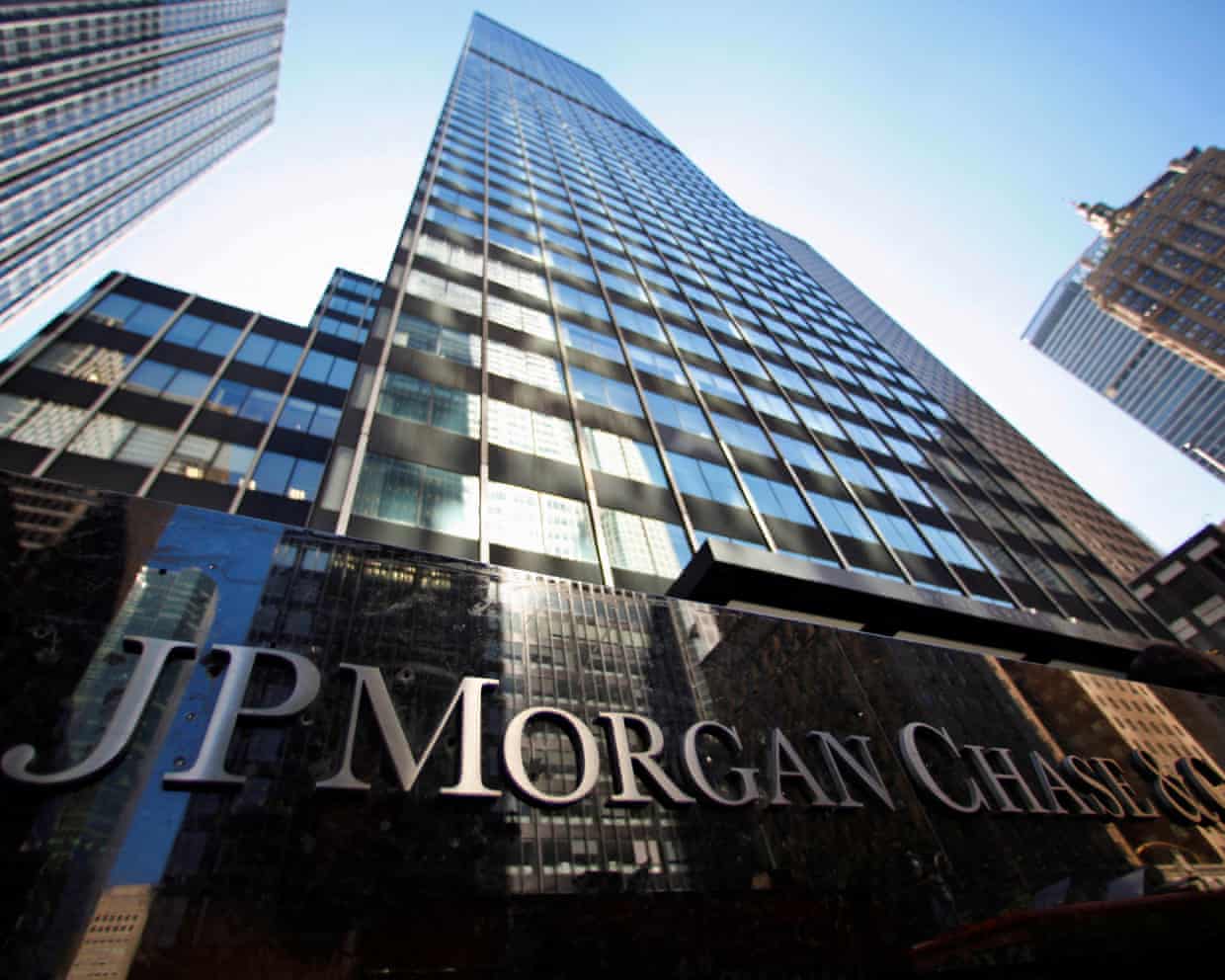
JP Morgan Chase to use computer estimates to monitor hours worked by junior bankers
JP Morgan Chase has started to compare the hours junior investment bankers claim to have worked against logs on its IT system.The US bank said it would begin issuing reports to junior bankers that compare computer-generated estimates of their work weeks against their self-reported time sheets as part of a pilot scheme.The company said it planned to roll out the programme more widely across its investment bank, with IT estimates based on employees’ weekly digital activities including video calls, desktop keystrokes and scheduled meetings.“Much like the weekly screen time summaries on a smartphone, this tool is about awareness, not enforcement,” JP Morgan said in a statement. “It’s designed to support transparency, wellbeing, and encourage open conversations about workload

Marmite maker Unilever in talks to merge food business with US-based McCormick
Unilever, the owner of Marmite, Dove and Hellmann’s mayonnaise, is in talks to combine its food business with the US-based spice and seasoning maker McCormick.The Anglo-Dutch food company – which last year spun off its ice-cream division, the home to Ben & Jerry’s, Magnum and Wall’s – has entered discussions over the future of the “highly attractive” business.Unilever is valued at almost £100bn, and its food unit, which includes brands such as Knorr, could be worth tens of billions of pounds.McCormick, which owns brands including French’s yellow mustard, Old Bay seasoning and Cholula hot sauce, is valued at about $15bn (£11bn).“Unilever confirms that it has received an inbound offer for its foods business and is in discussions with McCormick & Company,” the Marmite maker said in a statement

Meta AI agent’s instruction causes large sensitive data leak to employees
An AI agent instructed an engineer to take actions that exposed a large amount of Meta’s sensitive data to some of its employees, in the latest example of AI causing upheaval in a large tech company.The leak, which Meta confirmed, happened when an employee asked for guidance on an engineering problem on an internal forum. An AI agent responded with a solution, which the employee implemented – causing a large amount of sensitive user and company data to be exposed to its engineers for two hours.“No user data was mishandled,” a Meta spokesperson said, and they emphasised that a human could also give erroneous advice. The incident, first reported by The Information, triggered a major internal security alert inside Meta, which the company has said is an indication of how seriously it takes data protection
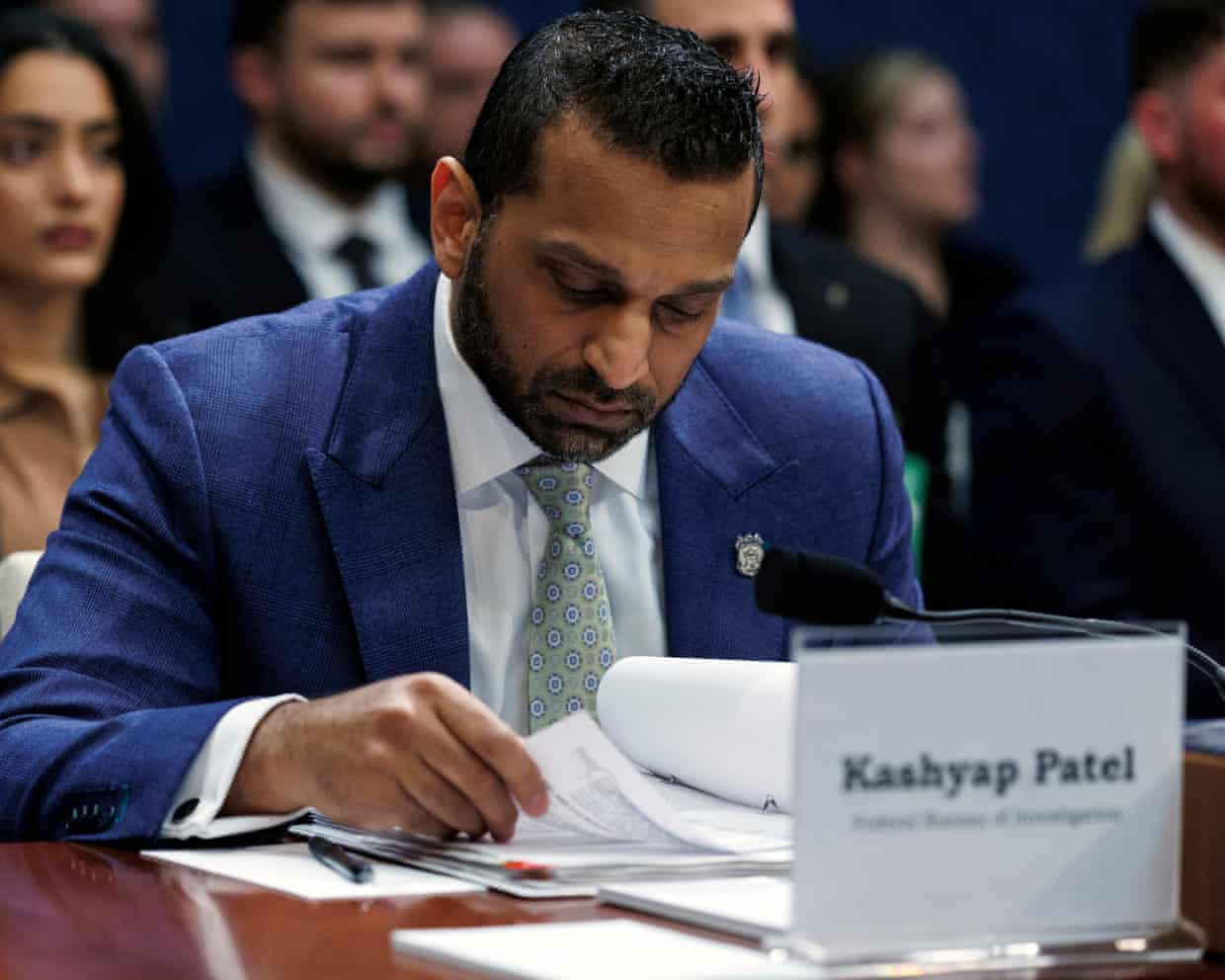
Why is the FBI buying people’s location data and how is it using the information?
Kash Patel’s disclosure Wednesday that the FBI has resumed buying location data on Americans has many people, including members of Congress, wondering: how does private information get into the hands of the US government in the first place – and how can federal law enforcement use that information to track peoples’ whereabouts?Federal law enforcement agencies generally must obtain a warrant, which requires establishing probable cause in the eyes of a judge, to gather historical or real-time cell phone location data. The US supreme court has ruled that the fourth amendment to the US constitution, which protects against “unreasonable search and seizure”, prohibits the warrantless collection of individuals’ location histories. Buying such information, usually en masse, can circumvent this requirement, leading many privacy advocates to label the practice unconstitutional.The FBI director’s admission came in response to a question from Ron Wyden, a Democratic senator of Oregon and a longtime opponent of the warrantless surveillance of Americans. Wyden told Patel that his predecessor, Christopher Wray, testified in 2023 that the FBI did not at that time purchase location data derived from internet advertising, although he acknowledged that it had done so in the past
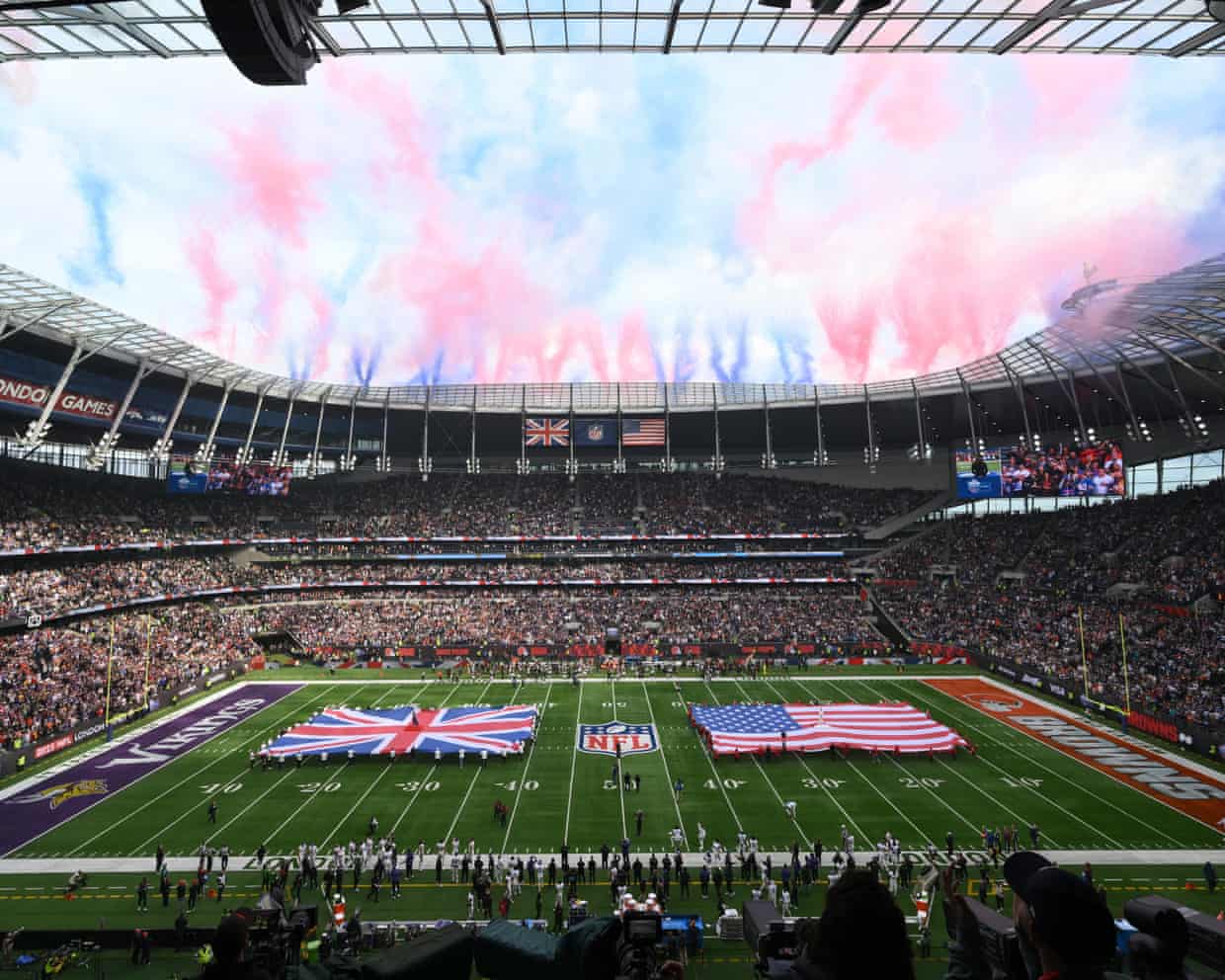
Sixteen international games and a franchise overseas: is the NFL’s global ambition good or greed?
“Pigs get fat, hogs get slaughtered. And they’re getting hoggy.” When Mark Cuban, then owner of the NBA’s Dallas Mavericks, fired that line at the NFL in 2014, he was partly goading and partly gloating.It felt directionally true. The NFL looked bloated, arrogant and vulnerable

Chess: Scotland’s Freddy Waldhausen Gordon, 15, routs the English in British Rapidplay
Freddy Waldhausen Gordon, a 15-year-old from George Heriot’s school, Edinburgh, came through with a stunning burst to capture the annual British Rapidplay championship in Peterborough with a score of 9.5/11, defeating the top-seeded GM, Gawain Maroroa Jones, in the final round in a must-win game by a checkmating attack where White’s queen and both rooks all invaded Black’s rear rank.Maroroa Jones was in trouble early in the decisive game, soon had to concede rook for knight, and a second loss of the exchange followed at move 32. At the end, 39 Rxg7+ and 40 Qg8 mate could only be delayed by Black giving up his queen.It was the 37th staging of the British Rapidplay, whose fast time limit of all the moves in 15 minutes for each player, plus a 10 seconds increment per move, makes it possible to hold an entire 11-round tournament in a single weekend

Work from home and slow down on the road: world’s energy watchdog advises emergency measures as oil prices rise
High charges, poor service: NCP hits the skids as drivers change habits

Shrinkflation takes a bite out of Easter eggs as shoppers pay more for less
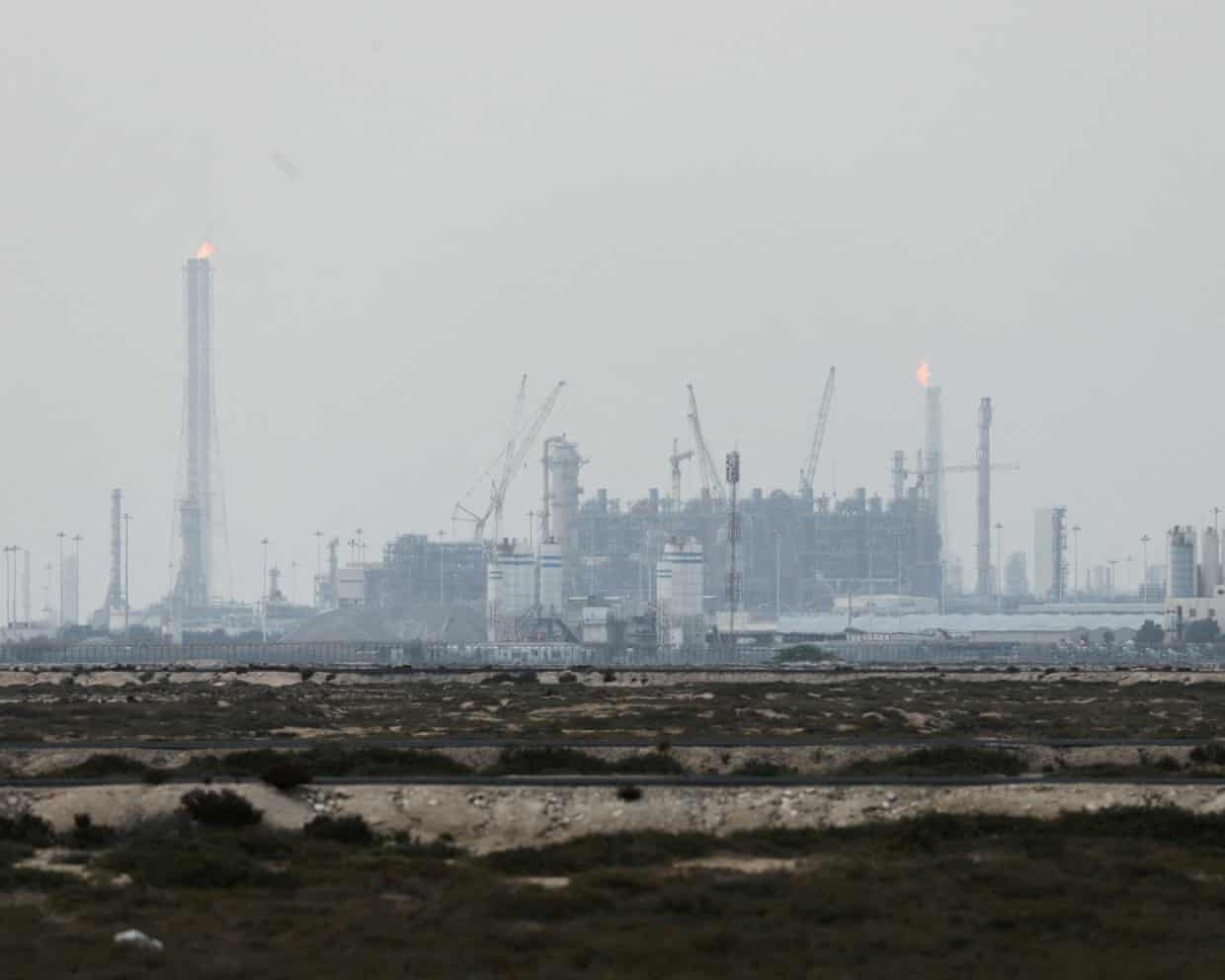
Markets keep the faith – but oil staying above $100 could test that optimism | Nils Pratley
US moves to soften capital rules: ‘Big banks can declare mission accomplished’
Bank of England tipped to raise UK interest rates twice this year to fight inflation shock from Middle East crisis, as oil and gas prices rise – as it happened