‘It was a very lucky escape’: blind man who fell on to tracks calls for rail travel improvements
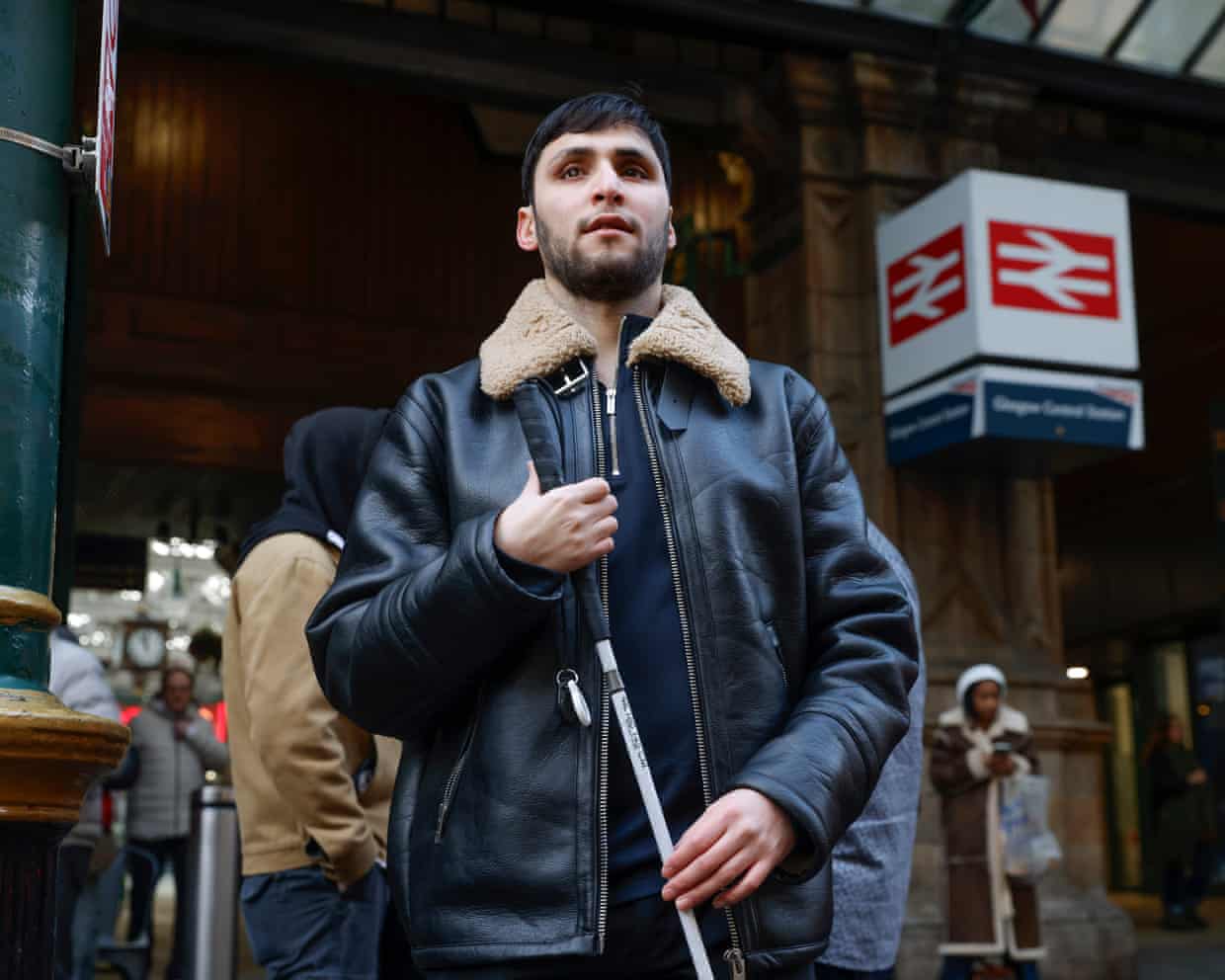
When Abdul Eneser slipped off the side of the platform at Manchester Piccadilly station, he lay terrified with no option but to listen as the rumbles of a freight train drew closer,Eneser, who is blind, had fallen owing to a lack of tactile paving, meaning he had been unable to feel how close he was to the edge of the platform,“When I was down on that track I just thought: this is it,” he remembers,“The person dispatching from the other side of the platform told me that there was a train that was going to come past, and it wasn’t going to stop,It’s a really weird feeling to describe.
”Luckily, a minute before the train arrived, he was able to pull himself up on to the platform, suffering injuries to his knees, hands and neck.“It was a very lucky escape for me,” he says, but added: “Every time I go to that station, or anytime I’m near any platform, that comes up.It’s really anxiety-inducing to travel now, and I don’t think I’ll ever get over that.”Eneser has just been awarded £18,000 in compensation from Network Rail after a three-year legal battle, although the company did not admit liability.The master’s law student at University of Strathclyde had fallen on to the tracks at Manchester Piccadilly platform 14 after passenger assist had failed to meet him off his train and help him through the station after a train delay.
He was later told that all the staff had gone home,Leigh Day, the law firm, argued that Network Rail had breached its duties under the 2010 Equality Act and the Occupiers’ Liability Act 1957 by failing to make reasonable adjustments for passengers with disabilities, such as tactile paving,In July 2025, Network Rail announced that it had installed tactile paving across the network after another blind man, Cleveland Gervais, died as a result of its absence in 2020,But Eneser wants all UK train stations and rail journeys to become much more accessible for people with visual impairment – and for rail operators to become more proactive about speaking to people with lived experience,“The rail industry has a culture of: let’s react to things rather than minimise risk and look ahead – that was one of my main reasons why I took on this case,” he said.
He would like a live-chat feature on the passenger assist app to reach staff members more easily, and a clearly marked passenger assist help button at the entrance to every train station.“The money is a plus, but for me the main reason I did it was to prevent it happening again, both to myself and to other visually impaired travellers,” Eneser said.“This case is about much more than compensation.Poor accessibility in rail travel is not just a one-off issue.This is something that prevents myself and others with visual impairments from travelling with confidence.
“I’m not always sure that I’ll be met with the right level of support to complete my journeys.At the best of times, it makes travel stressful, and in the worst-case scenario it can be really dangerous.”Network Rail said: “We are extremely sorry for the experience Abdul Eneser suffered at Manchester Piccadilly.We let him down and have offered him our full and unreserved apology.“We recognise that there is much to do to make the railway more accessible for all and are working closely with industry partners to deliver these improvements across the rail network as quickly as we can.
”

Rum is booming but only Jamaican classics have the true funk
After Hurricane Melissa hit Jamaica last October, rum lovers anxiously awaited news from the island’s six distilleries. Hampden Estate, in the parish of Trelawney to the north, was right in the hurricane’s path, and the furious winds deprived its historic buildings of their roofs and the palm trees of their fronds. Then came more alarming rumours: the dunder pits had overflowed.The Guardian’s journalism is independent. We will earn a commission if you buy something through an affiliate link
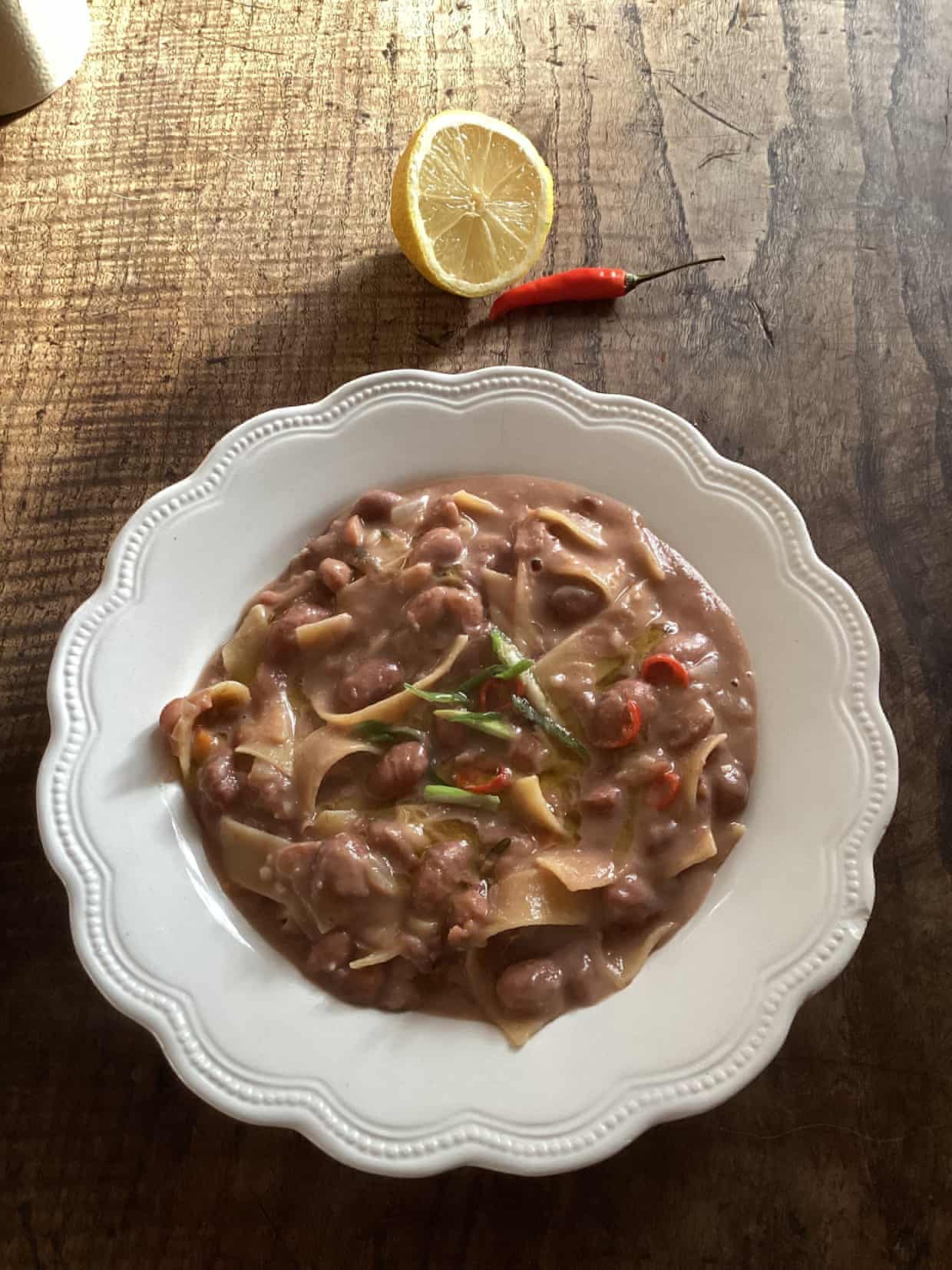
Rachel Roddy’s recipe for pasta e fagioli with coconut, spring onion, chilli and lemon | A kitchen in Rome
Throughout the 1990s and into the early 2000s, under the banner of story, art and folklore, the Roman publishing house Newton Compton published a series of 27 books about regional Italian cooking. Some, such as Jeanne Carola Francesconi’s epic 1965 La Cucina Napoletana, were reprints of established books, while others were specially commissioned for the series. There is considerable variation; some of the 20 regions occupy 650 densely filled pages, sometimes spread over two volumes, while other regions have 236 pages with larger fonts, with everything in between. All of which is great, although I can’t help feeling affectionate towards the regions with 14-point font.In the face of the vast variation of regional culinary habits, knowledge and rituals, I also feel affectionate towards the common traditions; those that are specific to a place, but at the same time that cross local and national borders, as well as for the stories of the ingredients

‘We want to make jacket potatoes sexy again!’: how the humble spud became a fast food sensation
After Spudulike closed in 2024, the reign of the jacket potato seemed over in the UK. But now the favourite is back, piled with new toppings, sold by new companies and promoted all over social media by potato influencersThey were once a lunch option that inspired little excitement – but the jacket potato’s time has finally come. After decades in epicurean exile, the humble spud has made a roaring comeback in the UK and piqued the interest of foodies across the world. A-listers, tourists and trend-hopping teenagers are queueing for hours to get their hands on them. For Jacob Nelson, who sells loaded spuds that have gone super-viral on social media, this was all part of the plan

How to turn a cauliflower into ‘risotto’ – recipe | Waste not
I’m fasting for three days a week for the whole of this month. It’s not for everyone, I know, and it’s important to talk to your doctor first, but the benefits are well researched and include improved digestion and immune function, and lowered blood pressure. When we fast, the body goes into ketosis, which breaks down fat for energy, and to stay in ketosis afterwards it helps to reduce carbs and increase protein, which is where today’s low-carb, zero-waste recipe comes in.The humble cauliflower has had a rebrand over the past decade, as chefs and home cooks get more inventive with our seasonal produce. The leaves are incredibly nutritious and one of my favourite ingredients, not least because I always try to include a leafy green in our main meals for the health benefits
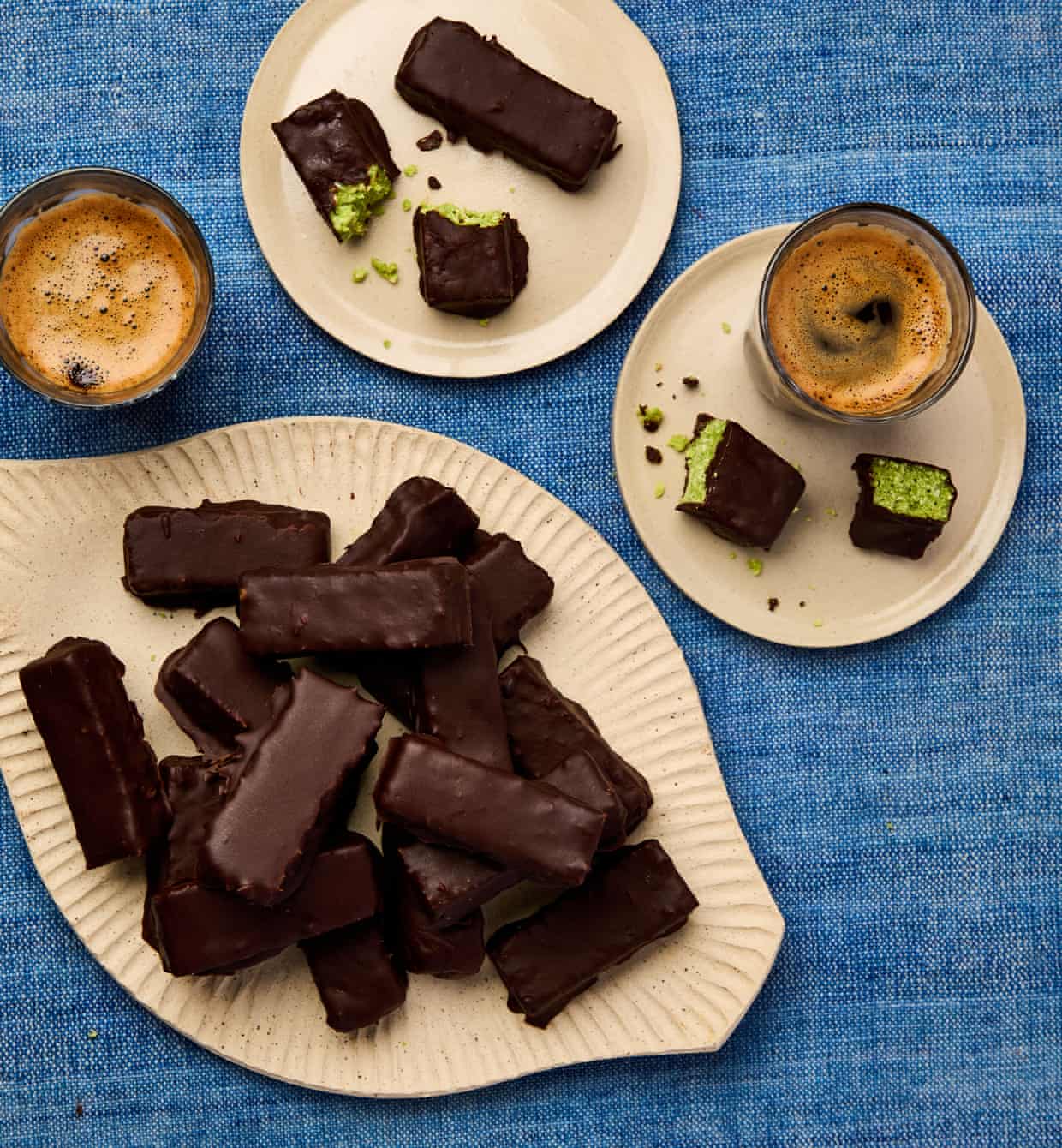
Homemade Bounty bars, savoury granola and flapjacks: Melissa Hemsley’s recipes for healthy sweet treats
I love a Bounty, although I call them paradise bars. I also love matcha (and not only for its health-supporting benefits). Though my partner doesn’t enjoy drinking matcha tea, when I mix it into the sweetness of the coconut filling, even he’s on board. Then, a very munchable and grabbable savoury granola, and flapjacks that you can throw together in minutes for a week’s worth of on-the-go snacks.If I’m in a rush and don’t want to be individually dipping 24 chocolate bars, sometimes I put the coconut matcha mix in a large, wide tin to set, then simply drizzle the melted chocolate layer on top and chill

He never warms the jars, so why doesn’t my son’s marmalade go mouldy?
When my son makes marmalade, he never warms the jars or uses circles of baking paper and cellophane – he just puts the lids on. It never goes mouldy, so am I wasting my time doing it the “proper” way?Dagna, Berkhamsted, HertsYou can’t get much sweeter than marmalade, and this is most likely the reason for both Dagna and her son’s success, despite their differing strategies. “The chance of mould developing is low because there’s so much sugar to balance the bitterness of the orange peel,” says Camilla Wynne, preserver and author of All That Crumbs Allow. “Mould needs water to do its thing, and sugar binds to water.” She recalls a former student who, like Dagna’s son, simply ladled her marmalade into jars and closed the lids

Starmer stands up to Trump at last and has chance to make case for Europe
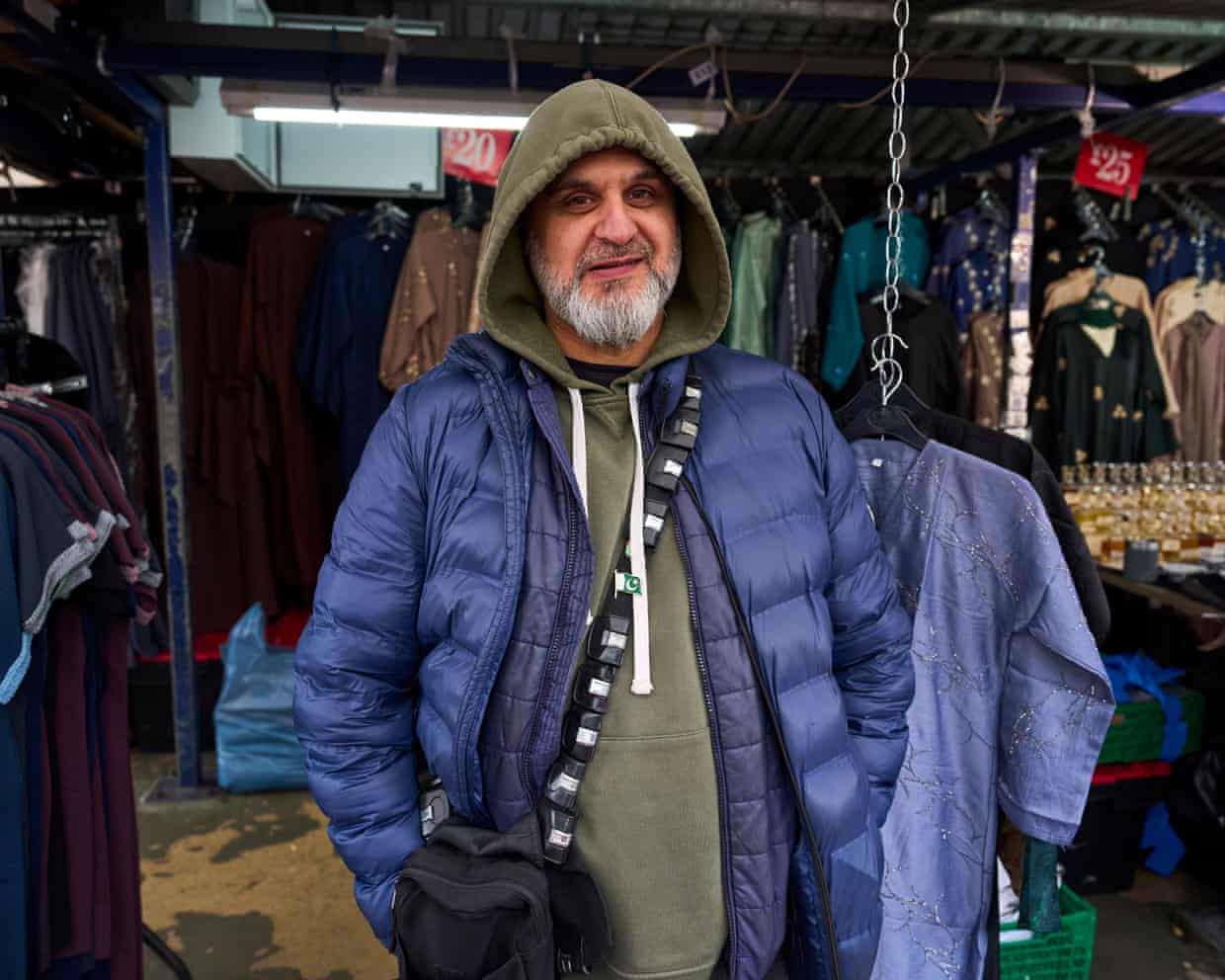
Can Andy Burnham calm the anger in a Manchester seat Labour fears losing?

‘We have a clear agenda’: the teenager who broke news of Tory MP’s defection to Reform

‘Risky’ Tories, ‘drama queen’ Jenrick and Farage’s Trump problem: voters’ verdict on the battle for the right

Union boss warns against Labour ‘control-freakery’ over Andy Burnham

Starmer’s allies launch ‘Stop Andy Burnham’ campaign to block parliamentary return