‘Absolutely frightening’: surge in ketamine cases hits urology wards in England and Wales
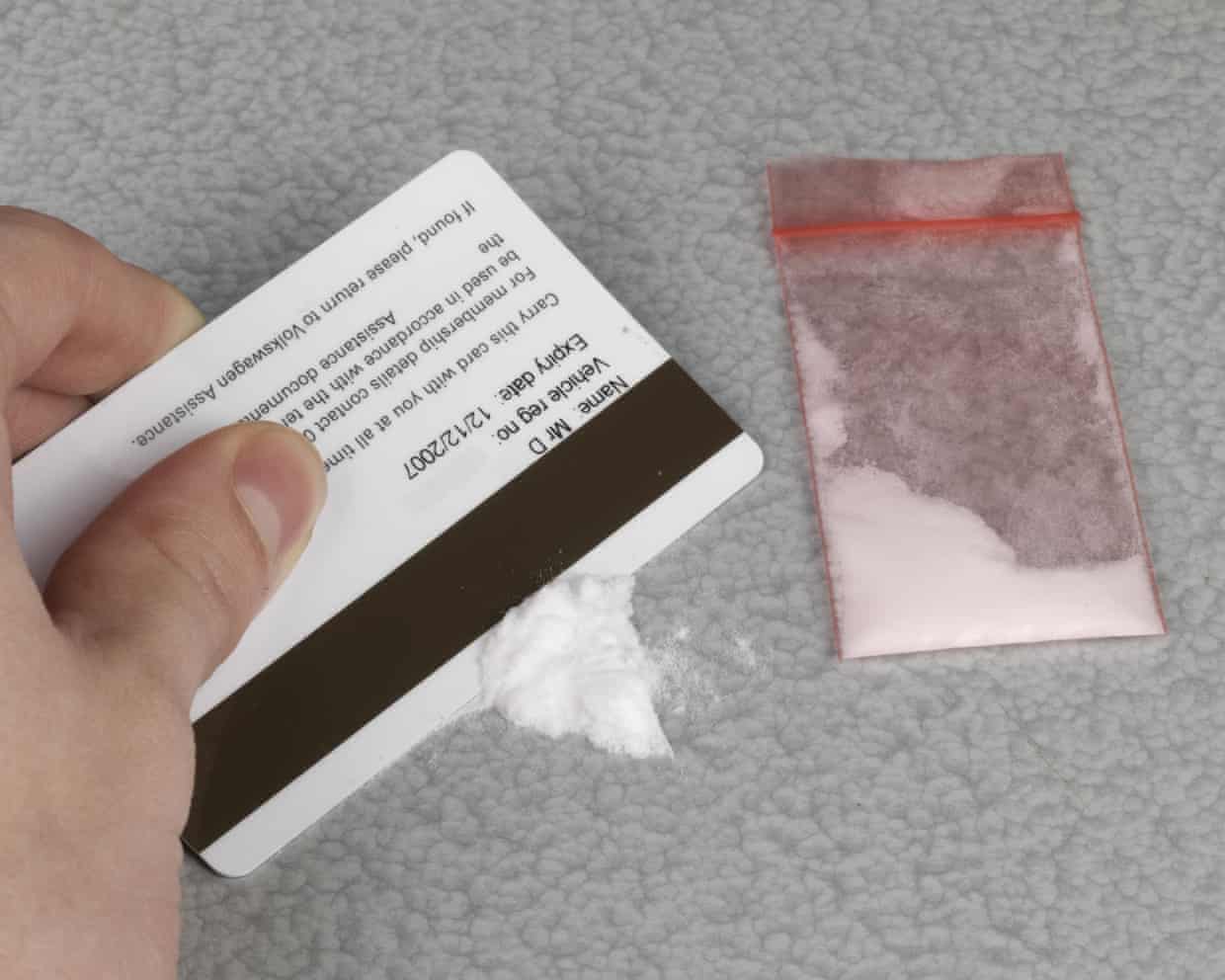
Experts have warned that urology departments across England and Wales could be close to breaking point as ketamine-related hospital admissions have “skyrocketed” in the past few years,Ketamine, a class B dissociative drug used for pain relief and sedation, is increasingly used recreationally in England and Wales,It is one of only three drugs, alongside magic mushrooms and hallucinogens, to have become used more regularly since 2015,Recent data from the Office for National Statistics shows that ketamine usage, while down slightly from the previous year, is still high,The numbers who say they have used the drug in the past month has increased by 251.
85% since 2015, the greatest increase in the use of a single drug in that period.Few places have felt the effects of that increase more than urology departments.Chronic ketamine use can cause irreversible damage to the bladder and urinary tract, and departments have seen an increase in patients, with many of those treated being young adults and teenagers.Alison Downey, a consultant urologist in South Yorkshire, says ketamine abuse is worse than she has ever seen, with admissions pushing medical centres and hospitals to their limits.“We’re already stretched really thin as it is and it’s been a massive increase that we’re just not equipped for.
Although it causes urology problems, ketamine abuse is not a urology issue, its an addiction and we can’t do anything about that”, said Downey, who has worked as a consultant for more than five years.“It’s an awful problem at the moment, and the epicentre seems to be Barnsley,” she said.“In 2021, there were 11 attendances in Barnsley A&E for ketamine-related issues, and that was for the whole year.This year, from January to May, there have been 50, that’s a huge increase for just five months.”Downey believes that ketamine abuse has surged due to a myriad of factors, including how cheap it is.
She says most cases they see are also young people who began using the drug as a coping mechanism during Covid lockdowns five years ago.“Most people I see are in their teens or early 20s, so looking at when they started doing ketamine it largely seems to have been during the pandemic,” said Downey, who pointed out that many who take it are still school age.“In under-16 drug centres, we’ve heard stories like kids pooling their pocket money together to buy some ketamine and then they’ll just share it,” she said.“They’ll take little, small amounts into the school toilets and take some then, which is absolutely frightening.”Nadir Osman, a consultant urological surgeon in Sheffield, says that admissions tied to ketamine abuse have “skyrocketed” in the last few years, and that not enough ketamine users understand the effect that consistently taking the drug will have on their bodies.
“Ketamine is a unique drug because it seems like there are no side-effects, but its more complicated than that,” said Osman.“It slowly impacts the bladder and the liver, and then the urinary tract.It takes a couple of years to begin to notice these effects, but once you start noticing them they’re pretty irreversible.”Osman also claimed that some users who are on a list for surgery end up not getting the procedure done due to continuing to use the drug as pain relief.Prof Ian Pearce, consultant urological surgeon and andrologist at Manchester Royal Infirmary, believes that more needs to be done to warn people, especially those who are still of school age, about the dangers of becoming involved with ketamine while providing help with those already experiencing the effects of abusing the drug.
“One of the main issues with ketamine is that the relapse rate post-rehabilitation is massive, so ongoing support is vital,” said Pearce, who suggested that the government should implement a “targeted educational drive aimed at secondary schools to really get across the message that this is a highly negatively impactful substance with a huge potential for lifelong sequelae”.This article was amended on 31 December 2025 because an earlier version referred to the UK, when the figures discussed relate only to England and Wales.

The best films of 2025 … you may not have seen
There’s something almost self-fulfilling about Endless Cookie being an overlooked gem. The crudely animated Canadian documentary, directed by two half-brothers occupying separate worlds between Toronto and Shamattawa First Nation, lives in and finds its voice in the ellipses between typical narrative beats. A fart, a toilet flush, mumbling asides and the squabble of children sharing the same room as Seth Scriver (who is white) he interviews his Indigenous brother Pete are among the overlooked moments that are usually left on a cutting-room floor. But they resonate in Endless Cookie, like life refusing to be silenced in a surrealist self-portraiture that delights in colouring outside the lines. Institutional violence and neglect, intergenerational trauma and over-policing in Indigenous communities are all visible, but often kept at bay

‘I once Bogarted a joint from a Beatle’: Stewart Copeland of the Police
Your 2025 album, Wild Concerto, stars birds and animals as soloists; what animal do you think best represents you, and why?The wolves of the Arctic Circle! Actually, no, no, no – the hyenas of the Skeleton Coast. Hyenas are very cool animals: they’re butt ugly, but they have extremely complex society, they’re very complex vocally, and they’re very strange animals. I don’t know whether I identify with them personally or not. OK, fuck that: let’s go back to the wolf, much more heroic.You’ve been touring your in-conversation show – what is the most common question you get from audiences?Someone always asks me about Spyro [1998 platformer Spyro The Dragon]

From Central Cee to Adolescence: in 2025 British culture had a global moment – but can it last?
Despite funding cuts and shuttered venues, homegrown music, TV, film and, yes, memes have dominated the global zeitgeist over the past 12 years. Now this culture must be future-proofed from the forces of globalisationOn the face of it, British culture looks doomed. Our music industry is now borderline untenable, with grassroots venues shuttering at speed (125 in 2023 alone) and artists unable to afford to play the few that are left; touring has become a loss leader that even established acts must subsidise with other work. Meanwhile, streaming has gutted the value of recorded music, leading to industry contraction at the highest level: earlier this year the UK divisions of Warners and Atlantic – two of our biggest record labels – were effectively subsumed into the US business.In comedy, the Edinburgh fringe – the crucible of modern British standup, sketch and sitcom – is in existential crisis thanks to a dearth of sponsorship and prohibitively high costs for performers

The best songs of 2025 … you may not have heard
There is a sense of deep knowing and calm to Not Offended, the lone song released this year by the Danish-Montenegrin musician (also an earlier graduate of the Copenhagen music school currently producing every interesting alternative pop star). To warmly droning organ that hangs like the last streak of sunlight above a darkening horizon, Milovic assures someone that they haven’t offended her – but her steady Teutonic tenderness, reminiscent of Molly Nilsson or Sophia Kennedy, suggests that their actions weren’t provocative so much as evasive. Strings flutter tentatively as she addresses this person who can’t look life in the eye right now. “I see you clearly,” Milovic sings, as the drums kick in and the strings become full-blooded: a reminder of the ease that letting go can offer. Laura SnapesIn a year that saw the troubling rise of AI-generated slop music, there is something endlessly comforting about a song that can only have been written by a messy, complicated human

The Guide #223: From surprise TV hits to year-defining records – what floated your boats this year
Merry Christmas – and welcome to the last Guide of 2025! After sharing our favourite culture of the year in last week’s edition, we now turn this newsletter over to you, our readers, so you can reveal your own cultural highlights of 2025, including some big series we missed, and some great new musical tips. Enjoy the rest of the holidays and we’ll see you this time next week for the first Guide of 2026!“Get Millie Black (Channel 4), in which Tamara Lawrance gives a powerhouse performance as a loose-cannon detective investigating a case in Jamaica. The settings are a tonic in these dreary months, and the theme song (Ring the Alarm by Shanique Marie) is a belter. But be warned: the content of the final, London-set episode goes to some dark places.” – Richard Hamilton“How good was Dying For Sex! This drama about a terminally ill woman embarking on an erotic odyssey was so funny and sad and true and daring

My cultural awakening: a Turner painting helped me come to terms with my cancer diagnosis
My thyroid cancer arrived by accident, in the way life-changing things sometimes do. In May of this year, I went for an upright MRI for a minor injury on my arm, and the scan happened to catch the mass in my neck. By the following month, I had a diagnosis. People kept telling me it was “the good cancer”, the kind that can be taken out neatly and has a high survival rate. But I’m 54, and my dad died of cancer in his 50s, so that shadow came down on me hard

Huge rise in number of people in England’s A&Es for coughs or hiccups
‘Absolutely frightening’: surge in ketamine cases hits urology wards in England and Wales

Offenders in England and Wales to have alcohol levels tracked over new year period
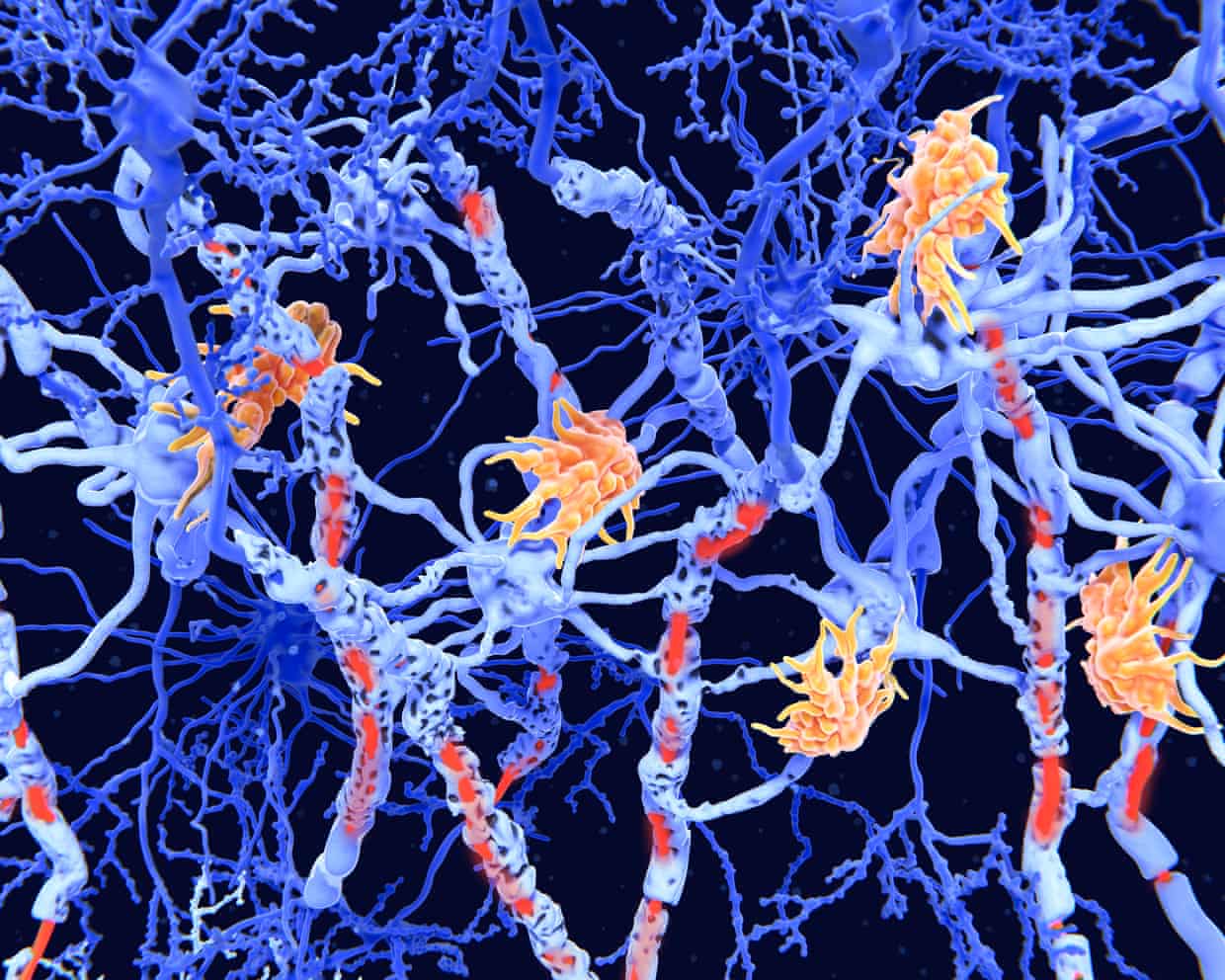
Two new subtypes of MS found in ‘exciting’ breakthrough

A&Es in ‘big trouble’ because of ‘normalised’ corridor care, says leading UK medic

From Adolescence to the manosphere: has 2025 been the year of the boy?