My cultural awakening: a Turner painting helped me come to terms with my cancer diagnosis
My thyroid cancer arrived by accident, in the way life-changing things sometimes do.In May of this year, I went for an upright MRI for a minor injury on my arm, and the scan happened to catch the mass in my neck.By the following month, I had a diagnosis.People kept telling me it was “the good cancer”, the kind that can be taken out neatly and has a high survival rate.But I’m 54, and my dad died of cancer in his 50s, so that shadow came down on me hard.
My eldest son was doing A-levels at the time, so we didn’t tell him at first.I felt as if I’d stepped across some irreversible Rubicon that you hear about happening to other people, but never imagine will actually come for you.After my diagnosis, I retreated.I barely left the house.My neck was bruised and swollen, as if I’d attempted some sort of gruesome Halloween makeup.
I felt peeled-open and humiliated, as though strangers could look straight through my skin,Friends and family stepped up: my brother, who lives hours away, and I had this incredible chat for hours on a park bench in the sunshine,Still, I curled inward,It wasn’t until later that summer that my mum managed to coax me out for lunch and a trip to the Whitworth Art Gallery, in Manchester near where I live,There was a JMW Turner exhibition on.
I knew his name and his work in the way most people do: big ships, sweeping seascapes of blues and golds.The grand stuff of someone else’s life.I didn’t want culture or fresh air or anything that required being seen, but I agreed to go to please her.The exhibition rooms were dark and quiet, lined with sepia prints.My mum moved from caption to caption, reading each one carefully.
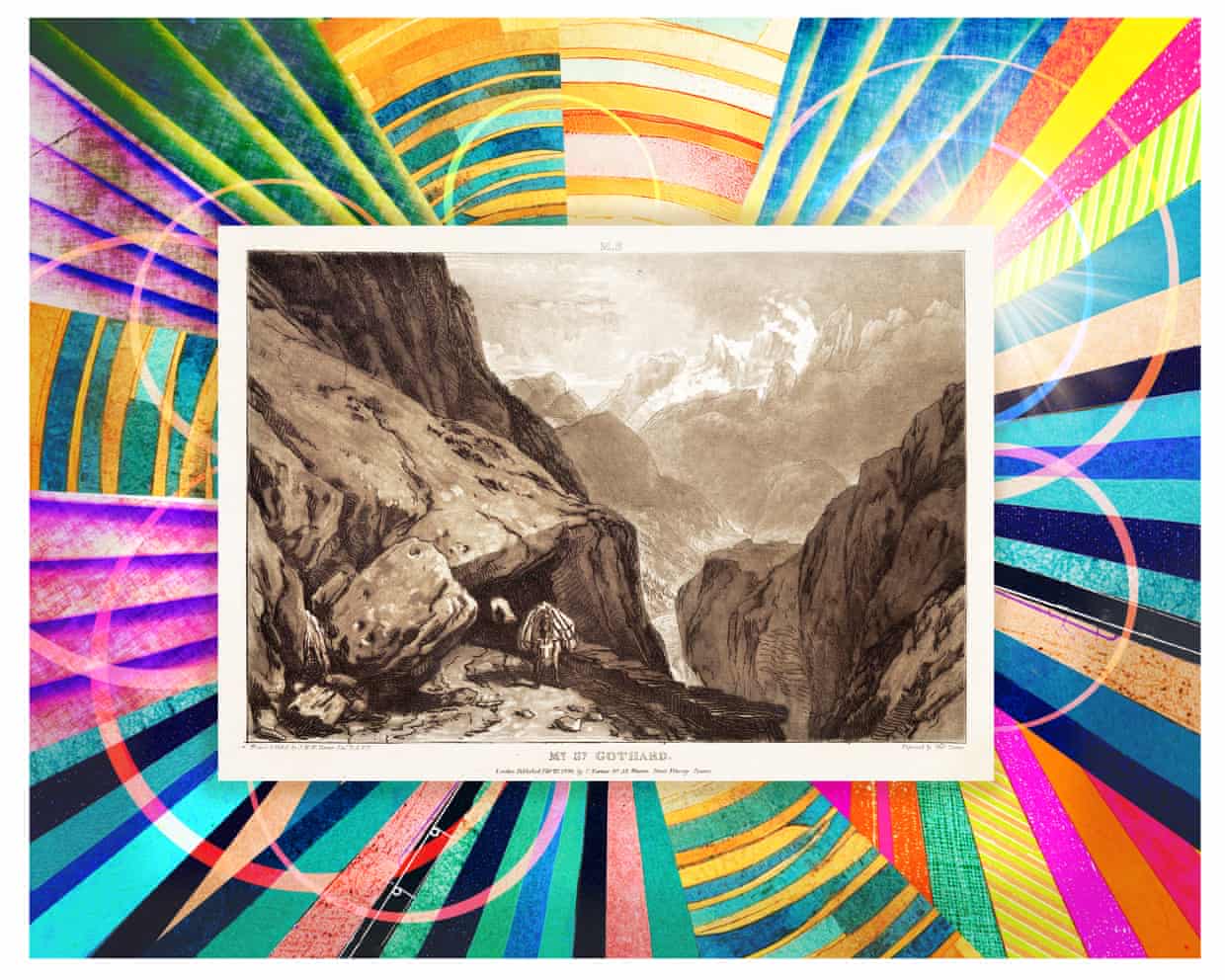
I drifted behind her, barely looking.When you’re waiting for more test results, for the next consultant meeting, for someone to tell you whether cancer has threaded itself further into your body, nothing penetrates.I was about to sneak off to the cafe when one painting stopped me in my tracks.The print was Mount St Gothard, from 1808.In it, a pack horse stands on a mountain path, exhausted and pausing to catch its breath, with its head hanging low to the ground.
The cargo on its back looks impossible.It was like looking in a mirror.It felt absurd, recognising myself in a horse on a Swiss mountain painted more than 200 years ago.But there I was.The horse was me.
The overburdened body.The sense of not knowing how much more of the journey there was to go.For the first time in weeks, something cut through the fog.My feelings – the ones I’d been hiding, managing, downplaying so I didn’t worry everyone else – had shape.It was a moment of recognition.
I had been managing everyone’s expectations around my illness, and seeing the horse gave me permission to let some support in,Yes, being able to sit in misery, darkness and fear was a necessary part of the process for me, but it couldn’t be done for ever,There’s now a 10-mile tunnel through the mountain in the painting: it takes 14 minutes by car,The horse must have taken hours,Months later, with two surgeries to fully remove my thyroid completed, and radioactive iodine treatment ahead of me marking my final medical hurdle, I’m finally starting to feel more like myself.
I’m back at work, and I’m even ready to pick up the creative bits of life I’d dropped: the DIY; the craft-making; the messier, more joyful things that make me feel alive.It wasn’t the diagnosis, or the operations, or even the relief of curability of my cancer that marked a turning point.It was Turner’s horse.He made it to the top of the mountain carrying all that baggage, and was going to go back down the other side and have that pack taken off.And so will I.
Caroline HowarthYou can tell us how a cultural moment has prompted you to make a major life change by filling in the form below or emailing us on cultural.awakening@theguardian.com.Please include as much detail as possiblePlease note, the maximum file size is 5.7 MB.
Your contact details are helpful so we can contact you for more information.They will only be seen by the Guardian.Your contact details are helpful so we can contact you for more information.They will only be seen by the Guardian.If you include other people's names please ask them first.
US capitalism casts millions of citizens aside, yet Badenoch and Farage still laud it | Phillip Inman
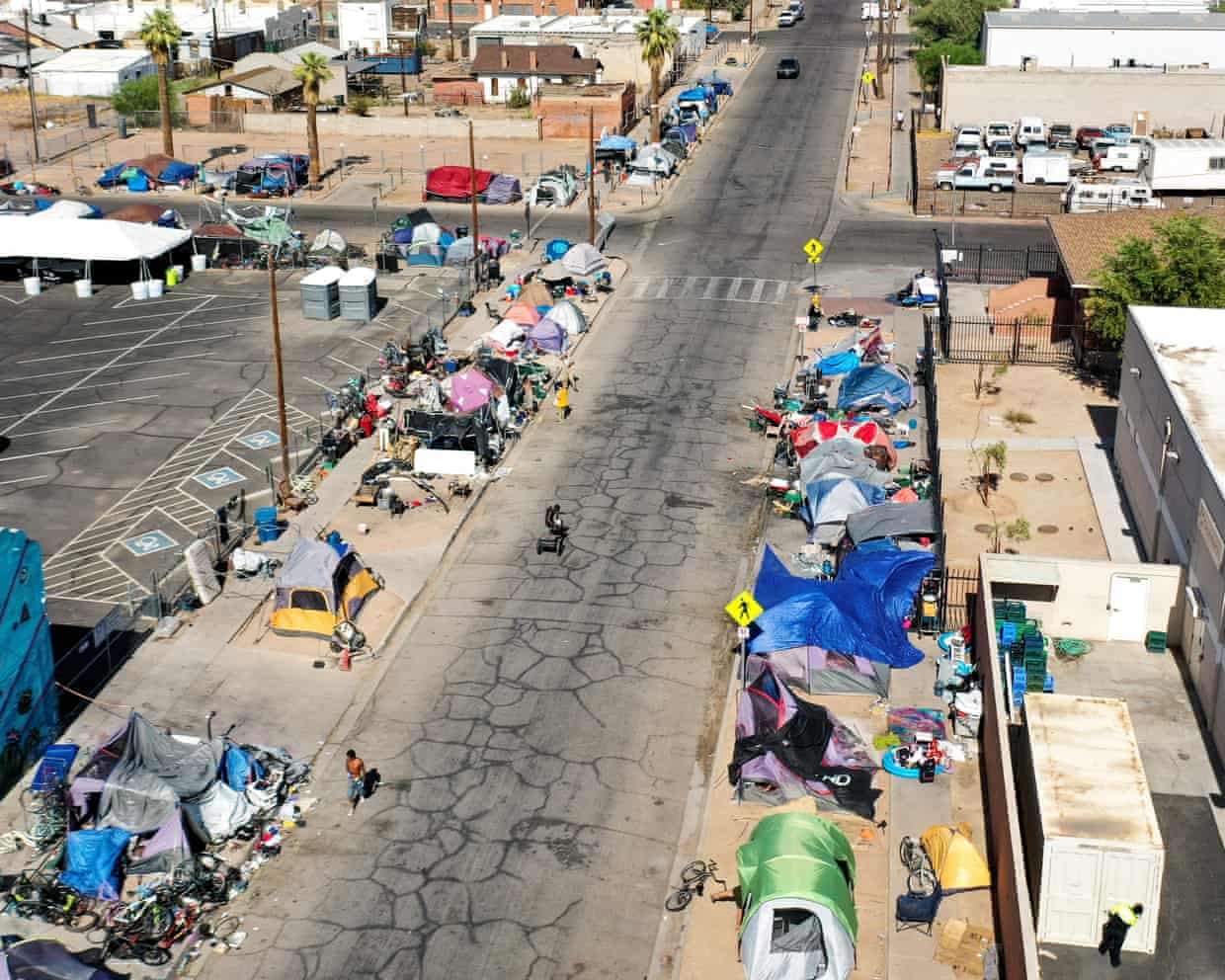
Next month, Donald Trump will welcome a poverty-stricken family to peruse his plans for a $300m glitzy state ballroom in the White House. The event will be staged as part of National Poverty in America Awareness Month, the time every year when charities document the number of US residents surviving on low incomes.Of course, the president will do no such thing, preferring to summon the press to watch him rub shoulders with the billionaire class as he did at last month’s black tie dinner for the Saudi ruler and his entourage.Trump can be expected to ignore calls for policies to reduce poverty and to dismiss the annual awareness campaign, leaving him unencumbered by any guilt that past presidents might have felt looking in the mirror and seeing Louis XIV starring back at them.US poverty levels matter in the UK and across continental Europe because the rising level of poverty in the States – a trend that dates back to the turn of the century – is the direct result of a particular form of capitalism that increasingly popular rightwing parties say should be adopted
No longer ‘unloved’: retailers investing more in physical stores, UK data shows
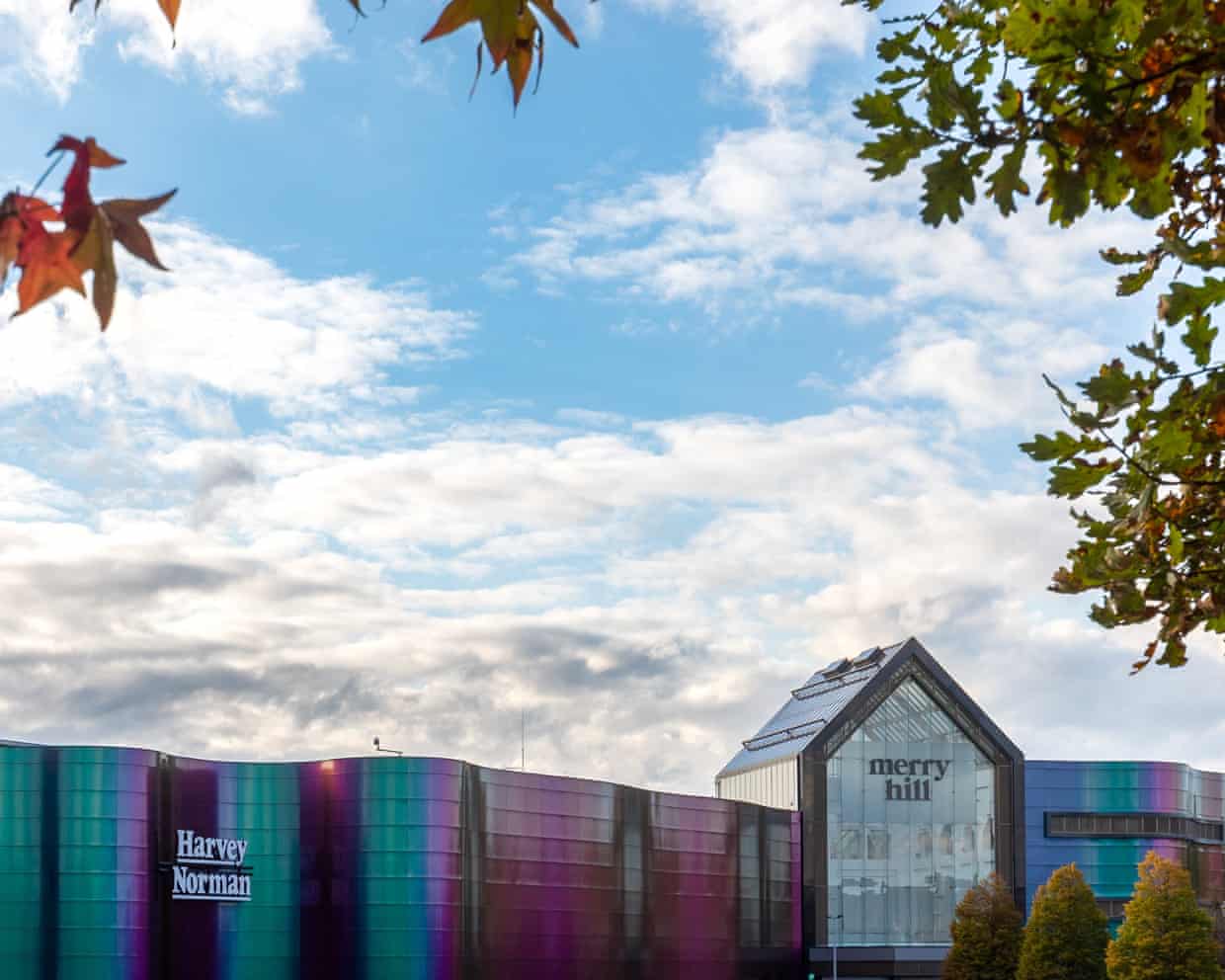
UK retailers are investing more in bricks and mortar, with shopping centres and food stores leading a revival, according to research.Retailers and property investors are reallocating capital back into physical stores, according to the property group Knight Frank.The switch represents a fillip for high streets and shopping centres after a difficult decade, which culminated in the shutdown of most stores during pandemic lockdowns and an accompanying surge in online shopping.The growth in online retail has fallen back and flatlined at between 26% and 28% of overall retail sales since a peak of 35% in mid-2020.Retail has outperformed all other types of commercial property this year, with 9

From shrimp Jesus to erotic tractors: how viral AI slop took over the internet
Flood of unreality is an endpoint of algorithm-driven internet and product of an economy dependent on a few top tech firms In the algorithm-driven economy of 2025, one man’s shrimp Jesus is another man’s side hustle.AI slop – the low-quality, surreal content flooding social media platforms, designed to farm views – is a phenomenon, some would say the phenomenon of the 2024 and 2025 internet. Merriam-Webster’s word of the year this year is “slop”, referring exclusively to the internet variety.It came about shortly after the advent of popular large language models, such as ChatGPT and Dall-E, which democratised content creation and enabled vast swathes of internet denizens to create images and videos that resembled – to varying degrees – the creations of professionals.In 2024, it began to achieve peak cultural moments

More than 20% of videos shown to new YouTube users are ‘AI slop’, study finds
More than 20% of the videos that YouTube’s algorithm shows to new users are “AI slop” – low-quality AI-generated content designed to farm views, research has found.The video-editing company Kapwing surveyed 15,000 of the world’s most popular YouTube channels – the top 100 in every country – and found that 278 of them contain only AI slop.Together, these AI slop channels have amassed more than 63bn views and 221 million subscribers, generating about $117m (£90m) in revenue each year, according to estimates.The researchers also made a new YouTube account and found that 104 of the first 500 videos recommended to its feed were AI slop. One-third of the 500 videos were “brainrot”, a category that includes AI slop and other low-quality content made to monetise attention

PDC world championship: James Hurrell stuns Stephen Bunting in thriller
By the end, the room had gone still and quiet. The air was warm and smelled faintly of spilled pints. The chants of “One Stephen Bunting” had long since died away, and all that was left was one Stephen Bunting: three darts in his hand and no more tricks up his sleeve. No place left to run.And so as James Hurrell pinned tops to win 4-3 and claim the biggest victory of his life, there was just the merest whiff of anticlimax to it all: a seismic shock that also somehow felt like the most natural thing in the world

Tommy Freeman hat-trick topples Bath and sends Northampton to Prem summit
The champions have been mugged at home by the team they deposed. Well, not quite the team. Northampton rung the changes for this match, but the understudies proved the stars of the show to terrorise their hosts. Six tries, a hat-trick for Tommy Freeman and the lead, no less, of the Prem for good measure.The bookies gave Northampton a 20-point head start for this one

Abuse survivors need safe housing above all | Letters
Blood test could predict who is most at risk from common inherited heart condition

Inside the US’s psychedelic church boom, where taking drugs is legal
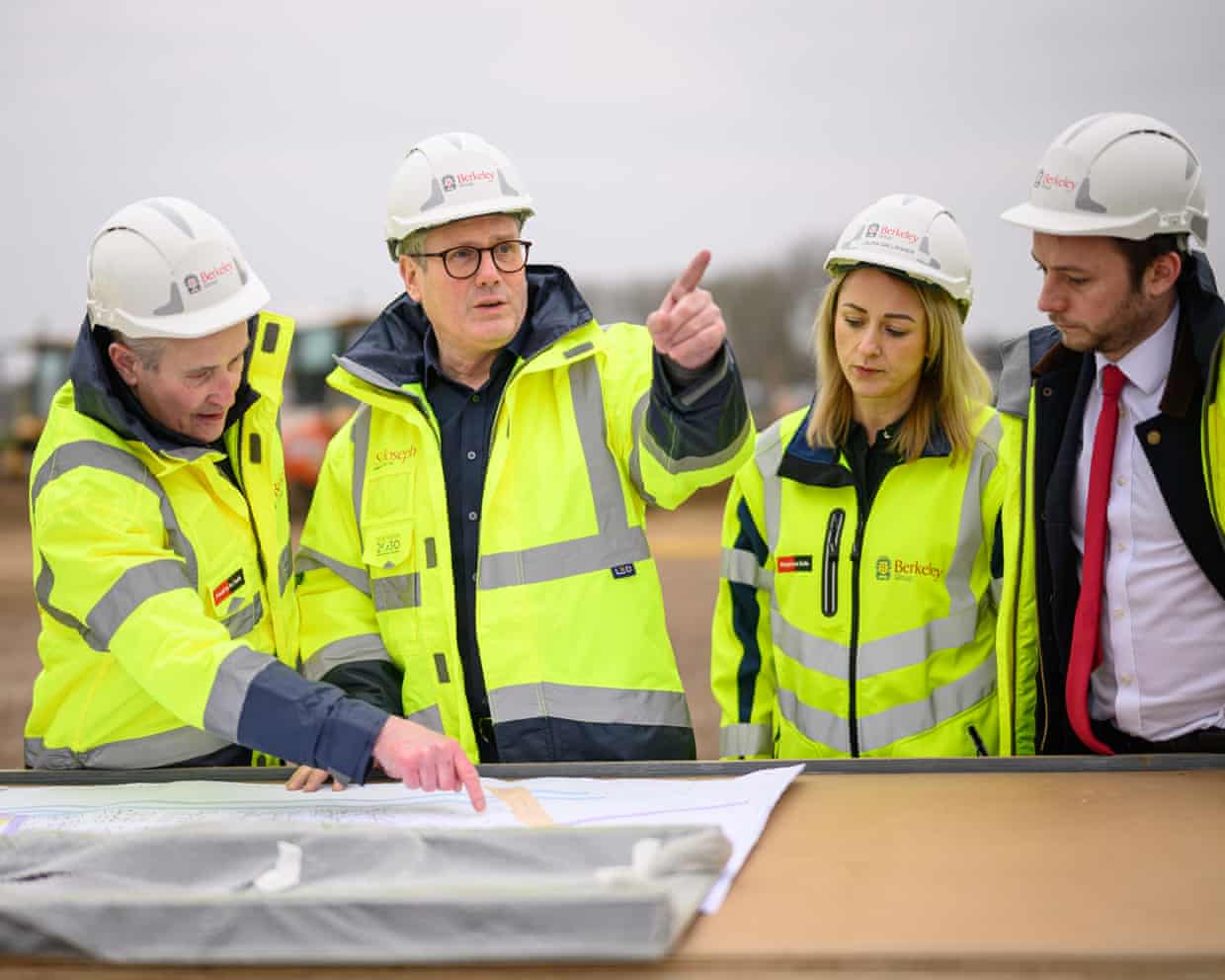
Key figures in creation of Milton Keynes criticise England’s new towns plan
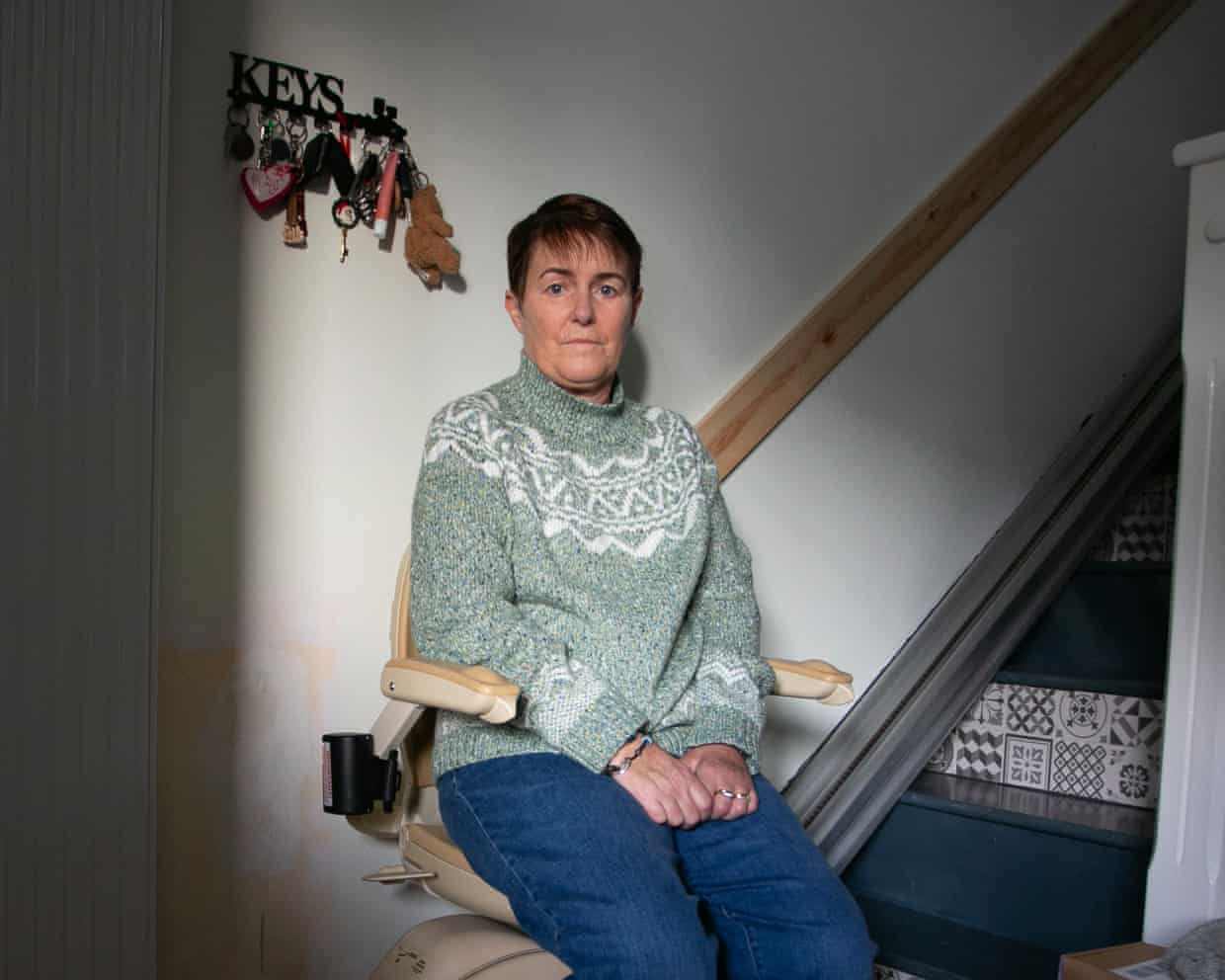
Motor neurone disease patients in England die waiting for home adaptations, campaigners say

Guardian readers’ Christmas appeal donations surpass £500,000