A&Es in ‘big trouble’ because of ‘normalised’ corridor care, says leading UK medic

Emergency departments across the UK are “in big trouble” owing to the way corridor care has been “normalised”, a leading medic has warned.Dr Ian Higginson, the president of the Royal College of Emergency Medicine (RCEM), said there should be “howls of outrage” over deaths linked to long emergency department waits, with just a few hospitals around the UK managing to avoid caring for patients on trolleys in corridors.Patients are now “not surprised” when they are cared for in a corridor because the problem is so widespread – yet doctors “can’t deliver care” this way, Higginson told PA Media.Earlier this year, the RCEM released estimates that suggested there were more than 16,600 deaths of patients linked to very long waits in A&E for a hospital bed last year – the equivalent of about 320 deaths a week.“If we had 16,000 patients a year dying in bus crashes or in aircraft crashes or anywhere else there would be such howls of outrage something would be done about it.
And yet, we can’t understand why those awful statistics don’t provoke really determined action at the highest level across governments,” said Higginson.Separate analysis, released earlier this month, found that almost one in five patients treated in UK emergency departments in March were being cared for in “escalation areas”, meaning any area not routinely used for care, such as corridors.Higginson suspected that the figures could be worse now, reflecting a wider NHS trend towards deterioration.Earlier in December, the health secretary, Wes Streeting, pledged to end corridor care in hospitals in England by the next general election, “if not sooner”.Higginson said that efforts to resolve the crisis in hospitals around the UK were focused on “bits that they think are quick and easy and cheap”, for example, persuading people not to go to hospital and seek alternatives instead.
With political will, he believed the problem was “fixable” – and that doing so would be vital to improve working conditions for staff who are “run ragged, exhausted and suffering from a mixture of either burnout, moral injury or exhaustion [and] PTSD”.“The solutions are to make hospitals more efficient; to provide more staff to beds in hospitals and to improve community-based and social care so that patients can leave hospital where they need to,” he said.Official NHS figures show the number of people waiting more than 12 hours in A&E departments from a decision to admit to actually being admitted in England was 50,648 in November.An NHS England spokesperson said: “It is totally unacceptable that patients are waiting over 12 hours to be admitted to a hospital bed, and in some cases, this wait is occurring in corridors.“The NHS is working hard to free up beds by ensuring patients are discharged as soon as they are medically fit to leave hospital or cared for closer to home by improved access to appropriate services in the community.
“This winter, specialist NHS productivity and regional experts are working closely with hospitals to drive down incidences of corridor care, and ensuring patients receive the quality of care they deserve.”A Department of Health and Social Care spokesperson said: “No one should receive care in a corridor – the situation we inherited is unacceptable and undignified, and we are determined to end it.“Although things are tough right now and the road ahead is long, our investment and modernisation are making a difference and the NHS is showing signs of recovery.“Compared with last year, more patients are being seen within four hours of arriving at A&E, and ambulance response times are 10 minutes faster for conditions such as stroke or chest pain.”
Two new subtypes of MS found in ‘exciting’ breakthrough
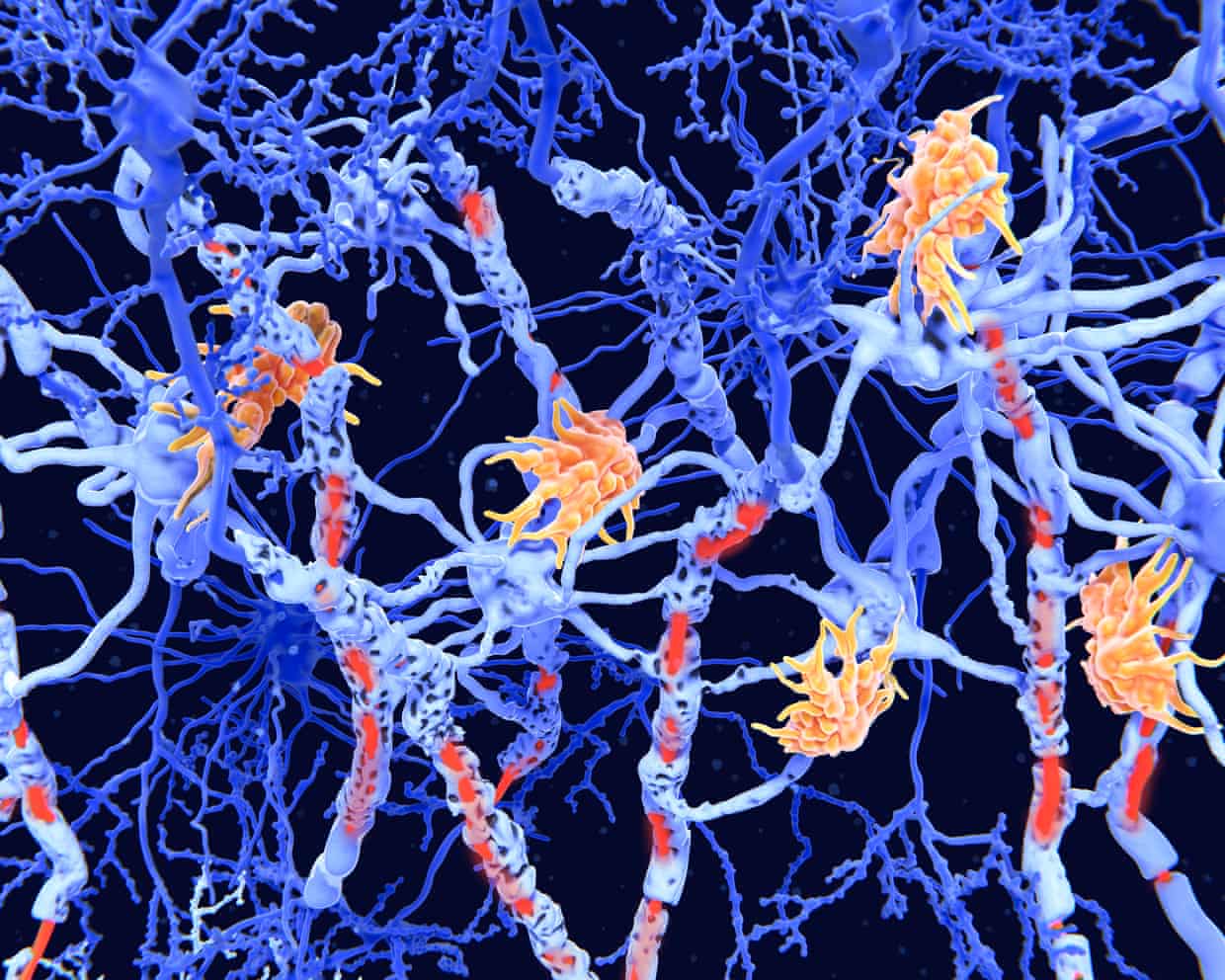
Scientists have discovered two new subtypes of multiple sclerosis with the aid of artificial intelligence, paving the way for personalised treatments and better outcomes for patients.Millions of people have the disease globally – but treatments are mostly selected on the basis of symptoms, and may not be effective because they don’t target the underlying biology of the patient.Now, scientists have detected two new biological strands of MS using AI, a simple blood test and MRI scans. Experts said the “exciting” breakthrough could revolutionise treatment of the disease worldwide.In research involving 600 patients, led by University College London (UCL) and Queen Square Analytics, researchers looked at blood levels of a special protein called serum neurofilament light chain (sNfL)
A&Es in ‘big trouble’ because of ‘normalised’ corridor care, says leading UK medic
Emergency departments across the UK are “in big trouble” owing to the way corridor care has been “normalised”, a leading medic has warned.Dr Ian Higginson, the president of the Royal College of Emergency Medicine (RCEM), said there should be “howls of outrage” over deaths linked to long emergency department waits, with just a few hospitals around the UK managing to avoid caring for patients on trolleys in corridors.Patients are now “not surprised” when they are cared for in a corridor because the problem is so widespread – yet doctors “can’t deliver care” this way, Higginson told PA Media.Earlier this year, the RCEM released estimates that suggested there were more than 16,600 deaths of patients linked to very long waits in A&E for a hospital bed last year – the equivalent of about 320 deaths a week. “If we had 16,000 patients a year dying in bus crashes or in aircraft crashes or anywhere else there would be such howls of outrage something would be done about it

To say ‘six-seven’ is to embrace idiocy | Letters
I am writing to object to Coco Khan’s suggestion that “six‑seven” could be “the most hopeful word of 2025” (Each year, word of the year gets darker. ‘Six-seven’ may be annoying – but it’s bucked that trend, 20 December). As a primary school teacher and promoter of logic and understanding, I was intrigued to find out the root of this so-called “craze”.Rather than a sinister cult, as promoted by scaremongers in the US, or some kind of secret code that only children understand, I discover the root of the “phenomenon” to be the embracement of idiocy. A badly cobbled together mishmash, promoted via social media in order to get children to click on links that gain the influencer more attention and therefore, potentially, money

From Adolescence to the manosphere: has 2025 been the year of the boy?
The prime minister said it was a “really hard watch”, while a British police force said it should be a “wake-up call for parents”. The Netflix drama Adolescence – which tells the story of a 13-year-old boy arrested for killing a female classmate – was hailed from the school gates to the Houses of Parliament for shedding a spotlight on the toxic influence of the manosphere.But the national conversation did not end with the final episode of the much-discussed drama. A series of high-profile campaigns, conversations, policy shifts and research have resulted in a sense that 2025 has been the year of the boy.At the start of the year the former England football manager Gareth Southgate warned about the dangers of “callous, manipulative and toxic influencers”, while Lost Boys, a study from the Centre for Social Justice, argued that “boys [were] being left behind” from educational attainment to mental health

Gen Z shunning the pre-flight pint for matcha green tea, airports say
Christmas is over and a new year is upon us. Time, then, to start planning your next summer holiday.Next year, however, you may be more likely to be downing gut health shots and Japanese tea in the airport than the once-traditional morning pints.Figures from Manchester Airport Group, the biggest in the UK, show soaring numbers of passengers shunning pre-flight booze in favour of more wholesome alternatives.Sales of matcha, the antioxidant-rich green tea, rose 165% at Manchester, Stansted and East Midlands airports this year as TikTok influencers sold it as the ultimate wellness drink
UK medical regulator warns against buying weight-loss jabs from social media channels
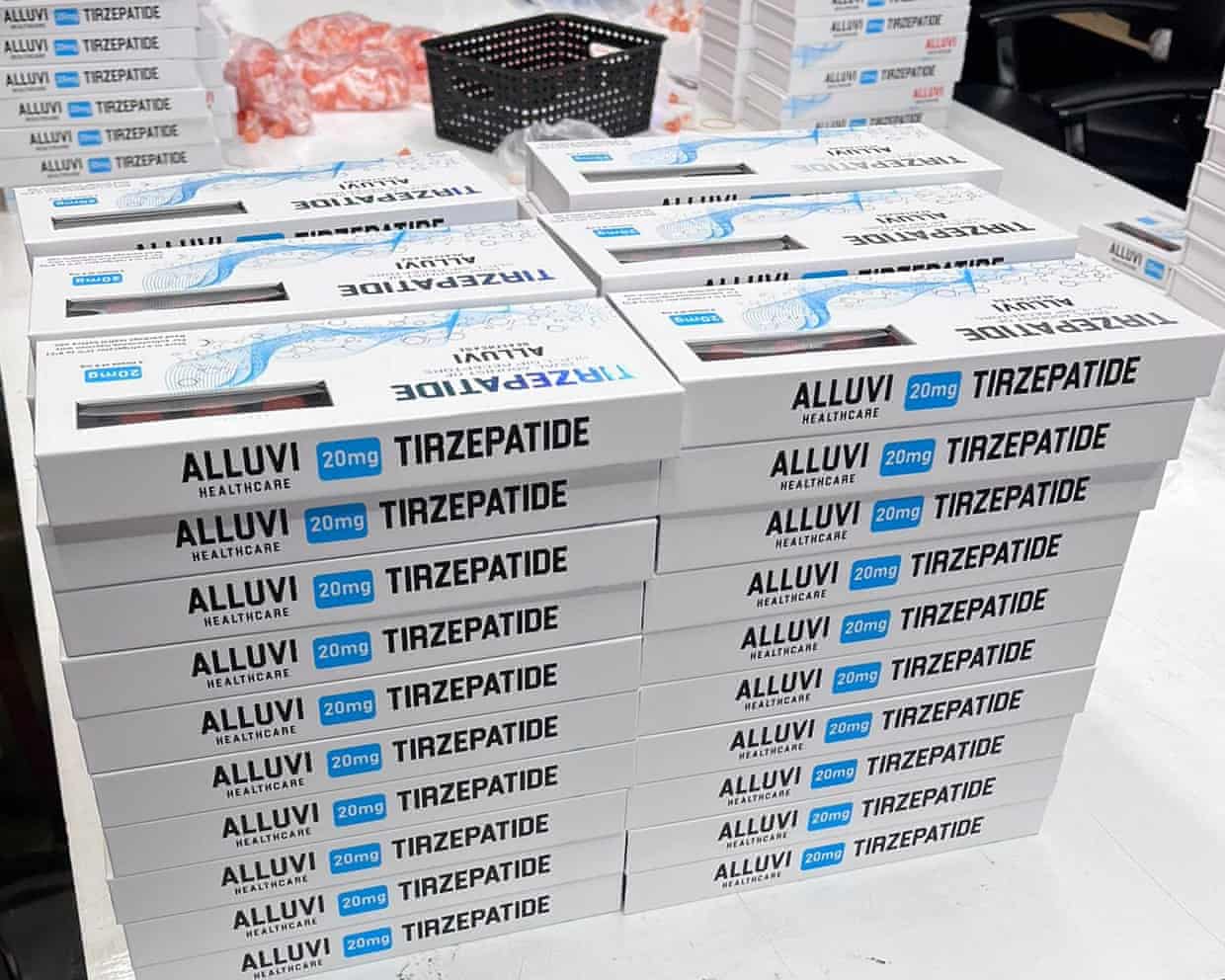
Losing weight may be a common new year resolution but health experts have warned against buying medications for such purposes from social media sellers or other illegitimate channels.Jabs such as Wegovy and Mounjaro have become hugely popular for weight loss, with trials suggesting the latter can help people lose an average of 20% of their body weight after 72 weeks of treatment.However, with demand high, access on the NHS limited, a prescription required and a hefty price tag attached, the black market for such medications is booming.The Medicines and Healthcare products Regulatory Agency (MHRA) has issued a fresh warning to those planning to use weight-loss medications, stressing the importance of only buying them from registered UK pharmacies or legitimate retailers.“People often look for ways to support their health at this time of year but buying medicines from illegal online sellers can put your health at real risk,” said Jenn Matthissen, of the MHRA’s safety and surveillance team
Fashion brand LK Bennett on brink of collapse

Jhoots Pharmacy chain could face insolvency after Lloyds Bank high court application

Five charts that explain the global economic outlook for 2026

Octopus Energy to sell stake in software spin-off Kraken at $8.65bn valuation

Renewable energy project approvals hit record high in GB in 2025, data shows
Marks & Spencer launches ‘nutrient dense’ range for people on weight-loss jabs