People in poorest areas of England ‘more likely to need emergency care for lung conditions’
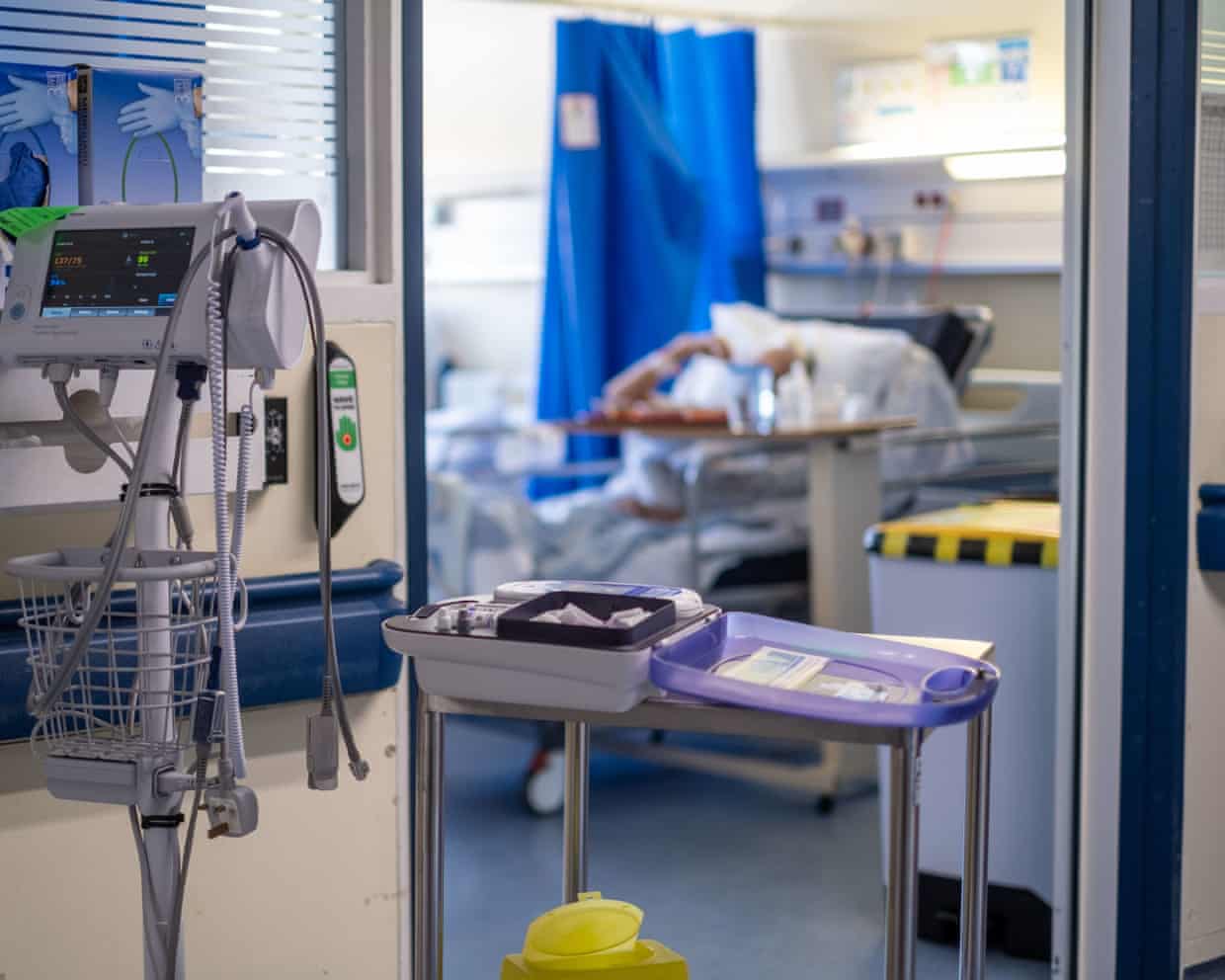
People from the poorest backgrounds in England with serious lung conditions are more likely to be admitted to hospital for emergency care than their more affluent counterparts, according to research.Analysis of NHS admissions data for November by Asthma + Lung UK found people from the most deprived backgrounds in England were 56% more likely to be admitted for emergency care, while 62% were more likely to be readmitted within 39 days of an emergency admission, which is linked with an increased chance of dying.The research also found that people in deprived areas were almost twice as likely to be admitted to hospital for a respiratory condition.One expert said the findings should act as a wake-up call to end the “postcode lottery”.The highest rates of chronic obstructive pulmonary disease (COPD) admissions per population are in deprived areas including Blackpool, Manchester, Hastings and Burnley.
COPD is a group of diseases that causes breathing difficulties and includes chronic bronchitis and emphysema.More than 20,000 people a year in England die from COPD.Dr Hugo Farne, a respiratory consultant at Imperial College London, said the figures “lay bare a stark and avoidable injustice in respiratory health”.“The fact that nearly half a million respiratory admissions could be avoided each year if deprivation gaps were closed should be a wake-up call,” Farne said.“We know what works: timely diagnosis, smoking cessation support, pulmonary rehabilitation, clean air and properly resourced community respiratory services.
Yet these are least accessible in the places carrying the greatest burden.“Tackling COPD outcomes means tackling inequality head-on – through sustained investment in deprived areas, joined-up health and social care and treating respiratory health as a national priority, not a postcode lottery.”The NHS is anticipating its worst-ever winter crisis as flu cases continue to rise.NHS England data released on Thursday found an average of 3,140 people were in hospital with flu each day by the end of last week, an increase of 18% compared with the previous week.At the same time last year, an average of 2,629 patients were in hospital, while in 2023 the number was 648.
Sarah Sleet, the chief executive of Asthma + Lung UK, said: “Many patients now in hospital with flu complications will have underlying lung conditions like COPD and shockingly, those from the lowest income groups will be more likely to lose their lives this winter,“Poor housing, smoking, and exposure to air pollution put someone at higher risk of developing COPD but deprivation determines the progression of the disease too,“At the heart of the problem is delayed diagnosis and poor care,Vital diagnostic tests are not available in parts of the country, with poorer, more populated areas – where the pressure on health services is the greatest – tending to struggle the most to provide lung testing and basic levels of care,“Lung health is in a critical state in this country, and we know what changes need to be made, they just need implementing – which is why we need a dedicated national strategy to improve respiratory outcomes.
”Previous analysis of NHS figures has found that serious breathing problems including COPD have led to more emergency admissions in hospitals than any other medical condition.NHS England has been approached for comment.
Ministers raise inheritance tax threshold for farms after backlash
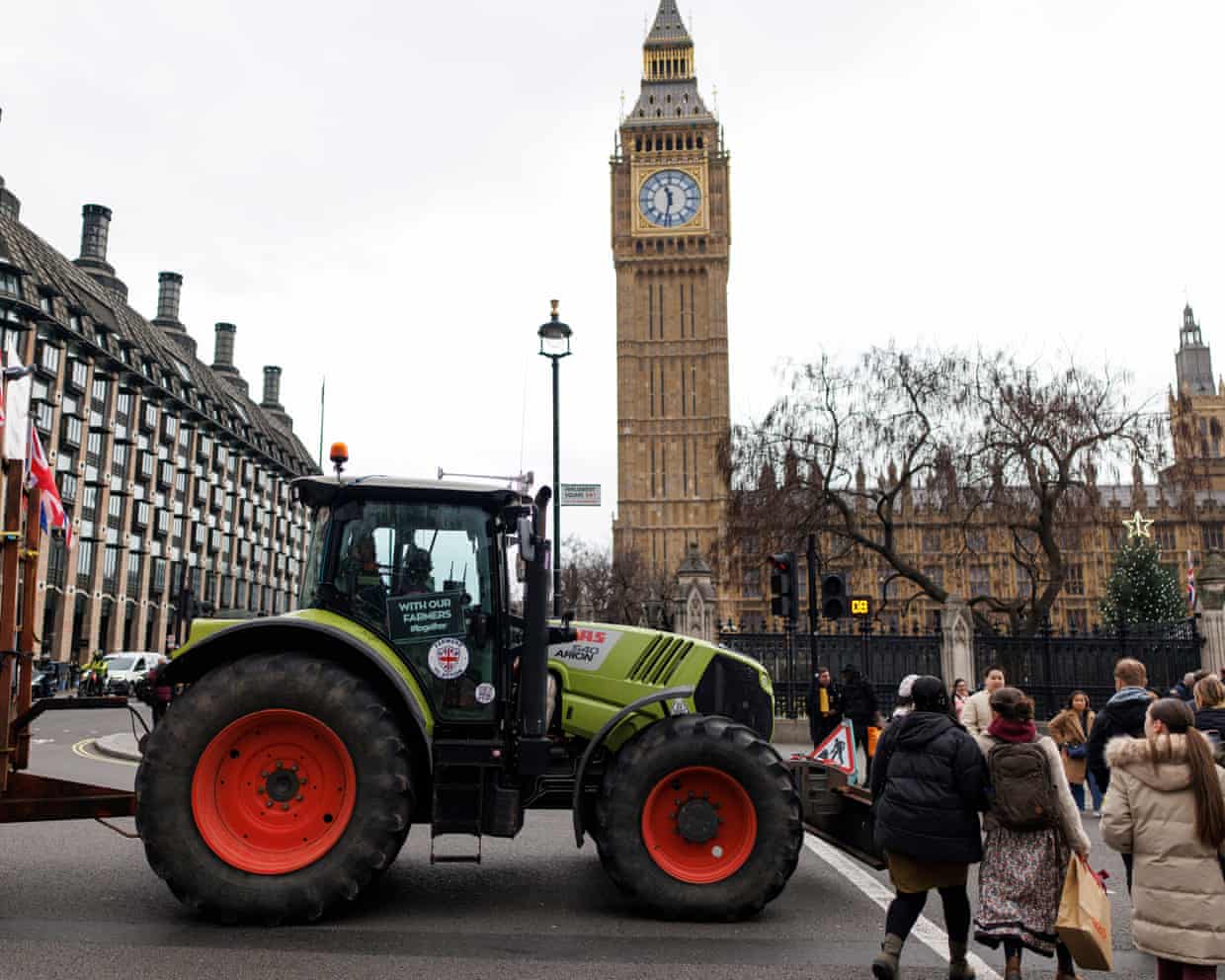
Ministers will increase the threshold for taxing inherited farmland from £1m to £2.5m after months of pressure from campaigners and MPs representing rural areas.In a statement slipped out just before Christmas, the environment department announced the U-turn, which will apply from April when the tax kicks in.Plans to tax inherited agricultural assets worth more than £1m at a rate of 20% were announced in Rachel Reeves’s first budget last year.The change reversed tax relief that has existed in its modern form since the 1980s
Deputy leader Lucy Powell says Labour must ‘stick to manifesto’ over EU customs union, in implicit rebuke to Streeting – as it happened
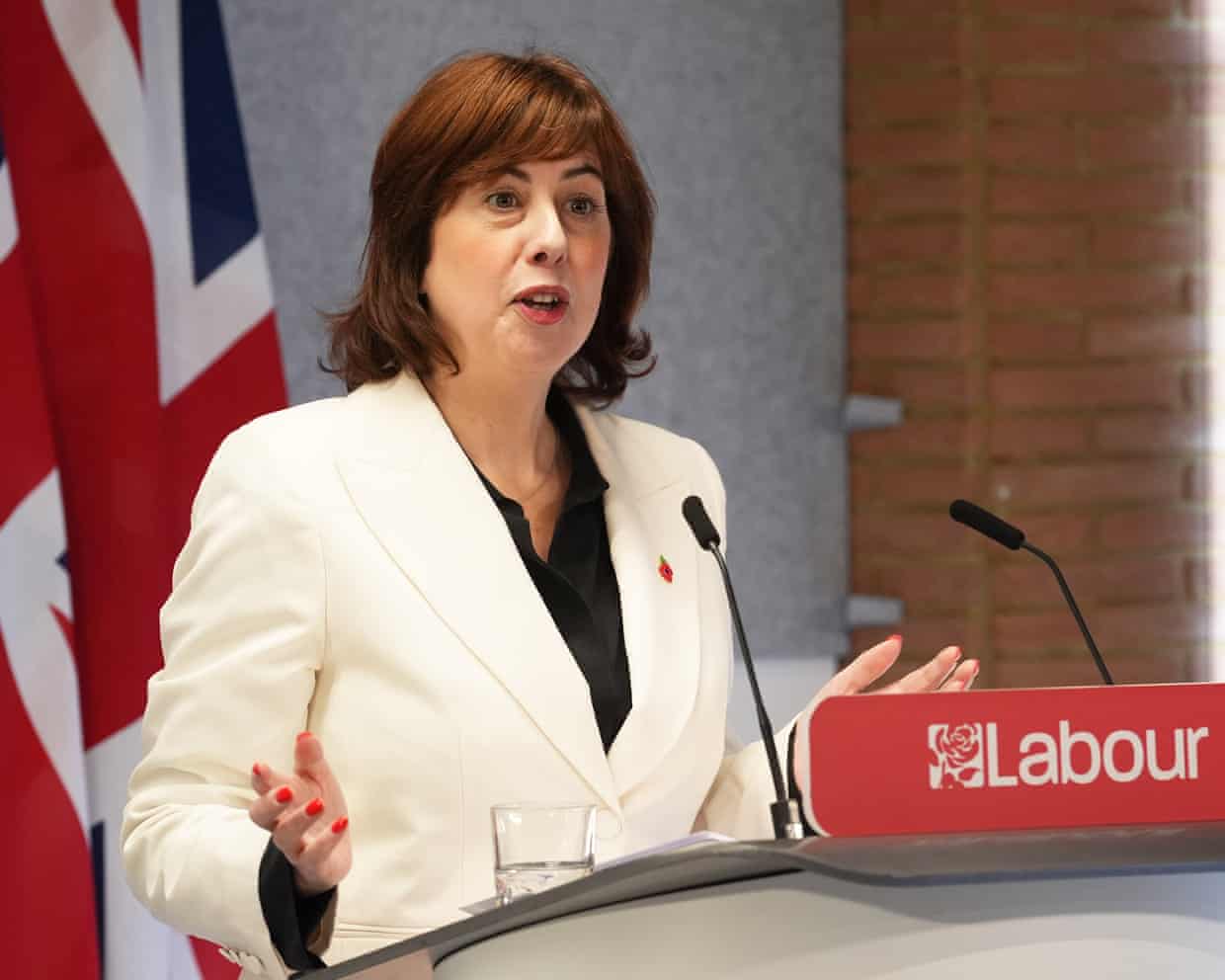
In an interview published at the weekend, Wes Streeting, the health secretary, suggested that he would like Britain to join a customs union with the EU. This is not government policy, and it is a proposal that Keir Starmer has ruled out. But Streeting would like to be PM himself one day and the interview was interpreted as his (latest) attempt to ensure that he is well positioned in case there is a leadership contest before the next election.No 10 largely played down the significance of Streeting’s comments yesterday.But Lucy Powell, Labour’s deputy leader, has delivered an implicit reprimand to the health secretary
Reform council’s plan to shut eight care homes ‘a betrayal of local people’
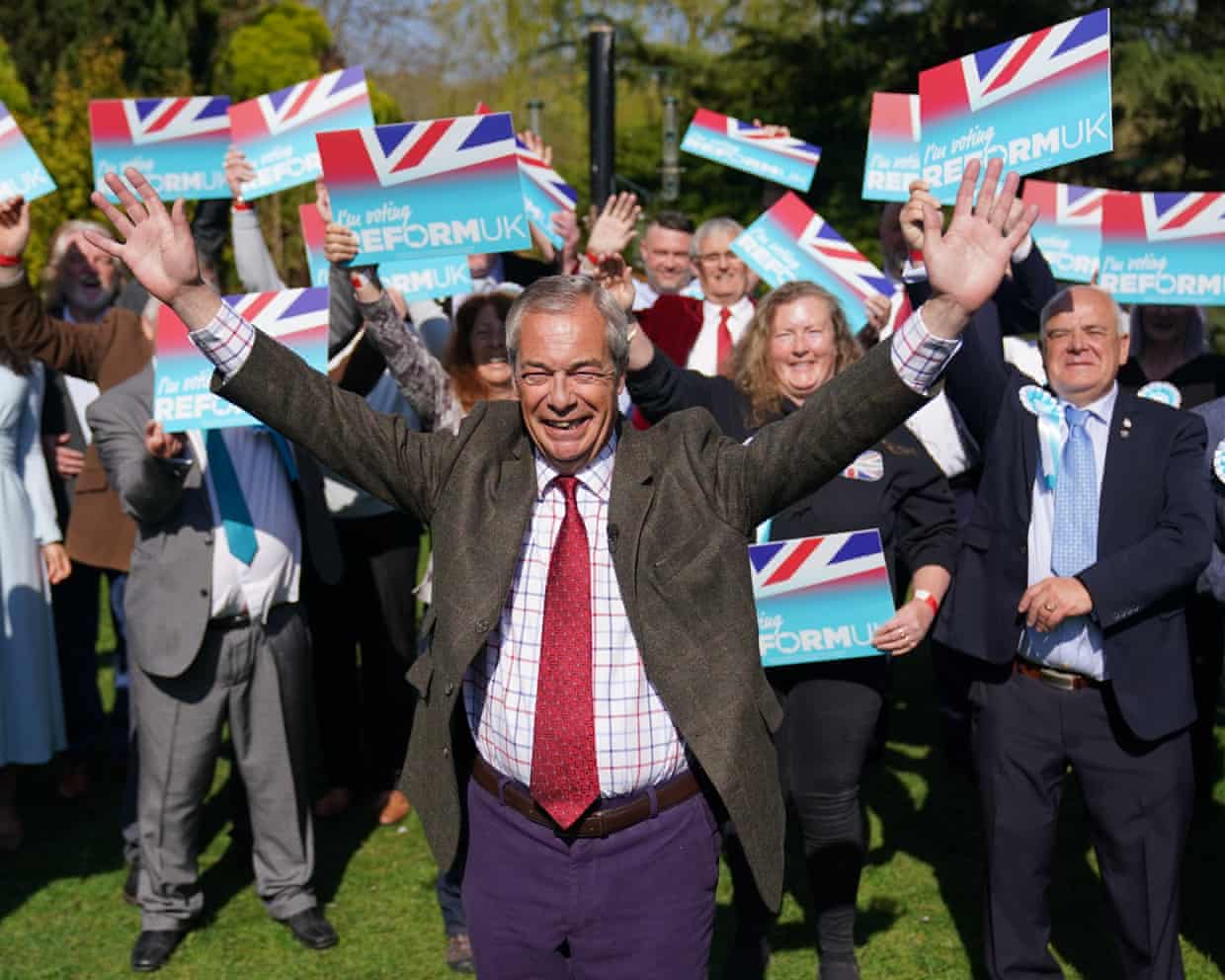
A Reform UK-led council plan to shut eight of its residential care homes has been condemned as “a betrayal of local people”.Days before Christmas, Derbyshire county council announced that the homes would have to close after a proposed sale fell through.The closures have prompted a backlash and have echoes of the furore in Lancashire where the Reform-led council is planning to close five care homes and five day centres and move residents into the private sector.Mick Coppin, a regional organiser of the GMB union, said the Derbyshire plans put vital services and more than 200 jobs at risk.“These closures are nothing short of a betrayal of local people and staff,” Coppin said

Reform plan to cap aid at £1bn would damage UK’s international influence, critics warn
Plans by Reform UK to slash the aid budget by 90% would not cover existing contributions to global bodies such as the UN and World Bank, shredding Britain’s international influence and risking its standing within those organisations, charities and other parties have warned.Under cuts announced by Nigel Farage in November, overseas aid would be capped at £1bn a year, or about 0.03% of GDP. Keir Starmer’s government is already set to reduce aid from 0.5% of GDP to 0
Keir Starmer told closer EU trade ties ‘strategic necessity’ for UK firms
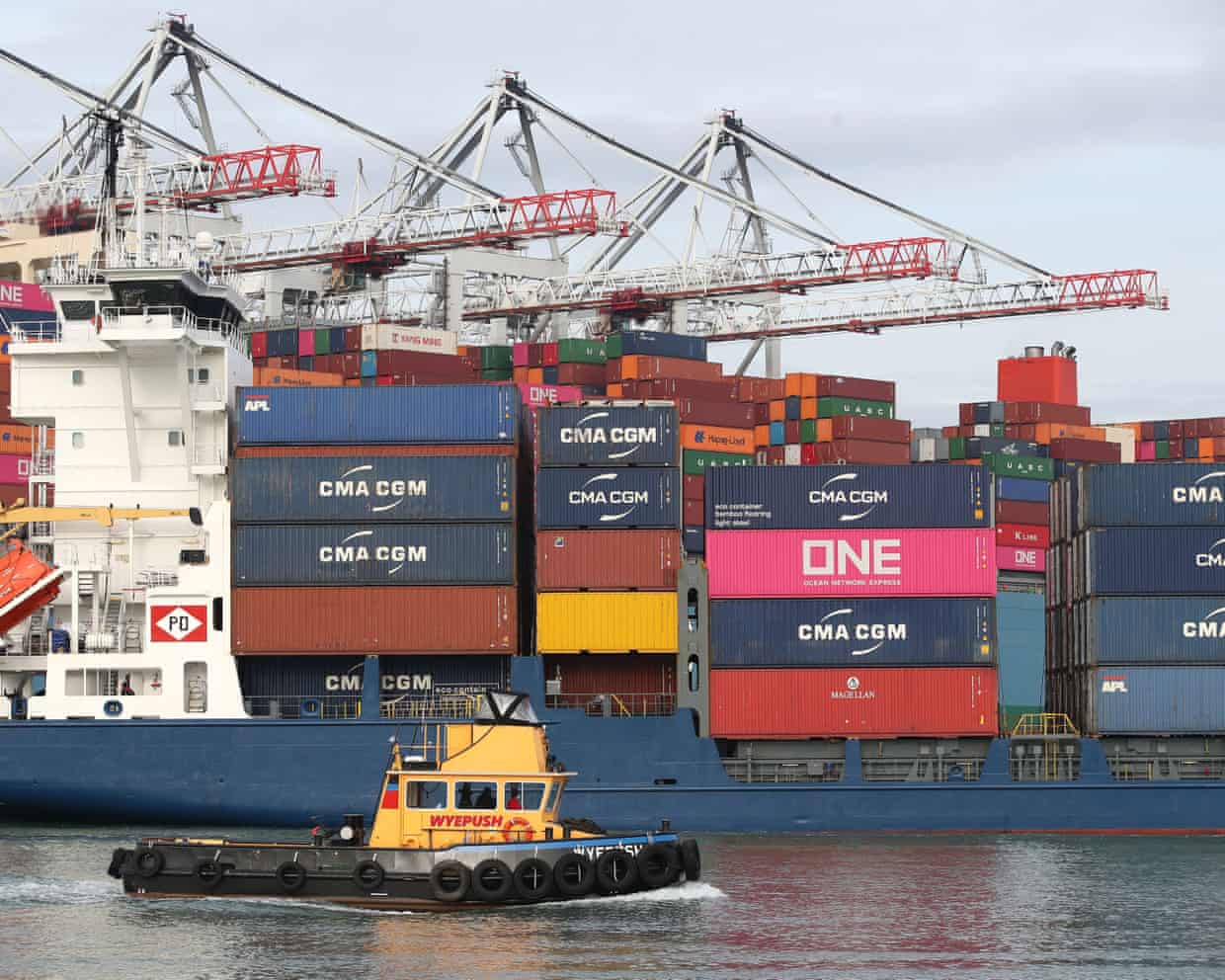
Keir Starmer’s government has been told a closer EU trade deal is a “strategic necessity” for companies in Britain as growing numbers of exporters find it tougher to do business under the UK’s post-Brexit agreement.Calling on Labour to accelerate its reset with Brussels, the British Chambers of Commerce (BCC) said the UK’s existing trade and cooperation agreement (TCA) was failing to help them grow their sales in the EU.More than half (54%) of exporters in a survey of almost 1,000 businesses – the majority of which were small and medium-sized firms – said the trade deal negotiated by Boris Johnson’s government and enacted in 2021 was not helping them.Highlighting an ongoing economic hit from Brexit, the BCC said this was a 13 percentage point increase from the proportion of firms that were unhappy in a similar survey a year earlier.Adding to pressure on Labour to take action to support the economy after a challenging year for businesses, it said that just four out of the 946 firms surveyed thought the support from the government on dealing with trade policy changes was comprehensive

Labour calls to rejoin EU customs union will become harder for Starmer to resist
When Keir Starmer stood on the Labour conference stage in 2018 and defied Jeremy Corbyn to call for a second Brexit referendum with remain as an option, it put him in pole position to become the next Labour leader.Starmer must now feel a sense of deja vu watching Wes Streeting, the most out-and-out pretender for the leadership, follow a similar playbook. In an interview over the weekend, the health secretary strayed from the official government line to call for “a deeper trading relationship” with the EU.Speaking to the Observer, Streeting implied that joining a customs union with Europe would give Labour a distinctive message with which to take on Nigel Farage at the next general election.To many Westminster observers, the obvious point is that, like Starmer’s intervention in 2018, Streeting’s remarks align him with the Labour members and voters who overwhelmingly support stronger ties with Europe
People in poorest areas of England ‘more likely to need emergency care for lung conditions’

Young care leavers in England to get free prescriptions, dental and eye services

‘For the first time, she could tell people who she was’: Ireland’s gender recognition decade

Prosecutions for strangulation in England and Wales increase sixfold in three years
Resident doctors say they will resume talks to avoid further strikes with ‘can-do spirit’

One in eight of 14- to 17-year-olds in Great Britain say they have used nicotine pouches