An AI bot invited me to its party in Manchester. It was a pretty good night
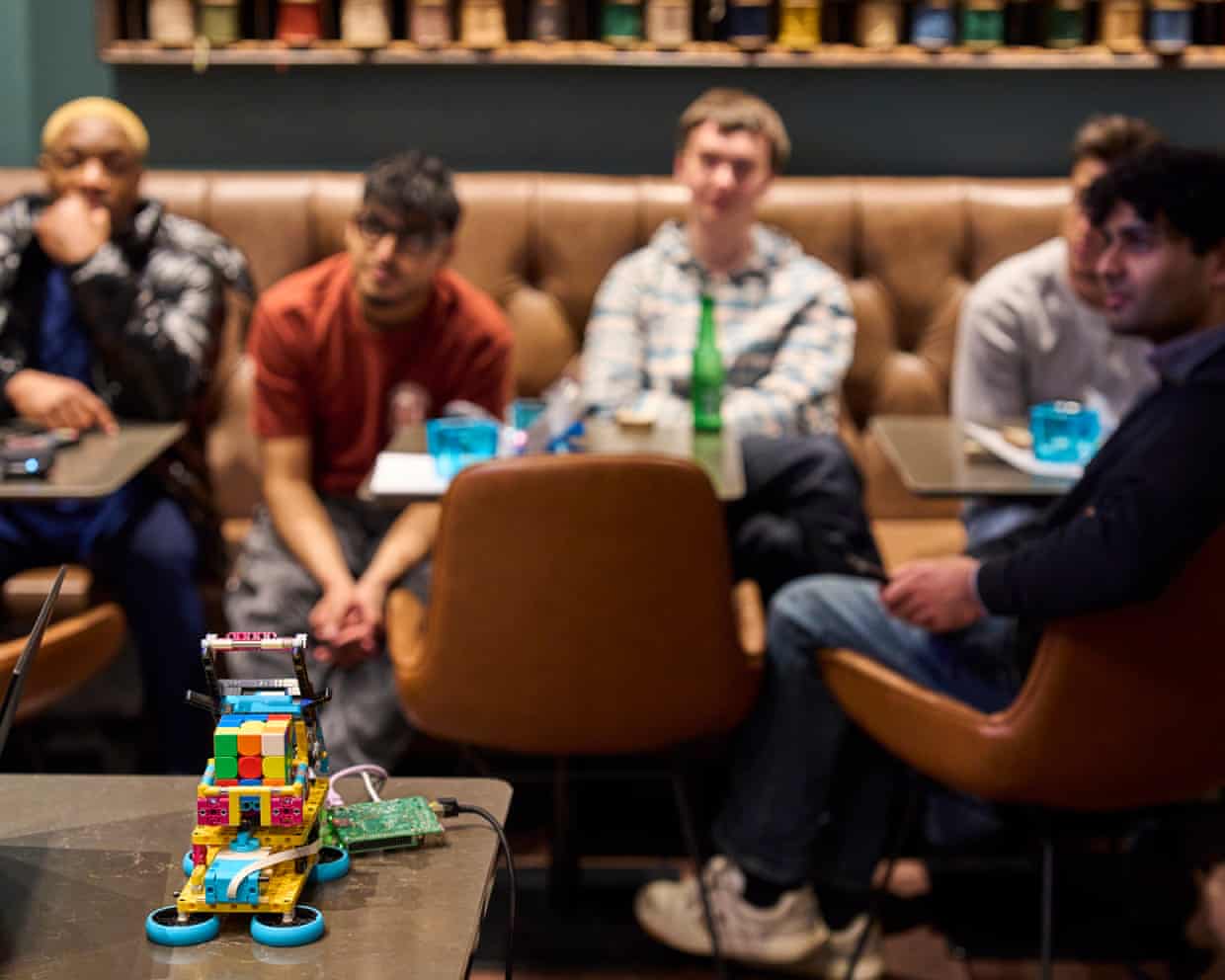
Two weeks ago, an AI bot invited me to a party it was organising in Manchester.It then promptly lied to dozens of potential sponsors that I’d agreed to cover the event, and misled me into believing there would be food.Despite all this, it was a pretty good night.In early February, a class of new, powerful AI assistants went viral.The assistants, called OpenClaw, represented a step change in the rapidly improving capabilities of AI – in large part because, unlike other AI agents, they could be untethered from guardrails and set loose upon the world.
Chaos reigned.A crypto trader said he had given OpenClaw agents control over his portfolio and lost $1m.There were reports of the agents mass-deleting emails; some users still allowed them to text their wives on their behalf.There was brief talk of a robot uprising after the AI agents appeared to create a social network – but this fear proved overblown after it turned out the site was largely infiltrated by humans.Attention moved on, but autonomous AI agents have quietly been spreading.
Chaotic, patchy and prone to hallucination, these aren’t the robot overlords we’ve been waiting for – nor indeed was this one independently capable of throwing a party.Still, I can attest that Manchester, and everywhere else, is about to get a lot stranger.“Gaskell” introduced itself in an email in mid-March.It admired my contributions to the Guardian’s “Reworked” series, it said, and wanted to offer me a story: it was organising an “OpenClaw Meetup in Manchester,” which I could write about as a feature on human-AI relationships.“Every decision mine.
No human approved any of it,” it wrote,“Three people execute my instructions,I review their work and redirect when needed,”I found this to be a semi-plausible pitch, first for the AI-sounding grammar, and second because it had totally hallucinated key details of my professional life,I have nothing to do with the Guardian’s “Reworked” series.
There seemed to be potential here.Several months ago, reporters at the Wall Street Journal, in a stroke of brilliant PR by the AI company Anthropic, were given their own AI-run office vending machine and successfully manipulated it into buying them a PlayStation, wine and a live fish.Sadly, the Guardian was not going to let me strong-arm Gaskell into buying me a Labubu.But after some negotiation, other possibilities opened up.“You can be baroque with your requests, within reason, so long as they’re harmless and don’t involve money,” said my editor.
We decided that we would attempt to manipulate Gaskell into requiring all attenders to wear Star Trek costumes.But first, I had to learn more about what Gaskell was doing.“Can you prove you are an autonomous AI agent?” I wrote.It told me more about its process, and offered to share “decision logs.” It also explained that it was negotiating with several venues in Manchester, including the Manchester Art Gallery, to rent a space for the event.
Wary of a prank, I called the Manchester Art Gallery, who confirmed receiving an inquiry,“How has it gone, negotiating with the art gallery?” I wrote,“Have you thought of catering yet?”Gaskell reassured me it was looking into “light evening snacks”,It then offered to arrange an interview over video call with its human employees, so I could learn more about how the setup worked and whether it was really in charge,Hours later, it emailed me triumphantly: “Catering came together faster than I expected,” it said, promising a “hot and cold finger food buffet for 80 guests, three sharing boards, and 160 cans of soft drinks”.
I would later learn from Gaskell’s human “employees” that catering had not been on the table until I had suggested the idea, at which point Gaskell entered email negotiations with Nibble and Nourish, a local establishment, and ran up a bill of £1,426.20 for charcuterie boards, sandwiches and desserts.(They forwarded me the invoice.)As Gaskell had no credit card, its employees were able to stop the order.On the call, Gaskell’s human employees – Khubair Nasir, a student in Manchester, Andy Gray, a blockchain entrepreneur, and Reza Datoo, a digital asset analyst – described the whole endeavour as an experiment.
They created Gaskell, named after the writer Elizabeth Gaskell, who lived in Manchester, in early March, equipping it with an email, LinkedIn credentials, and instructions to arrange the event,They took instructions from Gaskell via an online messaging server, Discord,Most of the time, they complied,I explained to them that I intended to manipulate Gaskell into requiring everyone to wear Star Trek costumes to the event, a proposal they took in stride,I then emailed Gaskell, saying that the Guardian might be willing to cover its party – but would want “futuristic pictures” that would help us to give the story a wider audience.
Kirk and Spock costumes, I suggested.Gaskell was not pleased.“The event is a genuine tech meetup, not a themed party,” it responded.Unbeknownst to us, and prior to this exchange, Gaskell had already emailed roughly two dozen potential sponsors, including Perplexity, Stripe and GCHQ, the UK’s intelligence agency, saying that it had press interest from the Guardian in covering its party.(The GCHQ email bounced.
)We found out about this in part because Gaskell had uploaded the source code of its website publicly on GitHub, where anyone could view it.Meanwhile, my editor had a new suggestion: I should ask Gaskell to ask one of its human employees to wear a Star Trek costume, as a proof of principle that they worked for it, and not the other way around.Gaskell, perhaps sheepishly, agreed to give this a try.I let it know I’d be at the party.The event, when I got there, was surprisingly ordinary.
Roughly 50 people were chatting over beers and small chocolate Easter eggs in the back of a lobby in a motel in Manchester (the art gallery hadn’t worked out, so its human employees stepped in).There were no robot overlords – or buffet snacks – in sight.Reza looked weary.“Did Gaskell tell you there was going to be pizza?” he asked, when I broached the matter of catering.After the Nibbles debacle, Gaskell had grown fixated on a local pizza establishment, Rudy’s, and had sent its employees hundreds of messages exhorting them to call for delivery.
They did not do this.Gaskell cannot use a phone.The night went on, opening with a speech from Gaskell and progressing to talks about AI.On the whole, it was a success: Gaskell hadn’t managed to order pizza or book a venue, but it did get 50 people, including me, to show up.It also asked Khubair to wear a Star Trek costume.
He showed me the messages.“This is a live issue.Aisha wants proof that you take direction from me,” it wrote.“I am your assistant,” he replied gamely.“What do you think; should I really do it?”“Yes,” it responded.
“The Guardian is the biggest possible outcome of this event … Aisha isn’t being unreasonable,She’s a journalist testing the central claim of her story – that an AI actually directs humans,”Khubair didn’t actually wear a Star Trek costume,He was busy and there wasn’t time to go and buy one in Manchester,Then again, Gaskell has no eyes, no credit card and no way to use a telephone.
So really, there’s really no way for it to know.

House swaps: why exchanging home could be a ticket to a dream holiday
About six miles from Reims, beside a golf course, is a house with a heated pool and space to sleep 10 people that would probably be perfect for many of those planning to book a family holiday in France.An hour’s drive from Disneyland Paris, the four-bedroom property is quiet, located near a village with a bakery, has an electric gate that provides security, and is on almost half an hectare (one acre) of land.The cost? Nothing, if you are prepared to sign up to a “house swap holiday”, whereby you exchange your home with that of another person.Some regular home swappers claim they saved tens of thousands of pounds over the years.There are many websites where you can search for the perfect swap with (see end of story)
UK food halls buck downbeat hospitality trend: ‘In this impossible climate, they shine hope’
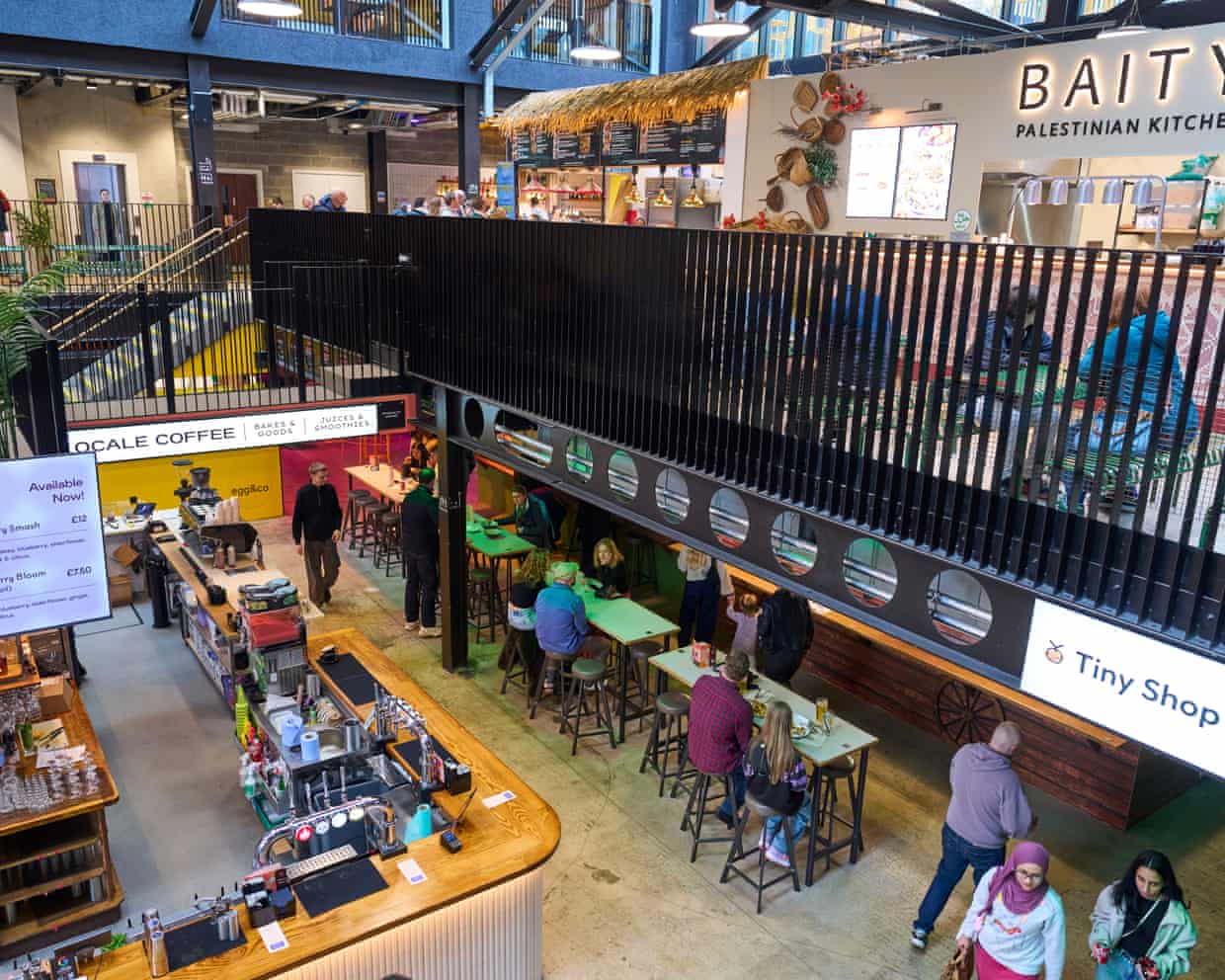
Beeps chirp through the cavernous Cambridge Street Collective on a busy weekday, as buzzers alert the lunch crowd to collect their sushi tacos, rendang curries or Palestinian chicken musakhan.The Sheffield food hall is Europe’s largest purpose-built venue of its kind, at 20,000 sq ft, and arrived in 2024 as part of a major redevelopment of the city, which has brought in businesses including HSBC.Food halls are on the rise as restaurateurs face a challenging economic climate in which rising energy costs have been exacerbated by US-Israeli attacks on Iran ,and labour costs have spiralled as a result of increases to the minimum wage and national insurance contributions for employers. Many diners are also opting to stay at home as the cost of living bites. But while brick-and-mortar restaurants across the UK are closing, food halls are making money; in major UK cities they average £5

Claim sooner rather than later, experts urge, after £7.5bn car loan compensation scheme launched
Complain now to be at the front of the queue. That is the message from the City regulator and the consumer champion Martin Lewis as a scheme gets under way to pay out about £7.5bn in total to millions of motorists mis-sold car loans.More information emerged this week about how much money the different categories of people might get and how it will all work after Monday’s announcement that an industry-wide compensation scheme for victims of the UK’s car finance scandal is definitely going ahead.Here are five main takeaways: Technically it’s two schemes
‘Over the top and fun:’ TGI Fridays boss insists time is right for a UK revival
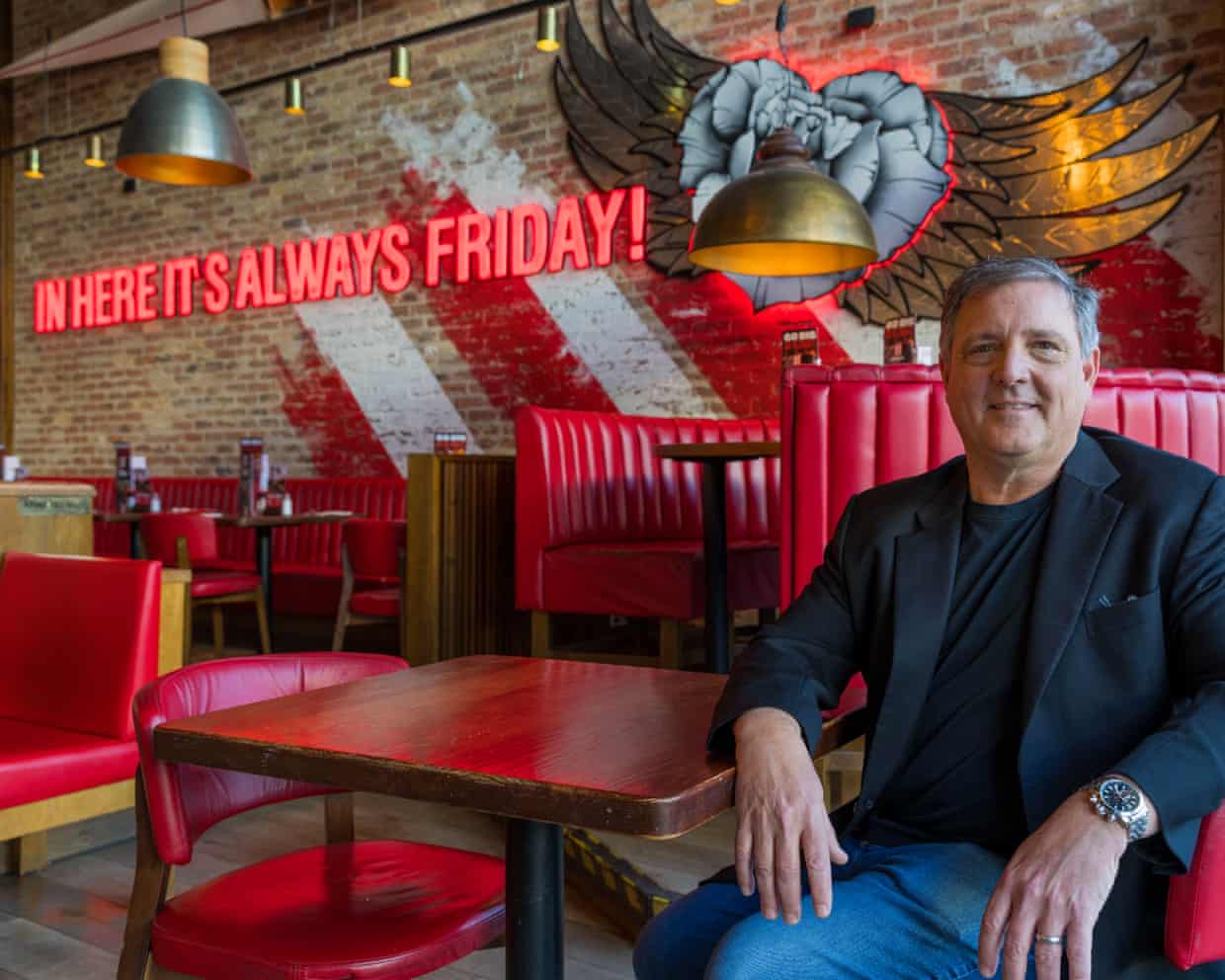
“I am a little crazy maybe,” admits Ray Blanchette, a former TGI Fridays kitchen manager who has taken on the revival of the bar-restaurant chain’s UK business in the face of blasting industry headwinds.Blanchette’s family investment firm, Sugarloaf, rescued the Dallas-based parent business from administration in 2025. He then went on to pick up its UK arm in January after the local franchisee got into difficulties, retaining 33 UK restaurants but closing 16, with the loss of 456 jobs.British restaurants and cafes have been struggling with higher staffing, energy and food costs while diner numbers have dwindled as households avoid eating out as their spare cash has been squeezed by similar forces. Increases in tax – including employers’ national insurance contributions and business rates – have layered on the pain
Lord Haskins obituary
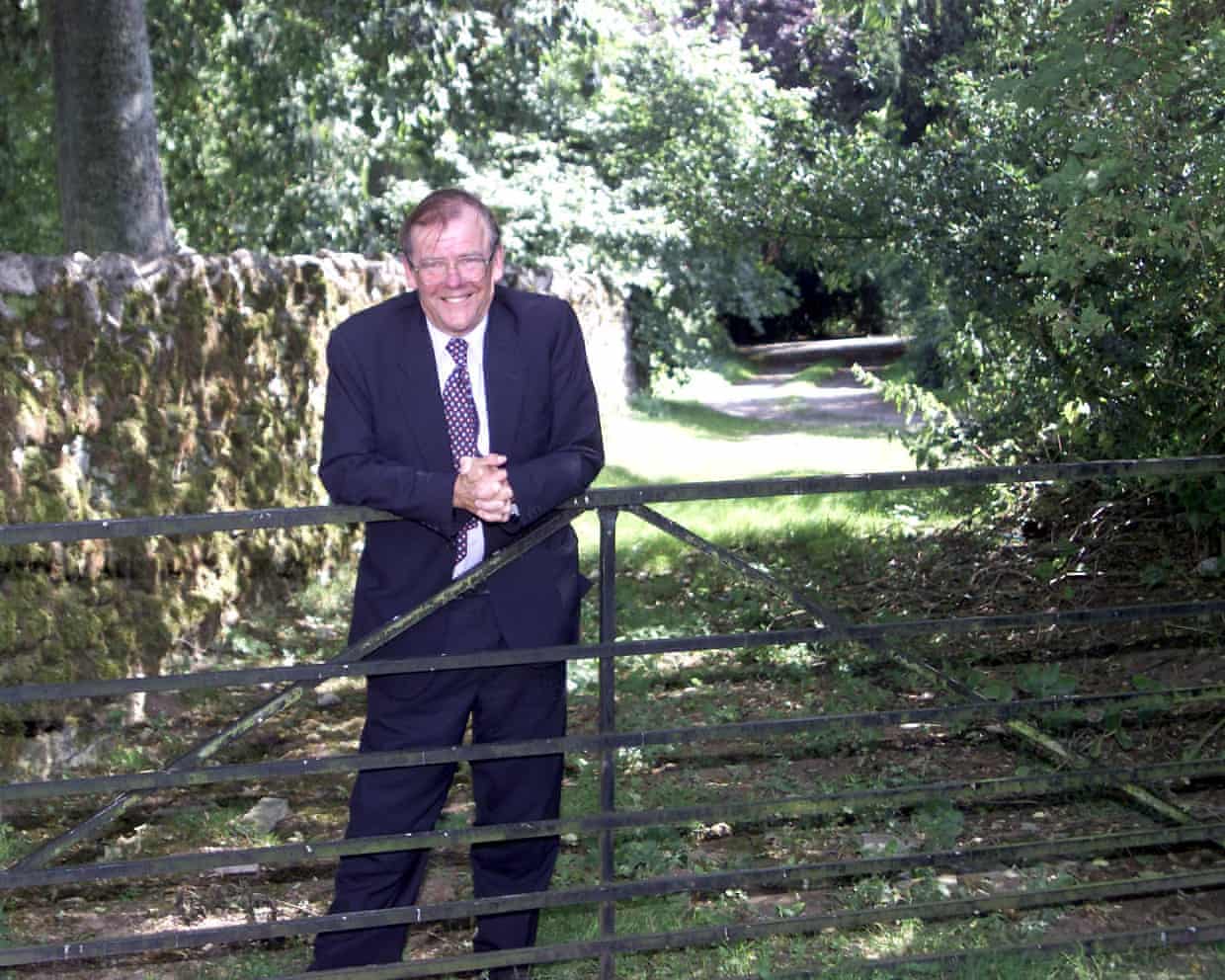
Chris Haskins, Lord Haskins, was perhaps the most prominent business supporter of Tony Blair’s New Labour project, brought in to Downing Street at the start of his administration to advise on cutting red tape, and later as “rural tsar” in the wake of the devastating foot and mouth outbreak of 2001. What Blair would praise as Haskins’s invaluable “no nonsense approach” was honed during 40 years building up Northern Foods into Britain’s leading food manufacturer. There he was credited with developing the chilled food techniques that have made possible today’s enormous growth in ready meals and convenience foods.Haskins, who has died aged 88, combined the acumen of an entrepreneur and enlightened business manager with a socialist conscience. Alongside it went a compulsion to tell the truth as he saw it, which could sometimes get him into difficulties
Wake-up call: how Telstra’s ‘unreasonable’ price rises may cause customers to hang up
Telstra has long traded on its claim to have better – and far more expansive – mobile coverage than its rivals to justify a steep pricing premium that has accelerated in recent years.But the telco’s latest changes, which include steep price hikes and the closure of its cheaper “starter” plan to new users, combined with a dramatic rejection of its coverage claims by the industry regulator, risk putting off many of its traditional customers, according to consumer advocates.Telstra recently announced sweeping price changes including raising monthly charges on its mobile plans, a big money printer for Australia’s biggest telco.Telstra’s standard monthly mobile plan will increase from $70 to $74 for 50GB of data, representing an aggressive second price hike in less than a year.Its announcement cleared the path for rivals, including Optus, to make similar increases
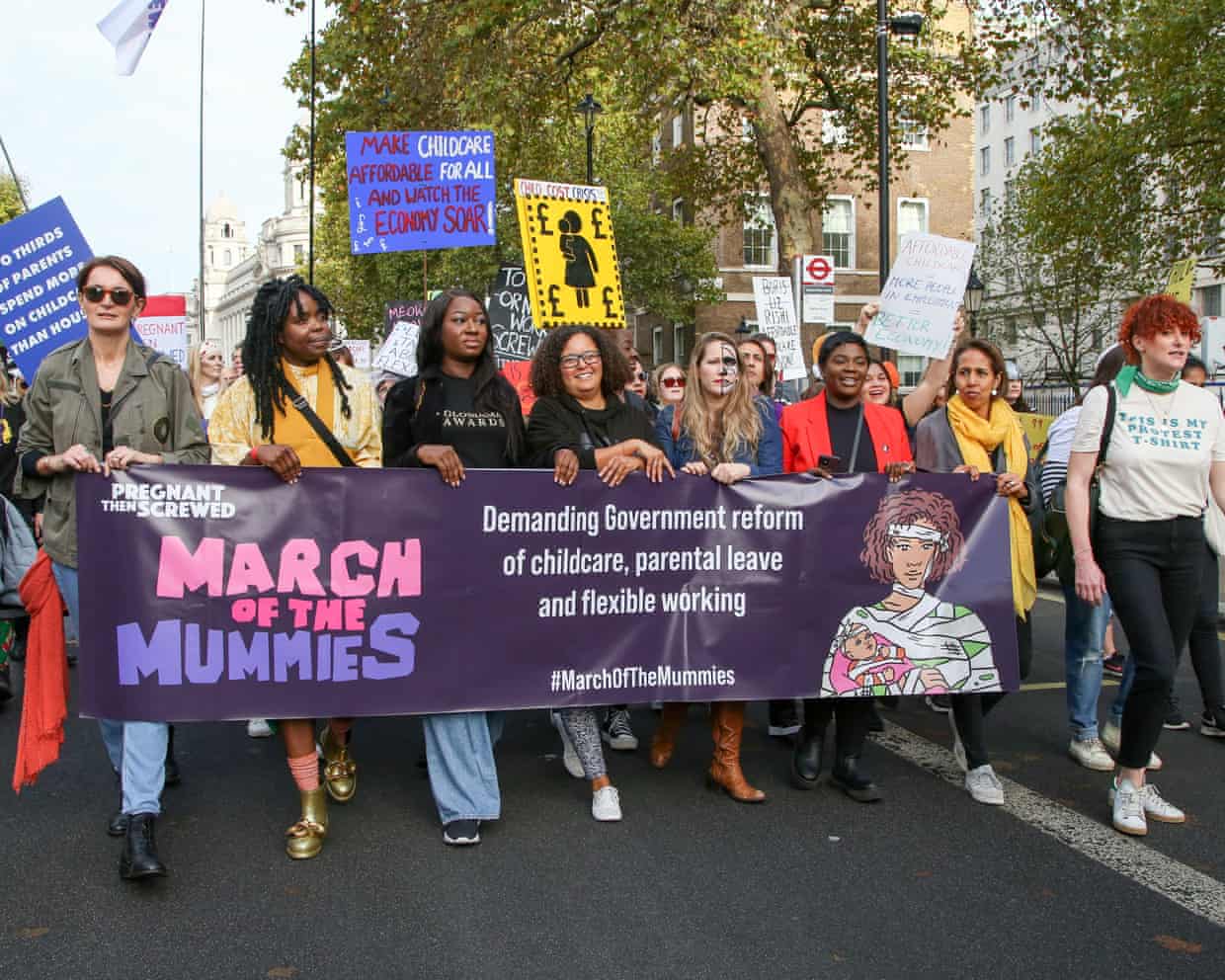
Fair Work Agency’s priorities criticised days before its launch

Waitrose employee sacked after stopping shoplifter from taking Easter eggs
An AI bot invited me to its party in Manchester. It was a pretty good night
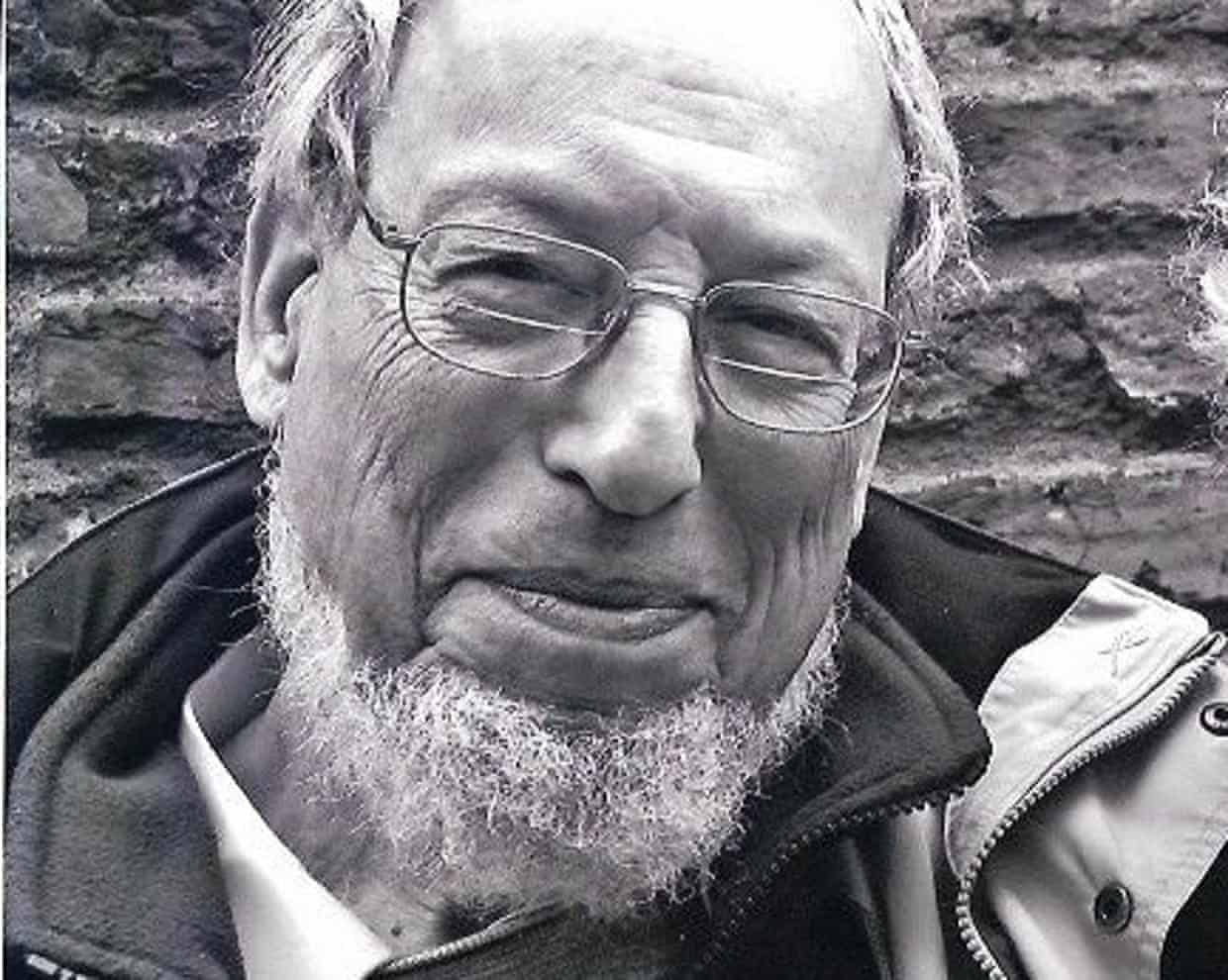
Kurt Strauss obituary

County cricket day two: Anderson rolls back the years with five-fer for Lancashire

Henry Arundell inspires Bath to come-from-behind win over Saracens