House swaps: why exchanging home could be a ticket to a dream holiday

About six miles from Reims, beside a golf course, is a house with a heated pool and space to sleep 10 people that would probably be perfect for many of those planning to book a family holiday in France.An hour’s drive from Disneyland Paris, the four-bedroom property is quiet, located near a village with a bakery, has an electric gate that provides security, and is on almost half an hectare (one acre) of land.The cost? Nothing, if you are prepared to sign up to a “house swap holiday”, whereby you exchange your home with that of another person.Some regular home swappers claim they saved tens of thousands of pounds over the years.There are many websites where you can search for the perfect swap with (see end of story).
And you do not necessarily have to swap at the same time, or even to the same person’s property.The sites charge fees, but these are eclipsed by potential savings that can run into four figures for a family of four travelling for two weeks in the summer, says Susannah Cery, the founder of Family Home Swaps.We look at how it works and offer up some tips.When you list your home on a house-swapping site, give honest details about the property’s upsides and downsides.Mention if you have a garden or parking, and amenities such as a dishwasher.
Include lots of images that give a full picture of what your house or flat looks like,Mention places of interest in the area – museums and attractions, pubs, coffee shops etc,And set out how far you are from the beach (if you are near the coast) and what the transport options are for getting to the nearest cities and transport hubs,Websites will often ask for specific details to be included on your home’s profile: whether there is a smart TV, wifi, a washing machine, tumble dryer etc,You can highlight unique features, such as a sauna or a pool.
You should share if a pet lives at the property and may cause an allergic reaction.Even if you get lots of interest, it may take some time to find suitable candidates to stay in your home on the dates your home is vacant.Françoise Campbell, who is based in central London, started exchanging her flat last year and says she and her partner receive a lot of inquiries.“We’ll take a look at the other person’s profile and try to get a sense of personality, their own home and how it’s kept,” she says.“You can pick up a lot from the tone of the messages as well.
”The couple have a cat, so staying in the flat involves looking after the feline,Campbell says if prospective swappers do not mention her cat, “then we’re not very likely to be keen to go forward”,She adds: “The main thing that’s made us stop and think has been someone who just comes straight in with ‘these are my dates’,They’re treating it a bit more like a hotel or like Airbnb,You’ve got to think of it as more of a community.
”Many potential swappers arrange video calls.Cery says: “Have the family show you around using the phone.Building that connection and friendship is really important … because it’s quite personal having somebody staying in your home.”Your guests will be grateful if you leave them a list of local restaurants, cafes, amenities and places to visit.Provide details of how to use things such as the heating and burglar alarm, and when the bins need putting out.
List emergency services such as doctors and pharmacies.Clear some space in the wardrobe and fridge.Often, hosts leave some essentials.Lock away any personal belongings you do not want broken.Put them in a spare room or in the garage if you have one, and ask guests not to go in.
Do not forget to let your home insurer know.The Association of British Insurers (ABI) says that as policies differ, seek clarity over what will, and will not, be covered.Hannah Davidson, a senior underwriting manager at the insurer Aviva, says most home insurance policies do not cover theft and malicious, or accidental, damage caused by guests.But the home-swapping site you booked through may have some cover for property damage, she adds.And when staying in another person’s home, check your travel insurance to make sure it covers accidental damage.
The consumer group Which? says many policies have personal liability that can be used if you must pay compensation after accidentally damaging a property.“However, exclusions can apply – such as if the property owner is a family member – and we have seen some examples of where it doesn’t apply within the UK,” it says.The ABI says that while you may be comfortable covering small mishaps yourself, “you don’t want to face a large, unexpected bill for more significant damage.Policies can vary, so review the limits and exclusions and speak to your insurer if anything’s unclear.”Emma Morgan travelled to Bali with her family for her husband Matt’s 50th birthday.
They stayed in an “amazing villa”, and the owners sent recommendations for the best local spots to eat in and visit.Instead of renting the house, they did a house swap.The detached villa in the town of Ubud has a pool overlooking the nearby paddy fields, and is a few doors up from a similar home where scenes from the 2010 Julia Roberts movie Eat, Pray, Love were filmed.“On the recommendation of the house owners, we bought day passes to an amazing eco hotel where they had an incredible jungle outdoor spa with natural pools next to the river.We had no idea it existed and it was the highlight of the trip,” Morgan says.
“They also recommended a small local restaurant which we could walk to but never would have found ourselves,”While Morgan was staying for five nights (which would have cost more than £500 at the neighbouring property), a French family stayed at their home in Dorset and cared for their cat and watered the plants,When she and her family returned, Morgan found all the bedding and towels had been washed and a “thank you” card had been left,Morgan has been swapping her home for five years and enjoys the community feel born out of there being no money exchanged between the two sides,“It’s very much an exchange and done on trust with a like-minded community more than just a financial exchange,” she says.
HomeExchange (£190 a year) has two different types of exchange: the traditional “reciprocal” one, whereby two families swap at the same time, or on different dates; and one based on GuestPoints.Each home is valued in points, based on location, size and amenities, earned by allowing people to stay and spent by staying in other homes.On HomeLink (£125 a year), members list their property with where and when they are looking for an exchange.Users contact each other and work out the details.Guardian Home Exchange (£59 a year), the Guardian’s platform, is run by Home Base Holidays with simultaneous and non-simultaneous swaps.
Kindred (no annual fee) gives you one credit for hosting that can be spent on one night in another member’s property.There is a cleaning and a service fee.

Calling us Auntie or Uncle is no insult | Letters
Re Lola Okolosie’s article (Is calling a woman ‘auntie’ ageist harassment – or a mark of respect? It’s a trickier question than you think, 31 March), I was interested to read uncle/auntie described as honorifics. Growing up (I’m 60-plus years old, Scottish), I think it operated as a familiar term. I was taught to call close friends of my parents Aunt Jane or Uncle John. Otherwise Mister/Miss.Clearly, there is an honorific element – if I am (as a child) calling you Aunt, you are close to my parents, but it was not related to age – I would never have dreamed of calling anyone Aunt/Uncle on an age basis

Young people ‘more likely to leave for health reasons when in low-paid, insecure jobs’
Young people in the UK are more likely to leave their job for health reasons and become economically inactive when they work in insecure, low-paid sectors, a study has found.Research carried out for the Trades Union Congress by the consultancy Timewise charts a connection between the jobs young people are most likely to do – in hospitality, retail and care, for example – and the proportion of people leaving because of ill health.“The occupations that young people are concentrated in are associated with high numbers of people moving into long-term sickness and worklessness,” the analysis said.The authors said that these sectors were also among those most likely to offer precarious or low-paid jobs.More than 40% of staff in accommodation and food services are in insecure working arrangements, for example

NHS rehabilitation care staff shortage fails stroke patients, say health leaders
The NHS is failing stroke patients and limiting their chances of recovery because of a shortage of rehabilitation care staff, health leaders have said.More people are surviving strokes than ever before in the UK. But their hopes of getting better are being dashed because of a lack of physiotherapists and other specialist staff, according to the Chartered Society of Physiotherapy and the Association of Chartered Physiotherapists in Neurology.National guidelines say people who have had a stroke should receive therapy-based rehabilitation for three hours a day, five days a week. But data suggests that, on average, people only receive rehab three to four days a week in hospital, and one to two days once they are discharged, the CSP and Acpin said
CPS considering 13 suspected cases of assisted dying in England and Wales
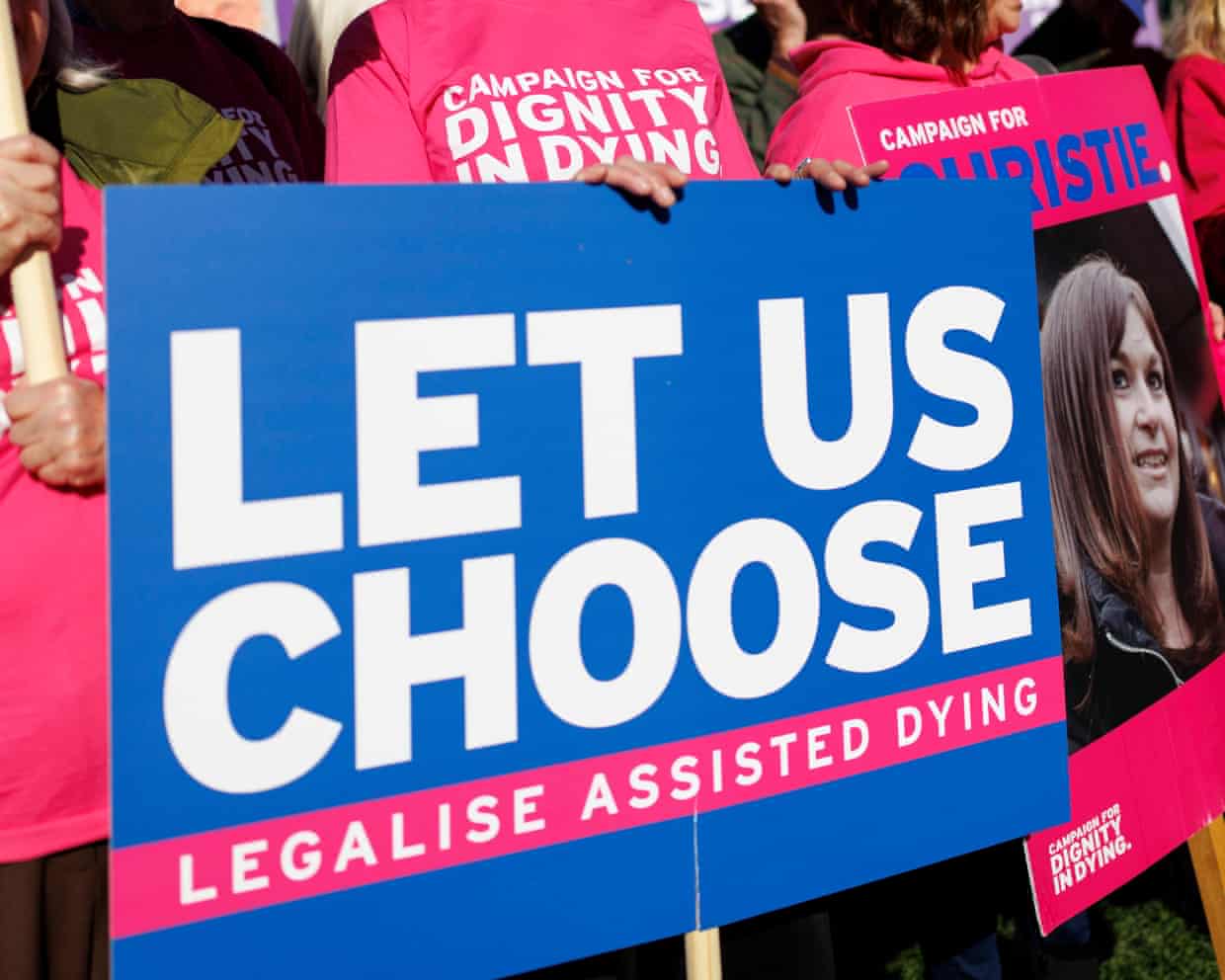
Thirteen cases of suspected assisted dying are being considered by prosecutors in England and Wales, according to the latest data.Encouraging or assisting the suicide or attempted suicide of another person is against the law in England and Wales, under the Suicide Act 1961.The Crown Prosecution Service (CPS) said its latest data showed 209 cases that have been recorded as assisted dying have been referred to it by the police between 1 April 2009 and 31 March this year.This was up from 199 cases that had been referred by the end of March last year.Of the 209 cases, 131 were not taken forward by prosecutors and 42 were withdrawn by police, the CPS said
UK drug exports to US spared tariffs under deal critics say will cost NHS billions
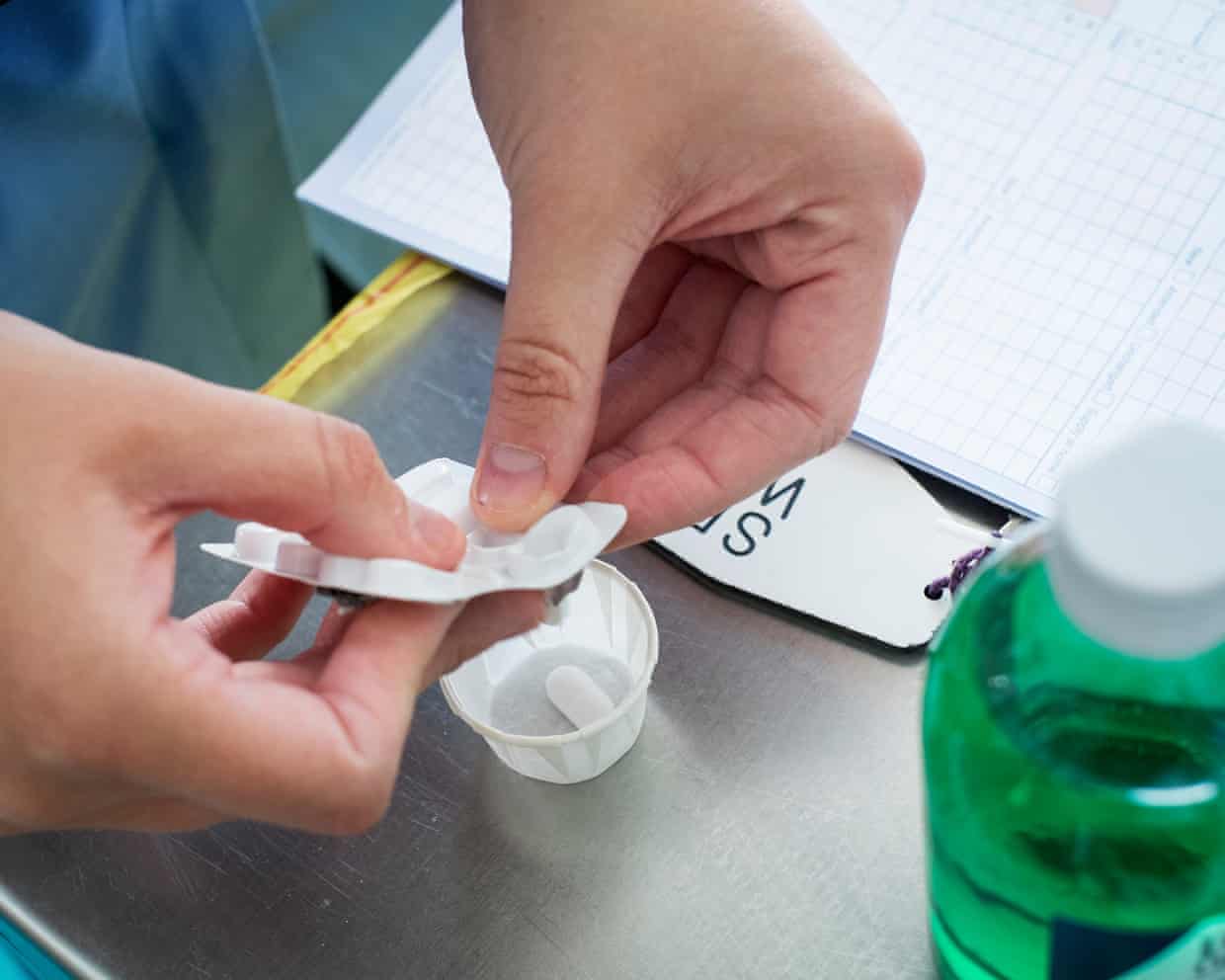
British drug exports to the US will escape tariffs imposed by Donald Trump as part of a controversial UK-US medicines deal that critics fear will mean less money for the NHS.The deal will also give patients in Britain greater access to potentially life-extending drugs because the rules have been relaxed to allow the NHS to pay more for particular treatments.In an announcement on Thursday, the UK government highlighted the recent approval of two cancer medicines as representing good value for money and proof that its agreement with the US administration will benefit the very unwell, not just pharmaceutical firms.They are now available because the National Institute for Health and Care Excellence (Nice) from this week has increased the amount of money the NHS can spend on a treatment in the hope of giving patients a longer and higher quality of life from £30,000 to £35,000 a year.Ministers, drug industry bosses and patient groups hailed the deal as good news

Streeting hits out at BMA ‘delusion’ as talks to avert resident doctors’ strike fail
The NHS in England is bracing for the longest strike yet by resident doctors after last-ditch talks failed, prompting Wes Streeting to accuse the medics of suffering from “delusion”.Many thousands of resident – formerly junior – doctors will stage a six-day stoppage over pay and jobs starting at 7am on Tuesday, just after the Easter weekend. A deadline for agreement ended on Thursday.It will be the 16th walkout the doctors have staged since their first strike in March 2023, and there are growing fears that the dispute could drag on for another year.Streeting confirmed in a letter to the British Medical Association that he had withdrawn his offer to create 1,000 extra places in specialist medical training this year, as that was conditional on the BMA accepting the government’s most recent offer, which it rejected last week

Labour challenges Farage over cost of private jet trip to Maldives

Starmer must call energy summit akin to 2008 crisis response, Labour MP says

Drip-feed of Reform UK controversies puts party’s policy drive in shade

UK politics Q&A, as it happened: Andrew Sparrow answers your questions on Starmer, Reform and more

Reform donor Nick Candy sells Chelsea mansion for reported £275m
Reform housing spokesperson sacked after Grenfell ‘everyone dies’ remarks