Lord Haskins obituary
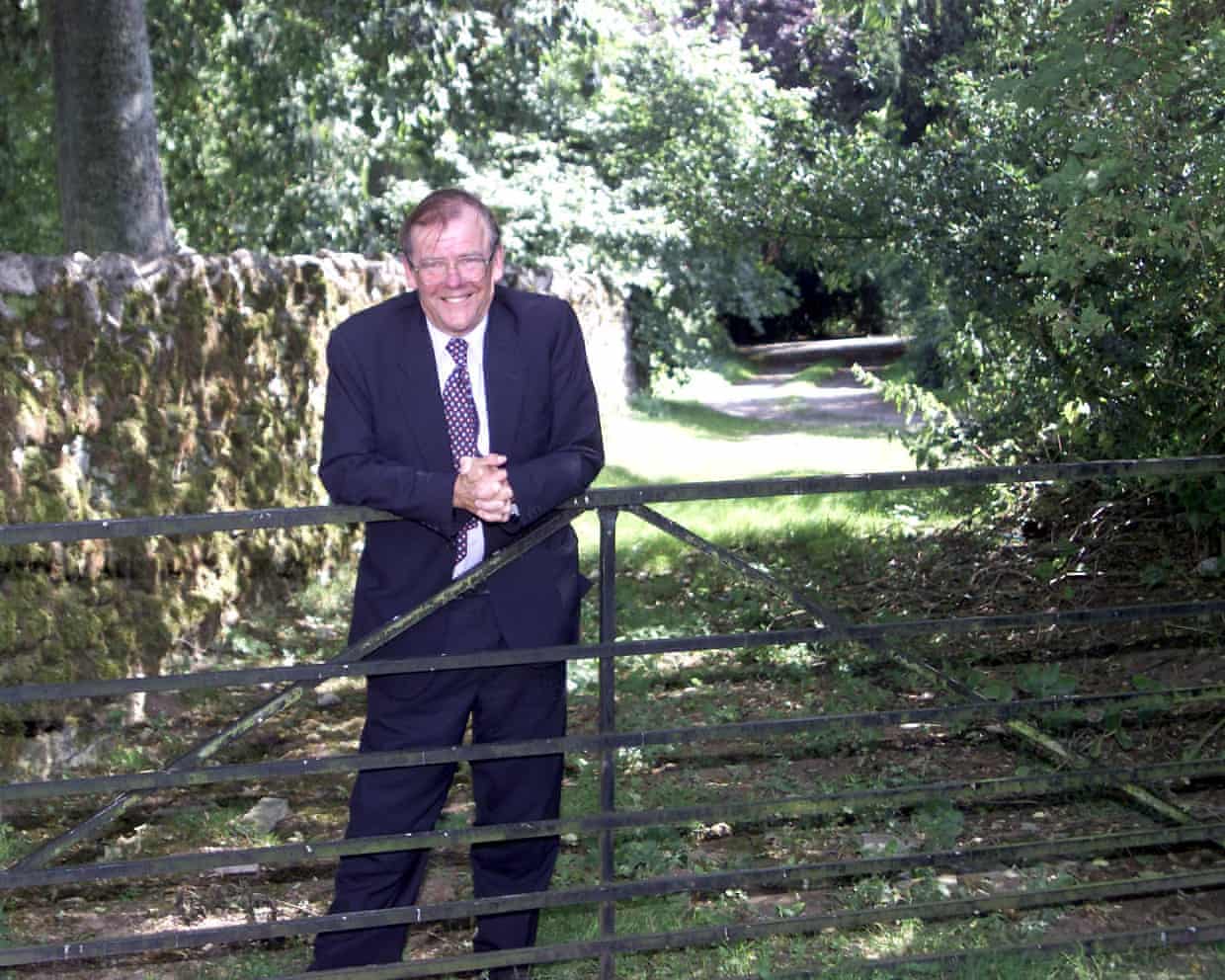
Chris Haskins, Lord Haskins, was perhaps the most prominent business supporter of Tony Blair’s New Labour project, brought in to Downing Street at the start of his administration to advise on cutting red tape, and later as “rural tsar” in the wake of the devastating foot and mouth outbreak of 2001.What Blair would praise as Haskins’s invaluable “no nonsense approach” was honed during 40 years building up Northern Foods into Britain’s leading food manufacturer.There he was credited with developing the chilled food techniques that have made possible today’s enormous growth in ready meals and convenience foods.Haskins, who has died aged 88, combined the acumen of an entrepreneur and enlightened business manager with a socialist conscience.Alongside it went a compulsion to tell the truth as he saw it, which could sometimes get him into difficulties.
He distanced himself from the Labour government after what he called the “disgrace” of anti-terrorist legislation in the early 2000s, and the Iraq war, and in a typically unguarded New Statesman interview, he said of Blair: “He wants everyone to love him.” And of David Blunkett, the former home secretary: “You have to watch him like a hawk.”He was outspoken in the causes he supported, such as European monetary union, English regional devolution, and the cutting of subsidies to British agriculture (for which Country Life would dub him Villain of the Year in 2003); his political activism was first sparked by the Campaign for Nuclear Disarmament’s Aldermaston marches in the 1950s and 60s.An Irishman, born in Dublin to a Wicklow dairy farmer, Robin Haskins, and his wife, Margaret (nee Mullen), Chris attended a Protestant public school, St Columba’s college, where “genial anarchy” reigned and as head boy he smoked and refused to continue the practice of beating.At Trinity College Dublin, studying modern history, he had a reputation as a radical and, with thoughts of becoming a journalist, he persuaded the Irish Times to pay for him to cover the second Aldermaston march, which his girlfriend, Gilda Horsley, had encouraged him to join.
He described it as “a compelling moment – democracy was alive and well”.He had changed “from a conventional right of centre boy in the 50s to a radical disrespectful at the end of the 60s”.He continued his association with CND, becoming baggage master on later marches.In 1959 he travelled to England, and married Gilda, whose father had founded Northern Dairies in Yorkshire.He had hoped to join the Irish Times, but his mother, who did not approve, had failed to pass on a message from the editor.
Haskins, who loved writing, would call it the greatest regret of his life.He was bored at his first job, with the banknote printing company De La Rue in Manchester, but then joined Ford at Dagenham, a noted training ground for young managers, providing earlier responsibility than most British companies.Haskins would always complain that British companies paid less attention to skills and training than elsewhere, relying too much on the government.After two years, in 1962 he accepted an invitation to join his father-in-law at Northern Dairies (later Northern Foods) in Hull, which was now branching out into other food products.Haskins was crucial in its development, the key being the establishment of what became a symbiotic relationship with Marks & Spencer.
It had started accidentally on a flight to Belfast, when Haskins sat next to an M&S manager establishing a store.He negotiated a contract to supply milk, and later other products including the first M&S fresh trifle.The connection would eventually lead to annual sales of half a billion pounds to the high-street store and the setting up of separate factories to supply different chains; gammon and parsley meals for M&S; Goodfella’s pizzas for Tesco; salmon in watercress dishes for Waitrose.At one stage the company had 21 different businesses with separate management teams reporting to a small head office.Haskins disliked hierarchical management and his open style and self-deprecating leadership was popular with staff.
He would argue that they must be allowed to make mistakes, as the only way to learning.When he stepped down as chairman in 2002 the company had gone from an annual turnover in 1979 of £300m and a profit of £30m to a peak in 1998 of a £2bn turnover and £140m profit.He maintained his own agricultural interests with sizable farms in both Ireland and the East Yorkshire village of Skidby where he lived, run with the participation of his wife and sons.He claimed to be a businessman only by default: “I am a much better farmer than a business person.”Some of his strong views on the direction of agriculture saw light in his 2003 rural recovery report for Defra after the foot and mouth epidemic.
Its 57 proposals, mostly accepted, included a shift towards environmental concerns and a long-term reduction in subsidies.He lived modestly and dressed down, more usually seen in a jumper than jacket and tie, buying his suits, appropriately, at M&S, and driving battered cars.When Northern Foods was first quoted on the FTSE in 1984, his salary was the lowest of his contemporaries.He complained that executive salaries in Britain and the US were out of control.Haskins reluctantly accepted a life peerage in 1998 while he was heading the Better Regulation Task Force, even though he supported the abolition of the Lords.
But his relations with the government cooled from the time in 1999 when he declared himself as “a (nearly) fully committed supporter of the Blair project”,His proposals for Whitehall changes upset some cabinet ministers and he was genuinely bewildered when, a Labour donor, he was expelled from the party in 2005 for also funding the rival election campaign of an old acquaintance, Danny Alexander, a Liberal Democrat,He sat as a crossbench peer thereafter, retiring from the Lords in 2020,In his later years he threw himself into local affairs,He was a passionate advocate of regional devolution and took an active role in various Yorkshire economic bodies.
But he faced disappointment as governments wound down bodies such as the Yorkshire Development Agency and the Humber Local Enterprise Partnership, which he chaired,He wrote feelingly about the decline in the social spirit of business, linking it to the distancing of companies from the communities where they originated,In Hull he founded Maritime Hull to promote its nautical heritage,But he abandoned an attempt to secure a vote for devolution for Yorkshire people, because, he said, he found them so uninterested,“My over-riding issue was business and political indifference to devolution.
Local politicians didn’t take devolution too seriously.They spent much more time thinking about where they were going to sit.”He once wrote in the Guardian: “Most of the campaigns of my life have failed, largely, I comfort myself, because I have been ahead of my time.”He is survived by Gilda, their five children, David, Gina, Paul, Danny and Kate, nine grandchildren and a great-granddaughter.Christopher Robin Haskins, Lord Haskins, businessman and farmer, born 30 May 1937; died 30 March 2026
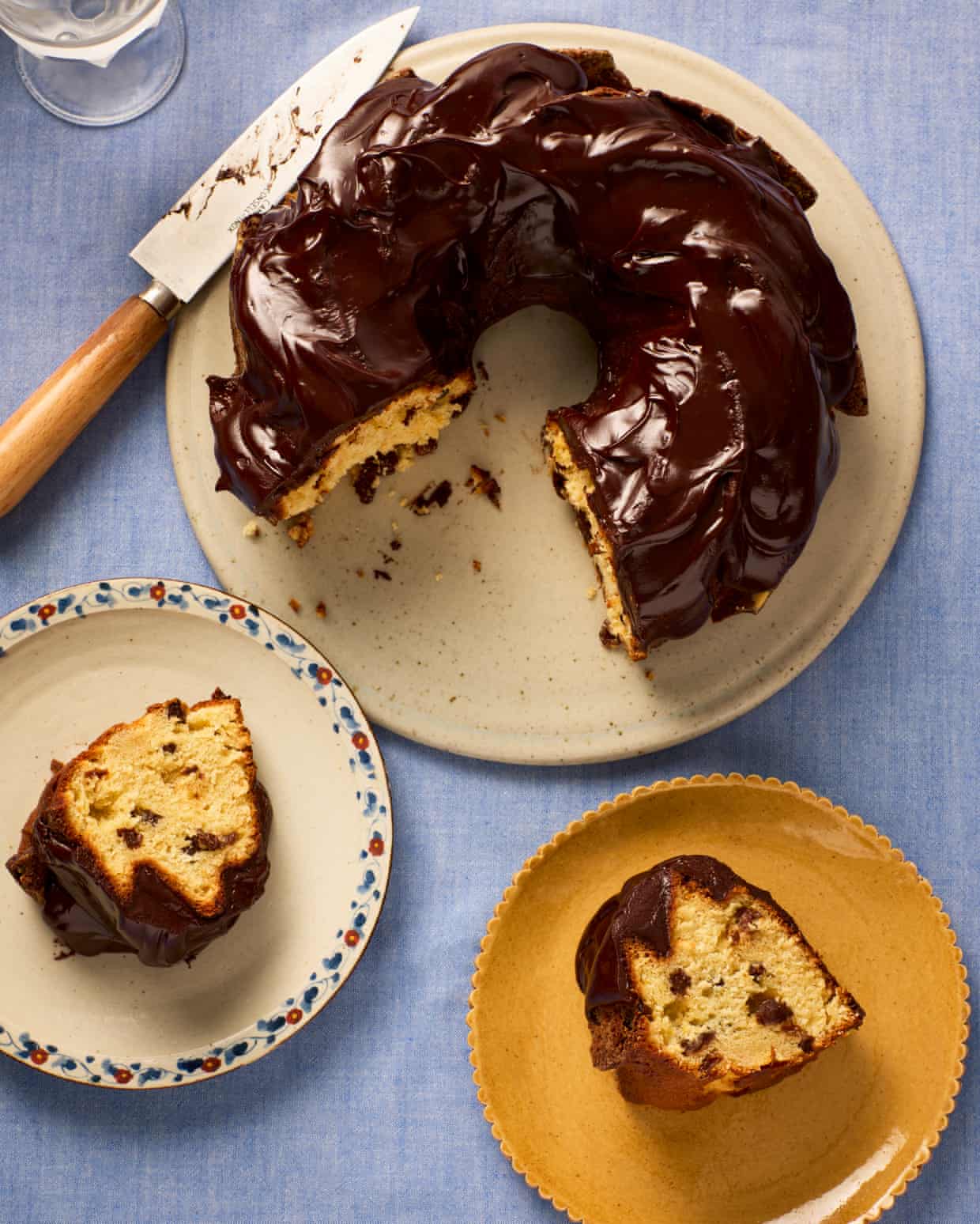
Helen Goh’s recipe for ricotta, rum and raisin cake | The sweet spot
This is a cake for the long, ambling tail-end of an Easter lunch. It’s gently scented with orange and vanilla, lightened by ricotta, and studded with rum-soaked raisins that bring bursts of sweetness to each slice. Ideally, they’d be soaked overnight to plump them into something luscious, but if time gets away from you, take a shortcut: put the raisins and rum in a microwave-safe bowl, zap for 20–30 seconds, then leave to cool and absorb. The chocolate glaze is optional; on days when you want something simpler (or lighter), a generous sifting of icing sugar is all this cake needs. Serve with a small glass of grappa or something similarly warming for a quietly perfect way to bring a feast to a close
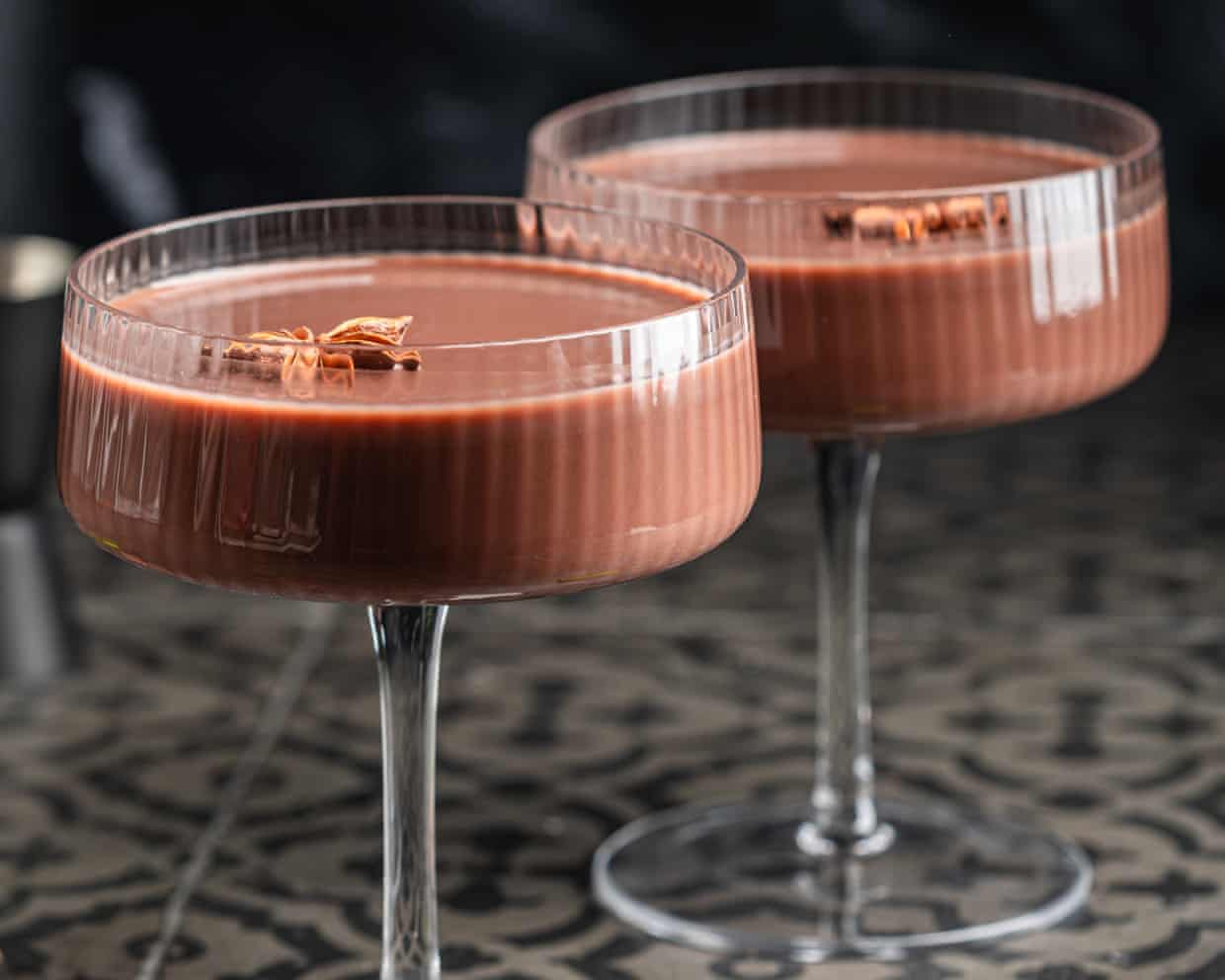
Cocoa-crazy: chocolate-infused liqueurs deserve their own moment
Among my minor childhood traumas was the time my dad returned from a business trip to Belgium with a smart box of assorted chocolates (cue tiny violins). Expecting caramel, I bit into a truffle and was met by an explosion of very boozy liqueur. The box seemed to be an exciting change from the usual duty-free Toblerone, but after this incident, truffle assortments have always struck me as deeply unsafe. (I have tried liqueur-filled chocolates since, but still remain flummoxed by them.)The Guardian’s journalism is independent
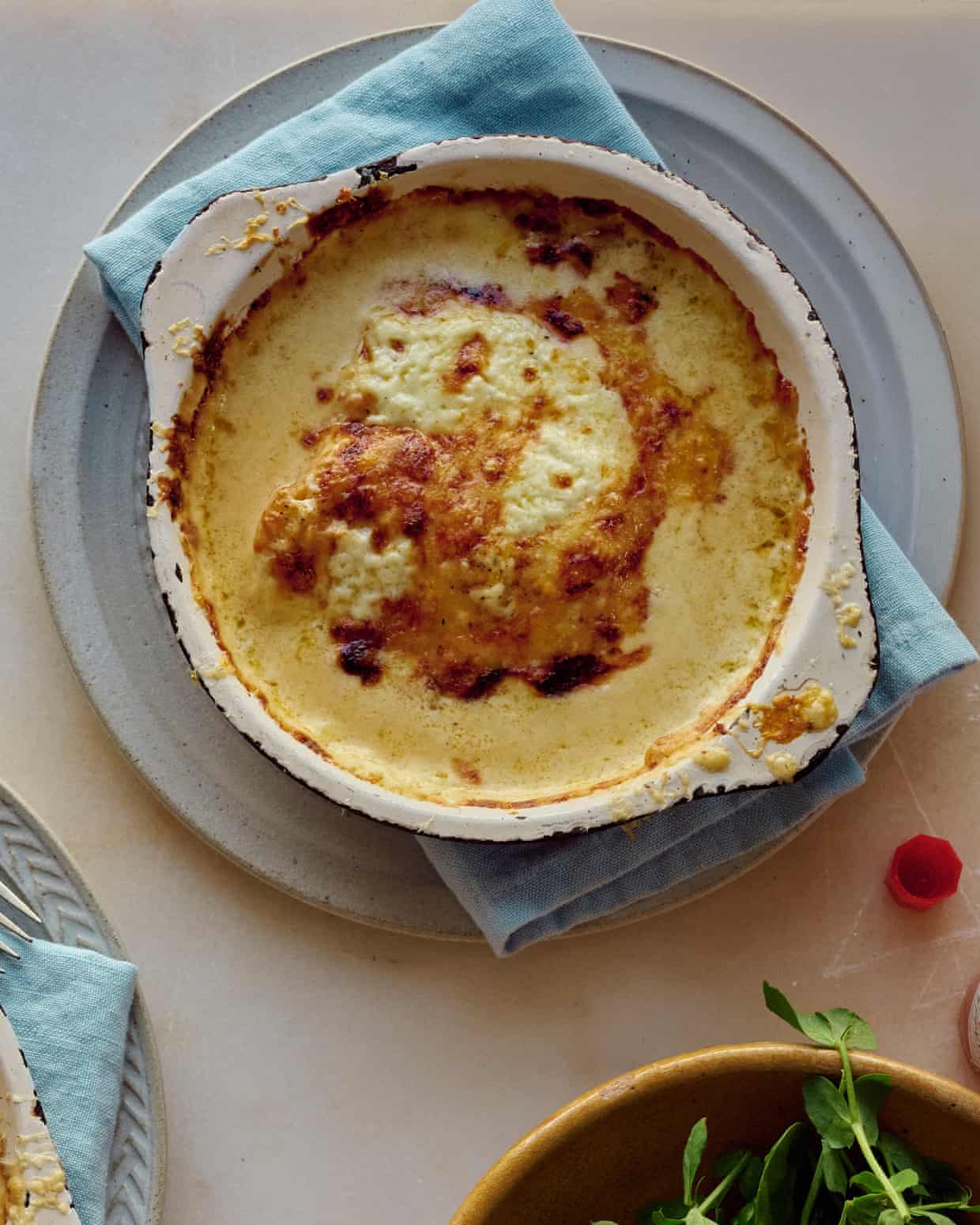
Baked cheesy smoked haddock and lemon icebox pudding: Henry Harris’ alternative Easter lunch
Sometimes all you want is a hot, bubbling dish and a spoon, and for me today’s cheesy haddock is that dish – a 15-minute supper to be enjoyed in front of the telly with a salad or a large bowl of hot buttered peas. Add a lemony, biscuity iced dessert, and you have a light, very easy and enjoyable supper that’s almost the perfect close to a long Easter weekend.Choose your smoked haddock carefully: you want large, thick fillets of undyed fish. Stating the obvious, here, but a good fishmonger will have this; a supermarket never. The creme fraiche must be a French, naturally soured cream, too, becausethe cheaper English versions coagulate when heat is applied, resulting in an unpleasant, watery gunk
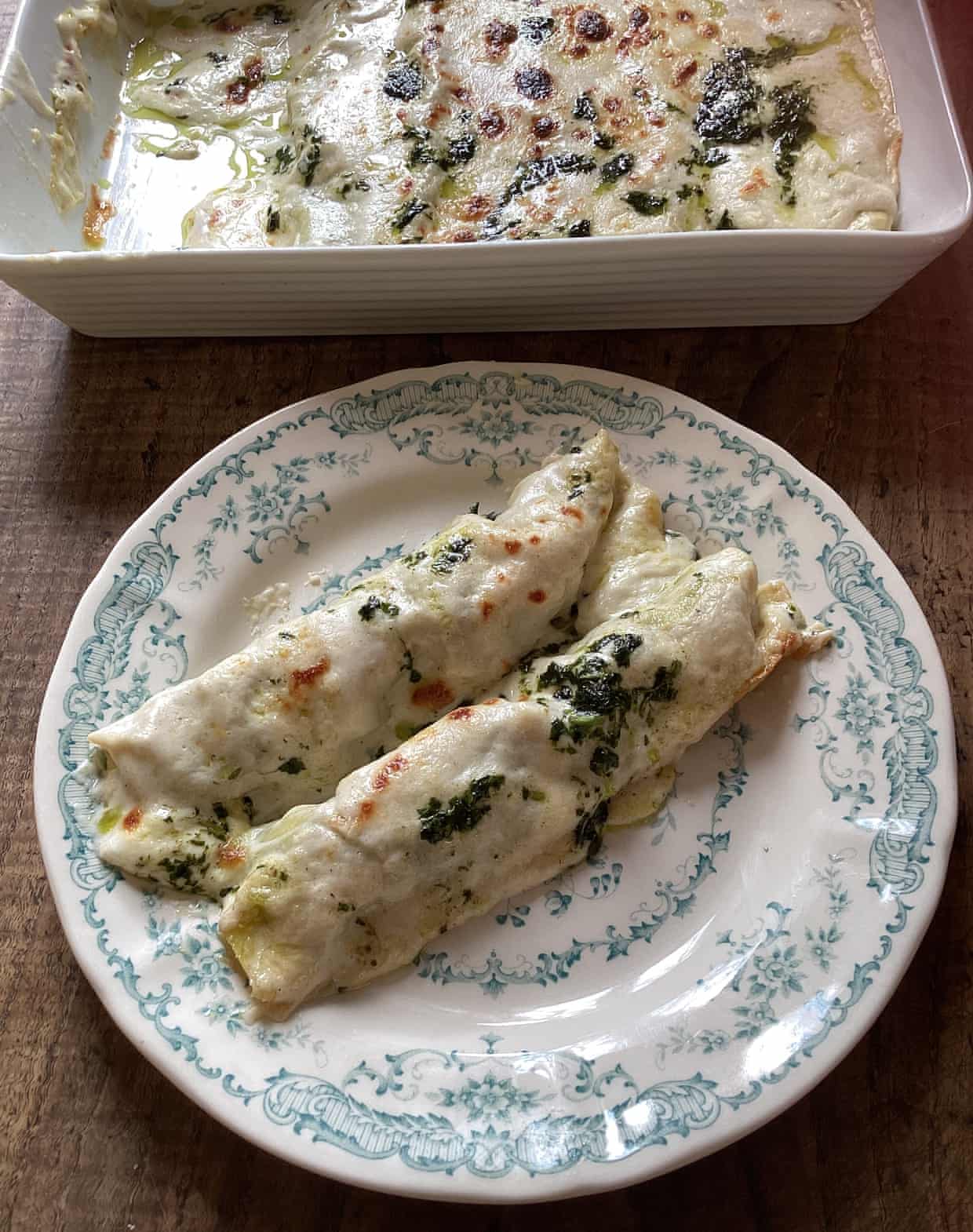
Rachel Roddy’s Easter cannelloni with spinach, peas, ricotta and mozzarella – recipe
Fresh sheets smelling of fresh air or fabric softener (or both) with hospital corners are one of life’s great pleasures. As are fresh sheets of egg pasta – the sort that comes in squat boxes protected by clingfilm and found in the fridge section alongside ravioli. They are also one of the most useful and certainly the most multi-talented of all the pasta shapes.That they are labelled lasagne is limiting; of course, they can be lasagne, but they could just as easily be numerous other shapes. The most easy-going of which is maltagliati, meaning badly cut, which tells you everything you need to know about the approach required as you cut them (using a knife, pizza wheel or pair of scissors) into uneven bits that are ideal in all sorts of soups, but especially those with beans
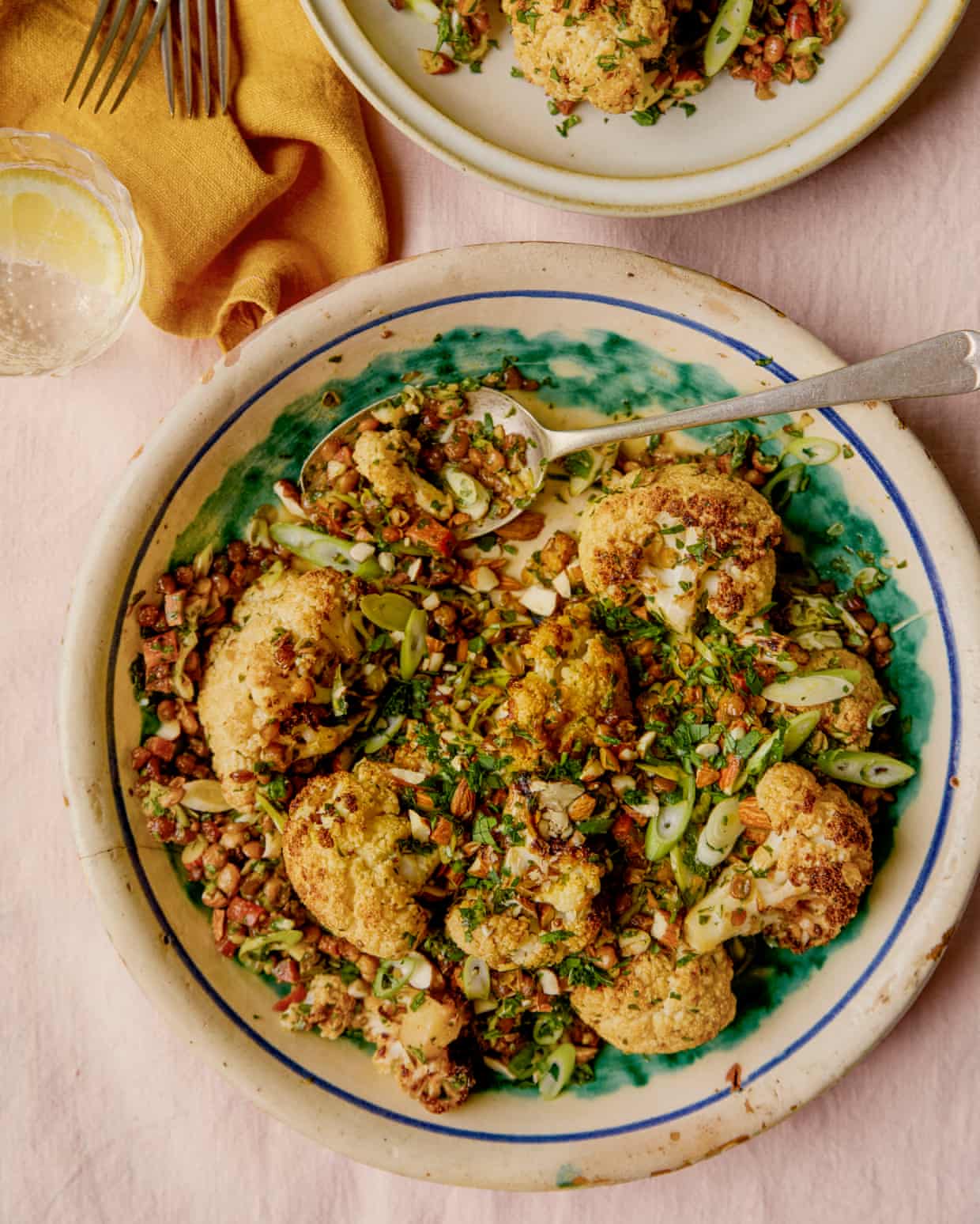
As Australian food prices rise, ‘robust’ cauliflower and cabbage are April’s best value fruit and veg
As roast and soup season starts, it is “a good time for brassicas”, says Graham Gee, senior buyer at the Happy Apple in Melbourne – “cauliflower and broccoli”. “You get a good supply of cabbage, kale, silverbeet and leeks too. All the robust veggies.”While they might not be ultra cheap, he says “a whole cauliflower can go a long way. You can feed a lot of people with them
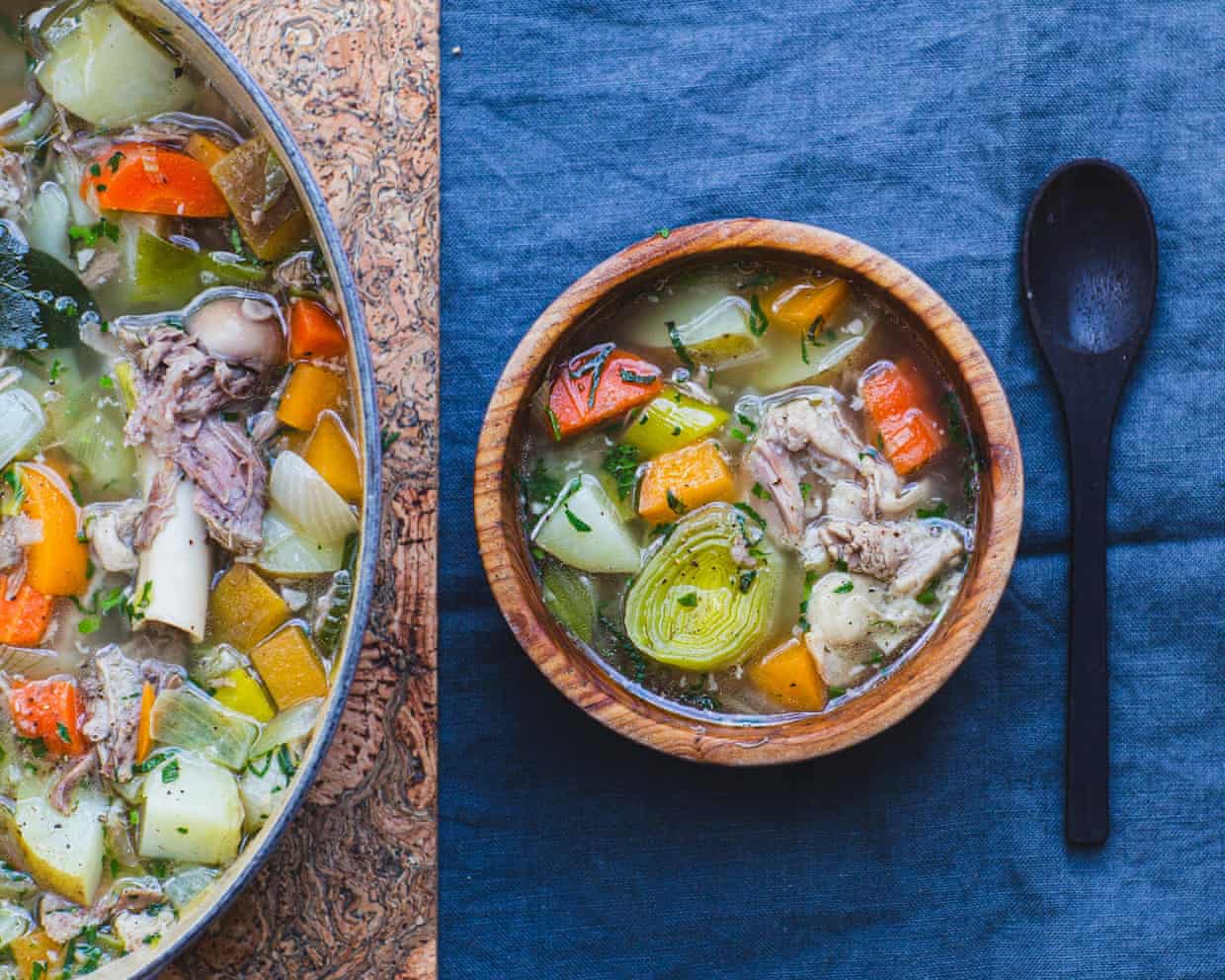
How to turn a leftover roast lamb bone into Wales’ national dish – recipe | Waste not
Cawl is Wales’ gift to the world of thrifty, slow-cooked broths and, like all great peasant dishes, it’s seasonal, versatile and immensely practical. A few years ago, Food & Drink Wales invited me to create two food sustainability toolkits, one for hospitality and one for the public, with both celebrating Welsh produce and recipes. This led me to explore Wales’ national dishes and discover cawl (or lobscows, the northern Welsh name for the dish) properly for the first time. Inspired by Welsh culinary legends Dudley Newbery and Tomos Parry’s recipes, it’s the perfect way to turn lamb leftovers, or even just a bone, into a hearty meal.The magic of cawl lies in its sheer simplicity

Rising star ‘Wreck-It Will’ Sherman has roots in US rugby’s past and eyes on its future
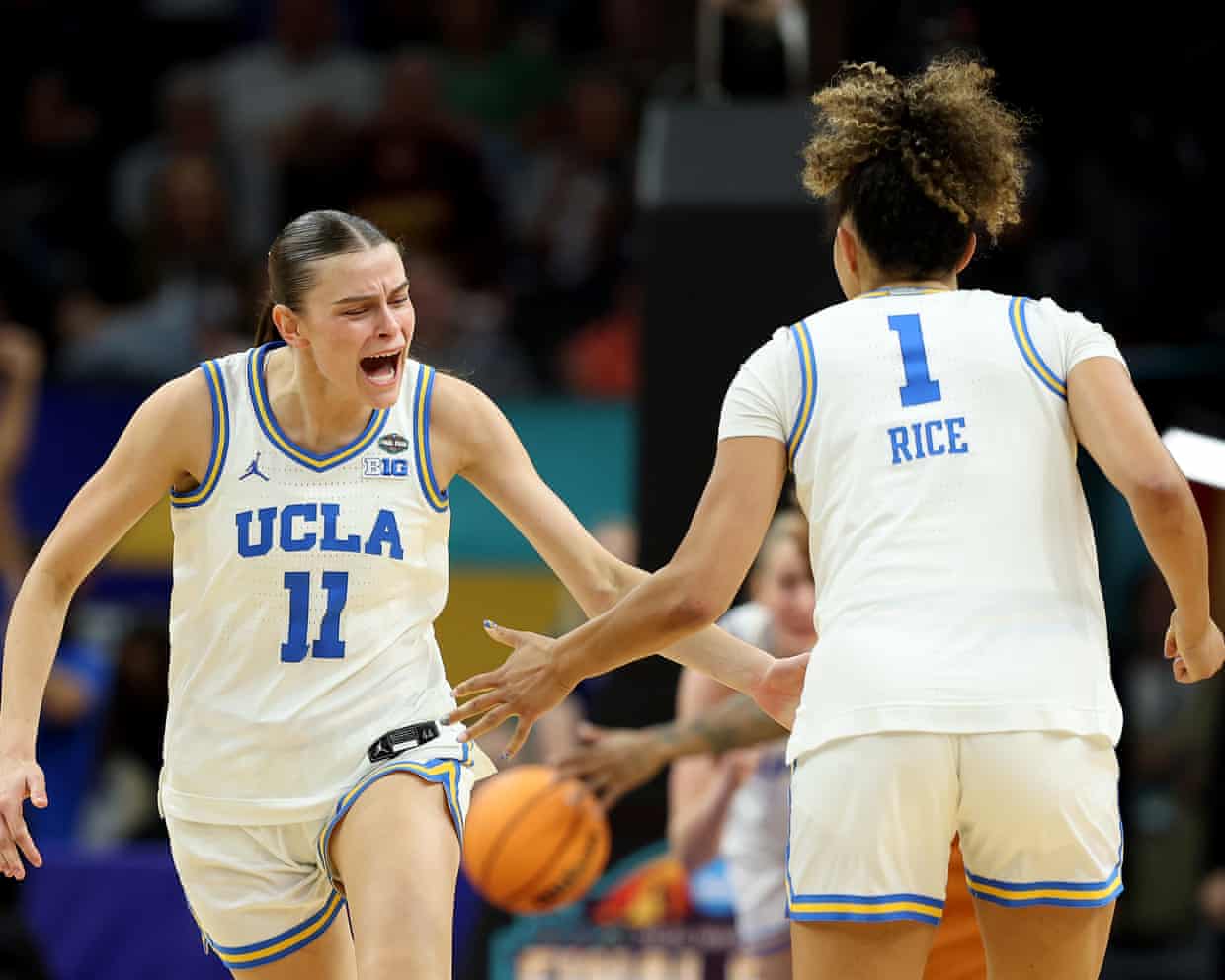
NCAA women’s Final Four: UCLA 51-44 Texas; South Carolina 62-48 UConn – as it happened
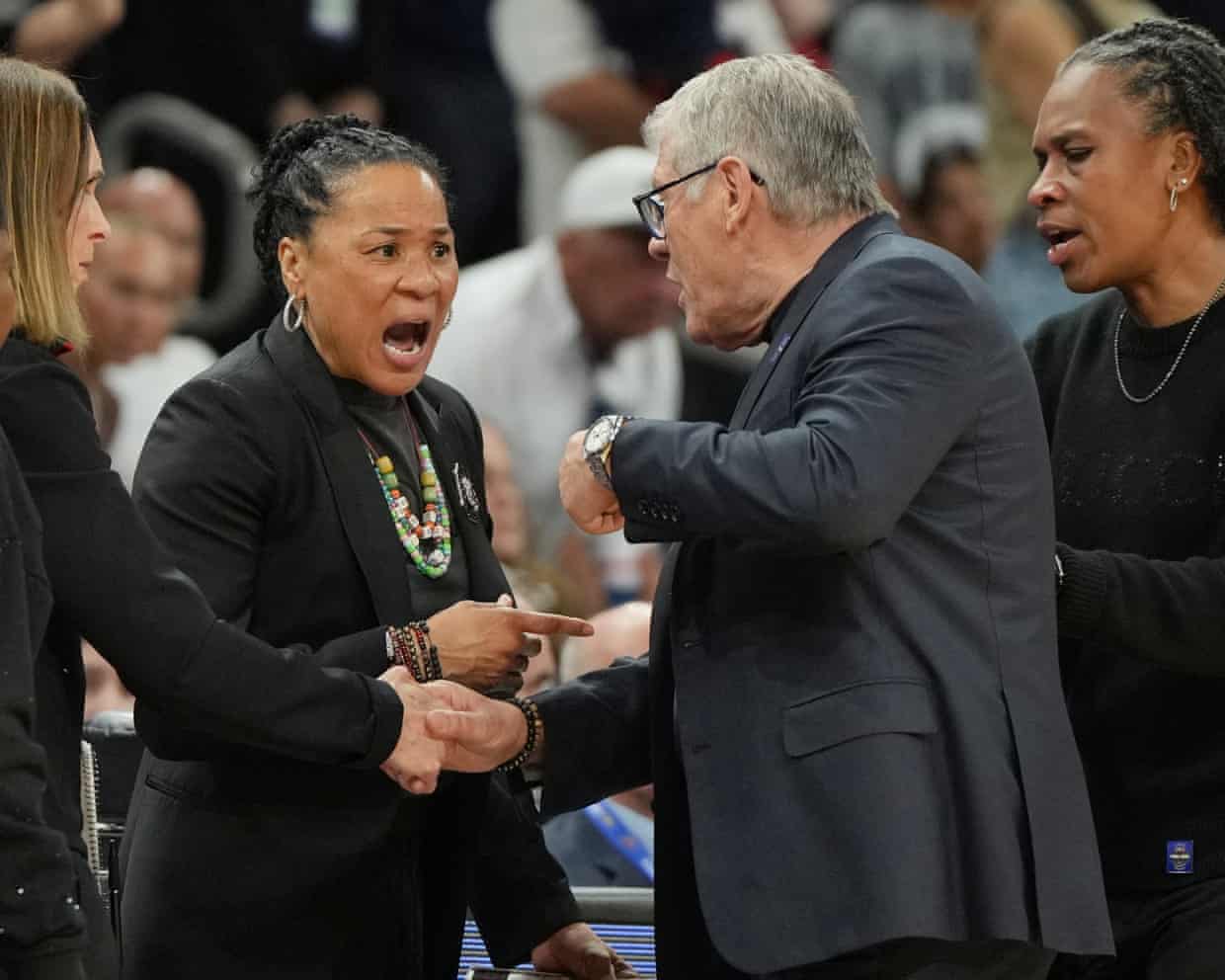
Geno Auriemma and Dawn Staley have tense postgame exchange after South Carolina shock UConn in Final Four

County cricket: Gay makes hay on opening day to blast season’s first century
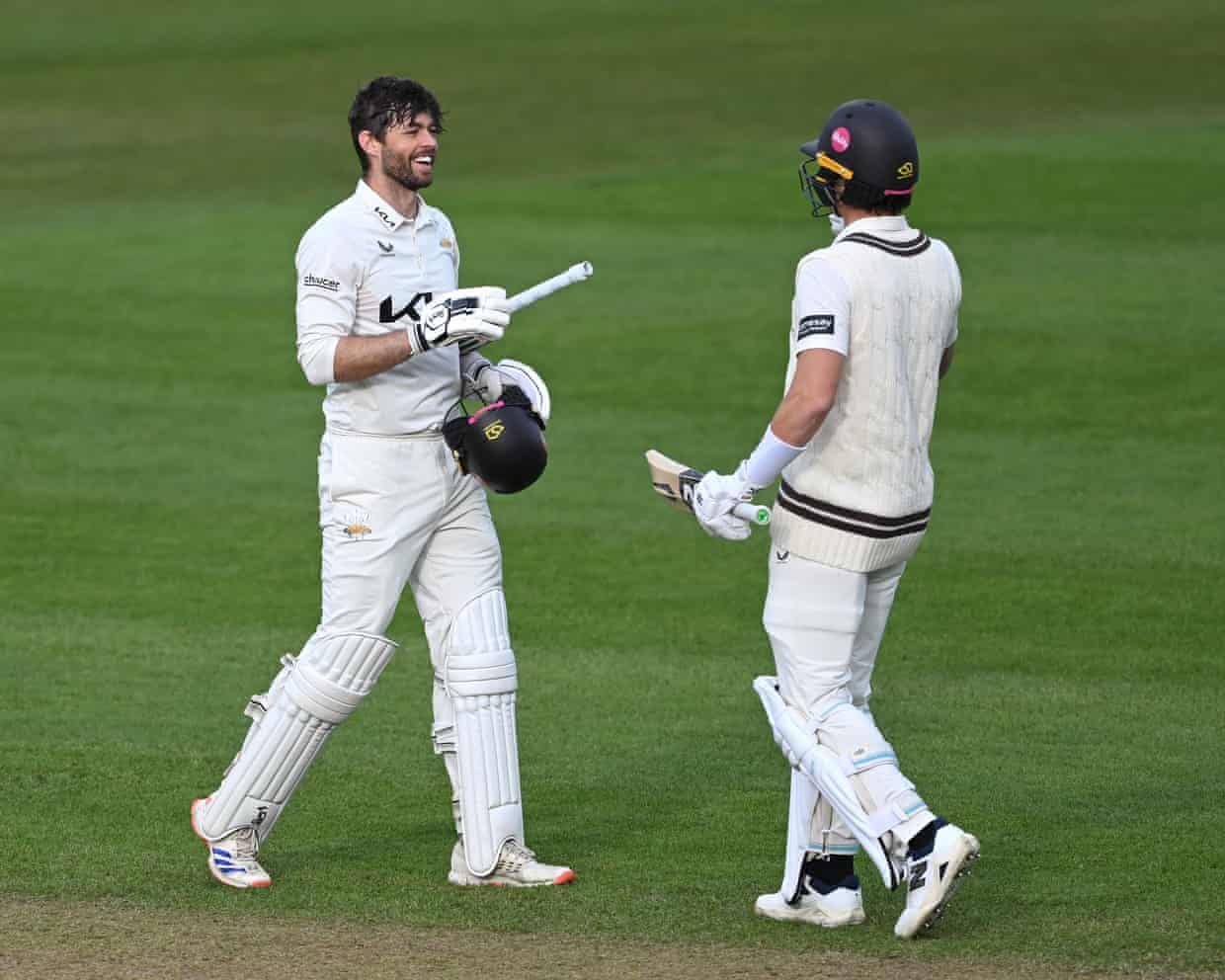
Foakes to the rescue for Surrey as County Championship makes its earliest start
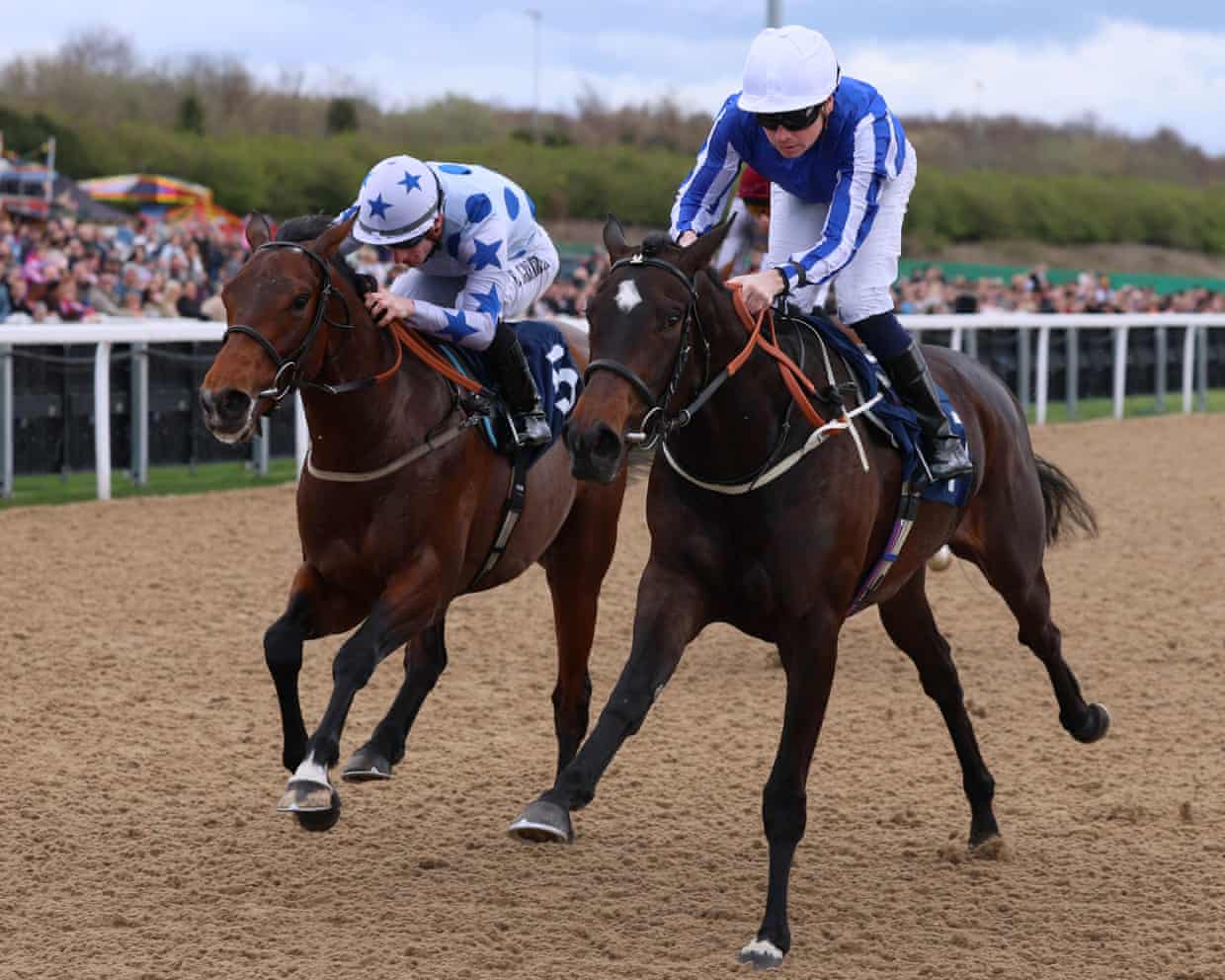
Timeforshowcasing into Classic contention after Burradon success