Scotland’s Six Nations slump raises questions for new era under Sione Fukofuka | Sarah Rendell

The Scots could collect the wooden spoon a year after their historic World Cup run.Why has progress stalled so dramatically?Is it a World Cup hangover? Or a growing injury list? Or something else? These are the questions Scotland supporters are asking themselves in the midst of a disappointing Women’s Six Nations.This was a tournament where legends such as Donna Kennedy were hoping for a third-place finish; the fact the team could end up with the wooden spoon is staggering, especially considering their historic World Cup run last year.Scotland reached the last eight for the first time since 2002 and did so in convincing fashion.They defeated Fiji, their win over Wales was dominant and they challenged Canada, the eventual runners-up, in their final pool match.
They were blown away by England in the quarter-final but it was nonetheless a successful campaign.The tournament’s end brought a close to Bryan Easson’s time in charge of the team and a whole new coaching staff were employed.In came Sione Fukofuka, who was previously in charge of the United States team.So far he has won only one of their four games, which came in the first round of the Six Nations, against Wales.That performance was, on the whole, positive, but it should not be forgotten that Wales almost came back to win in the closing minutes of the contest.
Their form since then has been unimpressive.England completely obliterated Scotland’s Murrayfield party in round two by scoring the most points they have against their Celtic neighbours since 2011.After that defeat, Rachel Malcolm, Scotland’s captain, was quick to say they targeted three matches in the tournament and the Red Roses fixture was not one of them.But one such target was the Italy game and not only did they lose, they were crushed 41-14.Saturday’s game against France saw an improved outing but the Scots still lost 69-28 and conceded the most points they have against Les Bleues since 2014.
So, why is this happening? Fukofuka has in part blamed a World Cup hangover, which he laid out before the team took on France.“The reality is that the players worked really hard in that pre-season, obviously, and performed really well,” the head coach said of the World Cup.“But then a lot of them went straight back to club rugby.There wasn’t a lot of time for them to get that reset back into it.There’s also a natural attrition of that cycle, where we knew it was always going to be a bit of a transition coming in at the start of this cycle.
”Fans may also question whether there is an emotional as well as physical hangover because of the contract uncertainty the squad has had to deal with,But it is understood the players have put that behind them now,In addition, sources from inside and outside camp say players and staff are excited by Fukofuka’s appointment and the style of rugby he wants to implement,Something that has undeniably influenced their performances has been injuries to key players,Malcolm, Evie Gallagher, Emma Orr and Rachel McLachlan were among those who not available to Fukofuka for France’s visit to the Hive.
Then there is the factor of stalwarts such as Jade Konkel having retired since the World Cup,The turnover of players has allowed the team to blood new talent and give more experience to others,Rachel Philipps, on her third cap and in her first start at outside-centre, raised her hand for more game time with two tries against France,Scotland also came away with a try bonus point from the game,Despite conceding 69 points, it was Scotland’s defensive efforts that stood out as a positive for the fly-half Helen Nelson.
“We knew it was going to be tough but I think we are really proud of the defensive effort we put in,” said the Loughborough Lightning player.“We have a lot of injuries at the moment but that allows some of the younger players to step up and I think they really did that here today.The energy off the bench was unbelievable.“The mindset and the way we kept fighting back is probably the biggest positive.We weren’t happy with our last couple of defensive performances and that is what we have been talking about, getting that fight and belief back and that is what we have shown.
”Scotland are fifth in the table and if they lose to Ireland in Dublin on Sunday without picking up a bonus point and Wales beat Italy at Cardiff Arms Park on the same day they will finish the tournament in last place.To avoid that scenario, Fukofuka’s side will have to continue with their improvements in defence against in-form opponents in Ireland, who will be playing a first stand-alone match at the Aviva Stadium.More than 20,000 spectators are expected to be present so Scotland will also have to contend with a cauldron-like atmosphere in order to finish their Six Nations campaign on a high.Scotland have not received the wooden spoon since 2022 and they will be buoyed up by the fact they defeated Ireland in last year’s Six Nations.If they fail to overcome their Celtic rivals this time around, however, pressure may mount on the new coaching staff and the questions being asked by fans will need to be answered by those in charge with definitive solutions.
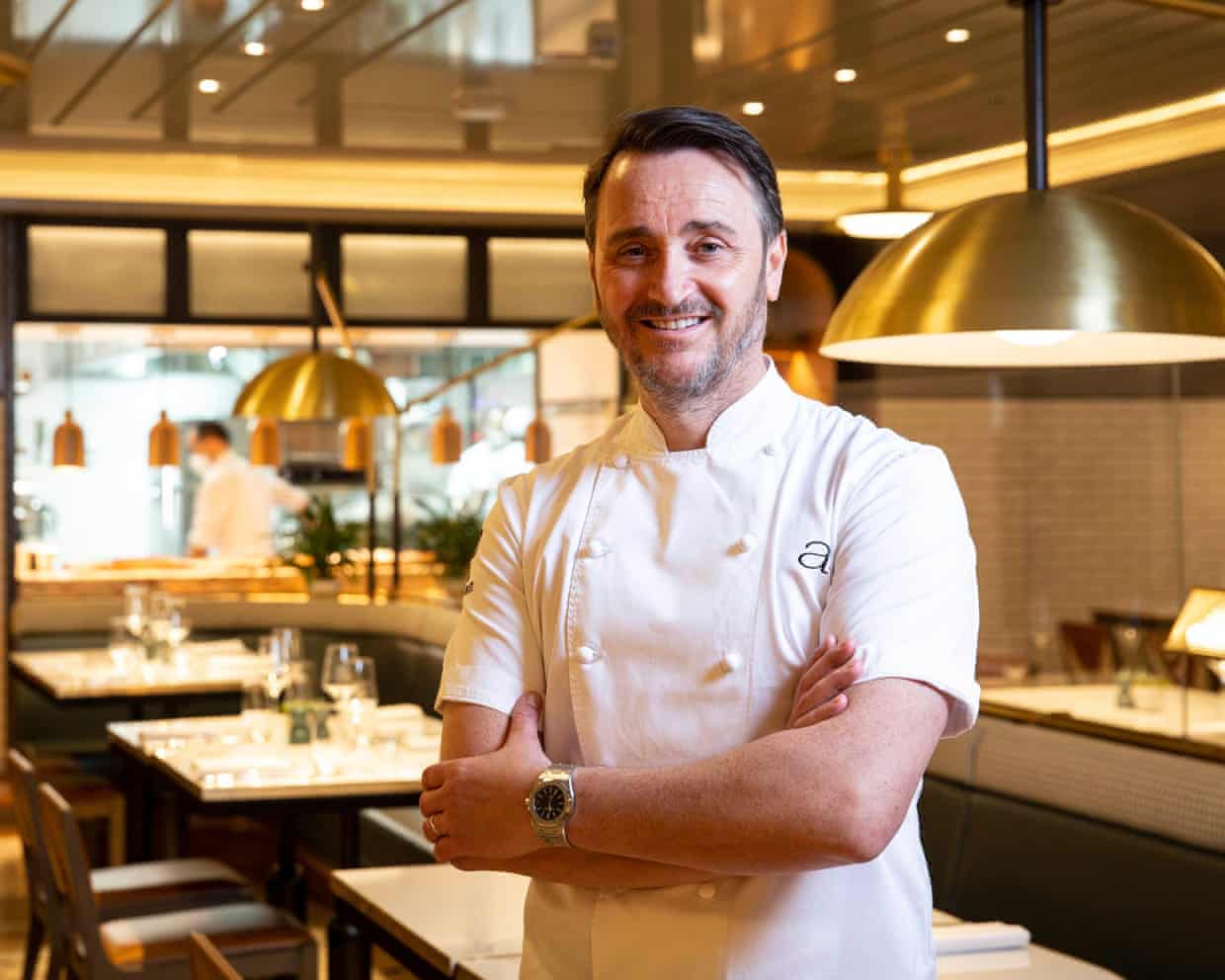
‘Restaurants won’t survive’: Michelin chef opens venues abroad to withstand UK taxes
A British Michelin-starred chef says he is opening restaurants abroad to subsidise his UK venues against a backdrop of high taxes and a struggling hospitality sector.Jason Atherton is now in Forte dei Marmi, on the Tuscan coast in Italy, where he is preparing his newest opening, Maria’s, which will be in the Principessa hotel. The Sheffield-born chef now has restaurants all over the world, including in Dubai and St Moritz.He said he was finding it easier to make a profit in countries with more forgiving policies towards restaurants, pubs and bars. “I am trying to sustain our business by opening abroad
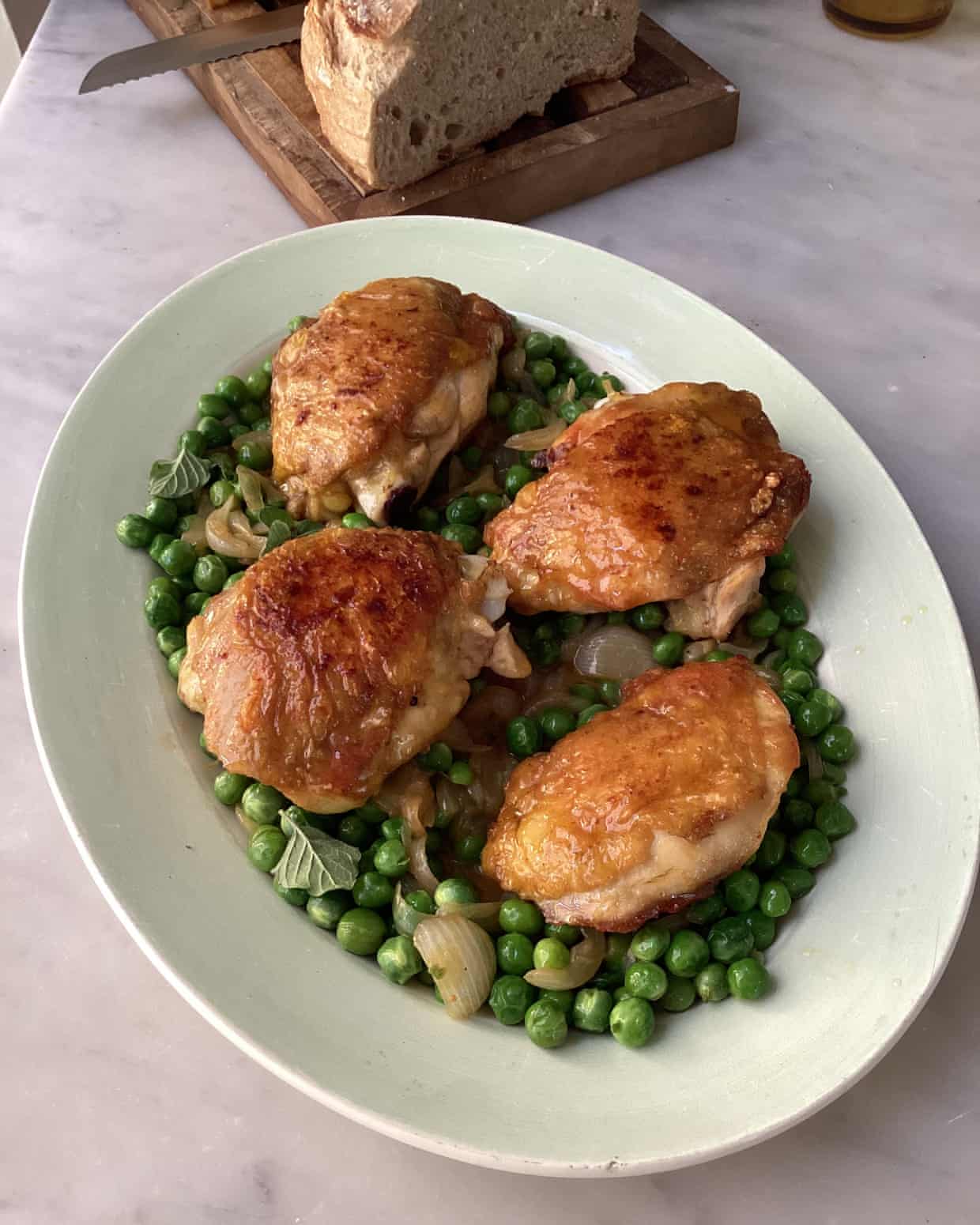
Rachel Roddy’s recipe for spring chicken thighs with spring onions, mint and peas | A kitchen in Rome
The weather lately has been as temperamental as peas in pods. But peas are even harder to read than the sky: some pods contain sweet things no bigger than peppercorns, which explode when you bite them; the contents of others, however, are closer to small ball bearings, their size very likely a sign that all the natural sucrose has been metabolised and transformed to pea starch. The best thing for the tiny ones is to snack on them alongside a bit of cheese, whereas the path for big ones is the same as for dried peas, so pea and ham soup or a long-simmered puree.The Guardian’s journalism is independent. We will earn a commission if you buy something through an affiliate link
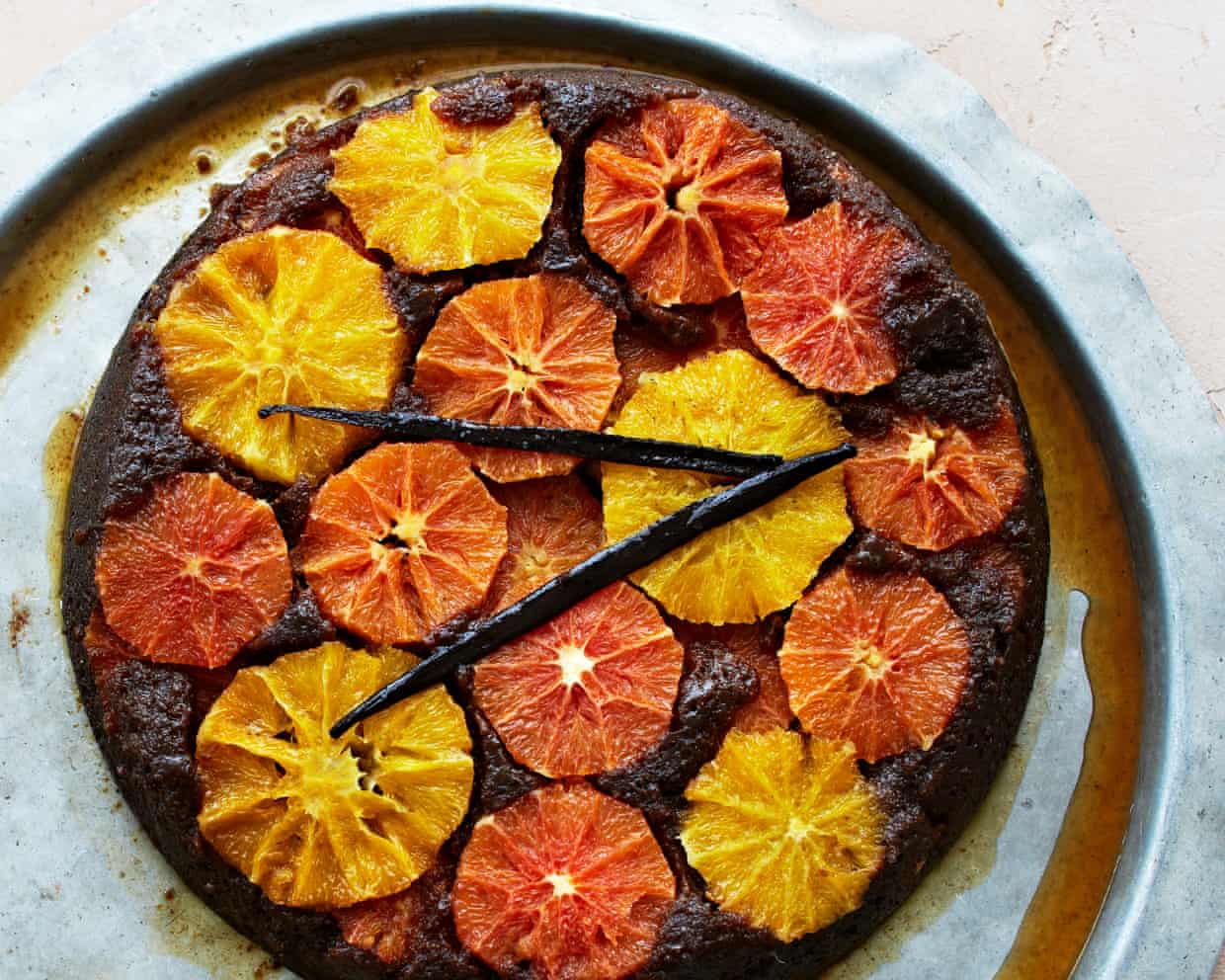
Navel gazing: oranges, mandarins and persimmons top Australia’s best-value fruit and veg for May
“Sweet, low seed and great for snacking” imperial mandarins have just started their season, says Josh Flamminio, owner and buyer at Sydney’s Galluzzo Fruiterers. The tangy-sweet citrus is selling for between $2.99 and $3.99 a kilo in major supermarkets. At Galluzzo, Queensland-grown imperial mandarins are $3
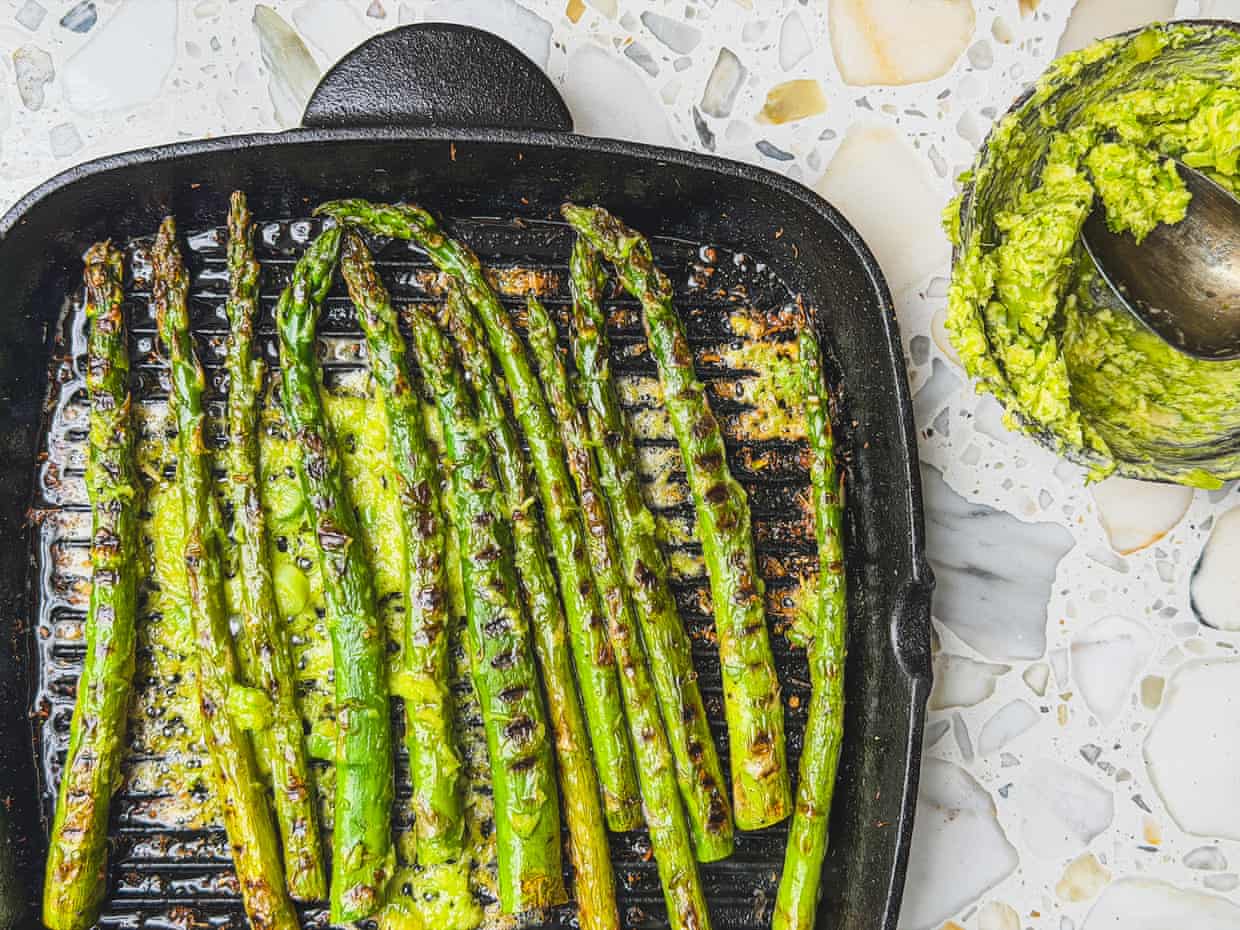
How to save asparagus trimmings from the food-waste bin – recipe | Waste not
Asparagus butts are a particularly tricky byproduct to tame because they’re so fibrous. I usually cut them very finely (into 5mm-thick discs, or even thinner), then boil, puree and pass them through a sieve (as in my green goddess salad dressing and asparagus soup), but even then you’ll still end up with a fair bit of fibrous waste. Enter asparagus-butt butter: a recipe that defies all odds, making the impossible possible by transforming a tough offcut into an intense compound butter that’s perfect for grilling or frying asparagus spears themselves, or for eggs, bread, gnocchi or whatever you can think of. The short fibres brown and caramelise in the butter, and in the process become the highlight of the dish, rather than the problem.This transforms an unwanted byproduct into an intense expression of the plant’s flavour
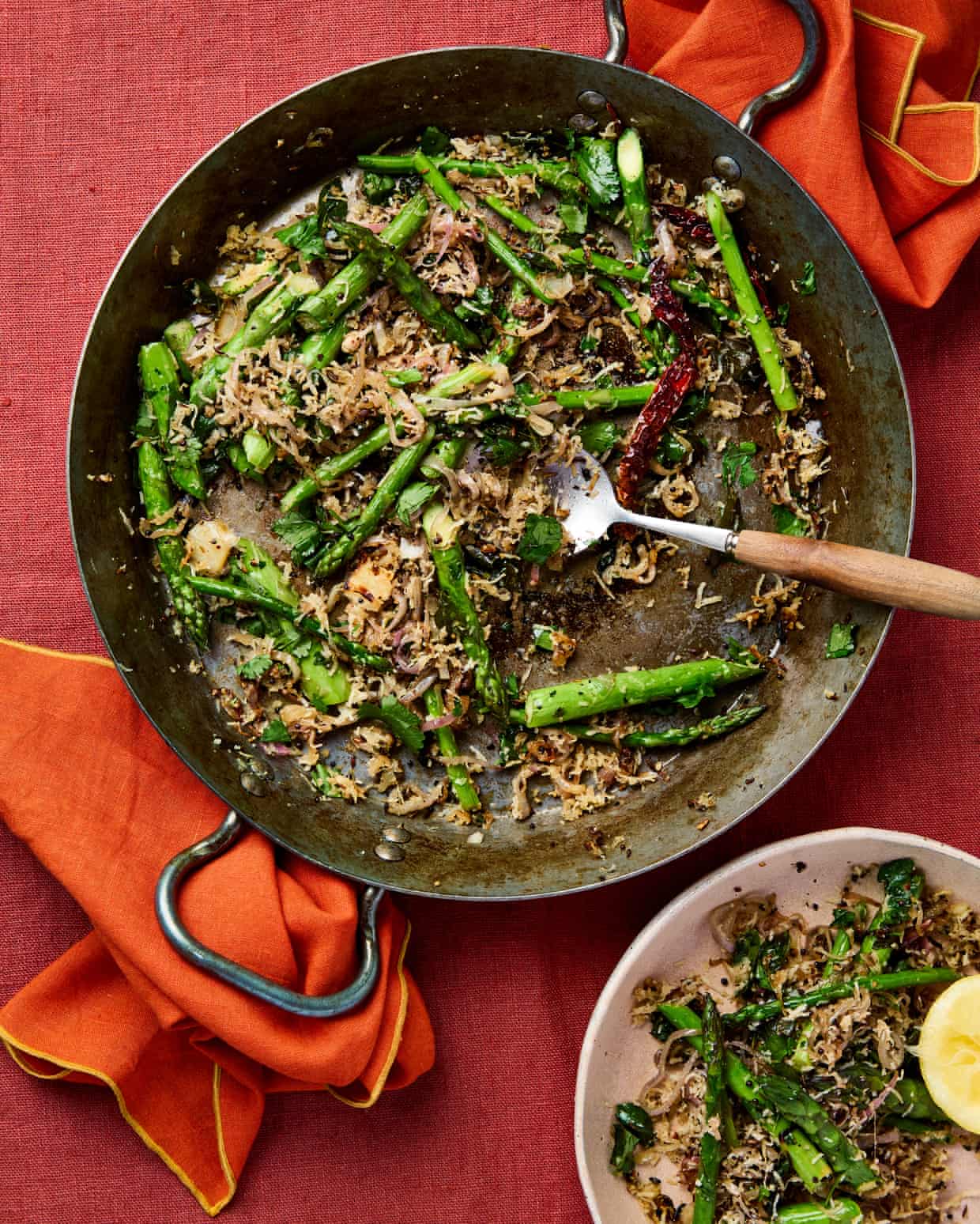
Thoran and chaat: Romy Gill’s Indian-style asparagus recipes
Spring’s first asparagus always feels like a celebration, but there’s so much more to cooking those spears than just butter and lemon. Here, those tender stems combine with bold Indian flavours in two playful dishes. The thoran, inspired by Keralan home cooking, involves stir-frying asparagus with coconut, mustard seeds and curry leaves to create something warm and comforting (my friend Simi’s mum always used to drizzle it with a little lemon juice to give the flavours a lift). The chaat, meanwhile, tossed with tangy tamarind, yoghurt, spices, crunchy chickpeas and sweet pomegranate, is a delicious snack or side. Together, they show how versatile asparagus can be: easy to cook, vibrant and moreish even in unexpected culinary traditions
Australian supermarket sauerkraut taste test: one is ‘like eating the smell of McDonald’s pickle’
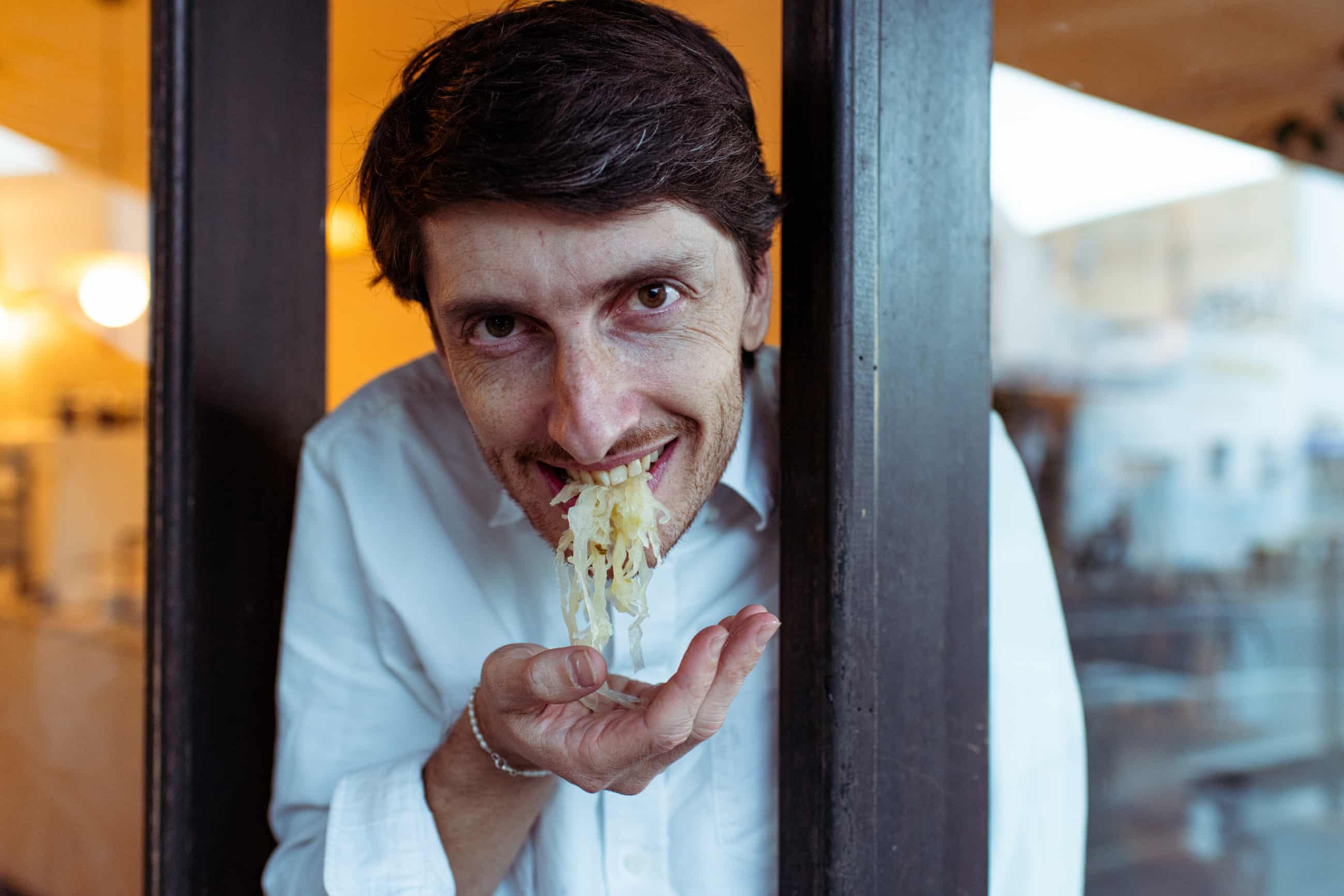
It’s ‘Gut Coachella’ for Nicholas Jordan and friends, who blind taste a line-up of 20 shredded and fermented cabbage productsIf you value our independent journalism, we hope you’ll consider supporting us todayGet our weekend culture and lifestyle emailI cannot tell you how many times I’ve been introduced to a fatty, salty hunk of meat and thought, “my god, I’m going to need a pickle”. I feel the same eating cheese toasties or deli sandwiches with rich mayo-based sauces. Where is the pickle, hot sauce, citrus or ferment? Even the most savoury, juicy slab of umami is a bit much without acidity to balance it.What is the point of sauerkraut without acidity? It’s just wet, salty cabbage, and what is that for, other than deflating my spirits and inflating my gastrointestinal system? Sauerkraut should be sour; it’s the hallmark of the very thing that created it – fermentation.Why am I saying all this? After eight friends and I tasted 21 supermarket sauerkrauts, I was shocked to find some lacked not just acidity but any vigour at all

AI-powered surveillance company Palantir created a chore coat. Great, now I have no choice but to burn mine | Van Badham

‘Being human helps’: despite rise of AI is there still hope for Europe’s translators?

UK schools should remove pupils’ online photos as AI blackmail threat grows, say experts

Meta sues Ofcom over fines regime for breaches of Online Safety Act

‘No one has done this in the wild’: study observes AI replicate itself

Europe’s AI translation industry told it risks reputation by partnering with US firms