Norway’s all-conquering Winter Olympians have a message for us all – and it’s not what you think | Cath Bishop
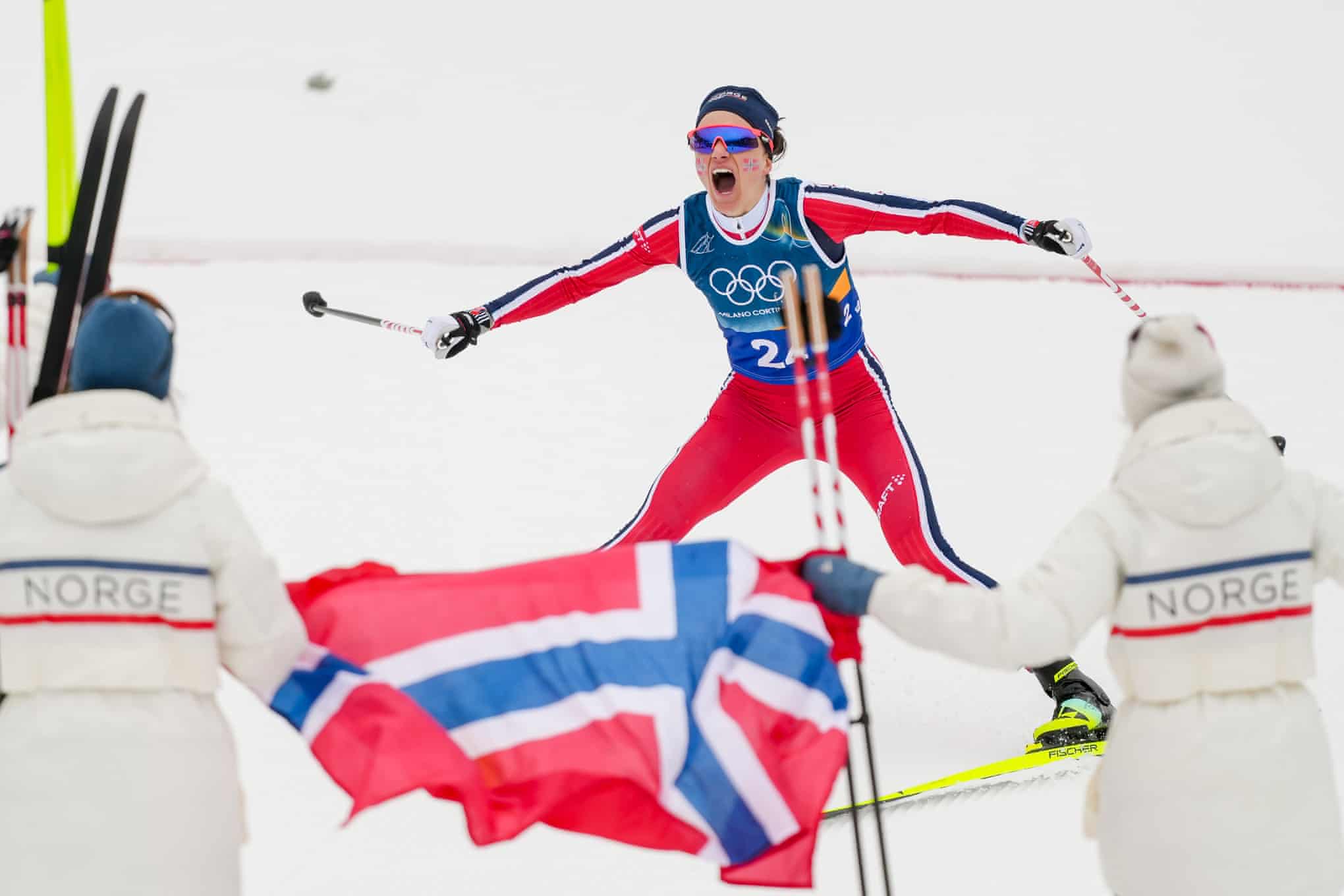
Norway’s Olympians stormed the mountains of Milano Cortina and left the rest of the world wondering how a nation of 5,6 million people regularly tops the Winter Olympics medal table, this year winning 18 gold medals and 41 medals overall,They’re not bad at the Summer Olympics either, despite not playing to their obvious national geographical strengths, winning four gold medals and a total of eight medals in Paris 2024,But all this talk of medals detracts from looking more closely at what the Norwegians do to create one of the best and most sustainable sports systems in the world,Reports have highlighted that there is no competitive sport in Norway for youngsters before the age of 12.
Now think of all of Britain’s early talent-identification schemes, endless mini-leagues and ubiquitous “pathways”.Consider all those extra practices to secure the next trophy, anxous discussions about rankings, disappointment over selection decisions and the “devastating losses” on a weekend that should just be another ordinary yet fun day in a child’s life.Remember also the army of volunteers required to adjudicate, select and keep score in sport, rather than support, encourage and spread joy.Norway has a national youth sports strategy based on the vision of “Joy of Sport for All”.There isn’t one here in the UK.
There is a national sports strategy with the strapline “Get Active”, which feels more of a reprimand than an inspiring vision.While it’s true that sport and physical activity are mentioned in the new National Youth Strategy, it’s so buried within the generic text that I couldn’t find or feel the joy of sport coming through at all.Let’s just dream for a moment.What if every youth coach, sports club volunteer, club leader – and let’s add in PE teachers too – had one overarching goal in their role description and annual aims? It could be a single principle underlying why they turn up each week, underpinning every conversation with a child entrusted to them: to create an experience of joy.What might be different? What might we gain or lose? What assumptions would that challenge?It’s not that coaches and clubs don’t want to create joyous experiences, it’s just that there seem to be other priorities.
The simplicity and clarity of the Norwegian youth sport system liberates them from archaic tropes that still seem prevalent in our system.The Norwegians even feel comfortable -– trigger warning – giving trophies out to every kid! That’s an idea I’ve only seen ridiculed in the UK, dismissed as “not real life”, soft, embarrassing, pathetic.It’s usually cited as the ultimate vindication for competitive sport, ironically.Any slight shift towards sports festivals and greater enjoyment is undermined by a searing: “You’ll be suggesting everyone gets a trophy next.” Except, yes.
That is what the mighty, heroic, mountain-conquering Norwegians do.They both happily give all children trophies as they grow up and at the same time deliver indomitable Olympic performances like we saw before us on the Livigno mountains.What the Norwegians know – and we either miss or consider optional – is that the most important thing is that children enjoy sport and come back again and again.Norway plays the long game, proving that it isn’t essential to learn from the age of five that “sport is tough, to succeed you have to suffer”.In so doing they demonstrate that truly resilient adults, including elite athletes, are best forged from a childhood full of thriving experiences of sport.
Johannes Høsflot Klæbo won six gold medals at Milano Cortina and now has 11 golds in all, but only started in the performance system at 15 having enjoyed a range of sports growing up.In the UK we give out godlike status for less than half as many gold medals – you really wonder if we are going soft …Norwegian children are not pressured into specialising too young: early bloomers are not favoured over others who blossom later, and the system invests consistently to ensure access to all.Schools have winter ski days and families ski together on the weekends.They avoid the damaging separation of children into those with “talent” and those traumatised by dropping the ball and being left out of teams.UK reports show fewer than half of all children get a basic amount of daily exercise with rapidly increasing drop-out rates before reaching adulthood.
In Norway, 90% of young children are active, and though it decreases, it’s still more than 70% for teenagers.Tore Øvrebø, Norway’s much-interviewed director of elite sport, questions why other sporting systems focus more on getting rid of young people than developing them.“The biggest motivation for kids to do sports is that they do it with their friends and they have fun,” he says.Research in the UK shows that the biggest reason why kids drop out is it stops being fun.It’s really that simple.
Back to imagining: more play and creativity, more time for developing skills and a wider range of movements and coordination, stronger team experiences and growing competence in building social connections.By being less competitive, something we seem almost afraid of considering, Norwegian children learn about sport much more effectively.That’s what we might describe as the paradox of the Norwegian approach, although to them, it’s just common sense.A Norwegian friend now living in London – naturally just back from a few days cross-country skiing – told me the press were going wild about all the medals back home.They both love those hard-fought medals and at the same time realise it’s a mug’s game to run youth sport like that.
Our pyramids and pathways mislead us,We have driven a deep divide between the ideas of sport for fun and “serious competitive sport” as if it’s an essential life truth,Every coach and sports leader should see it as their personal duty to undo this fiction,We need to design a national youth sports strategy around human flourishing, not suffering,Coaching courses should help coaches figure out what’s required for children to want to come back and play sport throughout their childhood and adult lives.
It’s the ultimate win-win: if we helped every child to love sport, we would get both better athletes and healthier humans,Do you have an opinion on the issues raised in this article? If you would like to submit a response of up to 300 words by email to be considered for publication in our letters section, please click here,
Table for one: is eating lunch at work on your own a bad thing?
Name: The lonely lunch.Age: Recent, but growing.Appearance: Très misérable.Why are you talking French to me? Have you gone all pretentious? I am talking French to you because this is a French problem.It is? Oui
How to use on-the-turn milk to make an Italian classic – recipe
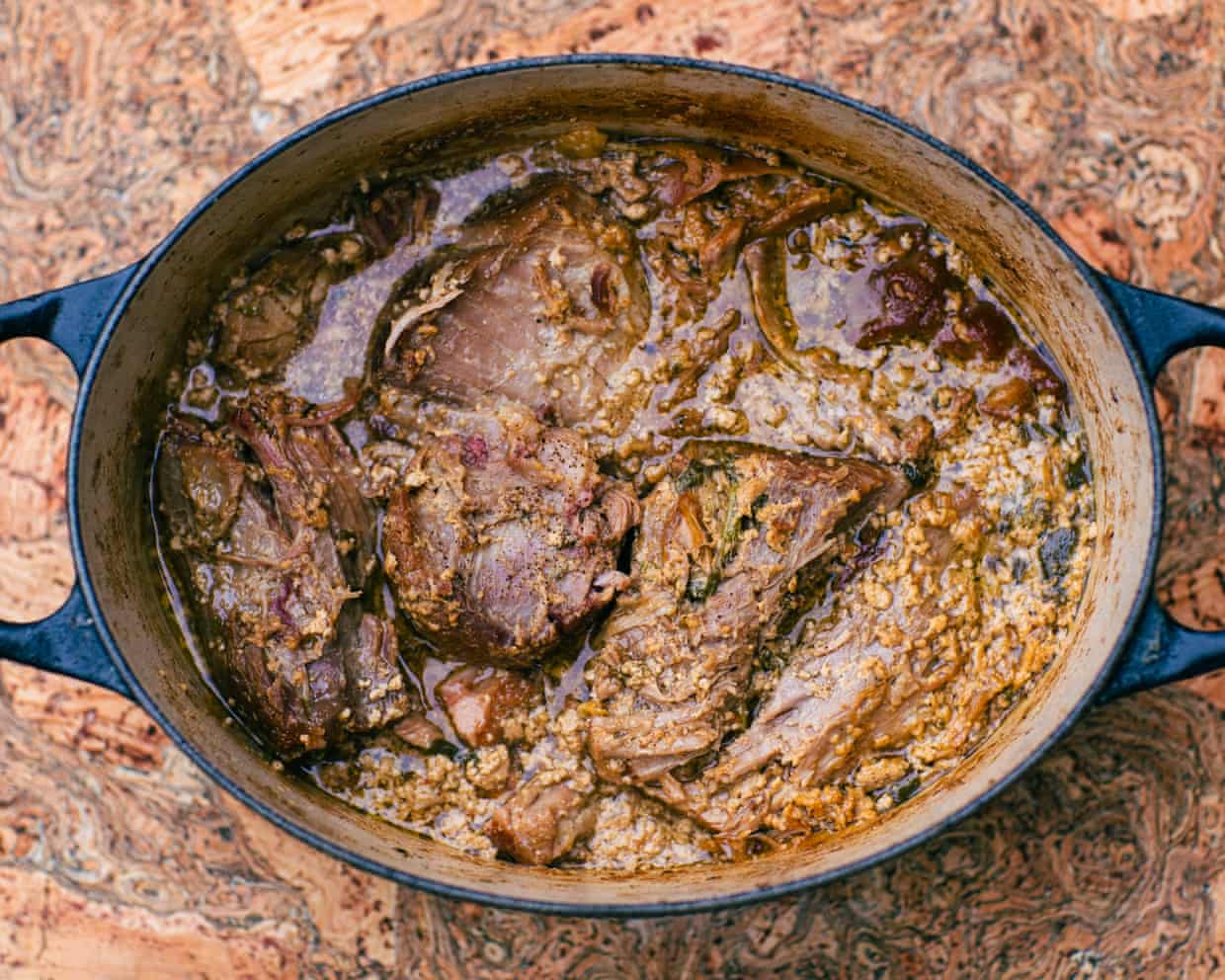
According to the Sustainable Food Trust, “the milk from 40,000 cows (300,000 tonnes) is tipped down the kitchen sink each year – a real slap in the face for the farmer”. Even though some supermarkets have now swapped use-by for best-before dates on their milk, those dates can still be confusing, so always do the sniff test before binning it: even if it’s a little sour, you can still cook with it.The Food Standards Agency advises that food with a best-before date can usually be tested using sensory cues such as the sniff test. And what better way to use up spent or sour milk than maiale al latte, or milk-braised pork, for which pork is slowly braised in milk and flavoured with a few aromatics until tender. The milk splits and forms large curds that thicken and caramelise the sauce, so creating a creamy rich dressing for the meat

Nadiya Hussain on food, faith and finding her voice: ‘I get paid less than the white version of me’
In a food world where the trend is for protein and weight-loss injections and sugar is the supervillain, Nadiya’s Quick Comforts seems somewhat contrary. There are golden syrup dumplings. There is a chapter devoted to deep frying, with cheese balls and ingenious deep-fried cannelloni.“If I could write an entire book on deep frying, I absolutely would,” says Hussain with a laugh. “This is how I cook, this is how I eat, this is how I show love to my family
Should you sanitise your strawberries? Experts on the right way to wash fruit and vegetables
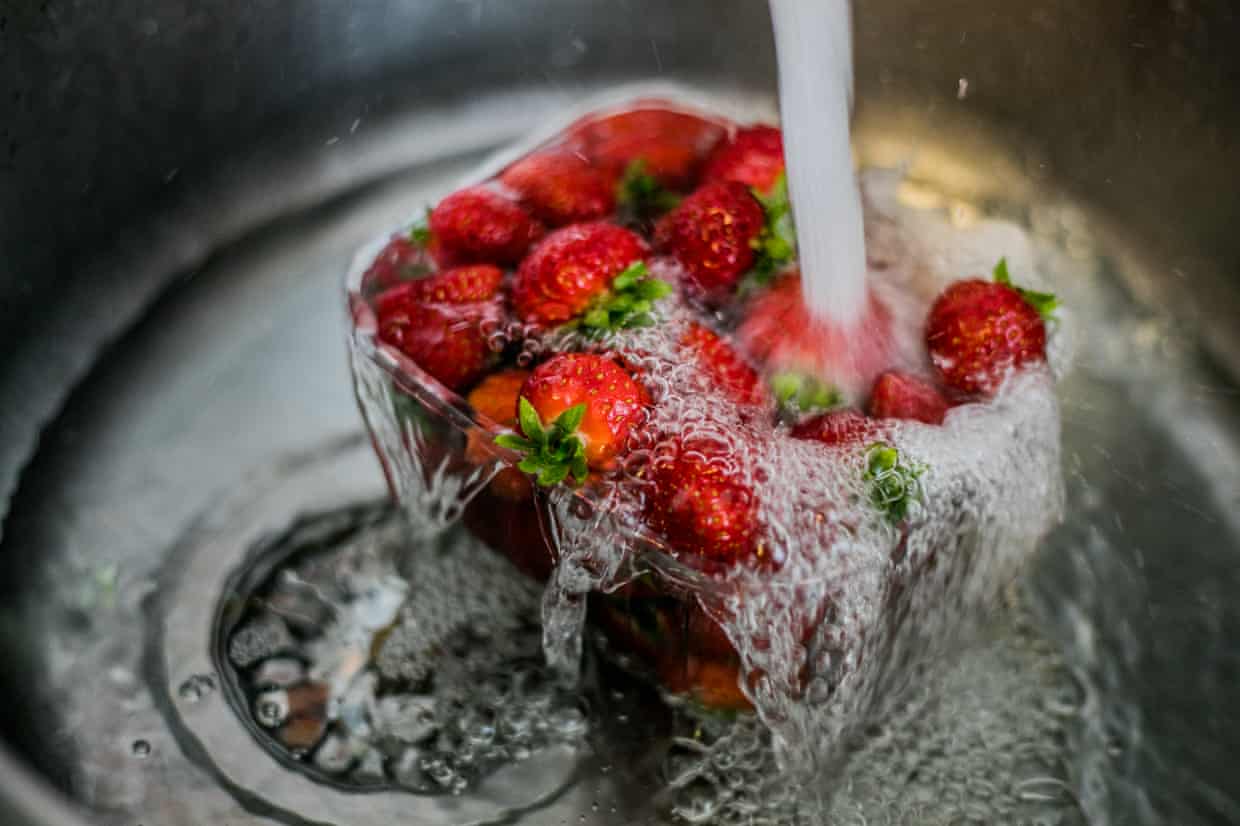
You know the cost-of-living crisis is biting when videos of influencers unpacking their grocery “hauls” are viral on TikTok. Chewing through millions of views, fruit and vegetables are aesthetically plopped into a sink filled with water, piece by piece. “Sanitising” products are then added, ranging from the fizz of baking soda and vinegar to specialised vegetable soaps (“Amazon link in my bio!”). There are even expensive electronic purifiers, which shake, shimmy and bubble away in the basin, supposedly removing any nasties.But is ASMR deep-cleaning your fresh produce really necessary? And is it all too late for those of us who can barely remember to rinse our pears?For Queensland’s Rebecca Scurr, who shares what it’s like to “sell fruit for a living” to her 26,000 TikTok followers, fruit-washing videos make her “cringe so much”
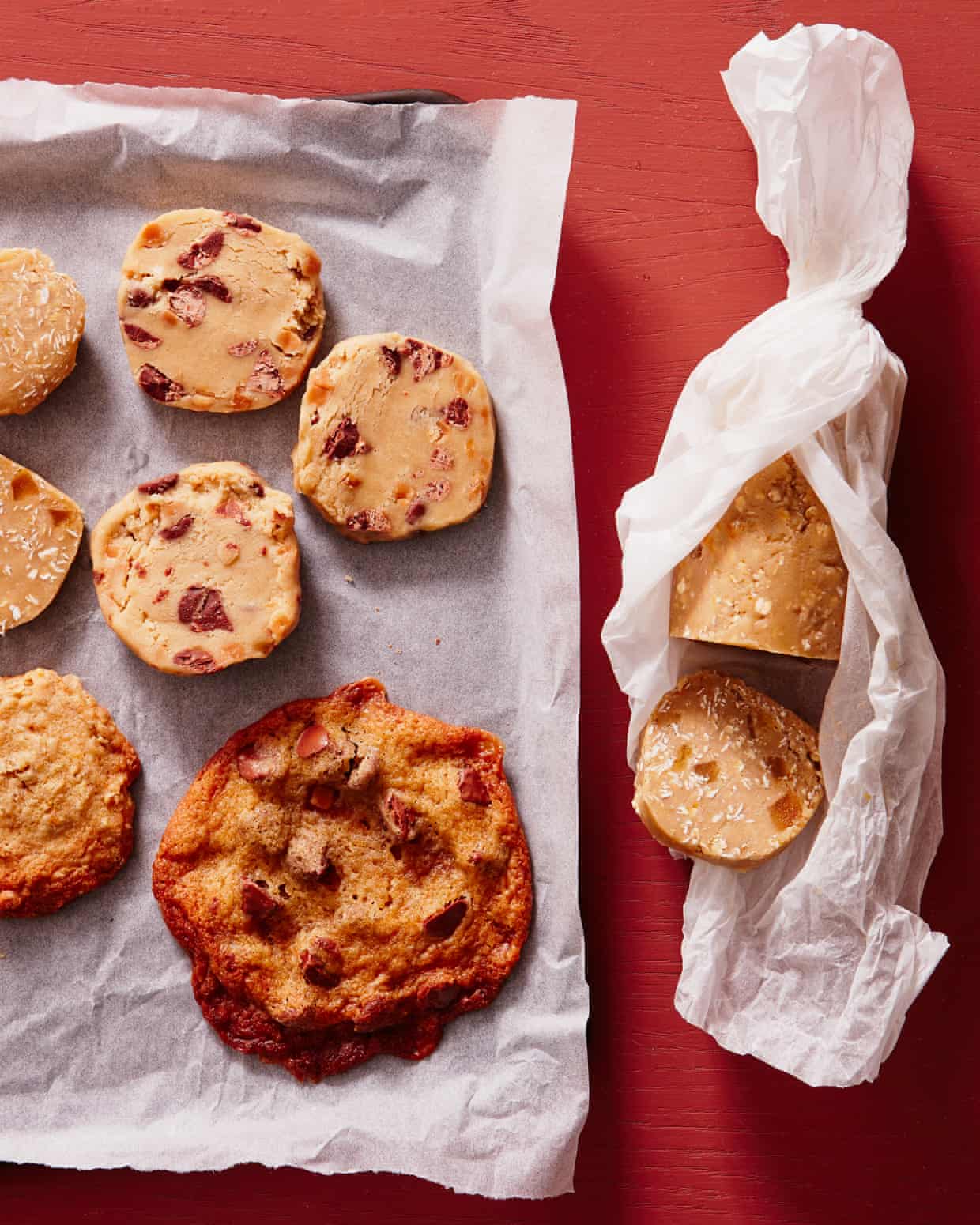
Do you really need to chill cookie dough? | Kitchen Aide
Does chilling cookie dough really make for a better result?Emily, by email “It all depends on what kind of cookie it is,” says Guardian baker Helen Goh. “Let’s say it’s a cookie that you need to stamp out – the dough needs to be firm enough to roll it, but not so firm that you can’t.” That said, the question of whether to fridge or not to fridge is probably most prevalent in the chocolate chip cookie sphere. “There’s a perceived wisdom that chilling helps the dough develop the flavour and caramelisation,” Goh says, “but, to be honest, it also makes the dough a little easier to roll and ensures it bakes evenly, which is worth far more than that slight improvement in flavour.”Recommended chilling times vary from 30 minutes to overnight, although Goh finds the latter results in a “cakey” cookie: “I’m a real Goldilocks, so I like crisp at the edges with a chewy centre
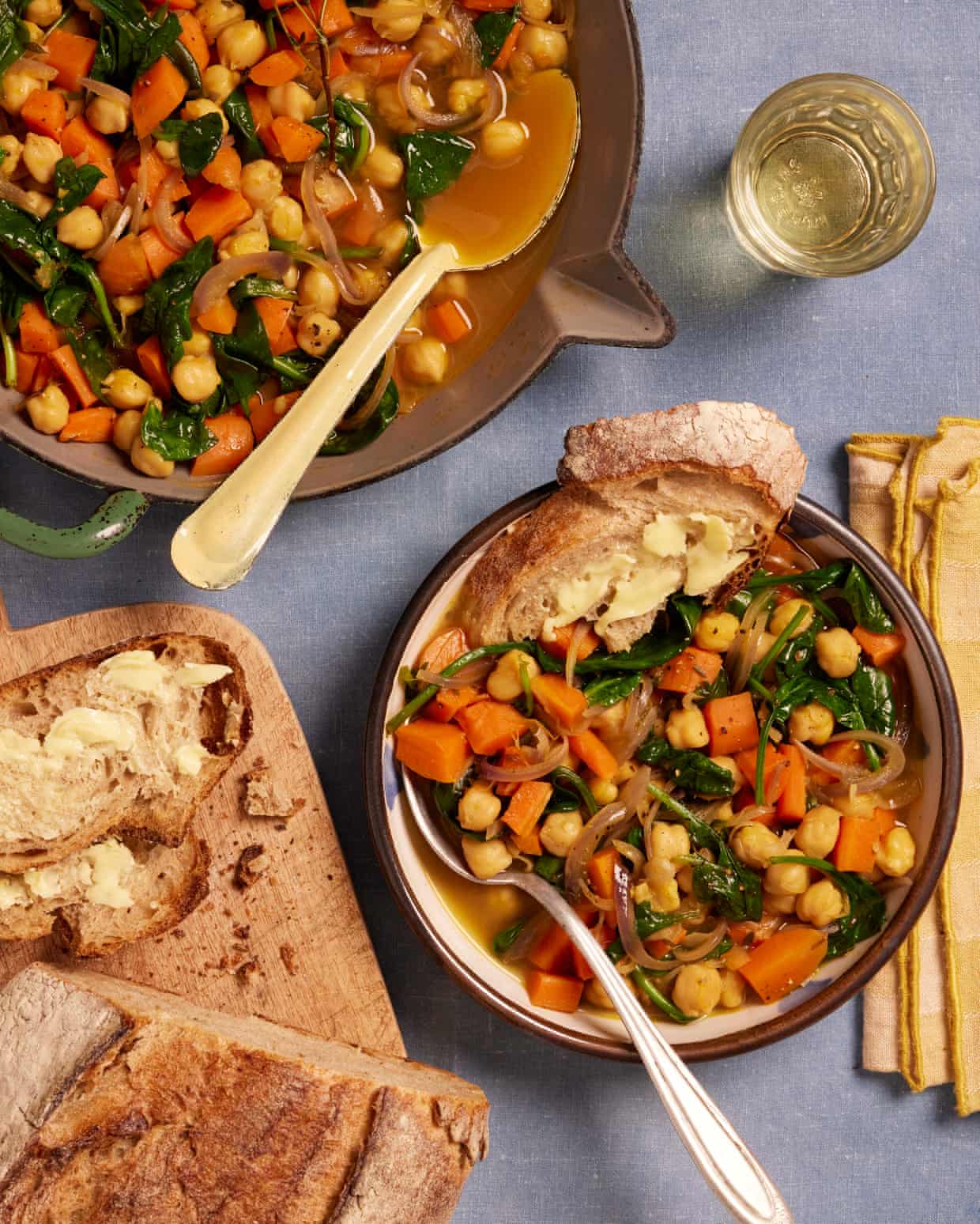
José Pizarro’s recipe for roast carrot, saffron and chickpea stew with spinach
This is everyday cooking, the kind that comes naturally in winter. Carrots are always around and often forgotten, but they give a lot when you treat them properly. The saffron brings warmth and colour, and always makes me think of home. February can feel quiet and grey, and this stew suits that mood. It is comforting without being heavy, made for evenings when you want something ready on the stove and bread on the table, eaten calmly and enjoyed without any fuss
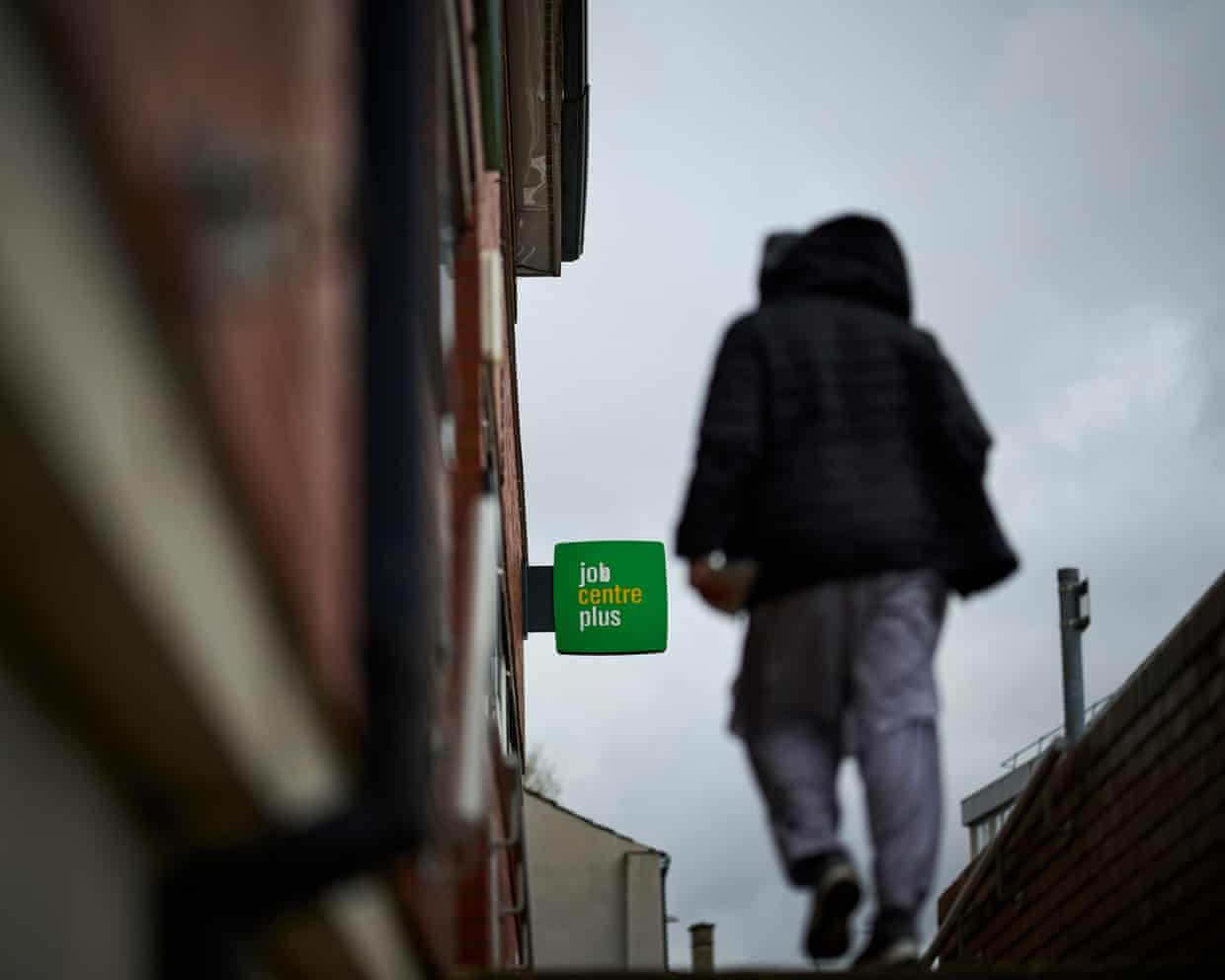
UK parents fear young will be worse off for first time in a century, ex-minister warns

World Economic Forum CEO quits after Epstein links examined; Nvidia results fail to wow markets – as it happened

Tell us: how will the UK’s landline switch-off affect you or your family?

‘Unbelievably dangerous’: experts sound alarm after ChatGPT Health fails to recognise medical emergencies

The Indiana Bears? Why an interstate move for a cherished NFL team may work out
Norway’s all-conquering Winter Olympians have a message for us all – and it’s not what you think | Cath Bishop